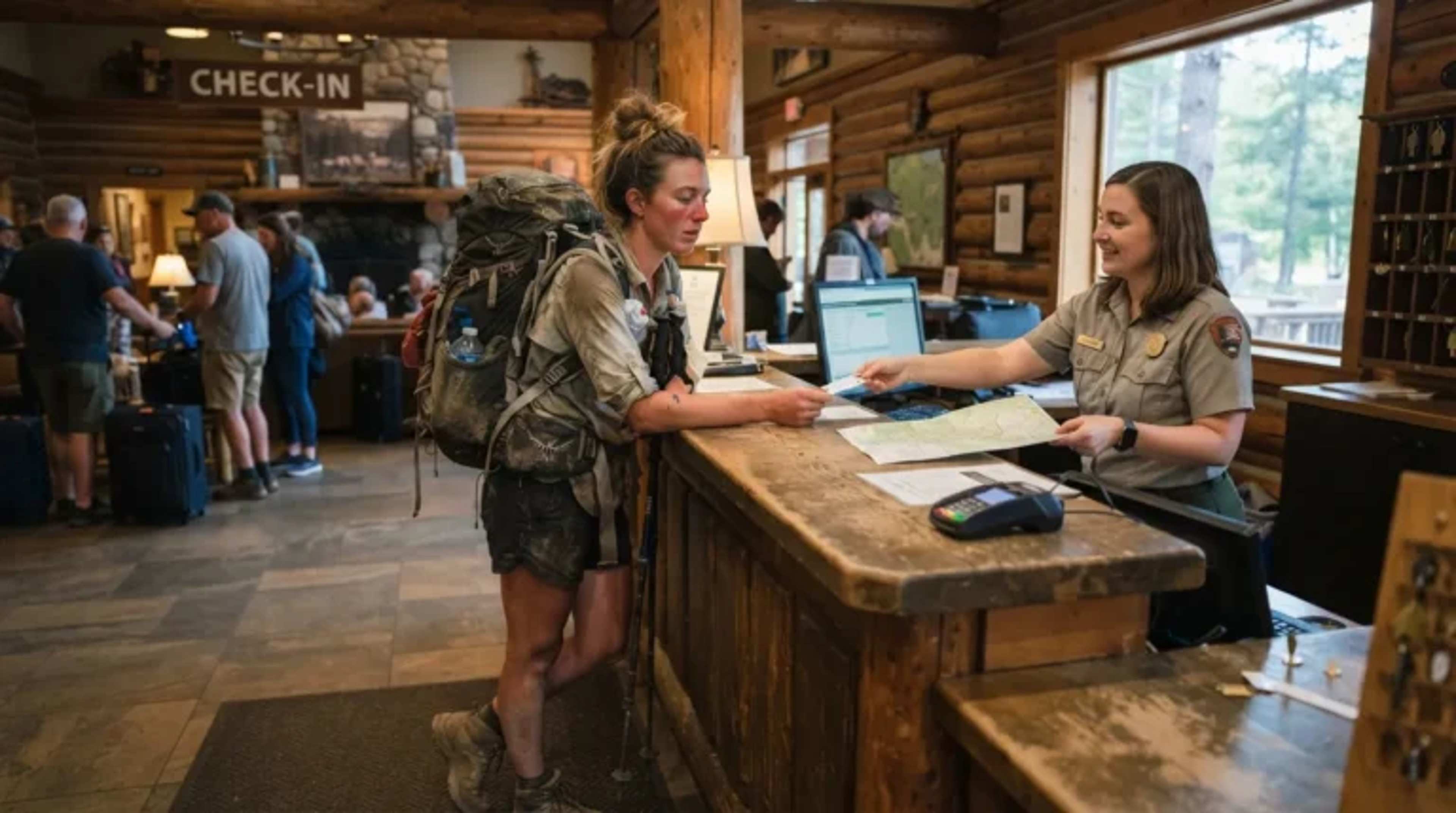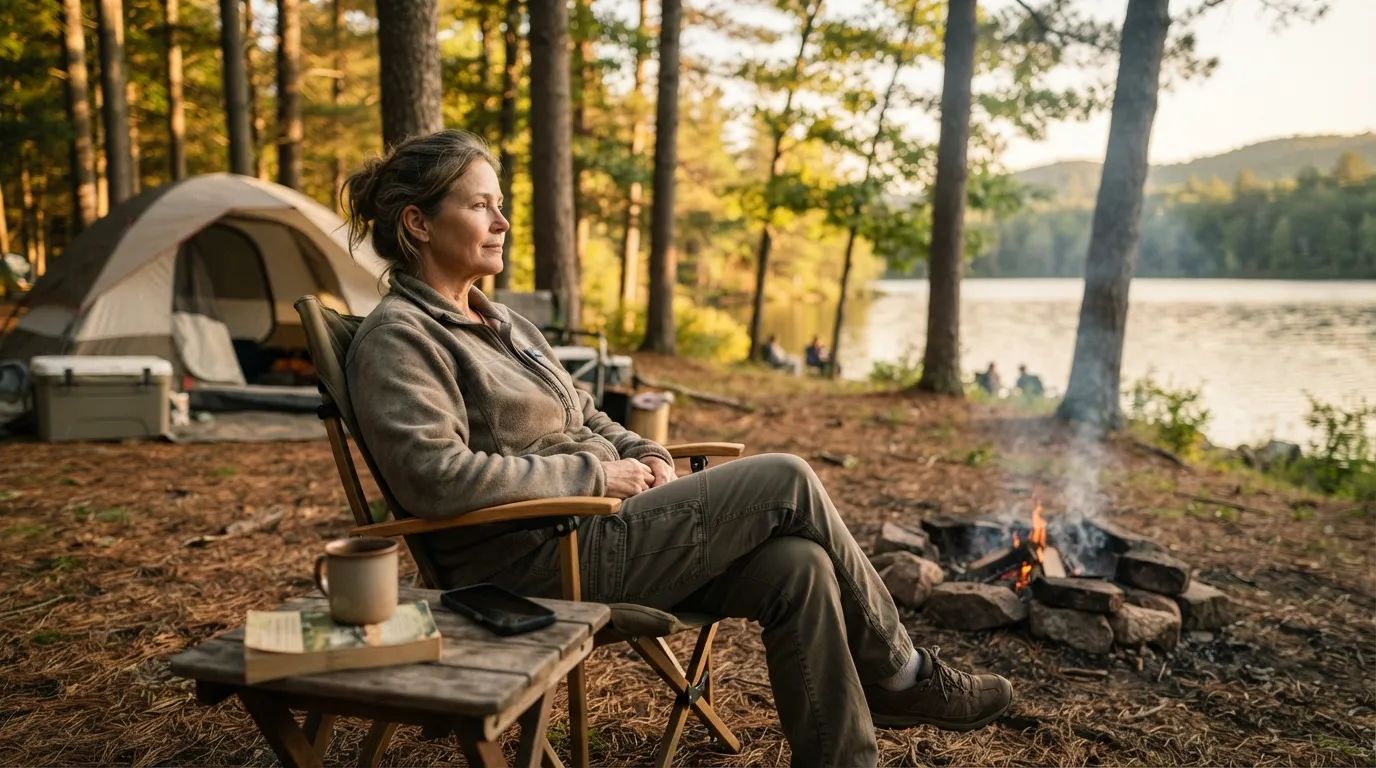
From the road, a campground at golden hour looks like a postcard. There’s woodsmoke, string lights and kids wobbling past on bikes. From behind the office window, it looks more like a season-long reality show. Tens of millions of households camp every year, and each one leaves behind small stories that never make it into a review.
Some of those stories are hilarious. Some are tense, and a few are quietly moving. The people who work the front desk, drive the golf cart and carry the bathroom mop bucket notice the same patterns again and again, and one of them is the thing many staffers say they remember long after the season ends.
#18 – The Line at the Gate Starts Hours Before Check-In
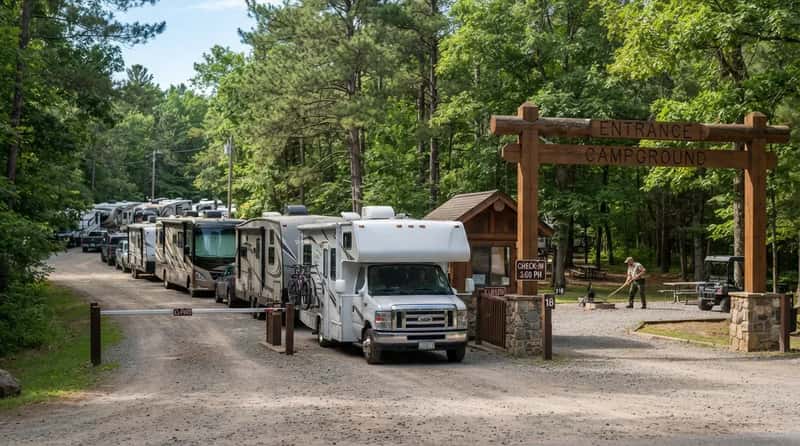
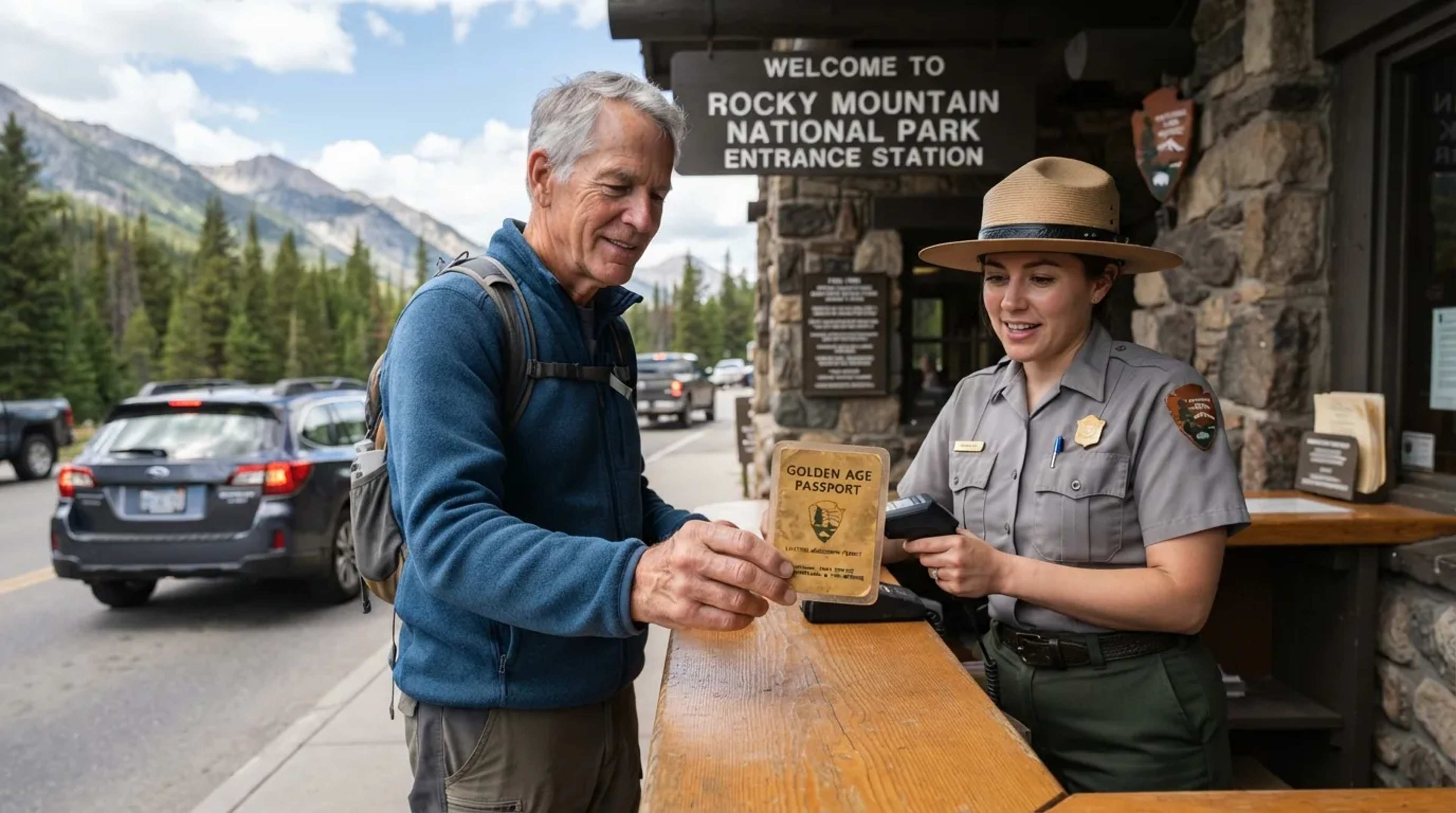
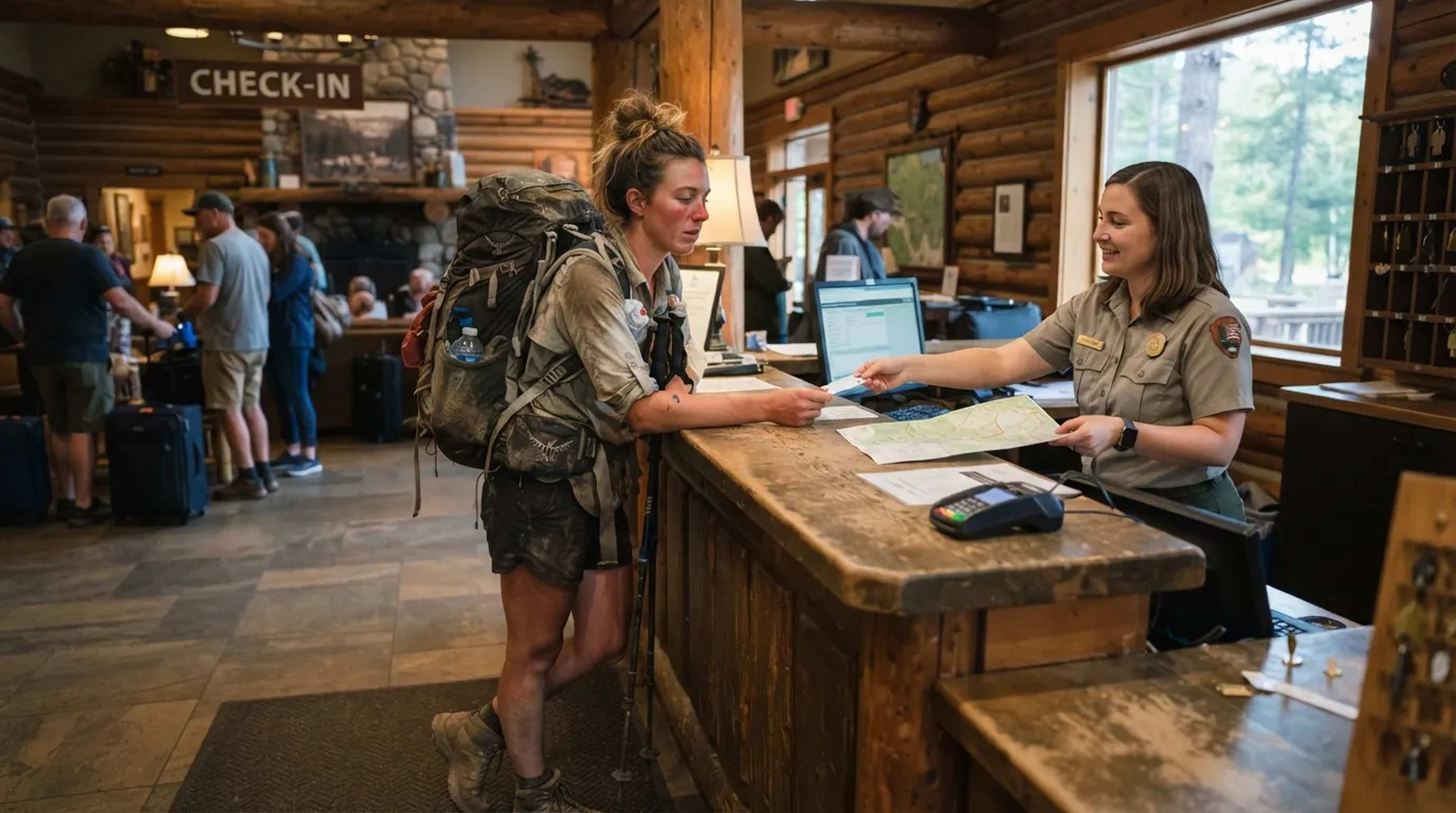
Staff say the first rigs often roll in well before the official check-in time. Some guests figure that showing up early will win them the best spot. Meanwhile, the last campers may still be packing up, and the crew is racing to rake fire rings and clear pads.
Here’s the part guests rarely hear: a parked rig blocking the entrance can slow down the very turnover that gets you into your site faster. The staff aren’t being stubborn. They’re trying to hand you a clean site instead of a half-finished one. And the real noise doesn’t start until after dark.
#17 – Quiet Hours Cause More Late-Night Radio Traffic Than Any Other Rule
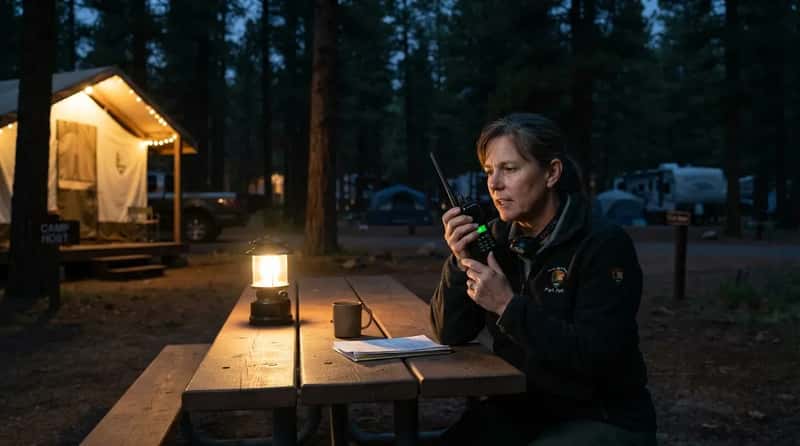
Ask almost any camp host what lights up the walkie-talkies after sunset, and noise comes up fast. It’s usually music, a generator or a big group that lost track of time. Quiet hours commonly start around 10 p.m., though the exact time varies by campground.
What guests don’t hear is that staff often get the complaint from the neighbor, not the offender. The person making the noise frequently has no idea how far sound carries through trees and across an open loop. A polite knock from a host usually settles it, but a second knock tends to be less polite. The next item sounds boring, yet it protects thousands of acres of forest.
#16 – That Free Firewood From Home Is a Quiet Menace
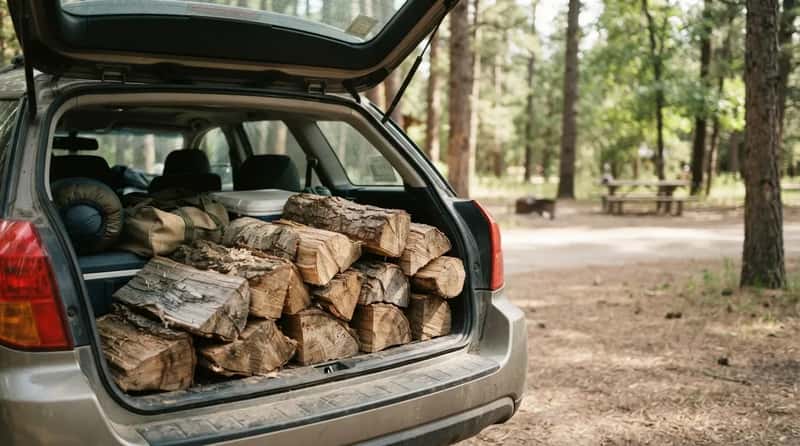
Plenty of guests proudly unload firewood they cut or bought hundreds of miles away. It feels thrifty and practical. Campground staff and forest health groups see a Trojan horse, because bugs and diseases can travel inside logs.
The national “Don’t Move Firewood” campaign exists because of invaders like the emerald ash borer, which has killed enormous numbers of ash trees in North America. One carload of wood can start a problem that outlives the camping trip by decades. That’s why many campgrounds sell wood on site and politely ask you to leave yours at home. Next, a mismatch that starts the moment you book.
#15 – The Site Photo Is Doing a Lot of Heavy Lifting
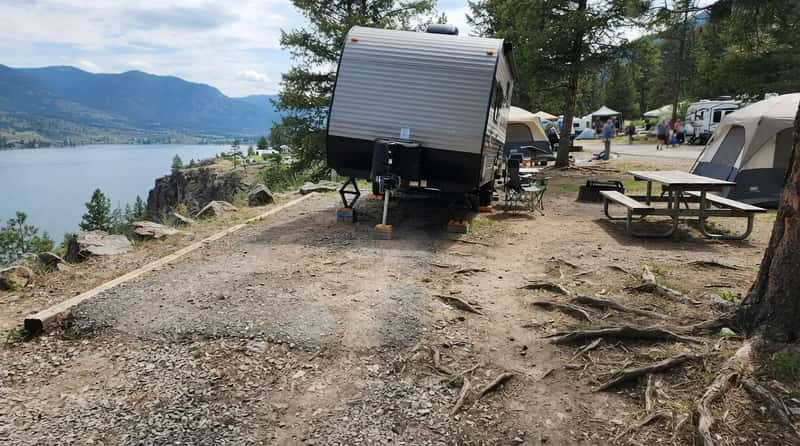
Booking maps and listing photos can make a site look flat, shady and private. Staff know the fuller picture, which may include a tilted pad, a tangle of tree roots and a neighbor’s picnic table ten feet away. Some of the most-requested sites in a campground are not the ones that look best online.
Quick Compare
- Premium view site: Big scenery, but often more wind, more foot traffic and less shade.
- Interior shaded site: A smaller view, but cooler afternoons, more privacy and calmer evenings.
- Smart move: Ask the office about slope, shade and the distance to the bathhouse path before you pay extra.
Here’s the take that gets seasoned staff talking: the premium “best view” site isn’t always worth the upcharge. Many regulars quietly book a modest interior spot with real shade instead. The office also hears about a different kind of mismatch, and it involves a tape measure.
#14 – Nobody’s Trailer Is as Long as the Booking Form Says
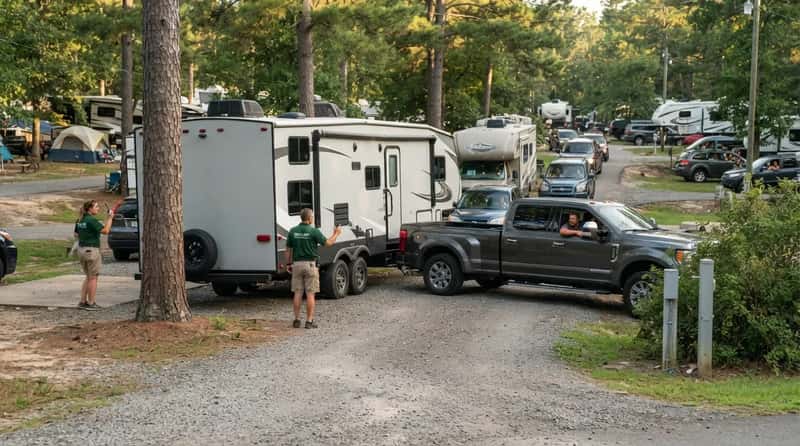
Staff say some guests book a site for a trailer that’s shorter than the one that actually rolls in. Sometimes it’s honest confusion about whether the length includes the hitch and bumper. Sometimes it’s pure optimism.
The result is a rig half-blocking the road, a slide-out nudging a tree, or a sudden request to switch sites. A single misjudged turn into a tight loop can back up traffic for everyone behind it. Staff would much rather hear the real length at booking than watch a ten-point turn at dusk. Dogs create a whole different kind of drama.
#13 – “He’s Friendly!” Is the Most Repeated Sentence on the Property
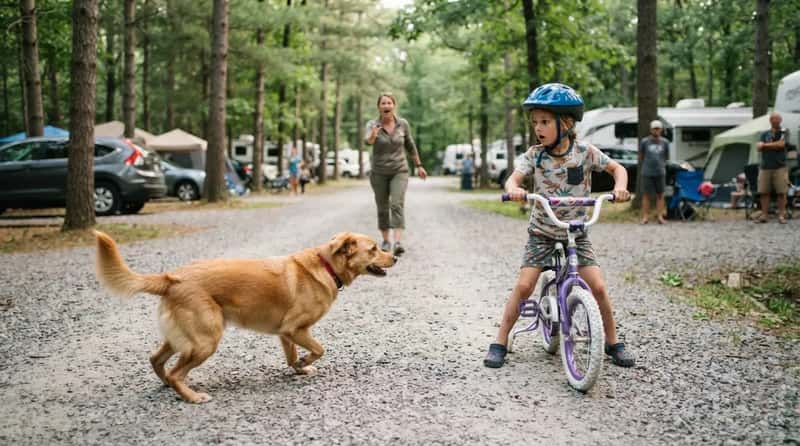
Almost every campground has a leash rule, and almost every season staff watch it get tested. The classic scene is a dog off-leash, an owner calling “He’s friendly!”, and a nervous kid frozen on a bike. Staff say the rule isn’t about your dog’s personality. It’s about everyone else’s unknowns.
Another repeat scene is a dog left inside a camper, barking for an hour while the owners are out on the lake. Neighbors often report it to the office before the owners even know it’s happening. Staff would much rather call you than escalate. And at 8 p.m., the camp store tells its own story.
#12 – The Camp Store Is a Time Capsule of Everything You Forgot
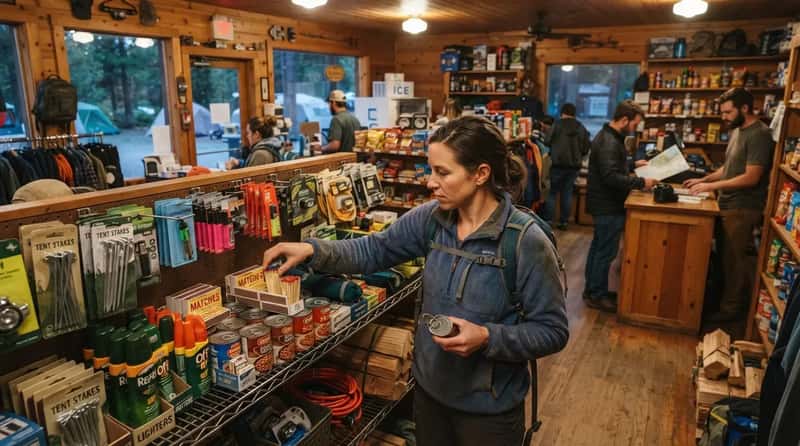
Walk into any campground store around dusk and you’ll meet the forgotten-item crowd. Lighters, tent stakes, bug spray, extra ice and extension cords tend to fly off the shelves. Staff say a tiny shop can turn into a rescue station on a busy weekend.
The strangest part is how predictable it is. People who packed for days often forget the one tiny thing that makes dinner possible, like a can opener or matches. The best store clerks don’t judge, and many keep a mental list of what’s about to run out. Meanwhile, a different kind of forgetting is happening on laptops.
#11 – Guests Ask for the Wi-Fi Password Before They Ask Where the Bathrooms Are
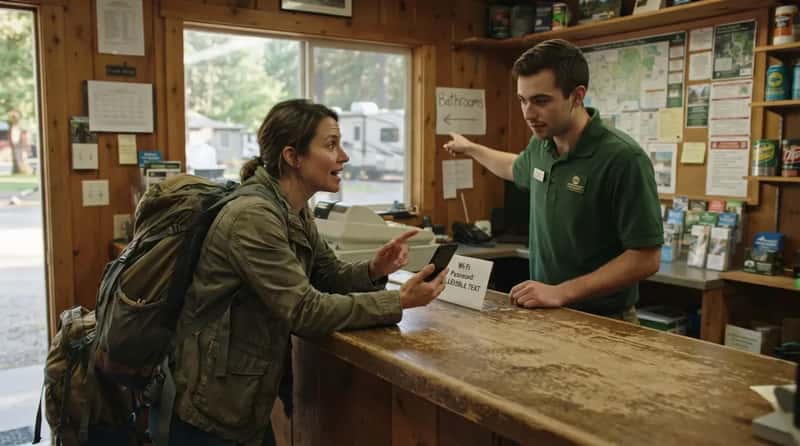
Many campgrounds advertise Wi-Fi, and many guests treat it like a basic utility. Staff say the password request comes almost as fast as the bathroom directions. When the signal is weak, the front desk hears about it.
That figure suggests more campers are leaving work behind, at least according to KOA’s survey. Still, staff see the opposite scene every day: a laptop open beside the fire ring. Many campgrounds sit in rural spots where signal is the least reliable thing on the property. If you must work, ask about connectivity before you book. Now for the guests staff actually light up about.
#10 – First-Timers Are a Huge Crowd, and Staff Secretly Love Them
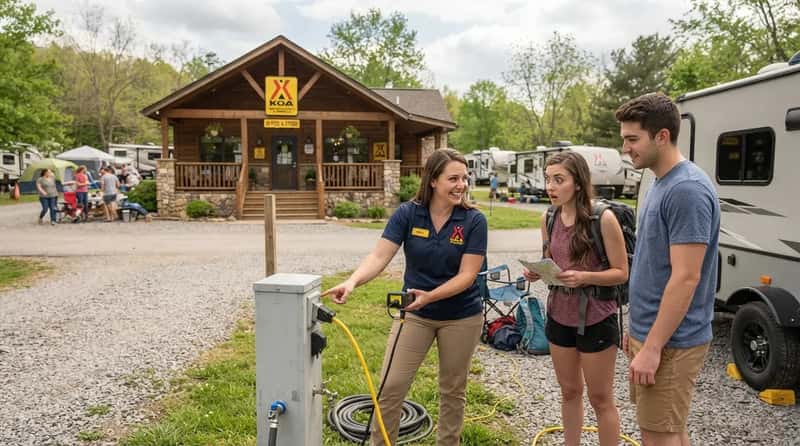
New campers arrive every season with wide eyes and a very long list of questions. KOA reported that 2025 added over 2.2 million new campers, and over 8.5 million households have tried camping for the first time since 2023. Many of them head straight to the office to ask how the hookups work.
The best moment, staff say, is when a nervous beginner gets the fire lit or the awning up for the first time. Most staff members would rather answer a “silly” question at check-in than fix a mistake at midnight. Asking is never a weakness here. But not every visitor arrives by car.
#9 – Raccoons Have Already Figured Out Your Cooler
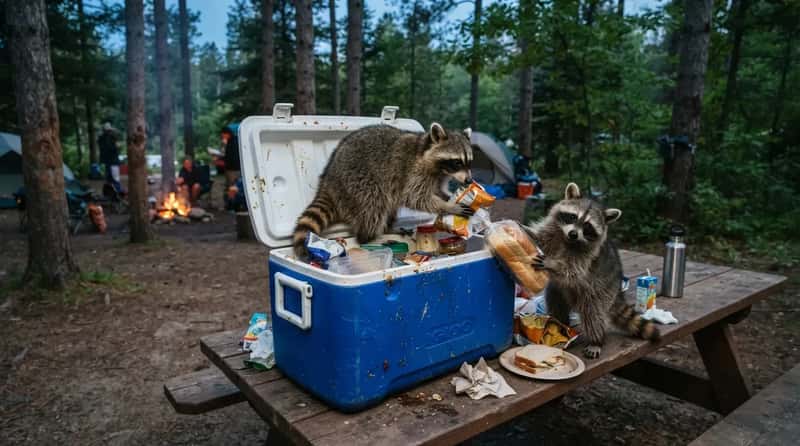
If you think wildlife only shows up deep in the backcountry, campground crews would politely disagree. Raccoons, squirrels, skunks and, in some regions, bears learn quickly where the food is. Staff see the same pattern all season: dinner is out, everyone drifts to the fire, and the picnic table is left unguarded.
Worth Knowing
- Food isn’t the only lure. Trash, pet food, toiletries and even empty, sticky wrappers can draw animals in.
- A regular cooler isn’t automatically animal-proof. Only products certified by the Interagency Grizzly Bear Committee are tested against bears.
- In many bear-country campgrounds, a locked hard-sided vehicle or a provided food locker is the standard place to store food.
- Clearing the table before the fire party starts, not after, closes the window raccoons wait for.
Raccoons have famously nimble front paws, and a latch that seems secure to you may be a puzzle they enjoy. A single unlatched cooler can teach local animals that campers are a dependable buffet. In bear country, that lesson can end badly for the animal. Staff say the safest rule is the simplest one: store food properly, every time.
#8 – The Fire That “Went Out” Hasn’t Gone Out
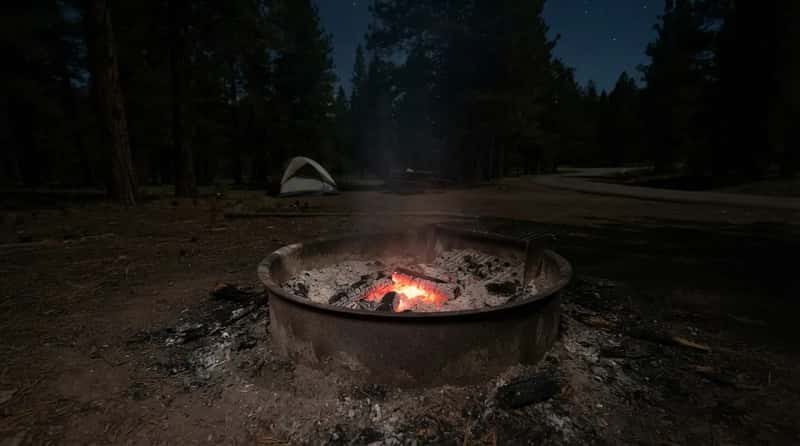
Many campgrounds have staff who walk or drive the loops after dark. They’re watching for rowdy groups, sure, but also for unattended flames. A fire ring that looks cold can hold heat in the ash for a long time.
The National Park Service notes that nearly 85 percent of wildfires in the U.S. are caused by humans. That makes a carelessly abandoned campfire one of the most preventable disasters on the map. Staff also enforce fire bans, even when guests grumble. Then there’s the weather, which has its own plans.
#7 – Storm Warnings Get Shrugged Off Until the Awnings Start Flapping
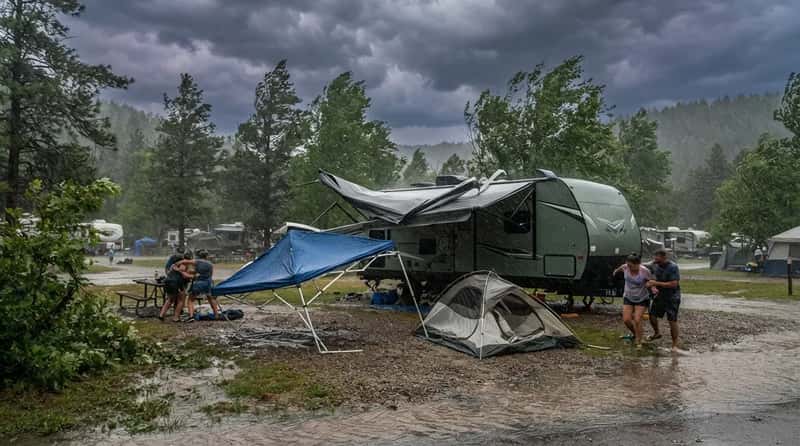
Campground staff are often the first to see a radar update and the last to be believed. On a pleasant afternoon, a warning about storms sounds exaggerated. Then the wind picks up and awnings start snapping like flags.
Staff say they’ve watched pop-up canopies cartwheel across sites and tents flatten in a single gust. Low-lying sites near creeks and dry washes can flood fast when rain falls upstream, even if the sky above you is clear. A good host will tell you where the sturdiest shelter is, so it’s worth asking at check-in. The most dangerous cold-weather threat, though, isn’t rain at all.
#6 – The Heater in the Tent Scares Staff More Than the Bear
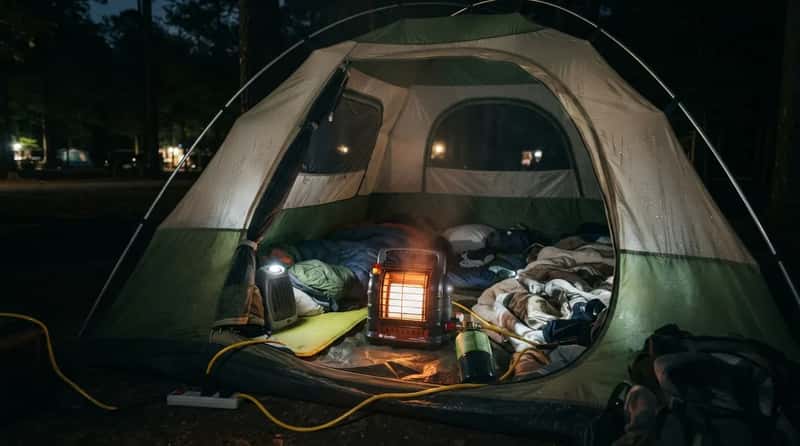
Cold nights bring out creative solutions. Staff and safety agencies see guests run generators, grills or fuel heaters in places where fumes can build up. It’s done with good intentions and a strong wish to be warm.
The U.S. Consumer Product Safety Commission warns against running generators and similar fuel-burning devices in enclosed or partly enclosed spaces. Sleep can make it even harder to notice that anything is wrong. Staff say the fix is boring but effective: use heaters rated for indoor or tent use, and pack a battery-powered CO alarm. Now, about those “sold out” reservations.
#5 – “Sold Out” Often Isn’t, and Last-Minute Cancellations Are the Real Booking Hack
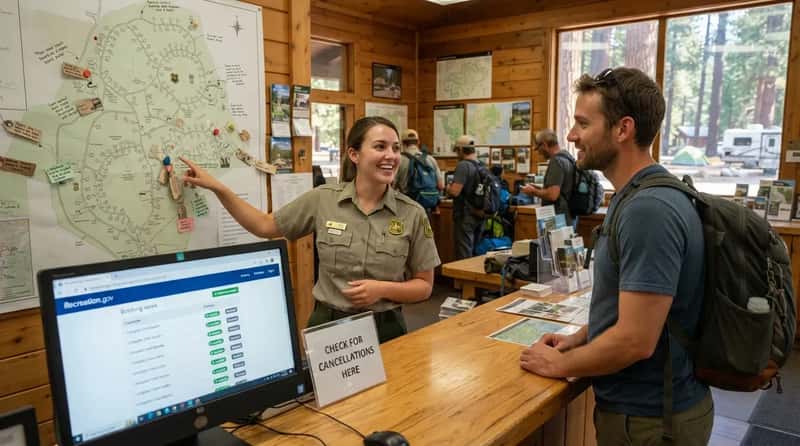
Everyone says popular campgrounds are booked solid months ahead, and often they are. What guests don’t hear is that sites open up again all the time. Plans change, kids get sick, and storms roll in.
At a Glance
- Many federal campgrounds on Recreation.gov release sites on a rolling window of up to six months ahead.
- Cancellations can free up a site at any hour, including days before arrival.
- The office may know about waitlists, walk-up sites or first-come loops that the booking page doesn’t show.
- Flexible dates, especially weeknights, tend to open up far more options.
Staff see people snag a prime weekend spot simply by checking the booking page again a few days out. The “sold out” sign is often a snapshot, not a verdict. It pays to ask nicely. Up next is a guest category that barely existed a decade ago.
#4 – The Glamping Guest Who Expected a Hotel
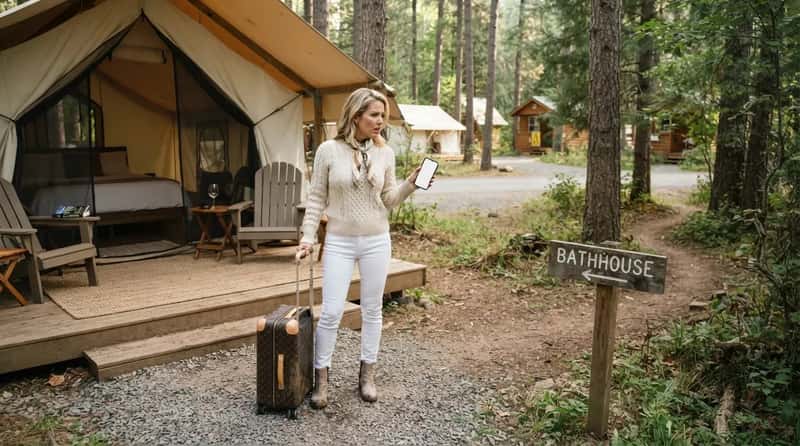
Glamping has moved from niche to mainstream, and staff say the expectation gap is real. Guests book a canvas tent or a cabin with a bed and assume room service comes with it. In reality, some places still have a walk to the bathhouse, plus bugs, weather and wildlife.
Interest is still rising: 54 percent of campers say they plan to glamp in 2026. Some staff argue the secret to happy glamping guests is a pre-arrival email that says exactly what is and isn’t included. The ones who read it tend to love it. The ones who don’t often arrive with a lot of questions. And then there’s the guest who keeps coming back.
#3 – Some Families Book the Same Site Every Year, and Staff Know Their Names
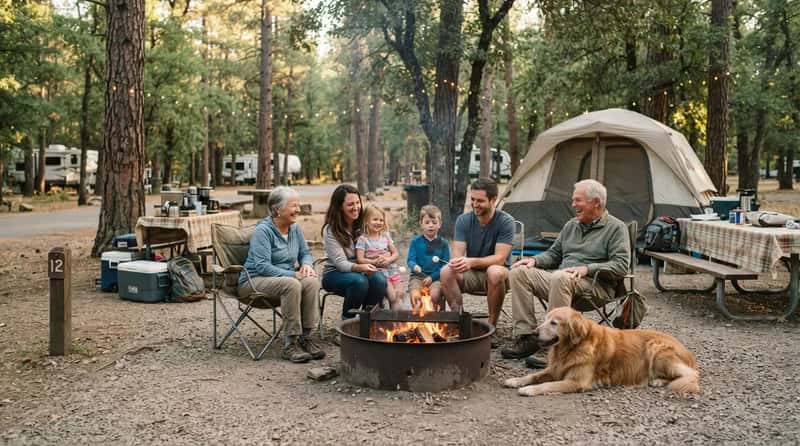
Every campground has regulars who book the same week and the same site, sometimes a year in advance. Staff learn their kids’ names, their dogs’ names and which snacks they’ll grab at the camp store. They also notice when those kids grow up and show up with kids of their own.
Why It Stands Out
- The same week, the same site and the same fire ring can turn into a family tradition.
- Staff often become part of the story, remembering birthdays, new puppies and growth spurts.
- Regulars frequently become unofficial welcome committees for first-timers in the next site over.
KOA’s 2026 research found that three-fourths of campers see campgrounds as modern “third places,” meaning spaces outside of home and work where community happens. For some guests, the campground is the one place all year where they actually know their neighbors. Staff are often the glue holding that together. That brings us to the people who rarely get thanked.
#2 – The Person Scrubbing the Bathhouse at 6 A.M. Is Often Living the Camp Life Too
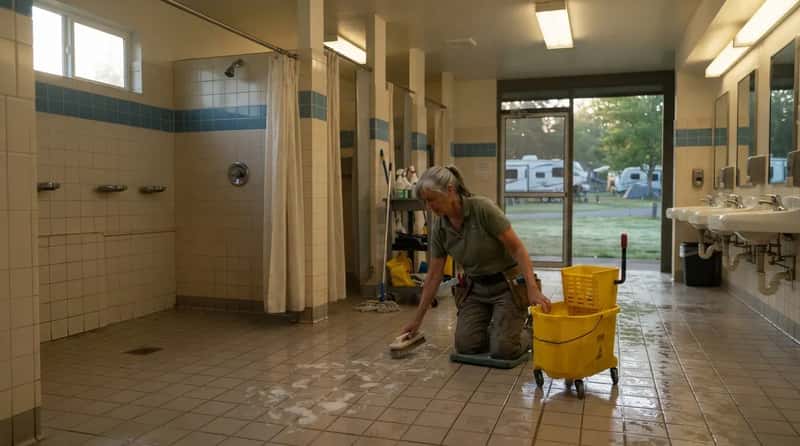
Many campgrounds rely on seasonal staff and “workampers,” who are RVers or campers that trade hours of work for a free or discounted site. They clean bathrooms, mow, check in guests and fix whatever broke overnight. Most visitors never see the early shift, only the results.
Staff say the pace is relentless in peak season. A single burst pipe or a broken gate can reshuffle an entire day for a small crew. A kind word to the person with the mop bucket goes a long way. And the final item is the thing staff say they’ll remember longest.
#1 – By Day Three, the Phones Go Face-Down and People Change
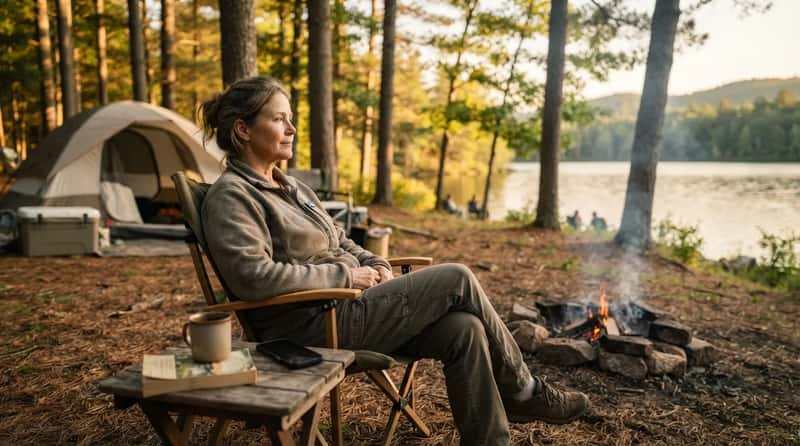
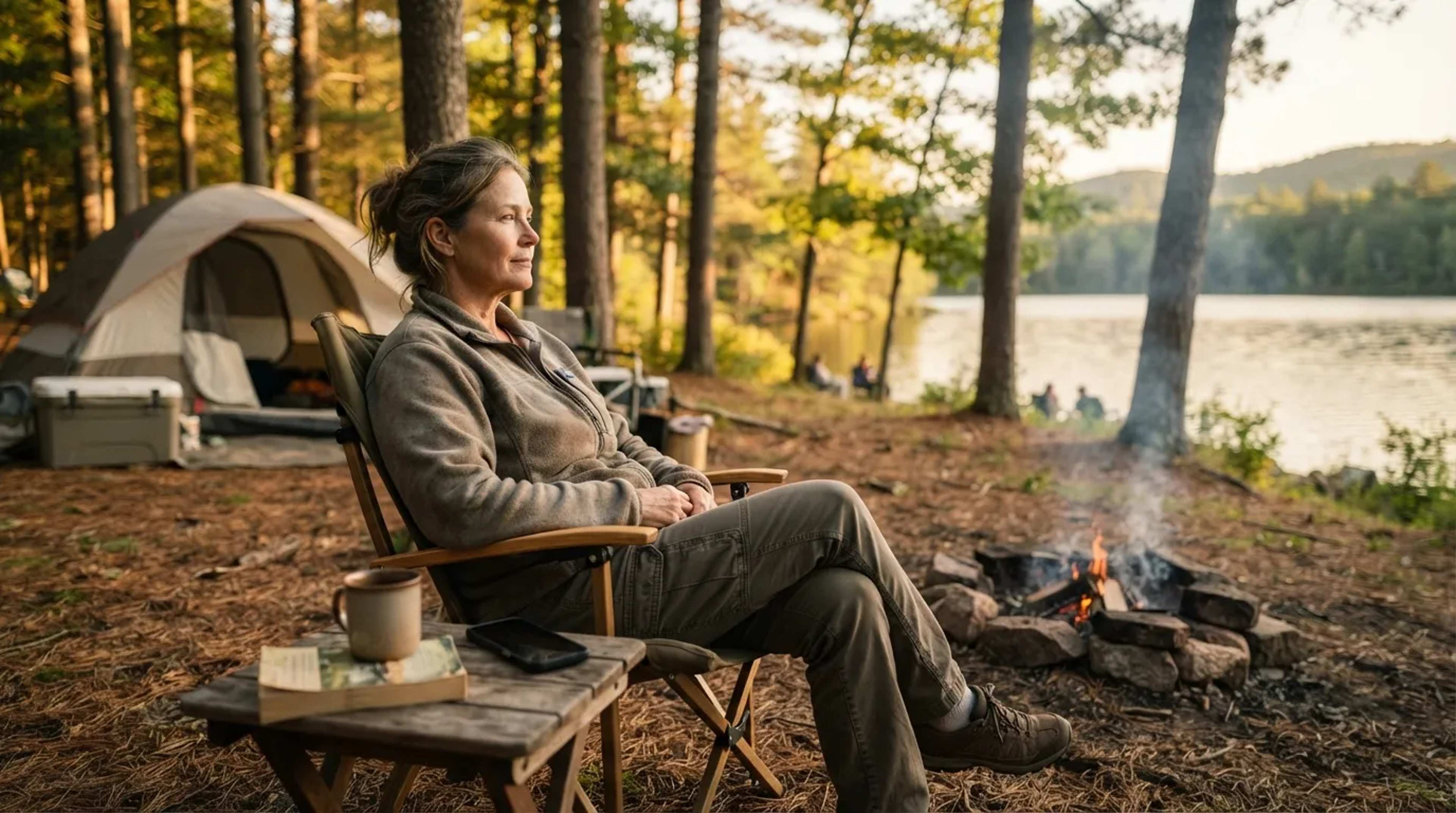
This is the one staff talk about in a softer voice. On the first day, guests arrive tense, checking messages and rushing the setup. By day three, those same people are sitting in camp chairs, staring at nothing in particular and looking oddly relieved.
KOA’s latest report suggests this is a big part of why people come: 77% of campers said being in nature is enough without added programming, and 47% plan trips to improve their mental well-being. Staff say the most common goodbye isn’t about the site at all, but a quiet “we needed this.”
Behind the office window, the season is a long parade of fires, forgotten gear, new friendships and tired kids asleep in the back seat. Guests usually see the postcard version, while staff see the whole film. Which of these have you spotted at your own campground?