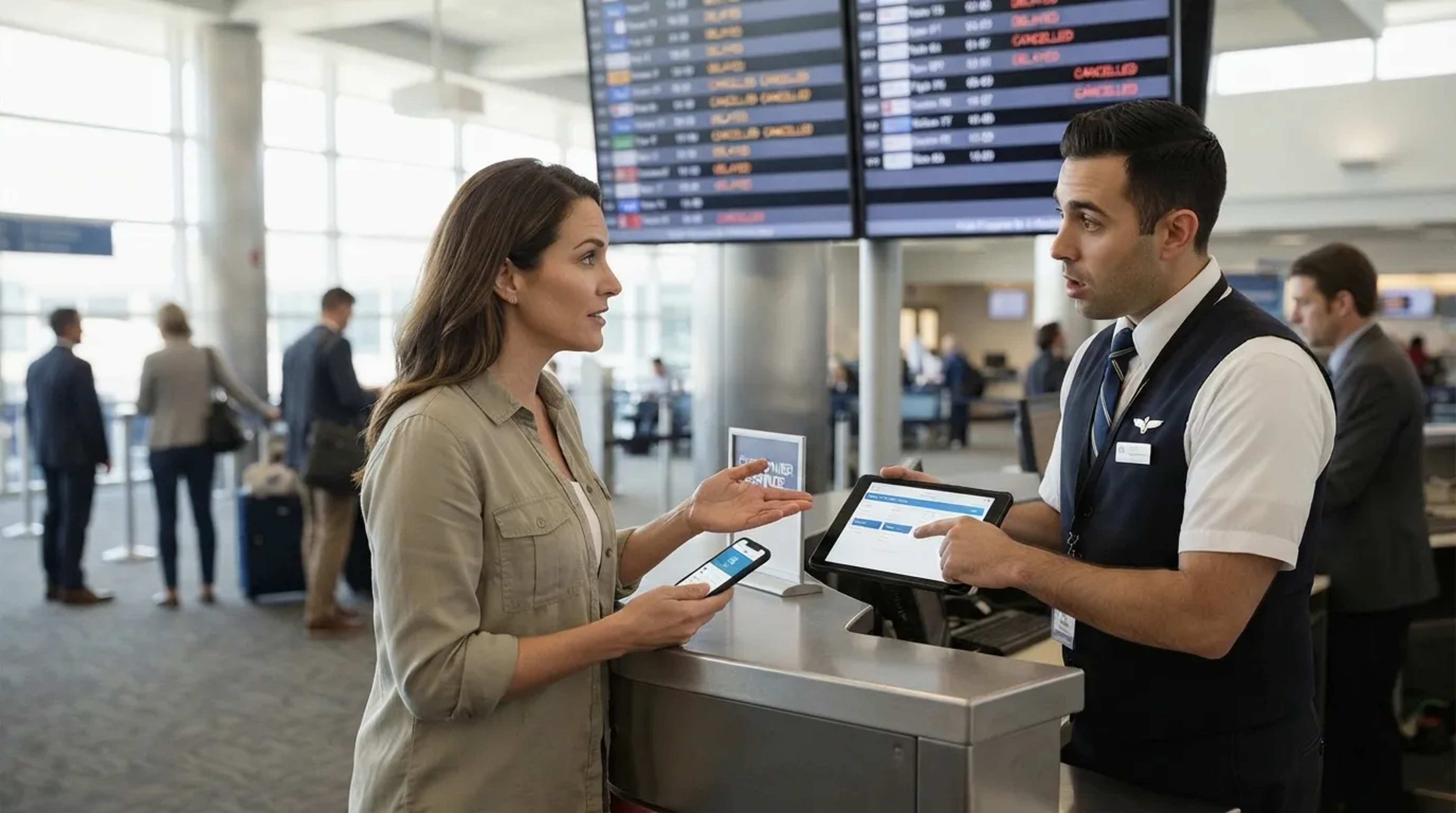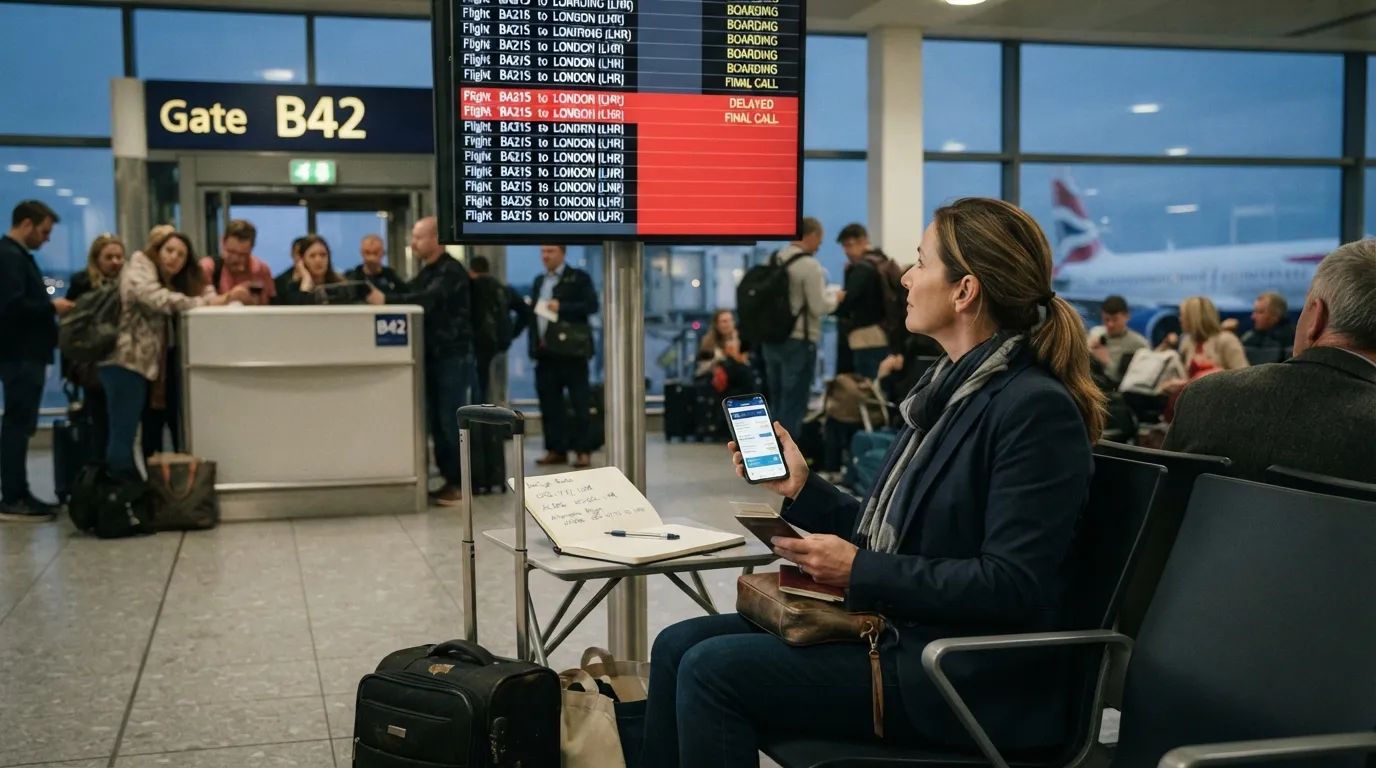
Watch a frequent flyer at a chaotic gate and it looks like pure luck. Same storm, same canceled flight, same wall of frustrated faces, yet one person is calmly tapping a phone while everyone else sprints for the counter. The difference isn’t luck. It’s a quiet checklist of things they arranged long before the trip, and most occasional travelers never think to do them.
Almost none of it is glamorous, and plenty of it is free. But a few of these habits are the reason one traveler is rebooked in ten minutes while another is still searching for a charger. Number 18 looks tiny. Number 1 is the one that changes how the whole day goes.
#18 – The Free Loyalty Number They Attach Before the First Flight
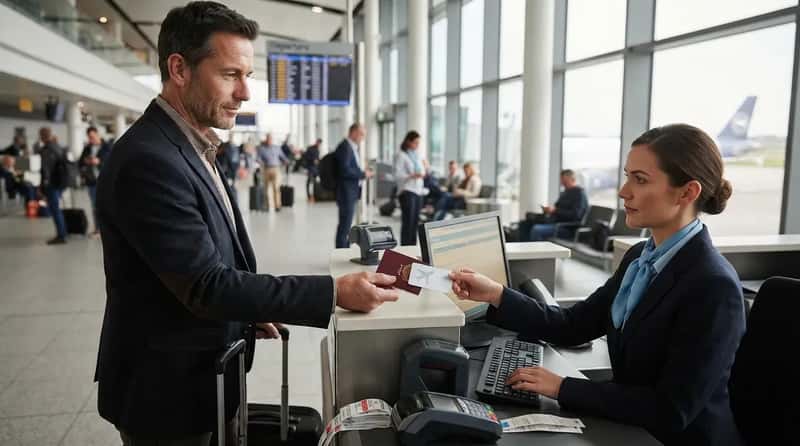
Frequent flyers never board without a loyalty number attached to the booking. Many airlines limit how far back you can claim missed miles, so a forgotten number can mean a flight that earns nothing. That’s a real trip, a real fare and zero credit.
Programs are free to join, and the number often unlocks perks that have nothing to do with miles. These can include easier rebooking and being notified first when something changes. Veterans treat it like part of the ticket, not an optional extra.
The next mistake sounds almost silly, yet it has derailed plenty of trips…
#17 – A Ticket Name That Matches the Passport Letter for Letter
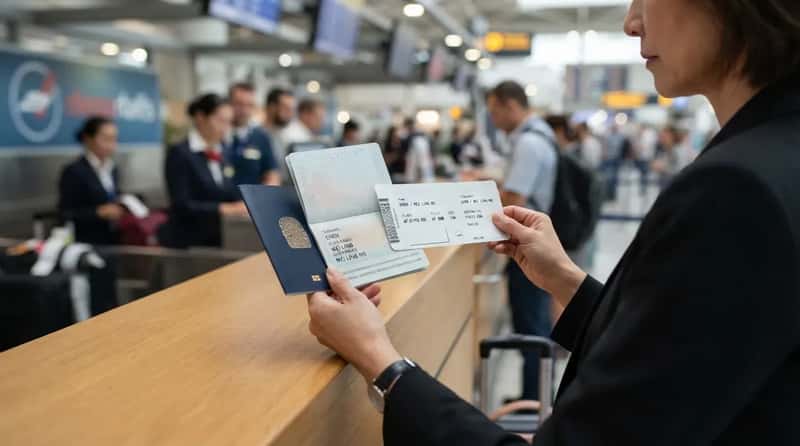
The ticket name is one of the first things a seasoned traveler checks. A mismatch between ticket and ID can mean extra fees, a delayed check-in or a flight that can’t be used as booked. A single typo can turn into a very awkward conversation at the counter.
Frequent flyers copy the name straight from the passport. They skip nicknames, shortened names and missing middle names, even when the booking form makes it feel unnecessary.
- International tickets: match the passport.
- Domestic tickets: match the ID you’ll show at security.
Still, that’s nothing compared to what happens when a phone dies at the worst moment…
#16 – A Boarding Pass That Opens Even With Zero Signal
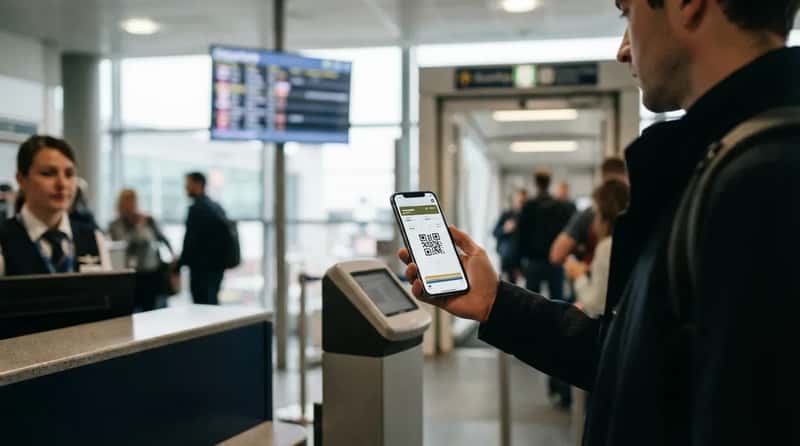
Airport Wi-Fi is the first thing to struggle when hundreds of people need it at once. Frequent flyers add the boarding pass to their phone wallet at home, where it opens even with no connection. No spinning wheel, no “please try again.”
Many also screenshot the pass and the gate details as a backup. They aren’t paranoid. They’ve simply watched an app freeze right at a boarding door while the line kept moving.
Fast Facts
- Add the pass to your phone wallet while you’re still on home Wi-Fi.
- Screenshot the barcode screen as a second layer.
- Keep the confirmation code in a notes app, not just in an email.
- Re-check the gate on the airport screens, because gates change.
And the small brick they pack for exactly this reason comes with a rule most people don’t know…
#15 – A Power Bank in the Carry-On, Never the Checked Bag
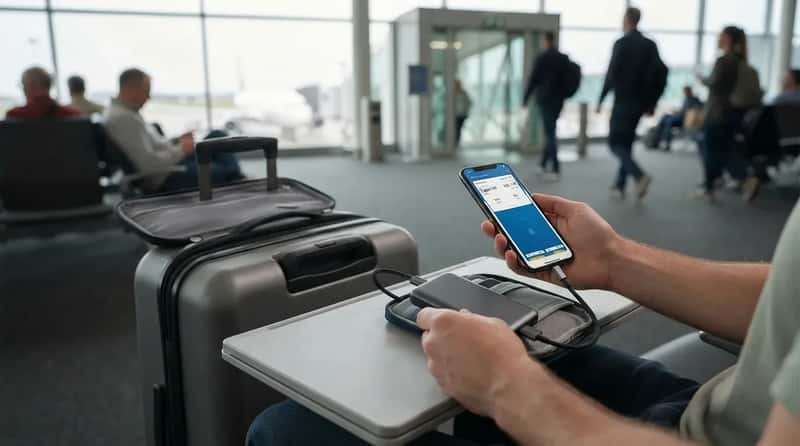
A dead phone means no boarding pass, no rebooking app and no ride at the other end. Spare lithium batteries are supposed to travel in the cabin, not in checked luggage. That’s FAA guidance, and it’s one of the first things veterans pack.
They charge it the night before and keep a short cable in the same pocket. It’s a boring habit with a huge payoff when a delay stretches from one hour to five.
Now for the bag that does go in the hold, and the gadget that makes the carousel less stressful…
#14 – A $29 Tracker That Beats the Airline to the Answer

Frequent flyers don’t stand at the carousel hoping. A small Bluetooth tracker tucked inside the suitcase lets them see where it is, sometimes before the airline can tell them anything.
Apple also added a feature that lets owners share an AirTag’s location with participating airlines. That can turn a vague “we can’t find it” into an actual map pin. For roughly the price of a sandwich at the terminal, it’s insurance against a very bad first day of vacation.
The smartest veterans also dodge lost-bag and delay chaos by changing when they fly…
#13 – The 6 A.M. Flight Nobody Wants (and They Always Book)
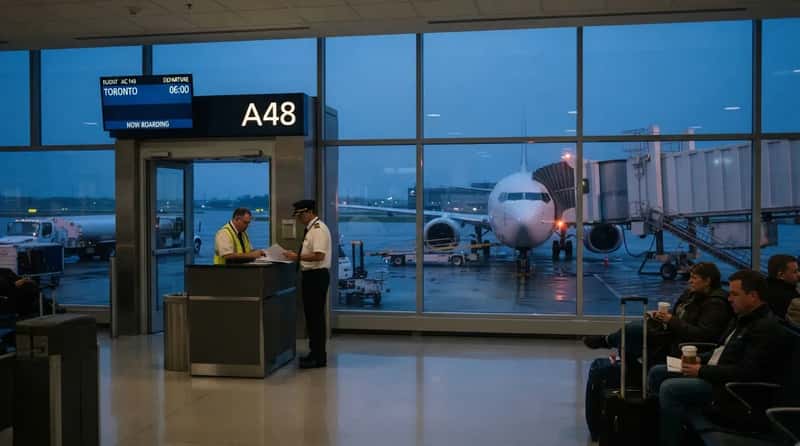
Here’s an unpopular opinion: the comfortable midday flight is often the riskier choice. Experienced travelers pick the first departure of the day because delays tend to snowball as the hours pass. One late arrival becomes a late departure, then another.
An early flight usually has its aircraft and crew already in place. If it’s canceled, there are more flights left that day to put you on. That’s worth more than an extra hour of sleep.
Next up is something they set up before they ever land abroad…
#12 – Mobile Data That Switches On the Second They Land
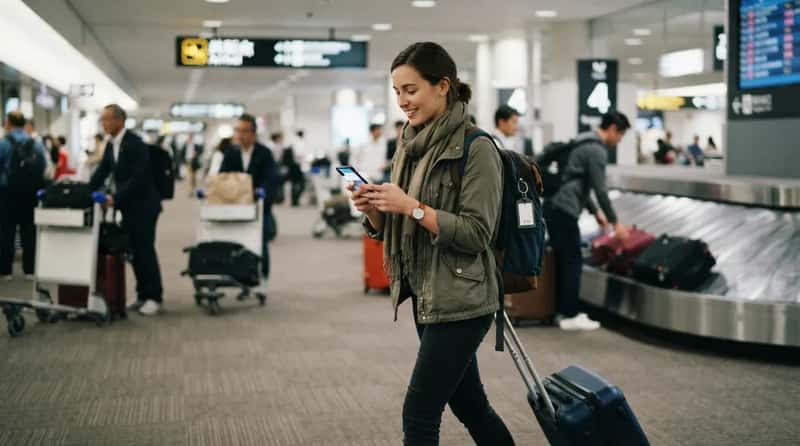
Frequent international travelers don’t hunt for a SIM kiosk after a 10-hour flight. Many install a travel eSIM before departure, so data is ready when the plane touches down. They’re texting a driver while others are still looking for a signal.
That means a ride app, a map and a hotel message before they even reach the exit. Roaming charges can be steep, so the plan gets chosen ahead of time instead of in a panic at the baggage claim.
Quick Compare
- Travel eSIM: set up at home, active on landing, but your phone must support it and be unlocked.
- Airport SIM kiosk: works fine, but it means a line and a tiny card after a long flight.
- Carrier roaming: the easiest option, and often the priciest unless you’ve checked the daily-pass terms.
The same logic applies to the card in the wallet, and the mistake here is quietly expensive…
#11 – The Card That Doesn’t Skim a Fee Off Every Purchase Abroad

One of the sneakiest travel costs is a small percentage added to every purchase made abroad, often around 3% on cards that charge it. Many cards do. Frequent flyers carry at least one that doesn’t.
Over a week of meals, rides and tickets, it adds up fast. Seasoned travelers check the fee before the trip, not on the statement afterward.
But a fee is minor next to what happens when the ID itself is wrong…
#10 – IDs Checked Months Before Anyone Packs
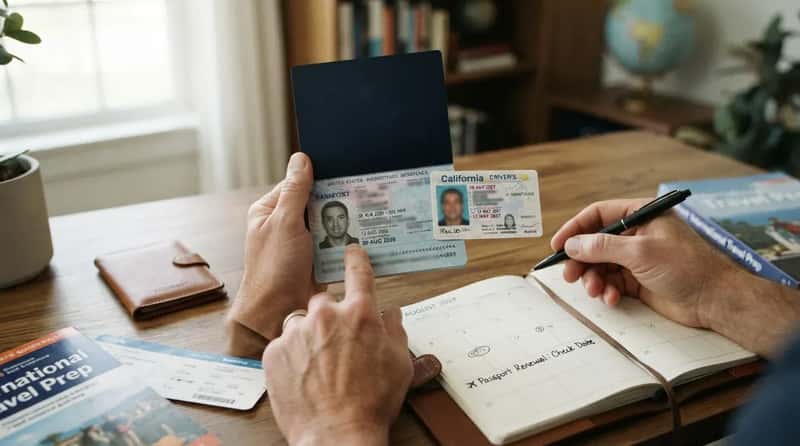
Frequent flyers treat ID like a calendar item. With REAL ID enforcement now in effect, travelers must present a REAL ID-compliant license, a passport or another acceptable ID to fly. A license that worked for years can suddenly be the problem at the checkpoint.
For international trips, they also check passport expiration dates early. Some countries want several months of validity left, and airlines can refuse boarding over it. Renewals take time, so they never leave this to the last week.
The next item is where airline loyalty can actually pay off in dollars…
#9 – The Airline Card That Makes Bag Fees Disappear (If You Fly Enough)
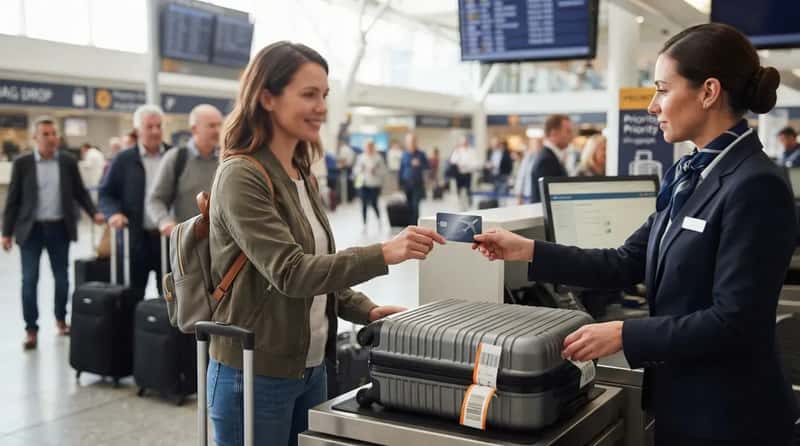
Checked bag fees are one of the most annoying costs on a ticket. Frequent flyers often hold a co-branded airline card because it can waive them for the cardholder and sometimes for companions on the same booking. Some cards also add priority boarding, which helps when overhead bins fill up.
Here’s the catch. The annual fee only makes sense if you fly that airline often enough to earn it back. Otherwise, it’s a loyalty trap with a logo on it.
Speaking of perks people overrate, the next one divides travelers…
#8 – A Lounge Plan, Not a Lounge Habit

Lounges get hyped as the ultimate travel flex. The reality is more mixed, and they tend to be worth it mainly when you have a long layover, a miserable terminal or a work call to take. A packed lounge with a buffet line can be worse than a quiet gate.
Frequent flyers plan ahead. They know which airports have great lounges and which have crowded, mediocre ones. Some skip the lounge entirely and eat a real meal in the terminal.
- Check access rules before you go.
- Look at capacity and guest limits.
And the best use of any waiting time is knowing you have somewhere to sleep if things go wrong…
#7 – A Free-Cancellation Hotel Room Waiting Near the Airport

A storm closes the airport, and every nearby hotel fills up within minutes. Frequent flyers who travel in risky seasons sometimes book a refundable room near the airport in advance. While stranded travelers refresh booking sites, they already have a key.
If the flight leaves on time, they cancel for free. If it doesn’t, they have a bed and a shower while others are hunting for a cot. It’s a small hedge that sidesteps the scramble entirely.
Worth Knowing
- Read the cancellation cutoff time, since “free” often expires at a set hour.
- Check whether the hotel runs an airport shuttle and when it stops.
- Save the confirmation where you can open it offline.
- Cancel the moment you’re safely in the air, so the charge never hits.
The next one is a financial safety net hiding in plain sight…
#6 – The Card That Pays When Delays Hit
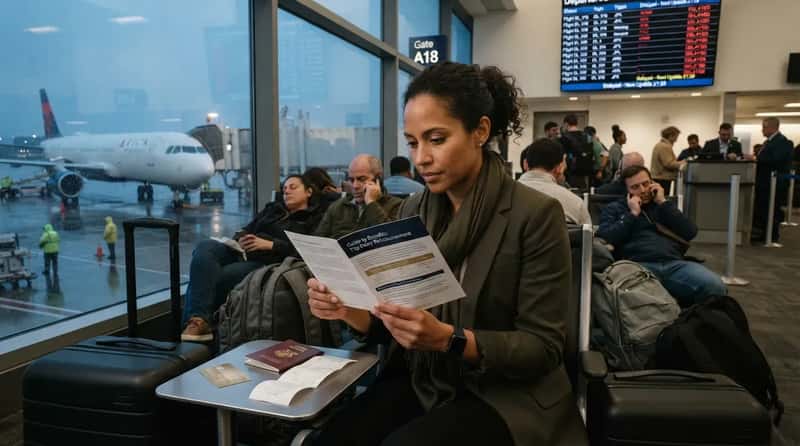
Some travel cards include trip delay or interruption coverage. Frequent flyers read the terms because the coverage often starts only after a set number of hours and may help cover meals and lodging. Knowing the threshold in advance changes how they act during a long delay.
The truth is that coverage varies a lot. You usually need to pay for the trip with that card and keep receipts. People who skip that step often find out too late.
But coverage means little if you can’t reach anyone fast, which is the next trick…
#5 – Rebooking Started in the Line, Not at the Counter
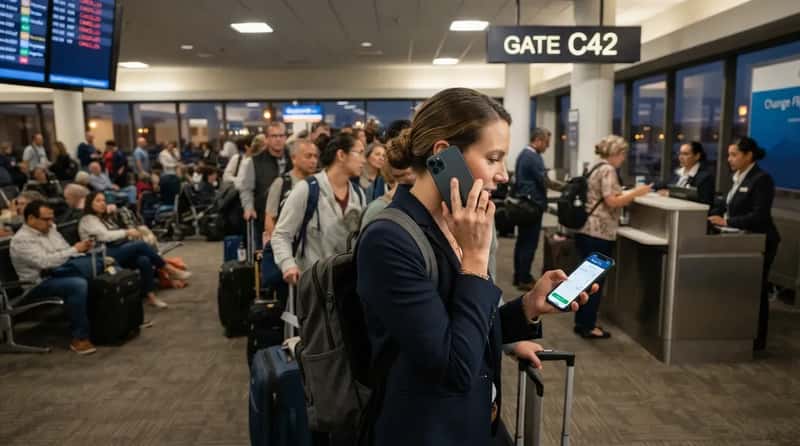
When a flight cancels, a long line forms at the gate. Frequent flyers open the airline app and call the airline’s phone line while they wait, so they’re working two options at once. Often the rebooking is done before they reach the front.
Many also know the airline’s same-day change options. Some let you move to an earlier or later flight on the same day, with rules that depend on fare and status.
Next is the security-line shortcut that people argue about most…
#4 – CLEAR: The Fast-Lane Flex That Isn’t for Everyone
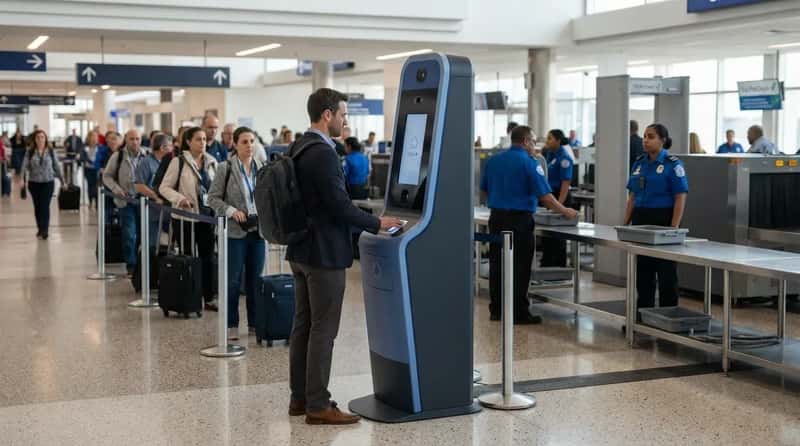
CLEAR verifies identity with biometrics, and frequent flyers like it because it can speed up the first step at security. But it’s a separate service that works alongside PreCheck rather than replacing it. You can still end up waiting at the physical screening line.
The price is the sticking point, since CLEAR+ runs more than $200 a year. Many frequent flyers see it as a luxury for people who travel constantly through busy airports, and they point to PreCheck as the smarter first purchase.
At a Glance
- CLEAR+: speeds up identity verification, costs more than $200 a year and doesn’t replace screening.
- TSA PreCheck: a faster screening lane, sold as a five-year membership.
- Global Entry: $120 for five years, and it includes PreCheck.
The next program is the one that quietly wins the value debate…
#3 – Global Entry: The Bundle Most People Misunderstand
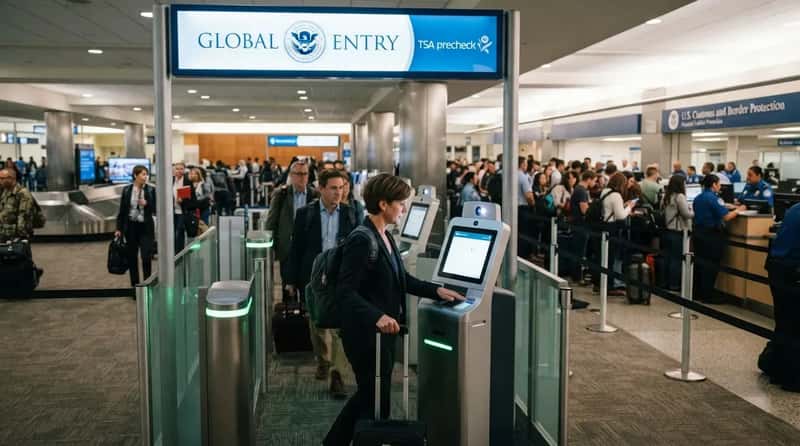
Frequent flyers who go abroad often skip PreCheck alone. Global Entry is $120 for a five-year membership and includes TSA PreCheck benefits at no extra charge. That means one application covers both the customs line and the security line.
It’s also a trick for families. CBP says minors 17 and younger can apply for Global Entry for free when a parent or guardian is enrolled or applying. Many premium cards also reimburse the fee.
But the next item isn’t a program at all, and it may be the most powerful one yet…
#2 – Knowing Exactly What the Airline Owes You
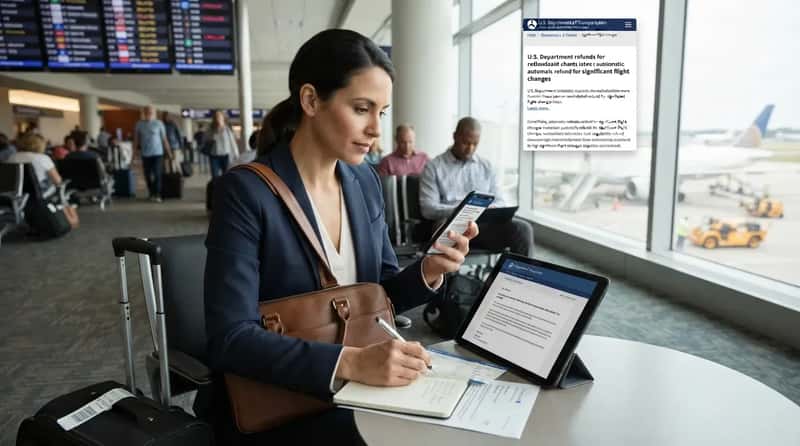
The best-kept secret in air travel isn’t a hack. It’s the rulebook. Under a 2024 U.S. Department of Transportation rule, airlines must automatically give refunds when they cancel a flight or significantly change it and you decline the alternative. The rule treats a schedule change of more than three hours on a domestic flight as significant.
Frequent flyers know this, so they don’t accept a voucher they don’t want. They also keep screenshots of changes, because proof matters later.
- Save emails and app messages.
- Ask for a refund in writing if needed.
Still, the number one habit isn’t about money at all…
#1 – A Plan B Picked Before the Board Turns Red
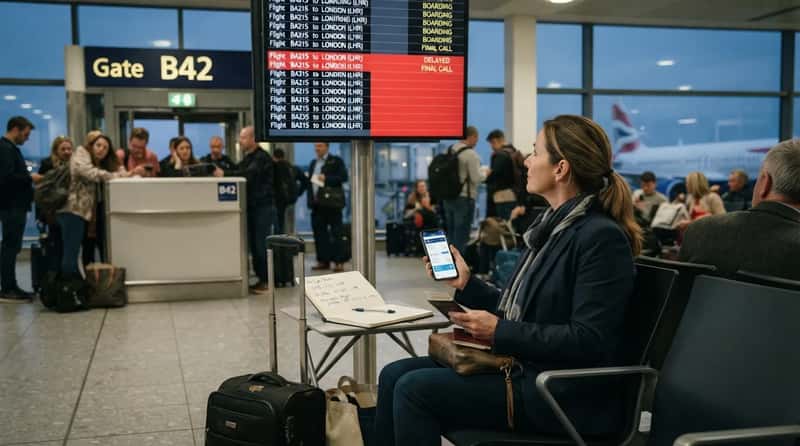
Here’s what truly separates veterans from everyone else. They’ve already looked at the next two flights to their destination before anything goes wrong. While others are still reading the delay notice, they’re already a step ahead.
When trouble hits, they don’t start from zero. They know which alternatives exist, which airports they can route through, and what to ask for first. That’s the real secret behind the calm face at the gate.
Look back over the list and the surprise is how ordinary it all is. Matching a name, charging a battery, reading a card’s fine print, knowing a refund right. None of it is luck, and none of it is hard.
Frequent flyers just do the boring work while everyone else is still dreaming about the destination. That’s why the gate looks calm to them and chaotic to everyone else.