Tokyo – Few cities pack as much into a single trip, and few feel as overwhelming to a first-time visitor with a short calendar. The city’s size is the main challenge, but it is manageable with a clear plan. A detailed guide from a travel blogger who has visited Tokyo many times ([1]) lays out how to structure a trip of any length, from a single day to five or more. Its central lesson is that a good itinerary depends less on how many sights you choose and more on how you group them.
Know How Much Ground Tokyo Covers
Tokyo is officially the Tokyo Metropolis, a region with more than 13.5 million people spread across more than 2,000 square kilometers. It includes 23 special wards, dozens of cities, several towns and a village, and outlying islands. Most of the places visitors search for sit inside those 23 wards, and only a handful of districts draw the largest crowds.
Those districts are far apart in practical terms. Travel between them can take 30 minutes to an hour, and sometimes longer. Planners should check real travel times on Google Maps before committing to a route, since a stop that looks close on a map can take most of a morning to reach.
Build Each Day Around One Area
Trying to see everything is the quickest way to spend a Tokyo trip on trains instead of in neighborhoods. The guide recommends choosing a few top priorities for each day and saving the rest for later or for a return visit. Grouping nearby sights keeps the pace manageable.
For a first trip, Shinjuku and Shibuya are the most convenient bases, offering transport links, shopping and nightlife. Asakusa suits travelers who want a quieter, more traditional atmosphere, while Ginza is geared toward upscale shopping and dining. Several clusters work well as single days:
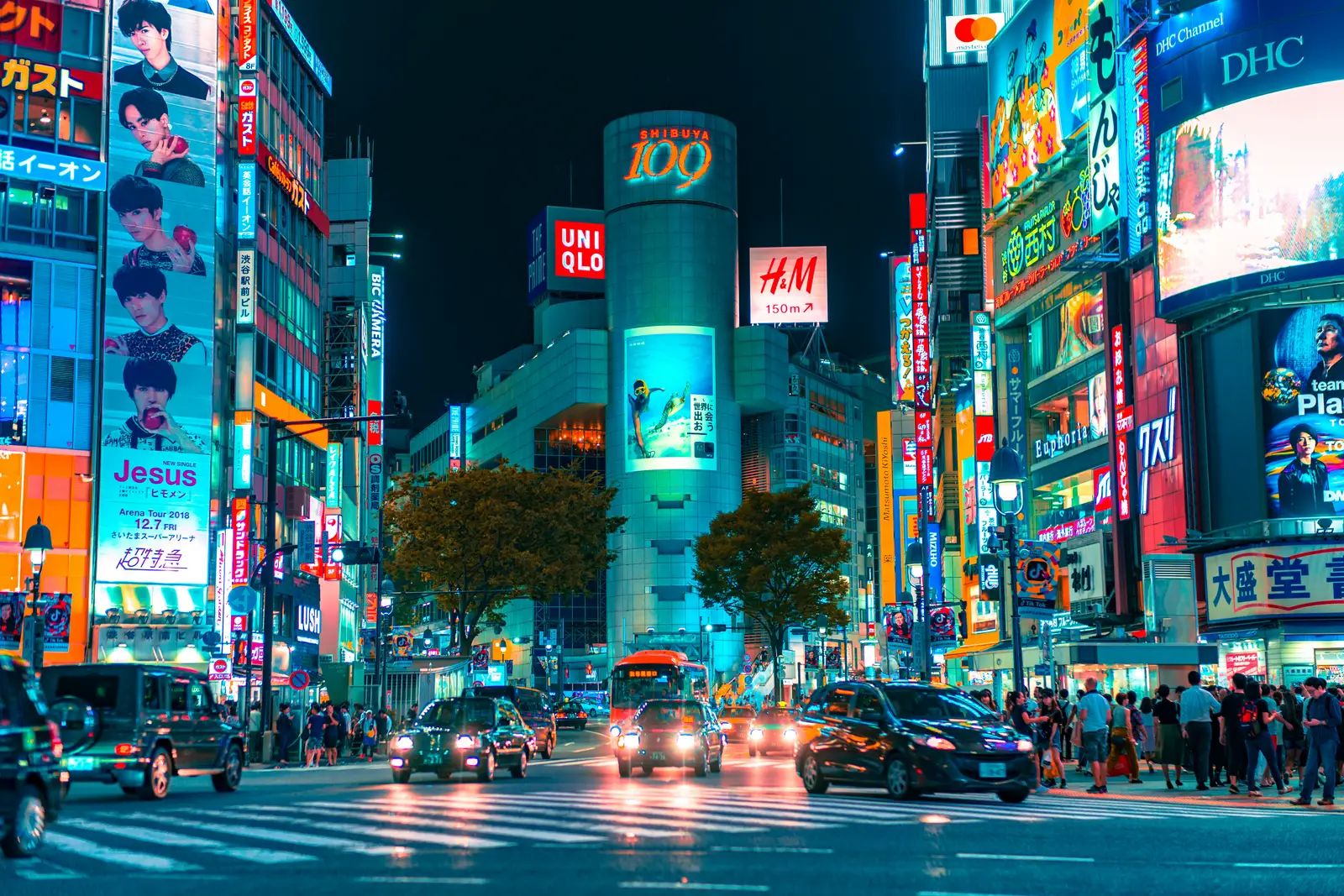
- Shibuya and Harajuku, combining Shibuya Crossing and the Hachiko statue with Meiji Shrine and Takeshita Street
- Shinjuku, pairing the free observation decks of the Tokyo Metropolitan Government Building with the nightlife of Golden Gai
- Asakusa, centered on Senso-ji, the oldest temple in Tokyo, and the Nakamise shopping street
- Akihabara and Sumida, where anime and electronics shops sit near Tokyo Skytree, the world’s tallest tower
Key planning points
- Assign one main area to each day and add only one or two extras.
- Allow 30 to 60 minutes or more between districts.
- Confirm opening hours and ticket details on official websites, since schedules and prices change.
Getting Around and Staying Connected
Tokyo’s rail network is extensive and can feel confusing at first. Trains generally begin running around 5AM, and most lines stop around midnight, although schedules vary. Rechargeable IC cards such as Suica or PASMO work on most trains and buses in the city, which spares travelers from buying a new ticket for every ride.
Visitors planning to use the subway heavily may consider the Tokyo Subway Ticket, which covers unlimited rides on Tokyo Metro and Toei Subway lines for 24, 48 or 72 consecutive hours. Adult prices for 2026 are listed at 1,000, 1,500 and 2,000 yen, respectively. The pass does not cover JR lines, including the Yamanote Line, so the math should be checked before buying. Rush-hour trains can be very crowded, and some carriages are reserved for women on weekday mornings until 9AM.
Connectivity matters as well. Google Maps does not provide offline route or transit schedules, so a pocket Wi-Fi device or an eSIM is worth arranging before arrival. Tipping is not customary in Tokyo, and leaving a tip may cause confusion.
Related Stories From Travelbinger



Beyond the City Limits
Several day trips fit easily into a three- or four-day schedule. The table below summarizes a few popular options and their approximate travel times from Tokyo, according to the guide.
| Destination | Approximate travel time | Main draw |
|---|---|---|
| Hakone | About 1 hour | Hot springs and views of Mount Fuji |
| Kamakura | About 1 hour | Great Buddha statue, temples and coastal trails |
| Nikko | About 2 hours | Elaborately decorated Toshogu Shrine |
| Fuji Five Lakes | About 2 hours | Lake Kawaguchiko and onsen towns |
Mount Fuji is not guaranteed on any given day. Clouds often block the view, and the mountain is visible only about 80 days a year. Early mornings and late evenings tend to offer the best chances.
Plan for Less, Enjoy More
A first trip to Tokyo rewards focus. A traveler with one day can build a memorable visit around a single district, while someone with five days can add day trips and slower evenings without rushing. The most useful habit is to treat travel time as part of the budget. Leave room in every day for the unplanned detours that often make the trip.