You pack for a long hotel stay the way you pack for a weekend, just with more socks. Then day four arrives. The only good outlet is behind the nightstand, the laundry bill looks like a car payment, and the ice machine down the hall sounds like a freight train.
Front-desk staff and concierges watch this happen all the time, and the fixes they wish guests had brought are smaller and cheaper than you’d expect. Some are obvious in hindsight. Others hide a catch that can fry a gadget or wreck a shirt. And the item at #1 isn’t a gadget at all. (This list pulls together commonly shared hotel and travel advice, not a survey.)
#18 – The Short Power Strip That Fixes the Outlet Problem
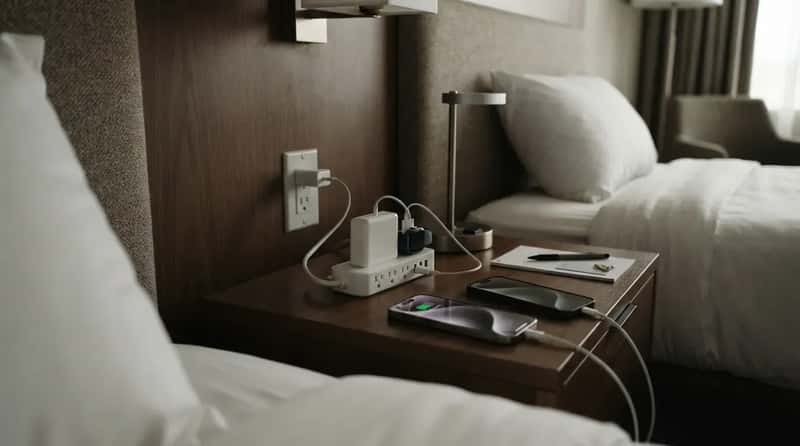
Hotel outlets love to hide behind headboards, under desks, or on the far side of the room from where you actually sit. Over a long stay, charging turns into a nightly game of musical cords. One compact, surge-protected strip can turn a single outlet into a charging station for your phone, laptop, and watch.
Pick one with a short cord and a few USB ports, and skip anything bulky or heavy-duty. Fire-safety rules differ by property, so ask the front desk before you plug in a lot of gear.
That’s the easy fix. The plug mistake at #17 is the one that quietly kills gadgets…
#17 – The Adapter That Doesn’t Do What Guests Think
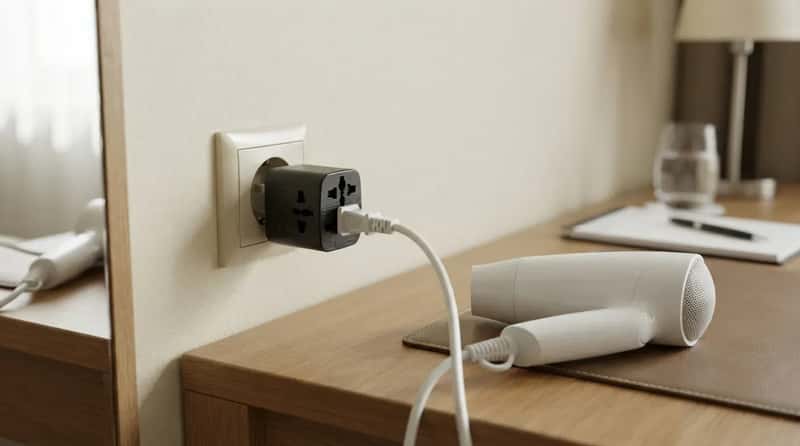
The U.S. runs on roughly 120 volts with Type A and B plugs, while much of Europe uses about 230 volts and different plug shapes. Plenty of travelers buy an adapter and assume they’re covered. An adapter only changes the shape of the plug. It does not change the voltage.
Most phone and laptop chargers are labeled for 100-240 volts, so they work fine abroad with the right adapter. Hair dryers, straighteners, and some small appliances often are not built for that range. Read the tiny print on the device before you plug it in, or leave it at home.
Quick Compare
- U.S.: about 120 volts, Type A and B plugs.
- Much of Europe: about 230 volts, Type C, E, and F plugs.
- United Kingdom: about 230 volts, Type G plugs.
- Phone and laptop chargers: usually labeled 100-240 volts, so an adapter is all they need.
Next is a laundry shortcut that regulars swear by…
#16 – Laundry Sheets That Beat the Hotel Price List
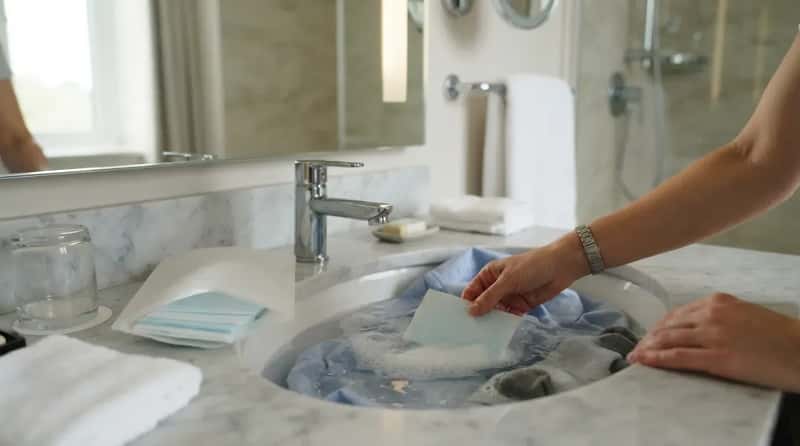
Hotel laundry service is usually priced per garment. Over a long stay, those charges can easily cost more than the clothes you’re washing. Plenty of seasoned travelers quietly skip the service and wash a few items themselves.
Detergent sheets are flat, light, and not a liquid, so there’s no spill in your bag and no liquid limit at airport security. Pair them with a sink or a nearby self-service laundry, and ask the desk where the closest one is.
Washing in the sink sounds simple until you meet the bathroom gadget at #15…
#15 – The Flat Sink Stopper Nobody Remembers Until It’s Missing
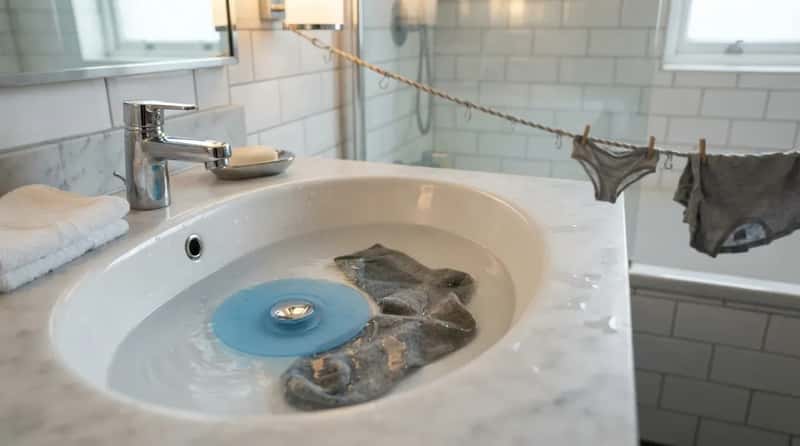
You fill the sink, drop in your socks, and watch the water drain away. Hotel stoppers leak, stick, or vanish altogether. A flat universal stopper weighs almost nothing and fits most drains.
Add a small twisted travel clothesline and you can dry a week’s worth of basics over the tub. Keep the line inside the bathroom. Many hotels don’t allow laundry hung over balcony railings, and it never looks good from the street.
The next one gets requested at the worst possible moment…
#14 – The Medication Backup That Can’t Be Improvised
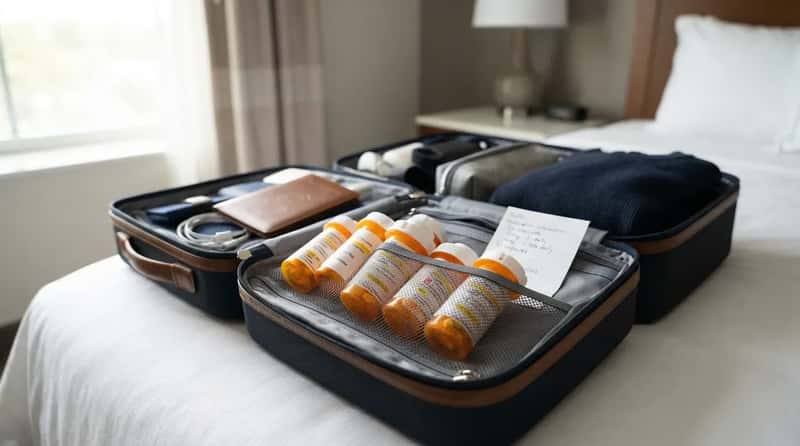
A concierge can point you to the nearest pharmacy in seconds. What they can’t do is fill a prescription tied to a doctor and pharmacy back home. That’s why a few extra days of your regular medication matter on a long stay.
Keep medicines in their original labeled containers and in your carry-on. A short written list of names and doses helps if you ever need a local clinic. Travel delays are common, and running out mid-trip is a miserable surprise.
Now for a reusable item that changes your daily routine…
#13 – A Water Bottle That Saves a Daily Ritual
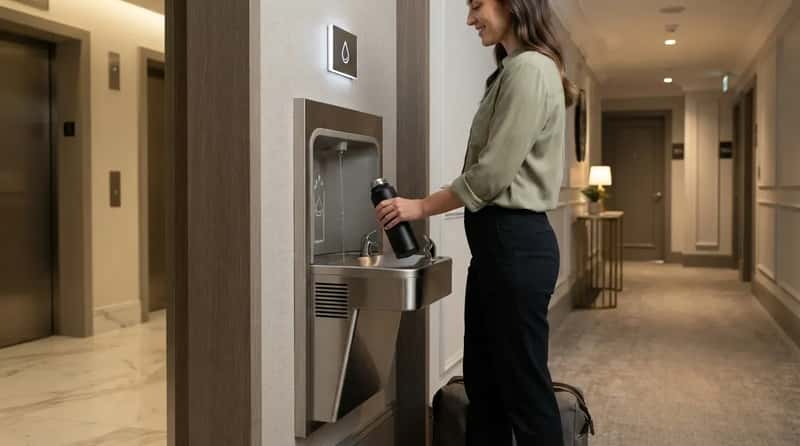
Buying bottled water every day adds up, and it fills the room’s trash can fast. Many hotels now offer filtered water or refill stations in the lobby, on guest floors, or in the fitness area. Plenty of guests walk past them for weeks without noticing.
Ask at check-in where the refill spots are. An insulated bottle also keeps water cold overnight, so you aren’t leaning on the minibar at 2 a.m. It’s a small habit that feels like a big upgrade around day ten.
Fast Facts
- An empty bottle can go through airport security, so fill it after the checkpoint.
- Lobby, guest-floor, and fitness-center refill spots are the usual places to look.
- An insulated bottle on the nightstand keeps water cold until morning.
- One bottle replaces a daily stack of plastic ones in the trash.
The next one sounds trivial, but it separates seasoned travelers from beginners…
#12 – Slippers, Because Hotel Floors Are Everyone’s Floors
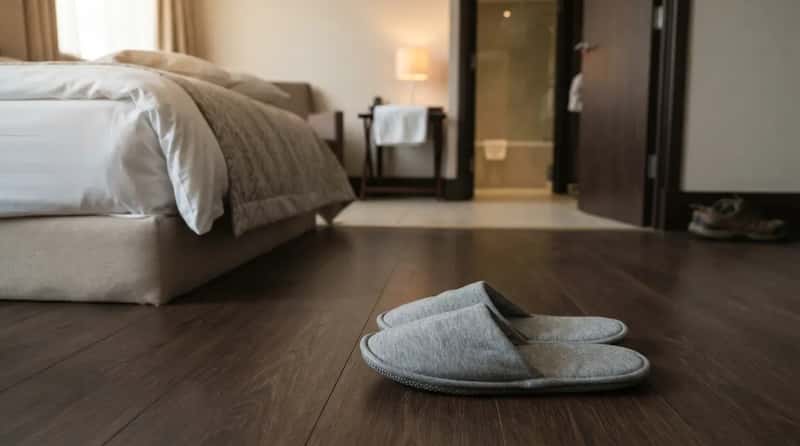
Housekeeping works hard, but a hotel floor is still a floor that hundreds of strangers have walked across. Cleanliness varies a lot from property to property. Many long-stay regulars simply decide they’d rather not find out.
A pair of lightweight, washable slippers covers the cold bathroom tile and the midnight trip to the ice machine. They also muffle your footsteps for the guests below. It’s a tiny item that guests are often glad to have packed.
Sleep-deprived guests are the ones asking about #11…
#11 – The Pillowcase From Home That Rescues Night Seven

One bad night is a story you tell at breakfast. Two weeks of poor sleep is a problem. Many hotels offer a pillow menu or extra pillows, and plenty of guests never think to ask.
Not every property has that option. A pillowcase from home is a cheap workaround because it brings a familiar feel and smell to an unfamiliar bed. It also puts a layer of your own fabric between your face and the hotel’s linens.
Then there’s the thing guests complain about most…
#10 – The Sleep Kit That Beats the Hallway
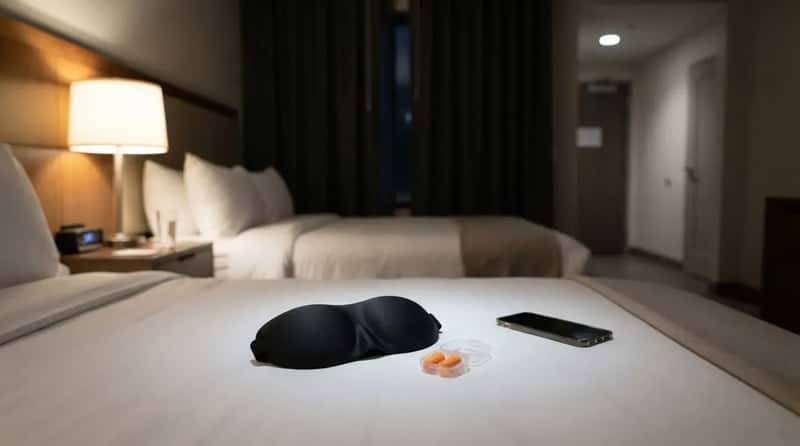
Elevators, ice machines, slamming doors, and street noise are the stars of hotel complaints. Asking for a room away from the elevator and ice machine costs nothing and often works. A few simple tools handle the rest.
Earplugs, a contoured eye mask, and a white-noise app cover most problems. Even with blackout curtains, a sliver of light at the edge can wake a light sleeper. A mask fixes that for a few dollars.
Next, what one missing cheap item does to your closet…
#9 – Hooks and Hangers for a Closet Built for Two Nights
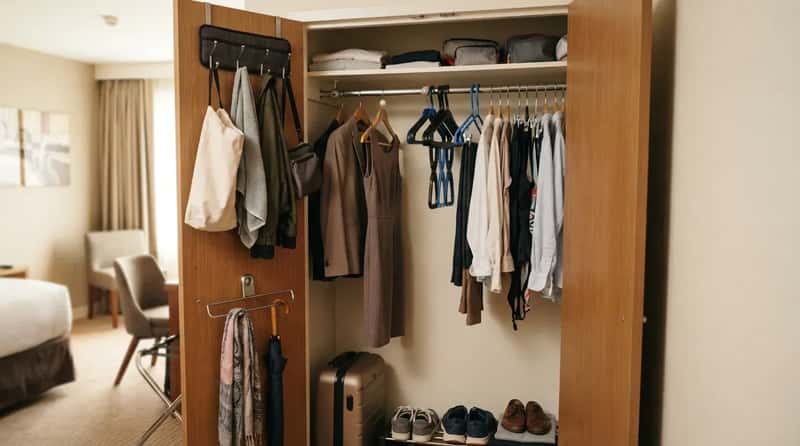
Hotel closets are designed for short stays, and many hangers are made to stay on the rod to discourage theft. That also means you can’t easily hang much more than a few items. By week two, the chair and the floor start filling up.
A few collapsible hangers and an over-the-door hook change the room fast. You can air out a jacket, hang a damp towel, and keep your bag off the floor. On a month-long stay, that small system keeps the room from looking like a suitcase explosion.
Worth Knowing
- Hotel hangers are often built to lock onto the rod, so bring your own for extra clothes.
- Foldable or clip hangers handle damp swimsuits and hand-washed shirts.
- A padded or soft-hooked over-the-door hanger is less likely to scuff the door.
- Ask housekeeping for extra hangers before buying anything. Some properties will bring them.
The next item is where concierges quietly take a side…
#8 – The Snack Kit That Outsmarts the Minibar
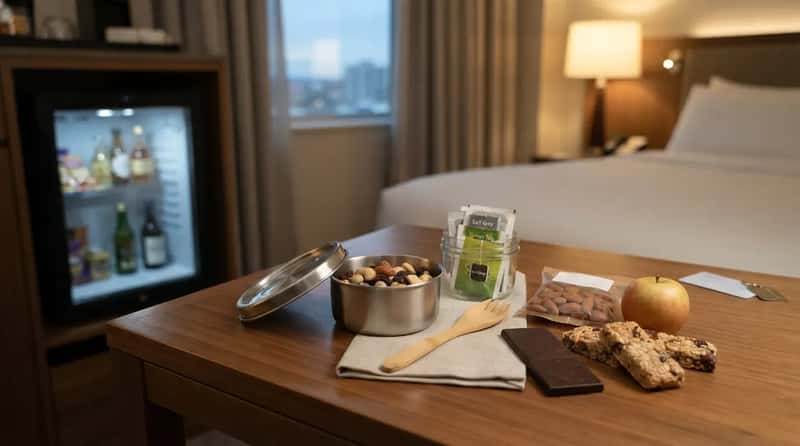
Some minibars use sensors that charge you the moment you lift an item, even if you put it back. Over a long stay, that’s a pricey way to buy a bag of almonds. A small stash of shelf-stable snacks, tea bags, and a reusable fork and bowl goes a long way.
Some hotels will provide a mini-fridge on request, sometimes for a fee. Don’t bring hot plates or cooking appliances without asking, because many properties ban them for fire-safety reasons.
Up next, the small disaster that ruins more shirts than people admit…
#7 – A Stain Pen for the Dinner That Went Wrong
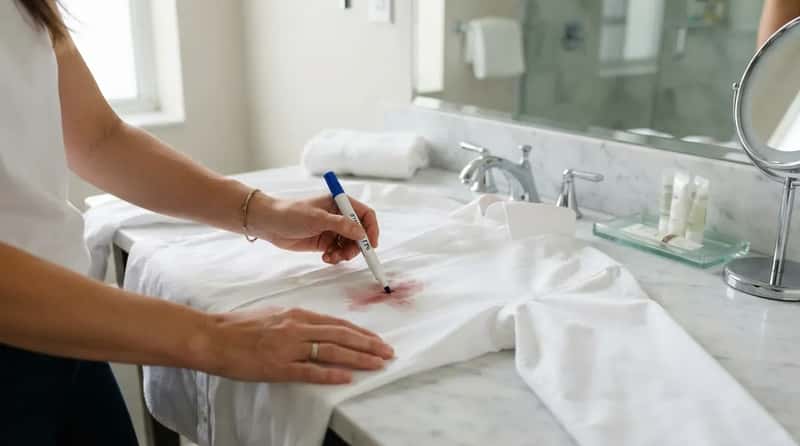
On a long trip, one spilled sauce can wreck your best shirt right before an important dinner. Dry cleaning through the hotel is usually pricey and slow. Heat from a dryer can lock a stain in for good, so treating it first matters.
A stain-remover pen or small wipe takes up almost no room. Dab it on right away, then wash the garment by hand or at a laundromat. It’s the cheapest wardrobe insurance you can pack.
The next item sounds old-fashioned, but concierges see why it matters every week…
#6 – Paper Copies in a World of Dead Phones
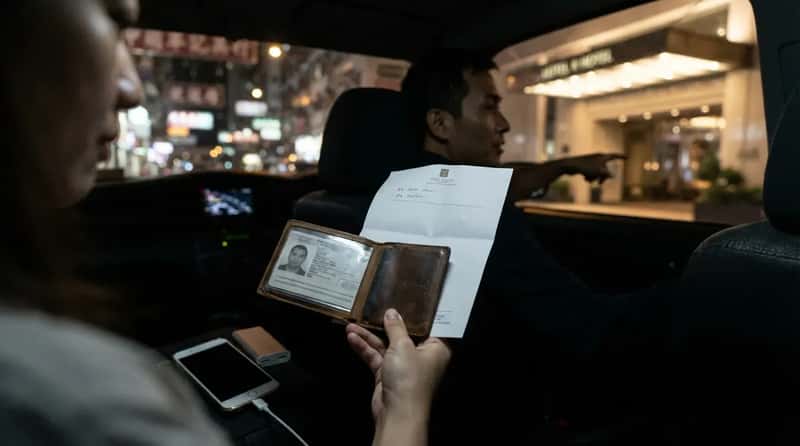
Everything is on your phone until the battery dies. Then you can’t show a driver your own hotel address. It happens more often than most guests expect, usually in a city they barely know.
Keep a printed or handwritten sheet with your hotel’s name and address, reservation details, and emergency contacts. If you’re abroad, add a copy of your passport photo page and your insurance information. Store these separately from the originals.
At a Glance
- Hotel info: name, street address, and front-desk phone number.
- Booking info: confirmation number and check-out date.
- People to call: a family member and a work contact.
- Abroad: a passport photo-page copy and your insurance details.
Now for a digital habit that puts long-stay guests at risk…
#5 – A Hotspot or VPN, Because Hotel Wi-Fi Is a Crowded Room
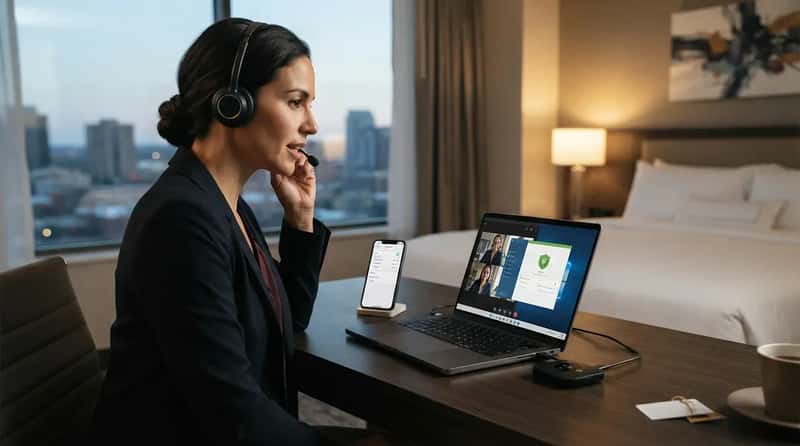
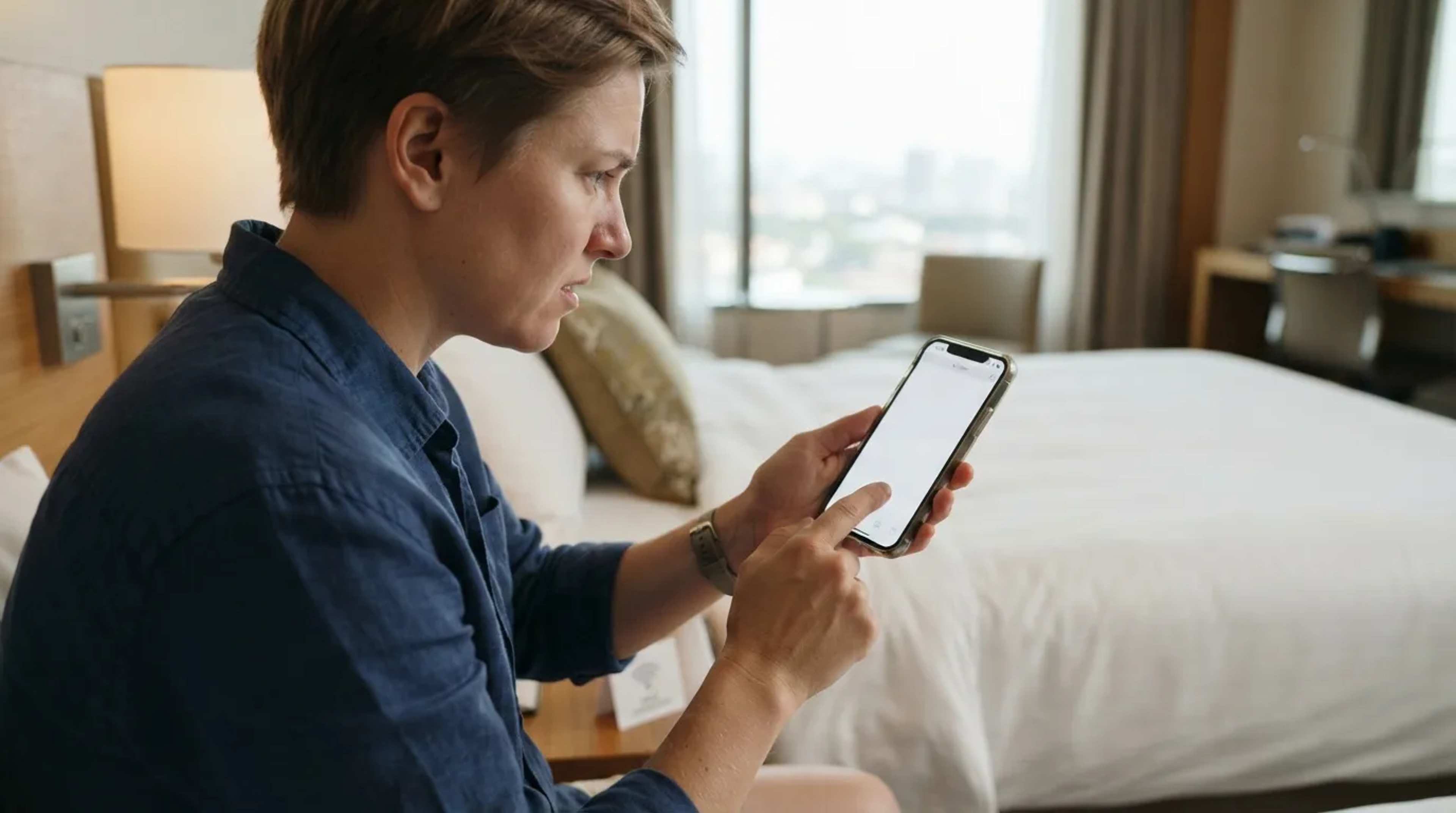
Hotel Wi-Fi is shared by everyone in the building. When the house is full, speeds can crash right when you have a video call. Security experts, including the FTC, have long advised caution on public networks.
Hotel Wi-Fi is usually fine for streaming a show. It’s a weak choice for banking or sensitive work unless you add protection like a trusted VPN.
The footwear mistake at #4 cuts more trips short than you’d think…
#4 – Walking Shoes for the City You Haven’t Seen Yet

Concierges spend their days steering guests toward neighborhoods, markets, and trails that never make the brochure. Those places usually involve a lot of walking. Blisters on day three can shrink your whole trip.
Pack two comfortable pairs and rotate them. Each pair gets a day to dry out, and your feet get a break from the same pressure points. Break them in before you leave home.
The next item is the one staff say changes how your whole stay goes…
#3 – Small Bills for the People Who Actually Make Your Stay Work
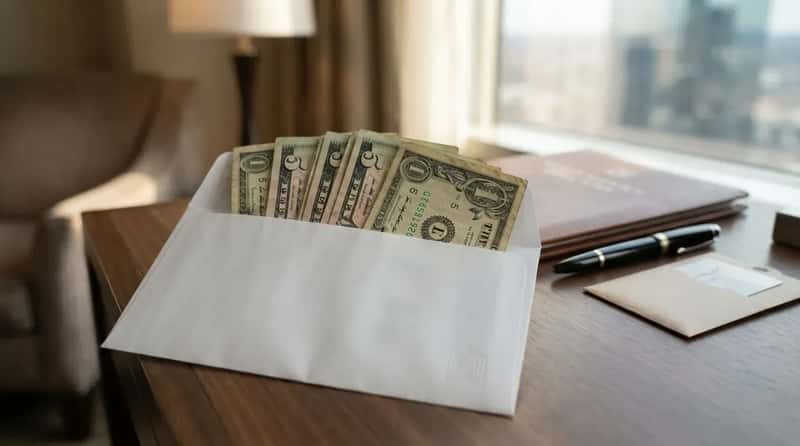
Tipping is customary in the U.S. hotel industry, though there’s no universal rule. Industry guidance, including from the American Hotel & Lodging Association, suggests leaving housekeeping tips daily. Different housekeepers may clean your room on different days.
On a long stay, small bills in an envelope make that easy. Concierges also appreciate a tip when they land hard-to-get reservations or tickets. It’s not required, but it’s how the system works.
And then there’s the surprise waiting at the airport…
#2 – A Luggage Scale and a Foldable Bag for the Trip Home
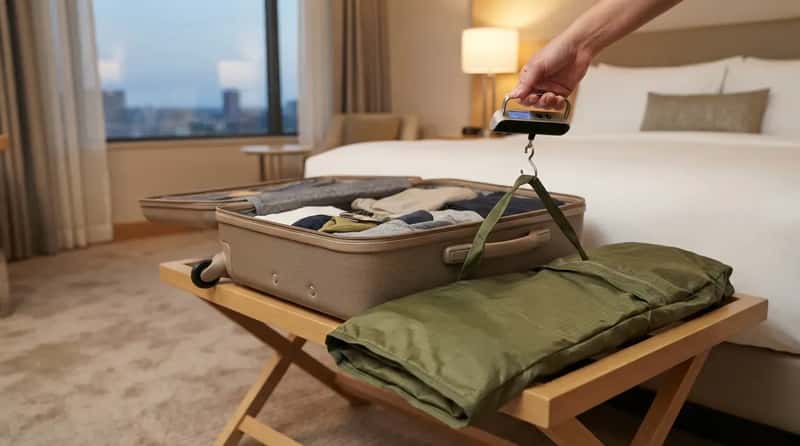
Long stays mean souvenirs, extra purchases, and clothes you never planned on buying. Then the airport check-in counter hands you the bill. Overweight bag fees can sting far more than the price of a scale.
A pocket-size luggage scale lets you check the weight in your room. A foldable duffel gives you a place to shift items if a bag runs heavy. Packed empty, it costs you almost nothing.
And the last one is the item almost no guest ever thinks to pack…
#1 – The One Thing From Home That Makes the Room Feel Like Yours
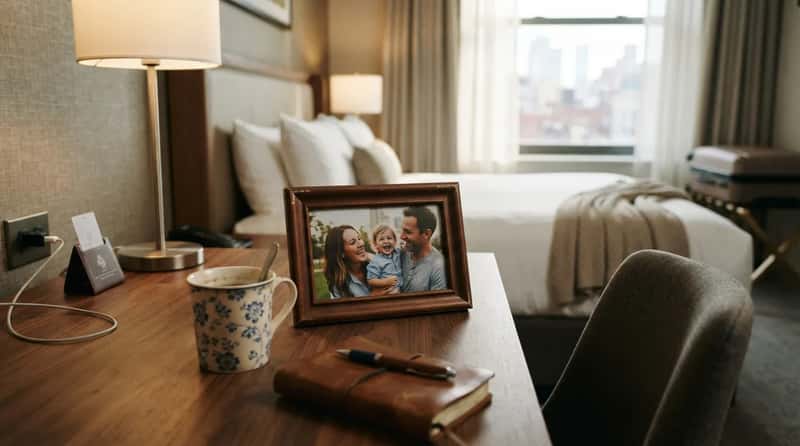
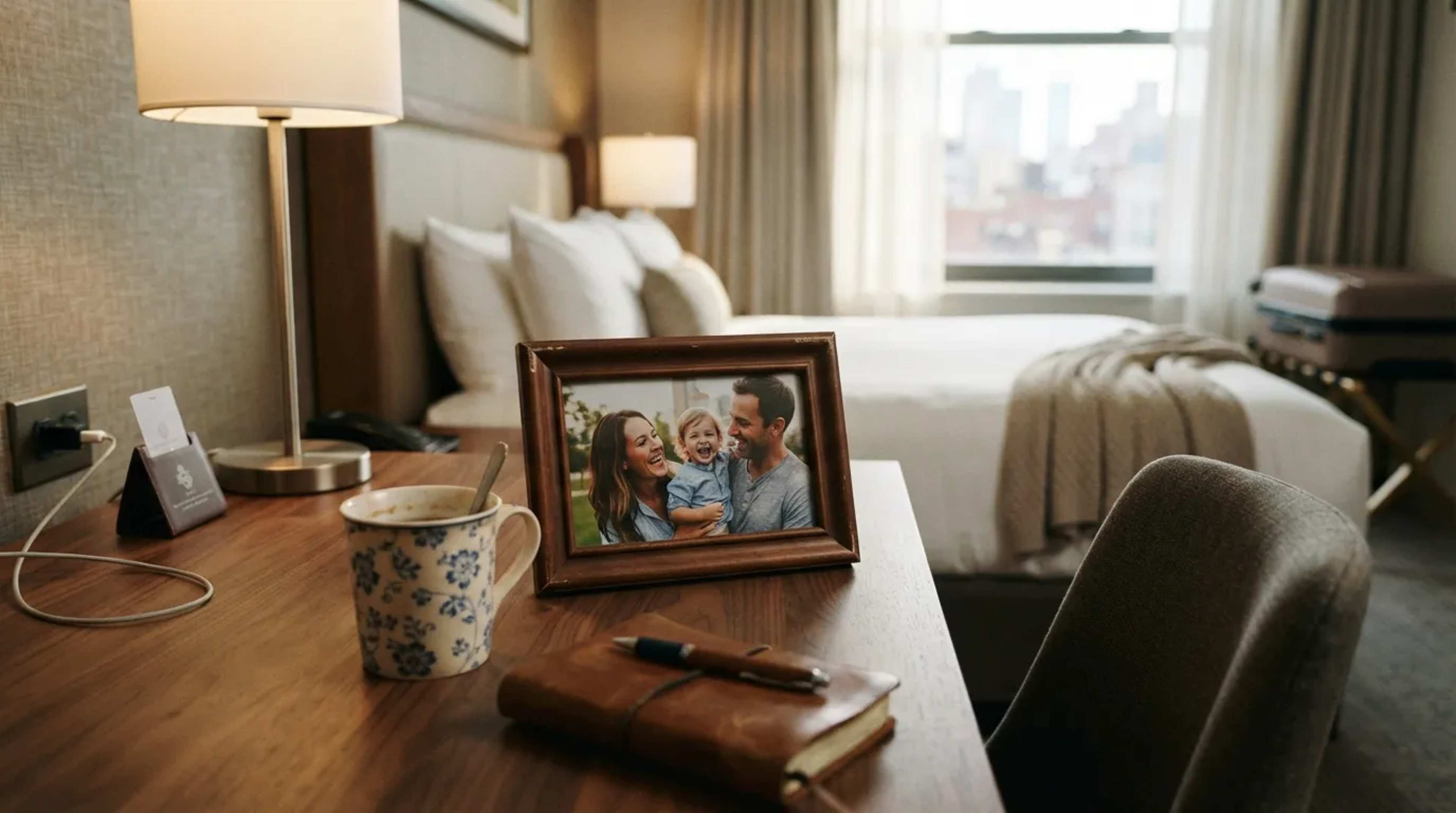
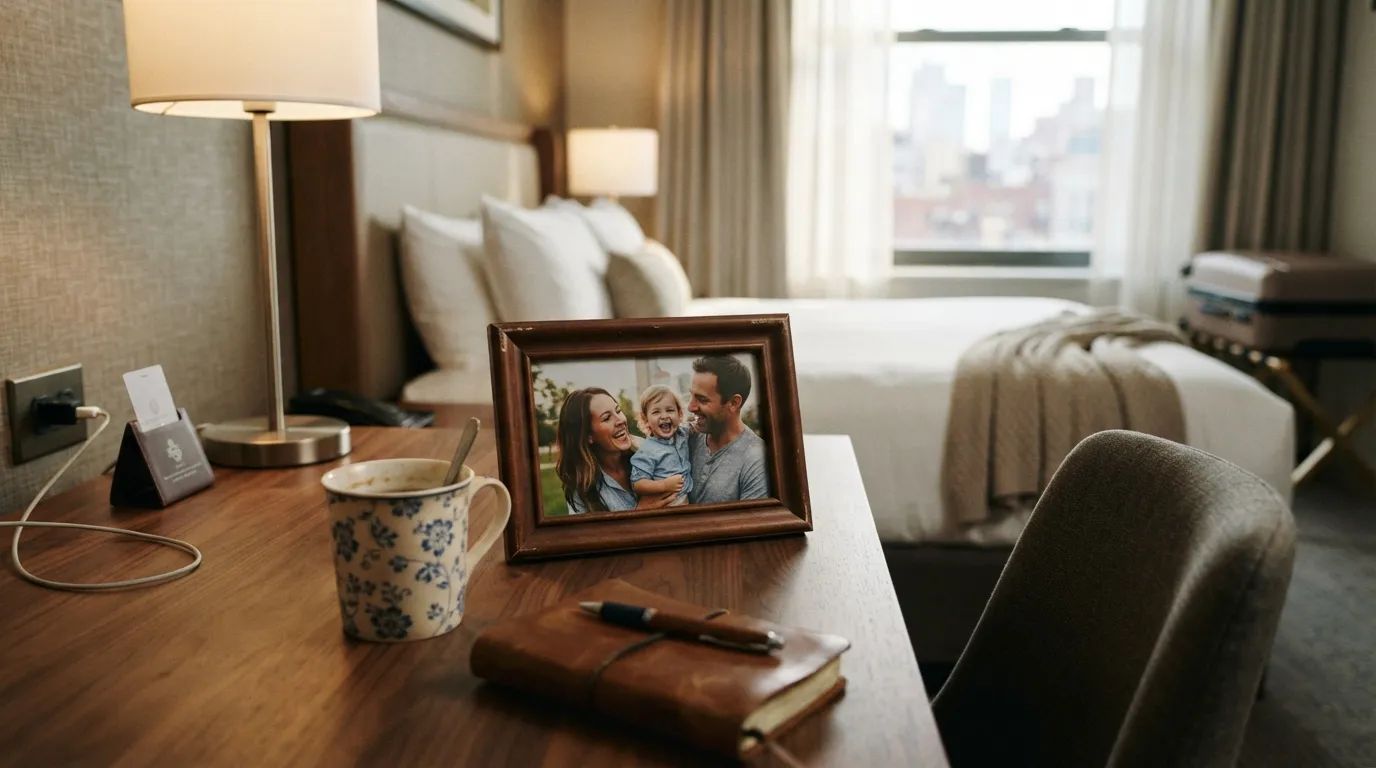
It’s rarely a gadget. It’s a framed photo, a favorite mug, a small blanket, or a tea you love. The room doesn’t need to feel luxurious. It needs to feel familiar.
Long stays can quietly wear on people, especially when they’re away from family and routines. A single personal object on the desk gives the room an anchor. It sounds small, and that’s exactly why it works.
The smartest packing for a long hotel stay isn’t about luxury. It’s about dodging small, repeated annoyances: the missing outlet, the overpriced laundry, the noisy hallway, the dead phone. Most of these items are cheap, light, and easy to find, and many fix problems guests only notice around day four.
Pack the practical stuff first. Then tuck in one thing that smells, looks, or feels like home, because that’s the item that turns a room you’re renting into a room you’re living in.