Most first-time cruisers pack like they’re heading to a hotel – extra shoes, a nice outfit for dinner, maybe a paperback. Then they board and realize the ship runs on a completely different rulebook, one that punishes confidence more than ignorance. Veteran cruisers over 60 pack almost the opposite list, built from decades of small disasters nobody warns you about.
None of these items are flashy. They’re the unglamorous things a 30-year cruiser tosses into a suitcase without even thinking, while a first-timer stands in the ship’s gift shop paying triple the price for something they should’ve brought from home. Here’s what experienced cruisers actually pack – and why skipping it costs more than you’d expect.
#19 – The Non-Negotiable Power Strip Nobody Warns You About
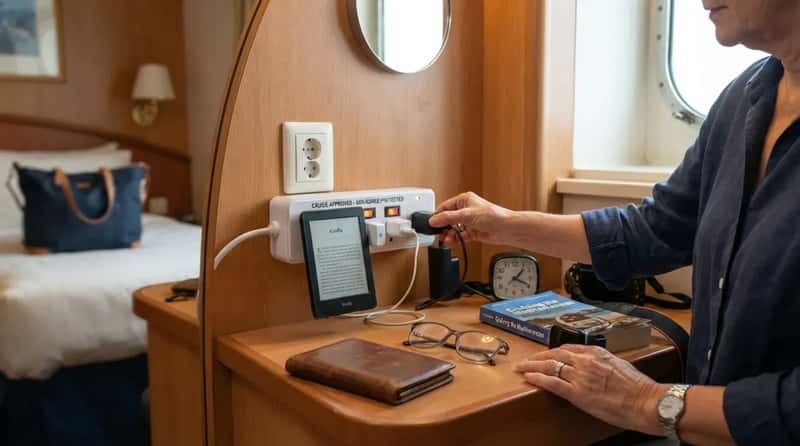
Most cabins simply don’t have enough outlets for modern life. One thing not to forget is a non-surge protected “cruise approved” power bar, because most cruise ship cabins just don’t have enough outlets. Even newer ships that added USB ports still leave passengers fighting over plugs by night two.
Here’s the twist first-timers get wrong: they pack a regular home power strip and it gets confiscated at security. For safety reasons, you cannot use a surge protector, iron or steamer on board. Experienced cruisers know to buy a specifically labeled non-surge strip months in advance, because scrambling for one at the port kiosk almost never works.
#18 – The Magnetic Hooks That Turn a Tiny Cabin Into Real Storage
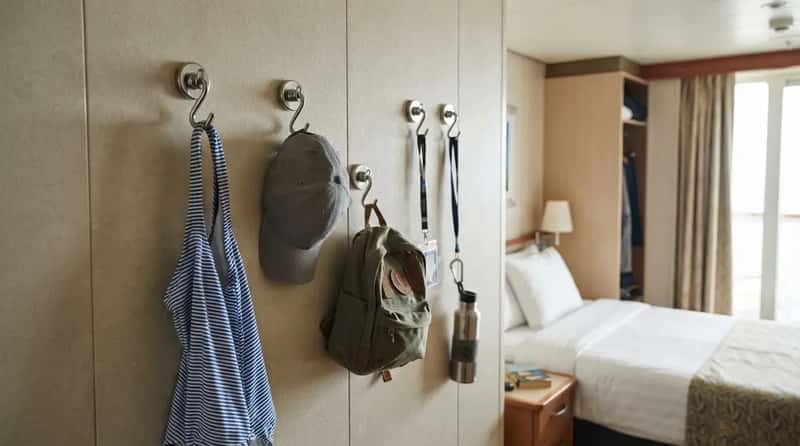
Cabin walls aren’t drywall – they’re steel, and that changes everything. Since most cruise ship cabins are metal, you can use magnet hooks to add storage space to the walls in your stateroom, hanging bathing suits to dry, baseball caps, and even backpacks for excursions. First-timers never think to check, so they cram everything into a two-drawer dresser instead.
The detail most beginners miss: cheap magnets fail within a day. Experienced cruisers make sure their hooks are heavy-duty and strong before they even leave home. One family who’s cruised together for three decades called magnetic hooks a bandwagon item they resisted for years – until they finally tried them and now never cruise without their magnetic hooks.
#17 – The Magnetic Clips Everyone Underestimates
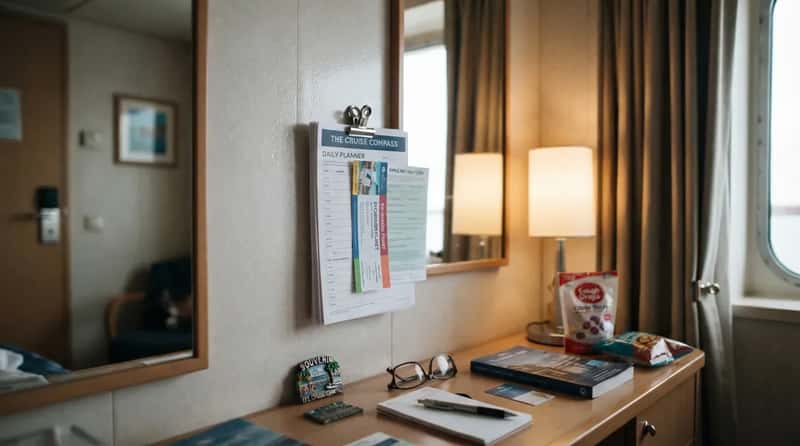
Excursion tickets, immigration forms, and daily planners pile up fast, and first-timers let them clutter the desk. Seasoned cruisers use small magnetic clips stuck straight to the cabin wall instead. One veteran cruiser’s father especially likes magnetic clips that stick to the cabin walls, using them to keep excursion tickets, cruise planners, and immigration forms organized.
The surprising part is how many jobs one small clip can do. These clips also come in handy for doing laundry in the cabin on the bathroom clothesline, and they’re great for resealing open snacks or bags of cough drops. One family even used them to secure the blinds shut at night during a bright port stop – a trick most first-timers would never guess.
#16 – The Over-Door Organizer That Ends the Morning Scramble
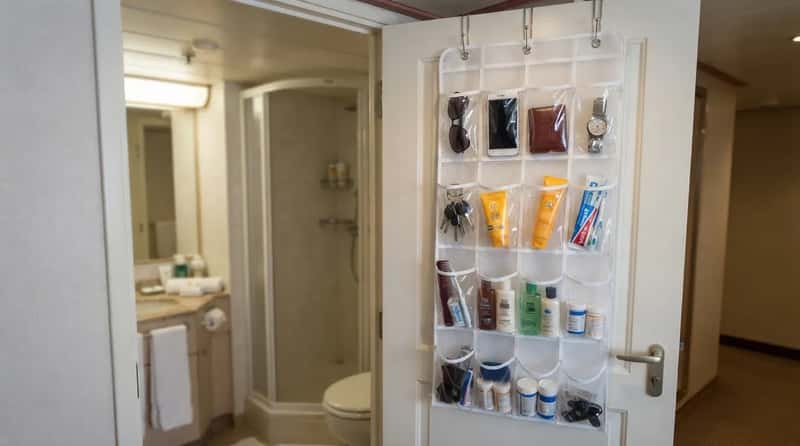
Cabins are small, and searching for sunglasses under a pile of clothes gets old fast. Experienced cruisers hang a clear-pocket organizer on the bathroom door before they even unpack anything else. An over-door shoe organizer with clear pockets keeps items like wallets, cell phones, sunglasses and water bottles organized and always at the ready.
First-timers usually assume the small cabin dresser will be enough. It never is, especially with two people sharing one bathroom counter. Hanging organizers help keep a stateroom neat and orderly, and toiletry bags that hang on bathroom towel bars and hooks work especially well. It’s a five-dollar fix for a problem beginners don’t see coming until day three.
Quick Compare
- Magnetic hooks: best for jackets, hats, and swimsuits drying on cabin walls
- Magnetic clips: best for paperwork, tickets, and makeshift laundry lines
- Over-door organizer: best for daily-use items like sunglasses, wallets, and phones
#15 – The Power Bank That Saves You From a Dead Phone at the Worst Moment
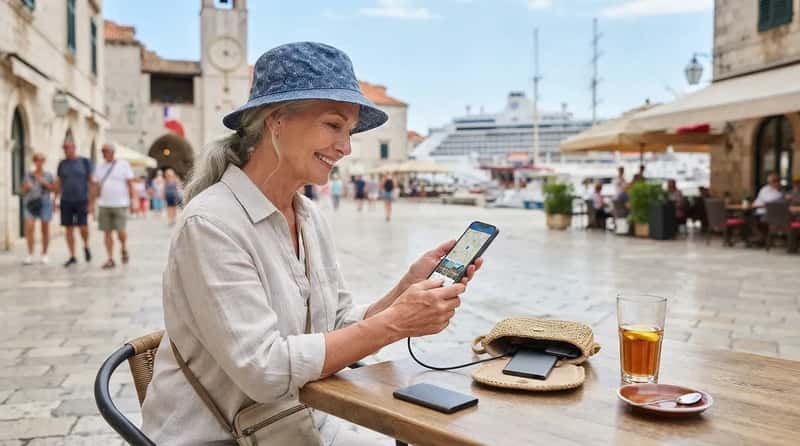
A power strip helps in the cabin, but it’s useless the moment you step off the ship. That’s where experienced cruisers rely on a separate battery pack. A portable power bank is key for when you’re actually out and about – a credit-card-sized one is easy to throw in a bag for port days, excursions, or just walking around the ship taking photos.
First-timers often assume their phone will last the whole shore excursion. It rarely does, especially with GPS and photos running constantly. A good power bank can charge an iPhone, older phones, a Kindle, and headphones – meaning nobody in the group is stuck with a dead phone in an unfamiliar port.
#14 – The Carry-On Bag Packed Like It’s the Only Bag You Have

Here’s the mistake that catches almost every first-timer: checked luggage doesn’t show up right away. Passengers should stuff their carry-on with items they’ll need during the first few hours of boarding, since it can take hours for checked bags to reach their rooms after they board.
Experienced cruisers over 60 have learned this the hard way, so they pack a swimsuit, meds, chargers, and a change of clothes in their carry-on every single time. First-time cruisers often forget to pack an embarkation day carry-on bag with anything they may need for the first day, since it will take several hours for luggage to arrive. Skip it, and you’re stuck in travel clothes until dinner.
#13 – The Backup Sunglasses Nobody Admits They Need
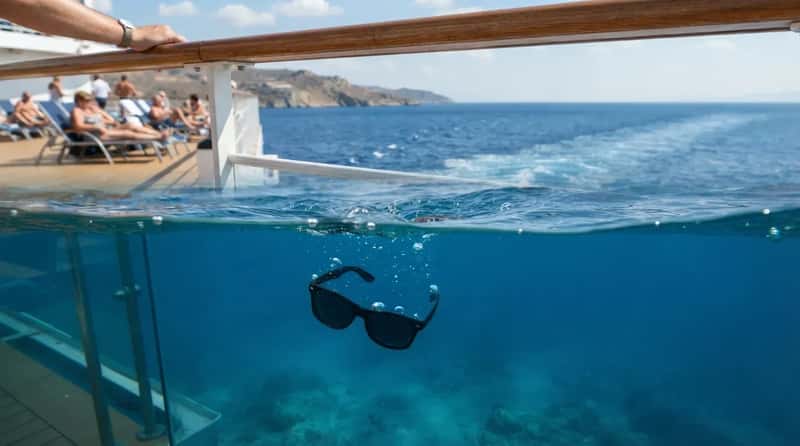
Sunglasses fall overboard more often than anyone talks about. Experienced cruisers now pack a cheap backup pair specifically so it doesn’t ruin the trip when it happens. One traveler learned this after assuming her floating sunglasses actually floated – a mistake that meant that particular pair is now somewhere in the Mediterranean because she thought she had more time to grab them.
Veteran cruisers solve this by bringing two pairs from the start. Many cruisers bring an inexpensive pair from home and leave their good sunglasses on the ship entirely, treating the cheap pair as the one that actually gets worn poolside. First-timers usually bring only their nice pair – and regret it by day two.
#12 – The Duct Tape Trick Cruise Veterans Won’t Shut Up About
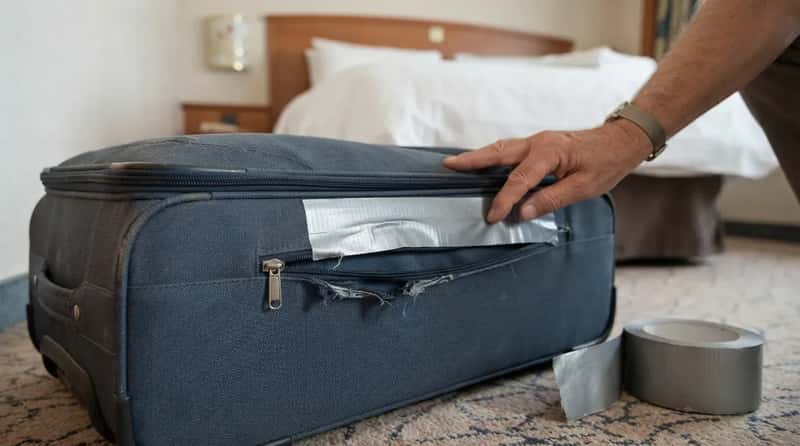
It sounds odd until it saves your trip. One couple who’s cruised together for over 30 years calls it a genuine essential. They agree that packing duct tape is essential for cruising, and it’s proven useful multiple times during their travels.
Packing duct tape is essential for cruising – it’s helped us fix things you’d never expect to break.
Longtime cruise couple
The reason is almost always luggage-related. On one cruise, a ripped front pouch on a suitcase needed an emergency fix – and duct tape was the only thing on the ship that could handle it. First-timers never think to pack it because it feels like a garage tool, not a travel item, until their zipper fails mid-trip.
#11 – The Small First-Aid Kit That Skips the $40 Infirmary Visit
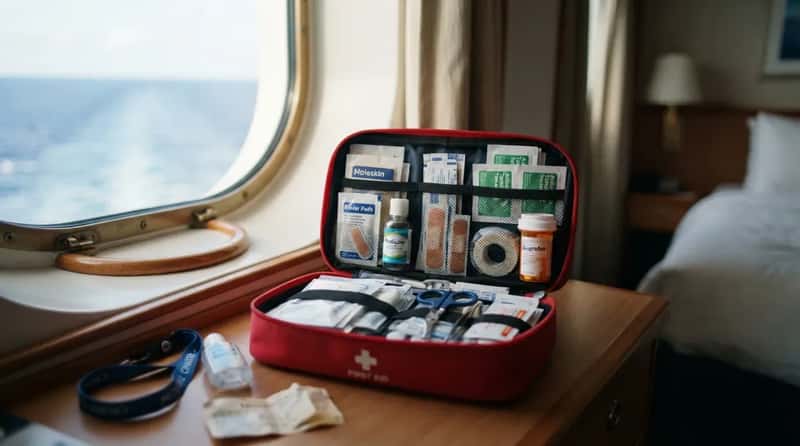
Ship medical centers exist, but they charge like an out-of-network ER visit for even minor issues. Experienced cruisers pack their own basics instead. A cruise-specific first aid kit covers blisters, seasickness, and small cuts without a single trip to the infirmary.
First-timers assume the ship will have everything they need, and technically it does – the onboard shops stock nearly anything you’d forgotten, just at prices that sting. A ten-dollar kit from home avoids a fifty-dollar bandage bill later.
Fast Facts
- Ship infirmary visits are billed like out-of-network medical care
- A basic kit covers blisters, seasickness, and minor cuts
- Onboard shops sell essentials, but almost always at premium prices
#10 – The Bathroom Spray Nobody Talks About Until Day Two
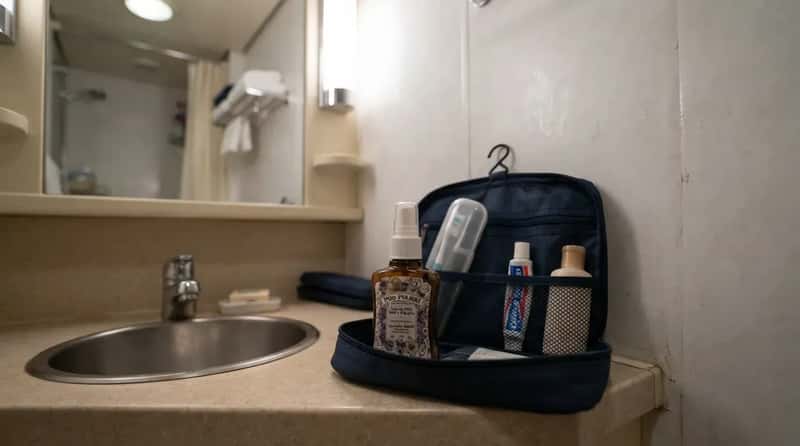
Cruise bathrooms are famously small, and that’s not an accident of design – it’s just how ships are built. Cruise cabin bathrooms are generally small and not usually well ventilated, something first-timers never think to prepare for.
Veteran cruisers solve this with one specific product. The bathroom spray pro cruisers rely on is Poo-Pourri, tucked into a toiletry bag before anyone else even considers it. It’s a small bottle that saves an entire week of awkward moments in a shared cabin.
#9 – The Compact Umbrella That Beats Every Ship Store Overprice

Weather doesn’t check anyone’s itinerary, and tropical rain showers hit fast. Experienced cruisers pack a tiny travel umbrella instead of gambling on clear skies. In case of rain, staying dry with a small umbrella or light raincoat is standard advice from cruise line packing guides themselves.
First-timers usually skip it, assuming they’ll just duck inside if it rains. But shore excursions rarely have “inside” to duck into. A light, compact windproof umbrella is an essential travel companion, no matter your itinerary – and it costs a fraction of the emergency poncho sold at the gangway.
#8 – The Reusable Water Bottle That Saves Real Money Onshore

Bottled water in port towns and onboard bars adds up fast, sometimes four or five dollars a bottle. Experienced cruisers bring their own bottle and refill it at water stations instead. It’s one of the smallest items on this list and one of the most repeated pieces of advice from long-time cruisers packing for hot-weather itineraries.
First-timers often leave it home because it takes up suitcase space. But an empty bottle weighs almost nothing, and refilling stations are common on newer ships. By day four of a Caribbean sailing, the savings are obvious to anyone who’s tracked their onboard drink charges.
#7 – The Ziploc Bags That Do More Jobs Than You’d Think
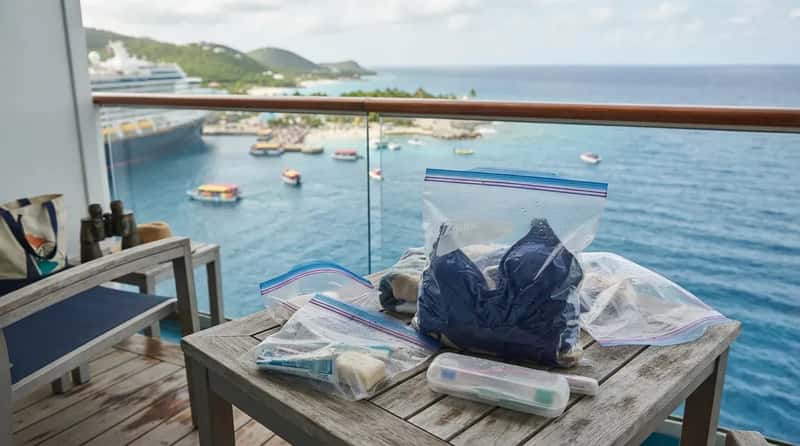
It sounds too simple to matter, but experienced cruisers treat resealable bags like a survival tool. A resealable plastic bag can be a cruiser’s best friend, keeping a smartphone, wallet and other items safe and dry on water-related shore excursions.
The detail beginners never expect: the bags come back into play on the trip home, too. When it’s time to pack for the trip home, cruisers use them to store wet toothbrushes or bathing suits instead of soaking everything else in the suitcase. First-timers pack one travel pouch and call it done – veterans pack a whole stack.
Worth Knowing
- Keeps phones and wallets dry on tender boats and water excursions
- Doubles as a leak-proof pouch for wet swimsuits on travel day
- Works as a quick seal for half-finished snacks or medications
#6 – The Door Magnet That Ends the “Which Hallway Is Ours” Fight

Cruise ship hallways look identical for hundreds of feet, and it’s a real problem after a few drinks or a long day in the sun. Experienced cruisers solve it with a simple magnetic decoration for the cabin door. Cruise door magnets are magnetic decorations for the outside of a cabin door that can celebrate birthdays or anniversaries, and make it easier to find your door when walking through long cruise ship hallways.
First-timers rely on memorizing a number, which works fine until the hallway is packed with confused-looking passengers doing the exact same thing. A bright magnet turns “which door was ours again?” into a non-issue, and it doubles as a small personal touch for anniversary or milestone cruises.
#5 – The Lanyard That Keeps Your Room Key From Vanishing
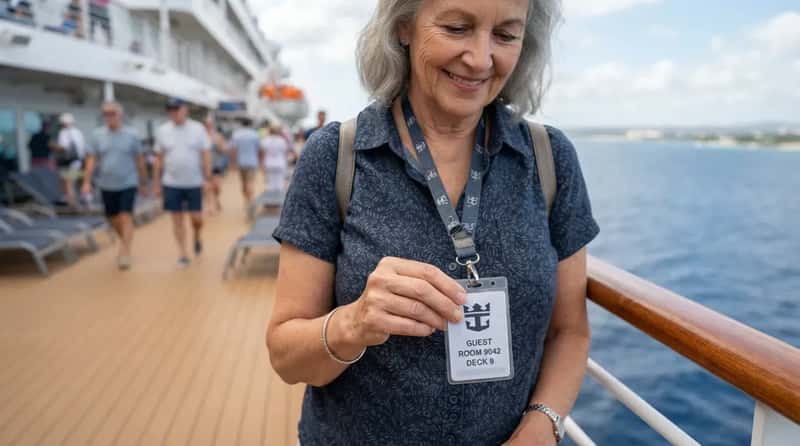
Modern cruise lines increasingly use wearable key cards, medallions, or wristbands instead of a simple key. Experienced cruisers clip theirs to something secure rather than tossing it loose in a pocket or bag. A lanyard, wristlet, or clip for a room key or medallion is one of the most repeated small purchases among veteran cruisers.
First-timers lose their key card constantly – in beach bags, pool towels, or formal-night clutches. A cheap lanyard from home solves a problem that otherwise means a trip to guest services for a replacement, often at the least convenient moment of the day.
#4 – The App Download Veteran Cruisers Never Skip Before Boarding

Onboard Wi-Fi is one of the most common complaints on every cruise review site, and speed is the first casualty. Experienced cruisers download everything they’ll need before they ever step on the gangway. Downloading apps before you’re on the ship helps you avoid slow internet service and spares you having to wait in line for assistance at the tech desk, since onboard Wi-Fi is both expensive and notoriously slow.
First-timers assume they’ll just figure it out once they board. That plan usually ends with them standing in a long line at guest services on embarkation day, phone in hand, while veterans are already unpacking. It’s a five-minute task from a home Wi-Fi connection that saves an hour on the ship.
#3 – The Portable Clothesline That Cuts Laundry Bills in Half
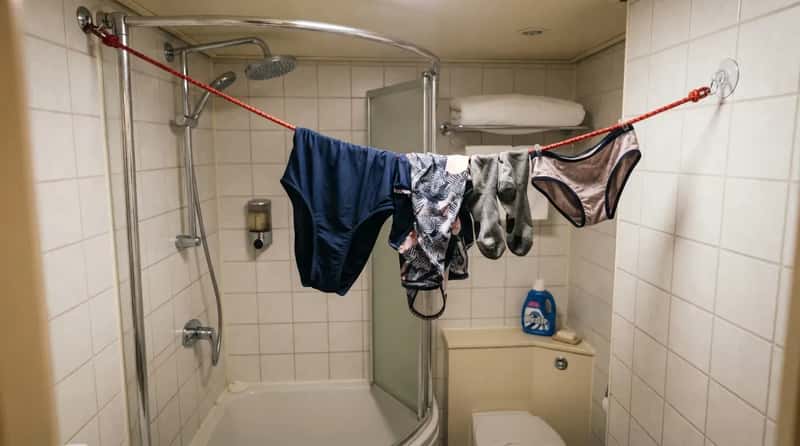
Onboard laundry service sounds convenient until the price list arrives, and a week’s worth of wash-and-fold can run into the hundreds. Experienced cruisers pack a compact clothesline instead. Many cruise lines offer onboard laundry services, but they can be expensive and time consuming, and a portable no-pin laundry line transforms a tiny bath into a quick wash-and-go station for swimsuits and other everyday essentials.
First-timers pay full price for laundry without realizing there was ever another option. A five-dollar clothesline strung across the shower rod dries swimsuits and rash guards overnight – a trick almost every longtime cruiser eventually picks up after one too many surprise laundry bills.
#2 – The Paper Backup of Every Travel Document

Phones die, apps glitch, and printers aren’t exactly common at sea. Experienced cruisers still print a paper copy of every document, even in 2026. A core tip is to triple-check documents a few days before leaving home, since cruise document rules vary by itinerary and passport and ID requirements should always be double-checked before sailing.
First-timers over 60 often assume their international travel experience covers this. Most people over 60 who book their first cruise have already traveled internationally and navigated foreign cities alone, and that confidence is exactly what gets them – cruising punishes confident assumptions harder than it punishes total ignorance. A folded paper copy in a carry-on has saved more embarkation days than anyone likes to admit.
At a Glance
- Passport or other accepted ID
- Printed boarding documents and cabin confirmation
- Copies of prescriptions and dosages
- Emergency contact and travel insurance information
#1 – The Extra Week of Medication That Prevents a Real Emergency
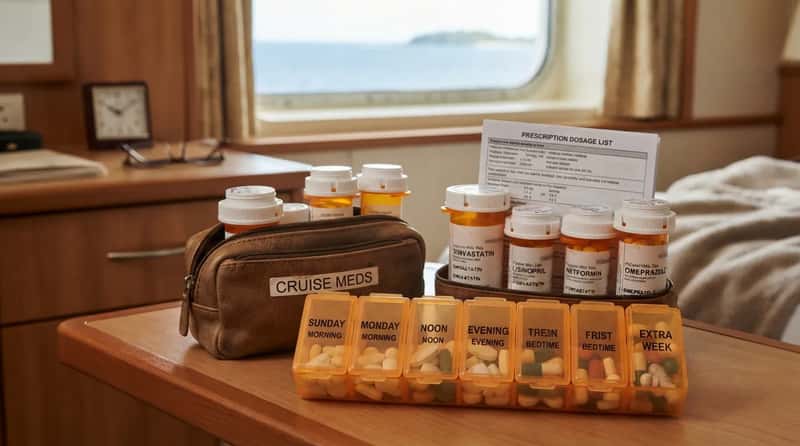
This is the one veteran cruisers never compromise on, because the consequence isn’t inconvenience – it’s a medical emergency in the middle of the ocean. Not bringing enough personal care basics from home runs in the opposite direction of overpacking and still costs first-timers, who assume onboard shops will have everything they need, no questions asked.
Experienced cruisers pack a full extra week of every prescription, plus copies of dosages, specifically because ships can’t always dock on schedule and pharmacies aren’t guaranteed in every port. First-timers pack exactly what the trip length requires and nothing more, which works fine – until weather delays a return home by two extra days and the pill bottle runs empty on day one of the delay.
None of these nineteen items cost more than a few dollars each, yet together they’re the difference between a cruise that runs smoothly and one full of avoidable scrambling. The pattern is clear: experienced cruisers over 60 don’t over-prepare because they’re anxious – they over-prepare because they’ve already lived through the version of the trip where they forgot.
What’s the one item you never cruise without that didn’t make this list? Drop it below – the next first-timer reading this might need exactly that tip.