Most casual travelers still treat check-in like a countdown timer – sprinting to the counter, hoping for a decent seat, crossing their fingers about the overhead bin. Frequent flyers don’t hope. They’ve turned check-in into a routine so automatic it barely registers as a decision anymore, and it shows every time they breeze past a stressed-out gate agent line.
What looks like luck to everyone else is actually a pattern, repeated hundreds of times a year until it becomes muscle memory. Here’s exactly what road warriors do the second that check-in window opens – and why casual flyers keep ending up in the middle seat.
#20 – They Set an Alarm for the Exact Second Check-In Opens

Frequent flyers don’t casually check in “sometime the day before.” They set a literal phone alarm for the precise minute their airline’s window opens, because seat inventory and upgrade clearing both move fast in that first hour. Most airlines open online check-in 24 hours before departure, though some international carriers open the window 48 hours out.
This isn’t obsessive – it’s math. The best exit-row and bulkhead seats, along with any complimentary upgrades, get claimed within minutes of the window opening. Waiting even two hours can mean the difference between an aisle seat and a dreaded middle seat between strangers.
#19 – They Check In From the App, Never the Website

Ask any road warrior and they’ll tell you the mobile app beats the browser every single time, and the data backs them up. Use of electronic boarding passes is up 22 points since 2018, with mobile app check-in far outpacing every other method.
The shift has been dramatic in just a few years. Mobile check-in jumped from 29% in 2019 to 55% in 2023, while airport ticket counter check-in dropped from 18% to just 10%. Frequent flyers keep the app pre-loaded, logged in, and updated before they even book, because a slow website refresh at the wrong moment can cost a coveted seat.
Quick Compare
| Check-In Method | 2019 | 2023 |
|---|---|---|
| Mobile App | 29% | 55% |
| Kiosk | 25% | 15% |
| Ticket Counter | 18% | 10% |
| Curbside | 4% | 1% |
#18 – They Skip Baggage Drop Entirely When Possible
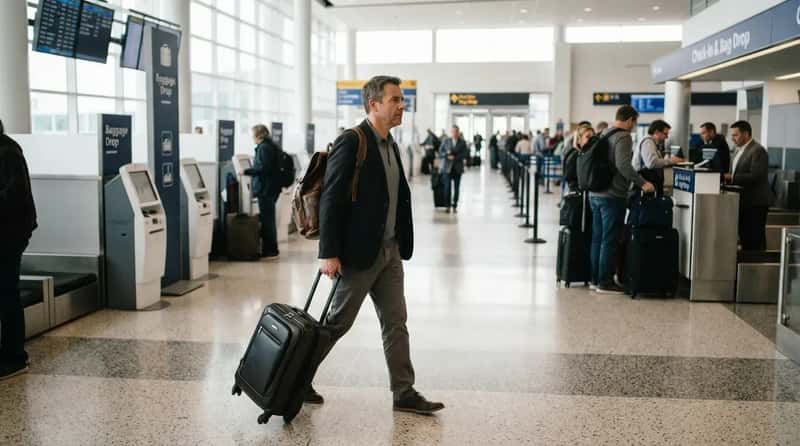
Carry-on-only isn’t a preference for veteran flyers – it’s a strategic weapon against wasted time. Checking a bag means budgeting extra minutes for the counter, the carousel, and the small but real risk of a bag simply not showing up on the other end.
Even when they do check a bag, they do it strategically. Many airlines won’t accept checked bags more than four to six hours before departure at certain airports, so early check-in for the boarding pass and late bag drop become two separate, deliberate moves. That two-step trick alone shaves off airport dwell time most casual travelers never think to question.
#17 – They Choose the Airline App Over the Airport Kiosk, Even When Both Are Free
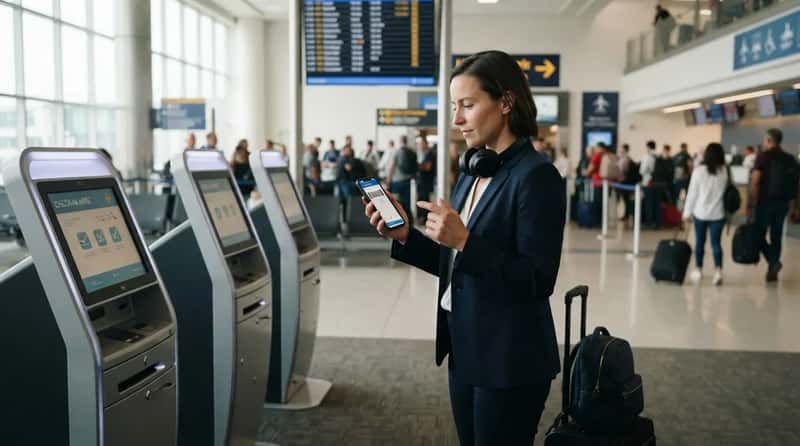
Airport kiosks used to be the default fallback for stragglers, but frequent flyers have quietly abandoned them. The reason is simple: kiosks are slower, tied to a single physical location, and often out of service during peak hours.
The numbers confirm the shift is real and accelerating. Automated kiosk check-in fell from 25% in 2019 to just 15% in 2023, even as overall electronic check-in climbed. Seasoned flyers see kiosks as a last resort for printing a bag tag, not a real check-in tool.
#16 – They Never Check In More Than 24 Hours Early, Even If They Could
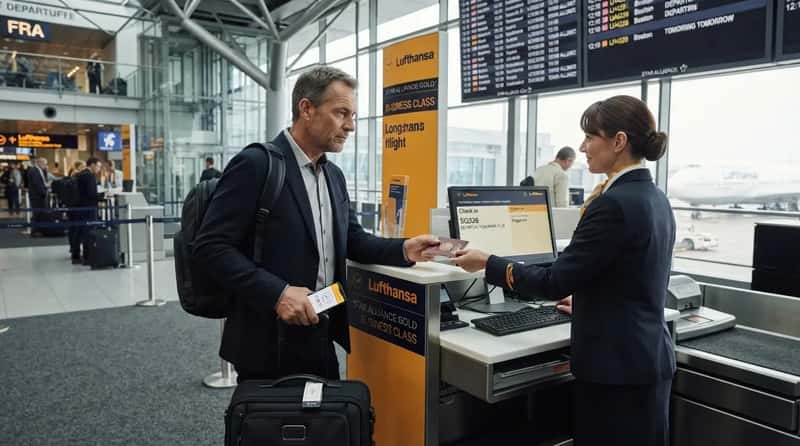
Here’s a surprising one: many veteran flyers deliberately wait for the exact window to open instead of checking in the moment it’s technically possible on longer-haul international carriers. Checking in too early on some routes can lock in a seat right before an equipment swap, leaving you stuck in a worse one.
The industry logic behind the standard window is more defensive than most travelers realize. A lot can change before departure – the aircraft type can swap, passengers get rebooked, and there will be no-shows – which is exactly why airlines cap the window instead of opening it further out. Frequent flyers know this and treat the standard window as a feature, not a limitation.
#15 – They Always Confirm Seat Assignment Before Confirming Anything Else
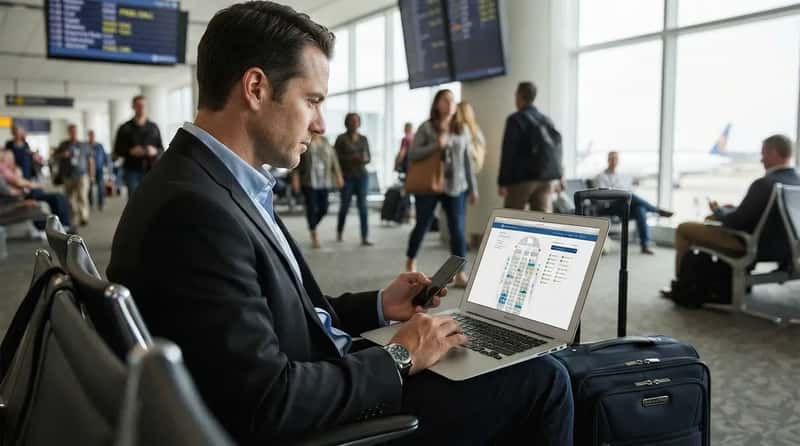
The very first screen frequent flyers scrutinize during check-in isn’t the flight time or the gate – it’s the seat map. A last-minute equipment change or reshuffle can quietly bump someone from an aisle to a middle seat overnight without any warning.
Skipping this step has real consequences most casual travelers underestimate. If you don’t check in within the standard window, you may lose the ability to select your seat at all, which is especially brutal if you need a specific aisle or window spot. Losing a pre-selected seat to a silent schedule change is one of the most common – and most preventable – check-in regrets.
#14 – They Add Their Known Traveler Number Before Anything Else Loads
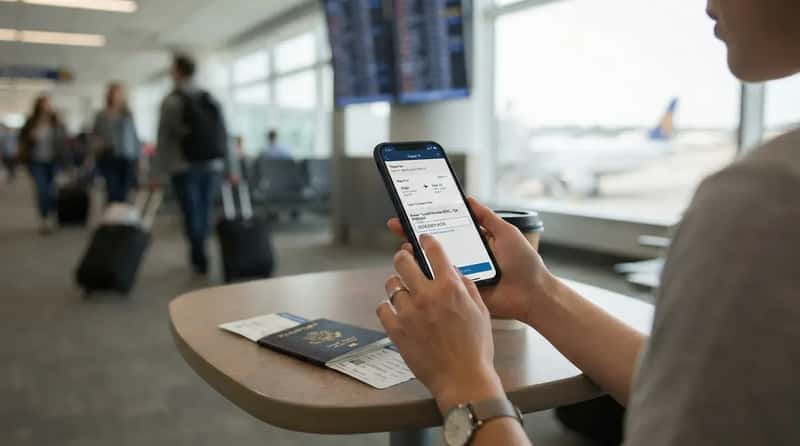
Forgetting to attach a Known Traveler Number is the single most common reason frequent flyers see “TSA PreCheck” quietly vanish from their boarding pass. Veteran travelers add it to their profile once and never touch it again – but they still double-check it appears every single time at check-in.
The program has exploded in popularity, which makes this step even more consequential at crowded checkpoints. TSA PreCheck surpassed 20 million active members, growing by roughly a third in fewer than 18 months. Frequent flyers know that a missing KTN means standing in the regular line – no shoes-on, laptop-in-bag shortcut waiting for them.
#13 – They Refuse Airport Ticket Counters Unless Something Went Wrong
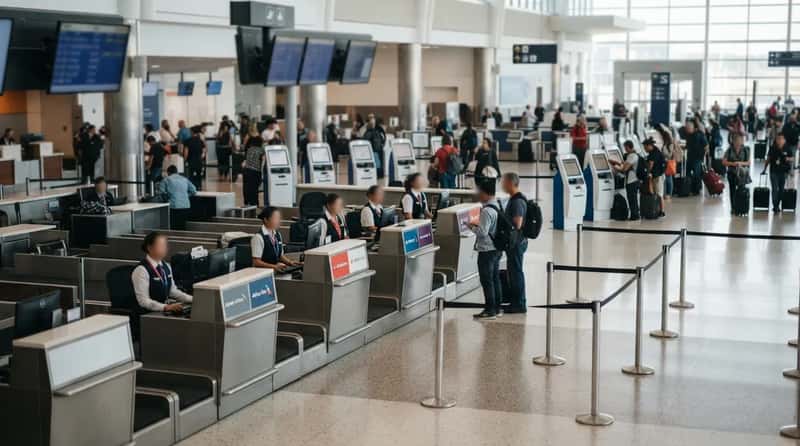
Standing in line at a physical ticket counter is, for most road warriors, a sign that something has already gone sideways. Healthy check-ins never touch a human agent unless a flight changed, a document needs verifying, or a group booking got split up.
This behavioral shift has reshaped airport staffing entirely. Airport ticket counter check-in dropped from 18% in 2019 to just 10% in 2023, part of a broader swing toward electronic-only processing. Frequent flyers see the counter line as the airport’s version of a warning light – useful, but something you actively try to avoid triggering.
#12 – They Screenshot Their Boarding Pass Instead of Trusting Signal
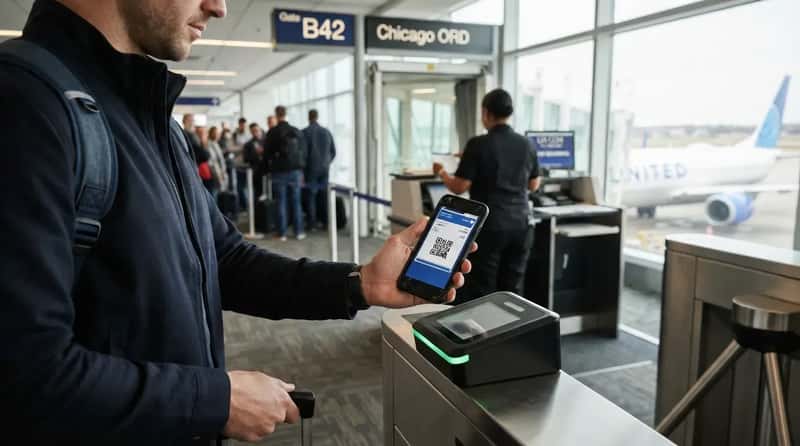
Nothing spikes a frequent flyer’s stress faster than watching a boarding pass fail to load at a jet bridge scanner because of dead airport Wi-Fi. So the fix became universal among veterans: screenshot it the moment it’s issued, every single time, no exceptions.
It sounds almost too simple, but it solves a problem airlines rarely acknowledge publicly. Once a digital boarding pass is ready, it can be saved as a static image rather than left inside an app that needs live signal to refresh. A dead phone battery or spotty terminal Wi-Fi has stranded more travelers at the gate than most people realize.
#11 – They Check In Even When They Already Have a Confirmed Seat

Casual travelers assume that once a seat is booked, check-in is a formality. Frequent flyers know better – a confirmed seat can still get reassigned, especially on oversold or weather-disrupted routes.
Checking in early isn’t just about convenience; it’s protection against getting quietly bumped. Checking in early and locking in a seat reduces the odds of being involuntarily bumped from an oversold flight compared to checking in at the last minute. Some casual travelers see this habit as unnecessary paranoia, but frequent flyers see it as basic risk management.
#10 – They Trust the App Over Airport Departure Boards
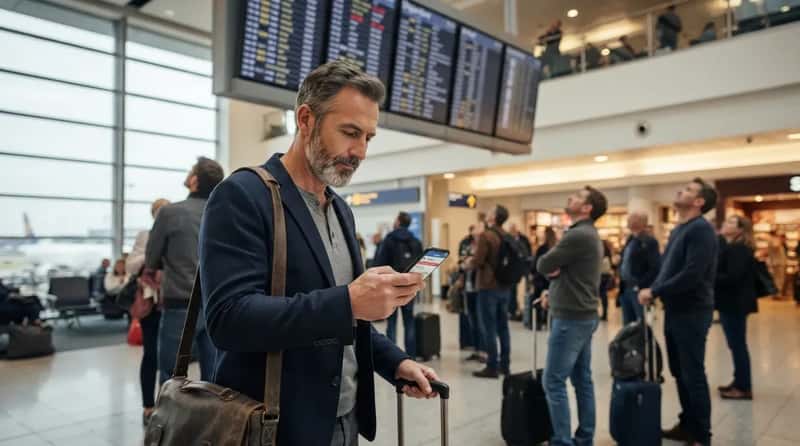
Here’s an unpopular opinion among frequent flyers: airport departure boards are often the least reliable source of information in the entire terminal. Gate changes and delays frequently hit the airline app minutes – sometimes tens of minutes – before the physical board ever updates.
This isn’t a minor gripe; it changes real decisions about where to grab food or how fast to walk. Veteran travelers glance at their phone, not the ceiling, whenever a decision needs to be made. Most casual flyers still crane their necks at the board out of habit, unaware it’s often already outdated.
#9 – They Never Skip Check-In Just Because They’re Flying Basic Economy
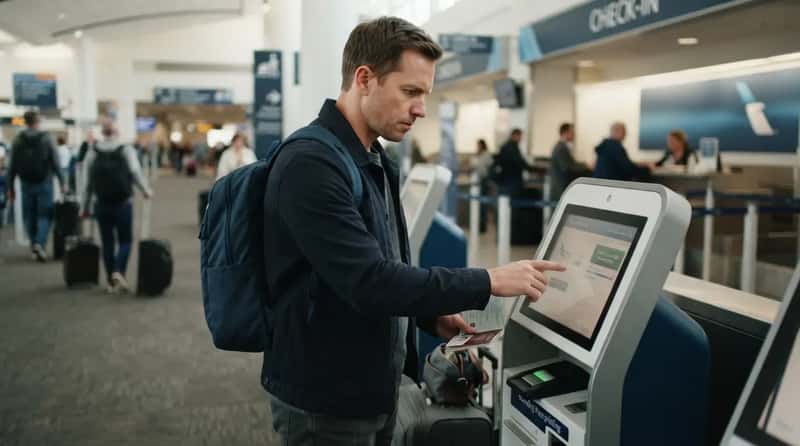
A surprising number of casual travelers assume basic economy tickets don’t need proactive check-in since seats get assigned automatically. Frequent flyers know this assumption is exactly how people end up scattered across the plane, seated nowhere near travel companions.
Even without seat selection rights, checking in early still matters for boarding group assignment and standby list position. Veteran flyers treat basic fares with even more check-in discipline, not less, because the margin for error is smaller. It’s one of those “everyone assumes the opposite” habits that quietly separates experienced flyers from frustrated first-timers.
Worth Knowing
- Basic economy tickets still require proactive check-in for boarding group placement.
- Seats are assigned automatically, but standby list position still depends on check-in timing.
- Checking in early can improve upgrade eligibility even on restricted fares.
- Skipping check-in on basic economy raises the odds of a split seating assignment.
#8 – They Check In for Every Segment on Multi-City Trips Separately
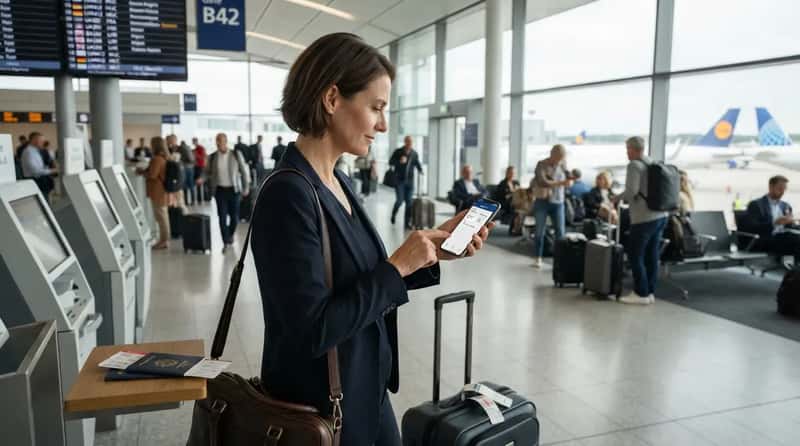
Multi-leg itineraries trip up casual travelers constantly, because checking in for the first flight doesn’t automatically check them in for the connection. Frequent flyers treat every single segment as its own separate task, no exceptions and no assumptions.
This habit exists because airlines genuinely don’t guarantee automatic sequencing across every route or partner airline. Check-in and arrival rules for flights operated by other carriers, including codeshare partners, are set by that individual airline, meaning one carrier’s rules don’t carry over to the next leg. Veteran flyers manually verify every segment, especially on partner bookings, to avoid missing a window entirely.
#7 – They Ignore International Check-In Myths and Just Check the Airline Directly
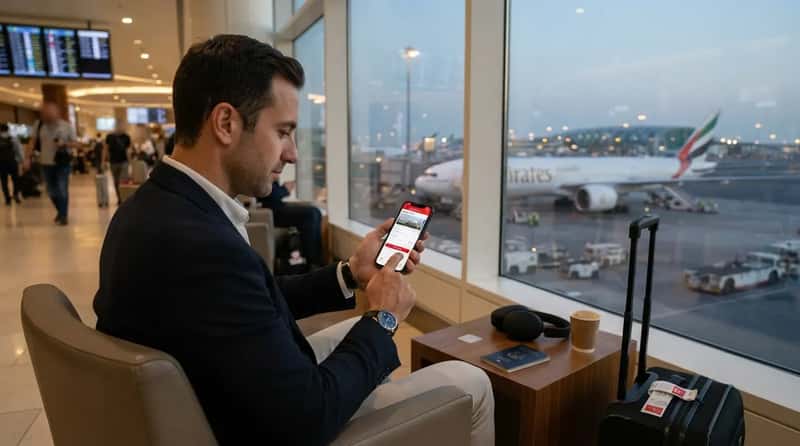
There’s a persistent myth that every international flight follows the same 48-hour check-in rule. Frequent flyers know that’s false, and they check every single time rather than assuming their last trip’s timing still applies.
The reality is far messier than most casual travelers expect. Most airlines open online check-in 24 hours before departure, though some international carriers open the window 48 hours out, so travelers always need to verify with their specific airline. Emirates, for example, extended its own window to 48 hours before departure, letting customers check in on desktop or mobile all the way from 48 hours down to 90 minutes before the flight.
#6 – They Treat the Check-In Closing Time as a Hard Deadline, Not a Suggestion
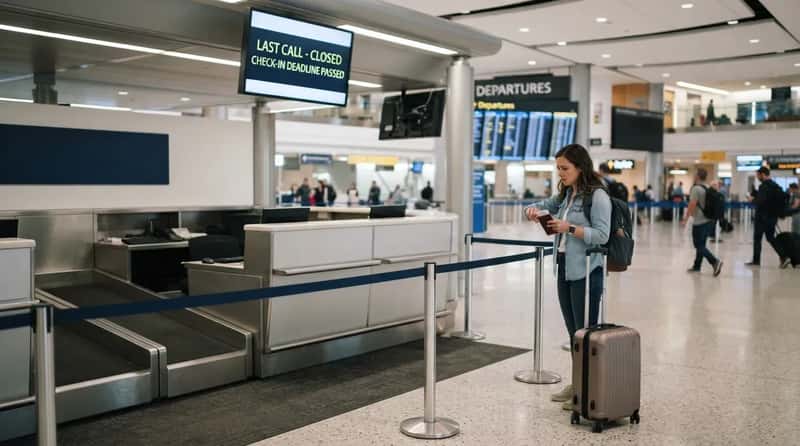
Casual travelers often think of check-in cutoffs as flexible guidelines. Frequent flyers treat them as immovable walls, because airlines genuinely do close the door, no begging required.
The actual cutoffs are tighter than most people expect, and they vary by route type. Domestic flights typically see check-in close 45 minutes before departure, while international flights close 90 minutes before. Missing that window by even a few minutes can mean rebooking an entire itinerary from scratch.
Fast Facts
- Domestic flights: check-in typically closes 45 minutes before departure.
- International flights: check-in typically closes 90 minutes before departure.
- Missing the cutoff can mean losing your seat and rebooking from scratch.
#5 – They Check In Before Choosing Their Ride to the Airport

This one sounds backward, but frequent flyers genuinely check in before they’ve even locked in whether they’re driving, taking a rideshare, or grabbing a shuttle. The logic: check-in reveals gate and terminal information that can change the entire transportation decision.
A boarding pass in hand also removes uncertainty about which terminal a rideshare driver needs to target. Casual travelers often do it backward – booking a ride first, then discovering their terminal has changed. It’s a small reordering of two errands that quietly prevents a surprisingly common last-minute scramble.
#4 – They Don’t Bother With Curbside Check-In Anymore
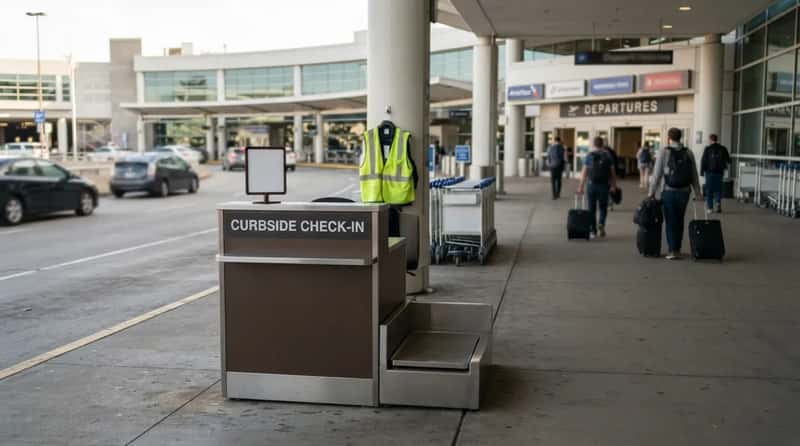
Curbside skycap check-in used to be a beloved shortcut for road warriors. Now it’s almost extinct among frequent flyers, who’ve found the mobile app simply does the job faster and for free.
The usage numbers make the shift unmistakable. Curbside check-in dropped from 4% in 2019 to just 1% in 2023, nearly disappearing as a habit entirely. Frequent flyers who once tipped a skycap for early access now do the identical thing from their couch the night before, for nothing.
#3 – They Enroll in Trusted Traveler Programs Before They Even Book the Flight
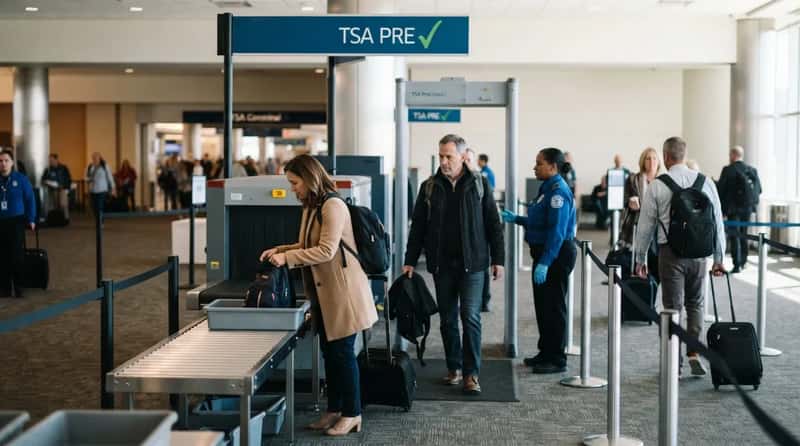
For serious frequent flyers, TSA PreCheck or Global Entry enrollment isn’t an afterthought tied to a specific trip – it’s baseline infrastructure, set up years in advance and renewed automatically. Most casual travelers only think about it after standing in a slow line once and swearing never again.
The scale of adoption has become massive. Active TSA PreCheck membership has grown to more than 22 million members since the program launched in December 2013, with members enjoying wait times of under 10 minutes at most checkpoints. Enrollment has also gotten far more accessible, with CLEAR expanding PreCheck sign-up to more than 190 Staples locations nationwide.
At a Glance
- TSA PreCheck membership: more than 22 million active members.
- Program launch: December 2013.
- Typical wait time for members: under 10 minutes at most checkpoints.
- Enrollment access: PreCheck sign-up now available at 190+ Staples locations.
#2 – They Check In the Instant They Book, Not the Night Before

This is the habit that separates true road warriors from everyone else: some frequent flyers set airline notifications the moment they book a ticket, months out, specifically so they never miss the check-in window regardless of time zones, layovers, or travel days blending together.
It sounds excessive until you consider how many trips involve overnight flights, red-eyes, or multi-day travel where “the day before” gets genuinely confusing. Self check-in windows can effectively stretch to 30 days out through online processes on some carriers, letting passengers lock in seating preferences and mileage credit well ahead of the trip. This is arguably the biggest gap between frequent flyers and everyone else – they’ve removed decision-making from the process entirely.
#1 – They Never, Ever Skip Electronic Check-In, Even for a One-Hour Flight
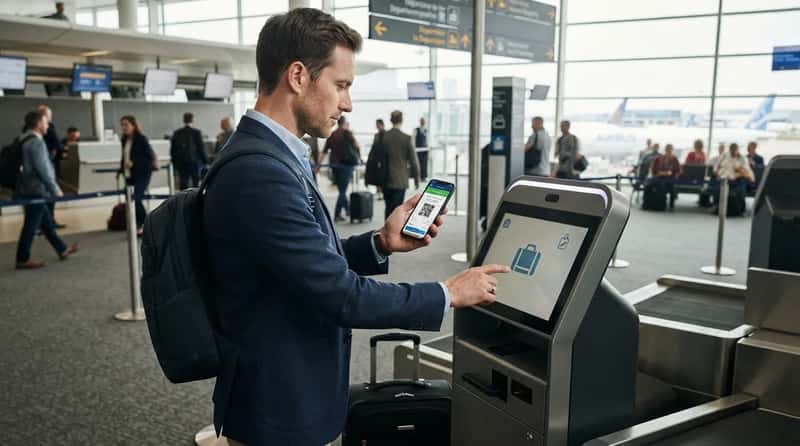
The number one non-negotiable habit among frequent flyers isn’t glamorous – it’s simply this: they check in electronically every single time, no matter how short, familiar, or “easy” the flight seems. There are no exceptions, no shortcuts, no “I’ll just do it at the gate.”
This habit has become so dominant it’s now the overwhelming national norm, not just a road-warrior quirk. In 2023, 88% of American travelers checked in electronically, up 11 points from 2019, with more than half checking in via mobile device and nearly two-thirds boarding using their phone. Frequent flyers helped drive that shift, treating electronic check-in as the one small step that protects everything else – seat, boarding group, upgrade status, and peace of mind.
None of these habits are glamorous. They’re small, repeatable, almost boring decisions – and that’s exactly why they work. Frequent flyers didn’t stumble into smoother travel; they built a system out of two dozen tiny choices that most casual travelers still make randomly, if they make them at all.
The gap between a stressful airport day and an easy one usually isn’t luck. It’s whether you checked in like it mattered.