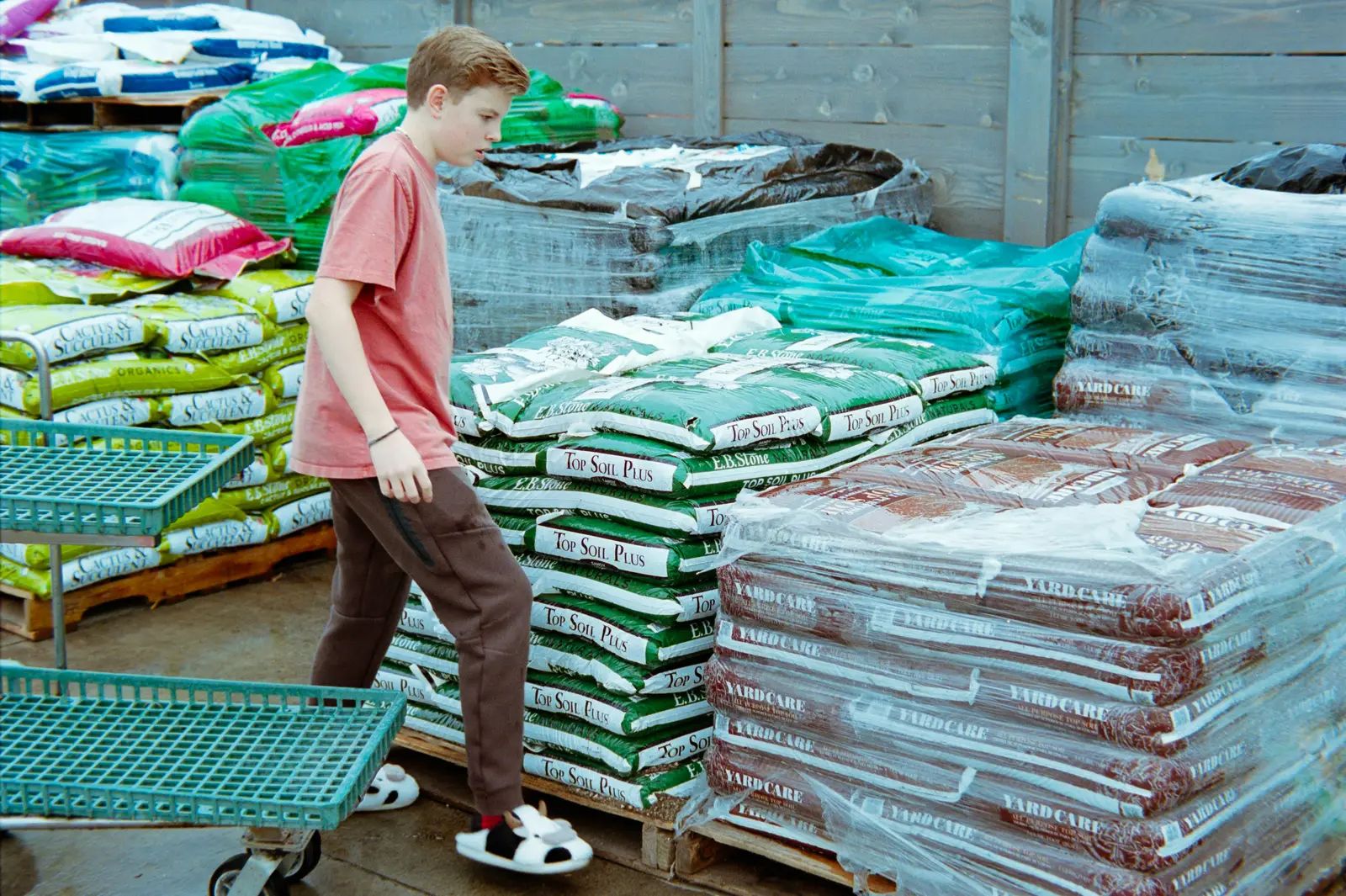
Garden centers across the country see the same pattern every spring and fall. Shoppers reach for the neatly stacked bags because the price tag looks manageable, yet the real expense often hides in the units of measure. Bulk material arrives by the cubic yard, while bags come in cubic feet, and that difference changes the math for many projects. The original analysis from Social Lifestyle Magazine highlights how straightforward conversions reveal bulk as the lower-cost option once volume reaches a modest threshold.
Converting Units Reveals the True Gap
A cubic yard measures three feet on each side and equals 27 cubic feet. That single conversion factor turns every bag price into a comparable yard price. Retailers commonly sell mulch and soil in one-cubic-foot, 1.5-cubic-foot, or two-cubic-foot bags. One yard therefore requires 27 one-cubic-foot bags, 18 of the 1.5-cubic-foot size, or roughly 14 of the two-cubic-foot bags. A 40-pound bag of topsoil holds about 0.8 cubic feet, so a full yard demands around 34 of those bags. Once the numbers sit side by side, the per-unit cost of bagged material climbs quickly.
Project Size Determines How Much Material Is Needed
Estimating volume starts with a simple formula: length times width times depth in inches, divided by 12, then divided by 27 to reach cubic yards. A typical 10-by-20-foot bed covered three inches deep comes to roughly 1.85 cubic yards. That volume equals about 25 two-cubic-foot bags or nearly two full yards of bulk material. Many weekend garden projects fall into this middle range. They are large enough that counting and moving dozens of bags becomes tedious, yet small enough that a full truckload still feels oversized until the prices are compared directly.
Price Ranges Show Bulk Advantage at Scale
Bagged mulch typically sells for $2 to $15 per bag. At two cubic feet per bag, that translates to $27 to more than $200 per cubic yard. Bulk mulch runs $20 to $80 per yard before delivery, or roughly $0.74 to $2.96 per cubic foot. Topsoil follows a similar pattern. Bagged topsoil costs $2 to $5 for a 40-pound bag, or $67 to $170 per yard. Bulk topsoil lists between $10 and $55 per yard, plus delivery fees that usually range from $50 to $170 depending on distance and supplier. These ranges come from multiple 2026 cost guides and vary by region and product quality. The spread itself underscores why local quotes matter more than national averages.
Delivery Fees Set the Break-Even Point
Delivery adds a fixed cost that favors larger orders. At a midpoint bulk mulch price of $50 per yard plus a $75 delivery fee, one yard totals $125. That amount equals the price of 14 two-cubic-foot bags, so bags must cost less than about $9 each to compete. At two yards the bulk total rises to $175, lowering the break-even bag price to roughly $6.50. Topsoil reaches the tipping point even sooner because its bulk price per yard sits lower. Small jobs under one yard often favor bags for convenience. Once the order climbs past that mark, the fixed delivery charge spreads across more material and bulk pulls ahead. Minimum-order rules at some suppliers can shift the calculation, which is why requesting a single delivered price helps homeowners compare options accurately. Beyond price, labor, packaging waste, storage space, and material consistency also influence the decision. Bulk piles require space for a truck and wheelbarrow work afterward, while bags stack neatly but generate plastic waste that rarely gets recycled. Quality in bulk loads depends on the supplier, so inspecting the pile before ordering remains worthwhile. For most homeowners tackling seasonal garden beds, the unit math points toward bulk once the project exceeds a single yard.