You already buckled in. The seatbelt sign is off, the safety card is back in the pocket, and you assume the seating chart is now permanent. It isn’t even close to permanent, and the reasons it keeps shifting have almost nothing to do with comfort.
Some of these moves are pure physics. Some are legal necessity. A few are so strange that even seasoned road warriors do a double take the first time they watch one happen three feet away from them. Here’s what’s really going on in that narrow window between “doors closed” and wheels up.
#20 – The Reason Your Row Suddenly Empties Out On Small Planes
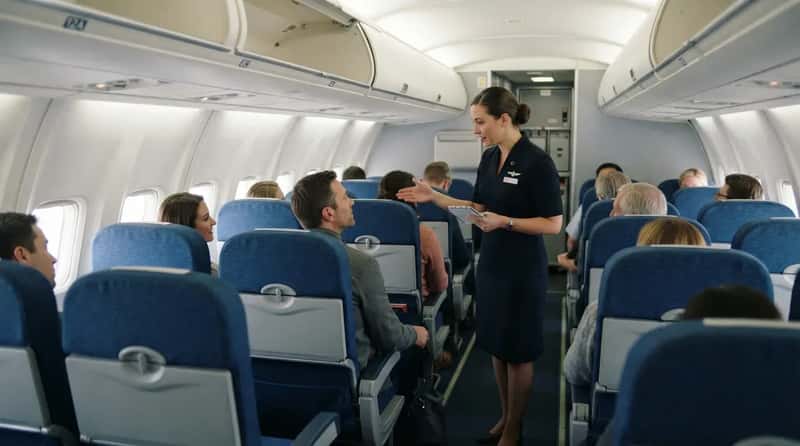
On regional jets and turboprops, where passengers sit isn’t a suggestion, it’s math with real consequences. These smaller aircraft operate with narrower weight-and-balance tolerances, so when too many people cluster in one section, the center of gravity can slide outside certified limits. That shift can quietly affect rotation speed and pitch during takeoff, which is a technical way of saying the plane genuinely flies worse.
This is why crew sometimes ask two or three passengers to move rows for no obvious reason on smaller jets. Pilots plan the distribution of people, luggage, and cargo to keep that center of gravity inside a specific range, because a shift too far forward or aft makes the aircraft handle unpredictably during climb. It isn’t favoritism. It’s physics most travelers never get invited to see.
Fast Facts
- Regional jets and turboprops fly with tighter weight-and-balance margins than larger aircraft.
- A shifted center of gravity can affect rotation speed and pitch on takeoff.
- Pilots plan passengers, luggage, and cargo together as one combined weight puzzle.
- Just a few clustered passengers can be enough to trigger a last-minute reseat request.
#19 – Why That Empty Exit Row Isn’t Actually Up For Grabs
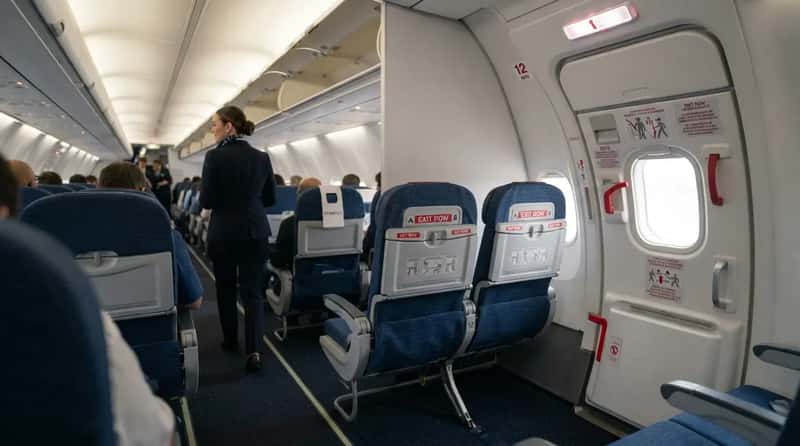
Exit rows look like free real estate the second the doors close, but crew treat them like a locked vault. Letting a random passenger slide into an empty exit row wouldn’t be fair to the person who paid extra for it, and that single rule causes more quiet standoffs than almost any other seating issue in the cabin.
Even when the row sits completely empty, crew have already screened who’s medically and physically qualified to open that door in an emergency. Passengers have never actually been free to move seats once boarding wraps up, since weight and balance is calculated based on everyone sitting exactly where they’re assigned. Attendants who bend this rule risk far more than an awkward conversation with a supervisor.
#18 – The Tray-Table Trick Crew Use To Block Self-Upgraders
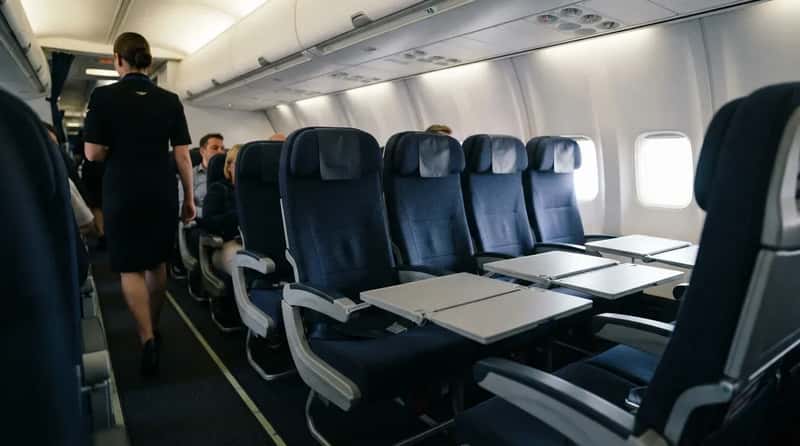
One viral incident showed exactly how far crew will go to protect paid seating. On a flight from Honolulu to Los Angeles, plenty of empty seats remained after boarding, and passengers hoped to spread out once the door shut. The flight attendant’s response became an instant talking point online.
Instead of a simple “no,” the crew member got creative and flipped down every empty seat’s tray table specifically to block people from sitting there. The airline’s reasoning traces back to a now-famous comparison: buying a Toyota doesn’t entitle you to drive off in an empty Lexus, even if nobody’s using it. It’s blunt, but it explains why those seats stay locked no matter how deserted the cabin looks.
#17 – When A Last-Minute Plane Swap Splits Your Family Apart
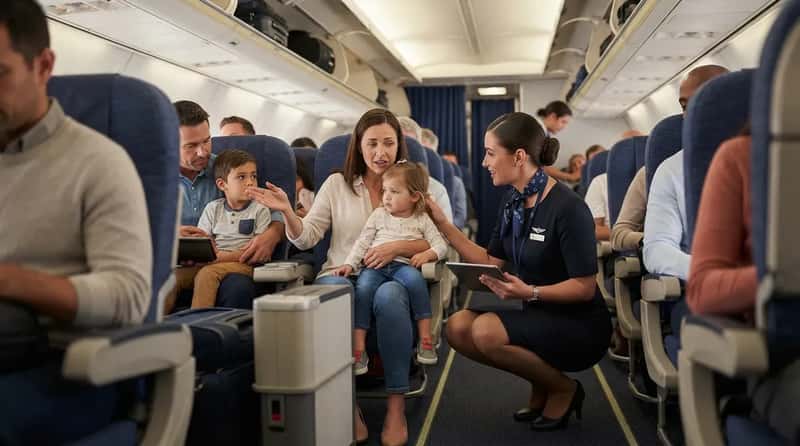
Families boarding together sometimes discover, seconds before doors close, that they’ve been scattered across the cabin. The usual culprit isn’t a computer glitch, it’s a bigger operational shuffle. One of the most common triggers is an aircraft swap, where a different plane layout makes the original seat map obsolete and forces automated reseating that scrambles everyone’s assignment.
When this happens, crew often quietly work to undo the damage before takeoff. Separating adults from very young children raises real safety and practical concerns, so flight attendants will rearrange passengers specifically to reunite families, especially when small kids are involved. It’s one of the few reseats passengers actually thank the crew for once they understand why it happened.
#16 – Why Unaccompanied Kids Get An Entire Row To Themselves
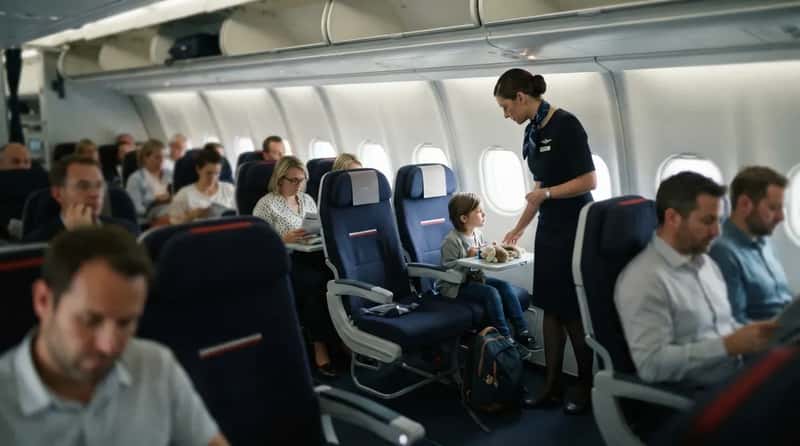
Some airlines have quietly rewritten their seating rules for children flying alone, and the story behind it is heavier than most passengers realize. After a troubling pattern of incidents years ago, Air France now systematically seats unaccompanied children ages 5 to 12 in a row by themselves, a policy adopted after complaints of inappropriate touching of children on long flights.
That empty-looking row isn’t wasted space, it’s a deliberate buffer. Crew treat these blocks as non-negotiable, even on a packed flight where every inch is fought over. It’s a small, invisible decision most nearby adults never notice, and it exists entirely to protect a child who has no idea anyone is quietly watching out for them.
#15 – The Silent Reseat That Follows Every Onboard Argument
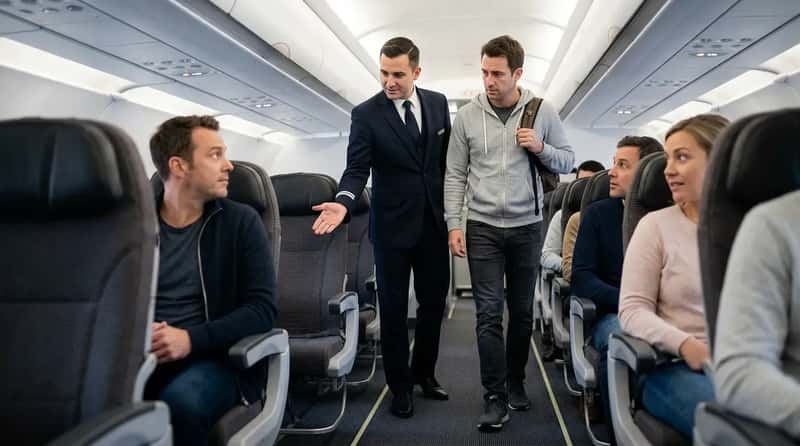
When tempers flare before takeoff, crew don’t wait for things to escalate. They move people first and sort out the details later. In one widely reported case, a passenger began slapping and shouting at the traveler seated next to him before crew stepped in, calmed the situation, and quietly moved him to another seat.
This kind of reseat happens far more often than headlines suggest, usually over something as small as a reclined seatback or a phone call that won’t end. Crew separate the parties fast, quietly, and without drama whenever they can. The goal isn’t punishment, it’s stopping a small spark before it becomes the kind of story that ends with police meeting the plane at the gate.
#14 – Why A Stranger In Uniform Just Took The Exit Row Seat
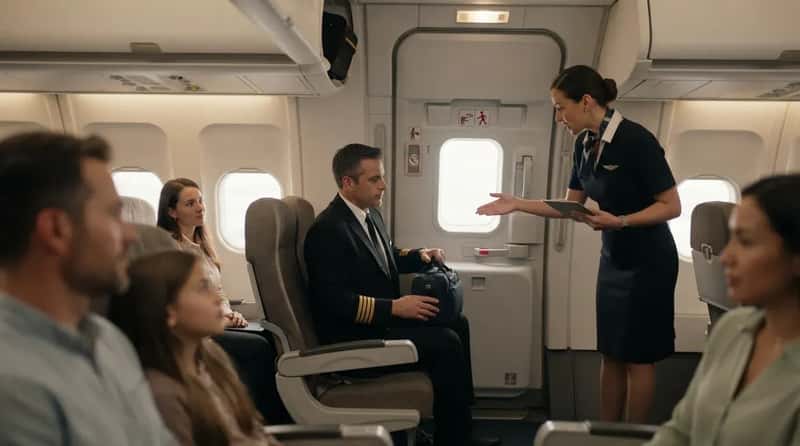
If you’ve ever watched an off-duty pilot or a uniformed officer get quietly slotted into the exit row ahead of paying customers, you weren’t imagining favoritism, you were watching policy. Some countries have gone as far as formalizing it. In 2023, four South Korean airlines began prioritizing exit row seats for uniformed personnel, including soldiers and airline employees.
The logic is simple: in an emergency, someone trained to act fast near the door is worth more than an extra inch of legroom for a random passenger. It rarely gets announced over the PA, but crew make this swap constantly on flights worldwide. Most passengers never clock that the “upgrade” they just watched wasn’t about status, it was about survival odds.
At a Glance
- Four South Korean airlines began prioritizing exit-row seats for uniformed personnel in 2023.
- Priority groups include soldiers and off-duty airline employees.
- The reasoning centers on faster emergency response near the door, not comfort.
- These swaps almost never get announced to the rest of the cabin.
#13 – The Quiet Move That Happens When Someone Looks Sick
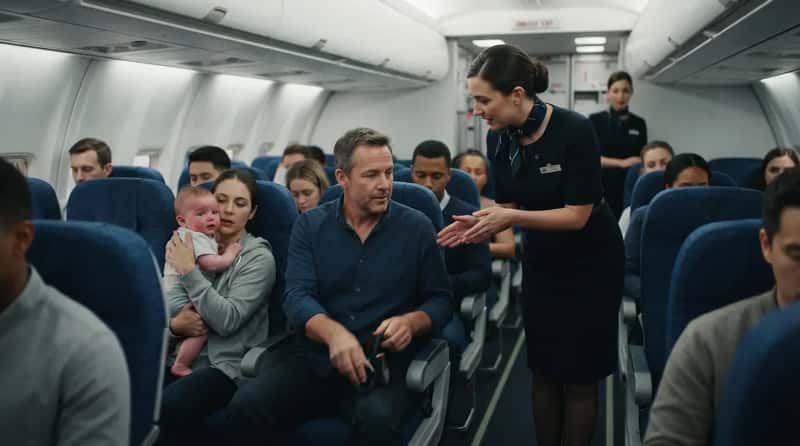
Nothing gets a passenger reseated faster than a crew member’s gut instinct that something’s wrong. One case that went viral involved a young family whose baby had simply been crying, but the crew’s reaction was immediate. Shortly after the baby’s face turned red, cabin crew moved the passenger sitting in the aisle seat nearby, concerned it might be a fever.
Behind that decision sits a whole protocol most flyers never see. If a crew member has concerns about a passenger’s ability to travel, they can pause boarding to consult a medical information service staffed by aviation-trained physicians, even though flight attendants themselves aren’t medically trained. The reseat isn’t drama, it’s a buffer built for a worst-case scenario nobody wants to test at 35,000 feet.
#12 – Why A Napping Off-Duty Pilot Just Sat Down Next To You
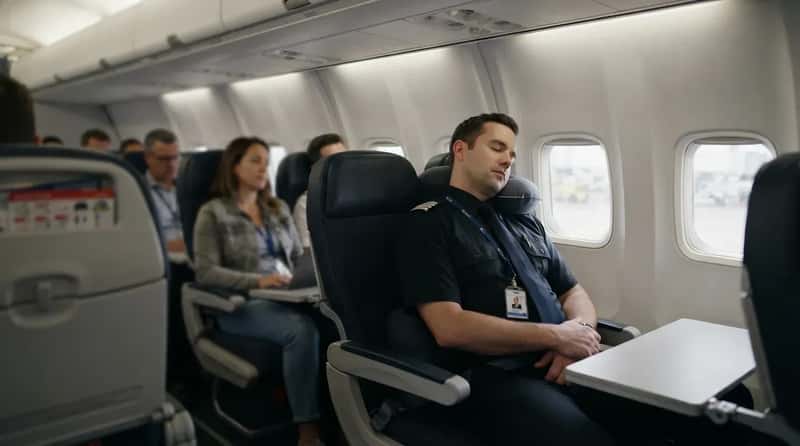
Ever board a flight and notice a stranger in a company badge slide into a seat that was supposedly unavailable online? That’s usually a deadheading crew member, not a lucky standby passenger. Late-arriving connecting travelers, or airline employees who need certain seats for operational reasons, are among the quiet reasons empty seats vanish right before departure.
These placements almost always happen fast and without announcement. The crew member might be getting to their next assignment, covering a staffing gap, or simply catching a ride home on their day off. Either way, it’s one of the least mysterious mysteries in aviation once you know what you’re looking at, though almost nobody explains it to the passenger sitting next to them.
#11 – How Your Seat Becomes The Rescue Spot For A Late Connection
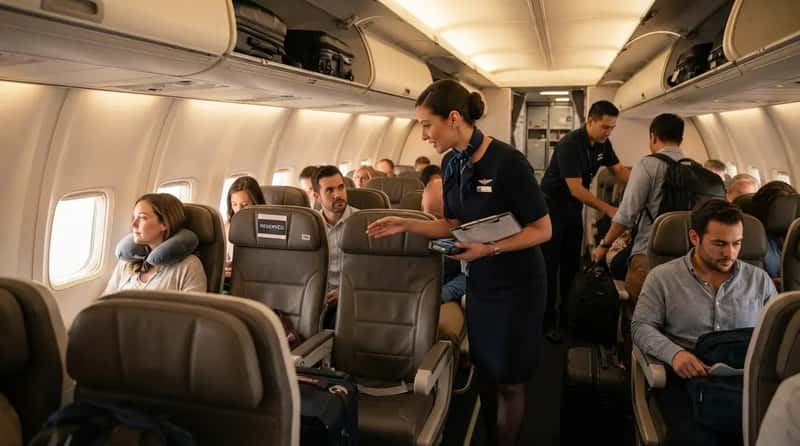
That “open” middle seat you were eyeing right after boarding closed might already have someone’s name quietly attached to it. Gate agents and crew coordinate constantly with connecting flights, holding certain seats for travelers racing across the terminal. Cabin crew will even shuffle other passengers around to balance the plane’s weight once those late arrivals settle in.
Until the very last minute, the seating picture can still shift. As one flight attendant put it, the situation can change until the doors close, or sometimes even after takeoff. It’s exactly why crew hesitate to let anyone lock into an empty seat too early, no matter how deserted the cabin looks at first glance.
#10 – The Awkward Punishment For Passengers Who Won’t Swap
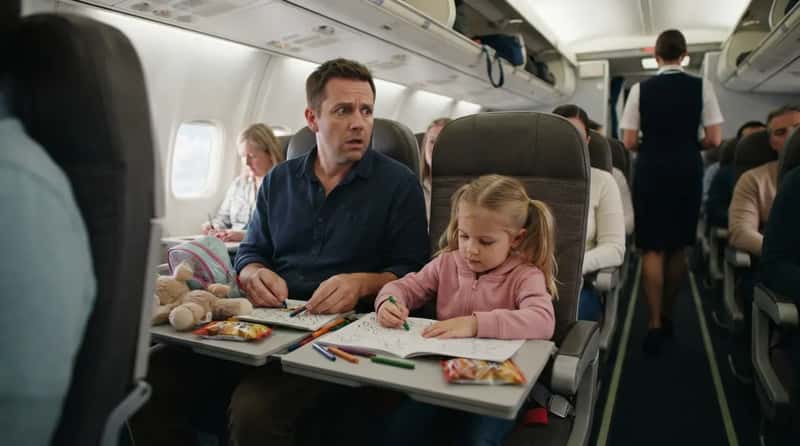
Refusing to trade seats with a parent trying to sit next to their child comes with a consequence some crew have started enforcing creatively. One flight attendant based in Orlando described her method directly to reporters, admitting that when mediation fails, she asks for volunteers and sometimes hands the stubborn holdout a new job.
You’re going to want the snacks and coloring books, because you’re going to need them.
Orlando-based flight attendant, describing her seat-swap tactic
It’s a petty, almost comedic form of justice, but it works. Passengers who dig in their heels over a seat swap suddenly find themselves the default babysitter for a five-hour flight. Crew insist it’s not official policy, just an improvised way to make the math work when nobody wants to budge voluntarily.
#9 – Why You Got Moved And No One Explained The Real Reason
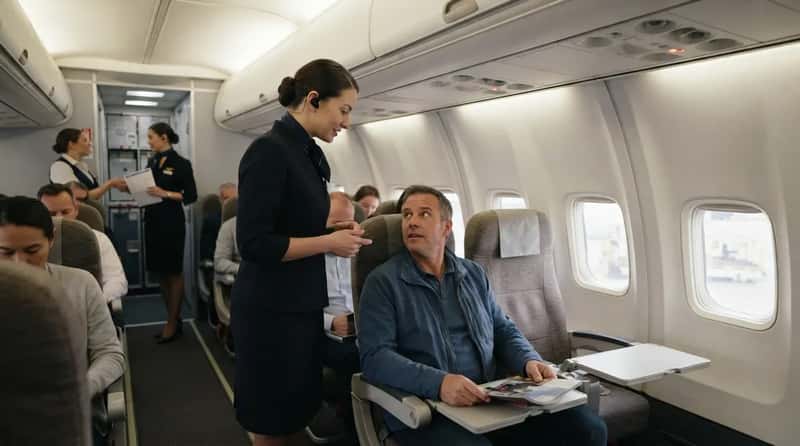
Sometimes a flight attendant asks you to switch rows with zero explanation, and it has nothing to do with anything you did. It’s simply about where bodies sit on the plane. If you’re asked to move for weight and balance reasons, it isn’t personal, and your size or height doesn’t factor in, since every passenger is treated as weighing the same average amount in the calculation.
Airlines avoid explaining this on the spot because it can sound insulting no matter how it’s phrased. Crew have learned it’s easier to say “we need a quick favor” than to walk a stranger through center-of-gravity math seconds before pushback. The silence isn’t rudeness, it’s crew trying not to make an already awkward moment worse.
#8 – The Half-Empty Flight That Forces A Surprise Reshuffle
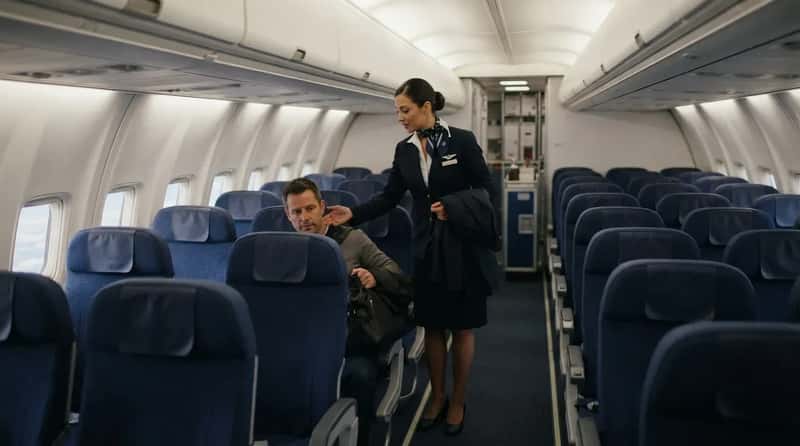
Counterintuitively, a flight with tons of empty seats can trigger more reseating, not less. During periods when carriers fly with much lower load factors than usual, a near-empty cabin creates real potential for an imbalanced load. A wide-open plane isn’t automatically a free-for-all, it’s often the exact scenario that forces crew to start moving people deliberately.
This is the paradox most flyers never think about: the emptier the cabin, the more precisely the remaining passengers need to be positioned. Crew end up doing more active shuffling on a quiet, half-full flight than on one packed to capacity, simply because there’s more room for the center of gravity to drift.
Worth Knowing
- Lower load factors mean fewer passengers are left to balance the aircraft’s weight.
- A wide-open cabin can create more imbalance risk than a fully booked one.
- Crew often shuffle more actively on quiet flights than on packed ones.
- Fewer bodies onboard means each remaining seat carries more weight-distribution weight.
#7 – The Rare Cargo Call That Rewrites The Whole Seat Map
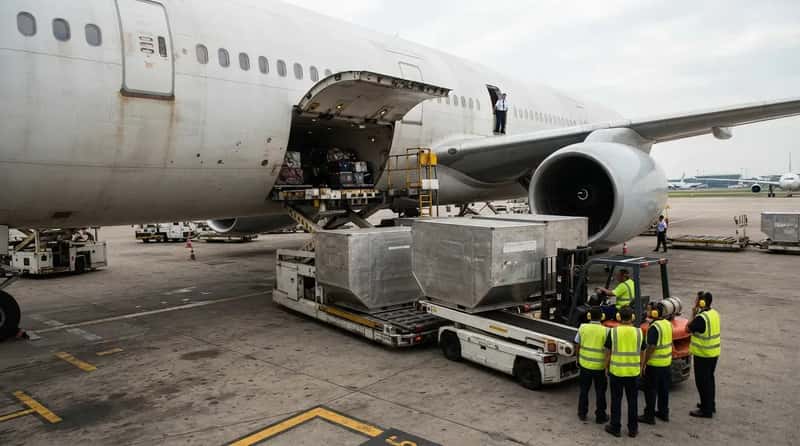
Occasionally, the problem isn’t passengers at all, it’s what’s stacked beneath their feet. Weight and balance calculations account for cargo just as much as bodies, and sometimes cargo has to lose. Planes are weighed on an electronic scale before takeoff, and there have been real cases where part of the cargo was pulled off and flown later.
When that happens, the ripple effect can reach the cabin, with crew adjusting where passengers sit to compensate for the shifted load. It’s rare enough that most travelers will never experience it firsthand, but when a flight suddenly announces a short delay for a “loading issue,” this quiet cargo-and-cabin recalculation is often exactly what’s happening out of sight.
#6 – Why One Unlucky Kid Gets Pulled Off The Flight Entirely
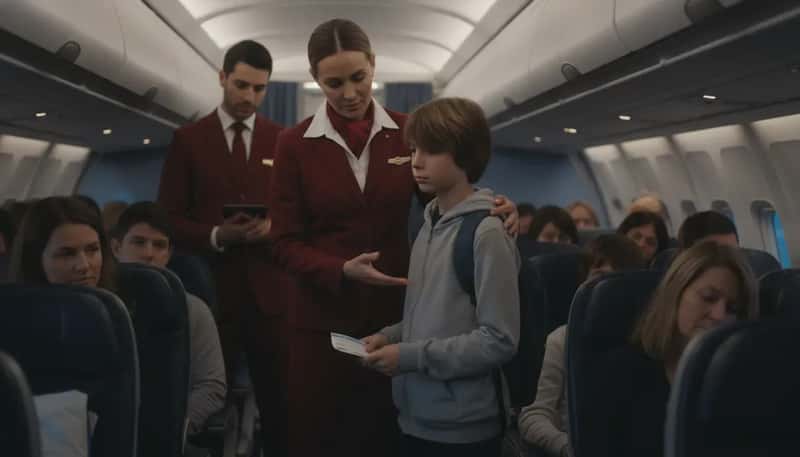
Unaccompanied minor programs have strict caps, and when the quota fills up, someone has to go, sometimes after they’ve already boarded. One widely reported case involved an 11-year-old boy heading to summer camp. Virgin Atlantic removed the boy from the flight because the unaccompanied minor category he was flying under was full, even though he’d already taken his seat.
The airline’s own explanation was blunt about the math involved: the flight had too many unaccompanied minors, so it had to remove the last booked passenger in that category. It’s a jarring reminder that a seemingly generous seat allocation for kids traveling alone comes with hard limits crew enforce no matter how upsetting the moment gets.
#5 – The Unspoken Rule About Men Sitting Next To Unaccompanied Kids
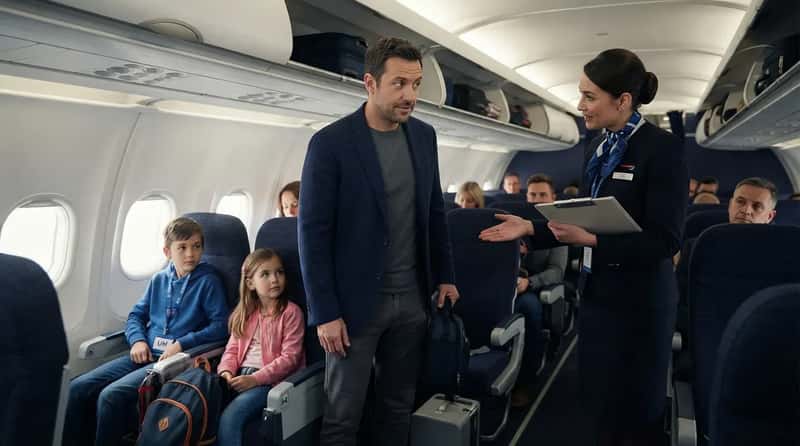
For years, one of the most quietly controversial seat changes involved adult men being moved away from children traveling alone, with no explanation offered. The practice became public when a British Airways passenger was affected directly. A business executive who had moved seats to sit closer to colleagues was asked to move again, because he’d landed next to two unaccompanied children, which broke company policy.
The policy specifically targeted adult men while allowing women to sit in the same seats, which triggered real backlash. British Airways ultimately ended the practice in August 2010 following a successful legal challenge. It remains one of the strangest, most debated seat-change rules in aviation history, and echoes of similar unofficial caution still show up quietly on flights today.
Quick Compare
- British Airways: once moved adult men away from unaccompanied kids; the practice ended in August 2010 after a legal challenge.
- Air France: seats unaccompanied children ages 5 to 12 in a dedicated row, adopted after complaints.
- Virgin Atlantic: enforces strict unaccompanied minor quotas, even removing an already-boarded child when the category filled up.
- South Korean carriers: have prioritized uniformed personnel for exit-row seats since 2023.
#4 – The Bathroom Request That Quietly Delays An Entire Row
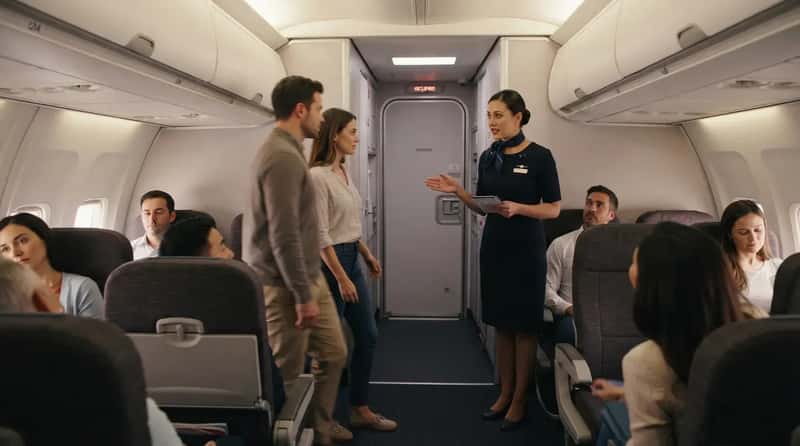
It sounds trivial, but a single bathroom trip requested right as the door closes can trigger a mini seating scramble nearby. Crew have strong feelings about this timing. One flight attendant admits she understands the strange psychological pull of needing the restroom right after boarding, but still advises passengers to go before the doors shut, since the crew can’t take off until everyone’s seated.
When someone pops up mid-boarding, nearby passengers often get asked to shift briefly so the aisle stays clear and the headcount stays accurate. It’s a tiny, forgettable inconvenience from the passenger’s seat, but from the jump seat, it’s one more variable crew have to track before they can finally close out the cabin.
#3 – Why Some Crews Let You Sneak Into First Class And Others Don’t
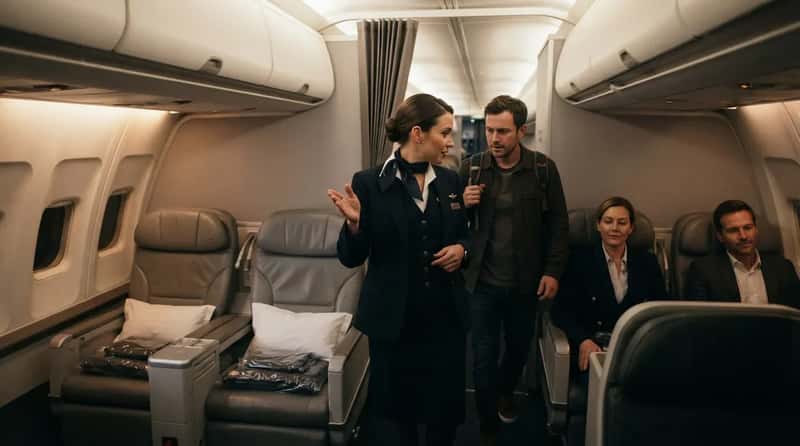
Whether you can quietly slide into an empty premium seat once doors close depends entirely on which crew you get, and airlines are surprisingly inconsistent about it. If the empty rows are within your same cabin class and the flight doesn’t seem full, you may be able to discreetly move once the doors close, though a sharp-eyed flight attendant might send you back, especially if a late passenger ends up needing that spot.
Crossing into a higher cabin class is a different story entirely. Because of the often substantial price gap between cabins and a formal upgrade process reserved for elite flyers, passengers generally aren’t allowed to simply move up just because a seat sits open. The safest move, according to insiders, is always the same: ask before you act, because the flight attendant has the final say the moment that door closes.
#2 – The New Boarding Pass Data Airlines Don’t Tell You About
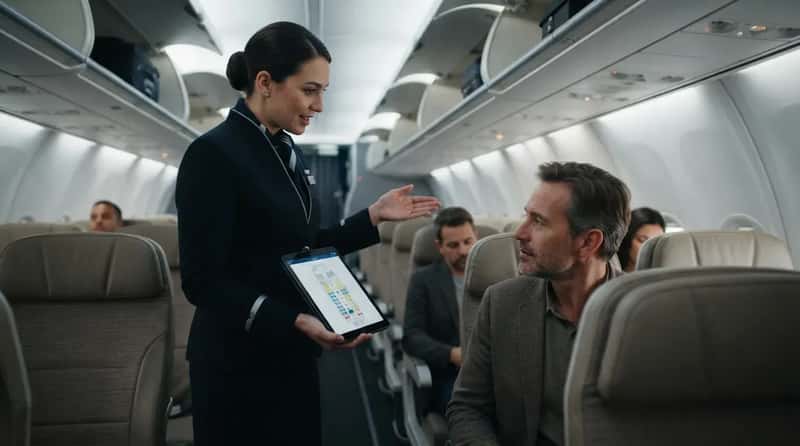
A handful of airlines have started collecting passenger weight data that quietly feeds directly into seating and balance decisions, and most flyers have no idea it’s happening. It’s a regulatory requirement for airlines to know the weight of everything that goes on the aircraft, and that data gets used to calculate the weight and balance of the plane every single time it flies.
This isn’t just a check-in counter oddity, it directly shapes how crew distribute passengers once boarding wraps up. On commercial flights, it’s not uncommon for crew to ask passengers at the front or rear of the aircraft to move seats, because airlines balance weight around a center of gravity much like a seesaw. The scale you stepped on at check-in might be the exact reason you got tapped on the shoulder an hour later.
#1 – The Moment A Captain Can Legally Reseat The Entire Cabin
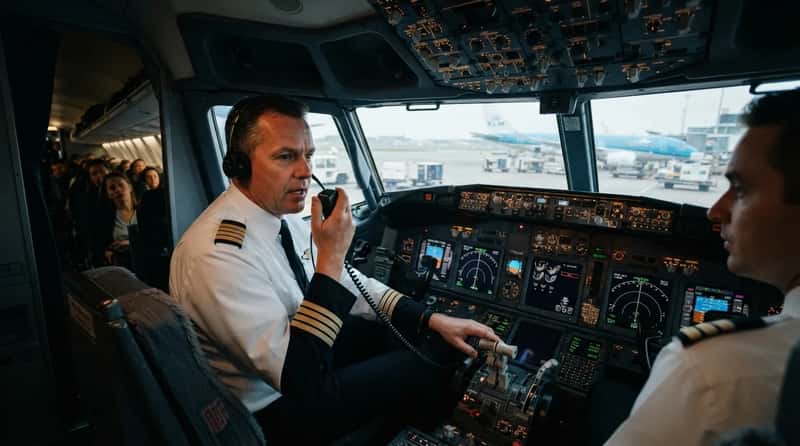
The single most powerful seat change of all doesn’t come from a flight attendant walking the aisle, it comes from the cockpit. Under specific circumstances, a captain can order a full cabin reseat, overriding every boarding pass on the plane. The captain calculates weight and balance for takeoff, and if occupancy is low and passengers want to change seats, that shift could alter the balance enough that everyone gets told to stay exactly where they are.
One airline confirmed this isn’t a rare emergency measure, it’s a standing tool that’s been used quietly for years.
The policy isn’t new, and it’s applied at the captain’s discretion during special circumstances.
KLM
It’s the ultimate reminder that no matter what your ticket says, the person flying the plane always has the final word on where everyone sits.
None of these moves are random, and almost none of them are about inconveniencing you personally. They’re about weight, safety, unwritten hierarchies, and the messy reality of running a flight full of strangers who all think their seat is the one that matters most.
The next time a flight attendant asks you to shift one row over with no explanation at all, there’s a decent chance a captain, a scale, or a piece of aviation law you’ve never heard of is the real reason why. Which one of these surprised you the most? Drop it in the comments.