Street food is, honestly, one of the greatest joys of travel. There’s something deeply satisfying about standing at a roadside stall, watching a vendor cook a dish they’ve perfected over decades, and paying almost nothing for it. For food-obsessed travelers in 2026, knowing where your money goes furthest is just as important as knowing what to order.
This guide ranks five extraordinary countries by how affordable their street food scene truly is, going from the most budget-friendly all the way up to the one that costs a little more, though still shockingly cheap by Western standards. Buckle up, because the numbers might genuinely surprise you. Let’s dive in.
1. India: Where a Full Meal Costs Less Than a Coffee Back Home
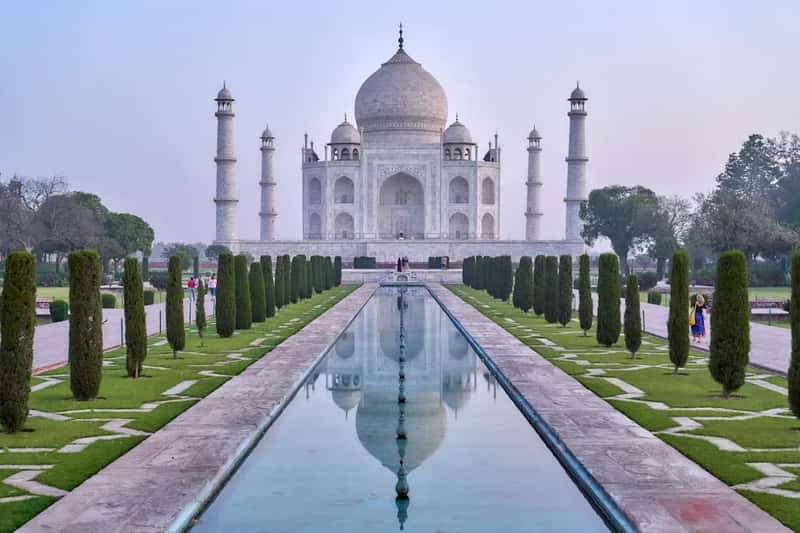
Let’s be real. No country on earth beats India when it comes to the sheer volume of flavor you can get for almost no money at all. Many street eats range from just 10 to 50 Indian Rupees, which works out to roughly 0.10 to 0.60 USD, and it’s not just affordable – it’s an essential part of the Indian experience. Think about that for a second. You can eat something genuinely delicious for less than the cost of a single bus ticket in most European cities.
A plate of pani puri sets you back just 20 to 30 INR, bhel puri runs around 20 to 40 INR, and a samosa costs between 10 to 20 INR each. These aren’t light snacks either. Indian street food is filling, complex, and layered with spice in ways that genuinely compete with what you’d pay five times more for in a restaurant elsewhere. Depending on the city and type of eatery, you could enjoy a full filling meal for around 150 to 300 INR, which translates to roughly 2 to 4 USD.
The vada pav, often called the Indian burger, is a spicy potato filling deep-fried and sandwiched in a bun, and it typically sells for about 15 to 30 rupees. According to food price index data, India ranks among the very lowest in the world for food price levels. For travelers who want maximum flavor per dollar spent, India remains, without question, the undisputed global champion of street food value.
2. Vietnam: A Bowl of Pho for Under Two Dollars
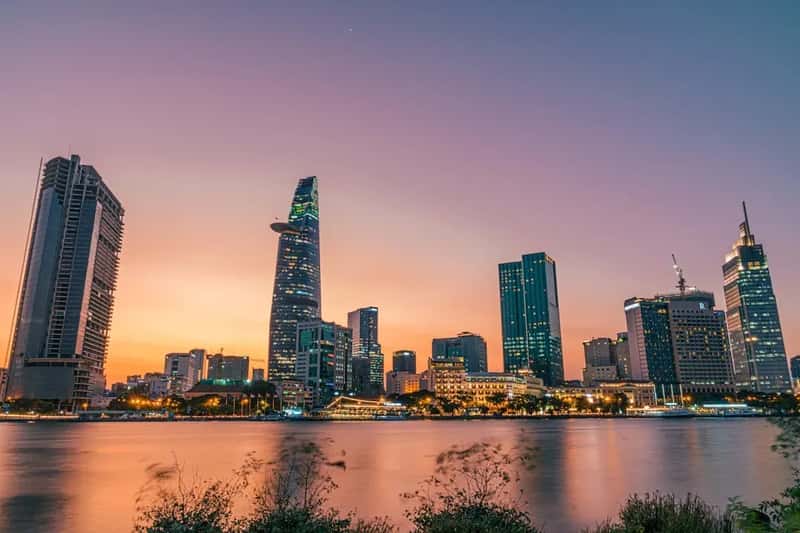
Street food in Vietnam represents the most affordable dining option, with meals typically costing VND 20,000 to 70,000, which equals roughly USD 0.82 to 2.88, and these authentic local establishments offer genuine Vietnamese flavors at unbeatable prices while providing cultural immersion that expensive restaurants simply cannot match. It’s the kind of place where eating well on a full day’s worth of meals still costs less than a single appetizer in New York.
The cost of street food in Vietnam ranges from 1 to 4 USD per dish, which in Vietnamese Dong translates to approximately 23,000 to 92,000 VND, with popular options including banh mi at 1 to 2 USD, pho at 1.50 to 3 USD, and com tam at 2 to 4 USD. Travelers can expect to spend around 5 to 10 USD per day for three meals when sticking to street food. That’s genuinely extraordinary value.
In Vietnam, eating out is part of everyday life rather than a treat, and from banh mi sandwiches to bowls of pho, meals can cost well under $1. Busy street kitchens specialise in just a few dishes and cook them all day, keeping prices extremely low. Vietnamese food wins because it doesn’t try to be clever – it just works, with fresh herbs used as a core ingredient rather than just garnish. It’s street food that genuinely beats fine dining without breaking a sweat.
3. Thailand: Pad Thai for the Price of a Coin
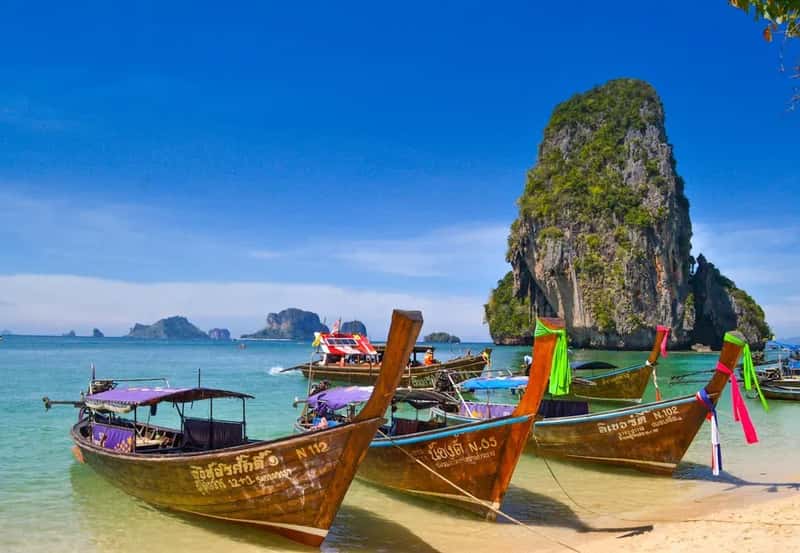
Here’s the thing about Thailand – it has built an entire national food culture around the idea that eating out should cost less than cooking at home. In Thailand, urban homes are often built with a tiny kitchen or none at all because eating out is the more economical option, and the nation’s roadside vendors and low-cost neighbourhood restaurants serve staples like pad thai for as little as $0.30, undercutting the cost of retail groceries. That’s not a typo. Thirty cents for pad thai.
Thailand’s street food scene is both a cultural experience and a budget-friendly way to eat well, and in 2026 most dishes still cost less than $2 even in tourist areas, whether you’re eating pad thai in Bangkok or sipping a smoothie in Chiang Mai. Dishes like pad thai or grilled meat skewers usually cost between 30 to 70 THB, which equals $1 to $2 USD, and even in tourist hotspots most items stay under 100 THB.
Thailand is a standout in budget dining, with Numbeo listing an inexpensive restaurant meal around $3.22, and the country’s figures also show restaurant prices well below groceries on a relative basis, which lines up with the long-known strength of local street dining. In practical terms, the bargain usually lives in local staples rather than international chains, and travelers who stick to market areas and community food courts often find fast, filling meals at prices that would not cover a comparable ingredient basket plus energy costs at home. Thailand really is that good a deal.
4. Morocco: Tagines and Spiced Meats for a Few Dollars
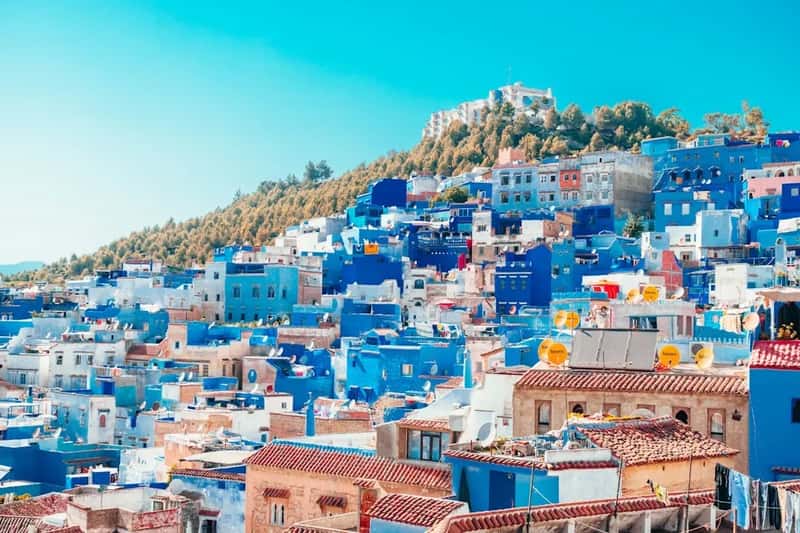
Morocco sits in a fascinating middle ground – still remarkably cheap by any Western standard, yet slightly pricier than the Southeast Asian giants above it. Food in Marrakech is remarkably affordable, with meals costing 70 to 80% less than in Western countries, and a budget traveler can eat well for $10 to $15 per day, while the best values are found in local eateries serving traditional Moroccan cuisine. That’s still a stunning number when you consider what’s on offer.
Street food in Marrakech represents the most affordable dining option and is a cultural experience in itself, with Moroccan sandwiches with meat or egg fillings costing 10 to 20 MAD ($1 to $2), Msemen pancakes going for 5 to 10 MAD ($0.50 to $1), and grilled meat skewers of chicken or kefta from 5 to 10 MAD each. The average street food meal in Marrakech runs about 20 to 50 MAD, or roughly $2 to $5.
The Jemaa el-Fnaa square transforms into a massive open-air food court each evening, with dozens of food stalls serving affordable meals, though it is slightly more expensive than street food elsewhere in the city – the experience is worth the small premium. The streets of the medina have many options, but as the sun sets, Jemaa el-Fnaa becomes an open-air feast filled with sizzling grills, bubbling pots, and juice stalls lit up like market lanterns, with flatbreads like Msemen going for as little as 3 to 5 MAD, which equals $0.30 to $0.50. Morocco is unmistakably its own world when it comes to street food culture.
5. Mexico: Tacos, Tamales, and Extraordinary Value
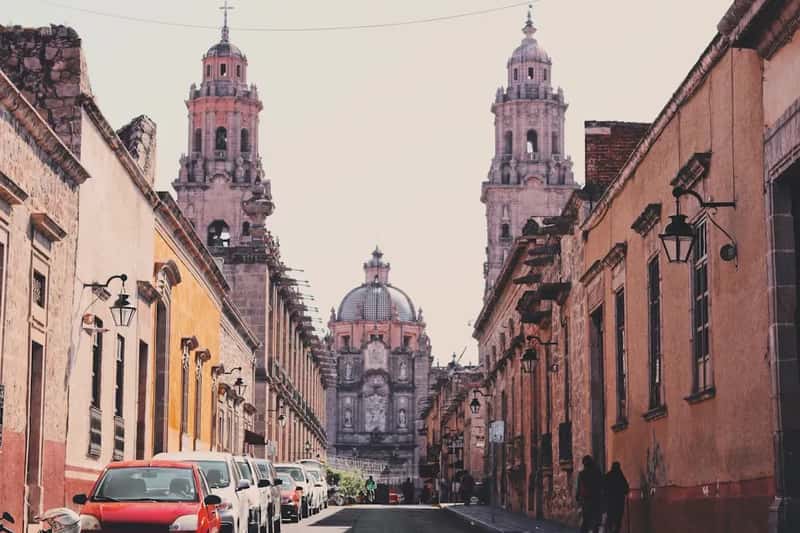
Rounding out this list is Mexico, where street food is nothing short of a national religion. It costs a little more than the countries above it, but the value is still absolutely remarkable compared to anything in North America or Europe. Authentic street tacos in Mexico cost $1 to $3, making them one of the most affordable options globally, with vendors using fresh tortillas, well-seasoned meats, and traditional toppings like onions, cilantro, and homemade salsas.
In Mexico, budget neighbourhood restaurants called cocinas económicas and street-side taco stands often undercut home kitchens, with neighbourhood eateries serving full plates of rice, beans and meat for just a few dollars, while tacos can cost as little as about $0.60 each, kept low by minimal overheads and bulk buying. Street food includes inexpensive meals from food stalls or markets, with prices typically ranging from $1 to $5 per item, offering quick, authentic local flavors.
Mexico isn’t just a feast for the eyes – it’s literally a feast that won’t break your budget, offering incredible cuisine at every price point, from humble street corners to world-class dining rooms. Overall, food in Mexico is relatively inexpensive when compared to other countries around the world – a meal that might cost $25 USD in the United States would only cost around $5 USD in Mexico. It’s hard to argue with that math, honestly.
Final Thoughts: Your Stomach and Your Wallet Will Thank You
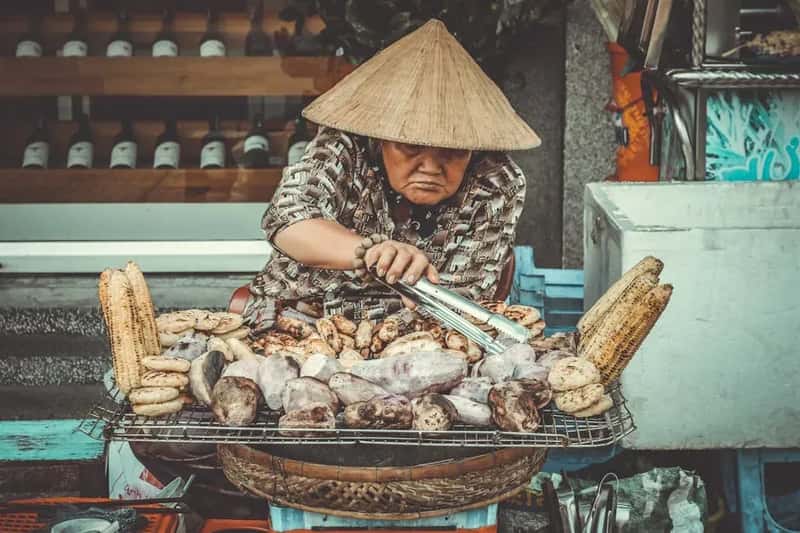
What this list makes abundantly clear is that the world’s most vibrant street food cultures also happen to be among the most affordable. From India’s jaw-dropping sub-dollar snacks to Mexico’s legendary taco stands, these five countries offer a style of eating that is deeply tied to everyday culture and community. The food isn’t cheap because it’s low quality. It’s cheap because local vendors have mastered efficiency, tradition, and volume.
It’s also worth noting that prices within each country vary enormously depending on whether you’re in a tourist zone or a local neighborhood. Walk around cities with strong street food culture and the economic logic becomes easy to see – a vendor making one or two dishes all day can buy in bulk, move volume fast, and waste very little, something a solo traveler cooking at home simply cannot replicate.
Whether you’re a first-time traveler on a shoestring budget or a seasoned food explorer looking to eat like a local, these destinations will reshape your entire understanding of what great food is worth paying for. Which of these five countries would you put at the top of your travel wishlist – and does the price tag change your answer?