Most people think packing is simple – throw your stuff in a bag and zip it up. But the gap between how first-timers pack and how seasoned travelers pack is enormous, and you feel it the moment you’re dragging an overstuffed suitcase up cobblestone streets at 11 p.m. Nearly one in three travelers admits they consistently bring too much. That’s not a beginner problem. That’s almost everyone.
The real shock isn’t just the overpacking – it’s everything hiding underneath it. From TSA fines that can hit $17,000 to new shoes that destroy your feet by day two in Florence, the mistakes inside most suitcases are more specific, more avoidable, and more expensive than people realize. Some of the worst ones look completely harmless from the outside.
#21 – Packing the Night Before and Calling It “Good Enough”
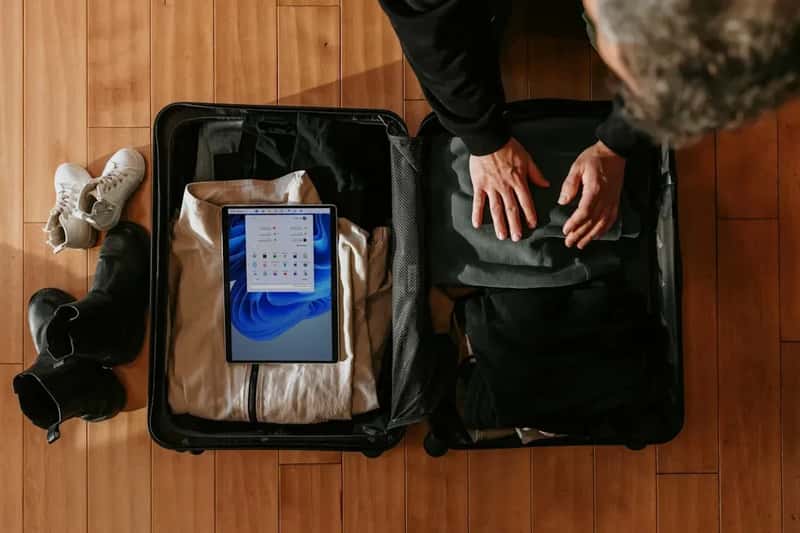
Last-minute packing is the root cause of almost every other mistake on this list. When you’re rushing at midnight, you panic-add. You grab everything “just in case” and then forget the things you actually needed. The result is a bag that’s somehow both overstuffed and missing essentials.
The fix is almost embarrassingly simple: pack at least 24 hours early, lay everything out first, then walk away and come back with fresh eyes. Most experienced travelers keep a running digital packing list they refine after every trip – so they’re never starting from scratch in a panic again. That one habit alone shaves pounds off the bag and dollars off the trip.
#20 – Ignoring the Airline Weight Limit Until You’re at the Counter

You know the sinking feeling. You haul your bag to check-in, and the agent’s face tells you everything before she speaks. A cheap handheld luggage scale costs under $15 and makes this moment permanently extinct. Two minutes of checking at home saves real money and real humiliation at the counter.
Budget airlines in particular enforce carry-on size restrictions aggressively – and gate fees are always steeper than if you’d paid in advance online. The rule is simple: weigh your bag, check the airline’s current size requirements on their website, and do both before you leave for the airport. This is a two-minute habit that pays for itself on the very first trip.
At a Glance: What It Costs to Ignore the Scale
- First checked bag fees now start at $35 per way on most major U.S. carriers – and climb steeply from there
- Overweight bag fees (over 50 lbs) typically add another $100 or more per bag on top of the base fee
- Gate-checking a carry-on that exceeds size limits can trigger surprise fees with no warning
- A $10–$15 handheld luggage scale at home eliminates all of these surprises permanently
#19 – Checking a Bag When You Absolutely Don’t Have To
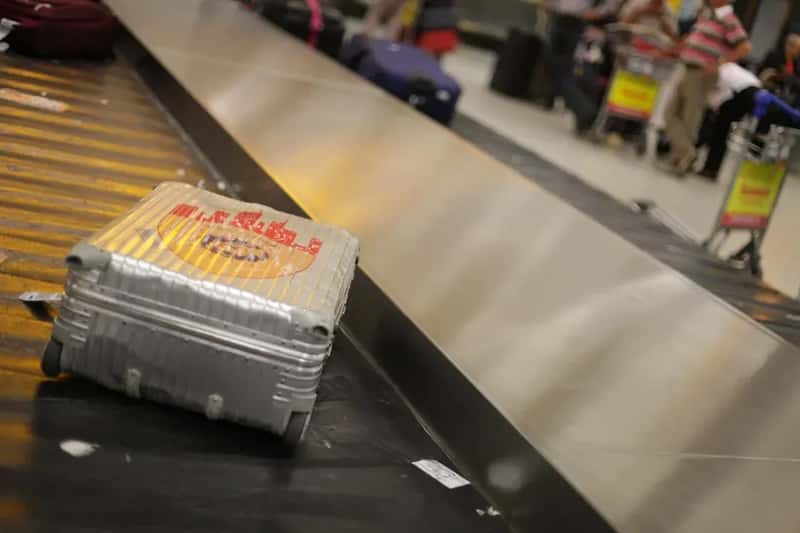
Here’s a number that should permanently change how you think about packing: U.S. airlines collected a record $7.27 billion in checked bag fees in 2024. That money came directly out of travelers’ wallets, much of it for bags that didn’t need to be checked. A family of four checking one bag each can easily pay $140 or more just for luggage on a single round trip.
American, Delta, and United each made over $1 billion individually from checked bag fees in 2024 alone – and experts say those prices aren’t coming back down. Seasoned travelers treat carry-on-only travel as the default, not the exception – it’s cheaper, faster, and eliminates the risk of the airline losing your belongings entirely. Checked bags are a last resort, not a first instinct.
#18 – Folding Everything Instead of Rolling

This sounds trivial until you try it once. Rolling clothes saves meaningful space and actually reduces wrinkles rather than creating them. The technique works best for t-shirts, casual tops, shorts, underwear, and workout clothes. Use rubber bands to keep rolls tight so they don’t unravel mid-trip.
The real trick is knowing what not to roll. Structured blazers and dress shirts do better folded flat on top of rolled items, not crammed underneath them. Merging both techniques – rolling the casual pieces, folding the structured ones – is what genuinely experienced packers do. It’s one of those small shifts that makes a suitcase feel completely different.
#17 – Skipping Packing Cubes Entirely
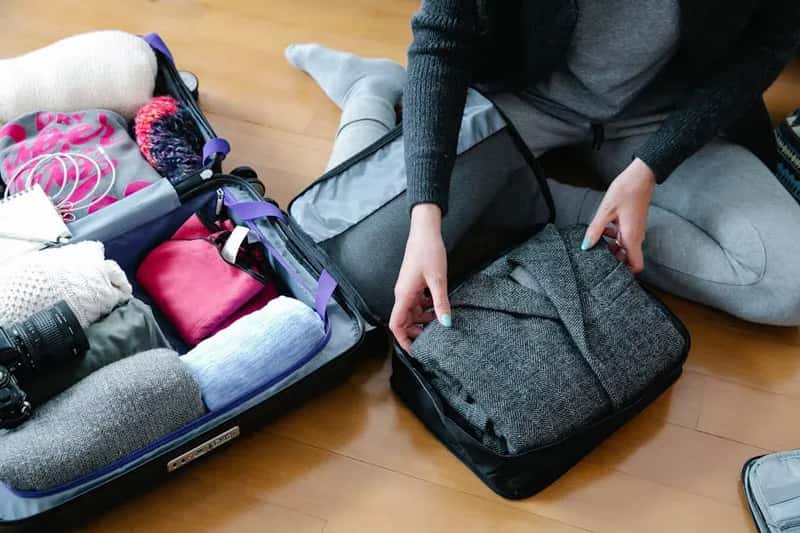
If you’ve never used packing cubes, your suitcase is essentially a laundry pile you sit on to close. Without them, finding one specific item means excavating through every layer of compressed clothing while standing in a strange hotel room, exhausted after an overnight flight. That’s a genuinely miserable way to start a travel day.
Compression packing cubes can reduce clothing volume by 20 to 50 percent, depending on what you’re packing – potentially fitting a two-week wardrobe into a carry-on that previously needed a checked bag. Color-code by category – tops, bottoms, underwear – and you never unpack the entire bag to find one item. A dedicated cube for dirty laundry keeps everything else fresh throughout the trip. It’s organization that actually holds up under real travel conditions.
#16 – Packing Full-Size Toiletry Bottles

This is the most common weight sin in travel. Full-size shampoo, conditioner, and body wash bottles together can weigh close to a pound – for products you’ll use twice before abandoning them at checkout. When airlines are measuring grams at the check-in scale, that’s a genuinely costly habit.
Most hotels provide the basics – always check before packing an entire pharmacy. European pharmacies are excellent and well-stocked with travel sizes if you run short. The deeper trap is replicating an elaborate home skincare routine with miniatures of every single product, creating a toiletry bag that weighs 4 pounds. Travel disrupts sleep, diet, and routine regardless of how many serums you packed – the simplified version almost always works fine.
Worth Knowing: The Toiletry Trap in Numbers
- TSA’s 3-1-1 rule limits liquids to 3.4 oz (100ml) per container, all fitting in one quart-sized bag
- A full-size bottle of shampoo alone can weigh 12–14 oz – nearly a pound before you’ve packed anything else
- Most 3- and 4-star hotels worldwide supply shampoo, conditioner, and body wash at no charge
- Solid shampoo bars and conditioner bars bypass liquid rules entirely and last for weeks of travel
- Decanting into reusable silicone travel bottles typically saves half a pound or more versus packing full-size products
#15 – Overpacking Shoes (The Single Biggest Space Killer)
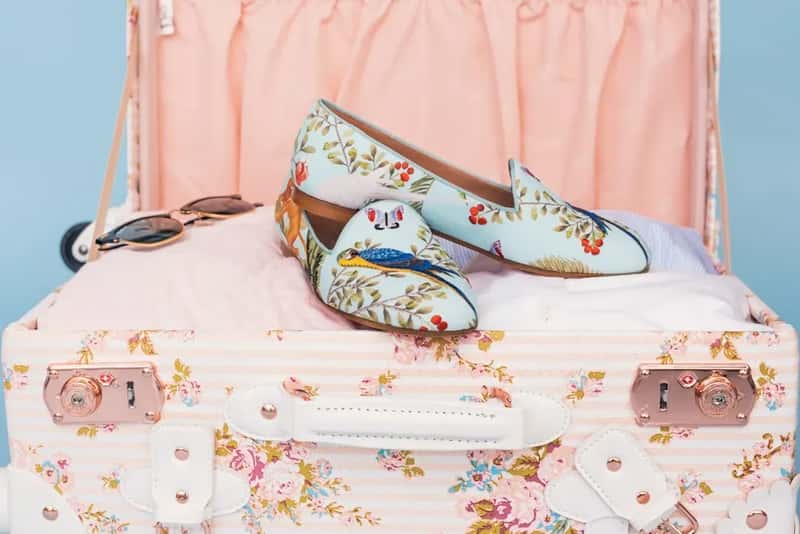
No item in your suitcase takes up more space per use than an extra pair of shoes you wear once. Shoes are often the single biggest space drain in a suitcase, and yet most people pack too many without realizing it. The practical ceiling for most trips is three pairs: one comfortable pair worn during travel, one versatile option for evenings out, and one casual alternative like sandals or sneakers.
The “what if there’s a fancy dinner?” justification for packing dress shoes is almost always wrong – most travelers overestimate how formal their evenings will actually get. The smarter play is wearing your heaviest, bulkiest shoes on the plane itself. Hiking boots or winter boots worn on your feet eliminate themselves as a luggage problem entirely, freeing up significant carry-on space before you’ve packed a single shirt.
#14 – Packing Brand-New Shoes You’ve Never Broken In
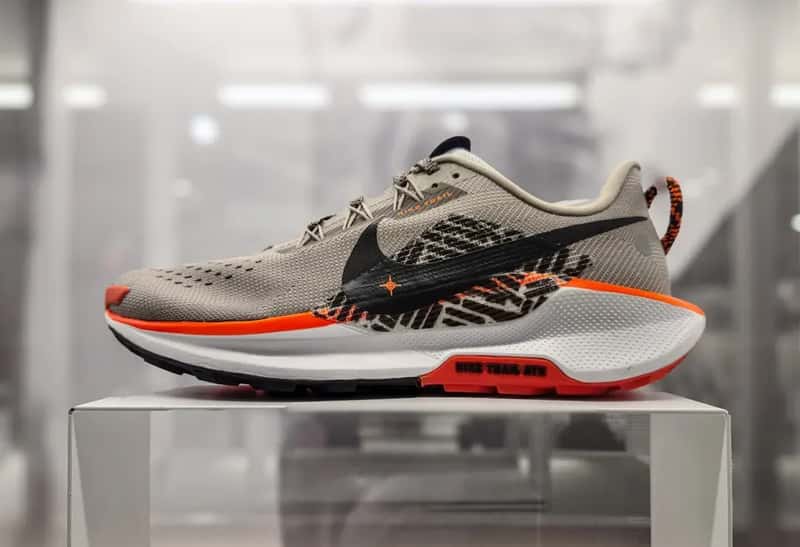
This one has quietly ruined more vacations than bad weather. New shoes look incredible on day one and feel like instruments of torture by day two. European cities are especially brutal for untested footwear – Rome’s cobblestones, Dubrovnik’s polished stone streets, Porto’s steep laneways. These are beautiful places built over centuries, and they will absolutely destroy your feet if your shoes aren’t already proven.
A real travel day can involve 15,000 steps or more. That’s not the time to be running an experiment on new footwear. Bring at least one reliable pair you’ve already walked several hours in and know won’t fail you. The photo opportunity with pristine white sneakers is never worth the blisters that appear by noon.
#13 – Packing for an Imaginary, More Glamorous Version of Yourself

Every traveler has done this. You pack the floaty dress you never actually wear, the “maybe I’ll go running” sneakers, and the linen blazer that wrinkles if you look at it wrong. You pack for the version of yourself who wears different outfits every day, never sweats, and attends elegant dinners every evening. In reality, most travel days involve early starts, long walks, and weather that changes its mind between breakfast and lunch.
Overpacking almost always comes from anxiety, not practicality – packing imaginary scenarios instead of actual itineraries. The fix is ruthlessly simple: pack for who you actually are, not who you hope to become abroad. Stick to clothes you’ve worn before, fabrics that breathe, and outfits that work for wandering a market in the morning and lingering over dinner at night. Leave the aspirational wardrobe at home.
#12 – Not Leaving Any Empty Space for the Return Trip
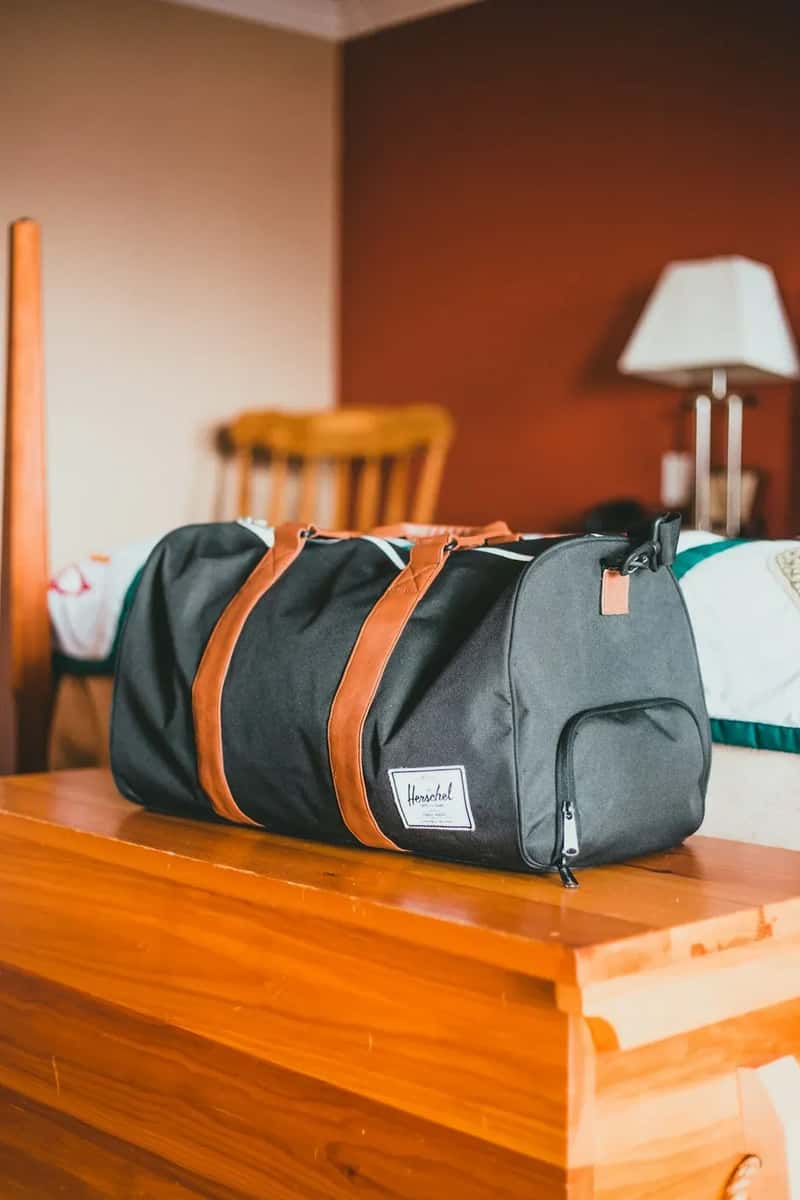
Packing your bag to absolute capacity on the way out is a guaranteed problem on the way back. You’re going to buy things – a bottle of wine, a scarf from a street market, a ceramic you didn’t plan for. Travel has a way of presenting small, irresistible temptations in Seville, Florence, Cusco, and Marrakech. A bag with zero room cannot accommodate any of them.
Leave 10–20% of your suitcase space and weight allowance intentionally empty before you leave home. Experienced travelers also tuck a foldable duffel at the bottom of their bag – if you travel light with a day bag on the plane, the duffel becomes your second carry-on for the flight home, loaded with everything you picked up along the way. It’s one of the most underrated packing moves there is.
Fast Facts: Making Room for the Return
- Foldable duffel bags pack down to the size of a large wallet and weigh as little as 6–8 oz
- Leaving 10–20% of bag capacity empty on departure prevents costly overweight fees on the way home
- Shipping purchases home via flat-rate USPS Priority Mail boxes is often cheaper than overweight bag fees
- Wearing bulkier souvenirs or new clothing on the flight home frees up checked bag space instantly
#11 – Wearing Wrinkle-Prone Fabrics Without Thinking About It

Cotton and linen are comfortable at home. Stuffed inside a suitcase for six hours on a transatlantic flight, they come out looking like you slept in a dryer. Natural fibers wrinkle because their molecular structure allows fibers to shift and crease under sustained pressure. Synthetic fibers like polyester, nylon, and elastane have memory – they spring back when unpacked.
Merino wool is the seasoned traveler’s secret weapon. It resists wrinkles, controls odor naturally, and can be worn multiple days without smelling like it. Polyester blends handle casual and smart-casual situations while maintaining their shape through anything a suitcase can throw at them. Smarter fabric choices mean carrying less and still looking pulled-together on arrival – no steamer required.
#10 – Packing Medications in Your Checked Bag

Checked bags get delayed. Checked bags get lost. And when your medication is in that bag, you’re stuck in a foreign city without something you need to function. Unlike most packing mistakes, this one can genuinely derail an entire trip – not just inconvenience it. The TSA strongly recommends keeping all medications in your carry-on, and there’s no good reason to ignore that advice.
“Flights get cancelled or delayed and baggage gets lost. You need to always have the essentials with you in your carry-on bag,” said flight attendant Tal Zonshein. Travelers are allowed to carry liquid medications in volumes exceeding 3.4 oz as long as they declare them at the security checkpoint. The CDC also recommends keeping prescriptions in their original labeled bottles and carrying copies of the prescriptions themselves. Never check medications – ever.
#9 – Stuffing a Laptop at the Bottom of Your Carry-On
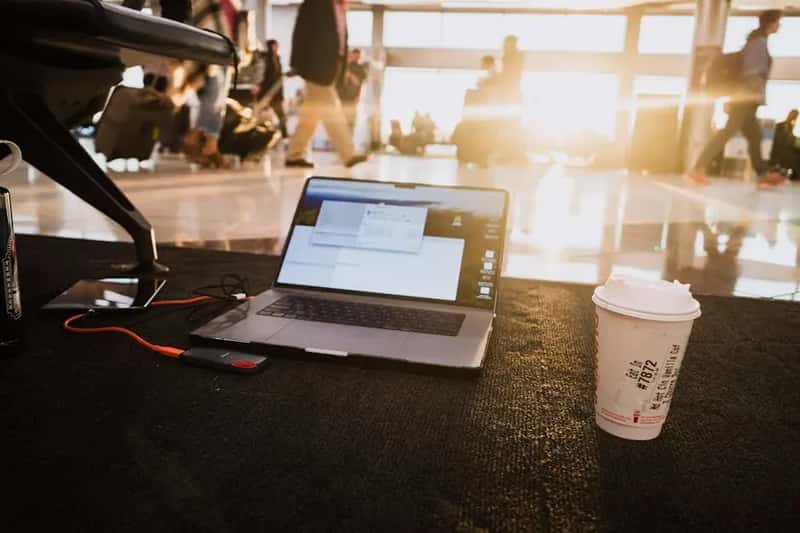
Thousands of travelers slow down the entire security line every day for one reason: their laptop is buried under three layers of clothes and a toiletry bag. Unless you have TSA PreCheck, you’re required to remove laptops and tablets from your bag for individual screening. Digging for it at the conveyor belt, with a line of impatient strangers behind you, is entirely avoidable.
Pack your laptop at the very top of your bag, or carry it in your hands until you’re through security. Same principle applies to your liquids pouch – keep it accessible near the top so you’re not unpacking half your bag at the checkpoint. TSA PreCheck costs $76.75 to $85 for five years depending on your enrollment provider – and according to TSA data, about 99% of PreCheck passengers wait less than 10 minutes in the security lane. Most frequent travelers consider it the single best value in travel. Accessibility in your bag is not a luxury; it’s a basic system that costs nothing to maintain.
#8 – Bringing Prohibited Items Without Realizing It
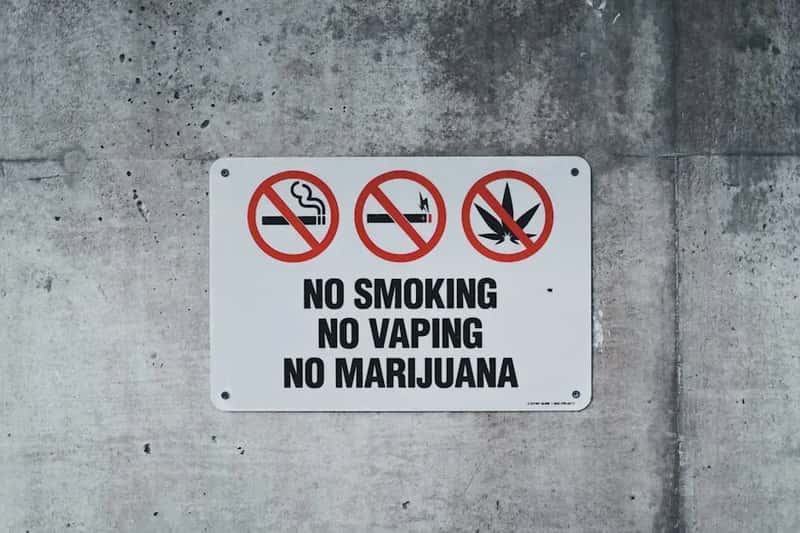
Most people assume TSA rules only catch obvious things. They’re wrong. Everyday items can trigger civil fines from the TSA as high as $17,062 – and that’s not a typo. The rules catch people who genuinely didn’t know, not just people trying to sneak something through.
Portable battery packs are allowed in carry-ons but banned from checked bags – they can catch fire in the cargo hold. Certain electric toothbrushes are also restricted in checked luggage. And gifts wrapped before your flight are another quiet trap: TSA can and will open them for screening, destroying the wrapping entirely. Always wrap gifts at your destination, never before. The prohibited items list is longer and stranger than most people expect – reading it takes five minutes and can save thousands of dollars.
Quick Compare: Carry-On vs. Checked Bag Rules for Common Items
- Portable battery packs: ✅ Carry-on only – banned from checked bags (fire risk in cargo hold)
- Medications (liquid or pill): ✅ Carry-on always recommended – can be lost or delayed in checked bags
- Wrapped gifts: ⚠️ TSA can open and unwrap them – wrap at your destination instead
- Laptops & tablets: ✅ Carry-on – must be removed at screening unless you have TSA PreCheck
- Aerosols (hairspray, dry shampoo): ⚠️ Checked only if over 3.4 oz – small sizes OK in carry-on liquids bag
#7 – Ignoring Local Dress Codes When You Pack

Packing for the climate is easy. Packing for the culture is what most travelers forget. That sleeveless top feels perfectly practical for a summer day in Rome – until you’re standing at the entrance to St. Peter’s Basilica, being handed a paper shawl to cover your shoulders. Dress codes at religious sites across Europe, Asia, and the Middle East are enforced, not suggested.
A single lightweight scarf or wrap takes up almost no luggage space and solves entry requirements at temples, churches, and mosques across an entire trip. It’s one of the highest-utility items any traveler can carry. Europe’s cities are fashion-forward, major religious sites require modesty, and beach towns may be ultra-casual – research your specific stops before you pack. Respecting local dress isn’t a restriction; it’s how you actually get inside the places worth seeing.
#6 – Not Splitting Essentials With Your Travel Partner
Couples and travel groups who pack completely separately are one delayed bag away from a real crisis. If one suitcase gets lost or rerouted – and it happens more than airlines like to admit – that traveler has nothing: no change of clothes, no toiletries, possibly no documents. Packing in completely separate, self-contained bags is a comfort that evaporates the moment one bag disappears.
The smart move is splitting clothing between bags so both travelers have options if one bag goes missing. Each person should also keep at least one full outfit in their personal item, in case the airline gate-checks a carry-on and it doesn’t reappear until the following day. If there’s an important event on the itinerary, those are the clothes that ride in the cabin with you. Treating bag loss as a near-certainty across enough trips – rather than a freak accident – is exactly how experienced travelers think.
#5 – Packing “Just in Case” Items That Never Get Used

The “just in case” habit is where suitcases silently balloon. It feels responsible. It feels prepared. But it’s actually anxiety dressed up as planning. Three “just in case” outfit changes, two extra pairs of shoes, a collection of emergency medications, and a tangle of tech accessories – each one seems sensible individually, but together they add 10–15 pounds of items that never leave the bag.
Travelers who audit what they actually used versus packed consistently find that 30–40% of items were never touched. Rather than concluding they were lucky nothing required those items, experienced travelers conclude those items simply weren’t needed – and remove them from future packing lists permanently. The weight isn’t just physical. Managing a massive, overstuffed bag through airports, metro systems, and cobblestone streets for ten days creates exactly the kind of exhaustion travelers were trying to escape.
#4 – Choosing the Wrong Bag for the Trip
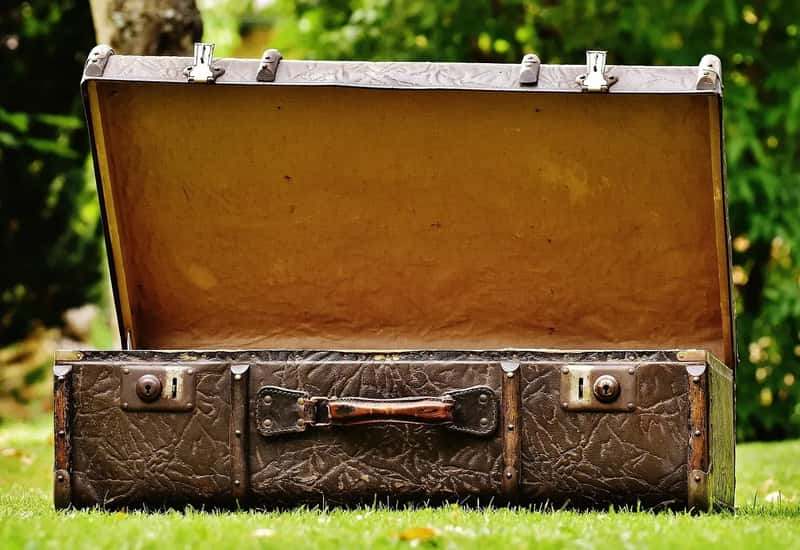
You can pack perfectly and still lose before you start if you picked the wrong bag. A giant hardshell suitcase is a nightmare on cobblestone streets, in hostel hallways, and on trains without elevators. If you can’t comfortably lift it into an overhead rack or carry it up a short flight of stairs, it’s already working against you before the trip properly begins.
A 21-inch four-wheel spinner is the workhorse pick for most trips – lightweight, maneuverable, and accepted as a carry-on by most major airlines. For adventure or city-hopping travel, a structured backpack or soft-sided bag often outperforms rigid luggage entirely. The right bag for the destination matters as much as what goes inside it. Choosing wrong means fighting your luggage for the entire trip instead of just moving through it.
Why It Stands Out: Choosing the Right Bag
- 21-inch spinner: The standard carry-on workhorse – fits most airline overhead bins and weighs 6–8 lbs empty
- Hardshell large suitcase: Great for beach resorts with elevators; a genuine burden on cobblestone cities and trains
- Structured travel backpack (40–45L): Best for multi-city hops, trains, and hostels – hands-free and stair-friendly
- Soft-sided duffel: Squeezes into overhead bins regular suitcases can’t fit; ideal as a second bag or for shorter trips
- Always check your specific airline’s carry-on dimension limits – they vary, and a bag that passes on Delta may be flagged on Spirit
#3 – Not Having a Capsule Wardrobe Strategy

Most people pack items. Experienced travelers pack outfits – and the difference is enormous. When you pack individual pieces without a plan, you end up with six tops that don’t coordinate with three of your four bottoms, and suddenly you feel like you need more clothes than you brought. Planning concrete outfits for specific days immediately reveals redundancy and actual gaps before anything goes in the bag.
The capsule formula that works for most trips: 5–7 tops, 2–3 bottoms, 1–2 pairs of shoes, and 1–2 layering pieces create 15–20 outfit combinations for any trip up to two weeks. The rule is that every single item must work with at least two other items in the bag – no orphan pieces. Start with 2–3 neutral base colors that coordinate naturally: black, navy, gray, khaki, and white are reliable anchors. This is the system that lets frequent travelers complete two weeks in a single carry-on. It’s not minimalism – it’s multiplication.
#2 – Putting All Your Valuables and Documents in Checked Luggage
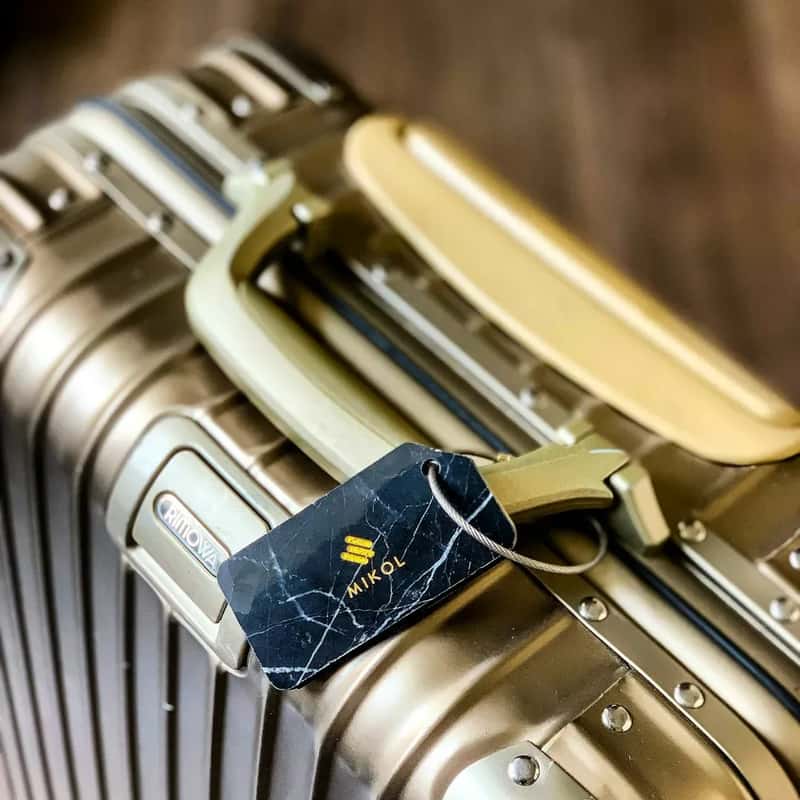
This is the mistake with the most catastrophic potential. Checked luggage gets delayed, rerouted, and stolen – and if your passport, medications, and credit cards are all inside it, your entire trip doesn’t just get complicated. It collapses. Seasoned travelers always carry photocopies of critical documents stored separately from the originals, and digital copies stored in a cloud app add yet another layer of protection.
The rule is absolute: passport, cash, all medications, and at least one complete outfit always travel in your carry-on – no exceptions, no matter how heavy the bag gets. The traveler who loses their checked bag but has their passport on them is inconvenienced for a day. The traveler who loses everything is stranded in a foreign country without identity documents, money, or medication. Those are not equivalent situations. Pack your carry-on like your checked bag will never arrive – because sometimes it won’t.
#1 – Overpacking Because You’re Packing for Worst-Case Scenarios, Not Real Ones
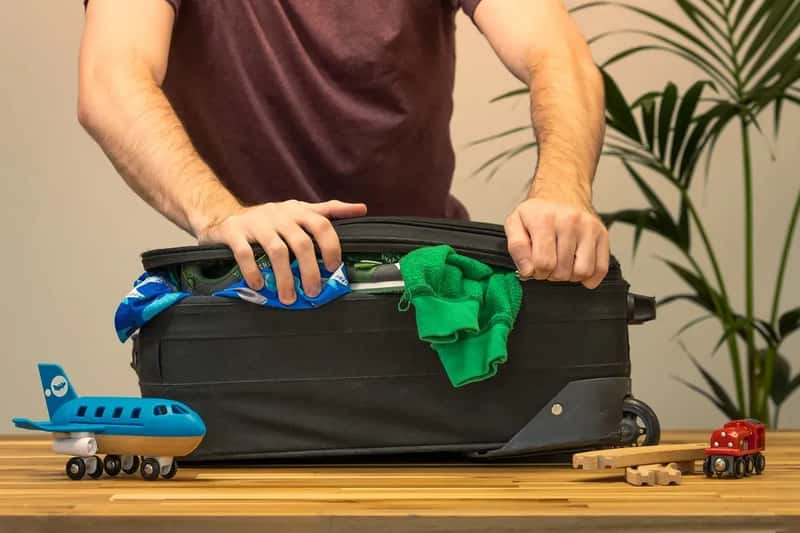
Every mistake on this list traces back to one core problem: packing for fear instead of reality. Fear of forgetting something essential, attachment to comforts from home, and anxiety about the unpredictable lead travelers to pack for every possible disaster instead of the actual trip in front of them. The cruel irony is that overpacking – meant to reduce stress – creates the very stress travelers are trying to escape. Heavy bags mean higher fees, sore shoulders, slower movement, and the constant low-grade exhaustion of managing too much stuff.
“The irony is that overpacking, meant to reduce anxiety, often creates the very stress travelers are trying to avoid.”
Kelli Poole, Global Rescue sales manager
Experienced travelers know that packing less equals more freedom, not less comfort. The hardest skill in travel isn’t knowing what to bring – it’s trusting yourself to leave things behind. Pack for the best-case scenario, not the worst. Once you make that mental shift, every other mistake on this list gets dramatically easier to avoid.
The thread running through all 21 of these mistakes is the same: inexperienced packers believe more is safer. Seasoned travelers know the opposite is true. A lighter bag moves faster, costs less, and leaves room for everything the trip actually delivers – the unplanned dinner, the market find, the spontaneous detour down a street you didn’t know existed. Pack for the trip you’re actually taking. The one you’re afraid might go wrong almost never does.