Most travelers walk up to the front desk already convinced the answer is no, so they never even open their mouths. That single assumption is quietly costing people free upgrades, quieter rooms, and better views every single day, without anyone ever realizing what they left on the table.
Hotel managers will tell you the truth: it’s rarely about what you’re asking for. It’s about how and when you ask. Guests who speak up early, stay specific, and stay polite get a “yes” far more often than the ones who simply hope for the best. Here’s what actually gets approved behind that front desk – starting with the request almost nobody thinks to make.
#21 – Asking For a Higher Floor Instead of Paying For “The View”
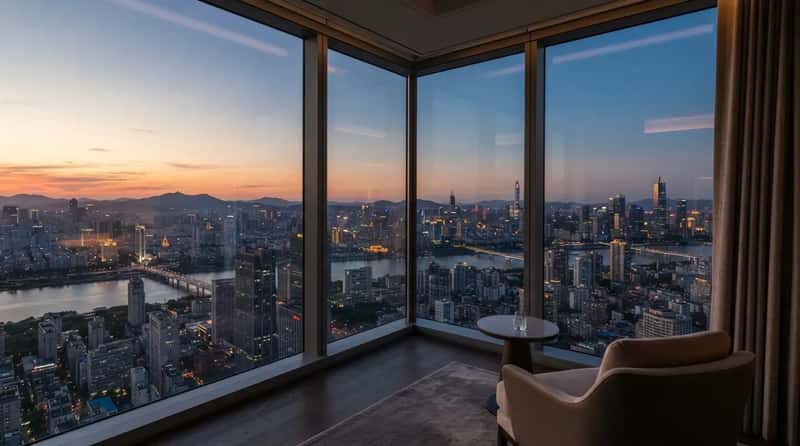
Hotels quietly hand out better views for free more often than guests think. Location requests are usually the easiest thing on a manager’s list to grant, since moving you to a higher floor or a corner room costs the hotel nothing beyond a little extra attention during assignment.
Most guests never think to ask this at check-in, assuming a view always means an upgrade fee. The truth is staff can often move you up several floors with zero cost impact to the hotel. It’s one of the easiest yeses a front desk agent will ever give you.
#20 – Requesting a Corner Room for “Bonus” Space
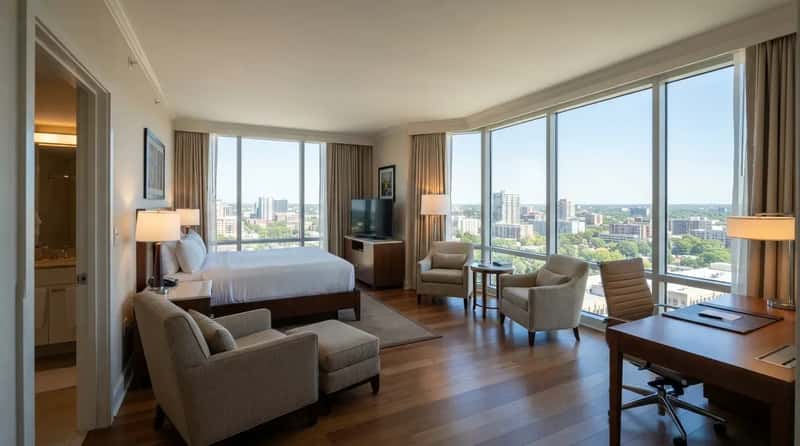
Corner rooms are one of the best-kept secrets in hotel room selection. Because of how hallways are built, these rooms often end up with extra windows, more natural light, and noticeably more square footage than the standard room next door.
Most guests never specifically request this – they just accept whatever room the system spits out. Hotel staff say it’s one of the simplest ways to feel upgraded without technically booking a new room category at all.
#19 – Asking to Be Placed Away From the Elevator or Ice Machine
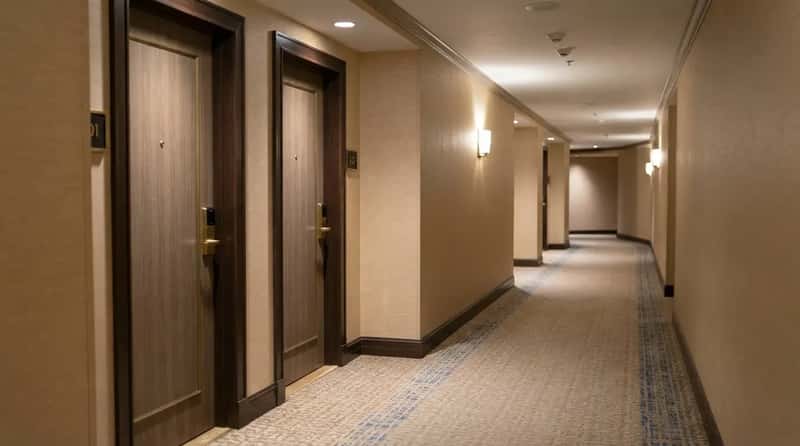
Noise complaints are one of the most common reasons guests call the front desk after check-in, and most of it is entirely preventable. Staff are trained to ask about floor preference, noise level, and view before the key ever leaves their hand.
Specific phrasing matters here. Saying “high floor,” “away from the elevator,” and “quiet room” signals to staff that you’re informed and serious. Proactively asking cuts down on mid-stay room-change headaches significantly, and hotels report accurate upfront assignment reduces change requests by roughly 30 to 40 percent.
#18 – Late Checkout Without Elite Status
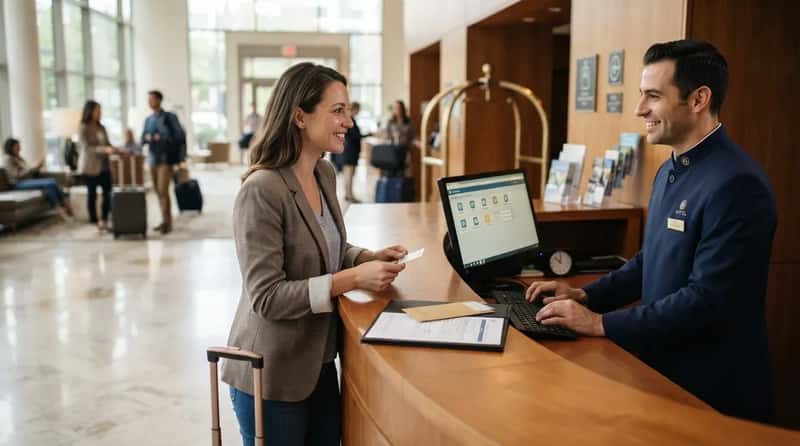
Guests assume late checkout is reserved for loyalty-program VIPs. It isn’t. Hotels approve this constantly for ordinary guests who simply ask, and it costs nothing but a little scheduling flexibility.
Late checkout is treated as a routine “special accommodation” logged right alongside early checkout and accessibility needs. Front desk logs commonly note things like “Rm 305 assigned per guest request for high floor; non-smoking confirmed; late checkout 13:00 noted” as part of everyday operations. It isn’t a special favor – it’s a box being checked, and occupancy that day is usually the only real limiting factor.
#17 – Timing Your Check-In to Get First Pick of Rooms
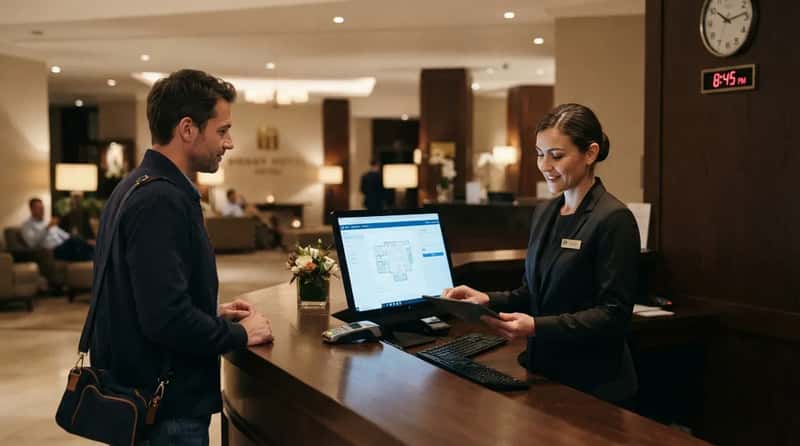
When you check in can matter more than what you say when you get there. Arriving earlier in the day or later in the evening puts you in front of a front desk agent with fewer guests to juggle and more time to actually study the room map.
Evening arrivals in particular tend to work in a guest’s favor. Premium rooms that went unsold all day may end up assigned to whoever shows up next. Most travelers rush to check in right at 3 p.m., not realizing that’s actually the worst possible window for getting a favorable room.
At a Glance
- Standard check-in windows cluster around 3-4 PM at most U.S. hotels
- Early arrivals before 11 AM often get first pick of freshly cleaned, unassigned rooms
- Evening arrivals after 7 PM can inherit premium rooms nobody claimed all day
- The 3-5 PM rush is when desk staff have the least time and flexibility to accommodate special requests
#16 – Mentioning a Special Occasion Before You Even Arrive

Anniversaries and honeymoons unlock more goodwill than most guests expect.
My best recommendation is to travel on your anniversary and mention it when you book your reservation.
Nils Stolzlechner, General Manager, Wyndham Grand Rio Mar Puerto Rico Golf & Beach Resort
This isn’t just a nice gesture from staff – it directly influences how rooms get assigned. If a suitable room is available, hotel staff will go out of their way to make the stay special, sometimes with an upgrade or a small added amenity. Most guests keep the occasion to themselves out of modesty, unknowingly skipping one of the easiest triggers for a free perk.
#15 – Quietly Mentioning a Babymoon or Pre-Baby Trip
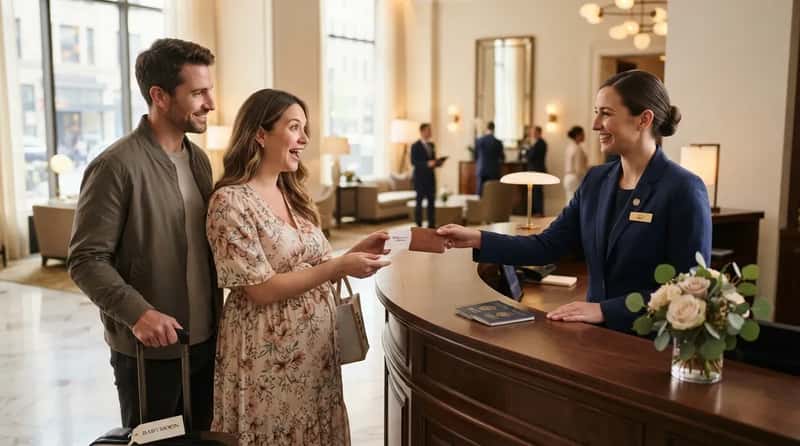
This one surprises almost everyone, including many frequent travelers. Mentioning a babymoon is one way to trigger a free upgrade, and it’s a fairly new trend that most guests still don’t know exists.
Hotels that recognize the term treat it much like a honeymoon request. Very few guests realize this specific phrase carries any weight at all, so almost nobody uses it – which is exactly why it tends to work when someone finally does. It falls into the same emotional-occasion category hotels are trained to reward.
#14 – Requesting Specific Bedding or In-Room Equipment

Most guests assume extra pillows or a bed board are things you only ask for in an emergency. In reality, they’re on a standard operational checklist that gets relayed straight to housekeeping without a second thought.
This means the request isn’t an inconvenience to staff – it’s literally part of their job flow. Guests who ask specifically, rather than vaguely mentioning discomfort, tend to get faster resolution because the request maps directly onto an existing internal process.
#13 – Calling Ahead for a Crib or ADA-Compliant Room
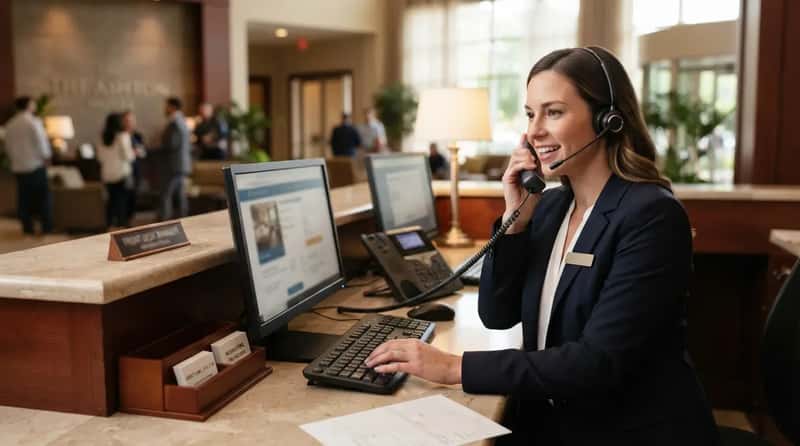
Some requests are too important to leave to chance, and hotel insiders say the method you use changes everything. For essential requests like cribs or ADA-compliant rooms, a phone call to the hotel’s direct line – not the toll-free reservations number – reaches someone who can actually confirm and act on it.
Most guests default to booking-site messages or third-party apps for these requests, which often never reach the property itself. A direct call routes it to a real staff member who can check availability on the spot, which dramatically changes the odds of approval.
Quick Compare
- Third-party app message: often buried in a batch queue, easy to miss before check-in
- Online reservation notes field: seen by staff, but competes with dozens of other bookings
- Direct call to the hotel’s front desk: reaches a live person who can confirm and log it immediately
#12 – Connecting Rooms for Families
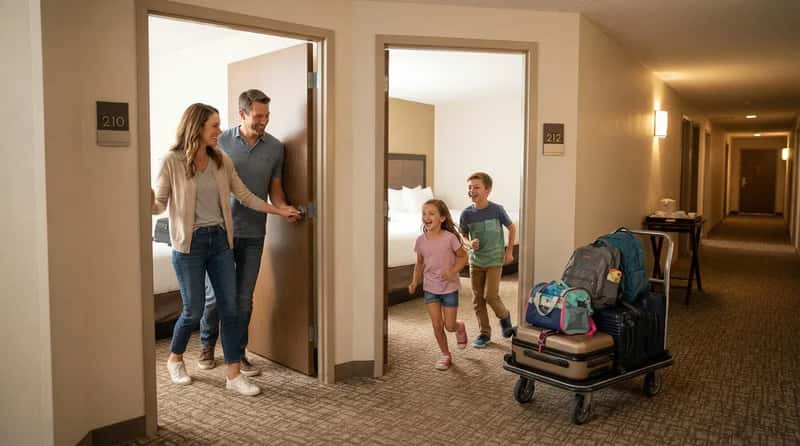
Families assume connecting rooms are pure luck of the draw. They’re actually a standard, requestable configuration hotels track internally, and simply saying the words “connecting rooms” signals a serious, informed request.
The catch most guests don’t realize is that connecting rooms are limited in number and get reserved early. Waiting until check-in day is the single biggest reason this request gets declined – not a lack of willingness on the hotel’s part.
#11 – Getting Moved Immediately When Noise Is the Problem
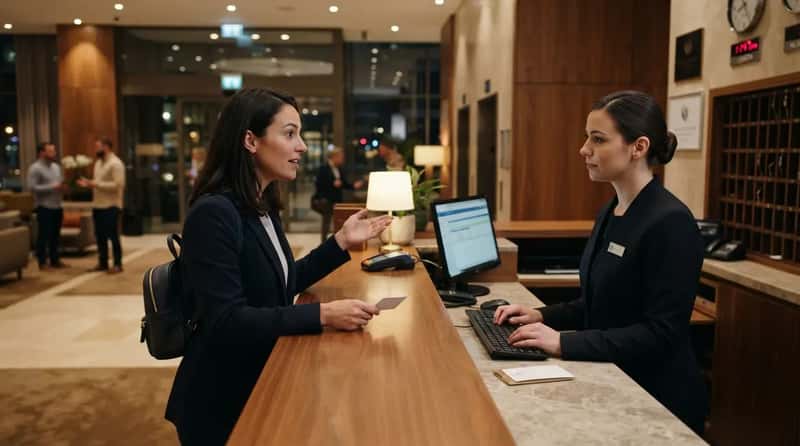
Guests often suffer through an entire noisy stay assuming nothing can be done once they’ve checked in. That assumption is wrong. Contacting the front desk immediately and helping pinpoint the source of the noise is the fastest way to actually fix it.
Most hotels would rather quietly relocate a guest than deal with a public complaint or a bad review later. Staff are specifically trained to treat this as an urgent, solvable problem, not something guests are simply expected to tolerate.
#10 – Arranging Accessible Room Features in Advance
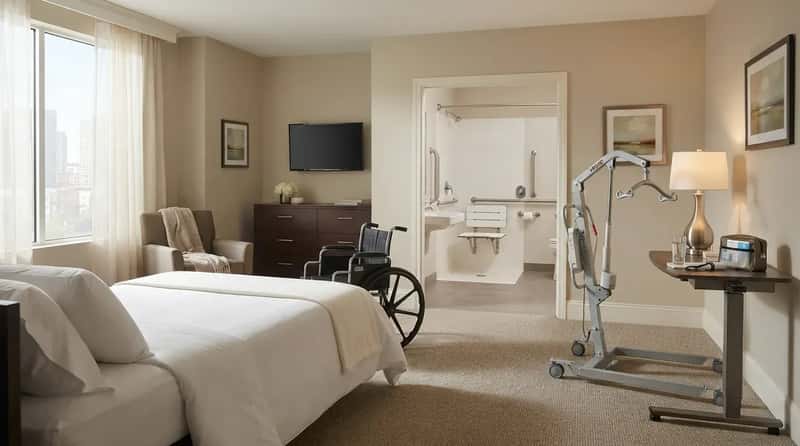
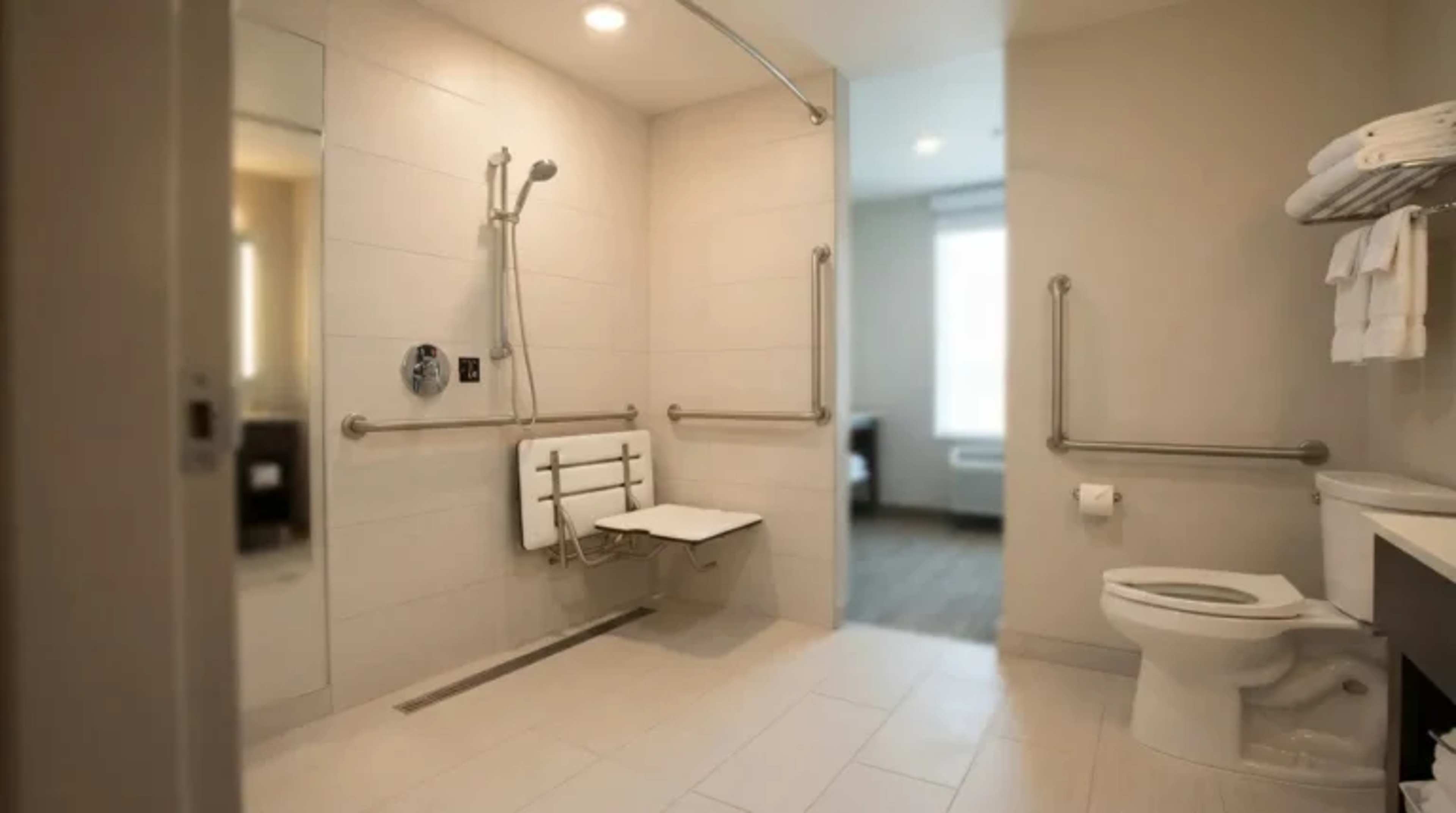
Accessibility requests are one of the most reliably honored categories in hospitality, yet many guests still hesitate to ask. These requests get logged right alongside late checkout and other special accommodations as a standard part of check-in.
Calling ahead rather than waiting until arrival dramatically increases the odds of getting exactly the setup needed. Most guests don’t realize these requests get flagged and prioritized well before they ever step through the door.
#9 – Asking to See a Different Room If You’re Unhappy
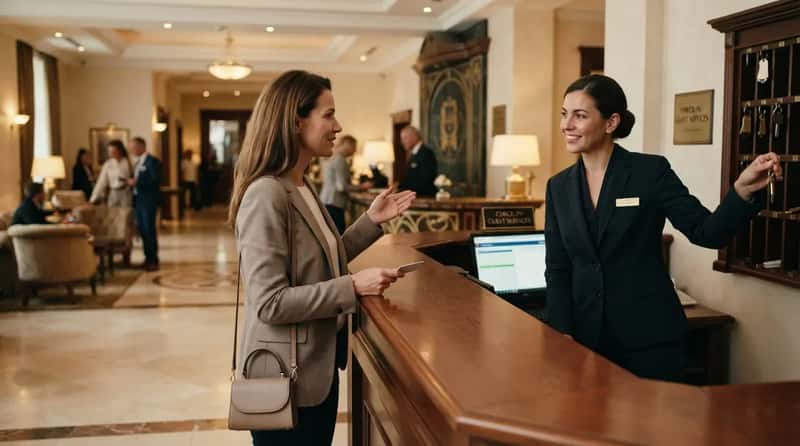
This is one of the most overlooked requests in the entire industry. Most guests assume that once they’ve been handed a key, that’s final. It isn’t – not asking to see another room is one of the biggest missed opportunities guests hand over without even realizing it.
Hotels routinely hold back a small buffer of unassigned inventory for exactly this situation, reserved for walk-ins, last-minute upgrades, or operational needs. Simply asking, “Is there anything else available?” opens a door most guests never even try.
#8 – Asking Again a Few Days Into Your Stay
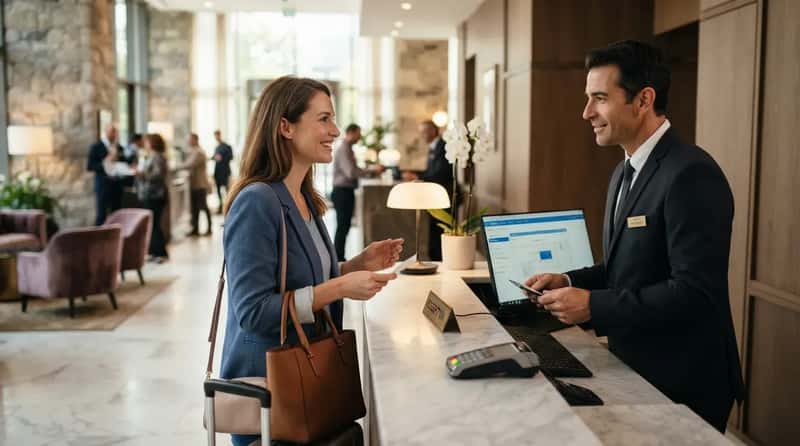
Persistence works here in a way most guests wouldn’t expect. Being told no once doesn’t mean the answer stays no for the rest of your trip – occupancy shifts constantly, and a full room on Tuesday can open up by Thursday.
This one is a little controversial. Some frequent travelers think re-asking feels pushy, while hospitality insiders insist it’s simply good timing, not entitlement. Either way, staff say it rarely hurts to check again politely.
#7 – Skipping the Agent and Asking for the Manager
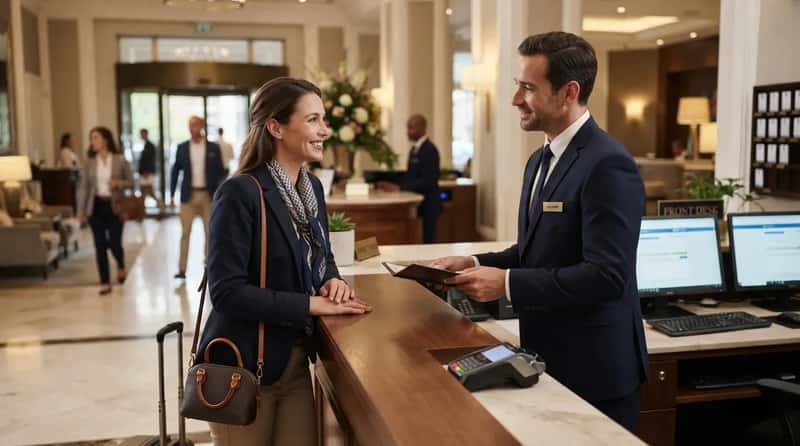
Most guests never think to escalate a simple room request, and that hesitation quietly costs them. Not asking to speak with the front desk manager is one of the top missed opportunities when hoping for a better room.
Tone matters just as much as the ask itself. Requesting the manager in a friendly, “can you help me out?” way tends to open doors a standard agent simply doesn’t have the authority to open. Managers often have discretion agents don’t, which is exactly why this small move works more often than people assume.
#6 – The Discreet Tip (Where It’s Actually the Norm)
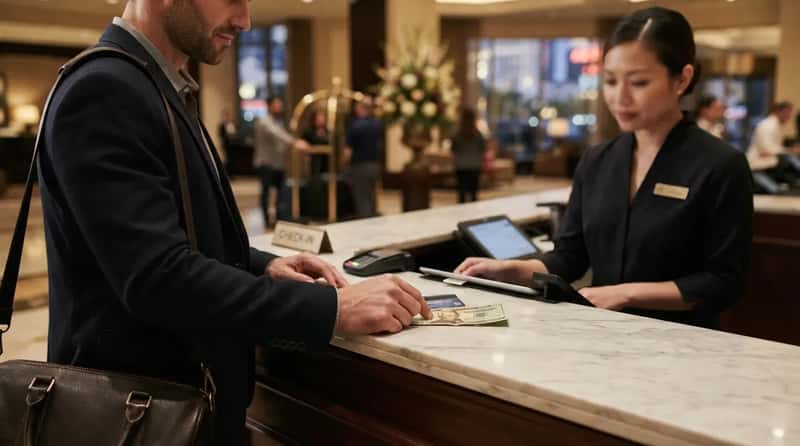
This is one of the more controversial entries on this list, and hospitality insiders are genuinely split. Tipping front desk staff for upgrades is not a universal practice, and some hotels explicitly prohibit it, with employees risking termination if caught accepting money for room favors.
Yet in certain markets, it’s practically an open secret. The practice shows up most in Las Vegas, where discretionary tipping can influence room assignments at Strip properties. Outside Vegas, the same move can actually backfire or just make staff uncomfortable – a polite ask without any money attached tends to work just as well elsewhere.
Worth Knowing
- Most common on the Las Vegas Strip, where discreet tipping for upgrades is an open industry secret
- Many hotel brands explicitly forbid staff from accepting cash for room favors
- Outside Vegas, a polite request often works just as well without any money changing hands
- Discretion is everything – a quietly handed bill, never flashed at the counter
#5 – Calling the Hotel Directly Two or Three Days Before Arrival

Most guests rely entirely on their booking confirmation and never speak to a human before showing up. Insiders say that’s a missed opportunity – a phone call creates a personal connection an email simply can’t.
The timing isn’t random either. Calling two or three days before arrival to politely share preferences means a note gets added to the reservation, and the staff member handling assignments that morning will actually see it and try to accommodate you. Most guests skip this step entirely and rely on hope alone.
#4 – A Short, Polite Email to the General Manager
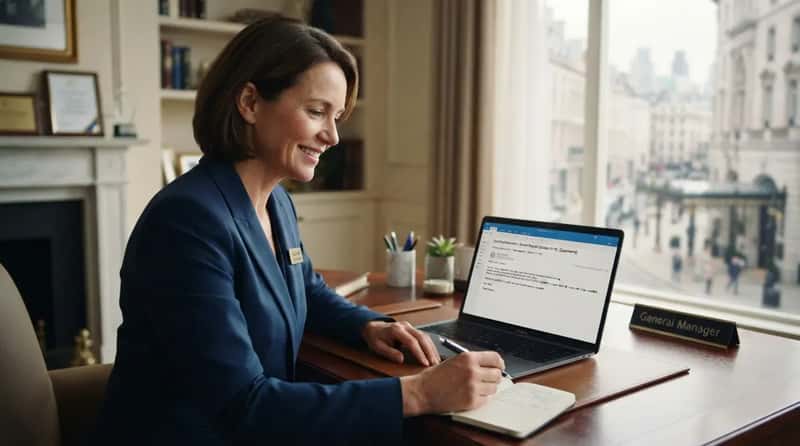
Very few guests think to email a specific person by name before their trip, but insiders say it’s one of the most effective moves available. Addressing a request directly, rather than dropping it into a generic inbox, changes how it’s received.
Phrasing like “We’d be so grateful for a quiet room with a nice view” works far better than a demand ever will. Framing the ask as a hopeful request instead of an expectation matters, because hotels genuinely love delighting guests who are courteous about it. Most people never realize a well-timed, polite email like this gets a real reply.
#3 – Booking a Newly Opened Hotel or Freshly Renovated Wing
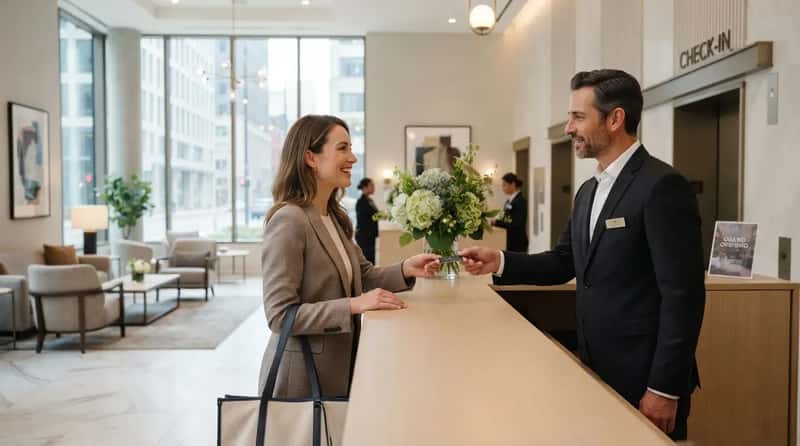
New properties are hungrier for good reviews than guests realize, and it changes how requests get treated. A hotel that just opened is eager to impress and get its Yelp and Tripadvisor reviews stacking up, meaning guests may have a genuinely better shot at an upgrade.
This isn’t theoretical – it plays out in real stays. One traveler reported being upgraded to an executive suite simply for mentioning excitement about being an early guest, with the front desk manager saying they were “excited to share their best with early visitors.” Most guests never think to seek out brand-new properties for exactly this reason.
#2 – Loyalty Status and Being a Recognized Return Guest
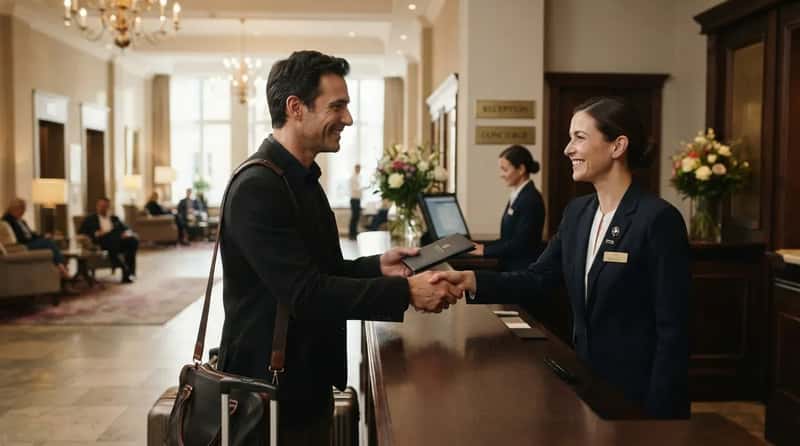
This is where the myth and the reality genuinely clash. Many travelers assume loyalty status guarantees an upgrade. It doesn’t – Hilton’s own rules show that almost half of its brands don’t offer free upgrades even to elite members.
What actually moves the needle more reliably is familiarity. Guests who keep returning to the same property are commonly rewarded with upgrades simply for being recognized faces. Most one-time guests never build that relationship, which is exactly why frequent guests keep getting the better rooms.
#1 – The Full Upgrade, When a Hotel Understands What You Actually Need
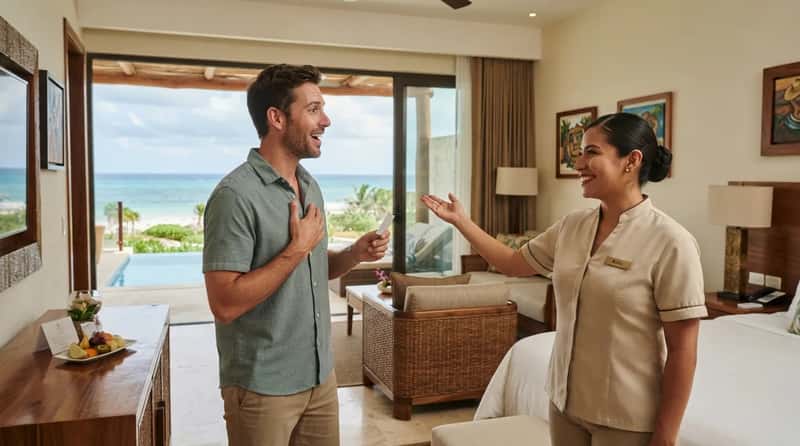
This is the request most guests assume is completely off-limits, and yet it’s the one hotel managers describe most warmly of all.
In hospitality, we’re problem-solvers by nature. If a request helps create a better experience and it’s operationally possible, we’ll usually try to make it happen.
Carlos Rudich, General Manager, Destino Royale, Riviera Maya
The secret isn’t the request itself – it’s the context behind it. The better a hotel understands a guest’s actual priorities, the more likely staff are to find a creative solution. A vague “can I get an upgrade?” rarely lands, but a specific, honest reason almost always gets taken seriously.
What separates the guests who get upgraded from the ones who don’t usually isn’t luck, status, or money. It’s whether they actually asked, and asked the right way.
Hotels quietly approve far more of these requests than their official policies ever suggest, especially when a guest is specific, polite, and reasonably timed. The pattern across every hotel manager quoted here is the same: clarity and kindness beat entitlement, every single time.