Most first-time RVers think shoulder season is just “regular camping but a little chillier.” It isn’t. It’s the trickiest window on the entire calendar – the kind of stretch where a gorgeous 65-degree afternoon can turn into a frozen water line by midnight, and half the amenities you’re counting on have already been shut off for the year without anyone bothering to update the website.
Veteran owners don’t find any of this out the hard way twice. They run a specific, almost ritualistic checklist before they ever back out of the driveway – and it’s rarely the checklist beginners assume matters most.
#21 – They Check If The Campground Even Wants Them There
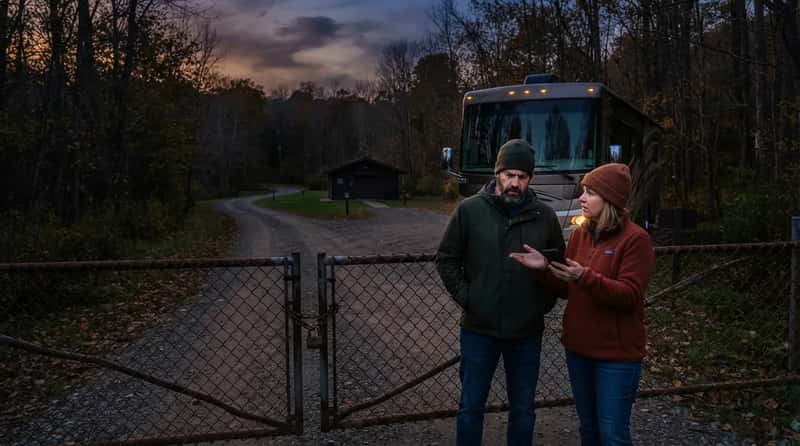
Shoulder season campgrounds don’t run on one simple calendar. Plenty of public land sites quietly shut off water, close bathhouses, or cut amenities weeks before the “official” off-season even begins. The listing you booked in July may not reflect what’s actually running in October.
Veteran owners never trust a three-month-old confirmation. They call ahead or recheck the listing 48 hours before leaving, because closure dates often show up as a small colored box on the availability calendar – easy to miss, easy to regret. Skipping this step is how people end up staring at a locked gate at dusk.
#20 – They Map A First-Come-First-Served Backup Plan
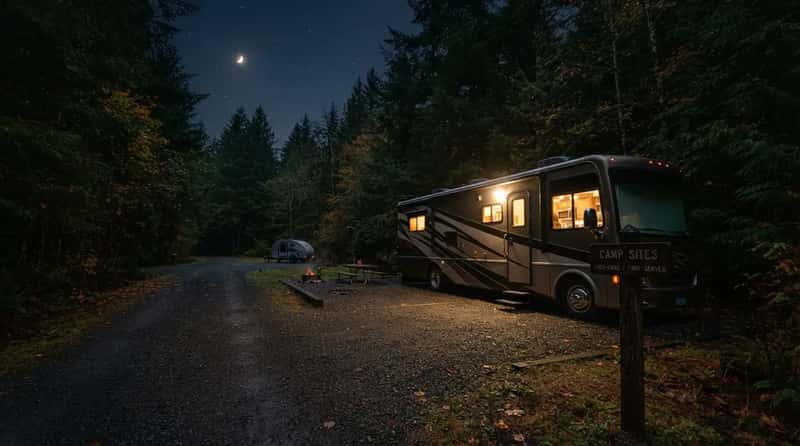
Reservations get strange in shoulder season. Some campgrounds quietly flip to first-come-first-served the moment peak season ends, which sounds relaxed until you realize it also means zero guarantees.
Experienced owners always have a second and third option mapped nearby before they leave home. Rolling into a full lot after dark with no backup plan is one of the most common shoulder-season regrets – and one of the easiest to avoid with five extra minutes of research.
#19 – They Check Weather At Every Elevation On The Route, Not Just The Start
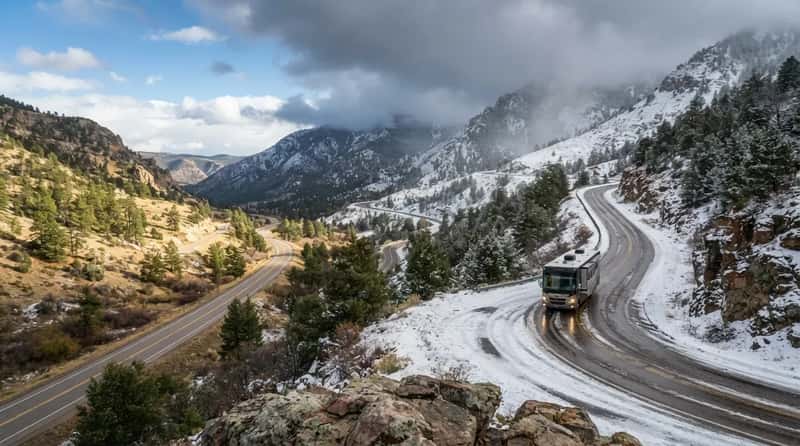
This is the mistake that catches even confident owners off guard. A forecast that looks mild in your driveway can be a completely different world 2,000 feet up a mountain pass an hour later.
Shoulder season weather is famous for this split personality – sunshine at the trailhead, snow flurries at the summit, same afternoon. Veterans check hourly forecasts at every elevation change along the route, not just the destination city. Skip it once, and you’ll white-knuckle a grade in freezing rain you never saw coming.
Fast Facts
- Temperatures typically drop about 3 to 5°F for every 1,000 feet of elevation gained
- Mountain passes can see snow while the valley floor stays dry and mild
- Regional weather apps often average conditions across a wide area, hiding pass-level extremes
- Checking hourly forecasts at each elevation change catches surprises before they catch you
#18 – They Recheck Tire Pressure The Morning Of Departure
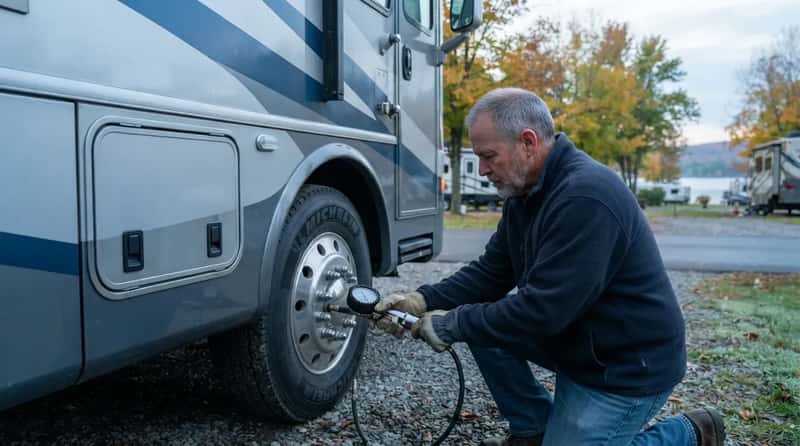
Tire pressure swings hard with temperature, and shoulder season mornings can run 30 degrees colder than shoulder season afternoons. A tire that reads perfect at 6 p.m. can read dangerously low by 6 a.m.
Veteran owners check pressure cold, right before hitching up, instead of trusting a reading from the night before. It’s a two-minute habit that prevents a blowout on a highway shoulder – exactly where nobody wants to be doing tire math in 40-degree wind.
#17 – They Top Off Propane Before It Gets Scarce
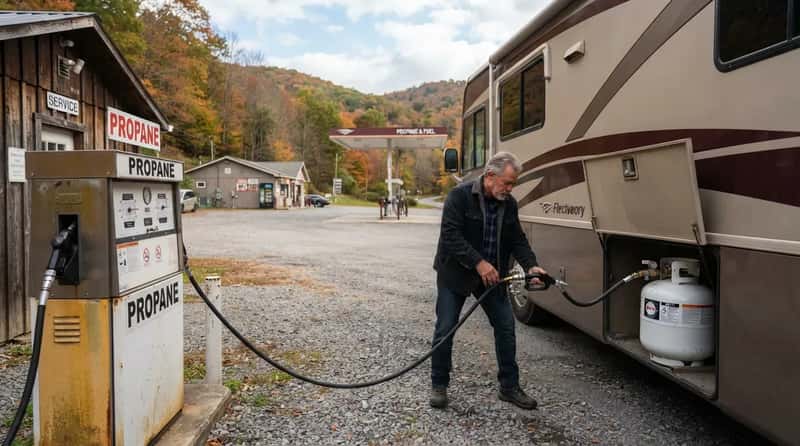
Propane demand spikes the second temperatures start dropping, and small rural stations along fall routes can run low or run dry entirely.
Veterans fill up before leaving town instead of gambling on finding a station along the way. A furnace running overnight burns through propane far faster than most new owners expect, and discovering an empty tank at 2 a.m. in 38-degree weather is a lesson people only need once.
#16 – They Pack A Heated Hose Even For “Just A Chilly Weekend”
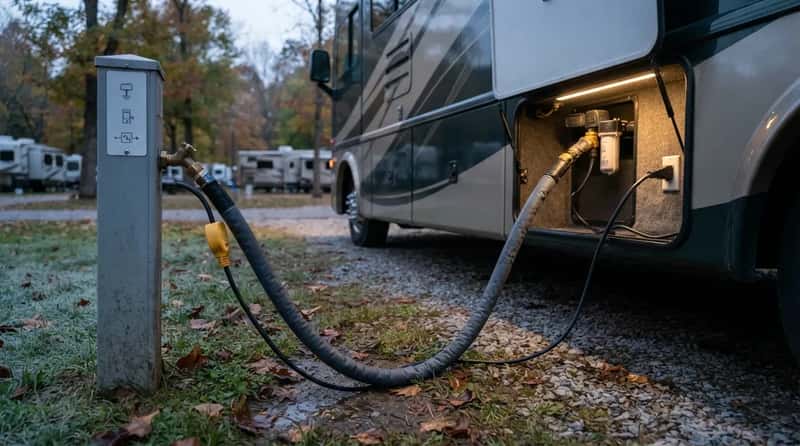
This is the gear veteran owners never leave behind, even on trips they expect to be mild. An insulated hose like the Camco Freeze Ban plugs into an AC outlet and includes a heating element rated down to -20°F.
Here’s the catch: shoulder season nights routinely dip well below what the daytime forecast implies. Pipes typically start freezing when outside temps hold at 20°F or lower for a stretch, though wind exposure and insulation can move that number. Packing the hose “just in case” has quietly saved more trips than anyone likes to admit.
#15 – They Set A Fresh-Tank Backup Plan Instead Of Relying On City Water
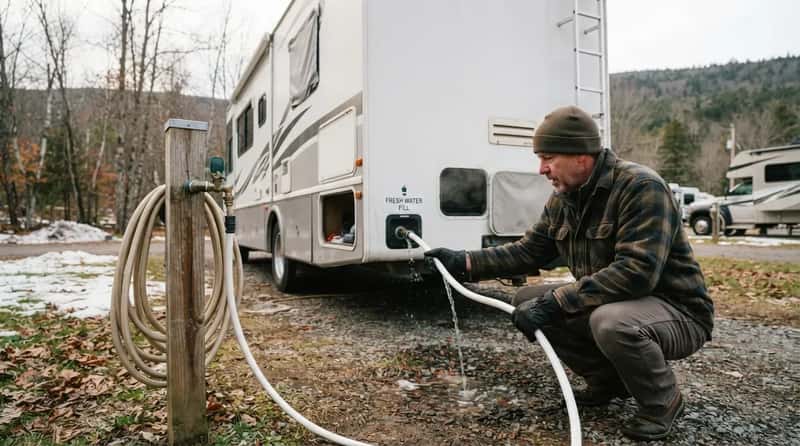
Not every campsite offers a working heated hookup – and even fewer offer one that still functions once the temperature actually drops. Veterans plan around this instead of hoping for the best.
Without a heated hose, many owners simply fill the fresh water tank and treat that as the primary source instead of the backup. It’s a small mental shift, but it prevents the classic shoulder-season scramble of thawing a frozen spigot connection by headlamp.
Quick Compare
- Heated hose: Keeps city water running smoothly, best when nights hover in the 20s to 30s°F
- Fresh tank as primary: Skips hookup dependency entirely, better for hard freezes or unreliable spigots
- Veteran move: Pack both and let the actual campsite conditions decide which one runs the trip
#14 – They Stock Non-Toxic Antifreeze For Drains, Not Just Pipes
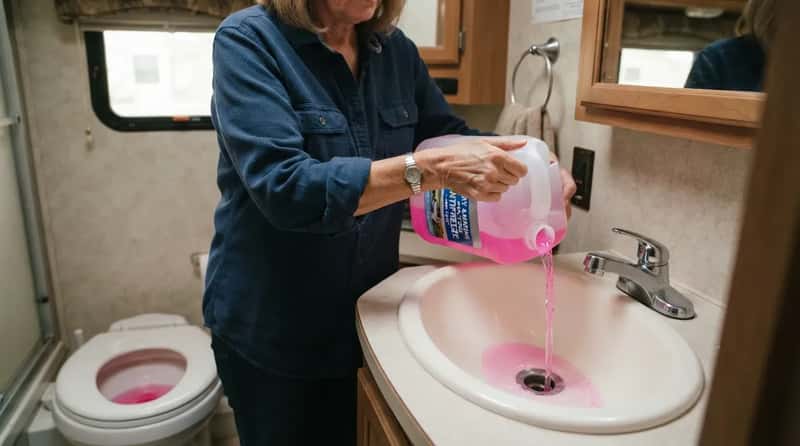
Most beginners think antifreeze is strictly a winter-storage item. Veterans know it belongs in the rig the moment shoulder season starts.
A splash of non-toxic RV antifreeze down each drain protects the P-traps, and a bit left in the toilet bowl protects those seals too. It’s a five-minute task that prevents a genuinely ugly discovery: a cracked trap that only reveals itself once it thaws and leaks into a cabinet.
#13 – They Confirm Roadside Assistance Is Actually RV-Rated
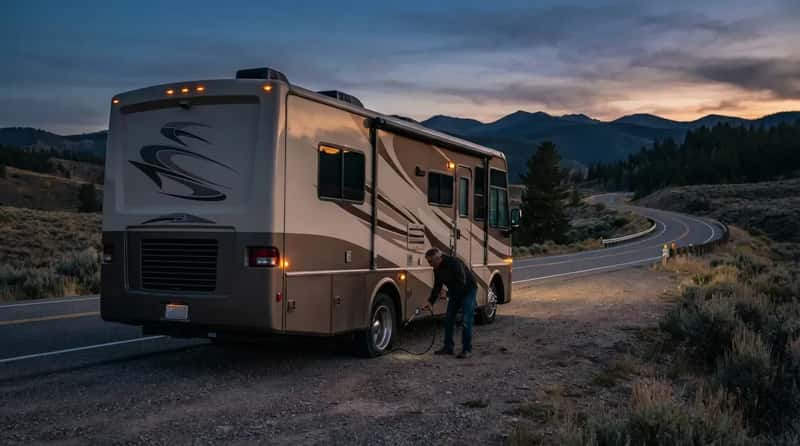
Here’s an uncomfortable truth a lot of owners don’t discover until it’s too late: a standard auto roadside plan often won’t tow a 30-foot motorhome, and it definitely won’t handle a blown tire on a dually.
Veterans call their provider before shoulder season, not during a breakdown, to confirm weight limits and mileage caps. Fewer travelers pass by on shoulder-season roads, which makes real RV-rated towing worth far more than most people realize – until they’re stuck on an empty highway at dusk.
Worth Knowing
- Many standard auto plans cap tow distance and vehicle weight well under motorhome specs
- RV-specific plans often cover mechanical breakdowns, flat tires, and even emergency fuel delivery
- Thinner shoulder-season traffic means a same-day tow response isn’t guaranteed
- Confirming coverage takes one phone call at home – sorting it out during a breakdown takes hours
#12 – They Load-Test Batteries Before The Trip, Not During It
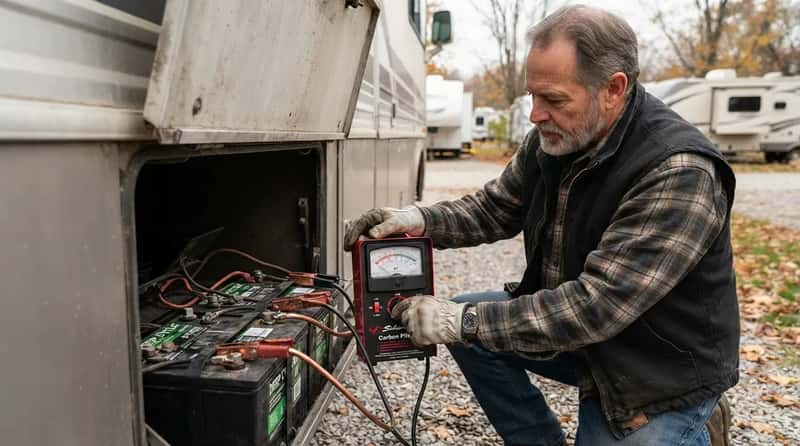
Cold weather is brutal on battery capacity, and shoulder season is usually the first real test a battery has faced since spring. Something that seemed perfectly fine all summer can suddenly underperform the moment nights turn cold.
Veteran owners load-test before departure instead of finding out the hard way when the furnace fan won’t run overnight. It’s a boring five-minute check that prevents one of the most common shoulder-season wake-up calls: a dead battery and a dropping thermometer at 3 a.m.
#11 – They Pack Window And Vent Insulation Even For Short Trips
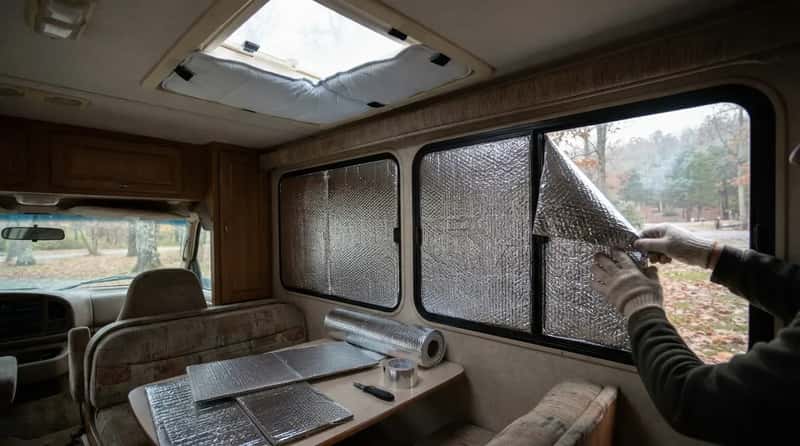
Windows are the weak point most new owners never think about. Single-pane RV windows are the single biggest source of heat loss on a cold night, and most rigs don’t come with much better than that.
Veterans pack foam board or reflective covers even for a two-night trip – lining the interior of the windows and snapping covers over roof vents and skylights. It’s cheap, it’s light, and it’s exactly the kind of thing rookies skip right up until the first hard frost.
#10 – They Load Extra Blankets And A Backup Heat Source
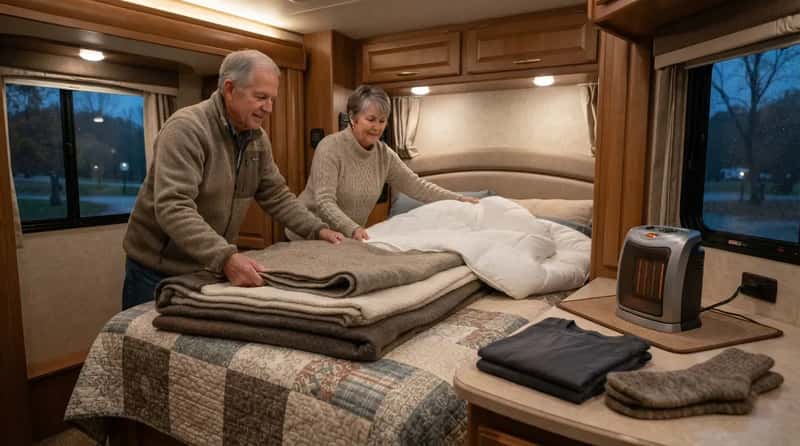
Furnaces fail. It’s rare, but it happens, and it always seems to happen on the coldest night of the trip. Veterans never rely on a single heat source when temperatures are unpredictable.
They pack extra blankets, warm layers, and often a small backup heater as insurance. Layering up costs nothing and works every time – and it’s the difference between a funny story around the table and a genuinely miserable, sleepless night.
#9 – They Confirm The Dump Station Is Actually Open
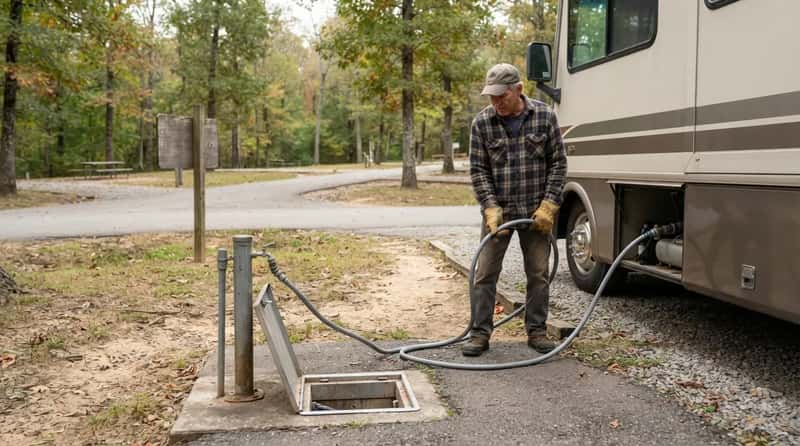
This one blindsides a lot of newer owners. Shoulder season is exactly when parks start shutting dump stations down for the year, sometimes with little to no warning posted online.
Veterans call ahead specifically about dump station status – separate from just confirming the campground itself is open. Arriving with full tanks and no working dump station isn’t just inconvenient; depending on the route, it can mean hours of driving out of the way to find one that works.
#8 – They Test Tank Heaters And Heat Tape Before Departure, Not On Arrival
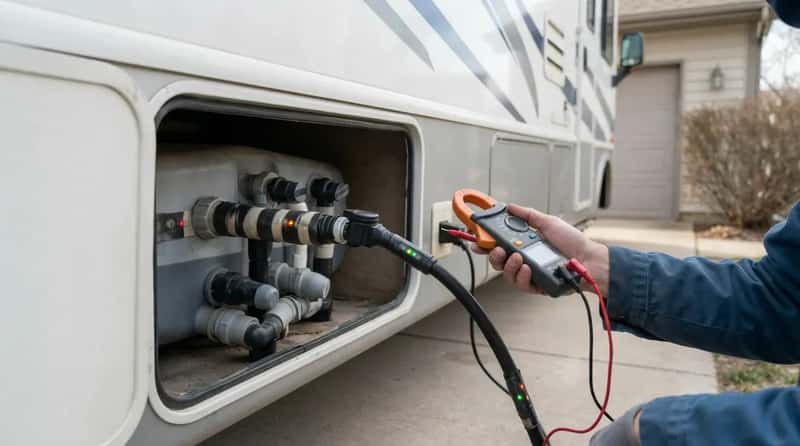
A tank heater that’s been dormant since last spring doesn’t always fire up on the first cold night, and discovering that after arrival is a rough way to start a trip.
Heated hoses, sewer heat tape, tank pads, and underbelly heaters work together for real freeze protection, but only if they still work. Veterans plug everything in and test it at home, days before leaving, so a dead heating pad becomes a quick fix instead of an on-the-road emergency.
#7 – They Research Wildlife Activity Along The Route

Shoulder season means more active wildlife, which sounds charming right up until it becomes a real driving hazard. Deer and elk move constantly during spring and fall migration, especially around dawn and dusk.
Veteran owners check for wildlife corridor warnings along the route and plan drive times around them when they can. It’s a small step most beginners never consider – right up until a deer crosses the road at exactly the wrong moment on a dim, foggy evening.
#6 – They Map Daylight Hours, Not Just Mileage
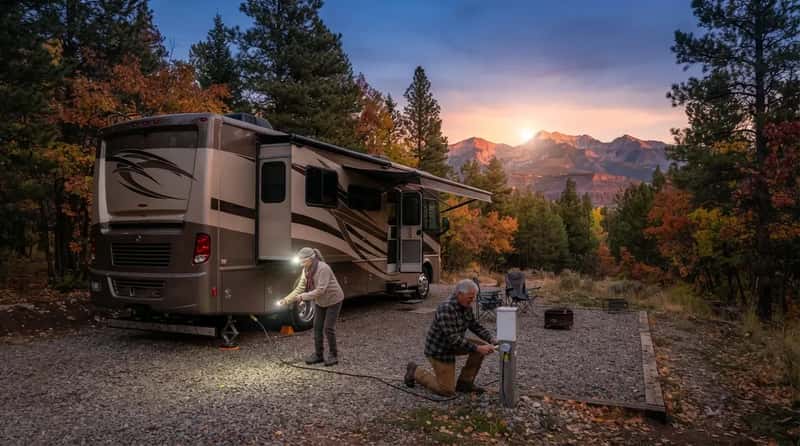
Shoulder season days are noticeably shorter than summer days, and that changes everything about how a drive should be planned. A route that felt easy in July can suddenly mean rolling in after dark in October.
Experienced owners plan drive times around available daylight, not just total miles, especially on unfamiliar mountain or rural roads. Setting up, leveling, and hooking up utilities in total darkness is a frustration almost every veteran has lived through exactly once – and refuses to repeat.
At a Glance
- Daylight shrinks noticeably through fall, often losing several minutes every single day
- A drive that fit easily into a summer afternoon can run past sunset by October
- Setting up camp in the dark makes leveling, hookups, and slide-outs harder and slower
- Planning stops around daylight, not just mileage, keeps arrival times realistic
#5 – They Restock The Emergency Kit For Shoulder-Season Conditions Specifically
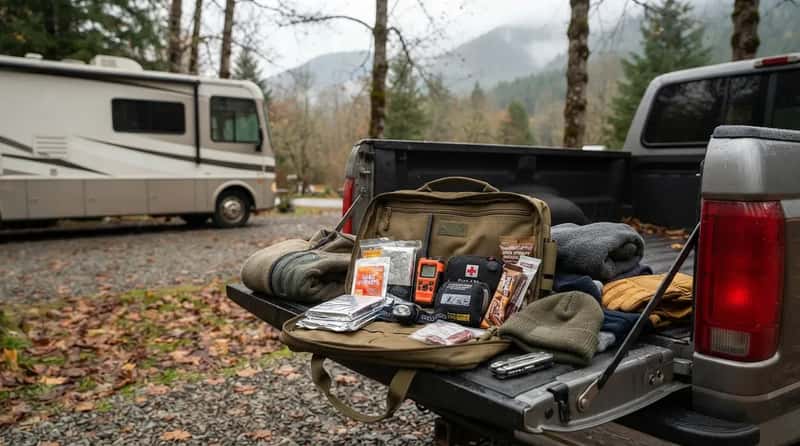
A summer emergency kit and a shoulder season emergency kit are not the same thing, and veterans know it. Blankets, snacks, a flashlight, and a first aid kit are the baseline – not the whole plan.
They add extra layers, hand warmers, and a way to signal for help in spots with spotty service. Shoulder season storms move fast and unpredictably, and having the right kit ready isn’t paranoia – it’s just what happens after enough years on the road.
#4 – They Download Offline Maps Before Cell Service Disappears
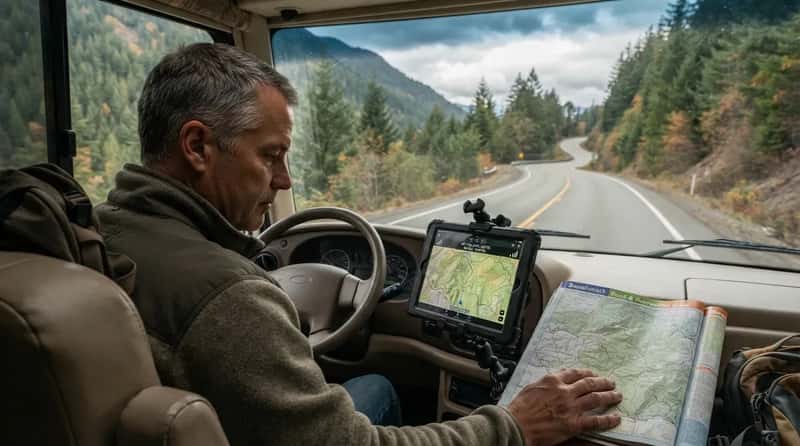
Shoulder season often means quieter, more remote routes – the kind of scenic backroad that also happens to have the worst cell coverage in the state. Losing signal on a mountain pass with no downloaded map is a classic rookie problem.
Veterans download offline maps and RV-specific routing apps before leaving home, plus a backup paper map for true dead zones. It’s a five-minute step that erases one of the most stressful shoulder-season moments: realizing your GPS has no idea where you are, and neither do you.
#3 – They Inspect Slide-Out And Door Seals Before Every Trip
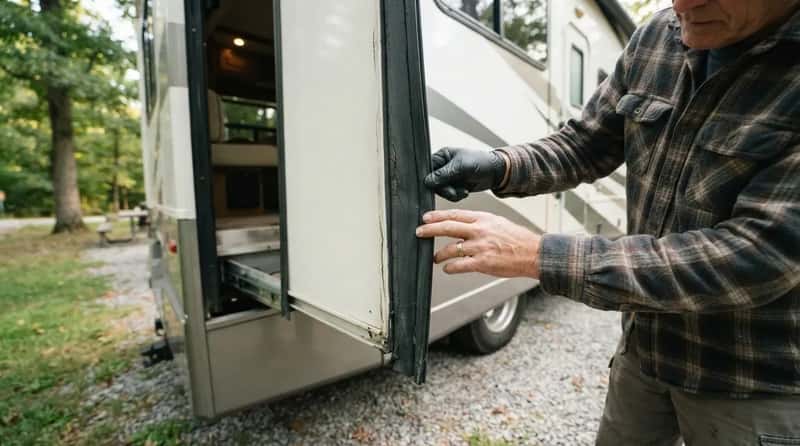
Seals degrade quietly over a summer of sun exposure, and shoulder season is when the cracks – literal ones – start to matter. A worn seal that let in a little dust in July can let in real cold and moisture in October.
Veteran owners run their hands along every slide-out and door seal, checking for stiffness, cracking, or gaps before departure. Catching a failing seal at home costs a tube of sealant. Catching it mid-trip means a drafty, damp cabin for the rest of the week.
#2 – They Double-Check Mountain Pass Elevations Against The Actual Forecast
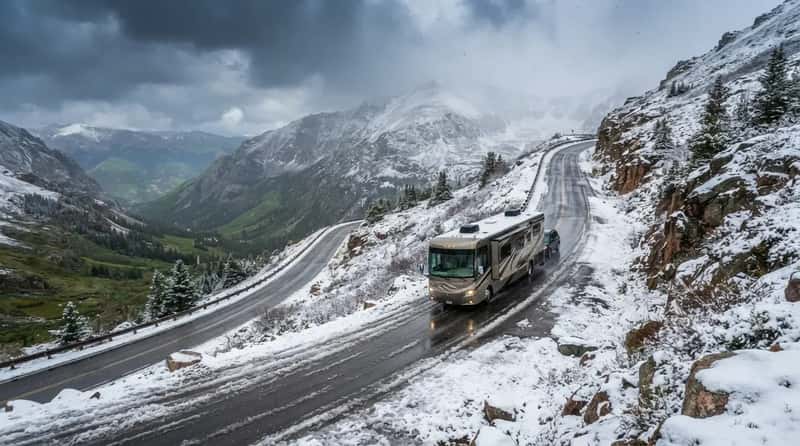
This is the one that separates veterans from everyone else. A route that looks perfectly reasonable on a map can cross a pass that’s already seeing snow while the valley floor sits comfortably above 50 degrees.
Experienced owners cross-reference every elevation change against real-time mountain pass conditions, not just the general regional forecast. It’s a habit built from experience – usually someone else’s story about getting caught on a closed pass with an RV that has nowhere to turn around.
#1 – They Run A Full De-Winterization Check Before Day One, Every Single Time
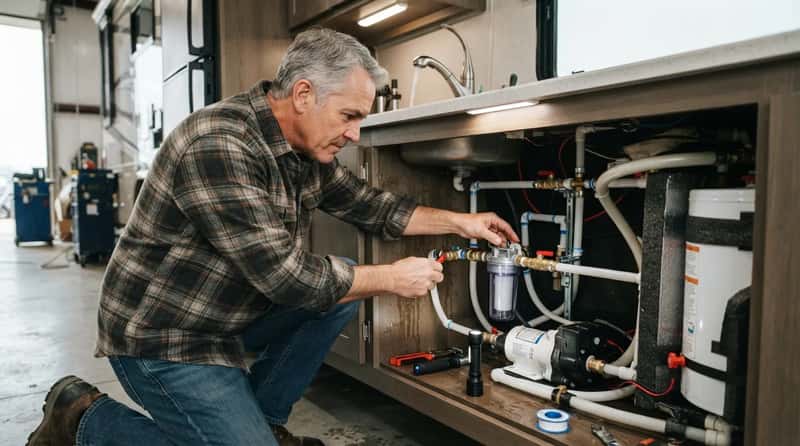
This is the step almost every costly shoulder-season disaster traces back to. RV owners are told to de-winterize before heading back out, but veterans treat it as a full system check, not a quick glance.
They run water through every faucet, flush the toilet fully, check under every sink for leaks, and confirm the water heater bypass is set correctly before connecting a single hose. Skipping this one step causes more ruined trips than weather, wildlife, and closed campgrounds combined – because a slow leak you don’t catch at home becomes a soaked cabinet floor three states away.
Fast Facts
- Run water through every faucet, including any outdoor shower
- Flush the toilet fully and check the seal for cracks
- Inspect under every sink and cabinet for slow leaks
- Confirm the water heater bypass valve is set correctly before hooking up
The best campers I know aren’t the ones with the newest gear. They’re the ones who check the same things every single time, no matter how many trips they’ve taken.
Common wisdom among longtime RV forum moderators
None of these 21 habits are flashy, and that’s exactly the point. Veteran motorhome owners aren’t smarter than everyone else – they’ve just learned, usually the hard way, that shoulder season punishes assumptions. The pattern holds every time: check twice, plan a backup, and never trust “it was fine last time.”
Which one of these have you learned the hard way? Drop your shoulder-season story in the comments – chances are it’ll save someone else’s trip.