Forget the designer luggage and the passport stamps. People who really travel every month give themselves away in tiny, almost invisible ways, and once you know the signs, you’ll spot them in every security line.
Some of these habits start at home, days before a trip. Others only show up at 30,000 feet, or the minute the front door closes behind them. The countdown starts with a bag that never gets unpacked, and the final habit is the one almost nobody posts about.
#22 – The Toiletry Bag That Never Gets Unpacked
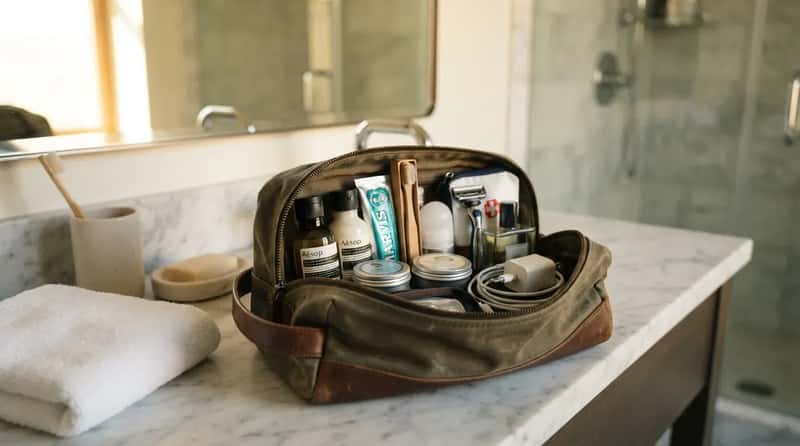
Frequent travelers keep a second set of everything. Their travel kit lives packed and ready, so they never end up buying a toothbrush at the airport. Mini shampoo, a spare charger and a small first-aid pouch stay inside year-round.
Most people pack from scratch every trip and still forget something. Monthly travelers refill the kit once, then stop thinking about it. The result is a ten-minute packing job instead of an hour of panic. But an even stricter rule shapes what goes in that bag, and it’s next.
#21 – They Can Pack the Liquids Bag Blindfolded

Ask a frequent flyer about 3-1-1 and they won’t blink. TSA’s rule allows liquids in containers of 3.4 ounces or smaller, all fitting in one quart-size bag. Regulars can pack that bag in under a minute, without measuring anything.
Beginners are the ones holding up the line, digging a full-size sunscreen out of their backpack. Monthly travelers treat the bag as the first thing in and the first thing out. They also skip the odd extras that tend to trigger a bag search. Their phones tell a different story, and you’ll see how soon.
#20 – A Camera Roll Full of Boarding Passes
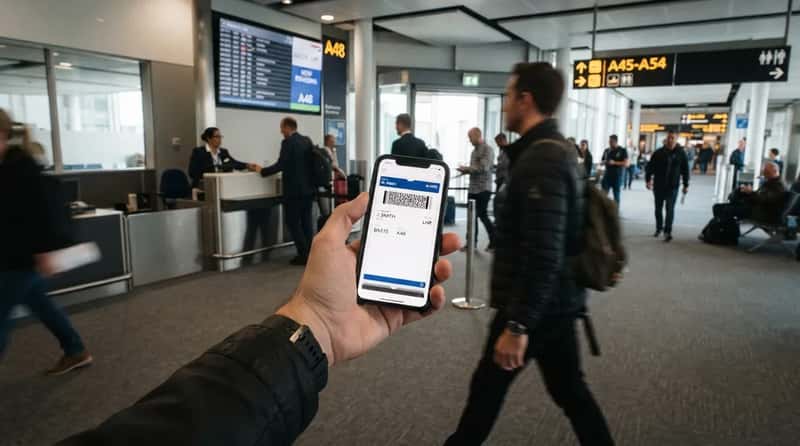
Airport Wi-Fi always fails at the worst moment. Frequent travelers screenshot boarding passes, hotel confirmations and rental car details before they leave the house. When the app freezes at the gate, they just swipe to a photo and keep walking.
They also save confirmation numbers somewhere simple, like a notes app. It sounds basic, but it’s the difference between a two-second check and a ten-minute scramble. Almost every seasoned traveler has been burned by a dead signal at least once. They don’t plan on being burned twice.
#19 – The Alarm Set for Check-In

For most U.S. airlines, online check-in opens 24 hours before departure. Monthly travelers set an alarm for it. They know the best seats and the overhead bin space can disappear within hours.
Checking in early also lets them spot schedule changes sooner. They often see the update first and rebook before the crowd at the service desk forms. It’s a tiny habit with a real payoff. What they wear on travel day says even more.
#18 – The Heaviest Shoes Ride on Their Feet
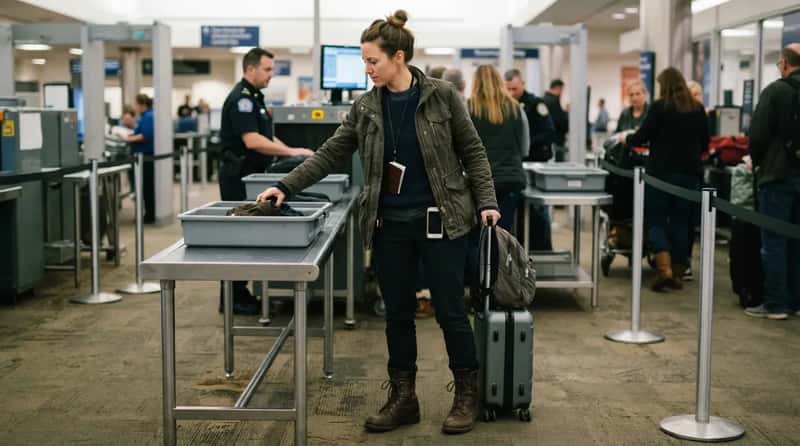
Watch a frequent flyer’s outfit on travel day. The bulky shoes, the jacket and the sweater are worn, not packed. That frees up suitcase space without paying a cent.
Quick Compare: Worn vs. Packed
- On their body: boots or chunky sneakers, the heaviest jacket, a thick sweater.
- In the bag: light sandals or flats, T-shirts, thin layers that fold flat.
- In the pockets: passport, phone, earbuds, so nothing gets dug out at the checkpoint.
The look is deliberate: layers, slip-on shoes and pockets that zip. They dress for the freezing cabin, the warm destination and the security line all at once. It’s less about fashion and more about speed. Next comes a habit that confuses first-timers.
#17 – The Empty Water Bottle Nobody Understands
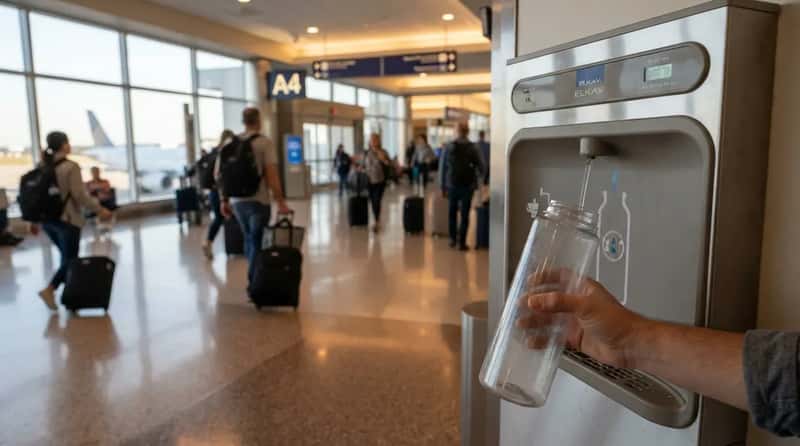
It looks odd at first: a travel-day bottle with nothing in it. TSA allows empty bottles, and frequent travelers fill them past security instead of paying airport prices. Many airports now have refill stations near the gates.
The savings add up fast when you fly every month. Staying hydrated also changes how you feel when you land. It’s a quiet, cheap habit that occasional travelers rarely think of. But water isn’t the only thing they carry with care.
#16 – The Power Bank Never Goes in the Checked Bag
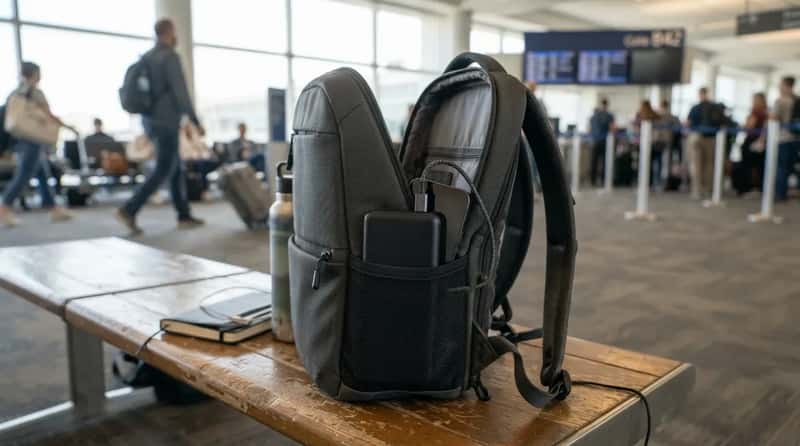
Frequent flyers know exactly where batteries belong. The FAA says spare lithium batteries, including power banks, must travel in carry-on bags. They stay in the cabin because a damaged battery can overheat, and a crew can only respond if it’s within reach.
Monthly travelers also keep a short charging cable handy. Long cords tangle, and gate outlets are often nowhere near your seat. The setup is small, practical and predictable. Their luggage opinions get even stronger from here.
#15 – Packing Cubes: The Quiet Obsession
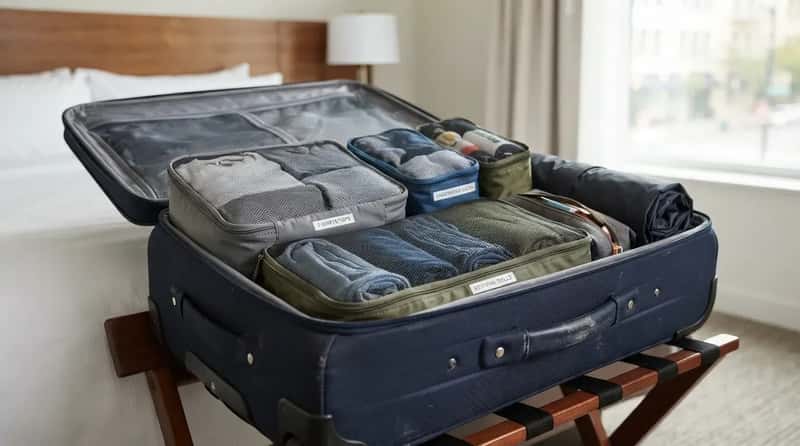
Open a frequent traveler’s suitcase and it looks like a tiny filing cabinet. Packing cubes keep outfits sorted by day or type. They can grab a clean shirt without tearing apart the whole bag.
Some travelers roll their clothes, others fold them flat. The system matters less than having one. Cubes also make repacking in a hotel room almost instant. And then there’s the bag debate, which gets heated.
#14 – Carry-On Only, Even When It Hurts
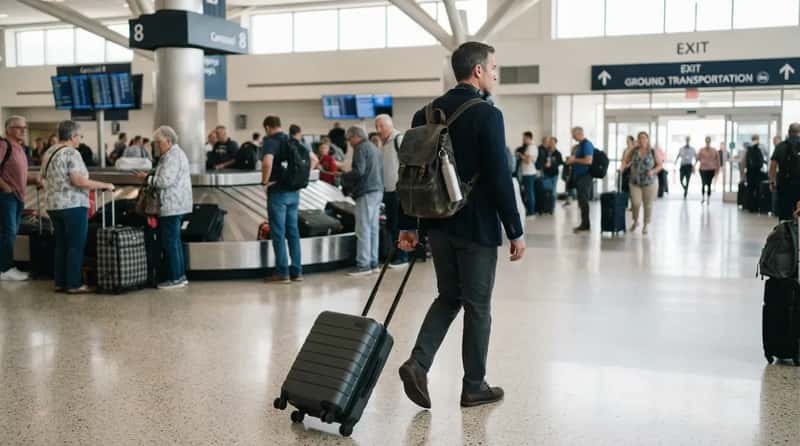
Plenty of vacationers happily check a bag, but many frequent flyers see it as a gamble they’d rather skip. They’d rather squeeze everything into a carry-on than stand at a baggage carousel and hope. The U.S. Department of Transportation tracks mishandled bags, which is one reason many travelers avoid the risk.
Carry-on only also saves time at both ends. They skip the bag-drop line and walk straight out on arrival. Not everyone agrees, especially families or anyone packing for cold weather. The next habit goes after something harder to pack: your body clock.
#13 – They Treat Jet Lag Like a Math Problem
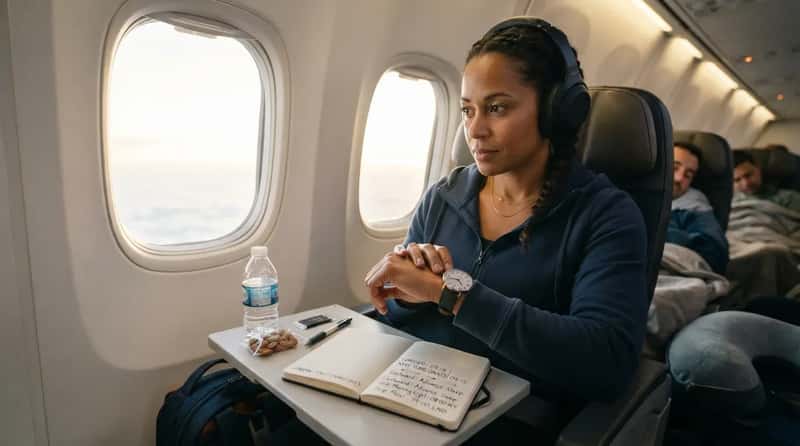
Regular travelers plan around the clock instead of fighting it. Eastward trips are generally harder on the body than westward ones. Sleep specialists often point out that it’s easier for the body to stay up later than to fall asleep earlier.
So they nudge their sleep schedule a little before leaving. They seek morning light after flying east and skip heavy meals late at night. The goal isn’t to arrive perfect, just functional. One thing they do in the air surprises most people.
#12 – The Dry-Cabin Habit Everyone Else Ignores
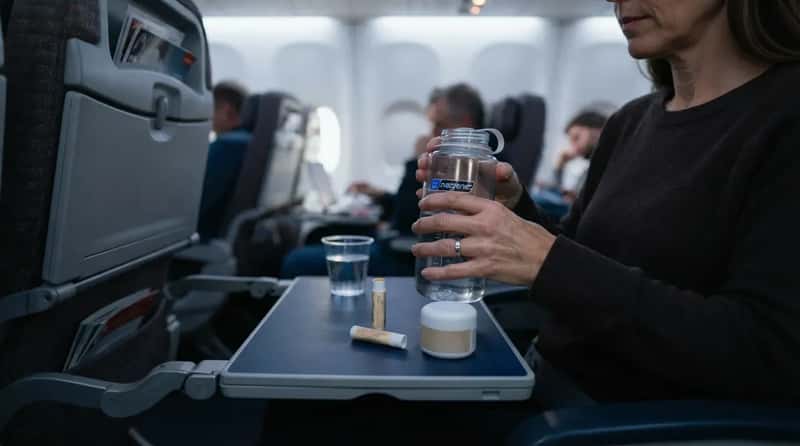
Airplane cabins are famously dry, with humidity often reported as under 20 percent. That dryness can leave skin, lips and throat uncomfortable within hours. Frequent flyers sip water steadily instead of waiting until they feel thirsty.
Fast Facts
- In the cabin: humidity is often reported as under 20 percent.
- At home: the EPA suggests keeping indoor humidity between 30 and 50 percent.
- The carry-on fix: lip balm, a small moisturizer and an empty bottle to refill.
- The easy swap: water or tea in place of a second drink.
Many also go easy on alcohol in the air for the same reason. They pack lip balm and a small moisturizer in their carry-on. It’s not glamorous, just smart. The next habit is about what happens to your blood while you sit still.
#11 – They Get Up and Walk the Aisle at 30,000 Feet
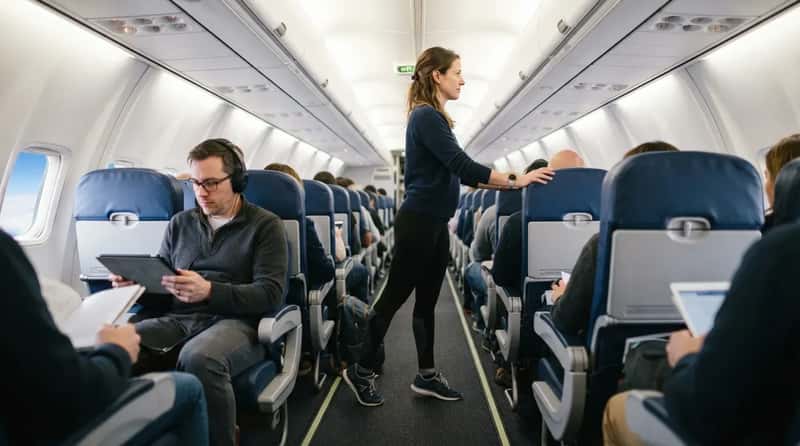
The CDC notes that long travel of four hours or more can raise the risk of blood clots. Frequent flyers stand, stretch and walk the aisle whenever the seatbelt sign allows. To a stranger it looks like restlessness, but it’s actually a health habit.
Some wear compression socks on long flights. Others do ankle circles from their seat. Either way, they don’t sit frozen for ten hours. Next, a money habit that quietly saves them real cash.
#10 – The Card That Never Charges Foreign Fees
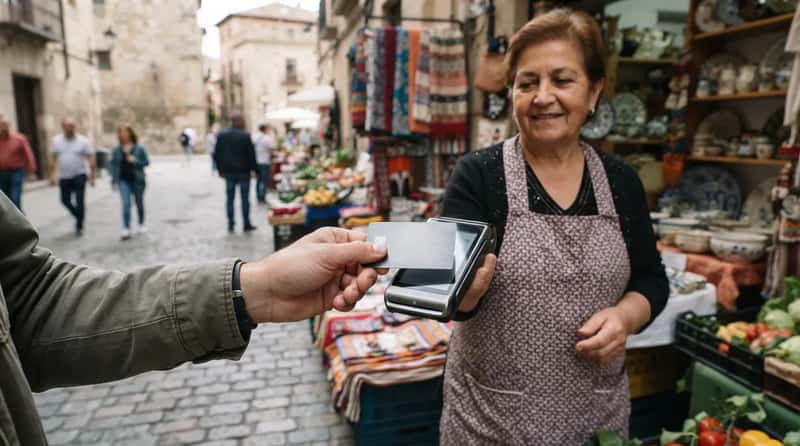
Purchases abroad on some cards carry a surcharge, and many cards charge around 3 percent. Monthly travelers choose a card with no foreign transaction fee. That way, a pricey dinner overseas doesn’t quietly cost extra.
They also tell their bank before they leave, if the bank requires it. That prevents the nightmare of a frozen card in the middle of a trip. It’s boring, but boring keeps a trip from going sideways. Next comes the paperwork habit.
#9 – Their Documents Are Never Close to Expiring
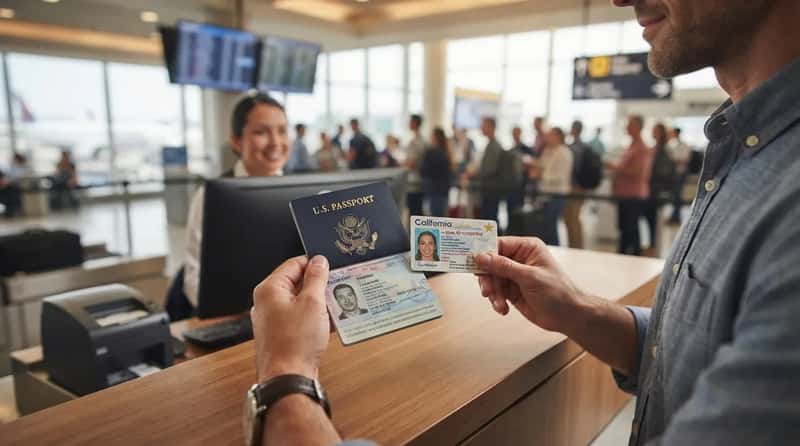
Since May 7, 2025, travelers have needed a REAL ID-compliant license or another accepted ID to fly within the U.S. Frequent flyers sorted that out long before the deadline. They also keep their passports valid well beyond their travel dates.
At a Glance
- Domestic flights: a REAL ID-compliant license or another accepted ID, such as a passport.
- Adult passports: valid for 10 years.
- Passports for kids under 16: valid for five years.
- International trips: many countries want months of validity left beyond your stay, and rules vary by destination.
Many countries require a passport to be valid for months beyond your stay. Regular travelers know this and renew early. They refuse to let one expired card ruin a trip they’ve already paid for. Their next move is a polarizing one.
#8 – The Trusted Traveler Membership They Swear By
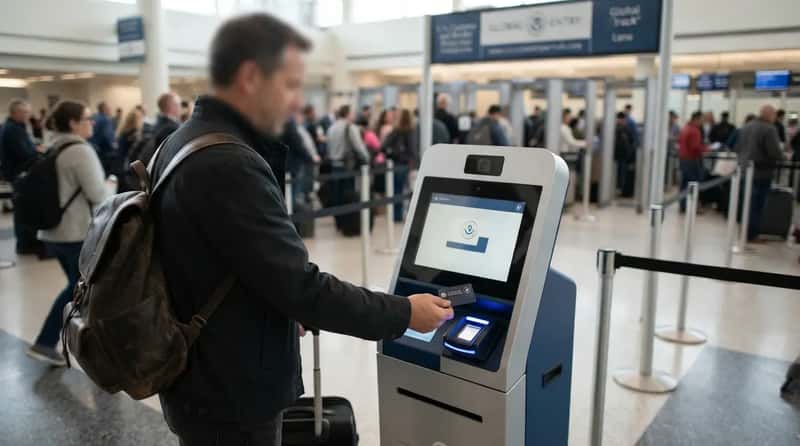
Frequent flyers often hold TSA PreCheck or Global Entry. Global Entry also includes PreCheck benefits for domestic flights. For people who fly monthly, shorter lines can save real time on every single trip.
Some experts argue it’s overhyped for people who fly a couple of times a year. For monthly travelers, though, the math looks very different. The membership pays back in lines skipped, not just dollars. The next habit is about when they choose to fly.
#7 – They’ll Take the 5 a.m. Flight Every Time
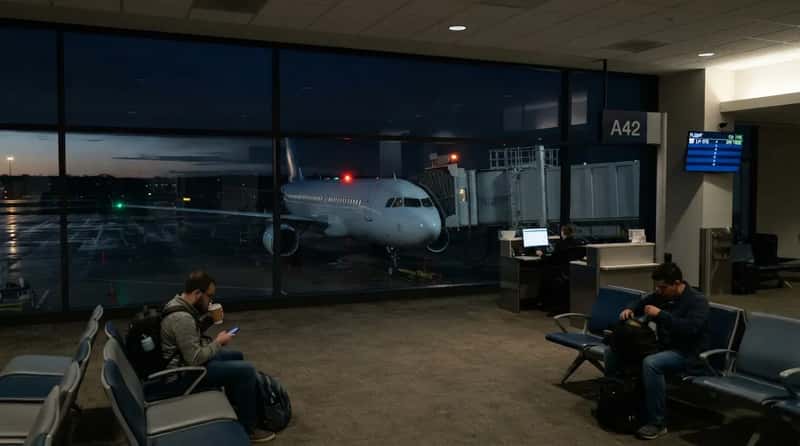
It sounds painful, but many frequent flyers swear by it. Delays tend to snowball through the day, so the first flight often has the best on-time odds. There’s also more time left in the day to rebook if something goes wrong.
Early flights usually leave from a quieter terminal, too. The plane has typically been sitting at the gate overnight, so there’s often no inbound flight to wait for. It costs sleep but saves stress. Their next rule is about layovers.
#6 – A 45-Minute Layover Is a Hard No
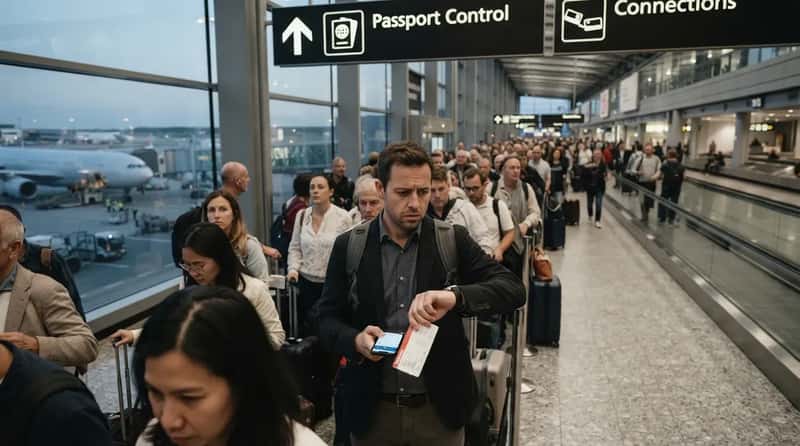
Beginners love a short connection because it saves time on paper. Frequent travelers have been stranded by one. They usually leave a buffer, especially at big hubs where gates can be a long walk apart.
Worth Knowing
- A connection booked on one ticket is usually rebooked by the airline if the first leg runs late. Separate tickets generally don’t get that protection.
- International connections can add passport control, customs and a second security screening.
- Big hubs may require a train or shuttle between terminals, so the walk is not always short.
- A longer layover costs a little time, but a missed connection can cost a night.
One delay can cascade into a missed flight and a lost night. They’d rather sit with a coffee than sprint through a terminal with a rolling bag. They also know international connections add passport lines and extra security checks. The next habit lives on their phone.
#5 – Offline Maps and an eSIM, Ready Before Landing
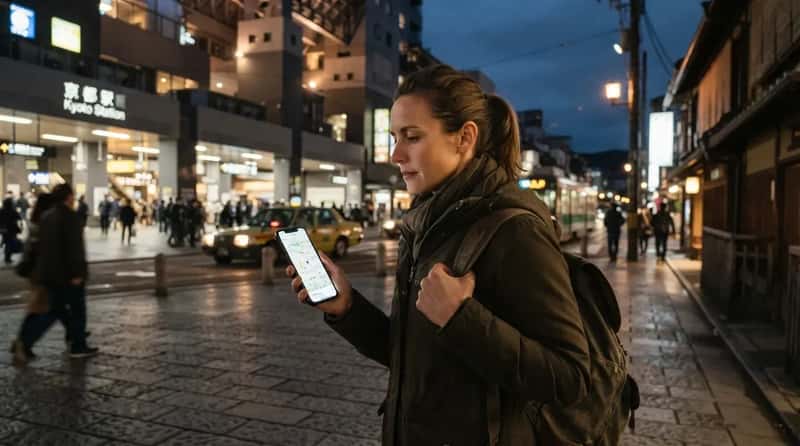
Roaming charges used to ruin trips. Now many newer phones support eSIMs, so travelers can add a local data plan without swapping a physical card. Frequent flyers set this up before they land. They also download offline maps ahead of time.
That way, a dead signal doesn’t leave them lost outside a train station at midnight. Their phone is basically their travel office, and they treat it like one. A small setup step saves a lot of confusion. The next habit protects something even more valuable.
#4 – They Know the Refund Rules Better Than the Gate Agent
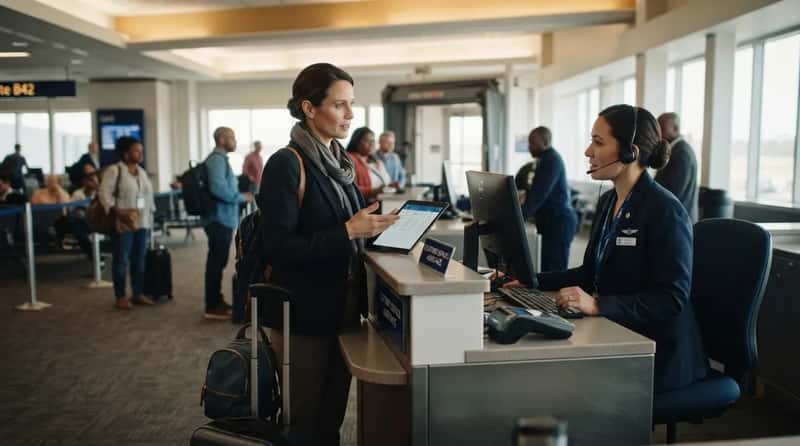
In 2024, the U.S. Department of Transportation finalized a rule requiring automatic refunds when an airline cancels a flight or significantly changes it. Frequent flyers know they don’t have to settle for a voucher in those cases. They ask for the refund, politely and clearly.
The rule covers significant delays, too, with different thresholds for domestic and international flights. They keep screenshots of the change notice. That evidence helps if an airline pushes back. But the next habit might be the cleverest of all.
#3 – A Tiny Tracker Hiding in Every Bag
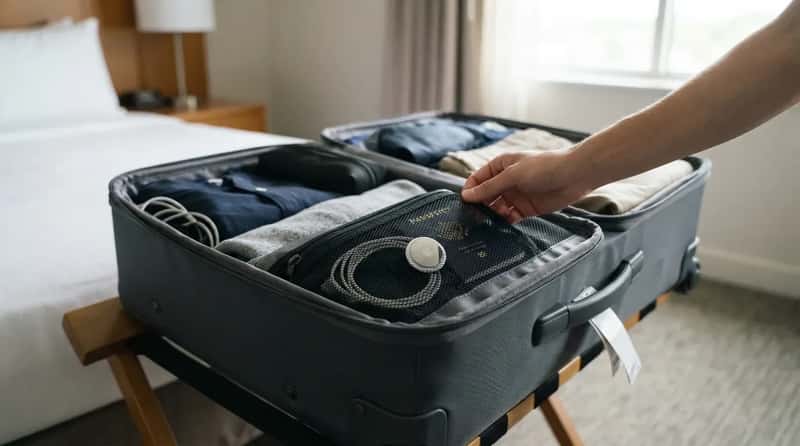
Frequent travelers know that bags get lost. They slip a tracker like an AirTag into their luggage so they can see where it actually is. That turns a vague “we’re looking into it” into a pin on a map.
Showing an airline the bag’s last known location can speed things up. It also gives peace of mind on a tight connection. A few dollars buys a lot of calm. The next habit starts saving money long before the trip begins.
#2 – Price Alerts That Never Stop Running
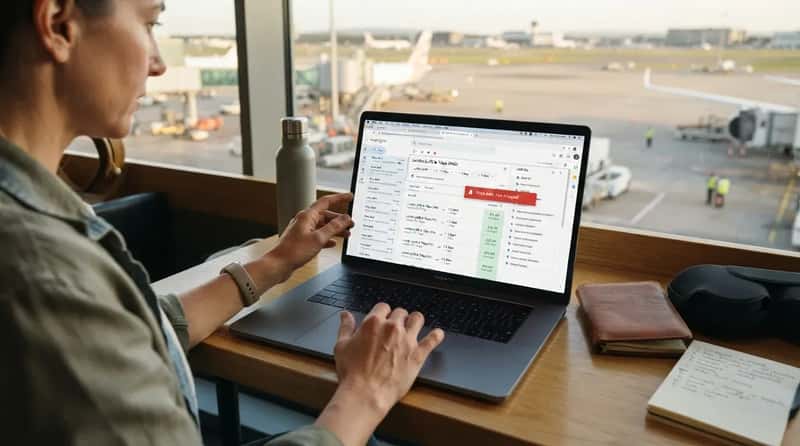
Monthly travelers rarely buy a ticket on impulse. Tools like Google Flights let people track prices for specific routes and dates. They set alerts weeks ahead and book when a fare dips. They also stay flexible by a day or two when possible.
That small flexibility can change the price on the exact same route. They also keep a running list of places they want to visit. When a cheap fare appears, they’re ready to move. And the final habit is the one nobody posts about.
#1 – They Unpack the Same Night They Get Home

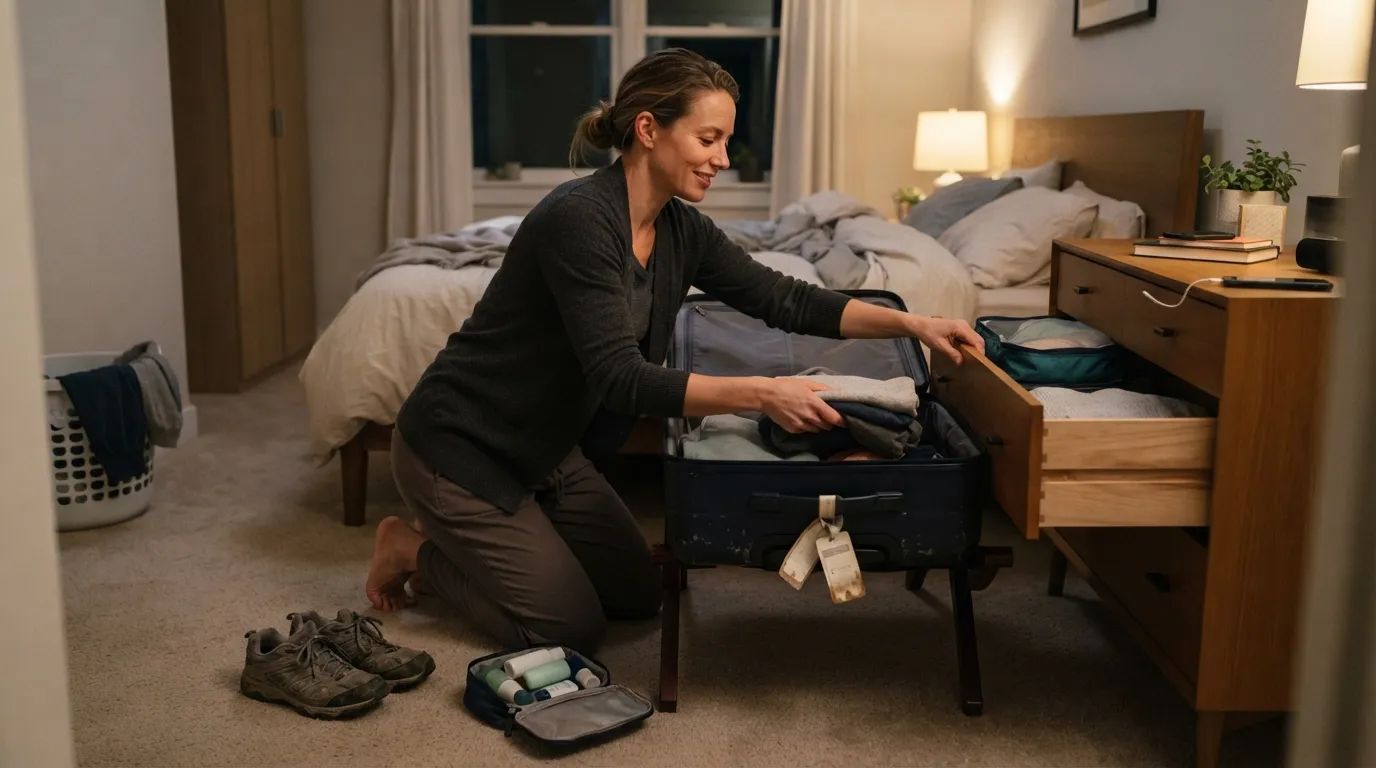
This is the real giveaway. Frequent travelers don’t let a suitcase sit open on the floor for a week. They empty it, start the laundry and refill the travel kit before bed.
Research on heavy business travel has linked it to worse sleep and health habits, so recovery matters. Every trip leaves a little fatigue behind, and they know it. Resetting fast keeps the next trip from starting in a mess. It’s not glamorous, but it’s the habit that makes monthly travel sustainable.
Frequent travelers aren’t defined by luggage or status. They’re defined by tiny systems: a ready-packed kit, early check-ins, smart bag choices and a fast reset at home.
The most surprising truth is how unglamorous it all is. Which of these habits do you already have, and which one would you never give up?