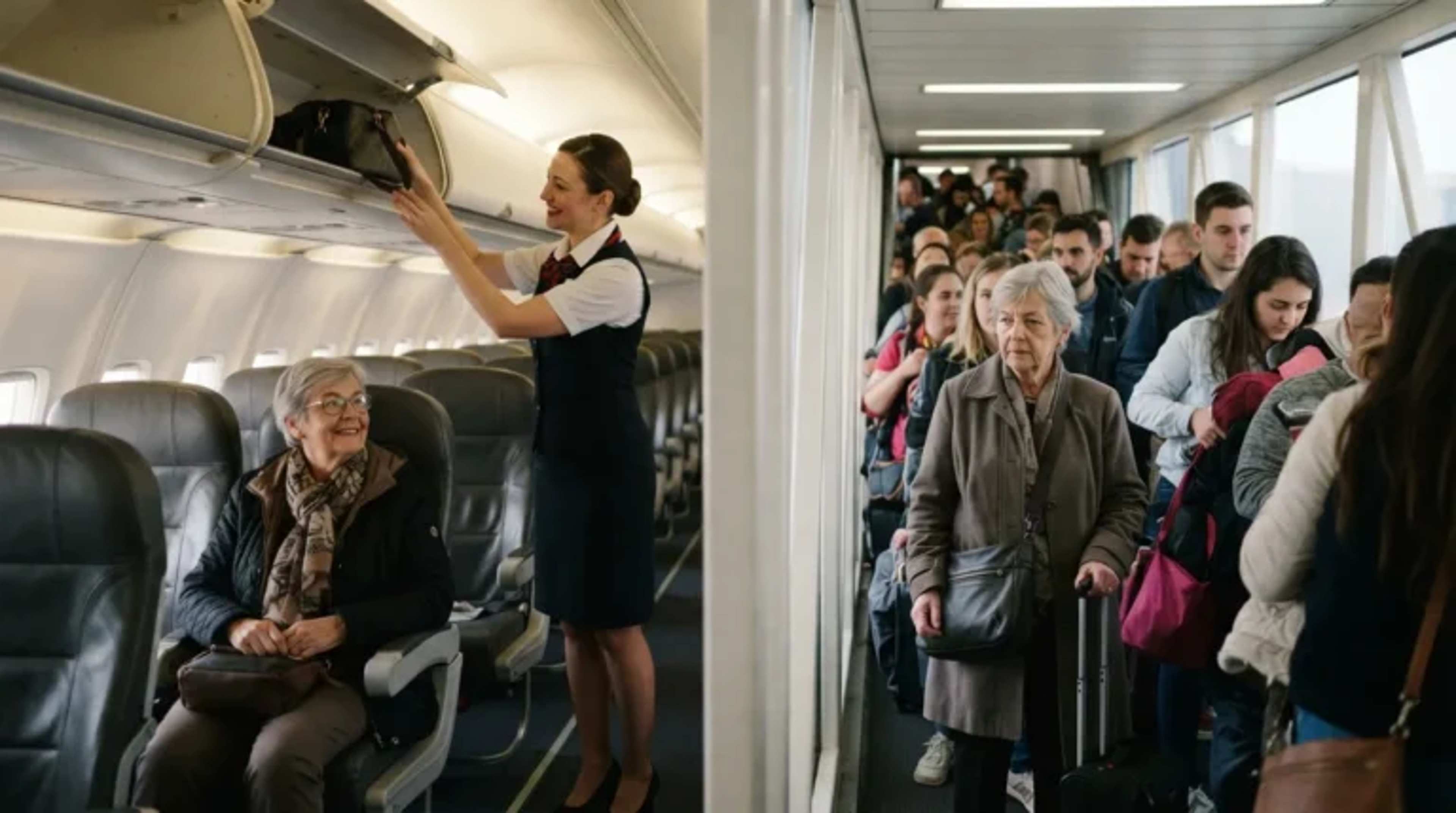
Most people assume boarding a sleeper train works like boarding a bus with beds – show up, find your seat, done. Ask someone who’s actually spent a dozen nights rattling along on an overnight Amtrak run or a European Nightjet, and you’ll hear a completely different story.
There’s a quiet gap between a first-timer and a veteran, and it isn’t luck. It’s a string of small habits nobody warns you about until you’ve already fumbled through one rough, sleepless night. Here’s what seasoned sleeper train passengers actually do before they ever set foot on the platform.
#22 – They Screenshot Everything Before the Signal Disappears
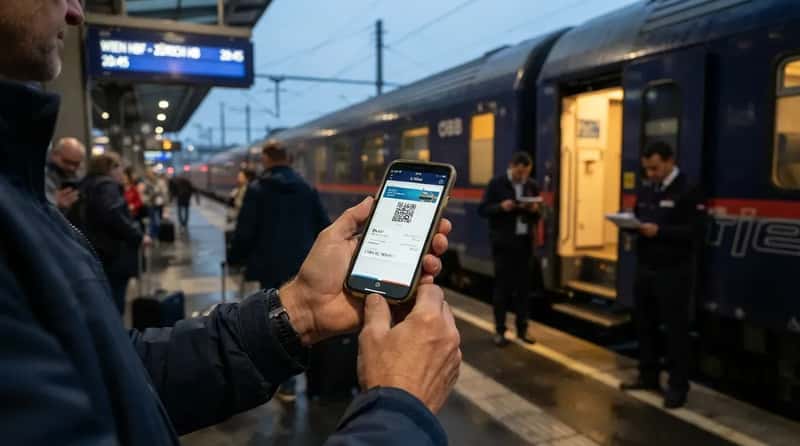
Seasoned riders never trust an app to load correctly the exact moment an attendant asks for proof of booking. Sleeper trains roll through dead zones, tunnels, and rural stretches where cell service just vanishes without warning.
So the habit is simple: screenshot the confirmation, the seat or cabin number, and the QR code the night before departure. It sounds almost too obvious to mention, but a dead phone or a spinning loading wheel is one of the most common reasons first-timers get stuck panicking at the gate.
#21 – They Pack a Separate “Night Bag” Away From Their Main Luggage
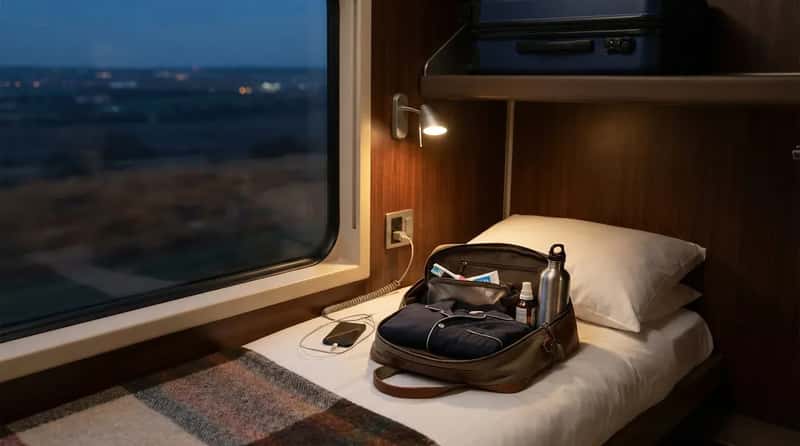
Veteran overnight travelers never dig through a fully packed suitcase at midnight hunting for a toothbrush. Instead, they build a small secondary bag with only what they’ll need between boarding and breakfast.
That usually means a toothbrush, sleepwear, a phone charger, any medication, and a refillable water bottle, kept within arm’s reach of the bunk. A sleeper train isn’t like a flight – you’re sleeping, changing clothes, and sometimes eating breakfast in that same cabin, so a two-minute packing habit ends up saving an hour of fumbling around in the dark.
#20 – They Bring Their Own Lock for Shared Compartments
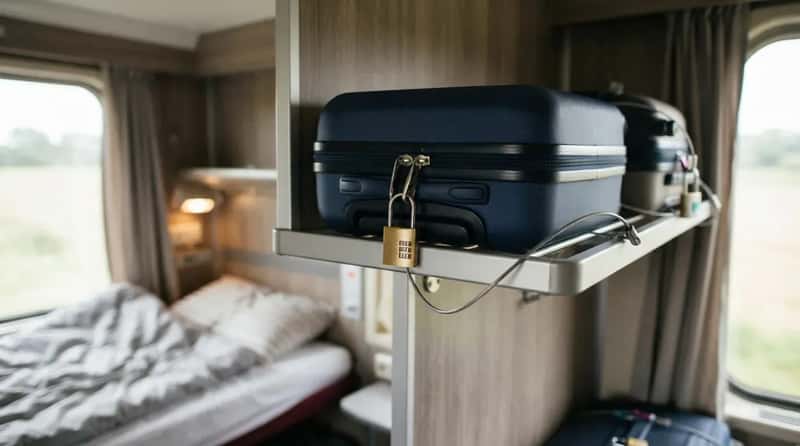
Experienced riders don’t assume a locked cabin door is enough protection when luggage is stacked in a shared space with total strangers. A small padlock has quietly become standard carry-on gear for anyone who’s ridden overnight more than once.
Locking your own bag adds a layer of security, especially in a shared cabin where you can’t watch your belongings all night. Some newer European sleeper cars even come with built-in security cables and NFC locks on the luggage racks now. Most first-time riders never think to check whether their bag can be secured at all until it’s already too late to fix.
#19 – They Know the Exact Day Tickets Drop, and They Refuse to Panic-Book Early
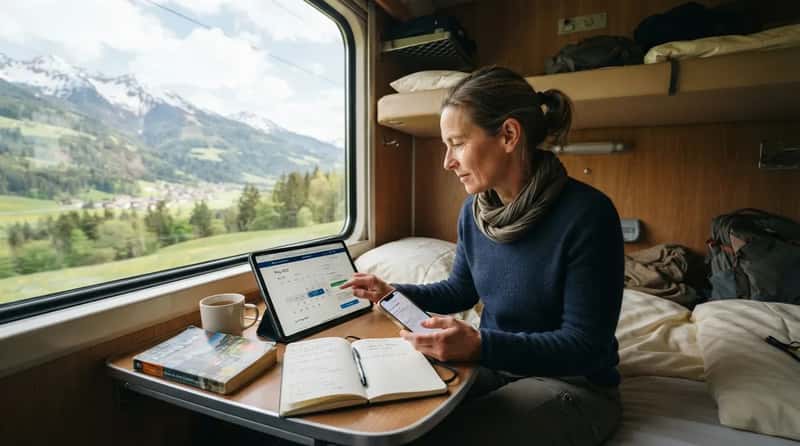
Here’s a truth that surprises a lot of new sleeper train travelers: booking too early can actually work against you. Seasoned riders track release dates instead of guessing, and they know that showing no availability doesn’t mean sold out – it often just means not released yet.
Operators frequently announce booking windows through newsletters or social media rather than opening sales far in advance. Most summer 2025 sleeper routes only became bookable in spring of that same year, which throws off American travelers used to booking a full year out. Riders who understand this timing avoid the frustration of staring at an empty calendar for months.
Fast Facts
- Booking windows are often teased through an operator’s newsletter or social feed, not a public calendar.
- Summer 2025 sleeper inventory largely opened in spring 2025 – not a full year ahead.
- An empty search result usually means “not released yet,” not “sold out.”
- Following official announcements beats refreshing the booking page for months.
#18 – They Skip the Hard-Shell Suitcase Entirely
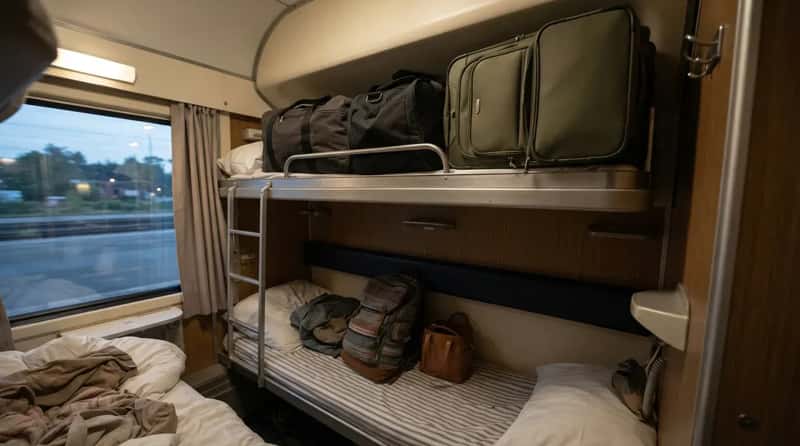
Anyone who’s tried wedging a rigid suitcase into a couchette luggage rack learns this lesson the hard way exactly once. Experienced riders switch to soft-sided luggage before they ever board.
A duffel or soft-sided bag simply flexes into tight spaces that a hard-shell case never will, and in six-berth couchettes especially, room disappears fast once everyone’s luggage is stacked. One oversized rigid suitcase can quietly eat up the storage space meant for three other passengers, and nobody in that cabin will let it slide quietly.
#17 – They Tag Their Bag So It Doesn’t Get Grabbed by Mistake
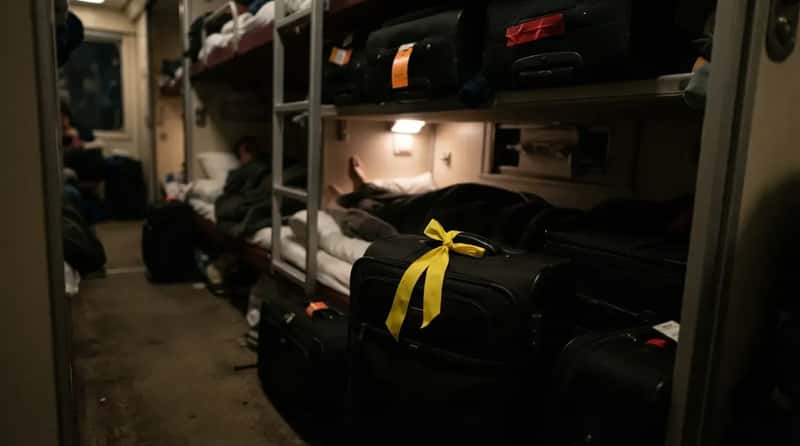
In a dim, crowded compartment at six in the morning, one black suitcase looks exactly like every other black suitcase. Experienced travelers solve this problem the night before it can even happen.
A ribbon, a bright tag, or even a cheap sticker does the trick, since compartments get chaotic and nobody wants to grab the wrong bag while half-asleep. It’s a two-dollar fix that prevents an awkward argument nobody wants to have in a moving train car at dawn.
#16 – They Know Their Exact Car Number Before They Even See the Train
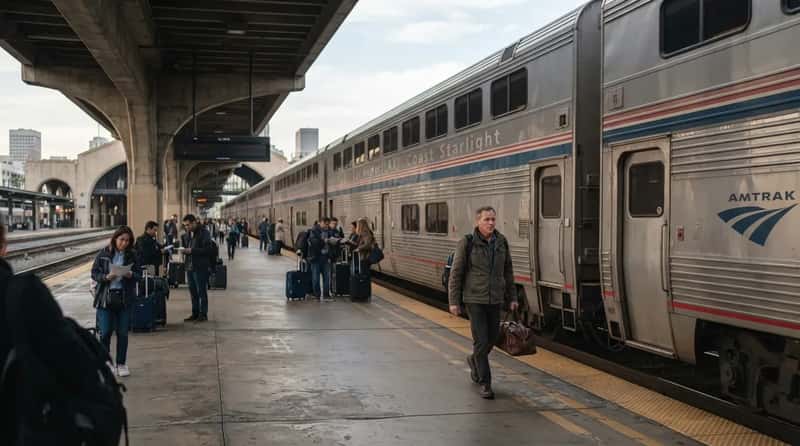
Sleeper trains in the U.S. can stretch impressively long, and finding the right car after the doors open is not the moment to start guessing. Veterans check their car assignment in advance, every single time.
Some Amtrak platforms require a genuinely long walk from the waiting area all the way to a sleeper car near the far end of the train. Showing up without knowing your car number means sprinting down a platform with luggage while the clock ticks toward departure – and that’s a stress no one needs before bed.
#15 – They Let Someone Else Carry the Heavy Bags
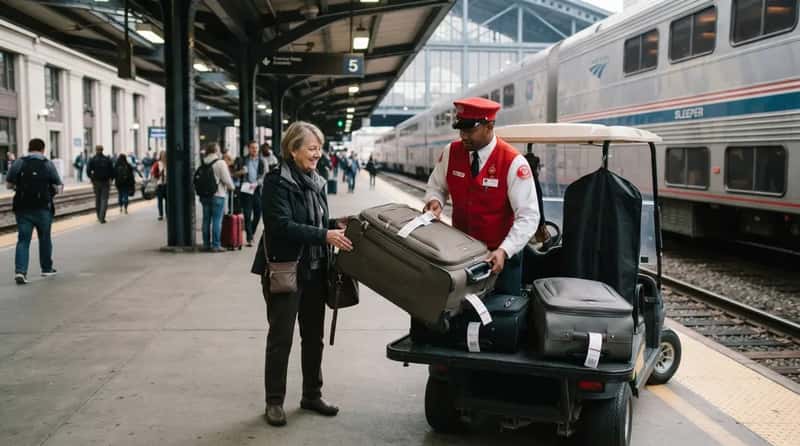
Pride gets a lot of first-timers in trouble here. Seasoned sleeper passengers know exactly when to hand off the heaviest bag instead of hauling it themselves across three platforms.
In major stations, Red Cap porters are available to help with luggage during boarding, and passengers often ride a golf cart or tram straight to their sleeping car. Most travelers have no idea this free-to-tip service even exists until after they’ve already thrown out their back dragging a suitcase the hard way.
#14 – They Know Which Stations Hide a Private Lounge
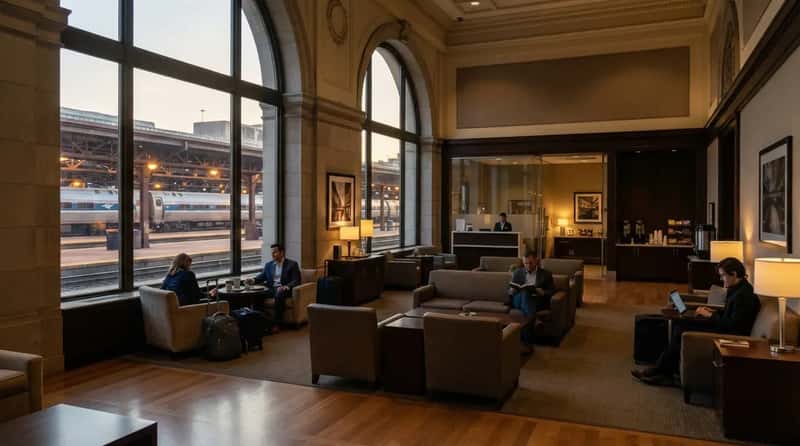
This is the detail that separates a stressful wait from a genuinely relaxing one, and most casual travelers have never even heard of it.
While almost every station has a general indoor waiting area, seven Amtrak stations – Boston, Chicago, Los Angeles, New York City, Portland OR, Washington DC, and Philadelphia – feature a private staffed lounge reserved for sleeper passengers. Sleeper Service riders get access to these quieter spaces instead of standing shoulder to shoulder in a crowded terminal for an hour before boarding.
At a Glance
- Boston
- Chicago
- Los Angeles
- New York City
- Portland, OR
- Washington, DC
- Philadelphia
#13 – They Double-Check Time Zones Before Crossing a Border Overnight
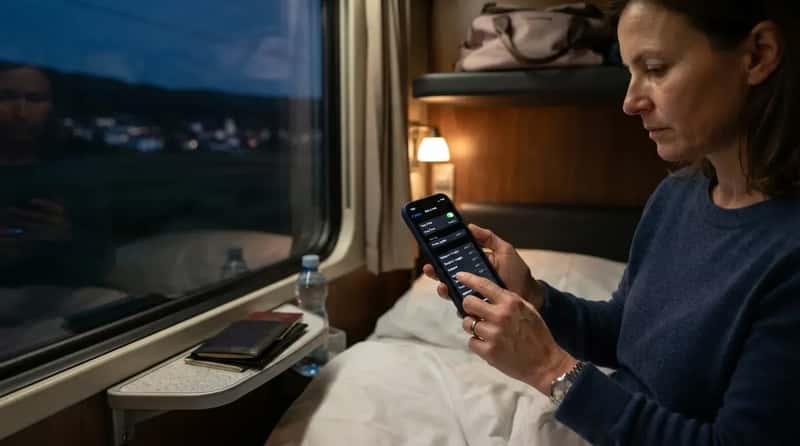
Waking up in a country you didn’t expect, at an hour your body doesn’t recognize, is more common than it sounds on multi-country night trains.
A route that leaves Vienna at 9 p.m. and crosses a time zone overnight can arrive an hour earlier or later than a groggy passenger assumes. Experienced riders manually set their phone’s time zone the night before rather than trusting an auto-update to sort itself out somewhere in the dark between countries.
#12 – They Confirm the Dining Style Before They Even Step On
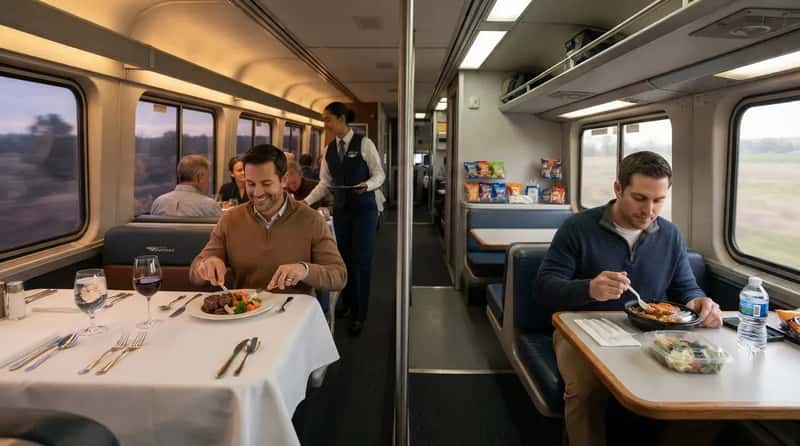
Not every sleeper meal experience is the same, and veterans never assume they’re getting the fancy version. Amtrak actually runs two very different dining styles depending on the route.
Traditional service means chef-prepared meals in a full dining car, while Flexible service means a smaller menu of hot and cold prepackaged food. Guessing wrong about which one is running can mean missing the one seating window that actually mattered to your whole day.
Quick Compare
- Traditional service: Chef-prepared meals served in a full dining car.
- Flexible service: A smaller menu of hot and cold prepackaged food.
- Smart move: Confirm which style your route runs before boarding, not after.
#11 – They Pack Snacks Even Though Meals Are Included
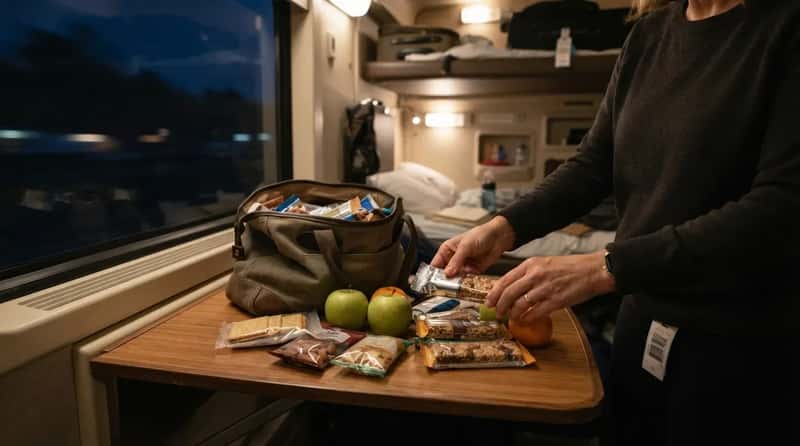
Here’s a slightly controversial opinion among sleeper train veterans: included meals are a nice perk, not a guarantee you’ll never be hungry at 2 a.m. Booking a private room does come with complimentary breakfast, lunch, and dinner in the dining car.
But dining car hours don’t stretch to cover every hour of an overnight trip. Most experienced riders quietly stash granola bars or fruit in their carry-on, simply because the dining car closes long before hunger actually does.
#10 – They Dress Down, Not Up, for Bed
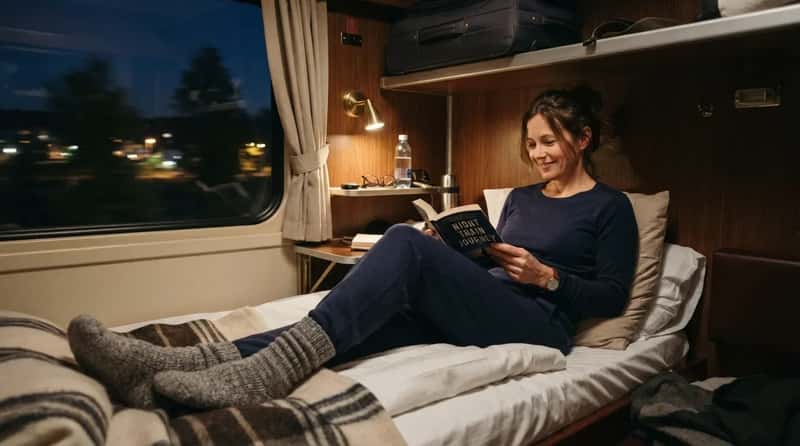
New passengers often bring the same pajamas they’d wear at a hotel. Veterans know a sleeper cabin has its own unpredictable climate personality entirely.
Loose-fitting sleep clothes and warm socks make a bigger difference than people expect, since cabin temperatures swing wildly depending on the car and the season. The single biggest sleep-quality mistake first-timers make is packing stylish sleepwear instead of genuinely warm, comfortable layers.
#9 – They Never Board Without Earplugs and an Eye Mask
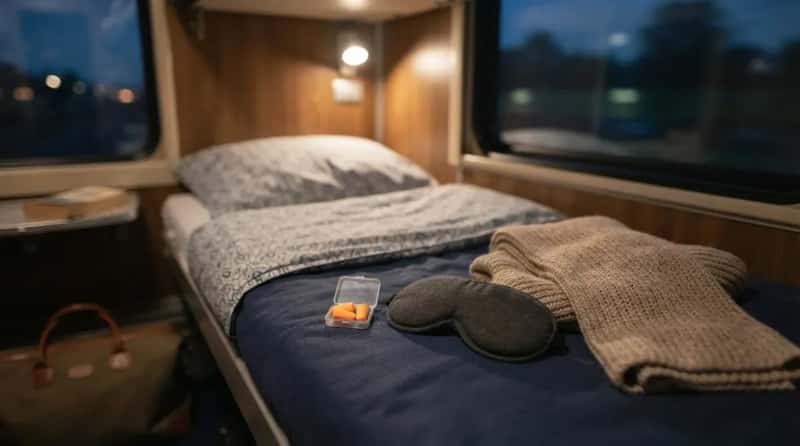
Ambient train noise is louder and more constant than most people expect, and it doesn’t politely stop just because the lights go off. Track noise, door clicks, and neighboring conversations carry more than anyone anticipates.
Packing an eye mask, earplugs, and a cozy scarf makes a noticeable difference in actual sleep quality overnight. Frequent riders will tell you a sleeper cabin is often louder than a hotel room, not quieter – and that catches a lot of first-timers completely off guard.
#8 – They Keep Valuables on Their Body, Not in Their Bag
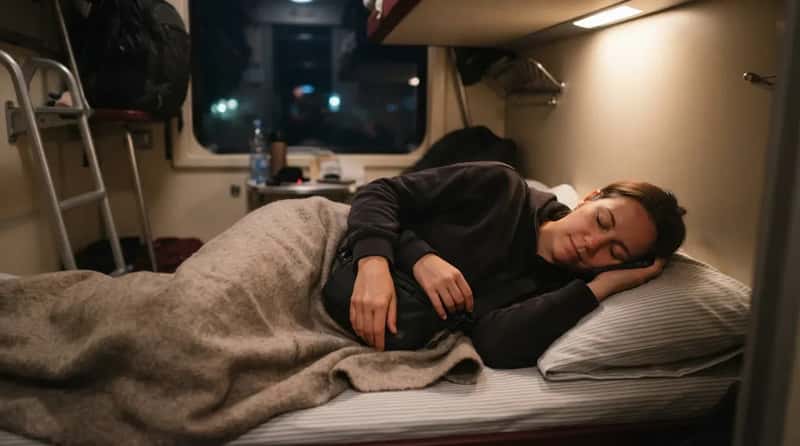
This is a habit almost every frequent night-train rider swears by, and almost no first-timer thinks to do. Securing a phone, ID, or wallet inside a pillowcase, or wearing a small crossbody bag while sleeping, prevents overnight theft.
It’s a small step that solves the one scenario every solo traveler quietly worries about – drifting off with a wallet sitting in a bag someone else could easily reach. Once you’ve done it once, it becomes second nature every trip after.
#7 – They Book the Top Bunk on Purpose
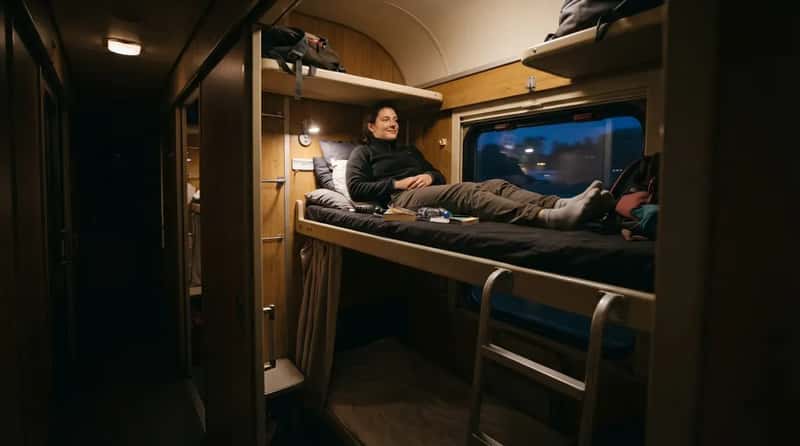
Plenty of travelers assume the lower bunk is automatically the better pick. Experienced solo riders often argue the exact opposite, and they’re not shy about it.
Choosing the top bunk, when it’s an option, makes it physically harder for anyone to reach your belongings during the night. It’s a controversial choice since climbing up is more effort, but frequent solo travelers insist the security trade-off is worth it every single time.
Worth Knowing
- Top bunks sit farther from cabin doors and late-night aisle traffic.
- Climbing up takes more effort, especially with limited headroom.
- Frequent solo travelers say the extra security beats the extra climb.
#6 – They Test the Cabin Lock the Second They Sit Down
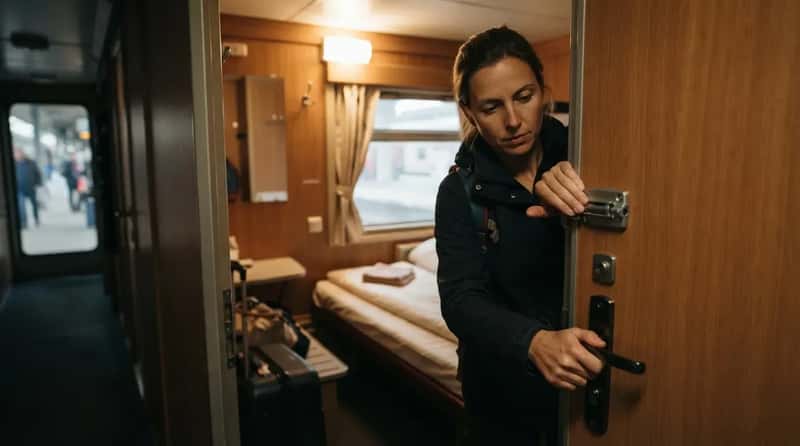
Not all sleeper cabins lock the same way, and experienced riders never assume theirs works until they’ve physically checked it themselves. Some trains use standard bolt locks, while newer trains like Nightjet rely on key cards.
Skipping this thirty-second check is exactly how people end up realizing at midnight, somewhere in the middle of the journey, that their door never actually latched shut. Veterans test it before they’ve even unpacked.
#5 – They Request a Specific Side of the Train
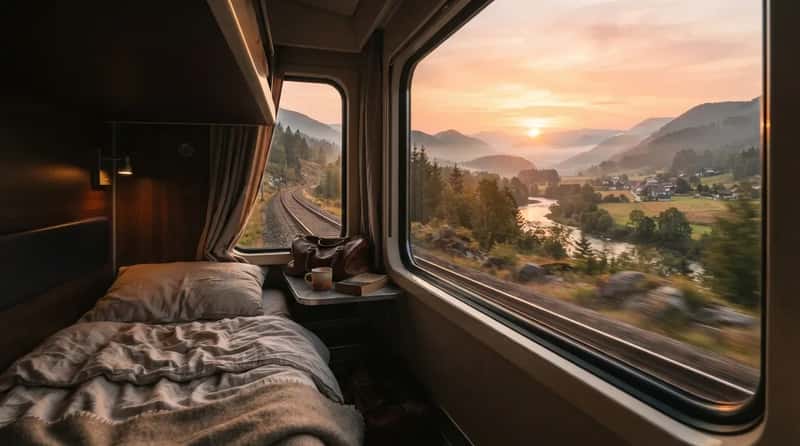
This one sounds like overkill until you’ve watched sunrise happen on the wrong side of a moving train and missed it entirely. A lower bunk on the right side can mean the difference between a golden view and a blank wall.
Requesting a specific side lets passengers watch the landscape light up at dawn instead of staring at nothing while the actual view unfolds on the other side of the car. Most riders never think to ask, and only find out which side had the view once it’s already gone.
#4 – They Tip in Cash, Not on a Card
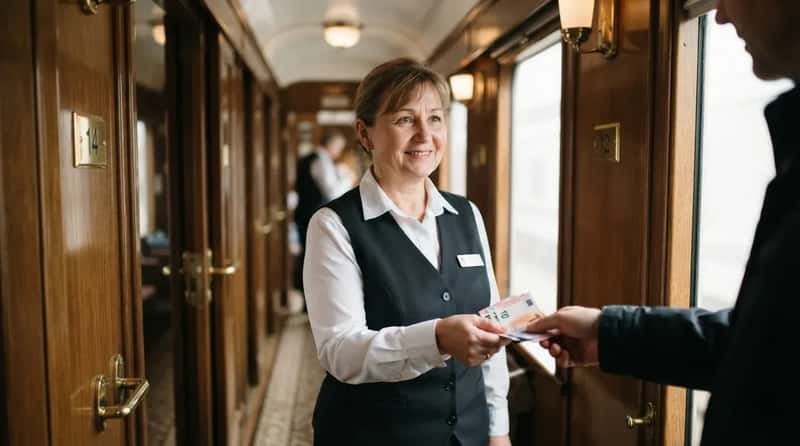
This is one of the more old-school habits that’s stuck around for a reason, and it still catches new sleeper passengers completely off guard. Tipping the sleeper car attendant and dining room servers is genuinely expected on overnight routes.
Attendants work long, odd hours converting seats into beds and alerting passengers to stops and mealtimes throughout the night. Experienced riders often tip extra in cash when service has been excellent, since a card swipe simply isn’t the standard here yet.
#3 – They Request the Last Bed Turndown, Not the First
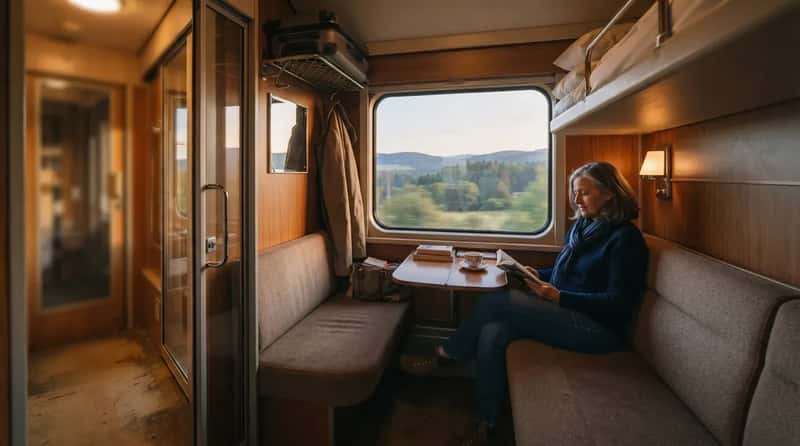
This is a small preference, but it’s one almost every repeat sleeper passenger has strong opinions about. Requesting to be one of the last cabins turned down at night, and one of the first put back together after breakfast, changes the whole shape of the trip.
It means more usable daytime seating and a later, less rushed bedtime instead of an awkward early evening spent staring at a made-up bed. It’s a quiet request most passengers never think to make, yet it reshapes the entire rhythm of the ride.
#2 – They Carry a Genuinely Weird Fix-It Item: A Duct-Taped Pen
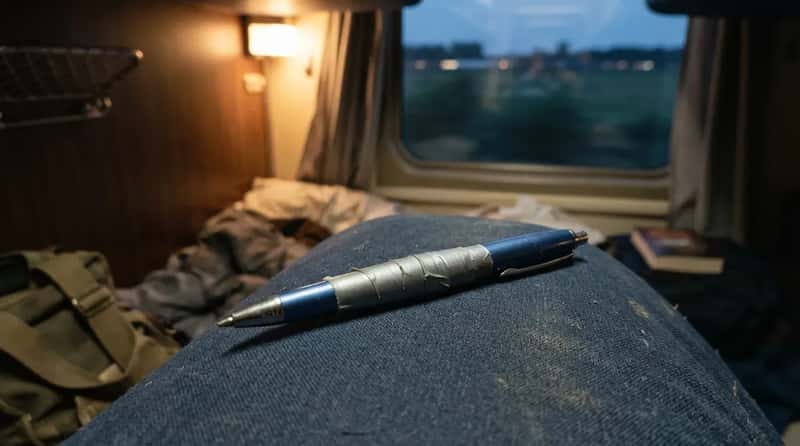
This is the kind of tip that sounds made up until someone actually explains why it works. A pen wrapped in duct tape barely adds any weight to a bag, but it becomes surprisingly useful fast.
It can plug a vent blasting air like a tornado directly onto a bunk, patch a torn piece of clothing, or quiet a rattling door in the middle of the night. It’s the single strangest packing habit among veteran sleeper train riders, and the ones who use it swear it’s saved more nights than any app or gadget ever has.
#1 – They Stop Rushing and Let the Platform Be Part of the Trip
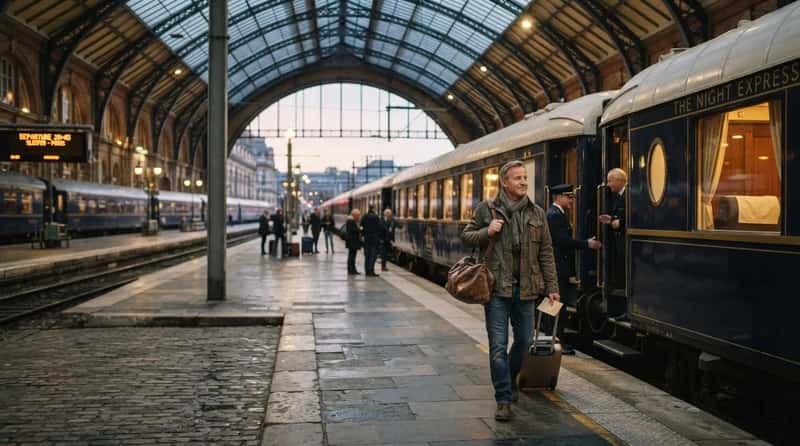
This is the habit that actually separates a true sleeper train veteran from everyone else, and it has nothing to do with gear at all. There’s something genuinely timeless about falling asleep as a city fades behind you and waking to a new skyline at dawn.
Experienced riders arrive early on purpose, not out of anxiety, because the walk down the platform toward a waiting sleeper car is part of the experience, not a chore to rush through. No airport queues, no hotel check-in lines, just the sound of the train waiting. They’ve learned the trip doesn’t start when the wheels move – it starts the moment they stop checking the time.
None of these habits require expensive gear or insider connections, just a little foresight most travelers pick up the hard way, usually after one rough night teaches them the lesson. From duct-taped pens to knowing exactly which station hides a private lounge, the gap between a miserable overnight and a genuinely great one usually comes down to five minutes of prep before boarding.
The next time you book a sleeper cabin, it might be worth borrowing at least a few of these tricks before you ever set foot on the platform.