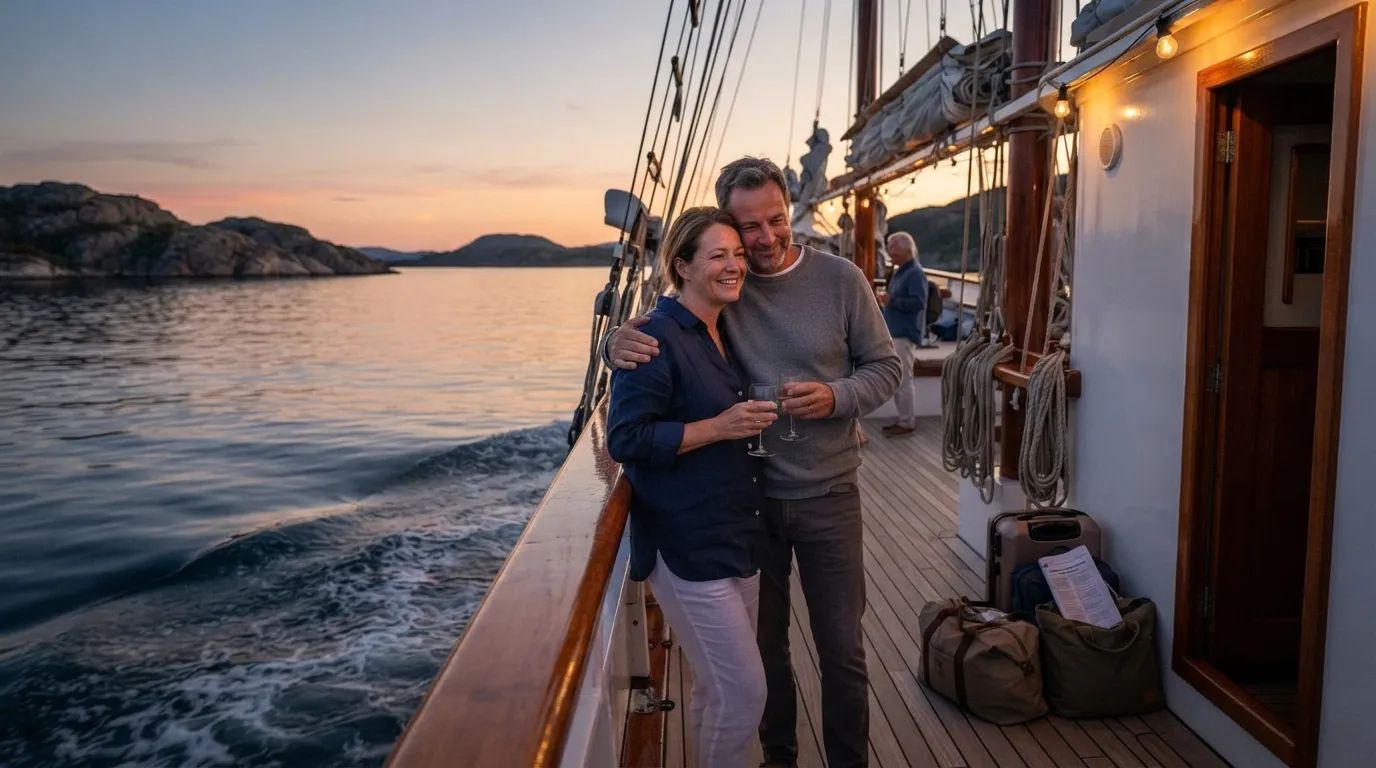
Small ship sailing looks like a big cruise with the volume turned down: fewer decks, fewer people, same sunsets. Then the second morning arrives and that picture falls apart. Here is what seasoned small-ship travelers and cruise advisors tend to mention only after you’re already aboard.
Day one is luggage, lanyards and a safety briefing. Day two is when the ship’s real personality shows up: the odd schedule, the crew who already know your name, the cove no giant ship could ever enter. Some of these surprises are delightful. A few can wreck a day if you don’t see them coming.
#1 – Your Luggage May Not Beat You to the Cabin

Boarding feels easy, so most people assume their bags will be waiting in the cabin. That’s a gamble. Bags sometimes arrive early, but there are no guarantees, and travel advisors routinely tell guests to keep swimwear, a change of clothes and must-haves in a carry-on.
Cabins run on their own timeline too. Rooms are typically ready around 2-3pm, though you can often board near noon. That leaves a gap where you’re standing on a ship with nowhere to put your things, and a well-packed day bag turns that awkward gap into a head start.
#2 – The Safety Drill Is the One Thing You Can’t Skip

Some travelers treat the muster drill like optional homework. It isn’t. Passenger ships are required to hold a safety drill within 24 hours of sailing, and that rule applies to tiny ships just as it does to giant ones.
The difference is the atmosphere. On a small vessel, the entire passenger list can often fit in one room, so the crew can see exactly who is missing. Skipping it is the fastest way to be remembered for the wrong reason. It’s also your first look at the people you’ll be sharing every meal with.
Fast Facts
- The drill must happen within 24 hours of departure.
- Crew show you where your life jacket is and where to gather.
- On a small ship, a missing passenger gets noticed almost instantly.
- It’s also the first time the whole group is in one room.
#3 – Everyone Will Know Your Name by Breakfast

A giant ship lets you vanish for days. A small one doesn’t. One small-ship comparison sets roughly 40 passengers against the 3,000 people aboard a big ocean liner, and at that scale anonymity is gone.
By day two, the crew recognizes you. So do the passengers who share your table, your deck and your Zodiac boat. Introverts often dread this, but plenty end up enjoying being known for the first time on a vacation.
#4 – The Snack Gap That Catches Everyone Once
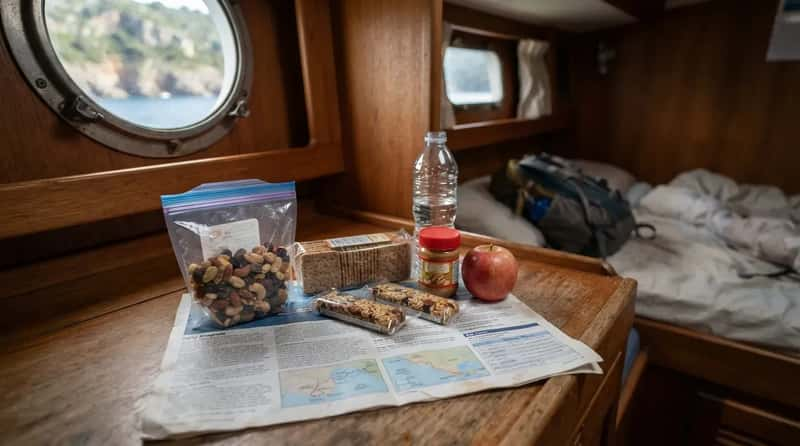
Big ships feed you around the clock. Small ones often run on a schedule, and on a smaller ship you can hit a lull of a few hours with no snack options at all.
That’s a classic day-two mistake. You skip a meal for a long hike, then come back to a quiet galley and a growling stomach. The fix is a small stash of your own snacks.
- Pack a few shelf-stable snacks in your cabin.
- Read the daily program the night before.
#5 – Ship Time and Port Time Can Be Two Different Things
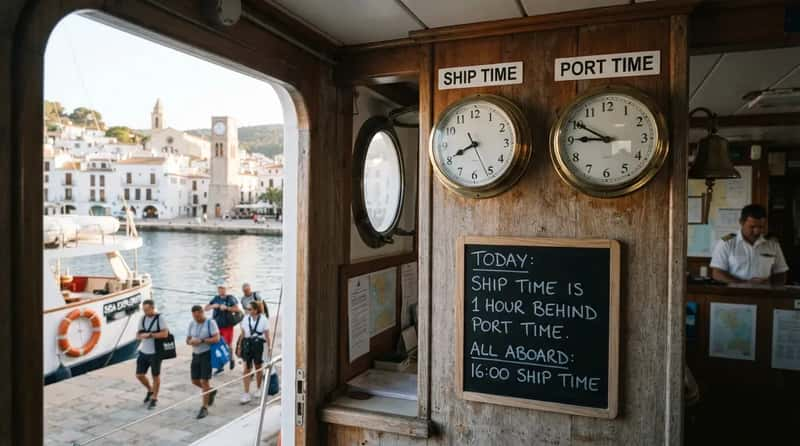
You wake up, check your phone and think you’re running early. You might be an hour off. Ship time can differ from local port time, so ask the crew which clock to follow and set your phone to match.
This matters most on departure day. Small ships keep tight schedules in small harbors. Being late can mean watching your floating home for the week sail away without you.
#6 – Your Phone Quietly Becomes a Paperweight
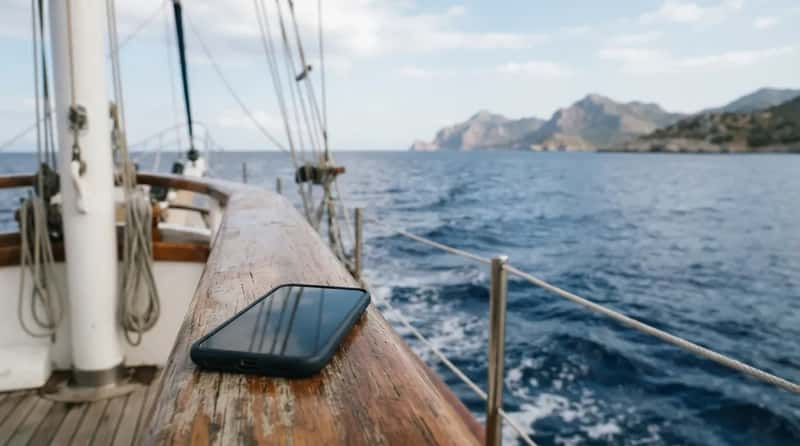
Connectivity at sea is the first thing people complain about. Later, many say it was the best thing that happened to them. One travel blogger advises turning off mobile data at sea and using the cruise line’s free app for notices instead of paying for ship Wi-Fi.
Save the scrolling for land. Do your online browsing in port, ideally on free Wi-Fi in public spaces or local restaurants. Surprise roaming charges are the souvenir nobody wants.
#7 – A Small Ship Moves Differently Than You Picture
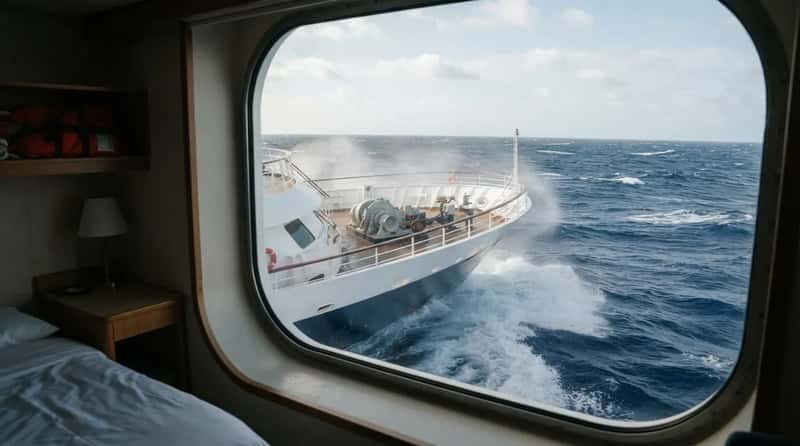
Most first-timers imagine the smooth glide of a giant liner. Smaller vessels tend to feel the water more. That doesn’t mean misery, but it does mean your cabin choice matters.
The guidance is simple: midship and a lower deck move the least, while forward and high move the most. Cabin placement matters more than any remedy you pack. A bargain top-deck room at the bow can cost you an entire day.
#8 – The Cold Catches Out the Over-Packers and the Under-Packers
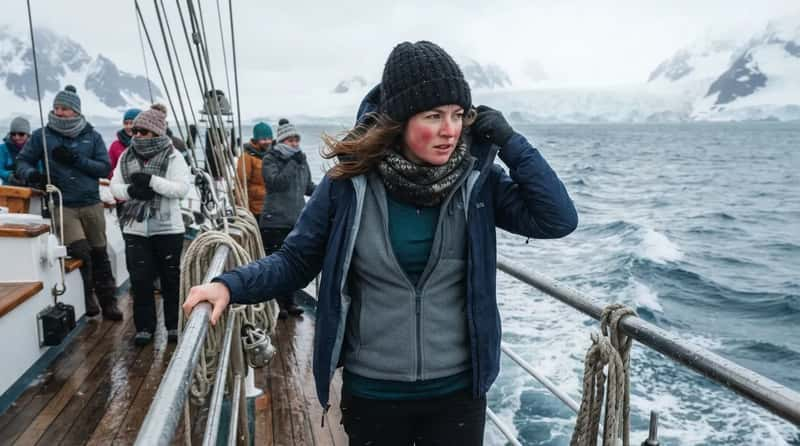
Water makes its own weather. Standing out on the water or a hillside in the wrong clothes gets cold fast. Small-ship days often mean hours on deck, so you feel every breeze.
Here’s the part retailers won’t tell you. A seasoned Antarctica traveler advised bringing lots of layers but not stressing over expensive technical clothing. Old yoga gear can work as a base layer.
#9 – The Bridge May Be the Best Seat on the Ship
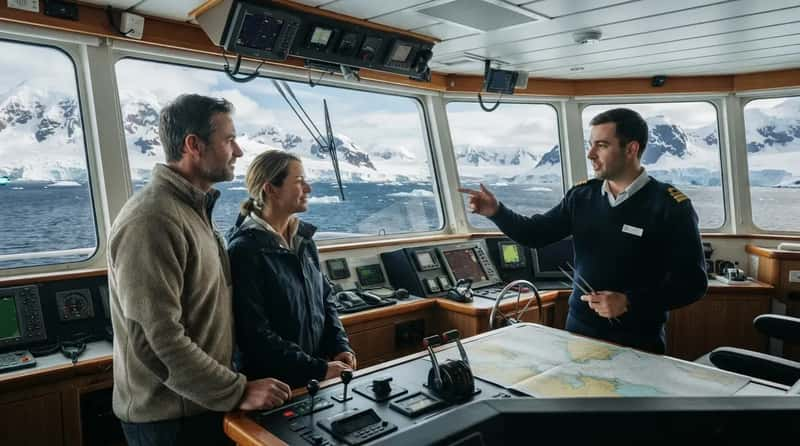
On big ships, the bridge is a locked door. On many small ones, it’s a destination. One Antarctica traveler’s advice was blunt: spend as much time on the bridge as possible.
Policies vary by ship and line, so ask on day two instead of assuming. When it’s open, you see what the officers see. You watch the route being chosen in real time.
Quick Compare
- Big ocean liner (about 3,000 guests): the bridge is usually off-limits.
- Small ship (about 40 guests): the bridge is often open, depending on the ship’s policy.
- Best move: ask a crew member which hours are open.
#10 – Skipping the Lectures Is a Mistake You Feel Later
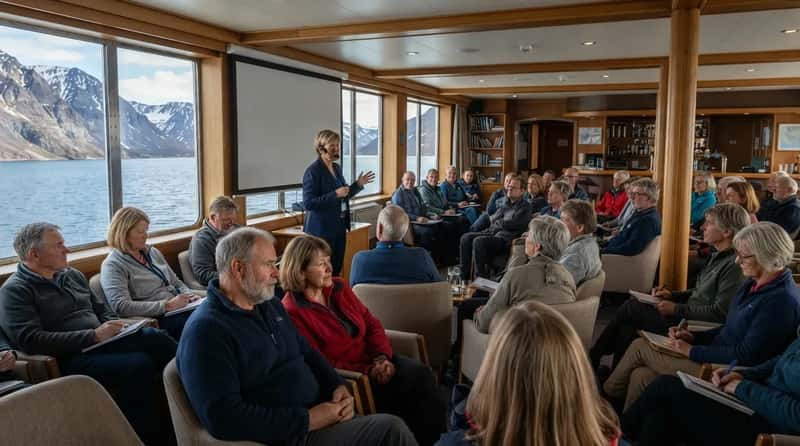
Here’s a hot take: treating the talks as filler is one of the biggest ways to waste a small-ship trip. The same traveler who loved the bridge also said to go to all of the lectures.
Many small-ship itineraries are built around where you’re going, so the talks give context for the shoreline you’re about to see. Experienced travelers say the talks change what you notice outside the window.
#11 – Tipping Rules Can Catch You Off Guard
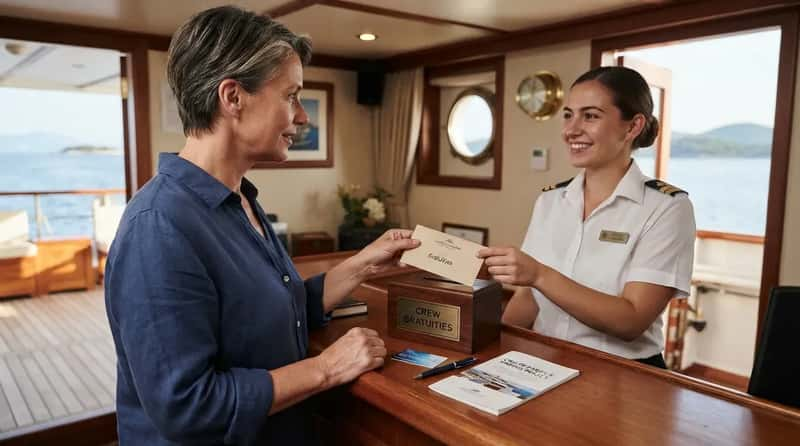
Tipping is the one cost that surprises people who thought they’d paid for everything. On many mainstream lines, gratuities are added automatically to your account per person per night, including sea days. Small-ship lines don’t all follow that pattern.
Some include tips. Others suggest a daily amount or a pooled envelope at the end of the trip. Read your line’s policy before you board, not on the last night.
#12 – You’ll Anchor Where the Big Ships Can’t Go

This is the real reason people switch. A small ship can slip into bays and fjords that big ships can’t enter. That changes what a “port day” even means.
Some stops are a tiny pier. Others are a quiet cove with no dock at all. The best moments often happen where there’s nothing to buy.
- Expect fewer shops and more scenery.
- Bring cash for small local stops.
#13 – The Elevator Question Nobody Asks Before Booking
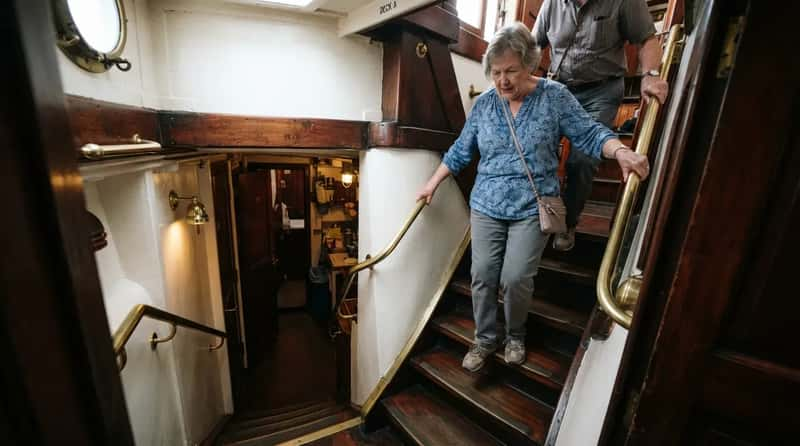
Here’s an unpopular truth: not every small ship is easy to get around. Some have few or no elevators, and some decks are reached by steep stairs.
That’s a big deal for travelers with mobility needs, and many people only find out after they’ve booked. Ask for a deck plan and check which public rooms and cabins are reachable without stairs.
#14 – The Cabin Is a Puzzle, Not a Room
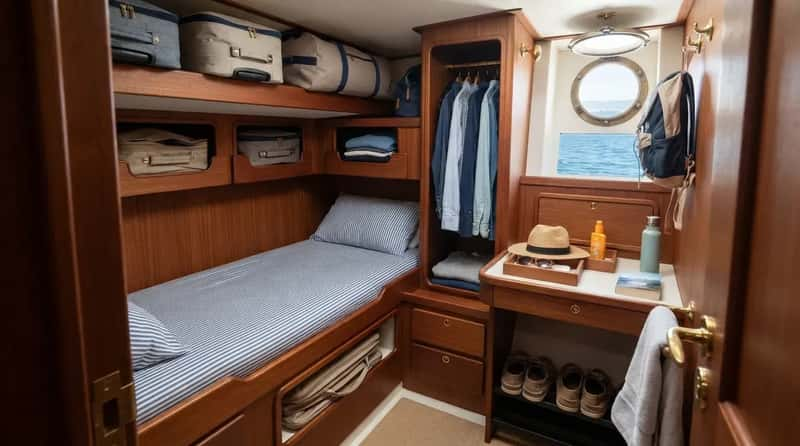
Small-ship cabins reward the organized. Storage is tight, and the hard-shell suitcase you love becomes a floor hazard. Soft bags that fold flat are the quiet favorite.
Day two is when it hits. You’ve dug through your bag four times and your shoes are somehow always in the way. Unpack everything on day one and stow the empty bag.
At a Glance
- Soft, foldable bags beat hard-shell suitcases.
- Unpack on day one so nothing lives on the floor.
- Keep daily items, like a hat and sunscreen, in one grab-and-go spot.
- Store the empty bag as soon as it’s flat.
#15 – Don’t Expect a Broadway Show Every Night
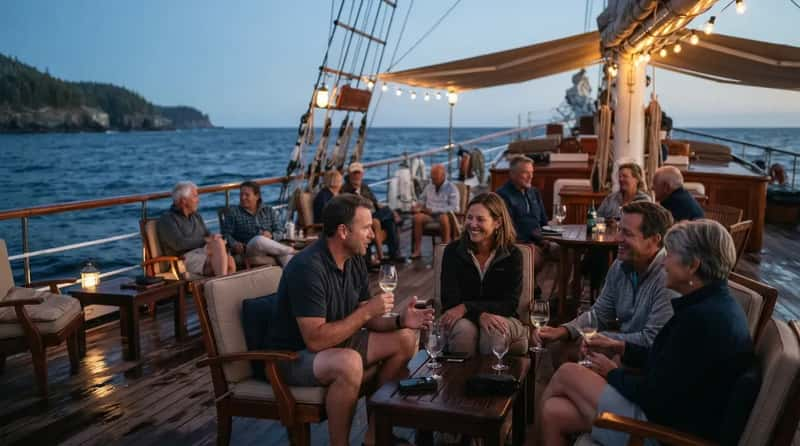
If you picture a theater, a casino and a nightclub, you’re picturing a bigger ship. As one cruise guide puts it, anything larger than a small ship or river ship might offer a dinner show or stage production.
Small ships swap spectacle for something else. Think a naturalist’s talk, a quiet drink or a story from the crew. For some people that’s a downgrade, and for others it’s the whole point.
#16 – Booking the Excursion Isn’t Always the Safe Move
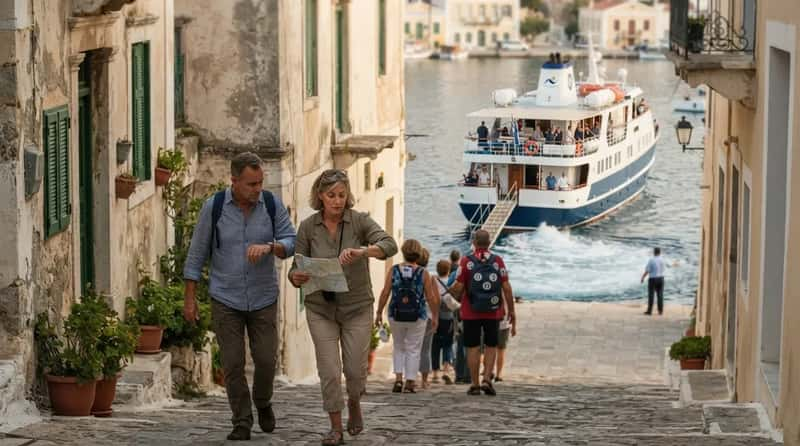
The common advice is to book through the ship, and there’s a reason. If an official excursion runs late, the ship waits for it. That’s comforting on a tight schedule.
But it’s not the only option. One travel writer suggests mixing it up, with some days on ship excursions and some days on your own. Just remember that on a small ship, a late solo stroller is easy to notice and easy to leave behind.
#17 – The Itinerary Is More of a Suggestion
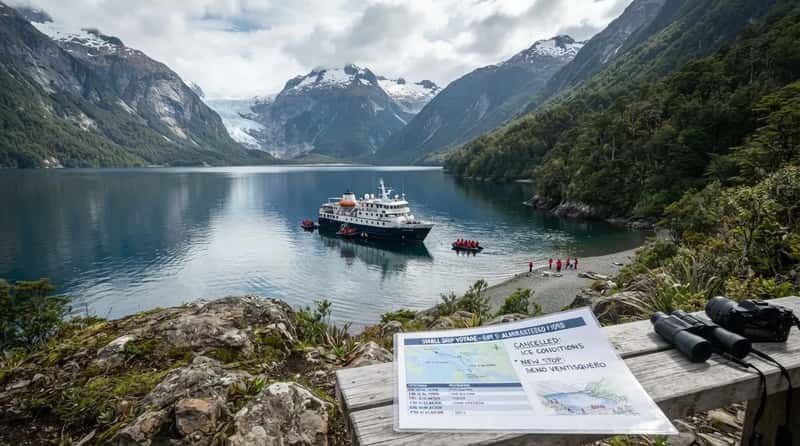
The printed route looks fixed. It often isn’t. Wind, swell and local conditions can change where a small ship stops, and captains make those calls with safety first.
Travelers who handle this well treat the schedule as a plan, not a promise. Some of the best landings happen because plans changed. The people who struggle are the ones counting ports like a checklist.
Why It Stands Out
- Small ships are nimble enough to switch to a sheltered bay when conditions turn.
- The captain’s call always puts safety ahead of the printed schedule.
- A swapped stop can turn into the trip’s best story.
- Flexible travelers tend to enjoy these detours most.
#18 – The Crew Becomes Your Most Underrated Attraction

On a big ship, staff can still remember you across a crowd. Even there, wait staff may engage with you and note your favorite drinks. On a small ship, that attention is everywhere.
The bartender, the guide and the officer all share the same tiny space with you. By day two, they’re asking about your last hike. That kind of recognition is hard to find on a larger vessel.
#19 – Leave the Tuxedo at Home
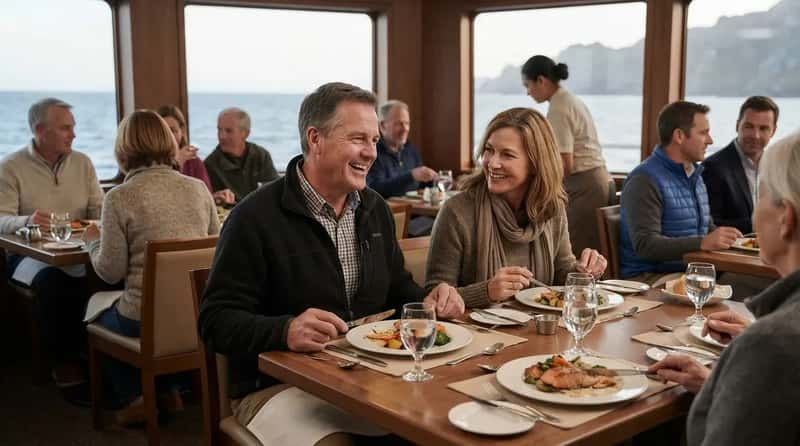
Here’s another opinion that will start a fight at the dinner table. Formal nights are a big-ship tradition, and lugging evening wear onto a small ship is a classic packing mistake.
The general rule on cruises is that daytime is casual, with comfortable shoes for port days. On smaller ships, evenings tend to follow suit. You’ll see more fleece than formalwear. Check your line’s dress guidance, but pack light.
#20 – Sea Days Might Be the Real Highlight
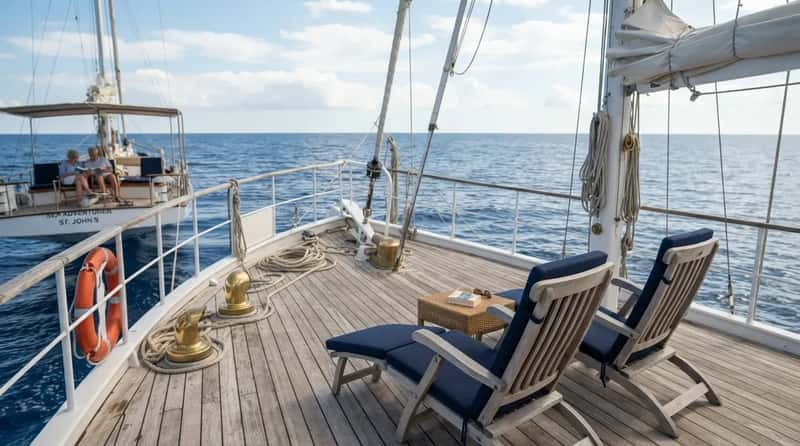
Everyone books for the ports. Then the quiet days sneak up on them. One travel advisor says some clients end up calling sea days their favorite part, because they finally feel like they can just be.
On a small ship, a sea day is its own event. You watch the horizon, chat with strangers and learn the ship’s rhythm. The days with nothing planned are often the ones people retell.
#21 – The Last Night Arrives Before You’re Ready

Small-ship trips feel long on day one and short by day five. Then comes packing. On many cruises, bags are packed and placed outside your stateroom so they can be offloaded to the dock in the morning, though small ships may handle this differently, so check your instructions.
That makes the last evening oddly busy. You’re saying goodbye to people you’ve known for only days but somehow feel you’ve known much longer. Take your photos and swap contact details before the packing starts.
Worth Knowing
- Check the disembarkation instructions for your ship’s luggage routine.
- Keep tomorrow’s outfit, documents and meds out of the packed bag.
- Settle any onboard account and tips before the final evening rush.
- Trade contact details while everyone is still in one place.
#22 – By Day Two, You Stop Being a Passenger

This is the truth travelers keep coming back to. On a ship this small, you aren’t one of thousands. You’re part of a floating neighborhood where people know your name, your coffee order and your cabin.
Many people discover this around the second morning. The routine settles, the faces become familiar and the ship stops feeling like a product. For many travelers, that is the reason they sail small again.
Small ship sailing rewards the traveler who adjusts fast. Pack a day bag, pick a midship cabin, check the schedule for snack gaps, layer up and ask to see the bridge. Skip the formalwear and expect the itinerary to move.
The real payoff isn’t a feature in the brochure. It’s the moment you realize everyone aboard knows you. What was the first thing that surprised you on day two of your small-ship trip?