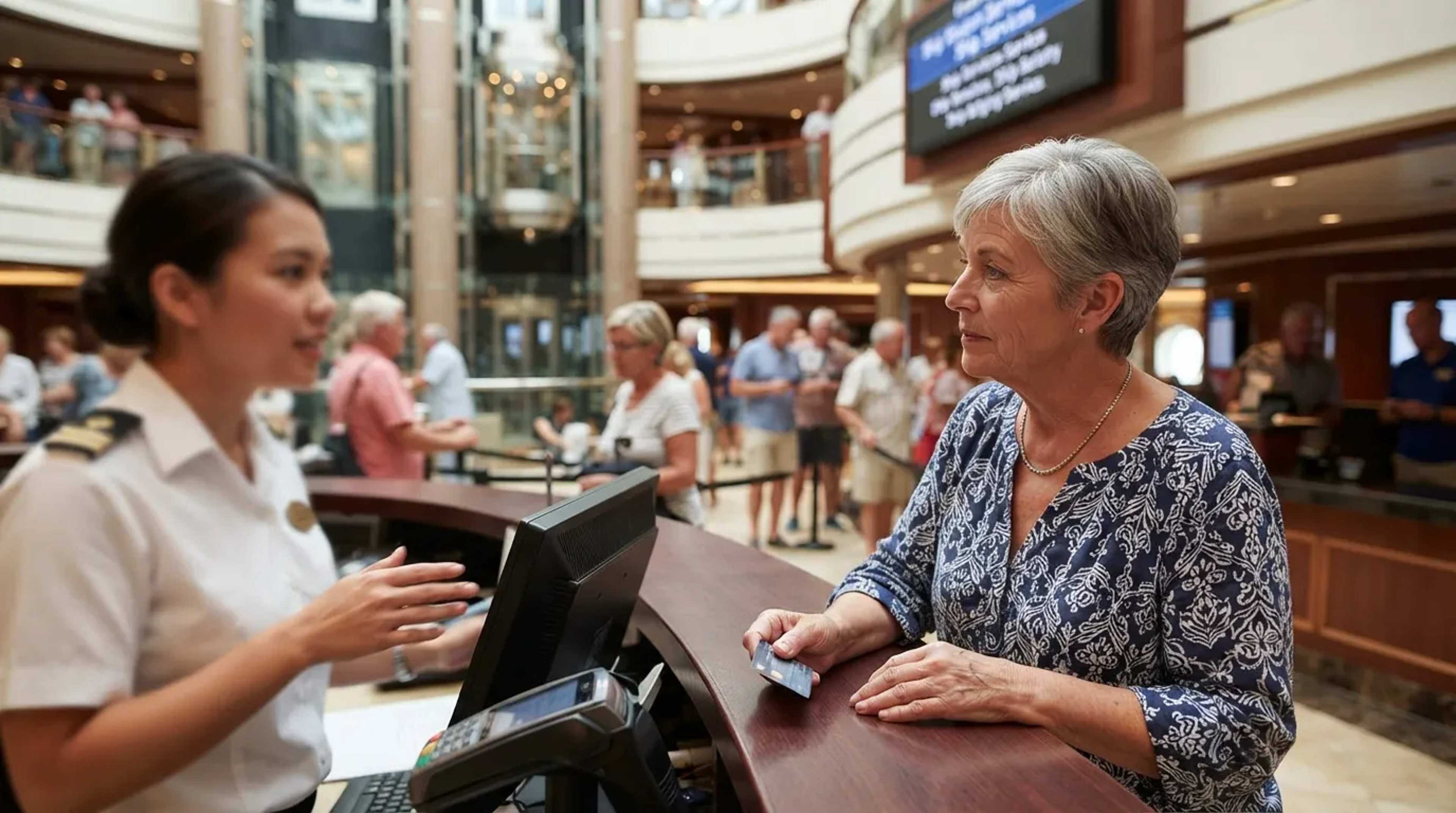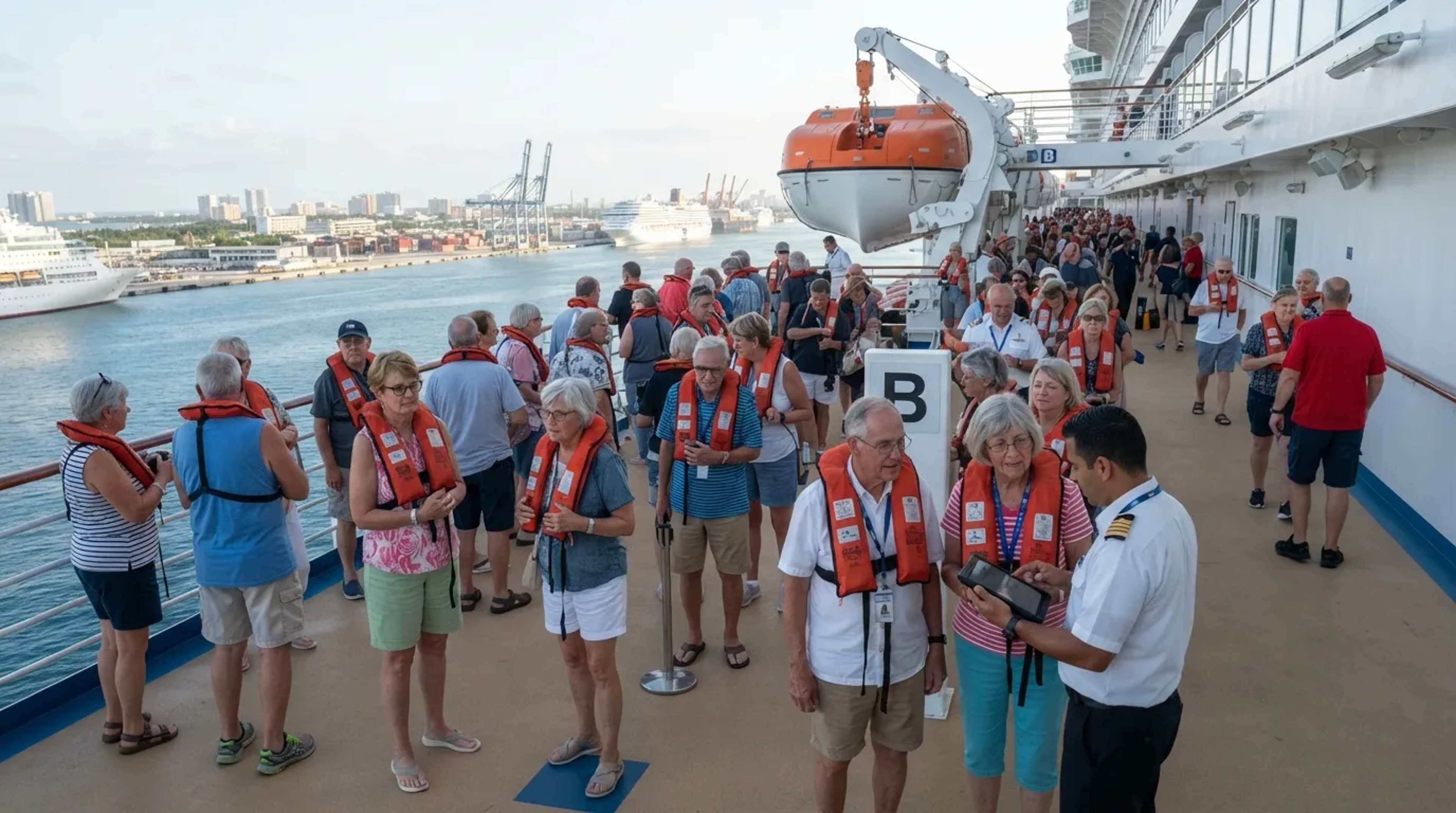

Most cruisers know the 90-day mark. It is often when final payment is due, and missing it can get a booking canceled.
But that date is not the one that protects you. These 15 deadlines run from the one printed on your confirmation to the one that matters most.
One of them falls months earlier and decides whether a heart condition or a recent surgery is covered at sea. It is tied to the largest bill in this piece, and it is waiting at #1. First comes the payment date, because the rules for it vary far more than the number 90 suggests.
#15 – The Final Payment Date on Your Confirmation

The 90-day figure is common but far from universal. A trade roundup of major lines lists final payment deadlines ranging from 60 days to 150 days before departure.1
Oceania Cruises sets it at 150 days before sailing on its standard voyages.2 A number remembered from a past cruise on another line may not apply to this one.
Length and cabin class change the date too. On at least one line, cruises of 10 nights or longer come due 120 days out, and certain suites come due no later than 150 days before departure.
The only date that binds you is the one printed on your own confirmation. Put it on the calendar with a reminder two weeks ahead, and check that the card you plan to use has room for the balance.
What it costs to cancel is set by that same date.
#14 – What a Cancellation Costs Once Payment Is Due

Cancelling stops being cheap at about the point you pay in full. Carnival’s ticket contract starts taking the deposit 75 days before sailing on cruises of two to five days, and 90 days before sailing on cruises of six days or longer.3
That 90-day mark also covers all Alaska, Europe, transatlantic and Panama Canal sailings. A published schedule from a line with a 90-day deadline keeps the deposit from day 89, then takes 50 percent, then the full fare inside 30 days.
Booking late is harsher still. On some lines, a booking made inside 90 days is due in full when you book and is nonrefundable, so a last-minute bargain can be the one booking you cannot back out of.
Quick Compare
- Carnival, 2 to 5 nights: deposit loss begins 75 days out
- Carnival, 6+ nights, plus Alaska, Europe, transatlantic and Panama Canal: deposit loss begins 90 days out
- A 90-day line’s schedule: deposit kept from day 89, 50 percent next, full fare inside 30 days
- Booking inside 90 days on some lines: due in full at booking and nonrefundable
My view is that the payment date is the day you commit. Settle your dates, your cabin and your travel partner’s health before it, because a fare that looks low loses its appeal once cancelling costs you the deposit.
Online check-in often opens within the same stretch of weeks, and it brings a choice that is easy to waste.
#13 – Online Check-In and the Arrival Time You Pick

Online check-in often opens 45 to 90 days out, depending on the line. That is when you pick a time to arrive at the terminal.
Early arrival times go first, so waiting a week after check-in opens can leave you only the slots you would not have chosen. The same screen is where lines let you book dining, excursions and packages.
Have your passport details, a payment card and an emergency contact ready before the day arrives. The form asks for all three, and it goes faster in one sitting.
I would pick a slot you can reach comfortably rather than the earliest on offer. Arriving rushed after a long travel day is a poor way to begin.
If you use a wheelchair or walker, send the line’s accessibility form too, since it is best submitted soon after booking.4
#12 – Dining, Excursions and Spa Times Before They Fill
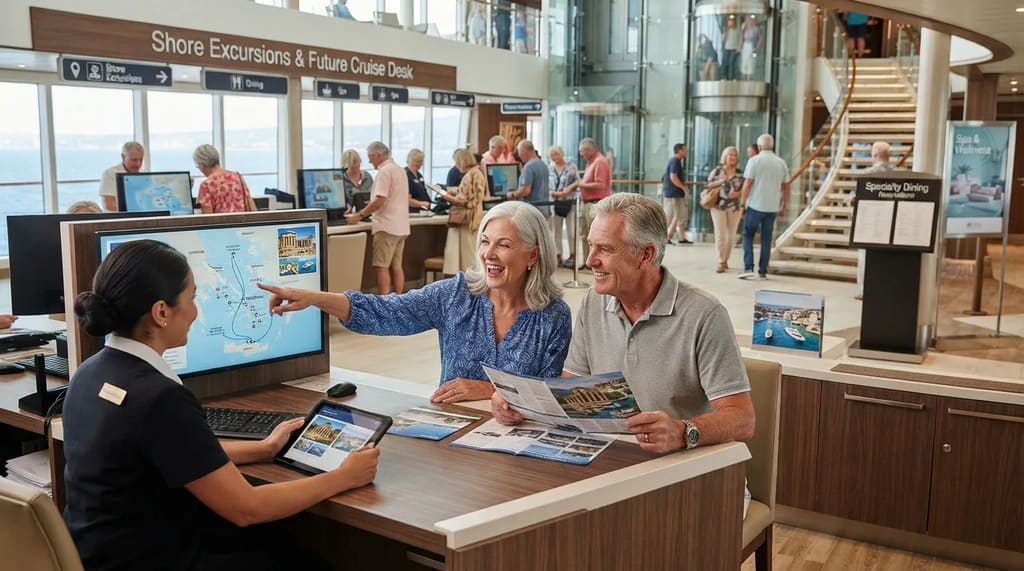
The window for booking extras opens early. The advice for specialty dining, shore excursions, spa visits and drink or Wi-Fi packages is to book them 60 to 30 days out, because popular times sell out and pre-cruise sale prices are often lower than onboard.
Capacity explains why. A small restaurant has only so many tables, and an excursion with an accessible vehicle has fewer seats than a regular one.
Late booking leaves you the awkward dinner hour or no seat at all. Excursion details also vary by ship and port, since features such as excursion vehicles and tender access differ by ship, cabin, port and itinerary.
I would reserve the excursion and the one special dinner before buying any package. A package can be added later, but a sold-out table cannot be recovered.
A package only pays off if it matches how much you actually drink, post and phone, so do that arithmetic first.
Getting to the pier at the right hour is a separate job, and it starts with the flight.
#11 – The Flight That Lands the Day Before

The standard advice is to book flights that land the day before, plus a hotel near the port, because the ship won’t wait for a delayed flight. A flight on embarkation morning leaves no room for weather, a missed connection or a lost bag.
The ship leaves on schedule whatever the airlines do. Insurance helps with money but not with the ship.
Trip delay benefits on cruise-oriented plans often start paying only after six hours. They can reimburse costs, though they cannot put you on board.
A hotel night costs far less than a cruise fare and the days you would lose by missing the sailing. The extra night is also a chance to rest before a long week of walking decks and ports.
Arriving in time is no use if the passport you carry cannot get you through the ports on the itinerary.
#10 – Passport Expiry Dates Checked Against Your Itinerary
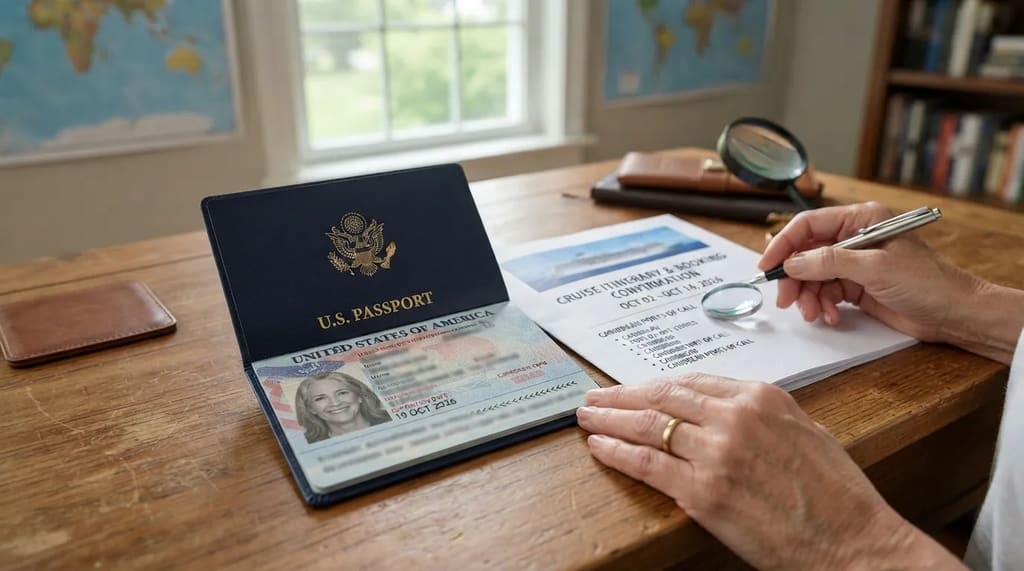
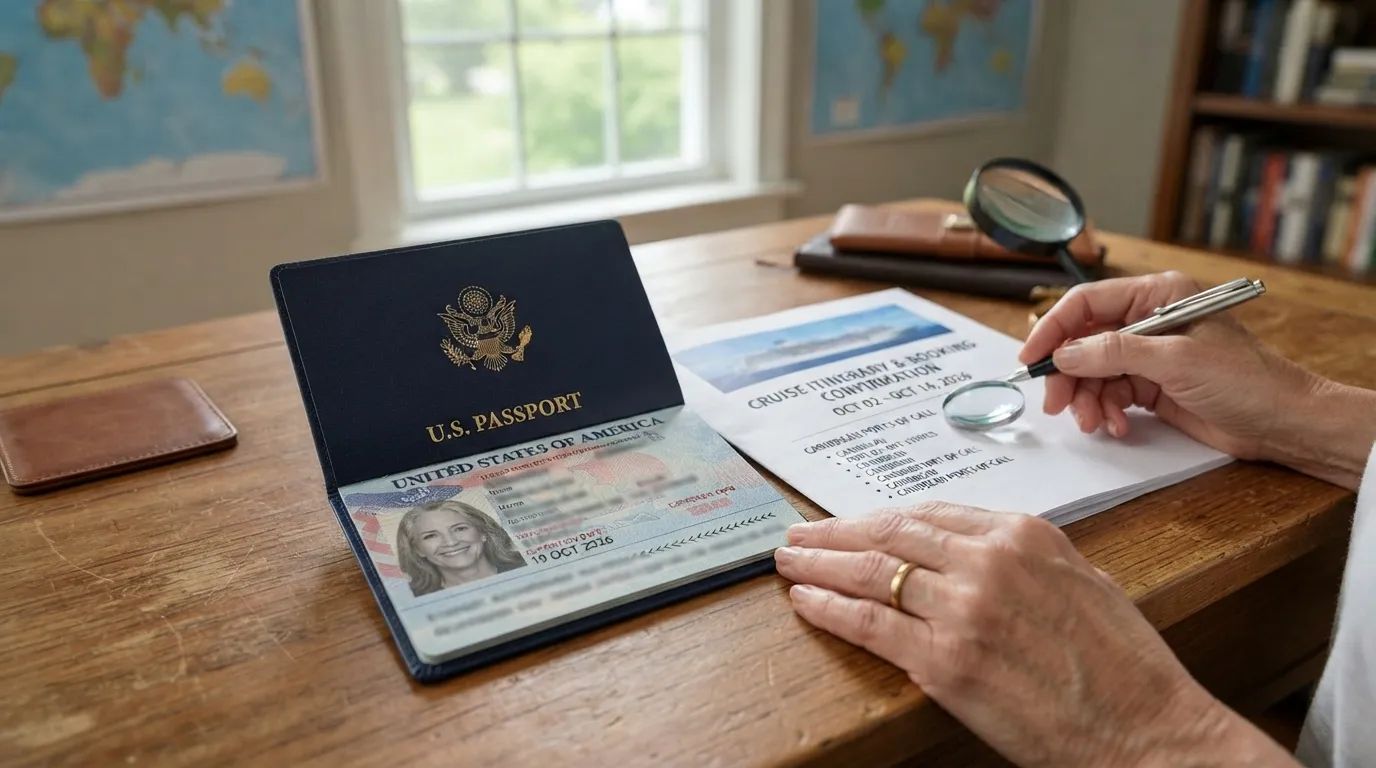
The countdown advice for new bookings is blunt: as soon as you book, check passports. Look at the expiry date and compare it with the trip dates, because some countries require a passport to stay valid for months beyond your return.
Renewals take weeks, which is why this check belongs near the start. The name on the passport should match the name on the booking exactly.
A mismatch is far easier to correct while the booking is new than at the terminal. Some U.S. round-trip sailings allow other proof of citizenship, such as a birth certificate with photo ID.
A passport is still the document that gets you home if illness forces you to fly back from a foreign port. For that reason I would treat it as required, whatever the line allows.
#9 – Tender Ports on the Itinerary You Chose
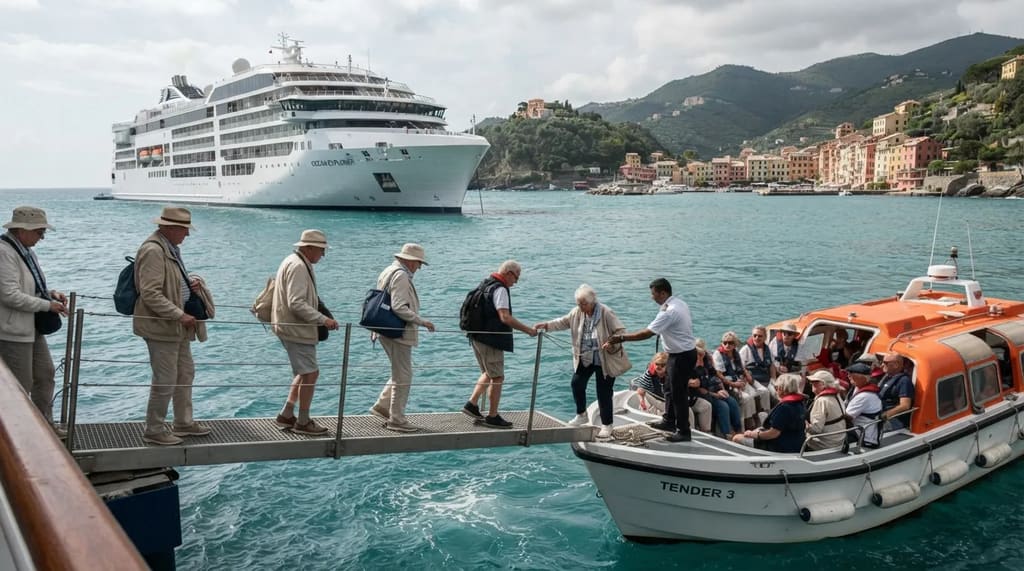
Travelers with limited mobility are advised to choose itineraries where the ship docks at a pier instead of using tender boats.4 A tender is a small boat that carries passengers from a ship anchored offshore, which means steps, a gap and moving water.
Reading the itinerary for tender ports is part of picking the ship, not only the cruise line. Tender access varies by ship, cabin, port and itinerary, so ask the line about the specific ports you will visit.
At a Glance
- A tender ferries passengers from a ship anchored offshore
- Boarding one involves steps, a gap and moving water
- Pier docking is the safer pick for limited mobility
- Ask about each named port, not the cruise as a whole
I would not reject an itinerary over one or two tender ports. You can stay aboard for those days, and a quiet ship has its own appeal.
But a route built mostly around anchored stops is a different trip if you use a walker or a scooter.
A pier solves the boat, though not the cabin, and the accessible ones are few.
#8 – The Accessible Cabin That Sells Out First
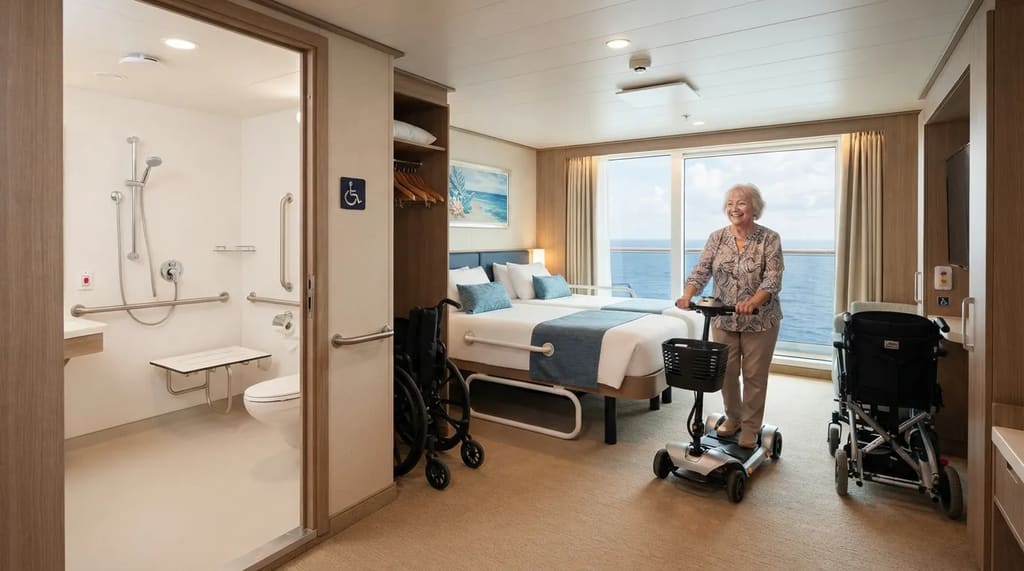
Accessible cabins are few on any ship, and they book up first on popular sailings. They come in two kinds: fully accessible cabins for wheelchair and scooter users, and ambulatory accessible cabins for travelers who use a cane or walker.
The label does not tell you the layout. “ADA” labels differ slightly from ship to ship and do not guarantee the same bathroom.
Request a specific accessible cabin by number, because not all of them are identical. Confirm the details in writing.
If you can transfer on your own, an ambulatory cabin may be enough. For full-time wheelchair and scooter users, the fully accessible cabin is the right call.
Some lines also ask for a doctor’s note before they will hold one, along with a form of their own.
#7 – The Accessibility Form and the 60-Day Notice
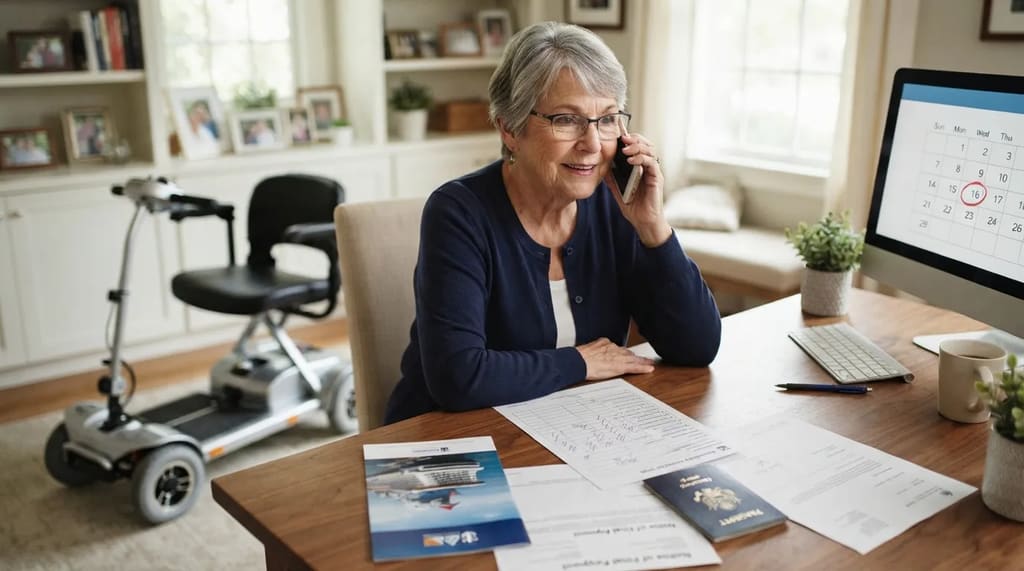
Lines have an accessibility form, and it should go in soon after booking. A separate guideline is to notify the line of your needs at least 60 days before sailing.
That lands close to final payment on many lines, so one calendar entry can cover both. Needs also go well beyond mobility.
Interpreters, large-print materials and equipment all need advance notice. You will also get better answers from a person than from a booking screen.
Call the accessibility department, where a specialist can confirm cabin features, accessible excursions and port access for your exact itinerary. Have these ready when you call:
- A doctor’s note, which some lines require for accessible cabin bookings
- Your scooter’s width, length, height, weight and battery type
- The cabin number you were assigned or are requesting
#6 – A Scooter Rental Booked With the Cabin
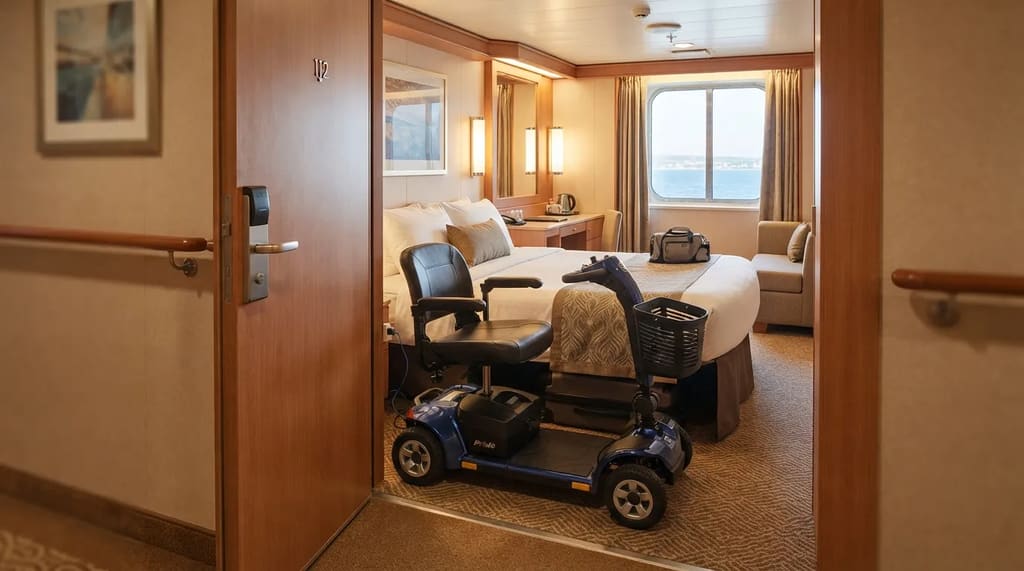
The advice is to book the rental alongside your cabin, not as an afterthought once you’re already packing. Supply is the reason: four-wheel scooters are in limited supply.
Waiting can leave you with a model that does not suit you. The cabin decides which scooter you can use.
The scooter must fit through your cabin door and be stored and charged in the cabin, not in hallways. Published door widths on two large lines run 22 to 23 inches for standard cabins and 32 inches for accessible ones.
That is why the cabin choice in #8 and the scooter choice have to be made together.
Delivery is usually simple: rental firms deliver to your cruise port, hotel or airport before you arrive.
#5 – Prescriptions and the Part D Gap

Medicare’s drug coverage stops at the border. Part D plans do not pay for prescriptions filled outside the United States,5 so if you lose a bottle of pills in Rome, you pay to replace it.
Replacing a medicine in a foreign port also means finding a doctor and a pharmacy that will honor your prescription. That is a stressful errand to run on vacation, so pack more than the trip needs.
A few extra days’ supply covers a delayed return, and carrying it in your hand luggage keeps it with you if a suitcase goes astray. Keep each medicine in its labeled container, with a list of the generic names.
Ask your pharmacy whether your plan allows an early refill before travel. Some do, and it is easier to settle at home than from a ship.
Part D is one piece of Medicare that stops at the border, while Part B has a boundary of its own on the water.
#4 – Medicare’s Six-Hour Line at Sea
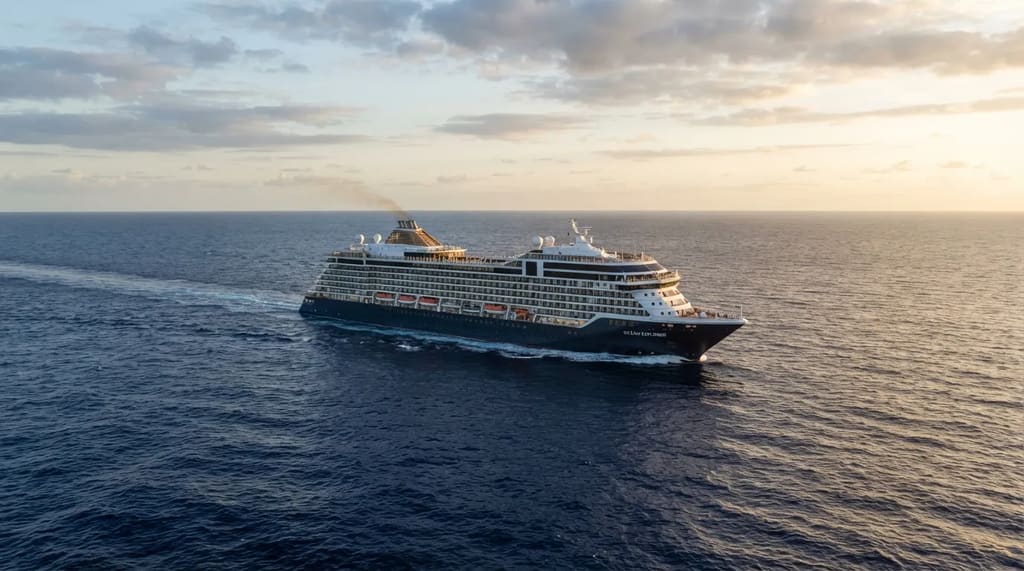
Medicare’s own fact sheet on coverage outside the United States says it may cover medically necessary services on a cruise ship, provided the doctor is legally allowed to provide medical services on the ship. The location rule is narrow.
Medicare does not cover services you get when the ship is more than six hours from a U.S. port.5 6 A ship a day or two out from port is past that line for much of the voyage.
Even a visit to the ship’s doctor is then usually not paid by Part B. Anything that follows ashore is usually paid by you.
Check what your own coverage says rather than assuming the six-hour rule helps. On most itineraries beyond a short coastal hop, it will not.
The six-hour rule leaves two possible patches, a Medigap policy and a Medicare Advantage plan, and they are not equally generous.
#3 – Medigap and Medicare Advantage, Read Closely
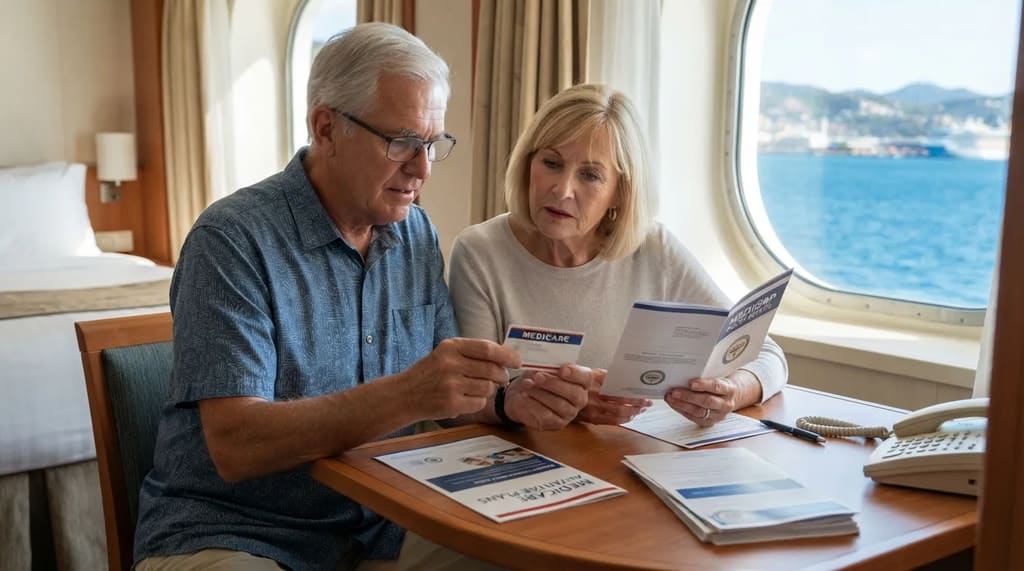
Medicare’s fact sheet notes that a Medigap policy may offer additional coverage for health care services outside the U.S.5 Where a plan has the benefit, it pays 80 percent of billed charges for medically necessary emergency care outside the country.
It also comes with a yearly deductible and a limit on the number of days it applies, so the details of your own plan matter.
Related Stories From Travelbinger



Medicare Advantage varies more. Many plans offer worldwide emergency coverage, but the details differ by plan, and it does not necessarily include routine follow-up care, prescriptions bought abroad or evacuation to the United States.
A card that says worldwide is not an answer. Call the number on it and ask three things: whether a ship’s medical center counts, whether care in a foreign port is covered, and who pays for the flight home.
Even a policy with a worldwide emergency benefit often stops short of the flight home.
#2 – The Flight Home From a Foreign Hospital
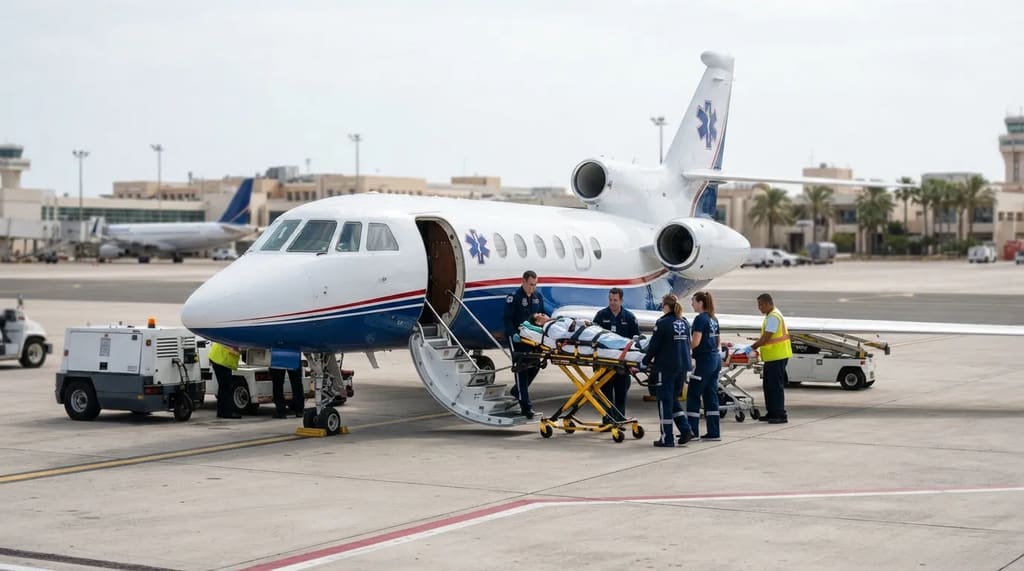
A ship’s medical center handles ordinary illness and injuries, but onboard facilities are limited and serious conditions require evacuation to a land hospital. That is where the largest bills come from.
An air ambulance can cost over $100,000 internationally, and another source puts evacuation to the U.S. between $25,000 and $250,000.
Evacuation is its own coverage, and Medicare does not guarantee it even within the U.S. A medical expense limit says nothing about whether the flight is paid.
Limits vary widely. Cruise-oriented plans compared on a consumer site list evacuation limits of $500,000 and $1,000,000, while some tiers run as low as $50,000.
A $50,000 limit looks thin against a flight that can top $100,000, so I would pass on a plan with a token amount.
Fast Facts
- International air ambulance: can top $100,000
- Evacuation to the U.S.: roughly $25,000 to $250,000, per one source
- Cruise-oriented plan limits: $500,000 and $1,000,000 on higher tiers, as low as $50,000 on others
- Medicare: does not guarantee evacuation coverage
Each of those gaps can be filled by a private policy, and the part of it that covers existing conditions has a short window.
#1 – The Insurance Window That Closes Weeks After Your Deposit
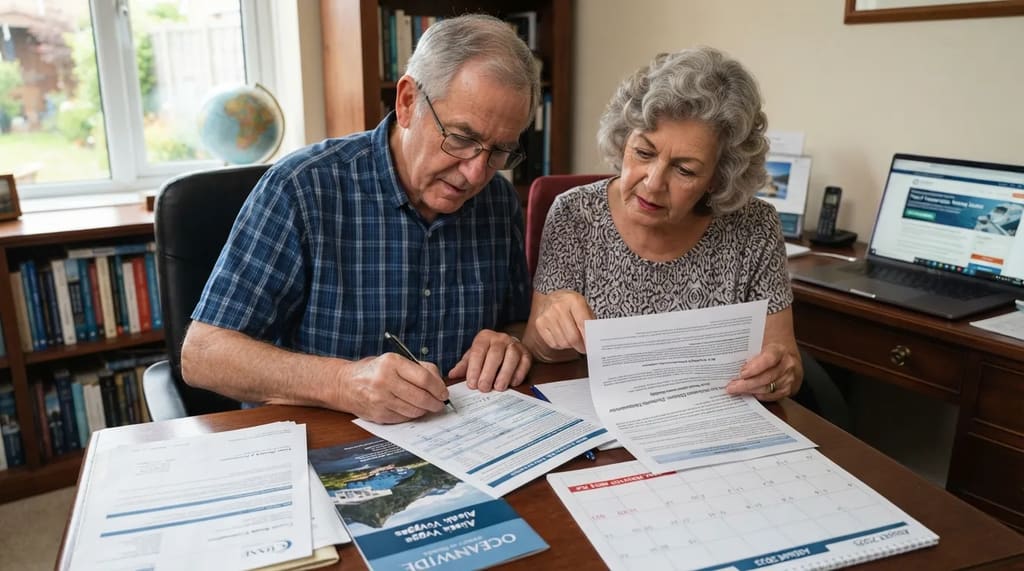
The most time-sensitive item here is also the one most people notice last. Most insurers will cover your ongoing health conditions only if you buy the policy within 14 to 21 days of your initial deposit.7
Miss that waiver and a heart condition, diabetes or recent surgery becomes an exclusion, so any claim connected to it is denied. Once the window closes, no amount of money or paperwork can reinstate it.
That deadline sits far ahead of the final payment date. If you booked a year out, the waiver window closes more than eight months before the money is due.
You typically must be medically fit to travel on the day you buy and insure the full non-refundable cost of the trip. That non-refundable amount grows as the cancellation schedule from #14 tightens.
Cancel-for-any-reason coverage often has a similarly tight purchase window. Some plans allow the waiver within 24 hours of final payment, so a late buyer should ask.
My advice is to buy the policy the same week you pay the deposit. Confirm the exact terms with the insurer or a licensed agent first.
Start the Calendar on Deposit Day

The 90-day mark is the date the cruise line cares about, and it is the easiest to remember. The dates that protect you start earlier, at the moment of the first deposit.
A calendar built around that day, with final payment, check-in, notice to the accessibility team and an insurance purchase added in order, tends to hold up better than one built around departure.
That shift also changes how the cheap fare looks. A low price for a cabin you cannot change, on a policy that excludes your own health, may be the costliest booking on the list.
When you booked your most recent cruise, how soon after the deposit did you look at insurance?
- Final Payment Policies Roundup: https://www.travelmarketreport.com/cruises/articles/here-are-all-the-final-payment-policies-for-every-major-ocean-river-expedition-cruise-line
- Oceania Payments and Refunds: https://oceania.cruiselines.com/cruise_info/payments_and_refunds.cfm
- Carnival Ticket Contract: https://www.carnival.com/about-carnival/legal-notice/ticket-contract
- Accessible Cruising Guide: https://www.cruisedirect.com/blog/posts/accessible-cruising-best-cruise-lines-travelers-disabilities
- Medicare Travel Outside U.S.: https://www.medicare.gov/coverage/travel-outside-the-u.s.
- Medicare Coverage Outside U.S.: https://www.medicare.gov/publications/11037-medicare-coverage-outside-the-united-states.pdf
- Squaremouth Pre-Existing Conditions: https://www.squaremouth.com/travel-insurance-benefits/pre-existing-condition