Most travelers assume a passport, a boarding pass, and a friendly smile are all it takes to breeze through customs. Then they crack a bomb joke at the booth, or ramble about their divorce to a stranger in a uniform, and suddenly they’re standing in a windowless room wondering what just happened.
Officers don’t need a reason to be suspicious of you. They just need a pattern – and travelers hand them the same 23 patterns every single day without even realizing it.
23. Cracking “I’ve Got a Bomb in My Bag” Jokes
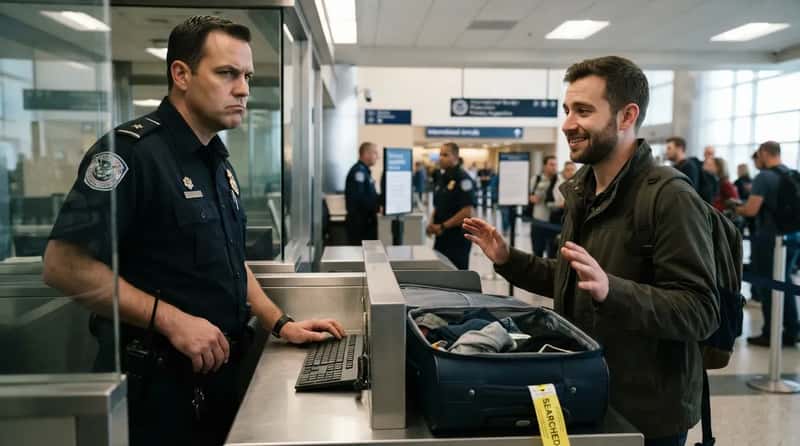
Nothing kills the mood at a customs booth faster than a security joke gone wrong. Officers hear some version of this “joke” constantly, and it never lands the way the traveler thinks it will.
Federal guidance is blunt: travelers should stay calm and polite, and give clear, truthful answers instead of jokes or misleading statements. A single wisecrack about contraband can trigger a full secondary screening instead of the laugh you were hoping for.
22. Sounding Like They Memorized a Script
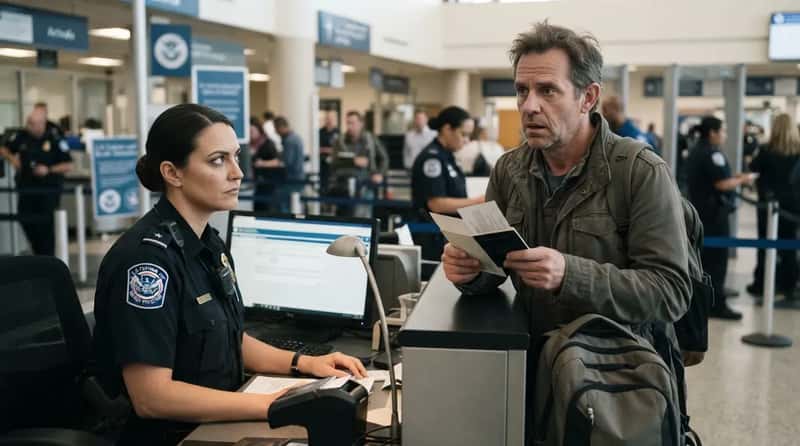
Perfectly rehearsed answers are a bigger red flag than a slightly awkward one. It sounds backwards, but officers see it every day.
Ironically, travelers who over-prepare their answers often come across more suspicious than people who respond naturally. Real travelers stumble a little over dates and details – that’s normal. Someone reciting their itinerary like a hostage statement is the one who gets pulled aside.
Fast Facts
- CBP oversees more than 300 ports of entry across the country.
- It’s the largest federal law enforcement agency in the U.S., screening arrivals by air, land, and sea nonstop.
- The agency’s stated top priority is keeping weapons and security threats out, not tripping up nervous tourists.
- Most travelers clear primary inspection in under a minute when their answers stay simple and consistent.
21. Turning the Booth Into a Personal Confessional
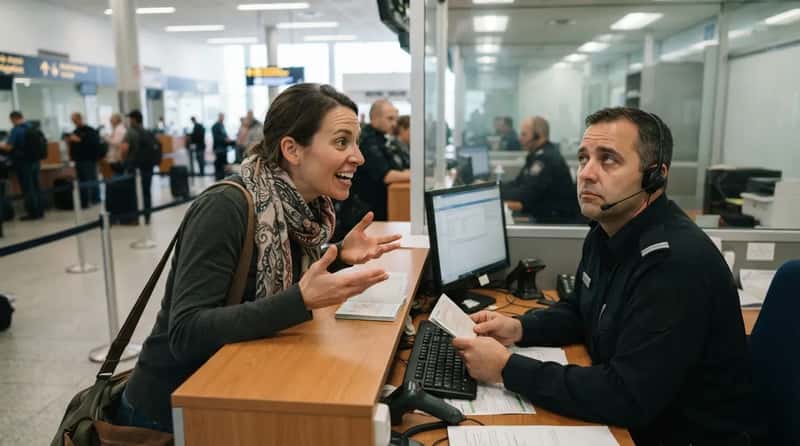
Oversharing feels friendly, but it almost always backfires. Officers aren’t interested in your divorce, your layover playlist, or your cousin’s wedding drama.
Every unnecessary detail is one more thing an officer has to sort through, and extra chatter tends to introduce small inconsistencies that weren’t there a minute ago. The fastest travelers through the line answer exactly what’s asked, then stop talking.
20. Sweating Through the Whole Interview
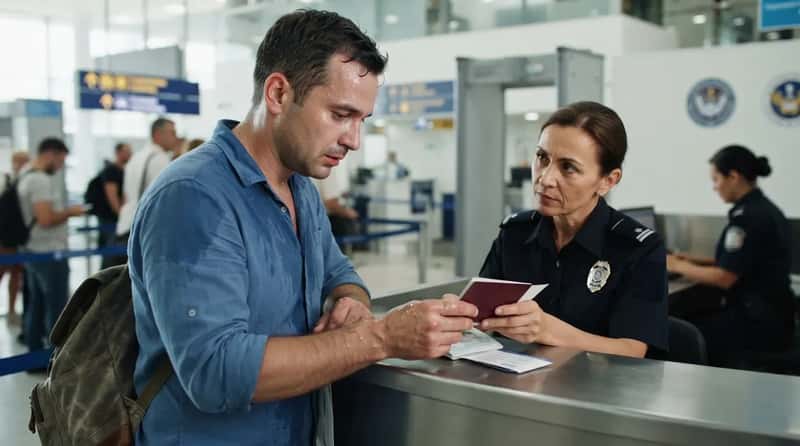
A little nervousness is expected at any border crossing. Full-body panic is a different story, and officers are trained to spot the difference.
Visible sweating, trembling hands, cracked voices, or an inability to make eye contact all register as flags, because officers are watching for the shift from ordinary travel fatigue to situation-specific anxiety. Most people are mildly on edge at customs. Conspicuously anxious behavior is what gets a second look.
19. Telling a Slightly Different Story Each Time
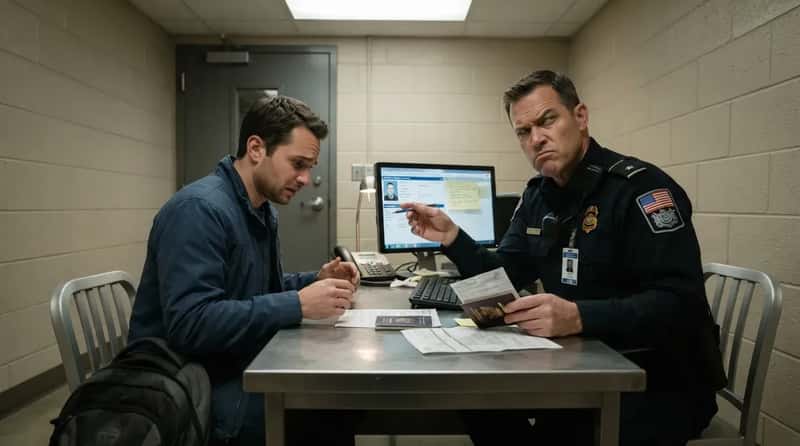
This is the single fastest way to land in a small back room with no windows.
Any answer that contradicts a previous one – or contradicts the paperwork, like a different trip purpose than the visa allows – counts as an inconsistency. Officers cross-reference everything, so “vacation” on the form and “business meeting” out loud is a mismatch they catch almost instantly.
18. “Forgetting” to Declare the Duty-Free Bag
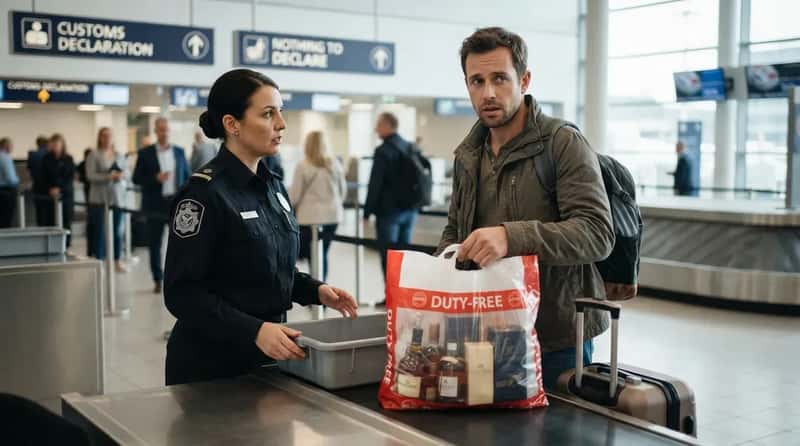
This mistake is oddly common, and officers see through it every single time.
Federal rules require declaring everything brought in from abroad, even items bought in a duty-free shop. Plenty of travelers assume those purchases don’t count because they were made “in transit.” That assumption is wrong, and it’s one of the most avoidable slip-ups at any port of entry.
17. Burying Their Passport at the Bottom of a Checked Bag
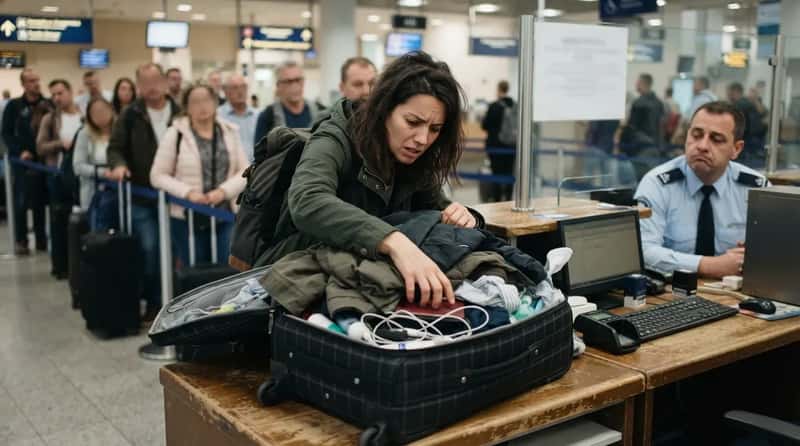
Officers deal with this scramble constantly, and it slows down every single person waiting behind that one traveler.
Standard guidance is to keep your passport and immigration documents on your person, never packed in checked luggage. Digging through a suitcase at the counter while a line stacks up behind you is exactly the kind of moment that makes an officer sigh out loud.
16. Refusing to Unlock a Phone, Then Acting Shocked
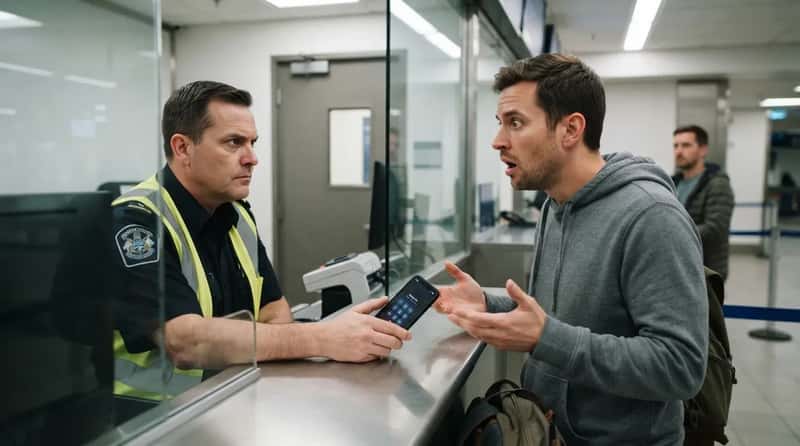
Travelers are often stunned by how much authority officers actually have over electronic devices at the border.
Immigration officers can request access to a phone or other device during inspection, and refusing to unlock it can get the device detained for further examination – or worse, factor into a determination of inadmissibility. Arguing about privacy rights at the booth rarely ends the way people hope.
15. Showing Up With Three Overstuffed Suitcases and No Plan
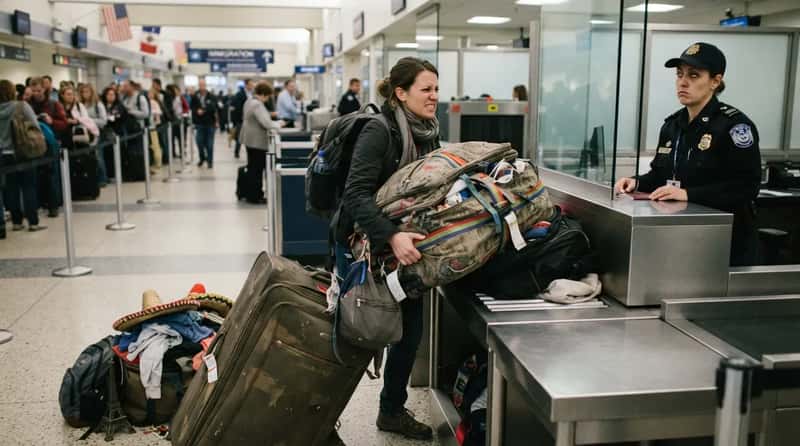
Struggling to lift, drag, or explain an overloaded cart is a classic way to draw extra attention you didn’t ask for.
Overpacking isn’t illegal, but a traveler juggling mismatched bags, busted zippers, and loose souvenirs sends a quiet signal of disorganization. Officers process people fast, and a chaotic pile of luggage almost always earns a longer look than one neat carry-on.
14. Getting Snippy the Second a Question Feels Repetitive
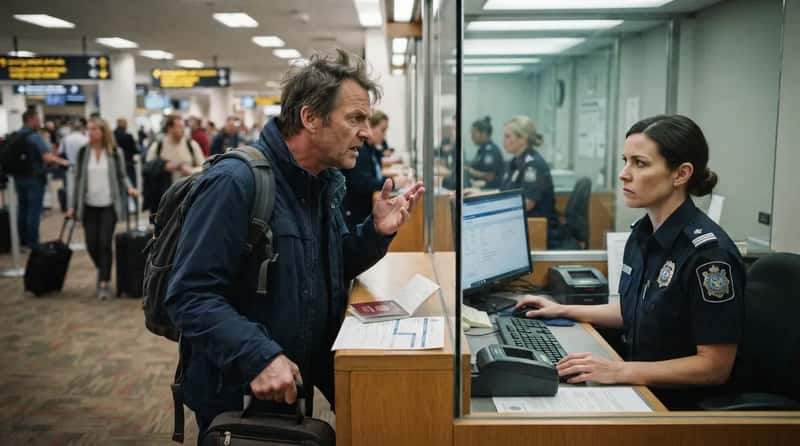
Frustration after a long flight is understandable. Attitude at the booth still doesn’t help your case.
Guidance for travelers repeatedly stresses staying calm and not taking it personally if an officer seems abrupt – they’re screening a huge number of people as fast as they can. A traveler who escalates over a routine follow-up question usually earns more questions, not fewer.
13. Having Zero Idea Where They’re Actually Staying
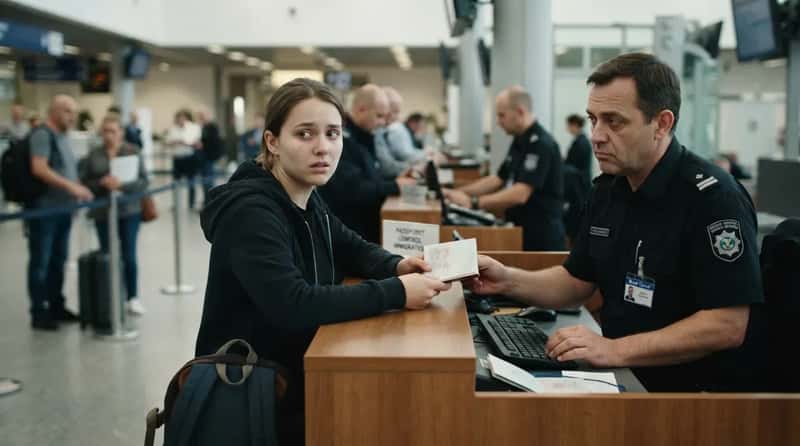
This single blank stare can turn a thirty-second interview into a thirty-minute one.
Officers ask about lodging because they want clear, concrete plans. If there’s no arranged place to stay, the officer may start questioning whether the person should be let in at all. “I’ll figure it out” is technically an answer, but it’s the kind that guarantees a follow-up round.
12. Traveling on a Passport That’s Basically Expired
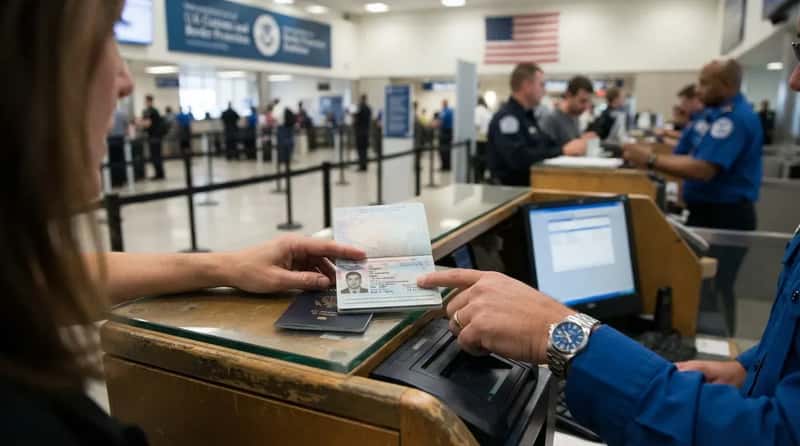
This one is completely preventable, and officers still see it constantly.
Standard advice is to keep a U.S. passport valid for at least six months beyond travel dates, and to make sure any foreign passport doesn’t conflict with U.S. entry rules. A passport expiring in eight weeks is technically still “valid,” but it’s often enough to trigger extra scrutiny or complications you didn’t see coming.
11. Bringing Back a Suitcase Full of “Just a Little” Produce
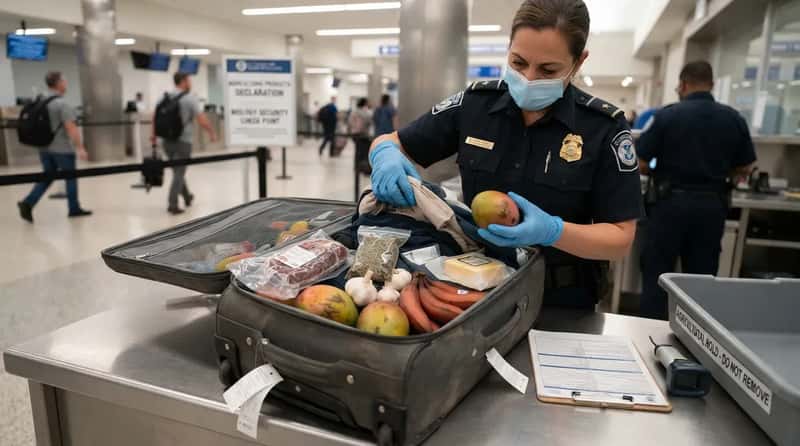
Fruit, meat, and plants feel harmless tucked in a suitcase, but agricultural rules exist for a real reason.
Undeclared food is one of the most common reasons a bag gets pulled for a secondary look, since agricultural inspection is specifically built to catch the casual “it’s just some cheese” packing decision. Officers aren’t being dramatic – they’re enforcing biosecurity rules most people never think about until they’re standing at the counter.
Worth Knowing
- Agriculture specialists work at ports of entry specifically to catch undeclared fruit, meat, and plant products before pests or diseases spread.
- Declaring food costs nothing and rarely causes delays – officers simply confiscate what isn’t allowed.
- Hiding food in a suitcase, on the other hand, can turn a routine bag check into a formal violation.
- Even “safe-looking” items like fresh fruit, cured meats, or potted plants are common targets during inspection.
10. Carrying Stacks of Cash and Saying Nothing
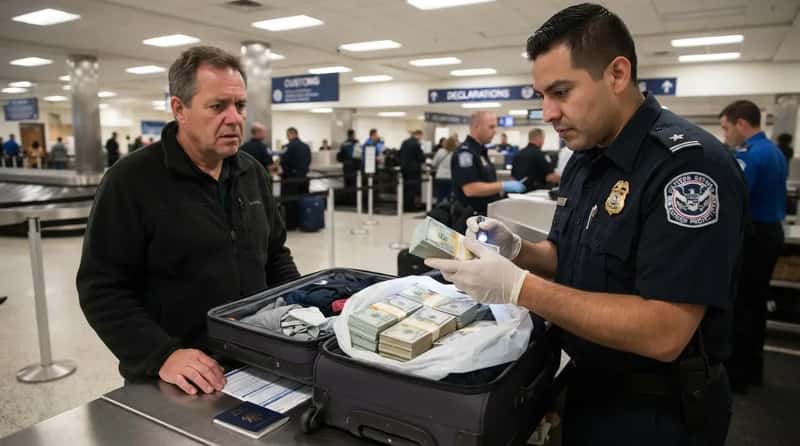
This is one of the more expensive mistakes on this whole list, and it happens more than people assume.
Carrying large sums of money isn’t illegal, but failing to declare cash above the federal reporting threshold is treated as a serious red flag, not a technicality. Officers view an undeclared stack of cash very differently than a declared one, even when every dollar is completely legitimate.
“Federal currency reporting laws are essential in helping CBP to ensure our nation’s economic and financial security.”
Christine Waugh, CBP Area Port Director
9. Complaining Loudly About the Wait – Within Earshot of Everyone
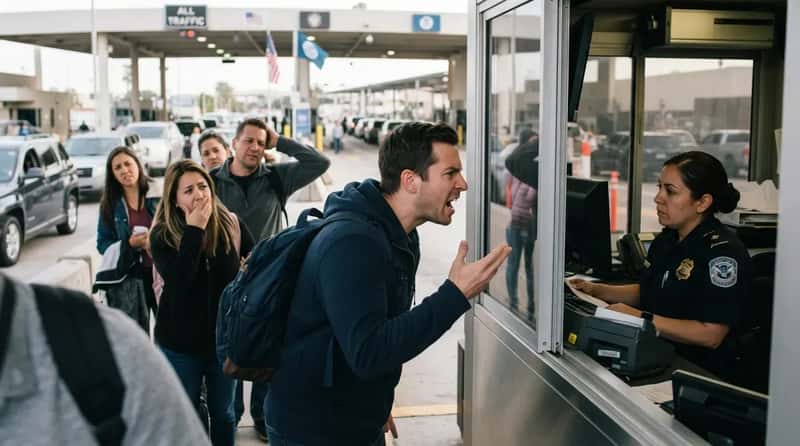
Long lines are genuinely frustrating, and officers know it. That doesn’t mean loud complaints move anything faster.
Slow crossing times are often tied to staffing shuffles or officers unfamiliar with a specific port’s daily rhythm, not traveler impatience. Venting loudly at the booth doesn’t speed up the process – it just makes you the story an officer tells at the end of their shift.
8. Pulling Out a Phone to Film the Officer
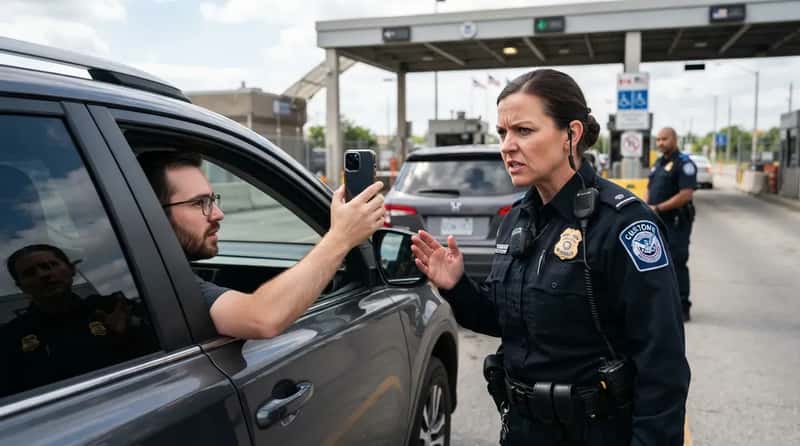
This has become far more common – and far more contentious – in the last few years.
One widely shared incident showed an officer shouting at a Canadian traveler from a truck before backing off once he realized he was being recorded, a reminder that filming can defuse a tense moment or escalate it fast. Whatever the intent, whipping out a phone mid-interview rarely calms an already tense exchange.
7. Wearing Sunglasses and a Hood Straight Through the Booth
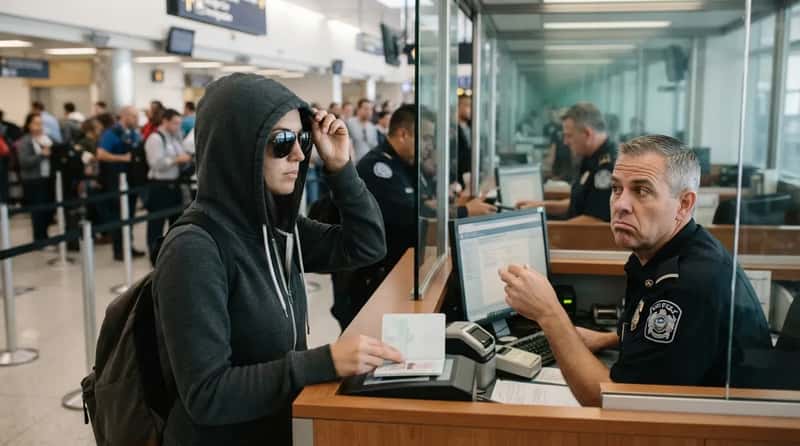
It seems small, but covering your face during an identity check is an easy way to add friction to a routine interaction.
Identity verification is the core of the entire process – the officer’s job is confirming who you are and whether you’re allowed in. Sunglasses indoors, hoods pulled up, and phones angled to block the camera all make that basic task slower for everyone stuck in line behind you.
6. Staying on a Phone Call Mid-Interview
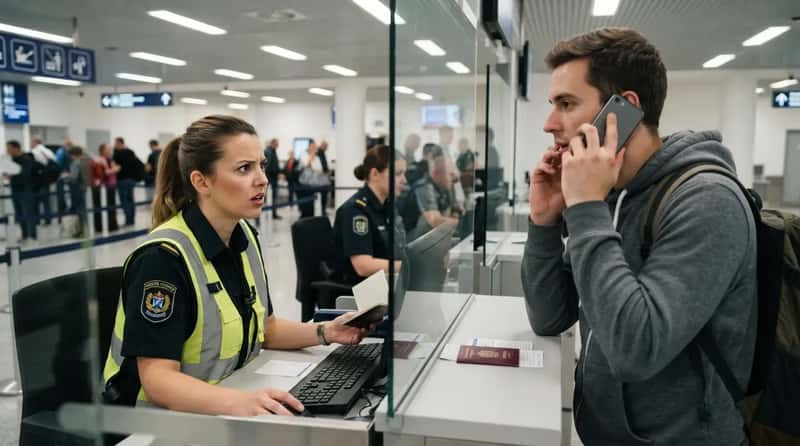
This one is almost universally disliked by officers, and for good reason – it signals the interview itself isn’t a priority.
Officers are trying to move quickly and accurately through a screening process built for volume, not distraction. A traveler mid-text or mid-call forces the officer to repeat themselves, which almost always extends the exact interaction they were trying to rush through.
5. Blanking on the Basic Purpose of the Trip
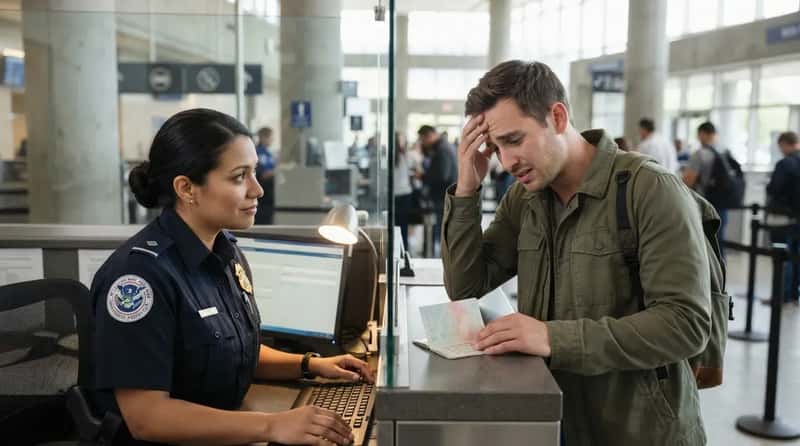
“Um, just visiting” sounds fine in your head and sounds incomplete to an officer.
Questions about who you’re visiting and why are aimed mostly at tourists, and officers are looking for clear, legal plans. A vague, half-formed answer to a question this basic almost always invites three or four follow-ups instead of a quick nod-through.
4. Trying to Sneak Counterfeit Souvenirs Through
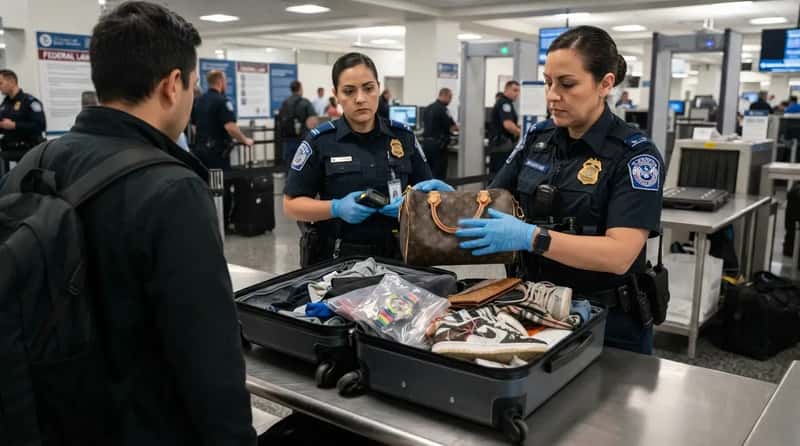
Knockoff bags, watches, and sneakers are a bigger deal at the border than most shoppers realize.
Under CBP’s inspection authority, every person entering the U.S. – citizens included – is subject to search, and that covers a suitcase full of obvious fakes. A single bag of counterfeit merchandise can trigger seizure and paperwork nobody planned on dealing with after a vacation.
3. Crossing the Same Border Constantly With No Clear Reason
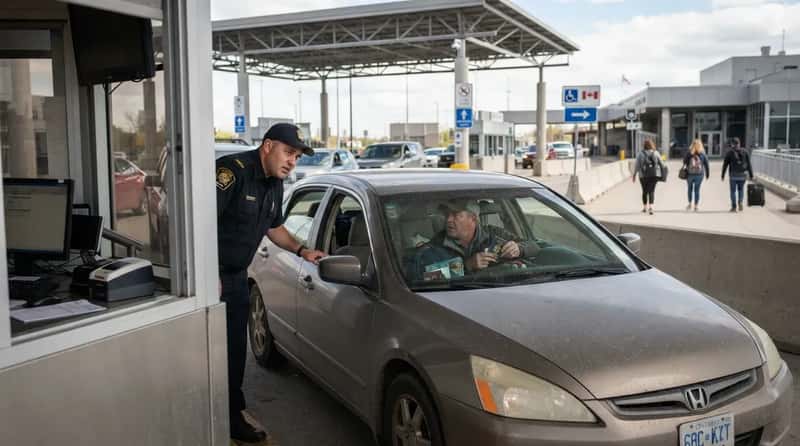
Frequent, short, unexplained trips create a pattern officers are specifically trained to notice.
Travelers with a history of frequent crossings should be ready to explain the purpose of each trip and reassure the officer they aren’t quietly overstaying somewhere long-term. Someone who can’t clearly explain why they’ve crossed six times in two months is inviting exactly the scrutiny they’re hoping to avoid.
2. Name-Dropping or Flashing Status to Skip the Line
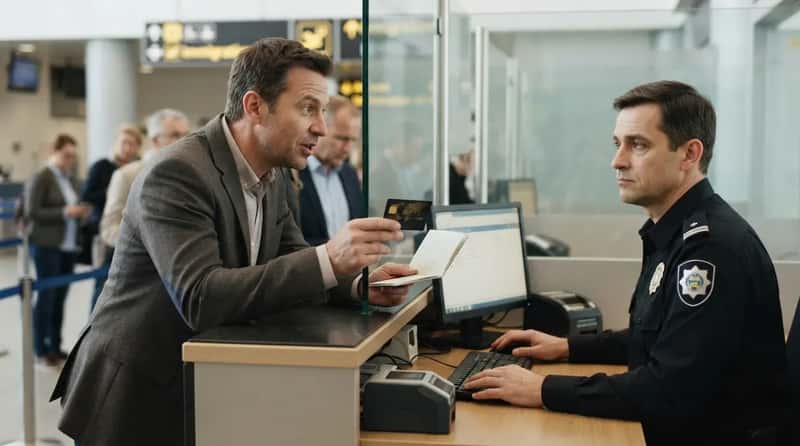
Mentioning a connected friend, a fancy title, or a frequent-flyer number doesn’t impress officers the way travelers hope it will.
Officers stay polite but have no patience for rude passengers, and most have processed the same tactics dozens of times a shift. Trying to pull rank usually just turns you into the slowest interview of the day instead of the fastest.
1. Assuming a U.S. Passport or Global Entry Card Means Zero Scrutiny
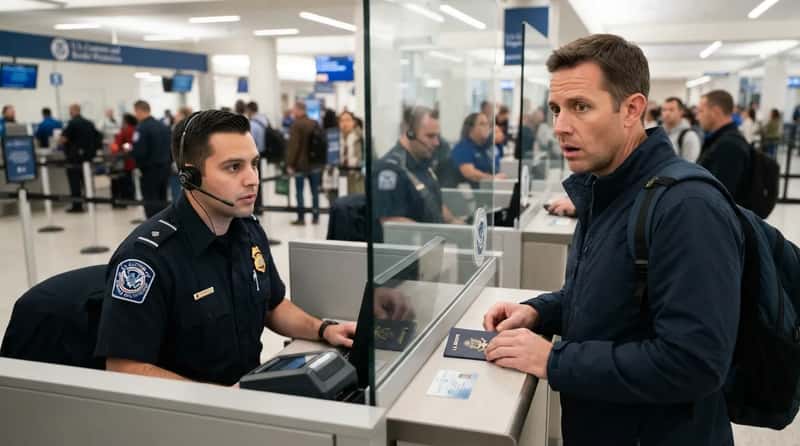
This is the biggest misconception on the whole list, and it catches even frequent flyers off guard. Citizenship guarantees re-entry – it does not guarantee a breezy, question-free walk through the booth.
U.S. citizens have an absolute right to re-enter the country, but dual nationality or a certain travel history can still trigger heightened questioning. Citizens can’t be denied entry, but they can absolutely be delayed for a long time, especially if flagged in a database or pulled for advanced screening. A blue passport buys you entry – not an express pass out of extra questions.
Quick Compare
- Right to enter: Guaranteed for U.S. citizens, no exceptions.
- Right to skip questioning: Not guaranteed, even with a passport or Global Entry.
- Global Entry perk: Faster kiosk processing, not immunity from secondary screening.
- Dual nationality or flagged travel history: Can still trigger a longer, harder interview.
None of these habits are illegal, and most come from nerves, exhaustion, or plain old habit rather than anything sinister. But officers process thousands of interactions a day, and it’s these small, avoidable behaviors that separate a thirty-second wave-through from a forty-minute detour into secondary inspection.
The fix for almost every item on this list is the same: stay calm, stay honest, and keep the phone in your pocket until you’re actually through the line. Which one of these have you seen happen right in front of you at the border? Tell us in the comments.