Pack for a weekend and you can wing it. Pack for three weeks and the suitcase starts telling on you. Bellhops, front desk agents, and housekeepers see so many arrivals that the bag, the luggage cart, and the very first request at the desk can say a lot about what a guest left at home.
The funny part is that the gaps are rarely dramatic. They’re small, boring, and oddly predictable, and a few of them turn into daily annoyances by week two. One of them isn’t even something you can zip into a bag.
#1 – The Second Pair of Shoes That Never Made the Cut
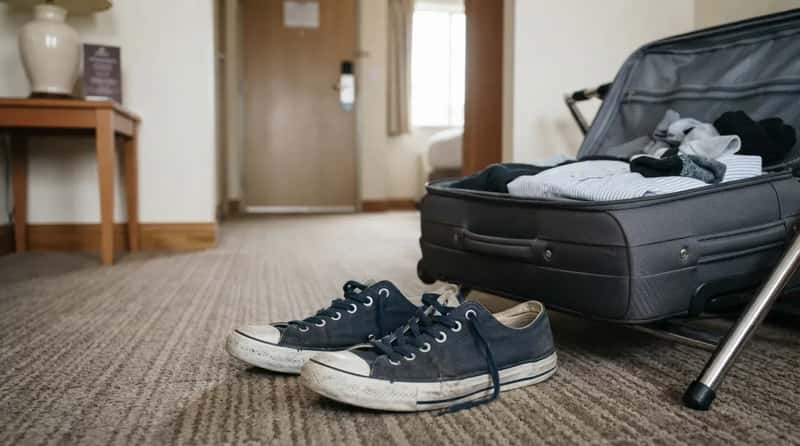
One pair of shoes is the first gap a long stay exposes. Staff see the same sneakers crossing the lobby on day one and day twenty. By then they’re scuffed, tired, and a little damp.
Shoes worn every single day never fully dry out between wears. A second pair fixes that, and it gives you a dressier option for dinners or meetings. Smart long-stay guests pack one pair for walking and one for everything else.
But that’s nothing compared to what comes next.
#2 – The Laundry Plan That Was Supposed to Be “Easy”

Packing three weeks of outfits is the quietest mistake in the hotel lobby. Staff notice the oversized bag and the total lack of anything to wash clothes with. The plan is usually “I’ll figure it out.”
Many extended-stay properties have guest laundry rooms, and plenty of standard hotels offer per-piece laundry service. A single pair of jeans sent out for cleaning can cost more than a small bottle of detergent for the whole trip. A few pods and a mesh bag take almost no space, and washing weekly means you can pack fewer clothes, not more.
Fast Facts
- Guest laundry rooms are common at extended-stay properties, but many standard hotels only offer paid pickup service.
- Ask whether machines take coins, cards, or an app before you haul a bag downstairs.
- Detergent pods and a mesh bag weigh next to nothing.
- One weekly wash lets about a week of outfits cover a much longer trip.
Wait until you see what the front desk gets asked for next.
#3 – The Power Strip Everyone Wishes They Had on Night One
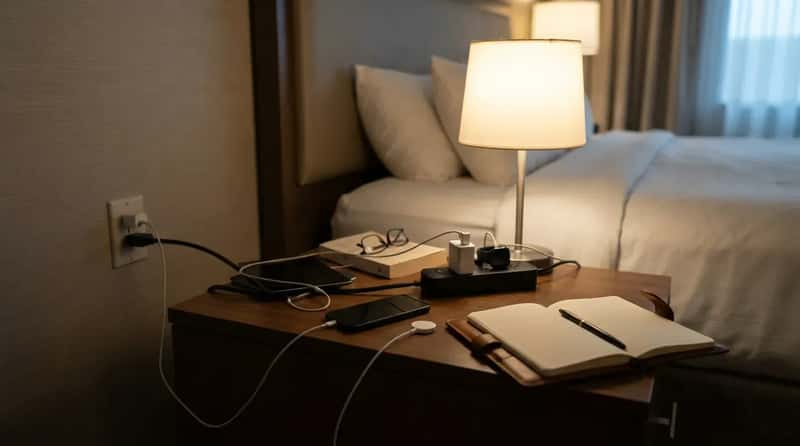
The outlet by the bed is almost never where you need it. Housekeepers regularly find chargers stretched across the floor from the one open socket behind the nightstand. Long-stay guests bring more devices and get the same amount of wall.
A compact, surge-protected power strip turns one outlet into several, and it’s one of the cheapest fixes on this list. Without one, some guests end up unplugging a lamp or alarm clock just to charge a phone. It’s a small annoyance, but it repeats every single day.
The next one catches even seasoned travelers off guard.
#4 – The Plug Adapter That Doesn’t Do What Guests Think
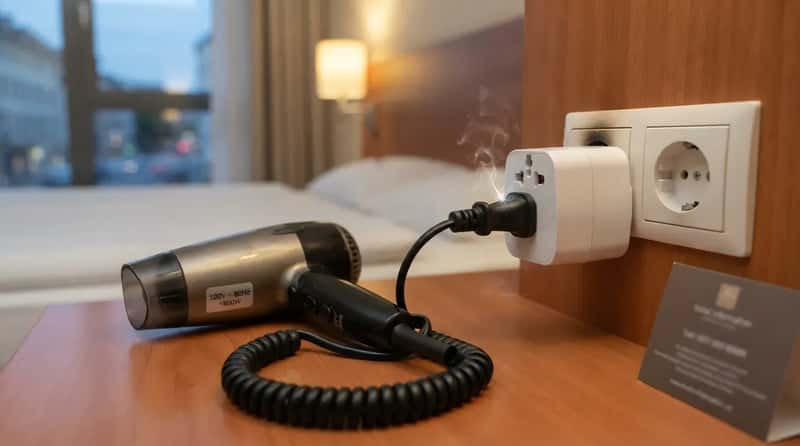
International guests arrive with an adapter and assume they’re covered. Front desk teams hear the same complaint again and again: “Why did my hair dryer stop working?” The answer is rarely the hotel.
An adapter changes the plug shape, not the voltage. Plugging a single-voltage device into a different-voltage outlet can damage it. Most phone and laptop chargers accept a wide range, often printed as 100-240V on the label, but hair tools and shavers often don’t. Read the label before you leave home.
#5 – The Reusable Water Bottle That Would Have Saved a Trash Can
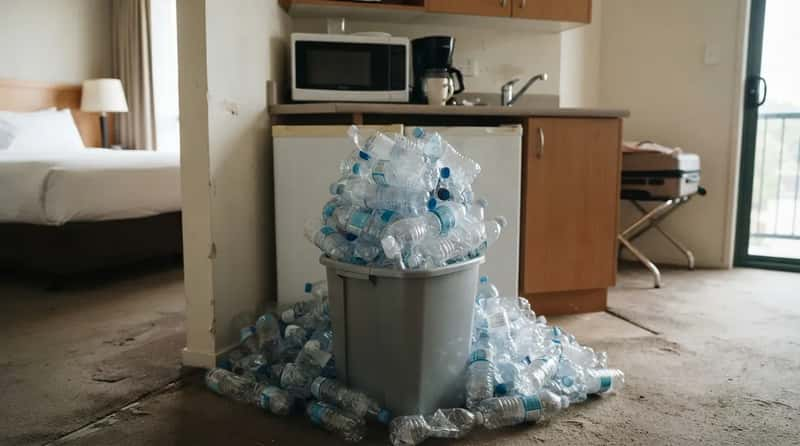
Walk into a long-stay room and the bin tells the story. Guests without a water bottle quietly build a mountain of single-use plastic, and housekeepers see it every time they clean.
The math is brutal. Two bottles a day over a 30-day stay is 60 bottles. Many hotels have ice machines, filtered water stations, or lobby fill points, and a sturdy bottle keeps water cold while you’re out all day.
Now picture a room with a kitchen and nothing to cook with.
#6 – Kitchen Basics Missing From a Room With a Full Kitchen
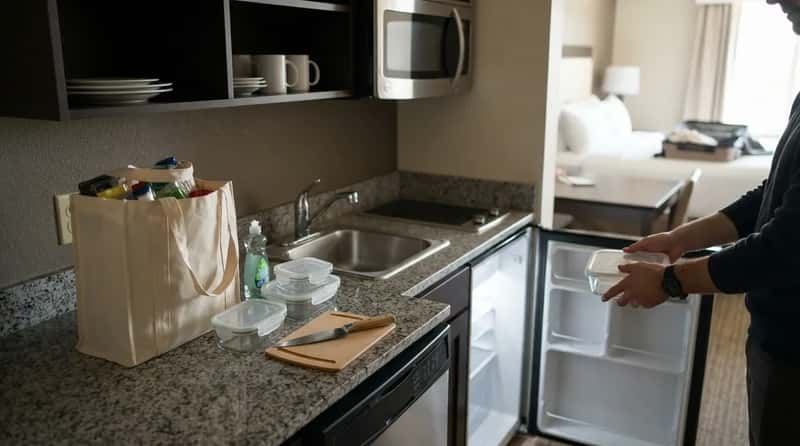
Extended-stay rooms often come with a stove or microwave, and guests arrive with nothing to put in them. Staff notice the grocery bags first and the cooking gear second. A kitchen, it turns out, is not the same as a stocked kitchen.
Setups vary, so some rooms include basic dishes and others don’t. A small kit of reusable containers, a sharp knife, and a travel-size dish soap can save a week of takeout spending. It also makes leftovers possible, which means less wasted food.
The next gap is smaller, and it’s the one people regret fastest.
#7 – The Stain Pen and Sewing Kit Nobody Remembers Until It’s Too Late
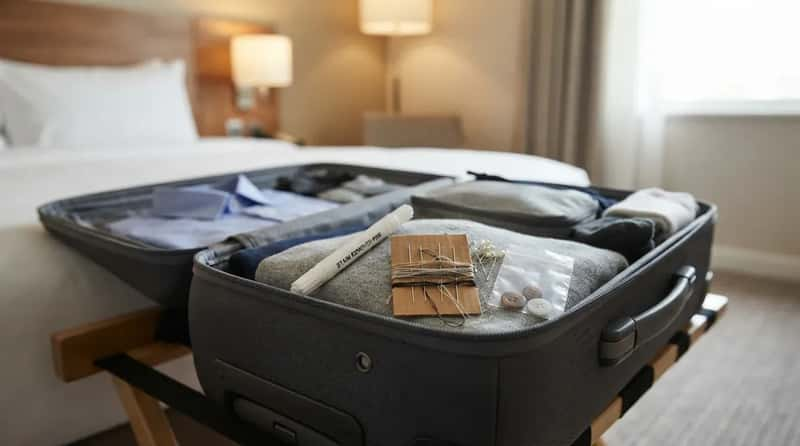
A coffee spill on day three can haunt a three-week trip. Front desks get a steady stream of “do you have a needle and thread?” requests. Some do, but many only have a tiny kit with one color.
Fresh stains are generally easier to treat than set-in ones, so speed matters. A stain remover pen weighs less than a lipstick, and a missing button can ruin your only good shirt. Both fit in a bag pocket and spare you a dry-cleaning bill.
Wrinkles, meanwhile, spark a bigger debate than you’d think.
#8 – The Wrinkle Plan That Falls Apart by Day Two
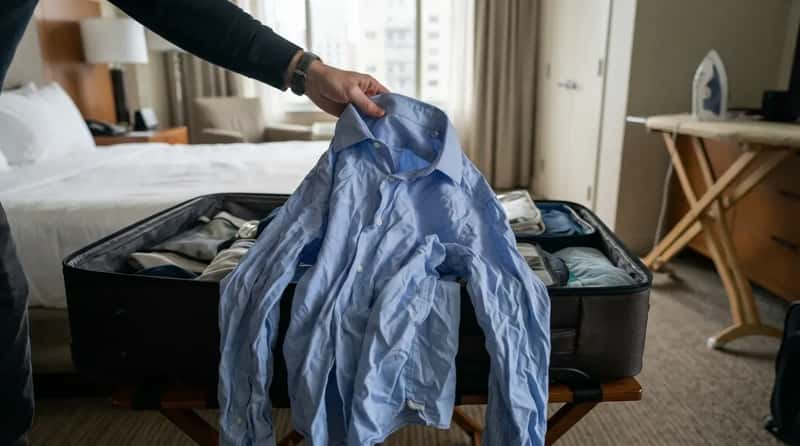
Pull a shirt out of a packed suitcase after a long flight and the truth is obvious. Hotel teams see guests heading to the front desk for an iron within hours of arrival. Many hotels do provide irons and boards, either in the room or on request.
Some travelers call a handheld steamer overkill, while others say it’s the one item they’d never give up. Hanging clothes in a steamy bathroom after a hot shower can relax light wrinkles, but it won’t rescue a crushed collar. Knits and blends also hold up far better than linen.
Quick Compare
- Hotel iron: Free and strong on collars, but it means hunting down a board and waiting your turn.
- Handheld steamer: Fast and gentle on hanging clothes, though it takes bag space and an outlet.
- Steamy bathroom: Costs nothing and softens light creases, but it can’t fix a deep crush.
Then there’s the item that decides whether you sleep at all.
#9 – The Sleep Kit That Turns a Bad Room Into a Good One
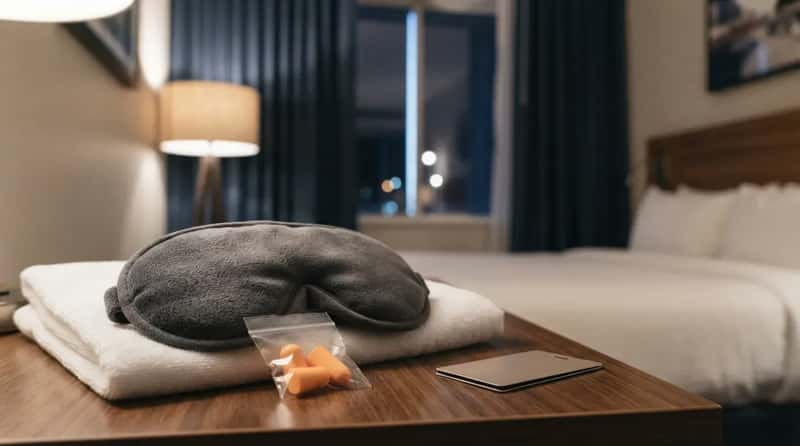
Hotel staff can’t control the hallway, the street, or a gap in the curtains. Guests who arrive with an eye mask and earplugs rarely call the front desk about noise. Guests without them often do, sometimes at 1 a.m.
Over a long stay, a small annoyance repeats every night, and a thin strip of light around a curtain can follow you for weeks. These two items cost almost nothing and take almost no space. Many seasoned guests treat them as non-negotiable.
The next sleep item is a little more controversial.
#10 – The Pillowcase From Home That Staff Secretly Respect

Some guests bring their own pillowcase, and housekeepers have seen it all. Most hotels provide clean linens and hold strict standards. Still, a familiar pillowcase can make the first night in a strange bed a lot easier.
Opinions split here. Some travelers think bringing bedding is excessive, and others say a long stay makes it worth it. A pillowcase takes less room than a pair of socks, and it carries a familiar scent and texture. If you’re picky about fabric, it’s a low-effort test.
#11 – The Shower Slippers Hotel Teams Wish More Guests Packed
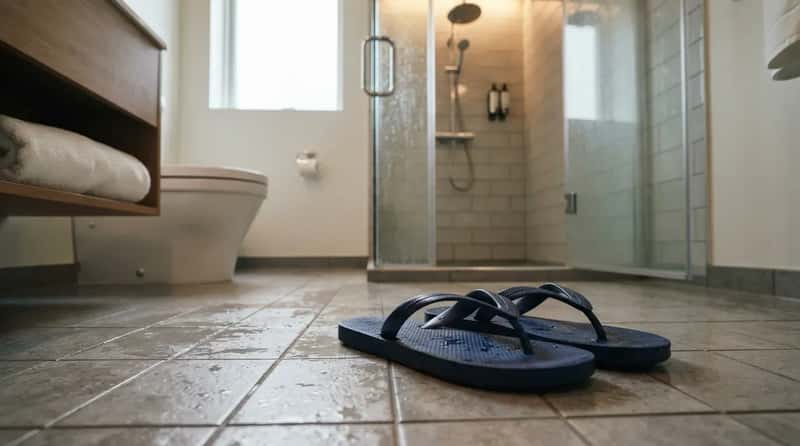
Bare feet on a bathroom floor are a daily habit on a long trip. Hotel teams clean thoroughly, but even clean floors get damp and cold. Slippers or flip-flops add comfort and a small barrier.
They also solve the late-night walk to the ice machine. Sandals that can handle a wet floor double as lobby shoes in a pinch. Many guests skip them because they think of the room as a vacation, but after a few weeks the room is just home.
Your workspace is next, and staff spot it fast.
#12 – The Desk Setup That Turns a Bed Into an Office
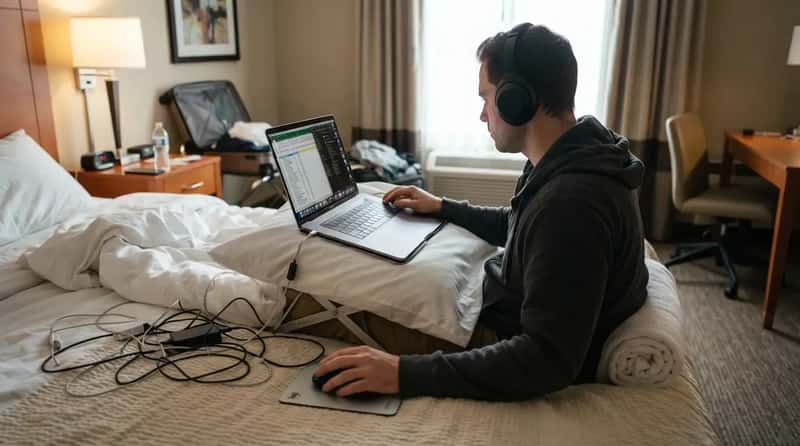
Housekeepers know a work-from-hotel guest when they see one. Laptops balance on pillows, and chargers sprawl across the bedspread. A long stay often means real work, and the room doesn’t always support it.
A foldable laptop stand, a small mouse, and headphones create an instant workstation. Working from a bed for weeks is a fast route to a sore neck and back. Many hotels offer a desk, but the chair is rarely adjustable, and a rolled towel can double as a lumbar cushion.
The next item is the one that quietly strands people.
#13 – The Spare Charging Cable and Power Bank Everyone Forgets
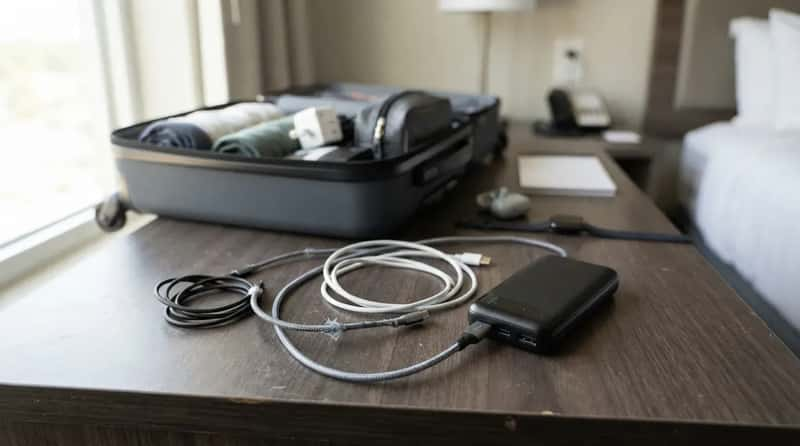
One frayed cable can derail a long stay. Front desks often keep a basket of forgotten chargers, a quiet sign of how common this is. Long-stay guests add watches, earbuds, and tablets, so they need more power, not less.
A spare cable is the cheapest insurance in the bag, because a single dead one can mean a dead phone until you find a replacement. A small power bank helps on days out. It also covers you when the only open outlet is across the room.
Staff say the next one is a risk most guests wave off.
#14 – The Wi-Fi Safety Net Most Guests Skip
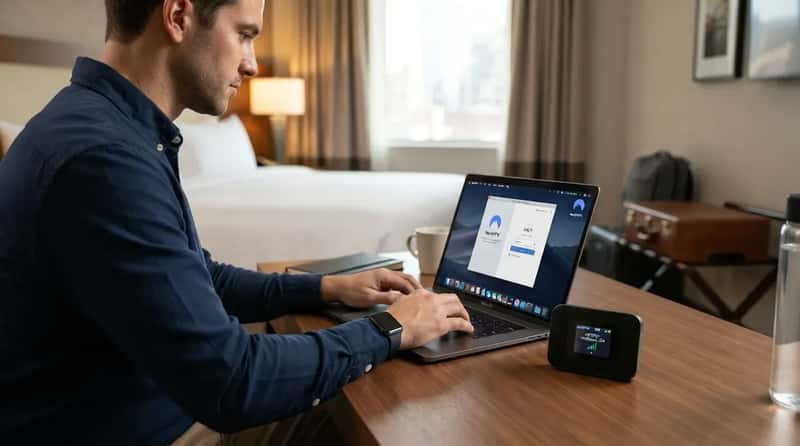
Long stays mean long hours on hotel Wi-Fi. The issue isn’t the hotel’s IT team. It’s the shared nature of the network, which is why consumer-protection agencies generally urge caution on public connections.
Banking apps and work logins are exactly what you don’t want to run on an open network without protection. A reputable VPN adds a layer of safety, and so does two-factor authentication. A personal hotspot is another option for sensitive tasks. All of it can be set up before you leave home.
At a Glance
- Before you go: Turn on two-factor authentication for banking and work accounts.
- On arrival: Confirm the exact network name with the front desk, since look-alike networks exist.
- For sensitive tasks: Use your phone’s hotspot instead of shared Wi-Fi.
- All stay long: Keep devices updated and log out of accounts you aren’t using.
The next one sounds minor until your skin starts complaining.
#15 – The Moisturizer That Hotel Air Quietly Demands
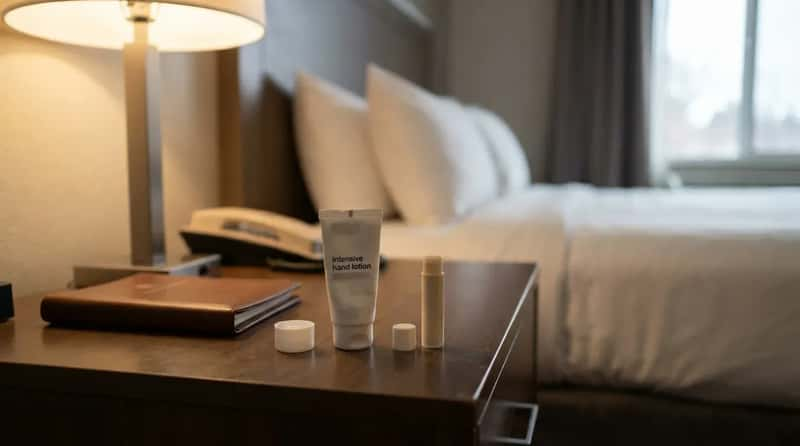
Dry skin is one of the most common long-stay complaints. Staff see lip balm and lotion on the nightstands of guests who’ve learned the hard way. Guests who haven’t often ask for it at the front desk.
Heating and air conditioning pull moisture out of indoor air. Chapped lips and tight hands can show up within days in a dry climate or a heated room. A small tube of lotion and a lip balm fix most of it, and in a very dry region a humidifier is a bigger step that needs the hotel’s okay.
Weather is the next blind spot, and it’s a big one.
#16 – The Layers That Match a Season You Didn’t Plan For
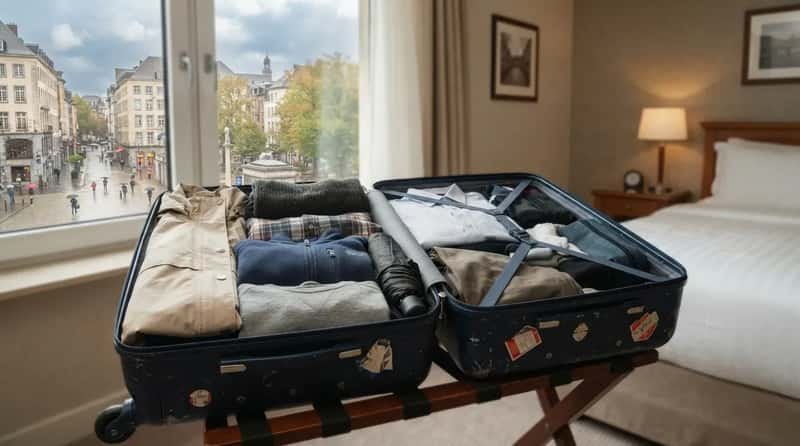
Three weeks is long enough for the weather to change its mind. Concierge teams get asked where to buy a jacket more often than you’d think. A long stay means you’ll live through more than one forecast.
Check the extended forecast before packing, then plan around layers. A light jacket and a scarf can cover a surprising range of temperatures and take little space. Rain is the other gap, and a compact umbrella or shell jacket solves it without a detour to a store.
Worth Knowing
- NOAA has said a five-day forecast is right about 90 percent of the time, and a seven-day forecast about 80 percent.
- Past ten days, treat any forecast as a rough hint, not a promise.
- Three thin layers usually beat one bulky coat for both warmth and bag space.
- Concierge teams can point you to the nearest affordable place to buy a missing jacket.
#17 – The Packing Cubes That Keep a Month From Becoming Chaos
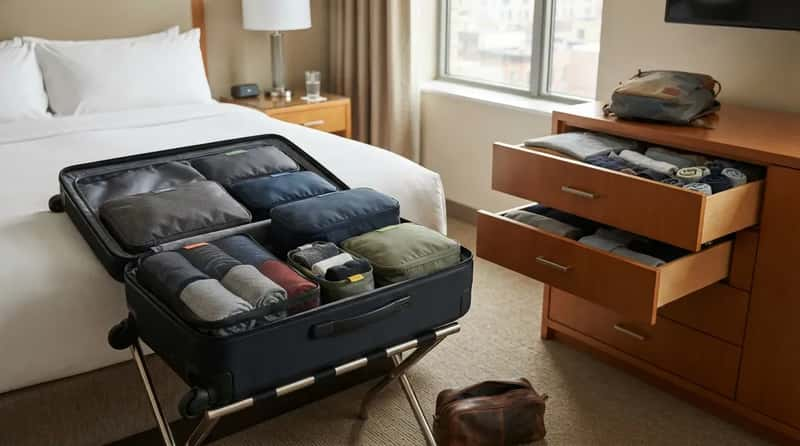
A suitcase exploded across a bed and a floor looks like a long stay gone wrong. Housekeepers see rooms where clothes live in the open bag for weeks. It’s not about neatness. It’s about being able to find your own socks.
Packing cubes sort clothes by type, so you can move them into a drawer in one go. Many hotel rooms have drawers that guests never touch, and a long stay is the time to use them. A small daypack for outings completes the setup.
The next item is small, folded, and almost always missing.
#18 – The Reusable Grocery Bag That Saves a Dozen Trips
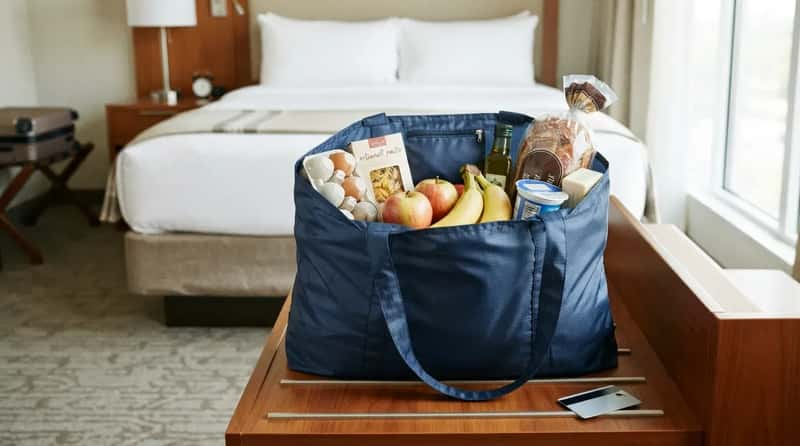
Long-stay guests shop. Front desks see the plastic bags pile up, and sometimes see one rip in the lobby. A foldable tote weighs next to nothing.
It also handles laundry runs, beach days, and pharmacy stops. Some cities charge a fee for bags at checkout, which turns a tote into a small saver over several weeks. Pack one that folds into its own pocket. It’s the least glamorous thing on this list and one of the most used.
But the next item matters far more than convenience.
#19 – The Medications a Lobby Shop Can’t Replace

This is the one staff worry about most. A guest runs out of a prescription on day twelve, and no hotel can fix that. Packing enough for the whole trip, plus a few extra days, is the safest plan.
Keep medications in their original containers and in your carry-on. The TSA allows medically necessary pills and liquids in carry-on bags, and original labels help if anyone asks questions. A basic first-aid kit with pain relievers, bandages, and anything you take regularly covers most small problems. Ask your doctor about refills well before you travel.
And the paperwork gap can be just as stressful.
#20 – The Paper Trail That Matters When Something Goes Wrong

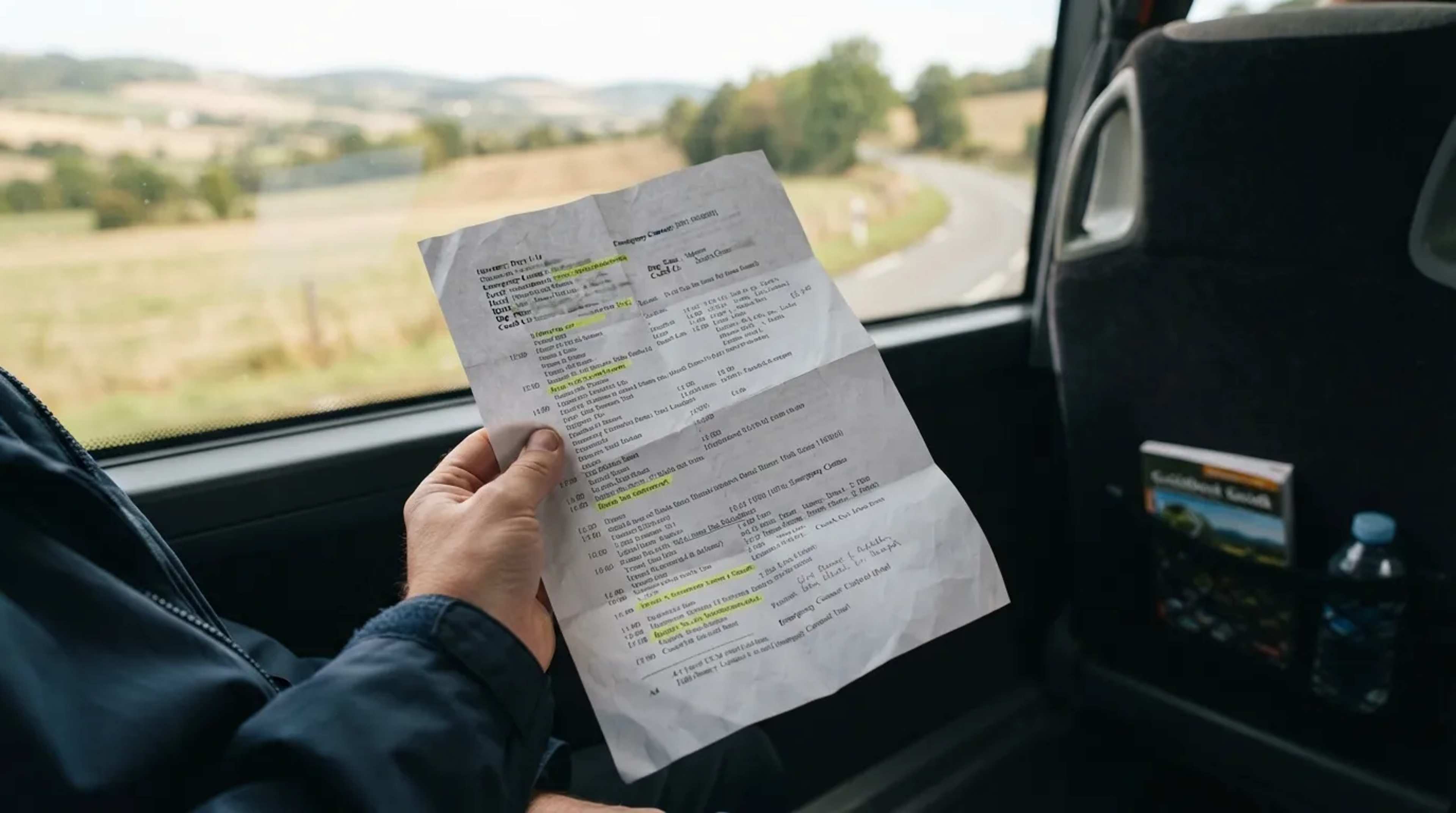
Hotel teams see the panic when a guest can’t find a confirmation or an ID. Long stays mean more paperwork: reservations, receipts, insurance, and emergency contacts. Most of it lives only on a phone.
Phones die, get lost, or get locked. A single printed page with key confirmations and contacts can solve a problem a dead phone can’t. Keep digital copies in a secure cloud folder too, and if you’re staying for work, drop receipts into one envelope from day one.
The next item has nothing to do with logistics at all.
#21 – The Small Piece of Home Staff Notice on Day One
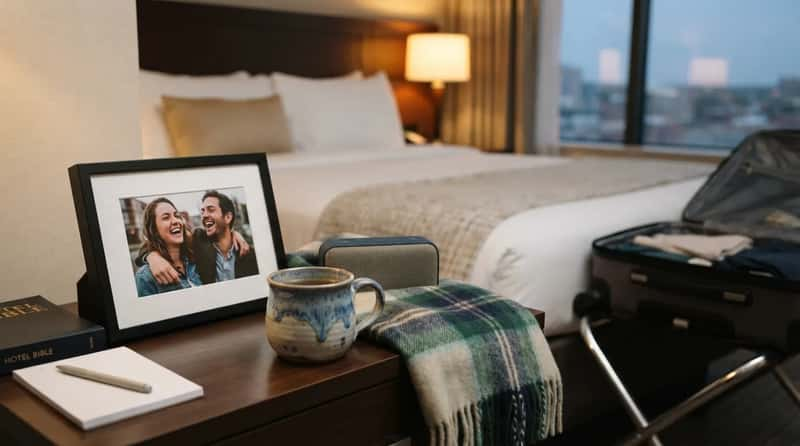
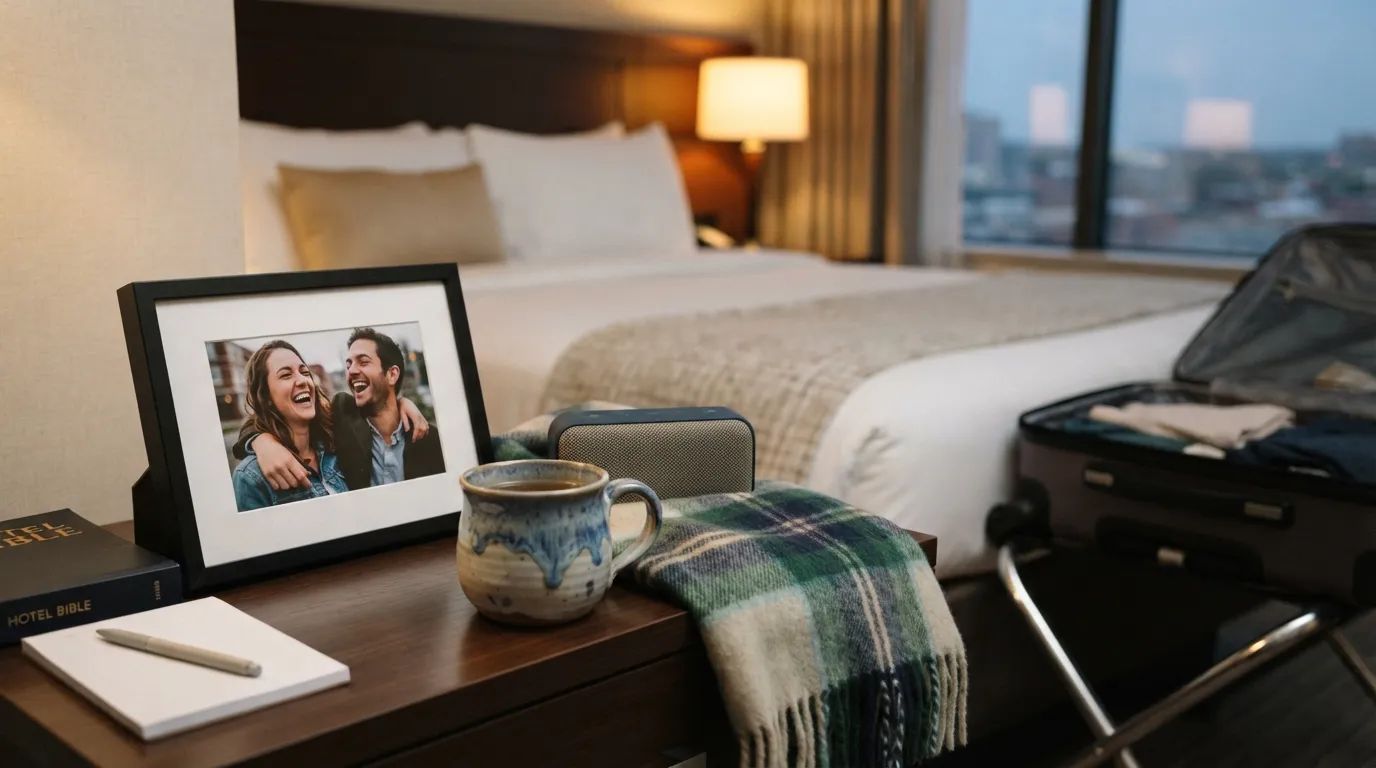
Housekeepers can tell who’s settled in. A framed photo, a favorite mug, or a familiar scarf changes how a room reads. Guests who bring a few personal touches tend to look a lot less worn down by week three.
It isn’t sentimental fluff. Familiar objects make an unfamiliar room easier to live in, and most hotels are fine with guests personalizing their space within the rules. Skip open flames, since candles are banned in most hotels. A small speaker, a throw blanket, or a favorite tea works just as well.
The last two are the ones hotel teams bring up most.
#22 – The Housekeeping Plan Guests Never Ask About
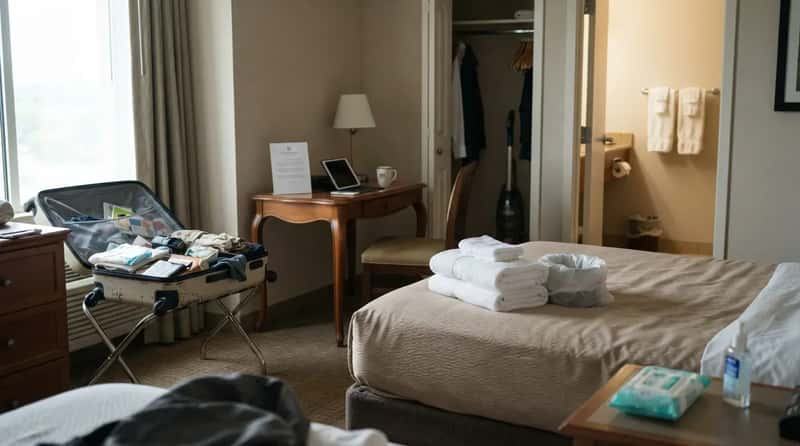
Here’s the truth: long stays don’t always come with daily cleaning. Many extended-stay properties clean on a weekly schedule, and some hotels let guests opt out of daily service. Guests who don’t know this often feel ignored.
Ask on arrival. Knowing the cleaning schedule on day one avoids a week of confusion and a growing pile of used towels. You can request extra towels or trash bags in advance, and plan your laundry around the real schedule.
But the biggest gap of all isn’t something you pack.
#23 – The Empty Space Nobody Leaves in the Suitcase
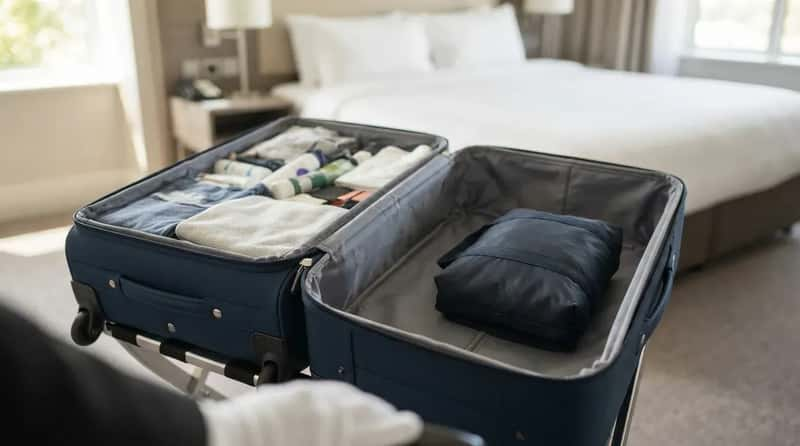
Bellhops notice it first: a suitcase stuffed to the zipper on arrival. A long stay means new purchases, groceries, gifts, and souvenirs. A bag that’s already full has nowhere for any of it to go.
Seasoned guests leave room on purpose. A bag packed to 100 percent on the way in often means a second bag, or extra fees, on the way out. A foldable duffel solves it, and so does leaving a third of the bag empty.
A long-stay suitcase isn’t a bigger weekend bag. It’s a small, portable version of your daily life, and the people at the front desk can read it before you’ve signed the registration card.
Nothing on this list is expensive, and almost all of it fits in the corners. The real trick is the one thing you can’t buy: leaving a little room for whatever the stay is about to hand you.