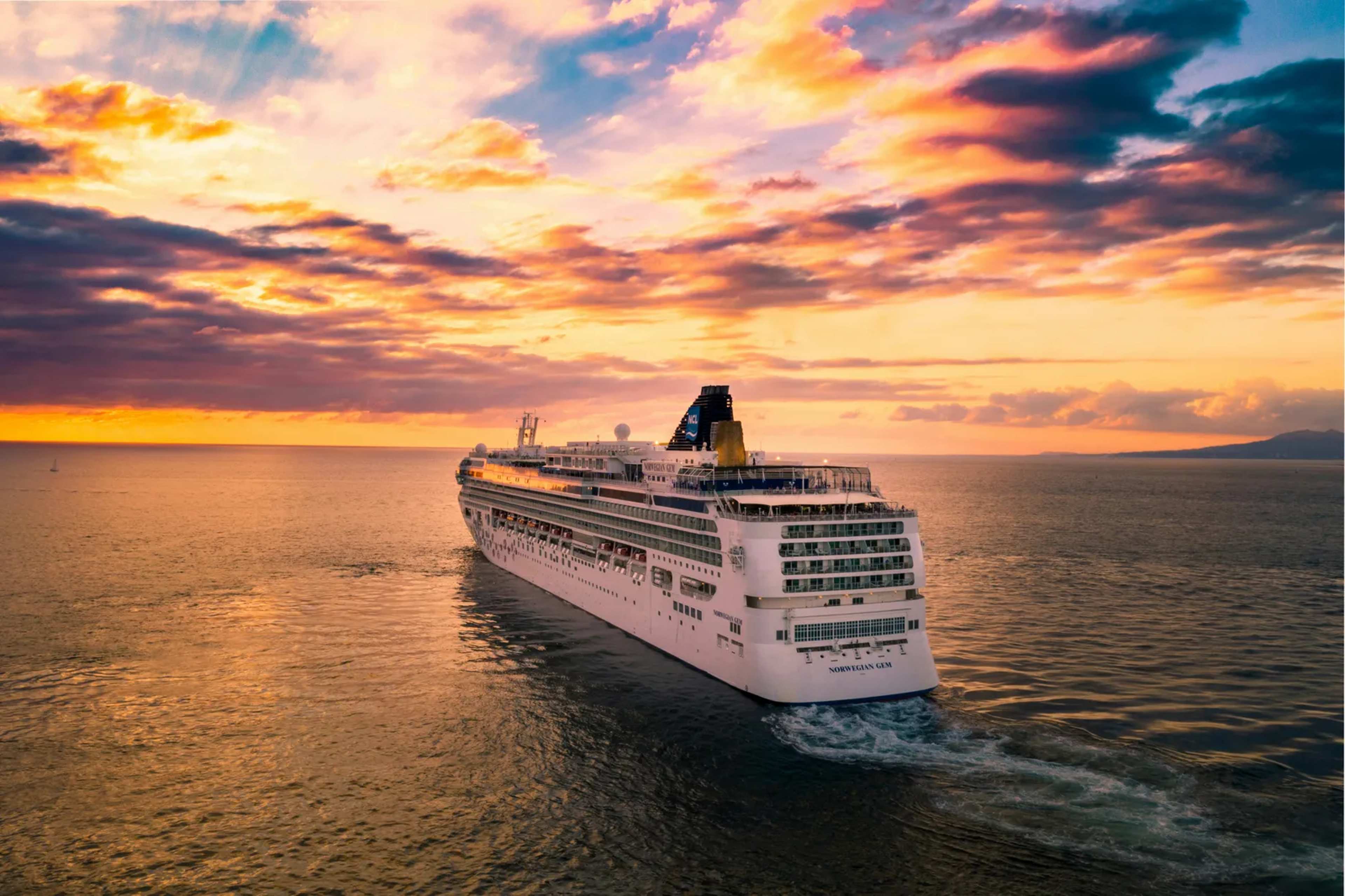
Walk into any beach resort dining room today and you’ll find poke bowls, farm-to-table plates, and maybe a sad little charcuterie board. Rewind to 1985, though, and that same dining room looked like a fever dream of flaming carts, towering ice sculptures, and tableside theater. Vacationers didn’t just eat dinner back then – they watched it get set on fire in front of them.
Most people assume old-school resort food was just “fancier steak and lobster.” That’s only half the story. The truth is stranger, greasier, and honestly more entertaining than almost anything on a menu now. Here’s what actually filled those buffet lines and banquet halls before nutrition labels and Instagram ruined the fun.
#24 – Steak Tartare Turned Nervous Guests Into Instant Legends
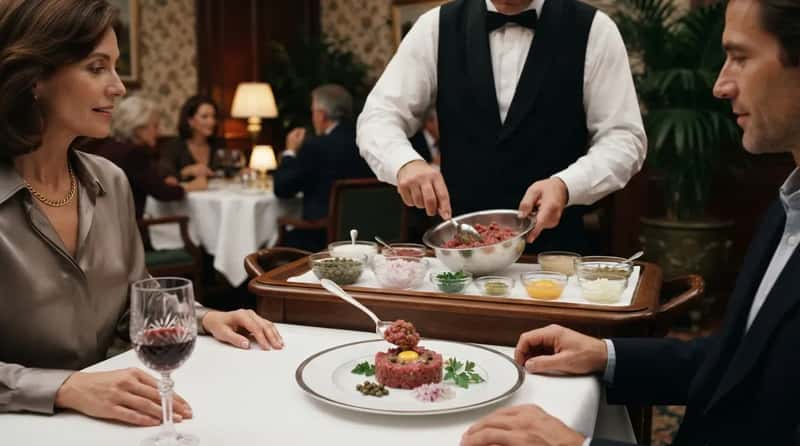
Raw beef, hand-chopped tableside, topped with a raw egg yolk and capers – this was the ultimate “prove you’re sophisticated” order at 1980s resort restaurants. Servers would wheel over a cart and mix it right in front of you, seasoning it like a tiny performance. Guests who ordered it often did so just to impress their table.
Most diners had no idea the dish dated back to French bistro culture decades earlier, but resorts marketed it as daring and modern. Health scares around raw egg and beef eventually pushed it off mainstream menus entirely. Today it survives only in upscale steakhouses, not poolside dining rooms.
#23 – Vichyssoise Confused an Entire Generation of Vacationers
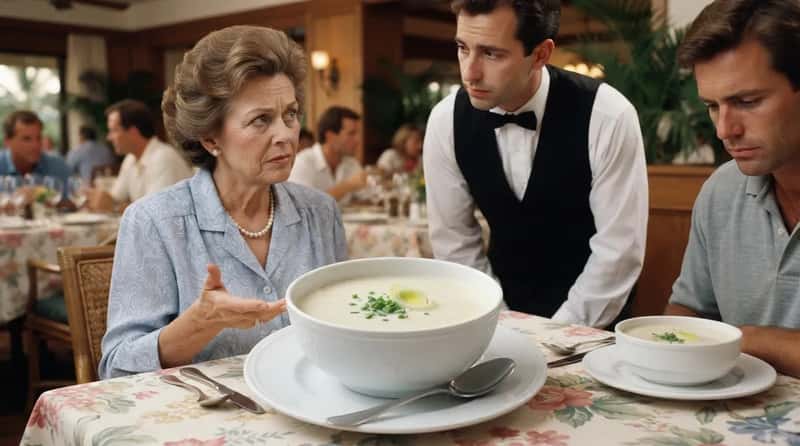
This chilled potato-and-leek soup sounds elegant, but it caused more confusion than any other dish on the resort circuit. Guests routinely sent it back, assuming the kitchen had made a mistake and served them cold soup by accident. Servers had to explain, table after table, that yes, it was supposed to be cold.
The dish was actually invented in the early 1900s, not France’s ancient past like resorts implied, giving it a manufactured sense of old-world class. It disappeared almost overnight once diners decided cold soup simply wasn’t worth the awkward explanation. Few resorts dared to keep it on rotation past the late ’80s.
#22 – Rumaki Was the Tiki-Bar Snack Everyone Pretended to Love
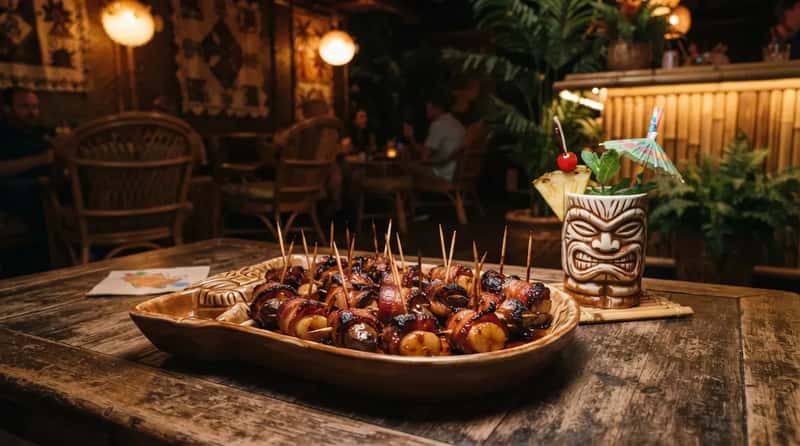
Bacon-wrapped chicken liver and water chestnuts, broiled and skewered – rumaki was a fixture of every tropical-themed resort lounge. It rode the wave of Polynesian-style tiki culture that swept American vacation spots in the postwar decades and lingered hard into the ’80s. It paired with a Mai Tai like peanut butter pairs with jelly.
Few guests actually liked the liver, but almost everyone ate it anyway just to fit the tropical mood. As tiki bars faded from fashion, so did the appetizer built entirely around that aesthetic. Modern resorts occasionally revive it ironically, but rarely with a straight face.
#21 – Banquet Deviled Eggs Disappeared With the Buffet Tray Itself
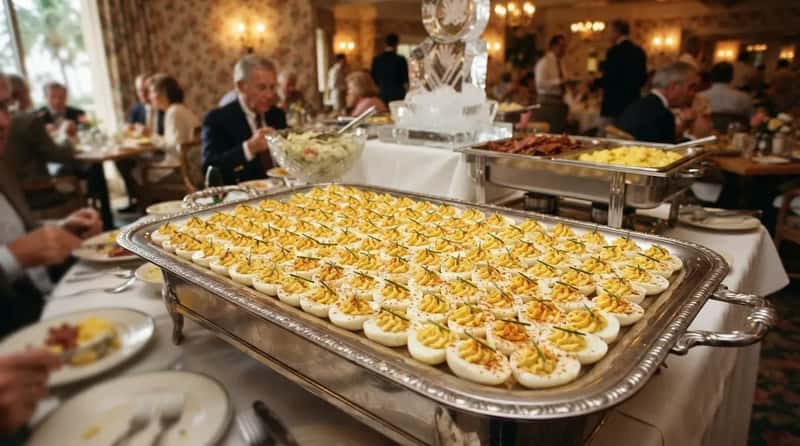
Every resort brunch buffet had a massive tray of deviled eggs, dusted with paprika and lined up like soldiers. They were cheap to make in bulk, held up under heat lamps, and photographed well for hotel brochures. Guests would grab two or three without even thinking twice.
Health inspectors eventually cracked down hard on eggs sitting unrefrigerated for hours, which quietly killed the tradition at most large properties. Smaller boutique hotels still sneak them onto brunch spreads occasionally. But the giant tray, once a buffet centerpiece, is basically extinct.
Fast Facts
- Deviled eggs go back centuries, but the mass buffet-tray version exploded in popularity in mid-1900s America.
- Food safety guidance is blunt about the risk: perishable food “should not be left out for more than 2 hours at room temperature”, and that includes egg dishes sitting under a heat lamp.
- On a hot patio above 90°F, that safe window shrinks to just one hour.
- Paprika became the go-to garnish partly because it added color and shelf appeal without changing the flavor.
#20 – Waldorf Salad Was the Original “Fancy” Side Dish
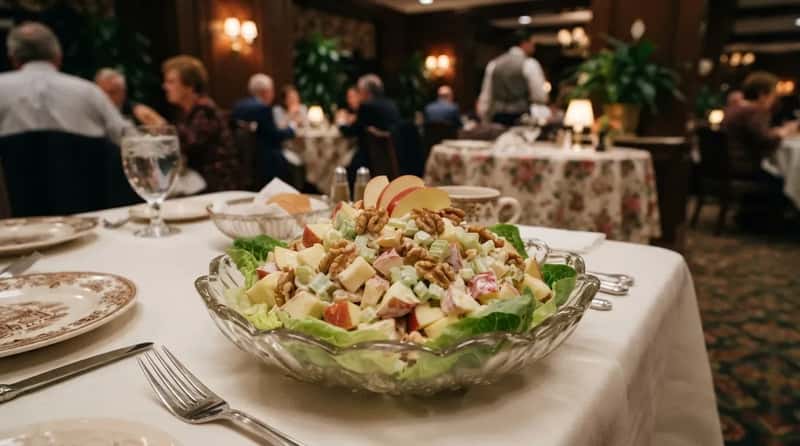
Apples, celery, walnuts, and mayonnaise combined into a dish that felt shockingly upscale to 1980s vacationers. It had actually originated at New York’s Waldorf-Astoria hotel decades earlier, giving it built-in prestige resorts loved to borrow. Every steakhouse and country club dining room served a version of it.
The original recipe didn’t even include walnuts – resorts added them later to make it feel more “gourmet.” As tastes shifted toward fresher, less mayo-heavy sides, Waldorf salad quietly slid off menus. Today it mostly survives as a punchline about outdated dinner parties.
#19 – Jell-O Molds Turned Dinner Into a Wobbly Spectacle
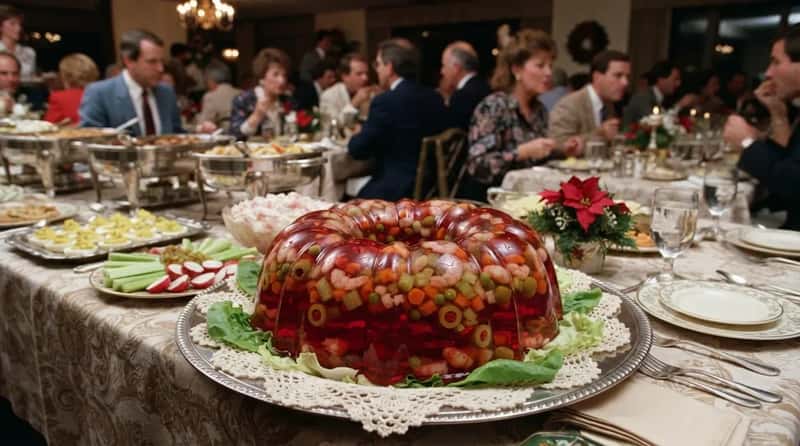
Savory Jell-O molds packed with shrimp, vegetables, or ham were a shocking staple of resort banquet tables well into the 1980s. They looked impressive sliced on a platter, catching light like stained glass. Guests either loved the novelty or quietly avoided the table entirely.
Some resorts even served tomato-aspic molds as a main-course centerpiece, not a side dish. As American tastes moved away from gelatin-based savory food, the molds became a punchline rather than a delicacy. You’d be hard-pressed to find one on a hotel buffet today.
#18 – The Ice-Sculpture Shrimp Cocktail Was Peak Resort Flex
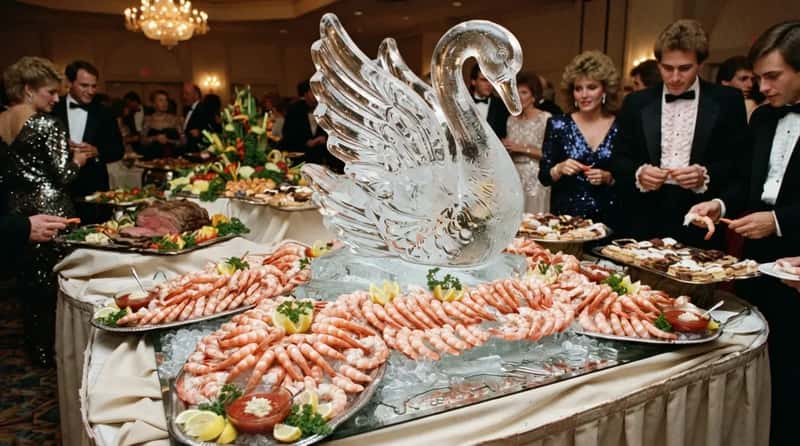
Jumbo shrimp arranged around a massive ice sculpture, often shaped like a swan or a mermaid, was the ultimate signal that a resort was “high end.” Guests would line up just to take photos before eating a single bite. The bigger the sculpture, the more prestigious the property felt.
Resorts often spent more on the ice carving than the actual shrimp, according to old hospitality-industry trade publications describing 1980s banquet trends. Melting sculptures and rising seafood costs eventually made the display impractical. A simple shrimp tower is the closest thing you’ll find now.
#17 – Clams Casino Was the Appetizer Every Steakhouse Copied
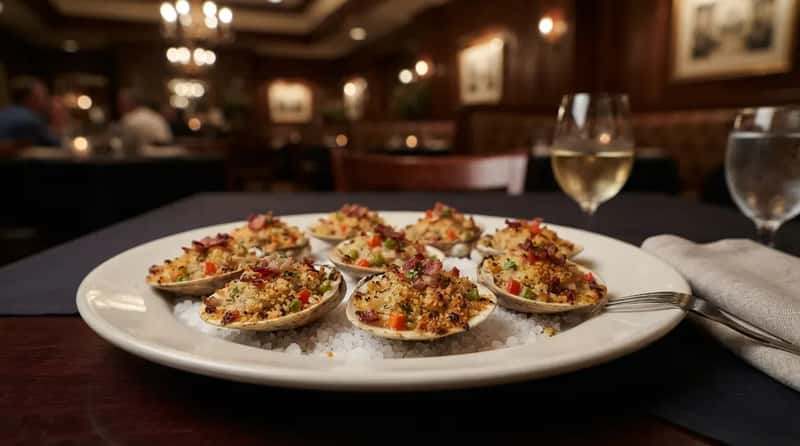
Baked clams topped with bacon, peppers, and breadcrumbs were everywhere on 1980s resort menus, from Atlantic City boardwalks to Florida beach hotels. The dish traces back to early 1900s Rhode Island, but resorts repackaged it as a coastal delicacy. It felt indulgent without being too adventurous for cautious eaters.
Guests often assumed it was a healthier seafood option simply because it had “clams” in the name, despite the heavy bacon and butter. As raw bars and lighter seafood trends took over, Clams Casino slowly lost its spot. It now mostly survives in old-school Italian-American restaurants.
#16 – Oysters Rockefeller Made Guests Feel Instantly Wealthy
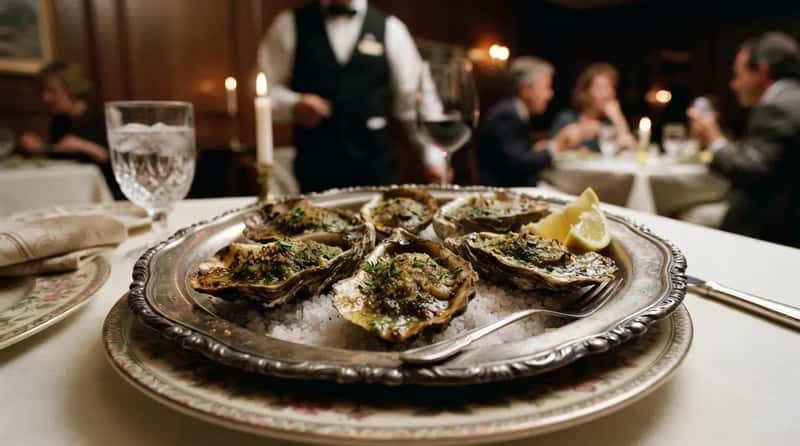
Oysters baked with a rich green herb-and-butter topping were a genuine status symbol at resort dinner tables. The dish originated in New Orleans in the late 1800s, and its exact recipe remained famously secretive for decades. Resorts loved leaning into that mystery to make guests feel like they were tasting something forbidden.
Many resort chefs never actually used spinach, the ingredient most people assume is central to the dish. As raw oyster bars gained popularity, the baked, buttery version started to feel heavy and old-fashioned. It’s now a rare find outside New Orleans itself.
Worth Knowing
- The dish was created at Antoine’s Restaurant, where chef Jules Alciatore came up with it “as a replacement when it became difficult to get snails” for the usual escargot dish.
- The name was chosen because “John D. Rockefeller was the world’s richest man at the time,” and the green sauce echoed the color of money.
- Jules Alciatore kept his oysters Rockefeller recipe secret, and his descendants have done the same for well over a century.
- Antoine’s is still open in New Orleans today, and the original recipe has reportedly never left the family.
#15 – Escargot Was the Ultimate “Brave Diner” Order
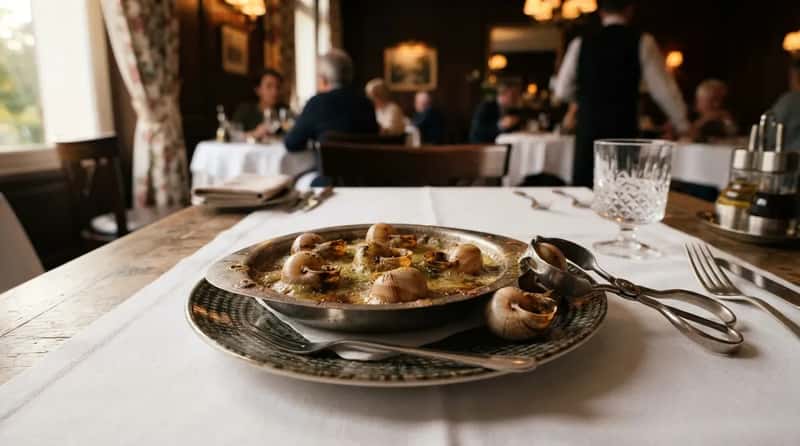
Snails swimming in garlic butter, served in those little metal dimpled dishes, showed up on nearly every upscale resort menu in the 1980s. Ordering it was less about flavor and more about proving you weren’t afraid of “weird” food. Waitstaff often had to demonstrate the tiny tongs before guests would even attempt it.
Many guests admitted afterward they were mostly tasting garlic butter, not the snail itself. As adventurous eating shifted toward sushi and global street food in later decades, escargot lost its “daring” reputation entirely. It now reads as retro rather than bold.
#14 – Crown Roast of Pork Was the Holiday Centerpiece Everyone Photographed
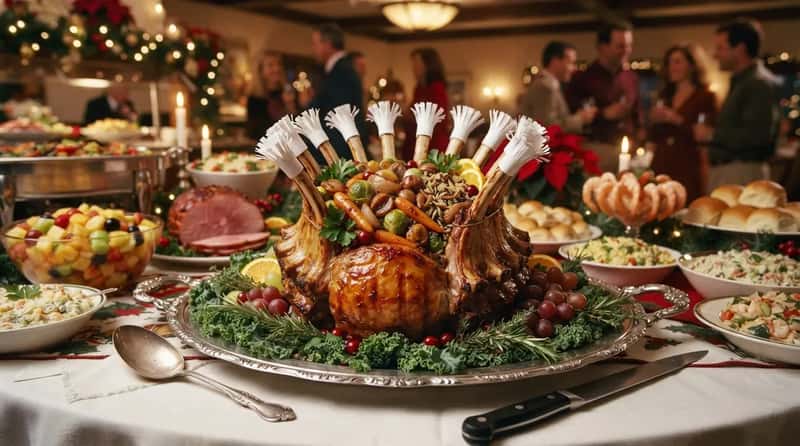
Shaped into a dramatic circle with bones pointing upward like a crown, this roast was the showpiece of resort holiday buffets, especially around Christmas and New Year’s. Chefs would stuff the center with fruit or vegetables for extra visual drama. It practically demanded a photo before anyone cut into it.
The dish required so much labor and bone-tying skill that many resorts eventually deemed it unprofitable. Rising labor costs in commercial kitchens pushed properties toward simpler carving-station meats. A full crown roast at a hotel buffet is now almost impossible to find.
#13 – Chicken Kiev Made Butter the Star of the Show
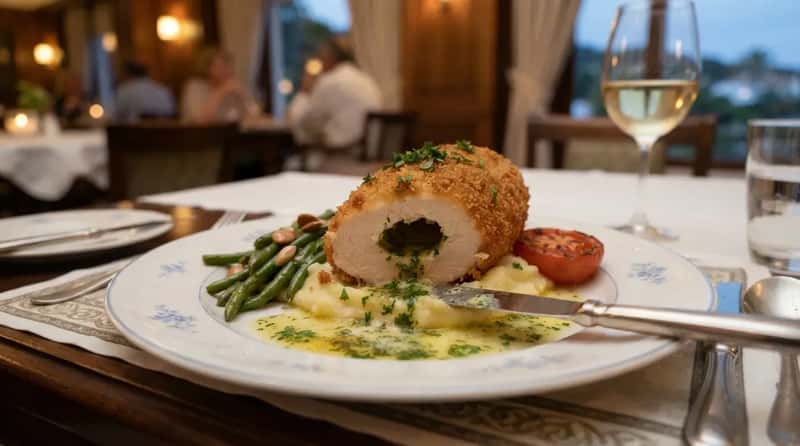
Breaded chicken breast wrapped around a core of herb butter, designed to burst dramatically when guests cut into it, was a signature resort main course throughout the ’80s. Servers often warned guests to cut carefully to avoid a butter explosion across the table. It was messy, rich, and unforgettable.
The dish is actually rooted in Russian and Ukrainian culinary tradition, not French cuisine like many assumed. As lighter chicken preparations became trendy in the ’90s, the butter-bomb approach fell out of favor fast. It’s now mostly a nostalgic throwback rather than a menu staple.
#12 – Duck a l’Orange Signaled a “Serious” Resort Dining Room
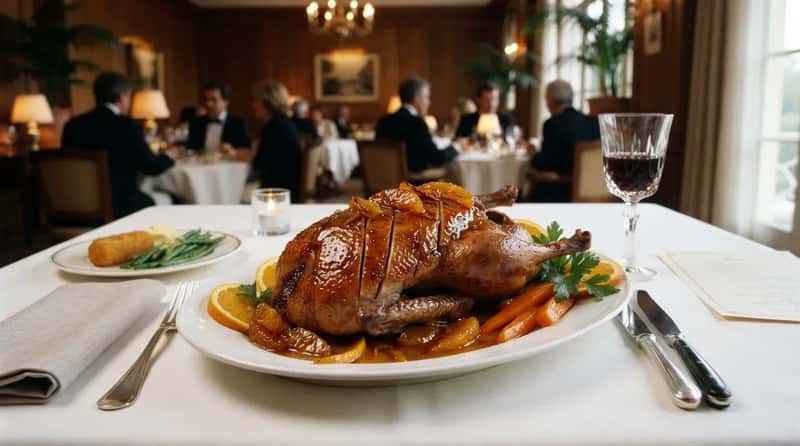
Roast duck glazed in a sweet-tart orange sauce was the dish resorts used to separate their fine-dining room from the casual poolside grill. It required real technique to render the duck fat properly, which made it a mark of kitchen skill. Guests treated ordering it as a special-occasion moment.
Many resort chefs quietly admitted the sauce was doing most of the work, not the duck itself. As lighter, fresher sauces replaced heavy sugar-based glazes in the ’90s, the dish started feeling dated. It’s rarely seen outside classic French restaurants today.
#11 – Coq au Vin Made Chicken Feel Like a Big Deal
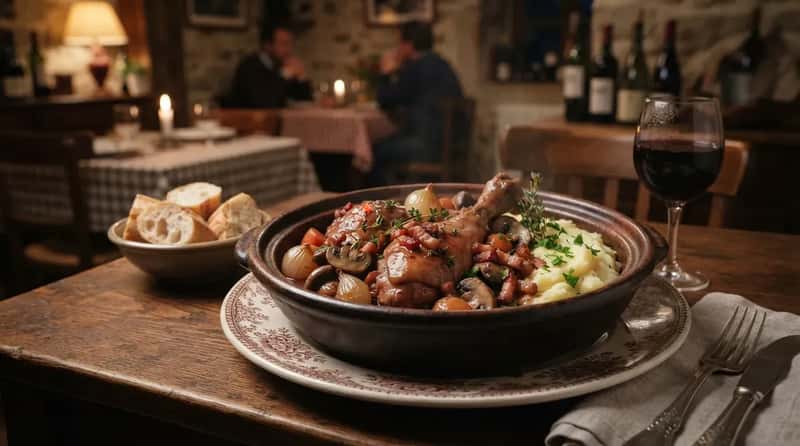
Chicken braised slowly in red wine with mushrooms and pearl onions gave resort dining rooms an easy way to make an ordinary protein feel special. It was a French countryside classic that hotel chefs adapted for banquet-scale cooking. Guests loved the rich, wine-soaked sauce spooned generously over the top.
The dish traditionally used an old rooster, not the tender chicken breasts resorts substituted for convenience. As braised, slow-cooked entrees fell out of fashion in favor of quicker grilled options, Coq au Vin slid off most hotel menus. It now lives mostly in small French bistros.
#10 – Veal Oscar Combined Three Luxuries Into One Plate
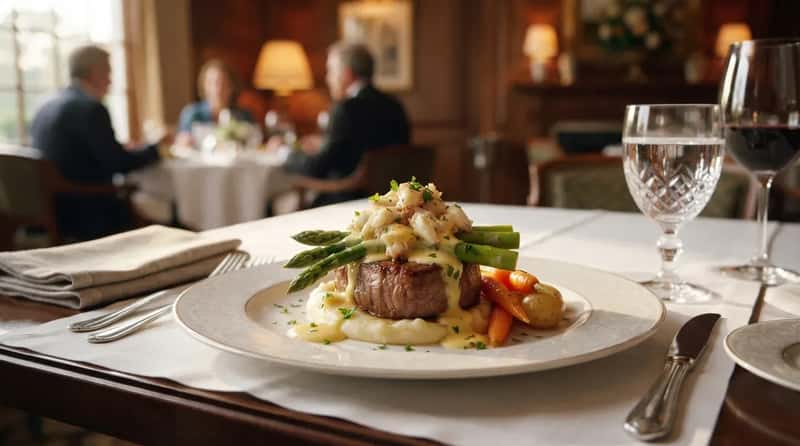
Veal topped with crab meat, asparagus, and hollandaise sauce was resort dining at its most extravagant, stacking three expensive ingredients onto a single entree. It signaled that a hotel wasn’t just fancy – it was willing to spend big to prove it. Guests treated it as the ultimate splurge dinner.
The dish was reportedly named for a Swedish king who loved the combination of veal and crab. As veal fell out of favor due to animal-welfare concerns starting in the ’90s, this once-glamorous dish became nearly impossible to justify on modern menus. Today it’s a rare relic of old-school steakhouse culture.
#9 – Surf and Turf Became the Ultimate Vacation Splurge Meal
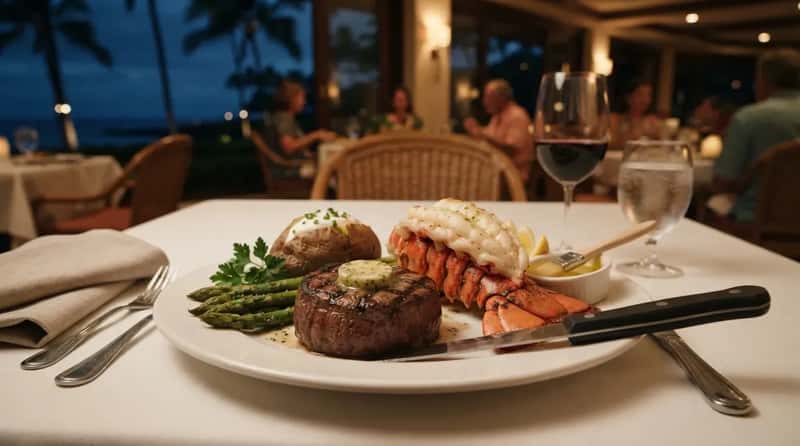
Steak paired with lobster tail was the dish every resort menu used to signal “you’re on vacation, treat yourself.” It combined two separate luxury proteins onto one plate, doubling the indulgence factor instantly. Families would order it once per trip as a designated “special night” meal.
Resorts often marked it up dramatically higher than either dish sold separately, banking on vacationers’ willingness to splurge once they’d already paid for the trip. As lobster prices fluctuated wildly through the ’80s and ’90s, many properties quietly shrank the portions instead of raising prices outright. It still exists today, but rarely with the same ceremony.
Quick Compare
- Steak alone: a familiar order nobody thinks twice about
- Lobster tail alone: an occasional but recognizable splurge
- Surf and turf together: priced and presented as a single vacation “event,” not two separate menu items
#8 – Lobster Thermidor Made Guests Feel Like Royalty
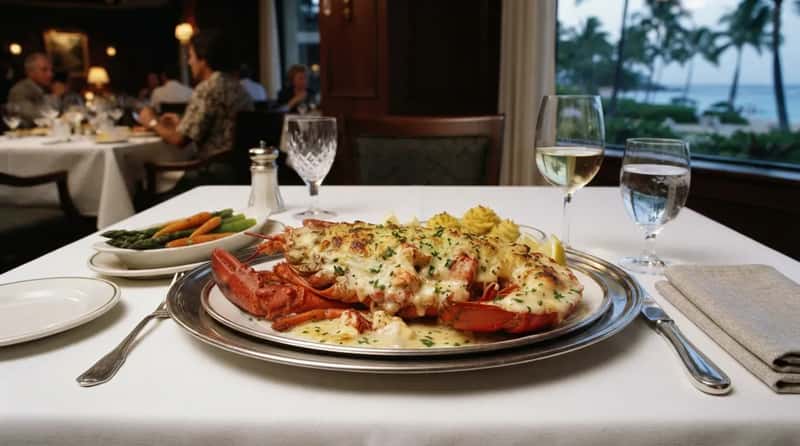
Lobster meat mixed into a rich brandy-and-cream sauce, then stuffed back into the shell and broiled until bubbling, was the definition of resort excess. The presentation alone – a lobster shell overflowing with sauce – made it an Instagram moment before Instagram existed. Guests often ordered it specifically for anniversaries or big celebrations.
The dish is French in origin and named after a 19th-century play, not a person or place, as many guests assumed. As cream-heavy French sauces gave way to lighter preparations, Thermidor became too rich for modern palates. It survives mostly in old-guard steakhouses rather than beach resorts.
#7 – Tournedos Rossini Turned Steak Into a Luxury Statement
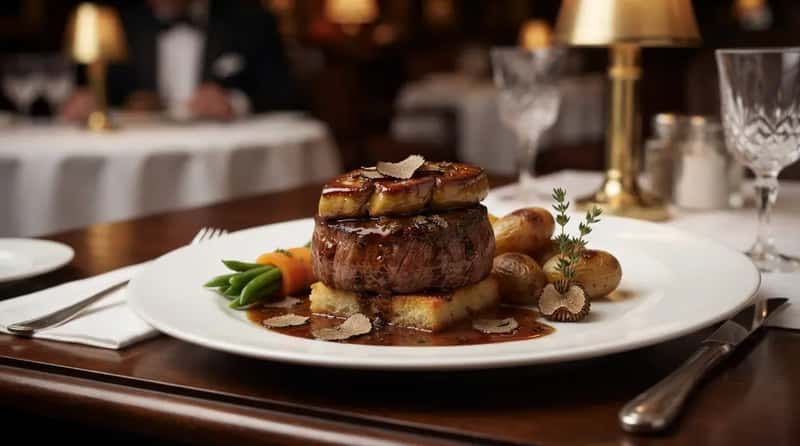
A filet mignon topped with foie gras and truffle sauce, Tournedos Rossini was as close as most American vacationers ever got to eating like European royalty. Resorts used it to justify sky-high menu prices, framing it as an experience rather than just dinner. It rarely appeared outside the most upscale properties.
The dish was named after composer Gioachino Rossini, who was reportedly obsessed with fine food himself. As foie gras faced growing ethical criticism and bans in several U.S. states starting in the 2000s, this dish became nearly impossible for most resorts to keep serving. It’s now a genuine rarity.
#6 – Chateaubriand for Two Made Every Anniversary Feel Bigger
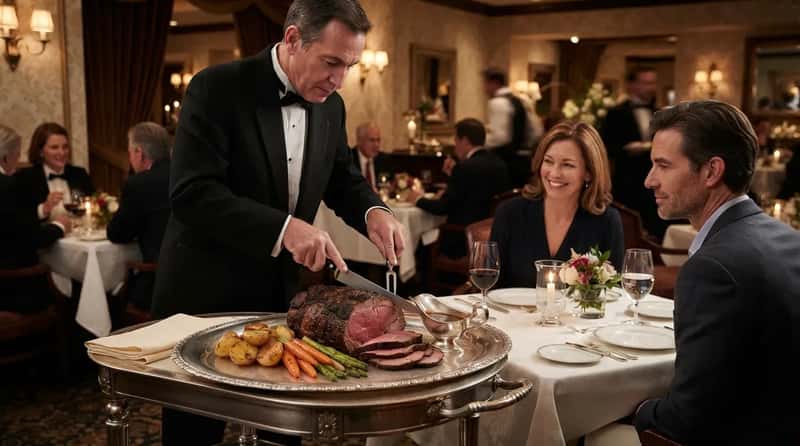
A thick center-cut beef tenderloin, carved tableside and served with a rich sauce, Chateaubriand was specifically designed as a shared, romantic entree. Resorts marketed it directly at couples celebrating anniversaries or honeymoons. The tableside carving added drama that a plated steak simply couldn’t match.
The dish is named after a French writer, not a cut of beef, despite decades of confused diners assuming otherwise. As portion sizes and dining habits shifted toward individual plates rather than shared showpieces, the tradition of tableside carving faded fast. It’s now mostly found at a handful of old-school steakhouses.
#5 – Beef Wellington Was the Dish Resorts Used to Prove They Were Elite
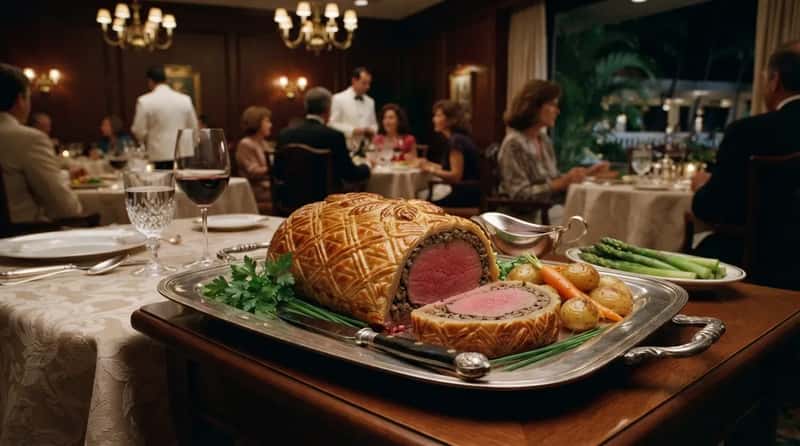
Beef tenderloin wrapped in pate and puff pastry, then baked until golden, Beef Wellington required serious kitchen precision to pull off correctly. A soggy or undercooked Wellington could ruin a resort’s fine-dining reputation overnight. Getting it right meant a kitchen truly knew what it was doing.
Despite its fancy French-sounding techniques, the dish is actually British, reportedly named for the Duke of Wellington. As resort kitchens shifted toward faster-turnaround menus in the ’90s, the labor-intensive pastry work became too costly for daily service. It now mostly appears at holiday specials rather than regular menus.
At a Glance
- Named for a British military leader, not a French chef, despite the very French pastry technique
- A soggy bottom crust was considered a genuine kitchen failure, not just a minor flaw
- Timing had to be exact, since the pastry, the pate, and the beef all cook at different speeds
- Later found a second life on TV cooking shows, long after most resorts had already dropped it
#4 – Steak Diane Turned Dinner Into a Tiny Fireworks Show
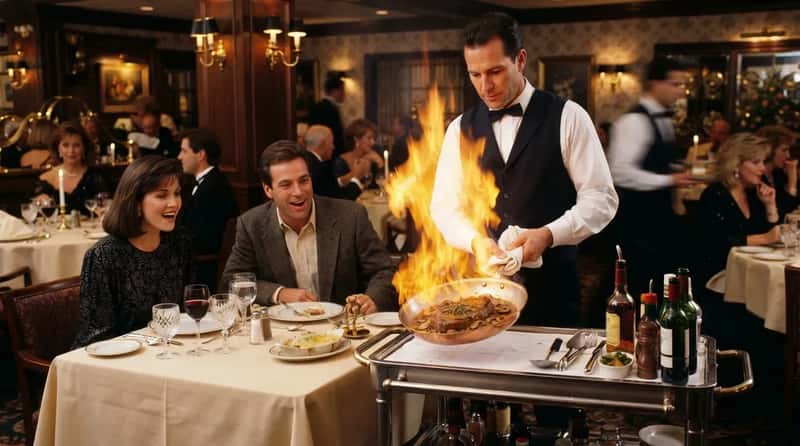
Pan-seared steak finished tableside with a brandy flambe and mustard-cream sauce, Steak Diane was pure theater disguised as dinner. Servers would ignite the brandy right at the table, drawing gasps from nearby diners. It was less about subtlety and more about spectacle.
Many resorts required special staff training just to safely flambe dishes tableside, according to old hospitality-service manuals from the era. As open-flame tableside service raised liability and insurance concerns, hotels quietly phased it out. Modern resorts almost never risk a flaming cart near the dining room today.
Cooking with fire in front of a table full of strangers isn’t a technique. It’s a promise that something memorable is about to happen.
Julia Child
#3 – Crepes Suzette Made Dessert Feel Like an Event
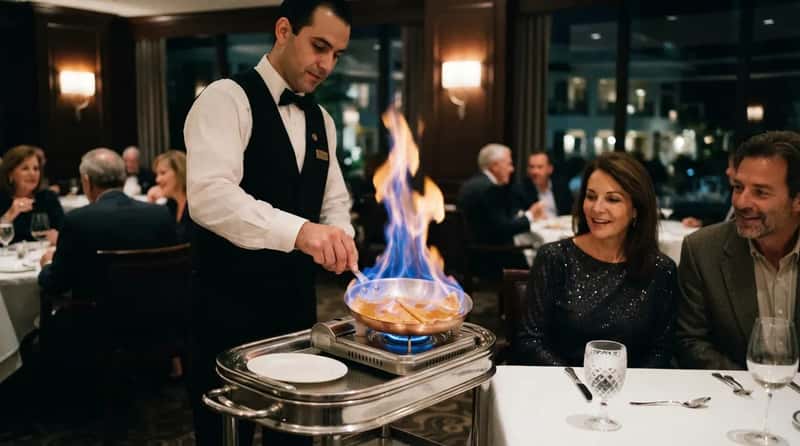
Thin crepes soaked in orange liqueur and sugar, then flambeed tableside in a dramatic burst of blue flame, Crepes Suzette closed out resort dinners with maximum drama. It was often the dish couples specifically requested for anniversaries or proposals. The flaming presentation alone made it worth the extra cost.
Legend claims the dish was invented by accident when a chef’s assistant let the liqueur catch fire in front of a young prince, though historians debate how much of that story is true. As liability concerns around open flames grew, fewer resorts kept trained staff for it. It’s now a novelty rather than a norm.
#2 – Cherries Jubilee Was the Dessert That Made Grandparents Gasp
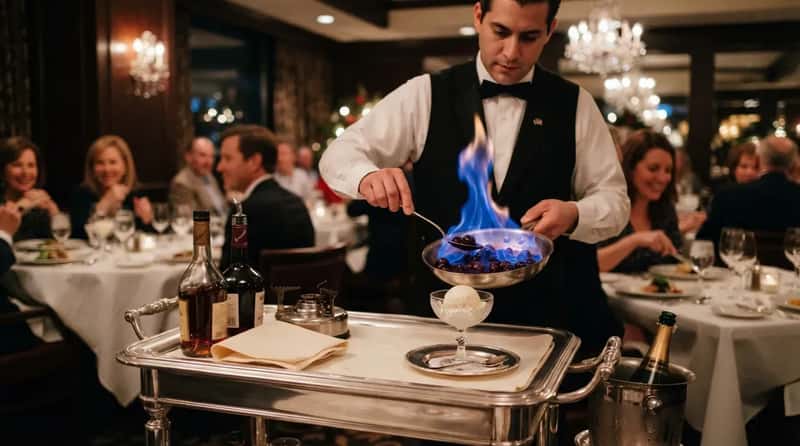
Cherries flambeed in brandy or kirsch and poured over vanilla ice cream, Cherries Jubilee combined nostalgia, drama, and old-world glamour into one dessert cart. Resorts loved wheeling it tableside because the blue flame drew attention from every nearby table. It made an ordinary dessert feel like a genuine occasion.
The dish is reportedly linked to Queen Victoria’s Golden Jubilee celebration in the 1800s, giving it built-in royal prestige that resorts happily borrowed. As tableside flambe service declined across the hospitality industry, Cherries Jubilee became something guests only remember from childhood vacations. Few properties still perform it live today.
#1 – Baked Alaska Was the Grand Finale No Resort Dessert Cart Ever Topped
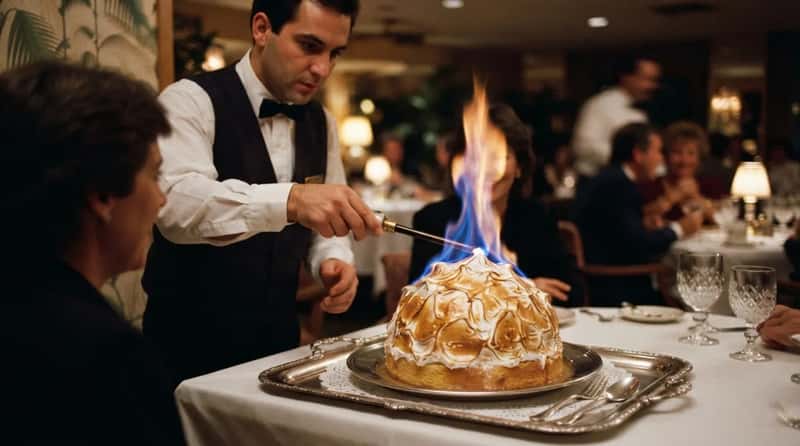
Ice cream nestled inside sponge cake, covered in torched meringue, and sometimes flambeed right at the table – Baked Alaska was the single most theatrical dessert of the entire resort era. Servers would dim the lights just to make the torching moment feel bigger. It wasn’t really about taste; it was about the show.
The dish reportedly dates back to the 1800s and was named to celebrate the U.S. purchase of Alaska, a fact almost no 1980s diner actually knew while eating it. As kitchens shifted away from elaborate tableside dessert service toward simpler plated options, Baked Alaska mostly vanished from regular menus. When resorts do bring it back now, it’s almost always framed as a deliberate throwback, not a modern classic.
Why It Stands Out
- Combines two extremes in one bite: ice-cold filling under a torched, hot meringue shell
- Named as a nod to a major U.S. land purchase, not any ingredient in the dessert itself
- Demands split-second timing tableside, since the ice cream can start melting the moment the torch comes out
- Now shows up almost exclusively as a nostalgic special-occasion throwback rather than a regular menu item
None of these dishes disappeared because they tasted bad. They disappeared because the entire style of dining around them – tableside flames, ice sculptures, and hour-long banquet spreads – stopped matching how people actually wanted to vacation. Lighter menus, faster service, and health-conscious guests rewrote resort dining from the ground up.
Still, there’s something undeniably fun about a menu that once treated dinner like a live performance. Which one of these would you actually want to see make a comeback? Tell us in the comments.