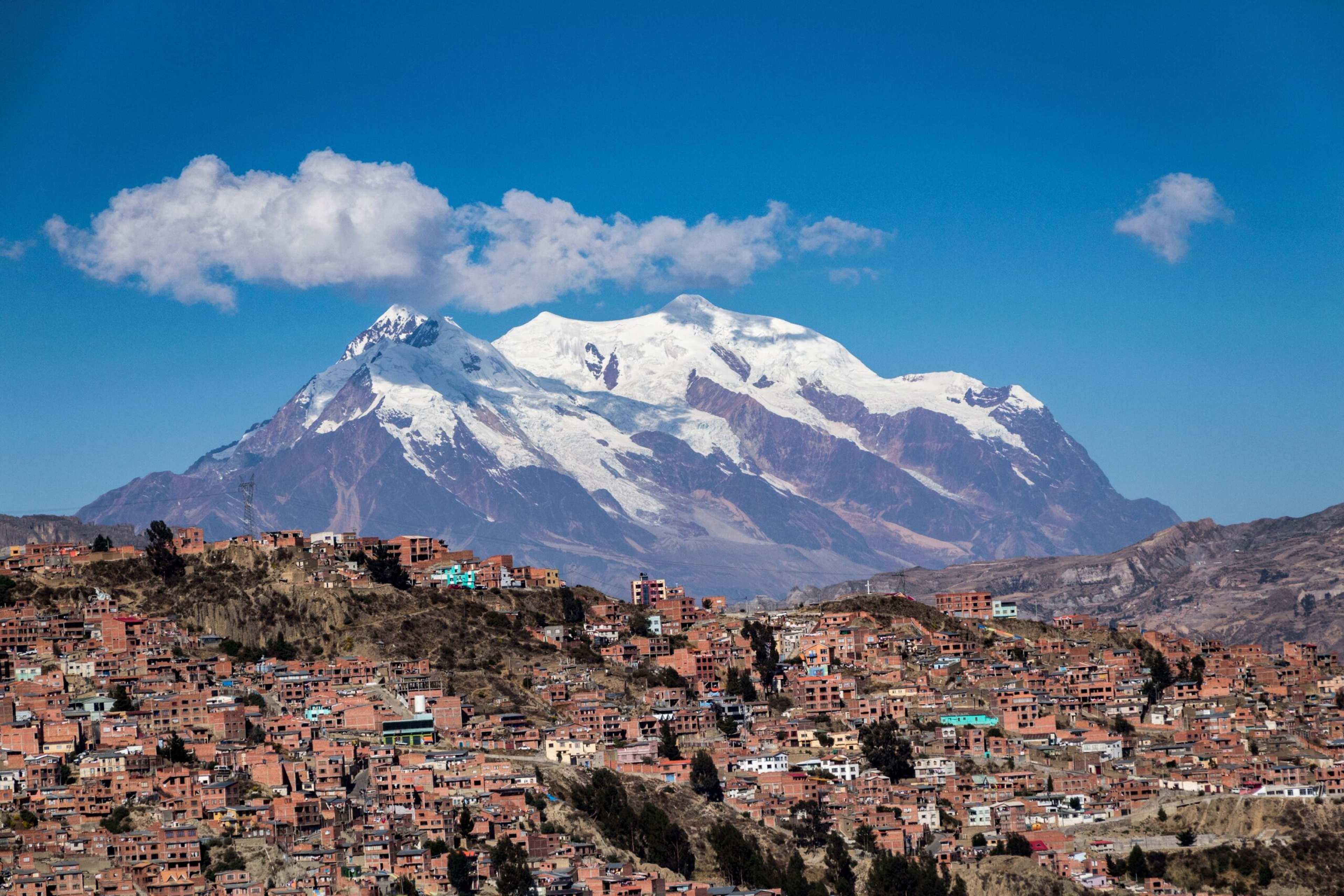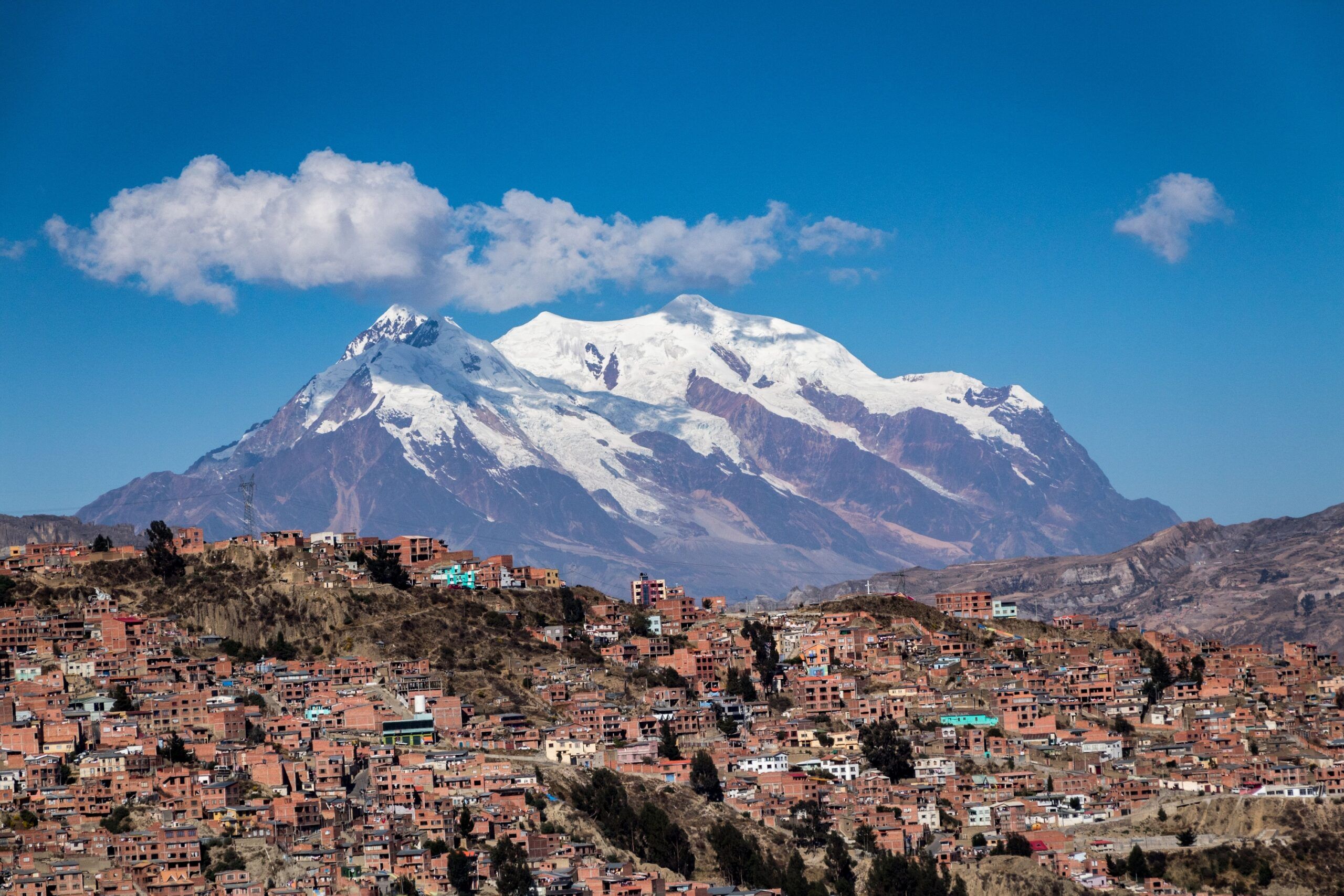
Flying into an Andean city can feel strangely ordinary at first. You step off the plane, collect your bag, and then notice that the short walk to the taxi has left you winded. That small moment is the thin air making itself known.
Cusco, La Paz, and Quito are three of South America’s most rewarding stops, and all three sit high enough to affect how you feel. Travel medicine guidance is fairly consistent on what helps, and most of it comes down to planning before you ever board the flight.
Know the Numbers for Each City

The three cities are not equal. A State Department advisory group lists La Paz at 11,942 feet, Cusco at 11,151 feet, and Quito at 9,350 feet[1]. In metric terms, Cusco sits near 3,400 meters, which is where many travel clinics start talking seriously about prevention.
Quito is noticeably lower, yet it still clears the threshold that matters. The CDC’s Yellow Book notes that going straight from low elevation to more than 9,000 feet (2,750 meters) of sleeping elevation in one day should be avoided[2]. All three cities fall above that line.
Why Flying In Raises the Stakes
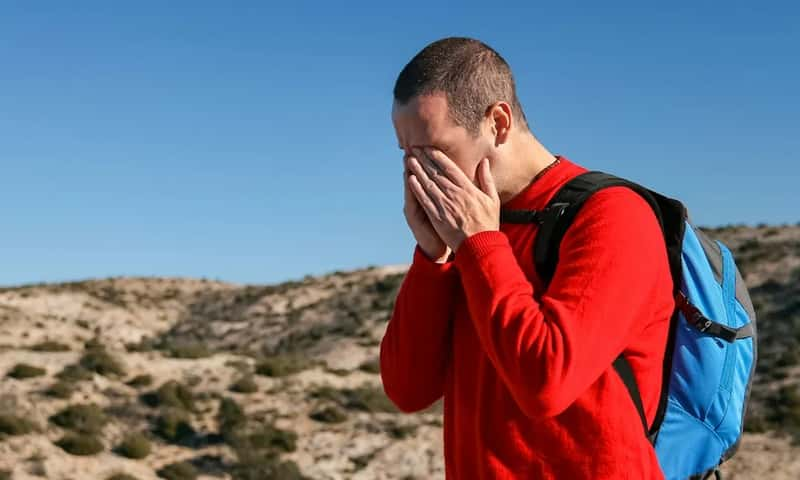
Most people arrive by plane, which gives the body no time to adjust. According to a travel health summary citing the CDC Yellow Book, rates of altitude illness approach 50 percent with this kind of rapid ascent by air[3]. That is why travel doctors treat a flight from Lima to Cusco or a landing in La Paz as a real medical event rather than a minor detail.
Risk also depends more on your itinerary than on your fitness. One clinic guide puts it plainly: risk depends more on itinerary than fitness[3]. A marathon runner who lands in Cusco and heads straight to a hike can feel worse than a casual walker who eased in over several days.
Use the Lower Towns as a Warm Up
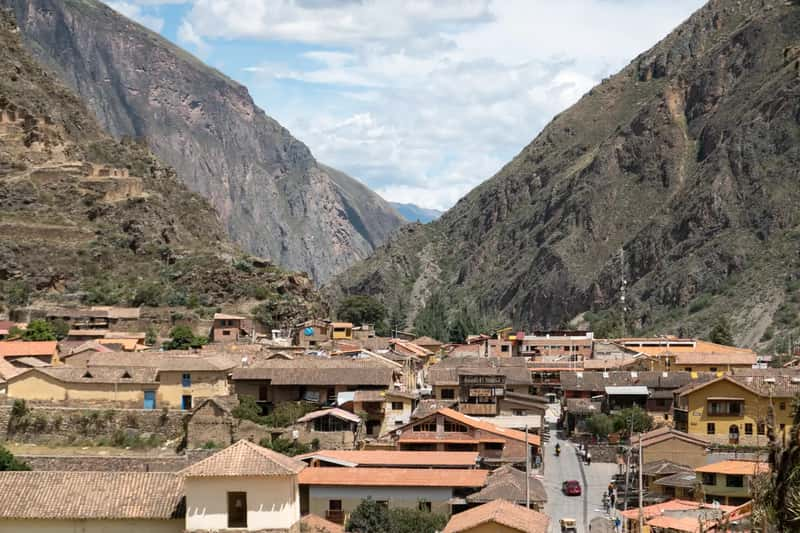
In Peru, the Sacred Valley is the classic workaround. One travel health guide suggests descending right after arriving in Cusco to the Sacred Valley, around Ollantaytambo at roughly 9,200 feet, and sleeping there for the first night or two[3]. You still see Cusco, just a few days later and in better shape.
For La Paz, one regional guide recommends spending a day in the lower altitude Yungas area before exploring the city fully[6]. Quito is the gentlest of the three, so it makes a sensible first stop if your trip links several Andean capitals.
See a Travel Doctor Four to Six Weeks Out

A pre travel visit is where the real planning happens. The CDC notes that travelers to high elevations might require acetazolamide, dexamethasone, or other medications to prevent or treat altitude illness[7]. A clinician can match that advice to your health history and your exact route.
Bring your flight times, your hotel altitudes, and any planned treks to the appointment. If you have had altitude trouble before, say so. One clinic summary of the Yellow Book lists a prior history of acute mountain sickness and rapid ascents above 2,750 meters[8] as the main reasons doctors recommend preventive medication.
Understand How Acetazolamide Works

Acetazolamide, sold as Diamox, is the medication most travel doctors reach for first. It is the most often prescribed altitude drug, and the only one FDA approved for this use[3]. It works by speeding up acclimatization rather than masking symptoms.
Dosing matters. Current guidance describes 125 mg by mouth twice daily, starting one day before ascent and continuing for two days after reaching maximum altitude[8]. Because the drug is related to sulfa compounds, travelers with a known sulfa allergy should not take it[9], and mild tingling in the fingers is a known side effect, so talk through all of this with your prescriber.
Take the First 48 Hours Seriously
The first two days set the tone for the trip. The CDC’s acclimatization tips call for avoiding alcohol for the first 48 hours, continuing caffeine if you normally use it, and doing only mild exercise[2]. That means a slow walk around the plaza, not a steep climb to a viewpoint.
Symptoms tend to show up on a delay. One Cusco travel medicine guide says altitude sickness typically appears 6 to 12 hours after arriving[10], which is why a fine afternoon can turn into a rough night. Another guide notes that most healthy travelers feel notably better within 24 to 48 hours[11] if they rest and hydrate.
Be Realistic About Water, Food, and Coca Tea

Hydration helps, though more is not always better. Hotels across the region offer coca tea at check in, and local guides swear by it. Still, one travel doctor service states that there is no strong clinical evidence that coca tea significantly treats altitude sickness[10], so treat it as a comforting tradition rather than a safeguard.
On water, an older traveler account citing the Institute for Altitude Medicine reports that an additional liter and a half of water is safest[12], since drinking far more can dilute sodium. Light meals and skipping heavy dinners on arrival night are commonly suggested by regional guides, and they cost nothing to try.
Recognize Warning Signs and Know When to Descend
Mild symptoms like headache, nausea, and fatigue are common and usually manageable. The basic response is simple: stop ascending, rest at the same elevation, hydrate, and treat headache or nausea with standard over the counter medication[3]. Do not climb higher until you feel better.
Some signs are different. The CDC lists ataxia and mental status changes as warning signs of high altitude cerebral edema, and breathlessness at rest as the sign of life threatening high altitude pulmonary edema[7]. A State Department advisory group adds that descent is the primary treatment for most altitude sickness[1], so go lower and get medical help.
Plan for Medical Conditions and Oxygen Access
Some travelers need extra caution. One Cusco travel guide advises that people with a heart, lung, or other severe health problem should consult a doctor first[13], since not everyone can safely go straight to that elevation. Bring a list of your medications and a copy of your prescriptions.
Supplemental oxygen is easier to find than many visitors expect. Regional sources report that all hotels in Cusco and Puno have tanks, and some hotels in La Paz may have them[14]. It’s worth confirming at booking, since availability varies by property.
A Straightforward Pre Trip Plan
Book a travel medicine visit well before departure and ask about acetazolamide if you are flying directly to Cusco or La Paz. Sequence your route so you sleep lower first whenever possible, following the Wilderness Medical Society’s pacing of no more than 500 meters of sleeping gain per night above 3,000 meters.
On arrival, keep activity light, skip alcohol for 48 hours, and drink steadily without overdoing it. Know the red flags of confusion, loss of balance, and breathlessness at rest, and descend if they appear.