You’ve seen it happen at least once: someone sprinting through the terminal, boarding pass crumpled in one fist, shoes half untied, watching the gate agent close the door twenty feet away. Frequent flyers say the scary part isn’t watching that scene unfold – it’s remembering the exact trip when it was them.
Here’s the part that should make you feel better instead of worse: almost every airport disaster traces back to one of a small handful of dumb, avoidable moments, and once someone lives through it, they never repeat it. Below are the 25 mistakes seasoned travelers say they will never make twice – starting with the one that costs the most sleep the night before a flight.
25. Showing up with zero buffer time
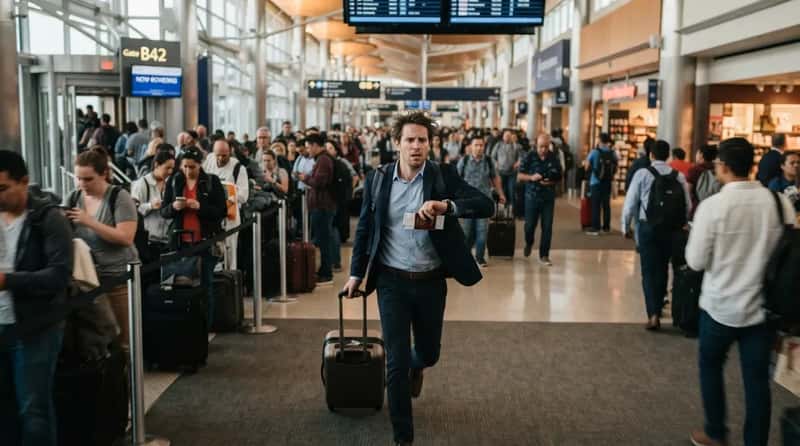
Frequent flyers stopped trusting the “arrive two hours early” rule a long time ago because it assumes everything goes perfectly. Security lines surge without warning, shuttle buses run late, and rideshare drop-off zones back up during peak travel hours. The people who’ve been burned once by a “just enough time” arrival never do it twice.
What changes after the first missed flight is the mindset. Veteran travelers start building in a real cushion, not a hopeful one, because they’ve learned the airport doesn’t care about your plans. It’s a small habit shift, but it’s the single biggest stress-reducer frequent flyers mention.
24. Trusting the gate printed on the boarding pass
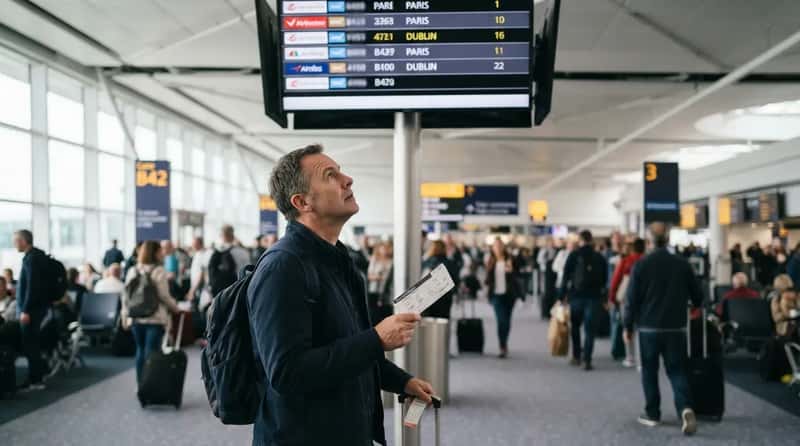
Gate assignments are far less permanent than most travelers assume. They can change last-minute, especially at larger airports, and treating the printed number as final has cost people their flight before.
Experienced flyers now treat the printed gate as a starting point, not a destination. They glance at the overhead monitors again right before walking, because a ten-minute walk to the wrong gate is ten minutes you don’t get back.
23. Wearing an outfit built to fail at security
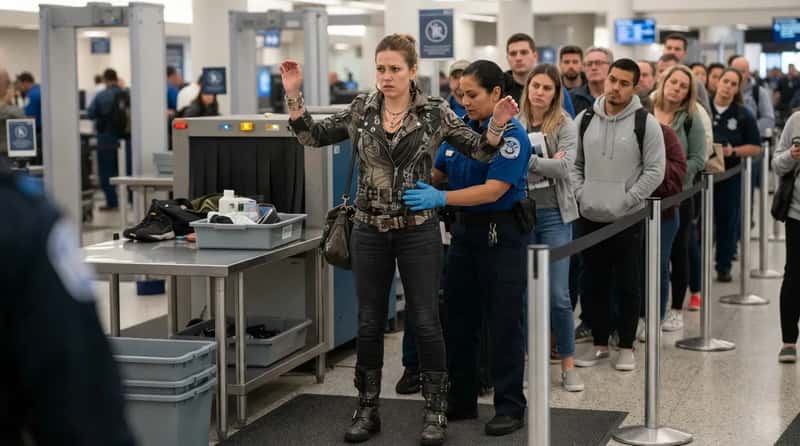
Belts, boots, layered jewelry, underwire – frequent flyers know exactly which wardrobe choices turn a thirty-second security pass into a five-minute pat-down. It sounds minor, but multiplied across a packed checkpoint, one over-accessorized traveler can slow down an entire line.
The fix long-time flyers swear by is boring on purpose: slip-on shoes, no metal, a jacket that comes off in one motion. It’s not about looking stylish in the terminal – it’s about not becoming the reason forty strangers are annoyed.
22. Skipping online check-in and losing the seat scramble
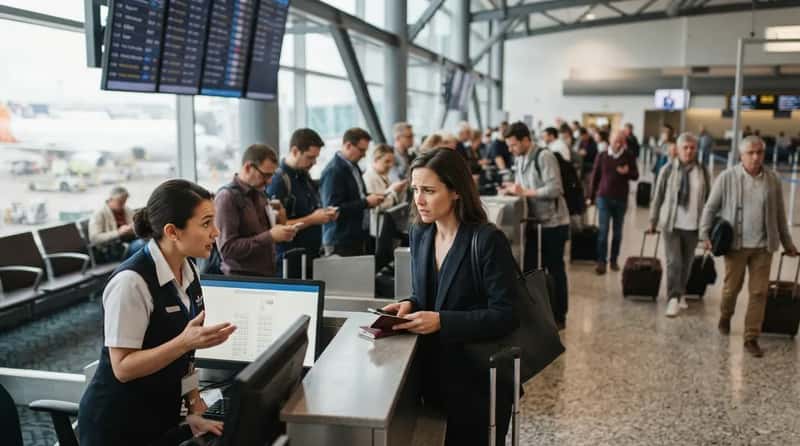
Waiting to check in at the airport used to just mean printing a boarding pass. Now it can mean losing your preferred seat, missing early boarding perks, or getting bumped down the priority list entirely on crowded flights.
Regular flyers check in the second the window opens, often 24 hours out, because seat assignments and upgrade lists shuffle constantly in that first day. Waiting even a few hours can mean the difference between an aisle seat and a middle seat by the emergency exit nobody wants.
21. Packing one oversized liquid and triggering a full bag search
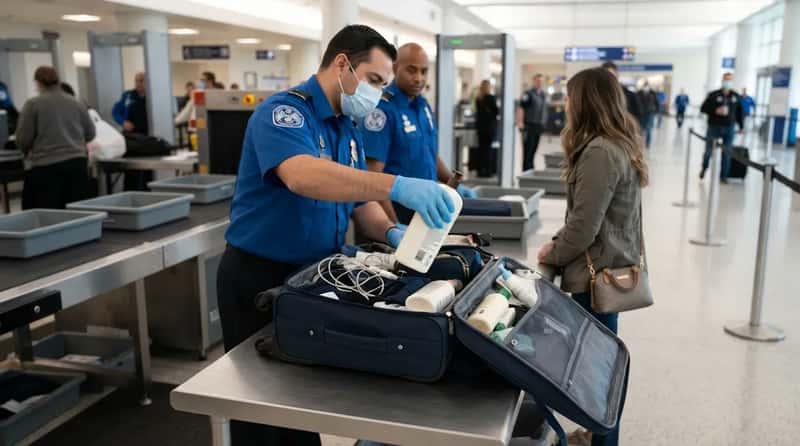
It only takes one forgotten full-size lotion or shampoo bottle to turn a fast security screening into a slow, manual bag check. Frequent flyers say this is one of the most common – and most avoidable – hold-ups in any line.
The trick seasoned travelers use isn’t complicated: they do a final liquids sweep of every pocket and pouch the night before, not the morning of. A single overlooked bottle can add ten minutes to your wait and pull two TSA agents off the belt to dig through your bag.
20. Cramming a carry-on past the real size limit
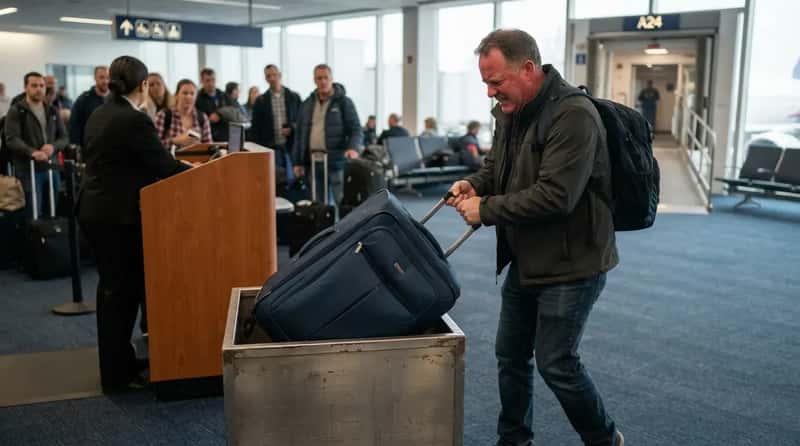
Every airline enforces its own carry-on dimensions, and the bag that fit fine on one airline can get gate-checked – with a fee – on another. It’s a genuinely confusing patchwork, and frequent flyers say it catches even people who travel constantly.
They’ve stopped assuming their favorite bag is universally accepted. Now they check the specific airline’s chart before every trip, because getting flagged at the gate means paying a checked-bag fee at the worst possible moment – right before boarding.
Quick Compare
- Delta, American, United, Alaska, and JetBlue: 22 x 14 x 9 inches, including wheels and handles.
- Southwest and Frontier: a roomier 24 x 16 x 10 inches.
- Spirit: 22 x 18 x 10 inches, but budget carriers often charge extra for any carry-on beyond a free personal item.
- A bag built to the standard 22 x 14 x 9 clears nearly every major U.S. airline without guesswork.
19. Letting the phone die before the gate
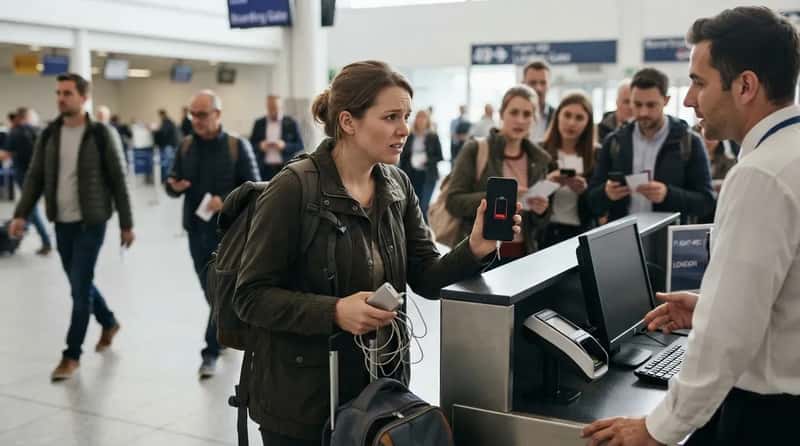
Mobile boarding passes are convenient until your phone hits one percent in the security line. A dead battery at the wrong moment can mean scrambling for a paper backup that doesn’t exist.
Experienced travelers now treat a portable charger as non-negotiable carry-on gear, not an afterthought. They plug in the moment they clear security, because gate agents have little patience for a passenger holding up boarding while their phone reboots.
18. Blocking the terminal’s fast lane
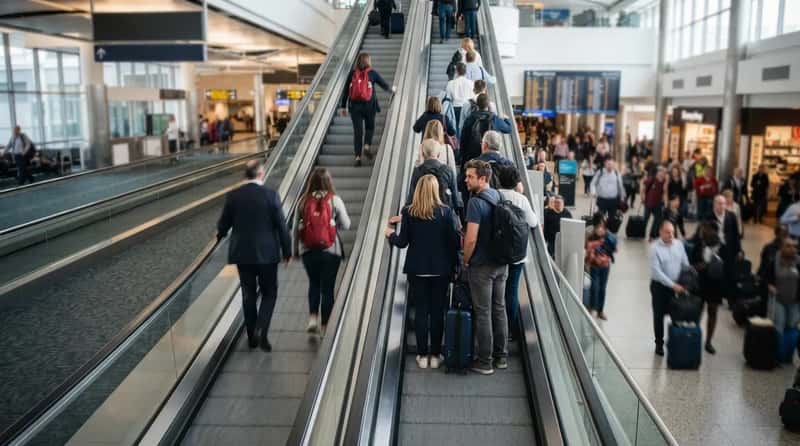
Escalators, moving walkways, and wide concourses all function like a highway – and standing in the wrong spot creates a bottleneck that ripples for hundreds of people. Standing dead center on an escalator is one of the fastest tells of a first-time traveler, since the left side is always meant for passing.
What frequent flyers notice immediately is how much friction this one habit removes. Stand right, walk left, and suddenly the whole terminal moves faster – including for the traveler who’s cutting it close on time.
17. Turning the gate bench into a living room
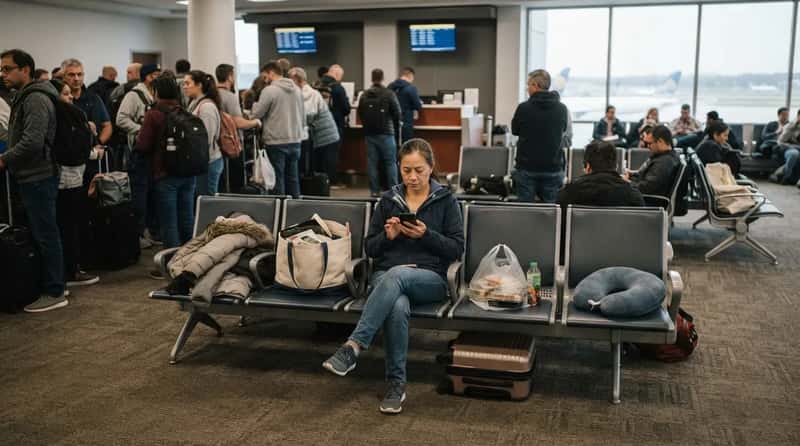
Spreading suitcases, food, and jackets across three seats at a crowded gate is one of the fastest ways to become “that passenger.” The airport isn’t anyone’s living room, and gate seating disappears fast the moment a flight gets delayed.
Frequent flyers keep their footprint small on purpose – bag between the feet, jacket on the lap – because nobody wants to be the person standing while their belongings occupy an empty chair.
16. Skipping the bathroom-scale check before leaving home

Overweight bag fees catch even experienced travelers off guard, especially on international carriers with stricter limits than domestic U.S. airlines. Finding out at the counter is the worst possible time to discover a bag is three pounds over.
Frequent flyers weigh checked luggage at home before every trip now, shifting items between bags if needed. It’s a two-minute habit that avoids a surprise fee that can run well over $100 on some routes.
Worth Knowing
- Most major U.S. airlines cap standard checked bags at 50 pounds before overweight fees kick in.
- Bags between 51 and 70 pounds commonly add about $100 each way on domestic routes.
- Push past 70 pounds and the fee can jump to around $200, with some bags refused entirely past 100 pounds.
- Elite status or a premium cabin ticket often raises the free limit to 70 pounds.
15. Booking a layover that looks efficient but isn’t
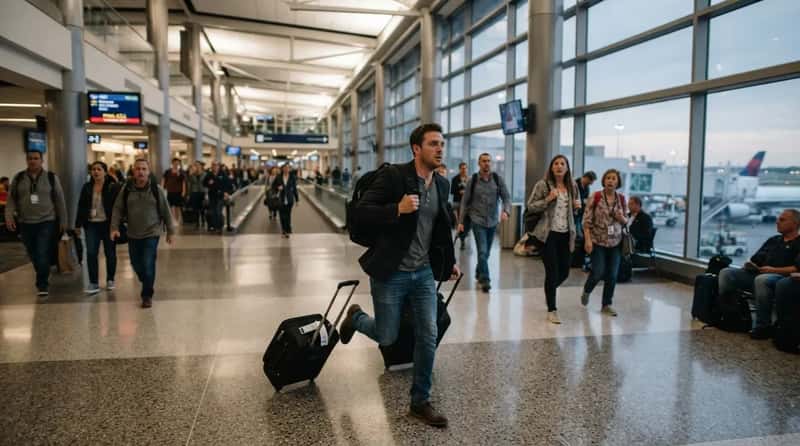
A short connection sounds like a time-saver until a slightly delayed first flight turns it into a sprint through an unfamiliar terminal. Most seasoned travelers now build in at least 90 minutes for domestic connections and two to three hours for international ones.
The ones who learned this the hard way sprinted through an airport once, missed the flight, and got rebooked on standby. They don’t make that mistake twice, even if it means a longer travel day.
14. Relying on a single digital boarding pass with no backup
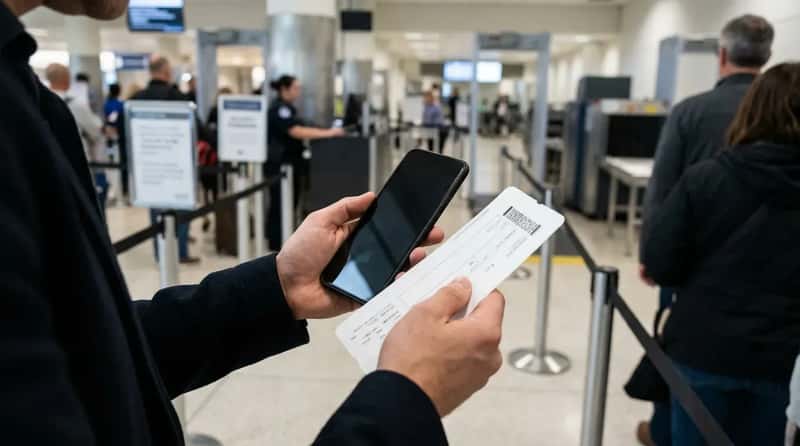
Apps crash, phones die, and airline systems occasionally glitch at the worst possible moment – right at the security checkpoint. Frequent flyers who’ve been stuck fumbling for a backup swear they’ll never rely on one single format again.
Now they screenshot the boarding pass as a photo, not just a live app pass, so it works even without service. It’s a thirty-second habit that removes an entire category of “why isn’t this loading” panic.
13. Skipping the empty water bottle trick

Buying bottled water past security adds up fast, and refilling stations are now standard in most major U.S. terminals. Frequent flyers travel with an empty reusable bottle every single time, not out of habit but out of math – airport water prices are genuinely absurd.
It’s a small routine, but it removes one more line, one more wait, and one more unnecessary expense from a travel day that already has enough friction built into it.
12. Skipping travel insurance on international trips
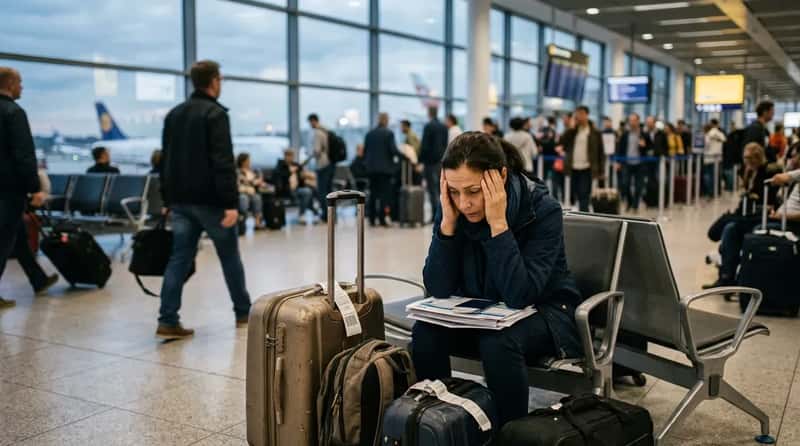
Travel insurance sounds like an unnecessary add-on until a canceled flight, lost luggage, or medical issue abroad turns into a financial headache. Frequent international flyers rarely skip it anymore, especially on trips involving multiple connections or expensive prepaid stays.
What changed their mind wasn’t a sales pitch – it was one bad trip where a missed connection cascaded into hotel costs, rebooking fees, and no way to recover any of it without coverage already in place.
11. Assuming carry-on rules are the same everywhere
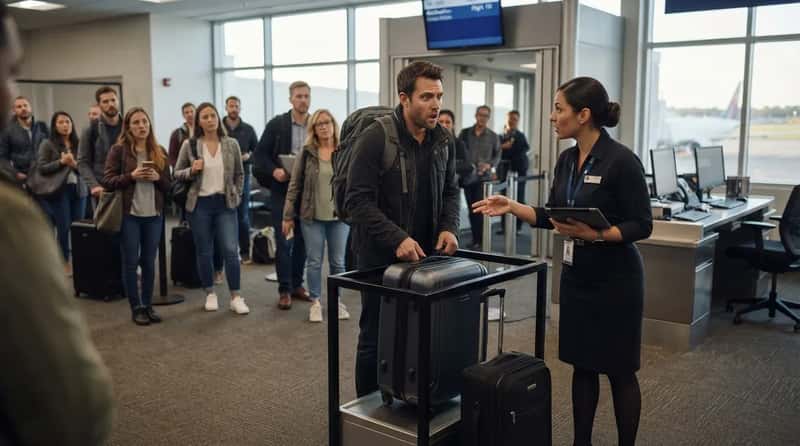
What flies as a personal item on one airline can get flagged as a full carry-on on another, especially with budget carriers that measure bags more strictly. Travelers who’ve been caught off guard by this now double-check dimensions per airline, per trip.
This isn’t laziness catching up with people – it’s a genuinely confusing patchwork of rules. But frequent flyers say checking once, before packing, beats arguing with a gate agent about a bag that “worked last time.”
10. Booking separate tickets on a tight connection
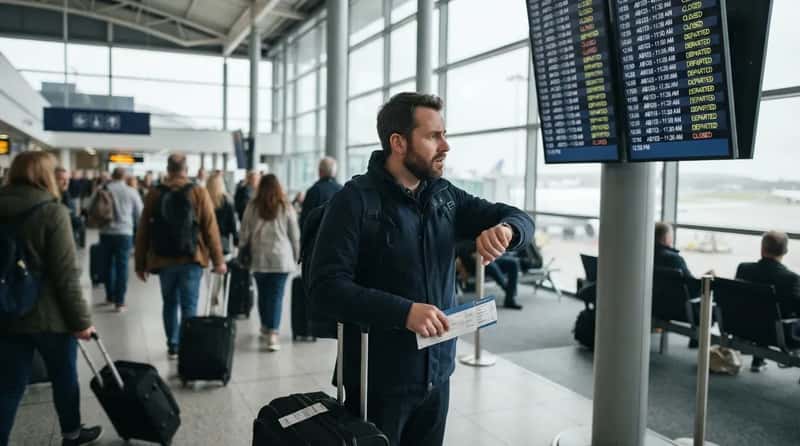
Splitting a trip across two separate airline bookings can save money, but it removes the airline’s obligation to rebook you if the first flight runs late. Miss the connection on separate tickets, and you’re often on your own to buy a new one.
Frequent flyers only split tickets on itineraries with long layovers now, after learning the hard way that a single missed connection on separate bookings can turn a cheap flight into an expensive lesson.
9. Traveling solo with kids without proof of consent
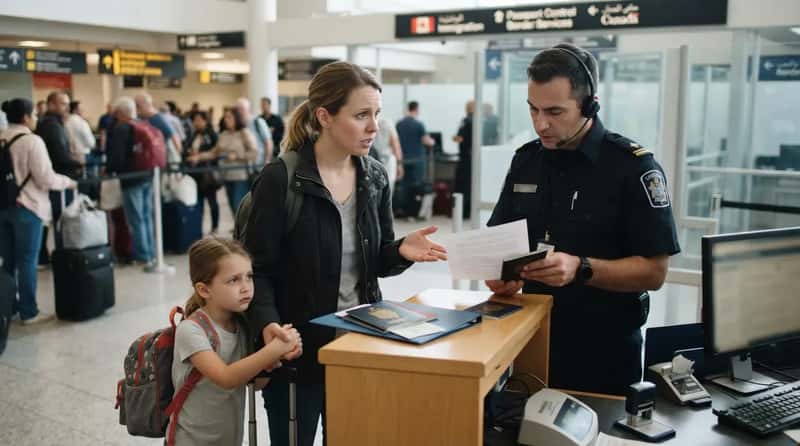
A parent traveling alone with children internationally can run into unexpected questions from border officials, even when nothing is wrong. A common trap is not carrying proof of consent from the child’s other parent – even married couples can be asked for it, and a notarized letter is the safe move.
It sounds excessive until it happens once. Frequent flyers who travel solo with kids now keep that letter in the same folder as passports, every single trip, no exceptions.
8. Standing in the regular line despite flying constantly
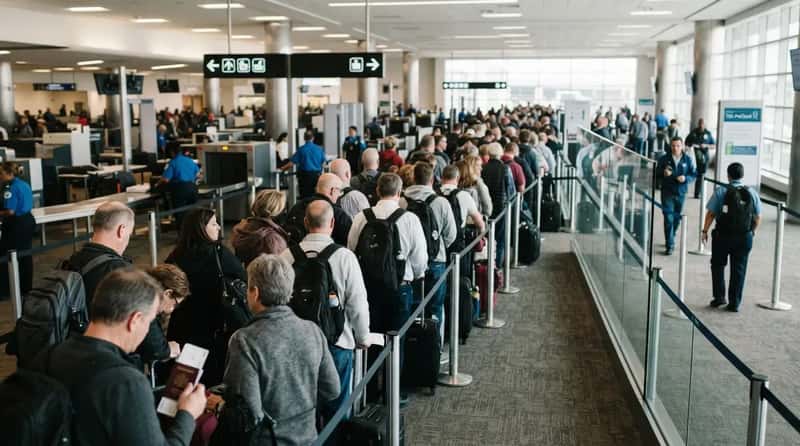
Flying weekly and never enrolling in an expedited screening program is, according to plenty of frequent flyers, quietly costing you hours every year without you noticing. The regular security line on a bad day can eat forty-five minutes that a trusted-traveler lane skips entirely.
People who fly often eventually stop tolerating this. The upfront cost of enrolling pays for itself within a few trips, and long-time flyers say the biggest regret isn’t the fee – it’s not signing up years earlier.
Quick Compare
- TSA PreCheck: roughly $78 to $85 for a five-year membership, good at 200-plus U.S. airports for faster security only.
- Global Entry: about $120 for five years, includes TSA PreCheck plus expedited customs after international flights.
- CLEAR: a private membership running roughly $189 to $209 a year that speeds up ID verification but doesn’t replace security screening.
- Frequent flyers who travel abroad even occasionally tend to pick Global Entry since it covers both worlds.
7. Forgetting the 24-hour free cancellation window exists
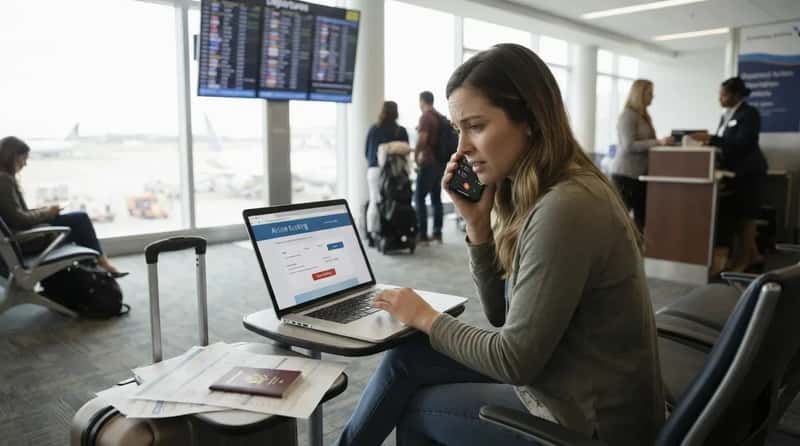
Most U.S. airlines allow a full refund if a booking is canceled within 24 hours of purchase, no questions asked. Travelers who don’t know this rule sometimes eat a change fee for a typo or a last-minute plan shift that could have been fixed for free.
Frequent flyers treat this window as a built-in safety net. They book first, double-check dates and names within that first day, and fix anything wrong before the free-cancellation clock runs out.
6. Ignoring real-time gate and delay alerts

Relying only on the departures board means finding out about a change after everyone with the airline app already knew. Delays, gate swaps, and boarding calls often hit push notifications minutes before they hit the physical screens.
Frequent flyers keep notifications turned on for exactly this reason. It’s not paranoia – it’s the difference between calmly walking to a new gate and sprinting because you found out with two minutes to spare.
5. Wandering out of earshot during a layover
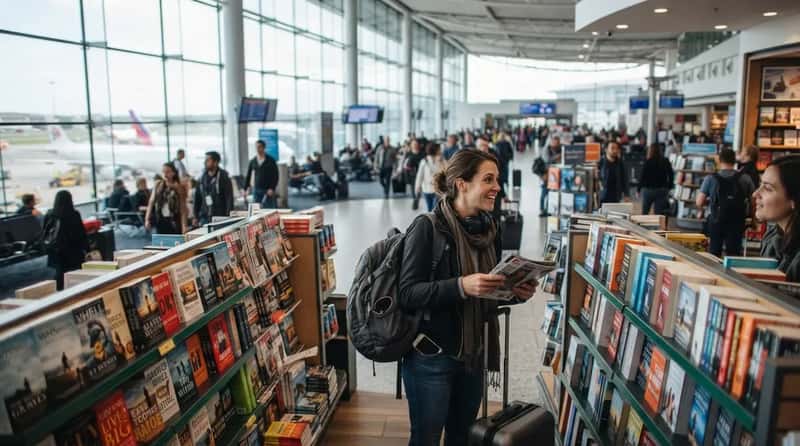
Airport shops, lounges, and restaurants can pull travelers far enough from the gate that boarding announcements never actually reach them. It’s an easy mistake on longer layovers, especially in sprawling international terminals.
Frequent flyers now set a phone timer or check flight status apps instead of trusting they’ll hear an announcement over airport noise. Being visually reminded beats being audibly warned, especially in a terminal with music, crowds, and echo working against you.
4. Forgetting the six-month passport rule
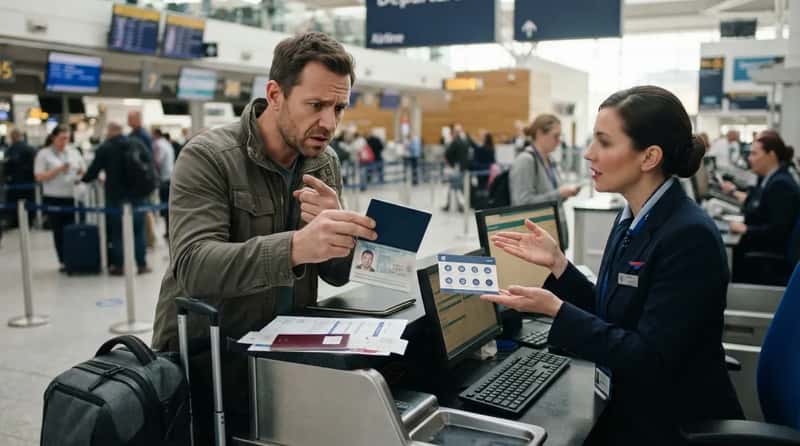
A passport can be technically valid and still get a traveler denied boarding, because many countries require several months of validity remaining beyond the trip dates. Plenty of travelers assume the passport alone is enough, when the real requirement is often at least six months of validity plus blank pages.
Frequent international flyers check this rule before every booking now, not just before big trips, because renewal processing times have grown longer and less predictable in recent years.
At a Glance
- Many countries require at least six months of passport validity beyond your planned departure date.
- Several also require two or more blank visa pages, separate from the validity requirement.
- Airlines can deny boarding at the counter, even if the destination country would have let you in.
- Passport renewal times can stretch for weeks, making a “just in time” renewal a real risk.
3. Procrastinating on getting a REAL ID-compliant license
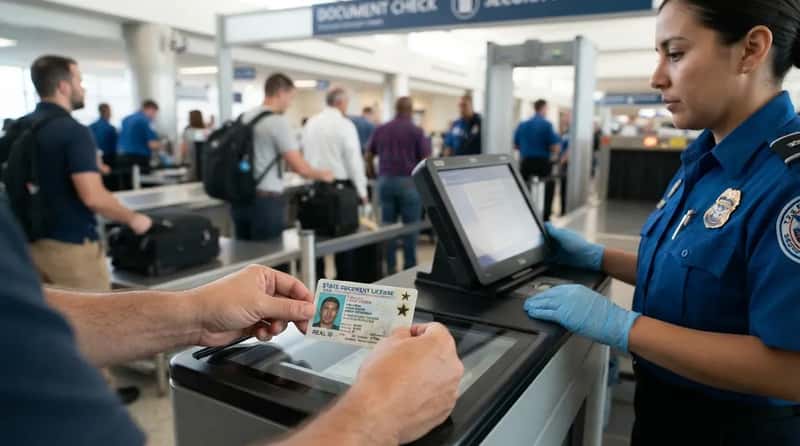
For years, this was a rule travelers could safely ignore. That changed once enforcement actually arrived. Starting May 7, 2025, every air traveler 18 and older needs a REAL ID-compliant license, permit, or another acceptable form of ID to board a U.S. commercial flight.
Travelers without a REAL ID-compliant document “will be allowed to fly” but “may be diverted to a different line, have an extra step.”
U.S. Department of Homeland Security
Frequent flyers say waiting until enforcement day to find out where you stand is a needless gamble, even with that built-in flexibility. The smarter move is confirming compliant ID status weeks before a trip, not at the checkpoint.
2. Assuming a passport alone covers every destination’s entry rules
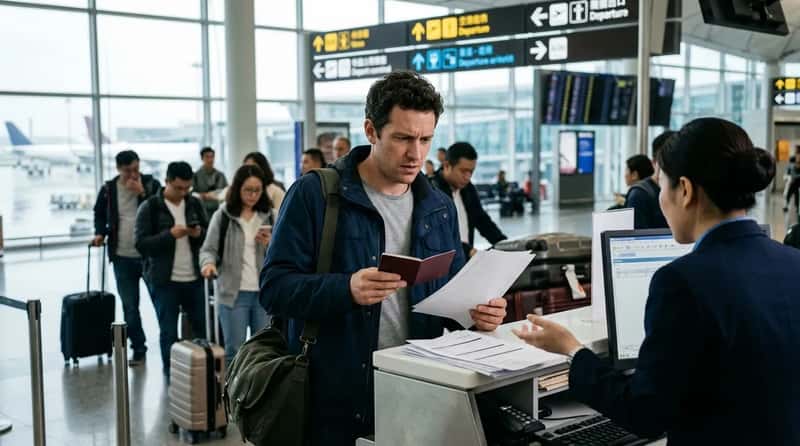
Visa requirements, entry forms, and health documentation shift more often than casual travelers expect, and a valid passport doesn’t guarantee smooth entry anywhere. Rules change country by country, sometimes with little notice, which is why embassy websites are worth checking well before departure.
Frequent international flyers now treat entry-requirement research as its own separate step from booking, not something to figure out the week before departure. A missed visa requirement can mean being denied boarding at the counter, not just an inconvenience at arrival.
1. Treating “check your documents” as a last-minute task
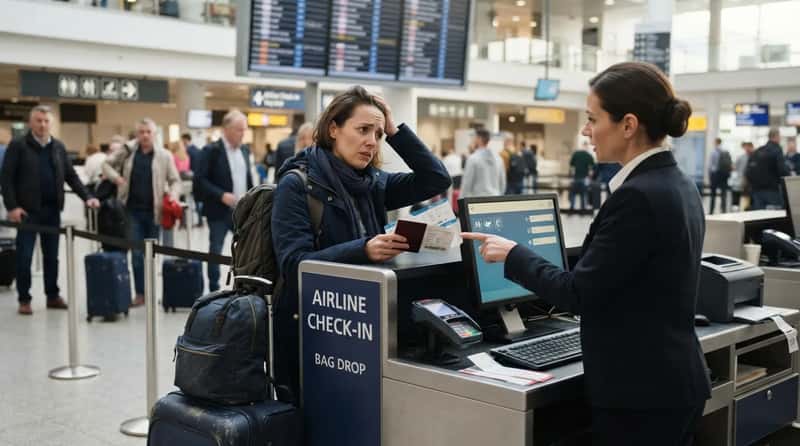
Every mistake on this list is annoying. This one is the mistake that actually ends a trip before it starts. An expired passport, a misplaced ID, or a missing visa can mean being turned away at the counter with a paid ticket in hand and nowhere to go.
Frequent flyers who’ve been turned away once never treat document checks as an afterthought again. Passport expiration, ID compliance, visas, and consent letters all get verified days before departure – not because they’re cautious people, but because they’ve watched a fully paid trip evaporate over one overlooked detail.
None of these mistakes are exotic or rare – they’re the small, boring details that quietly derail trips every single day at airports across the country. The travelers who stop making them usually aren’t smarter, just once-burned.
What’s the airport mistake that taught you the hardest lesson? Tell us in the comments.