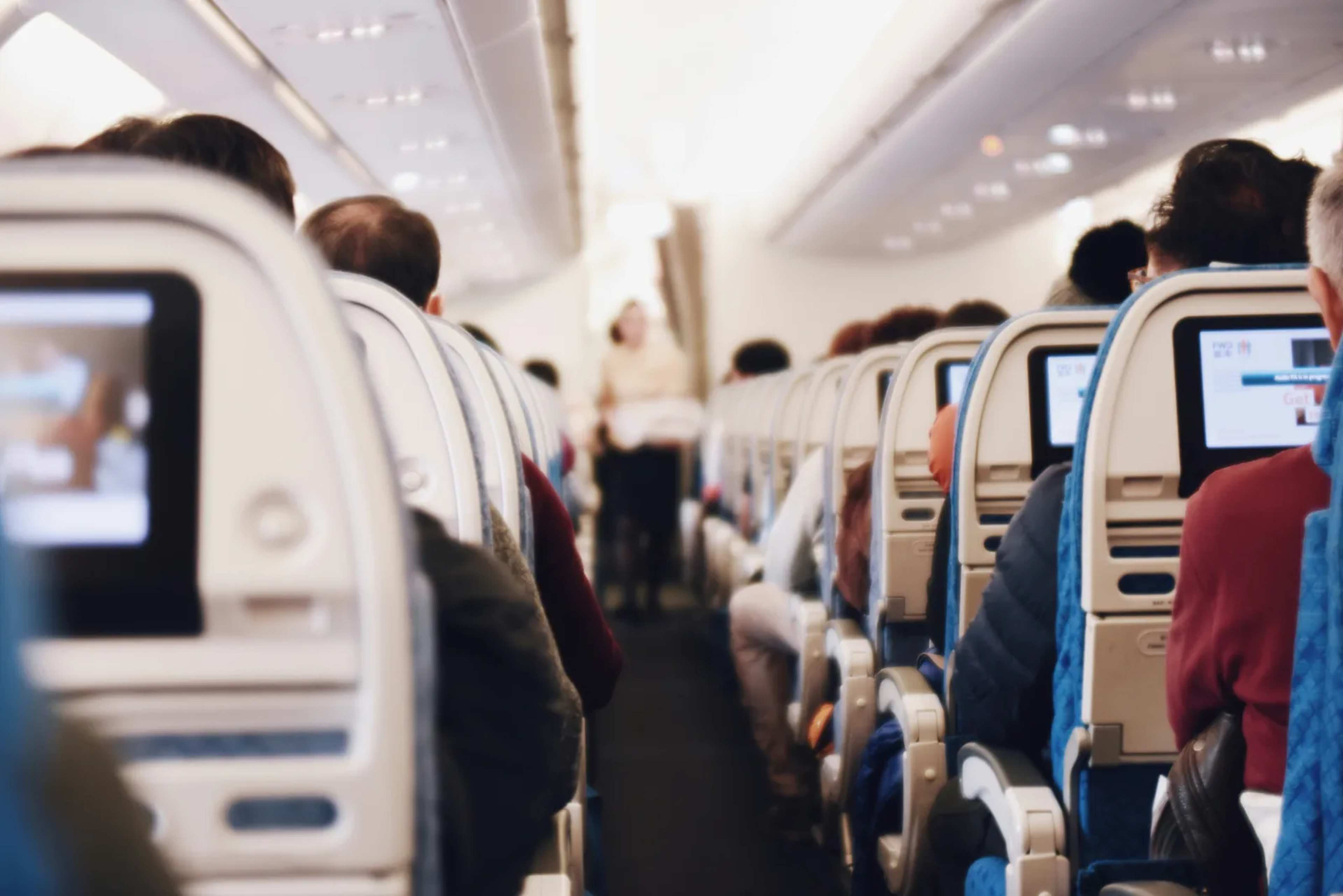
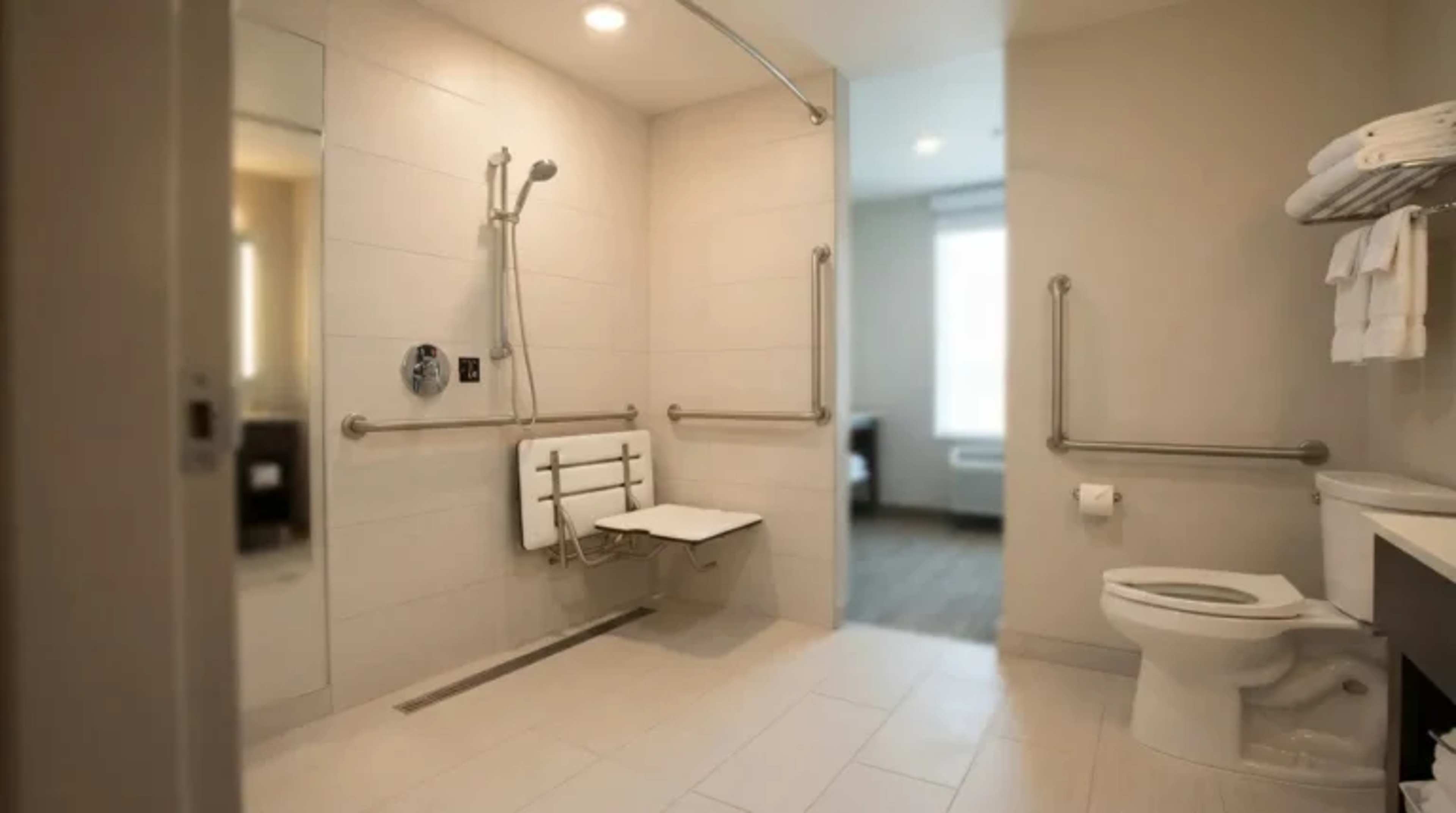
Most people picture a sleeper train like something out of an old movie – champagne glasses clinking, silk pajamas, the gentle click-clack lulling you into a dream. Ask the crew who actually work these cars overnight, and they’ll tell you the real picture looks almost nothing like that: cramped bunks, midnight passport checks, and one exhausted attendant running an entire car on almost no sleep of their own.
What separates the regulars from the rookies isn’t money or luck. It’s a set of small, almost invisible habits that staff say they can spot within the first ten minutes of boarding. Some of these rules sound obvious once you hear them – others are things most passengers only learn after they’ve already made the mistake.
#25 – They Tip the Attendant Before the Trip Even Starts

Frequent riders don’t wait until the final morning to show appreciation. Many hand the attendant cash the moment they board, especially on a sold-out sleeper where one person is running an entire car alone.
Some travelers slip the attendant $20 right at the start of a two-night journey, particularly when the car is fully booked and things are about to get busy for one person to handle. The logic is simple: an attendant who knows you respect their workload tends to check in more, refill water faster, and remember your preferences without being asked twice.
#24 – They Finish Skincare and Hygiene Before Boarding

Nothing marks a first-timer faster than fumbling through a toiletry bag at 11 p.m. in a moving train.
Experienced travelers do their nighttime routine before they ever step onto the platform, because saving skincare for the train almost never works out. The sink space is tiny, the water pressure is unpredictable, and the whole car can lurch without warning. Getting ready beforehand isn’t vanity – it’s damage control.
#23 – They Know Exactly What Kind of Bed They Booked
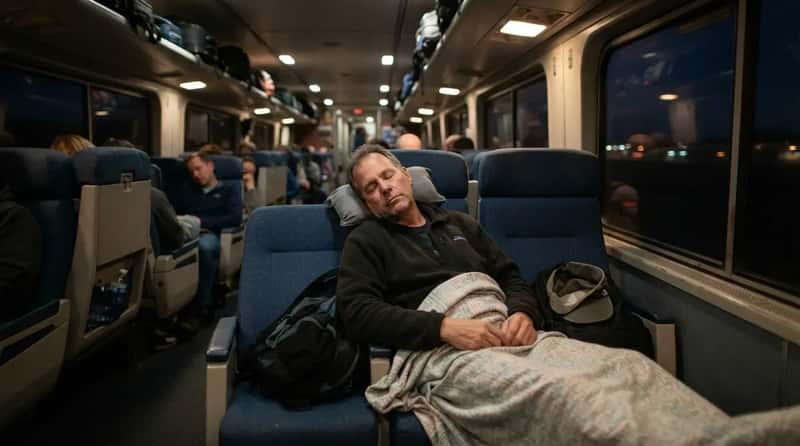
Turns out, “sleeper train” doesn’t always mean an actual bed.
Not every overnight train offers rooms with beds – on popular routes like many Amtrak lines and Vietnam’s Reunification Express, it’s entirely possible to book a regular daytime coach seat for an overnight trip. Cabin classes also vary wildly, since many European services split between shared couchettes and pricier private rooms with very different amenities. Veterans research seat types before booking so they never get blindsided by an upright coach seat when they expected a bunk.
Quick Compare
- Coach seat: Upright seating only, no real bed – common on long Amtrak routes and Vietnam’s Reunification Express.
- Shared couchette: Bunk-style beds in a shared compartment, typical on many European overnight trains.
- Private roomette or bedroom: Enclosed cabin, real beds, higher price, far more privacy.
#22 – They Pack a Separate Small Bag for the Night
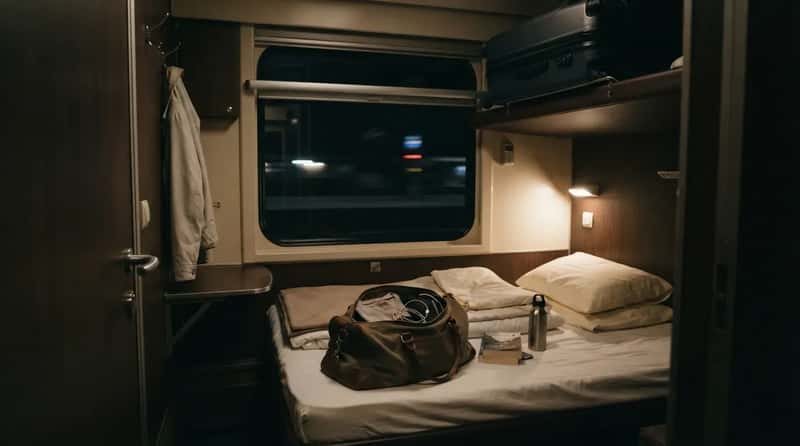
Regulars never dig through a giant suitcase at midnight.
Because packing light matters so much on overnight trains, seasoned riders divide their luggage into what they need overnight versus what can wait, since cabin space only fits so much. This “night bag” usually holds a change of clothes, basic toiletries, and a charger, kept separate from the main suitcase entirely. It sounds small, but it’s the difference between a five-second grab and a full unpacking session while everyone else is trying to sleep.
#21 – They Carry Their Own Water Bottle
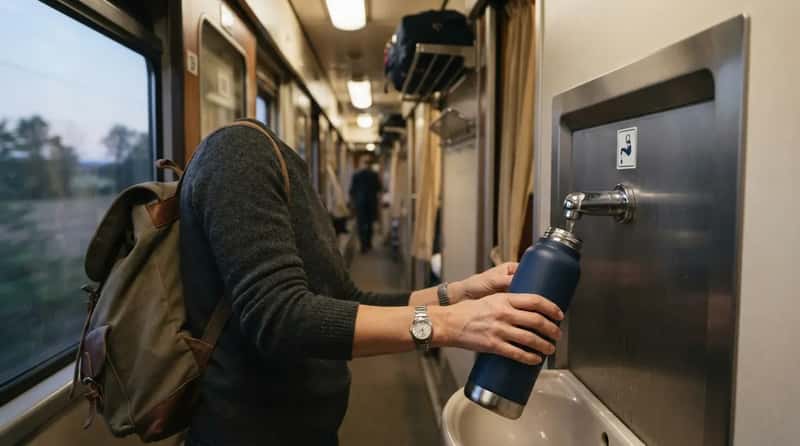
Most first-timers assume water is always available. It isn’t.
One of the most overlooked sleeper train realities is how hard it can be to get potable water around the clock. That’s exactly why a reliable travel water bottle can end up being a genuine lifesaver. Regulars fill up whenever they pass a station tap or dining car, rather than assuming service will find them.
#20 – They Keep Their Headphone Volume Low, Always
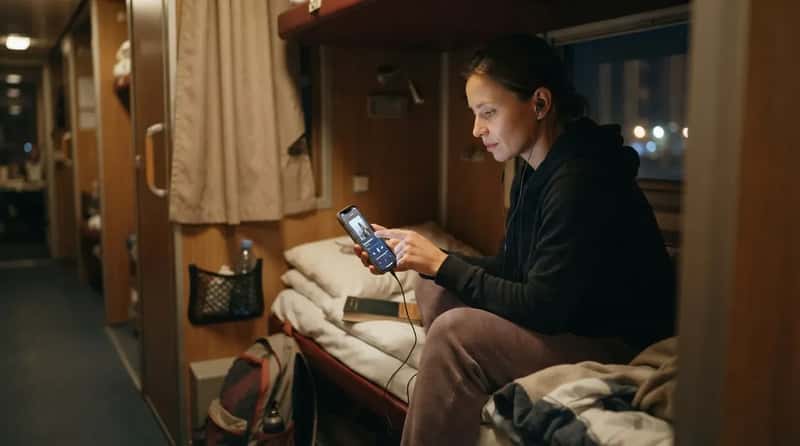
Noise complaints are the number one friction point on any overnight train.
Some first-timers play music so loudly through their headphones that it disturbs everyone nearby, which is why checking phone volume even with earbuds in matters so much. Using a speaker inside the cabin is considered a hard no by staff and every other passenger within earshot. Regulars test their volume before pressing play, not after someone complains.
#19 – They Lock Their Bags Even in Private Rooms
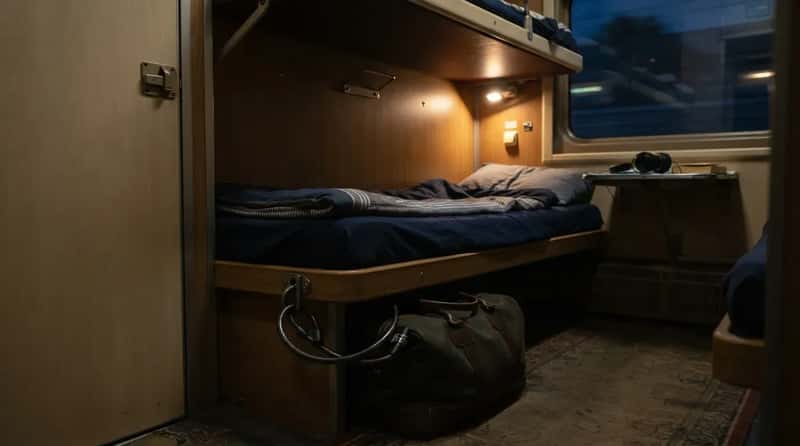
You’d think a private cabin means zero risk. Staff say otherwise.
Experienced riders never leave a bag or valuables unattended, and many pack a small lock – sometimes even a bike lock – specifically to secure luggage to the hook under the bottom bunk. It’s not paranoia. It’s just what happens after one bad experience with a compartment door that doesn’t fully latch, and regulars treat every cabin like a shared space because at some point during the night, it usually is.
#18 – They Track the Station Stop Times Like a Hawk
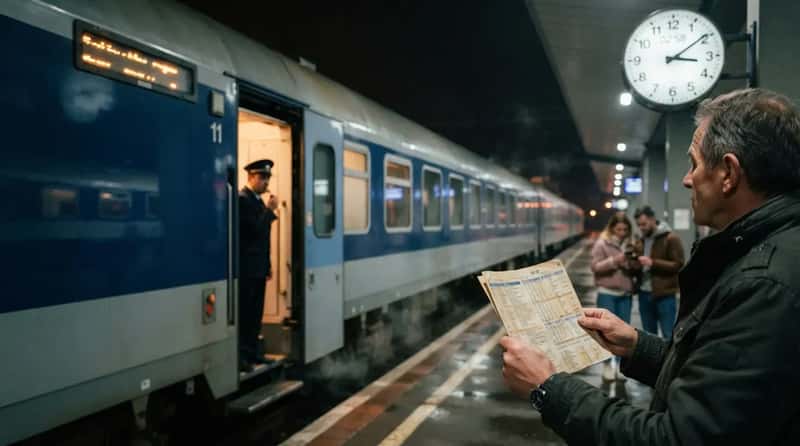
This is the rule that separates panicked tourists from calm regulars.
At some stations, passengers only get about three minutes before the train pulls away again, and it catches a shocking number of people off guard. Anyone who steps off for fresh air or a quick smoke without checking the schedule risks watching their own train leave without them. Regulars always know the next two or three stop times before they even think about setting foot on a platform.
#17 – They Stow Luggage Under the Bunk, Not in the Walkway
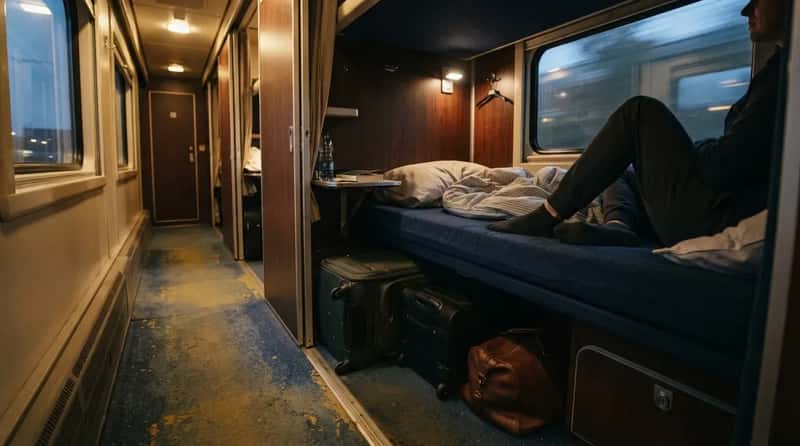
Small habits like this are what keep an entire car functional overnight.
The first move any experienced rider makes is stowing luggage properly, since suitcases belong under the bottom bunk, and if something’s needed mid-trip, it’s smarter to pull out just one bag at a time. Regulars also pre-pack pajamas and toiletries in one easy-access spot so they’re not rifling through three suitcases in a dark, moving cabin. It keeps the narrow aisle clear for everyone, including staff doing their rounds.
#16 – They Tell the Attendant Exactly When to Make the Bed
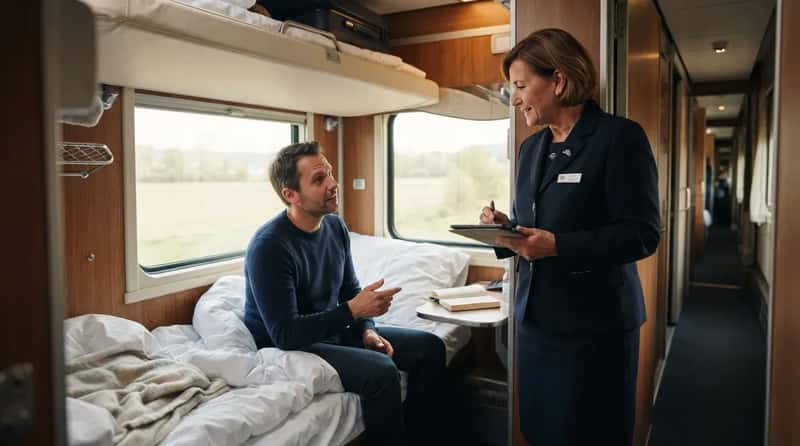
Most passengers assume bed turn-down just happens automatically. It doesn’t.
Car attendants typically let passengers know when they plan to turn in, then ask what time each guest wants their bed made up and later put away. Regulars answer that question specifically instead of leaving it vague, which avoids the awkward scenario of an attendant knocking mid-nap. It also means the room gets converted back to seating in time for daytime stops instead of a last-minute scramble.
#15 – They Never Treat the Attendant Like a Personal Butler
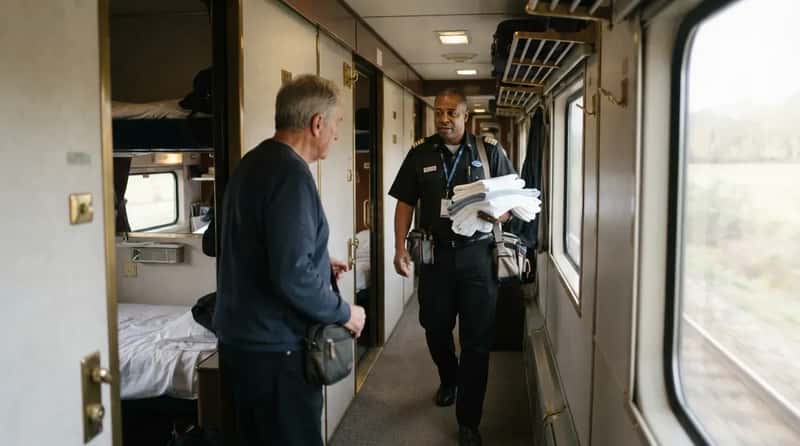
This one causes more tension than almost anything else on board.
Seasoned travelers understand the car attendant isn’t a personal servant – that person is responsible for maintaining an entire car, not just one room. They also avoid taking frustration out on staff when the trip itself doesn’t match movie-level expectations, since delays and mechanical issues were never the attendant’s fault. Regulars know a stretched-thin attendant who feels respected will almost always go the extra mile when it actually matters.
#14 – They Tip Based on Nights, Not Guesswork
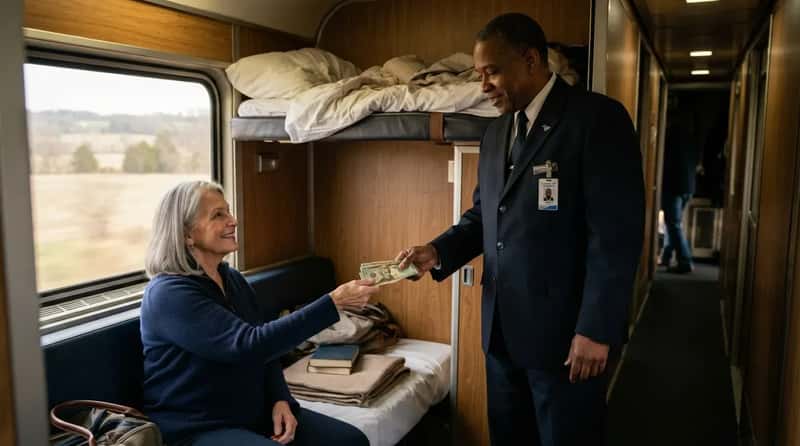
Most people either over-tip out of guilt or under-tip out of confusion. Regulars use a formula.
A common rule of thumb among frequent riders is around $5 per room, per night for standard service – someone who makes the bed, keeps the car reasonably clean, and keeps ice and coffee stocked. If they’ve asked for anything extra, like a special item fetched from the lounge car, they simply double that amount. It’s a small system, but it keeps expectations fair on both sides.
Fast Facts
- Standard tip: about $5 per room, per night for basic attendant service.
- Double the tip for extra requests, like items fetched from the lounge car.
- Many regulars tip part of it upfront, then settle the rest at the end.
#13 – They Pack Snacks Instead of Betting on the Dining Car
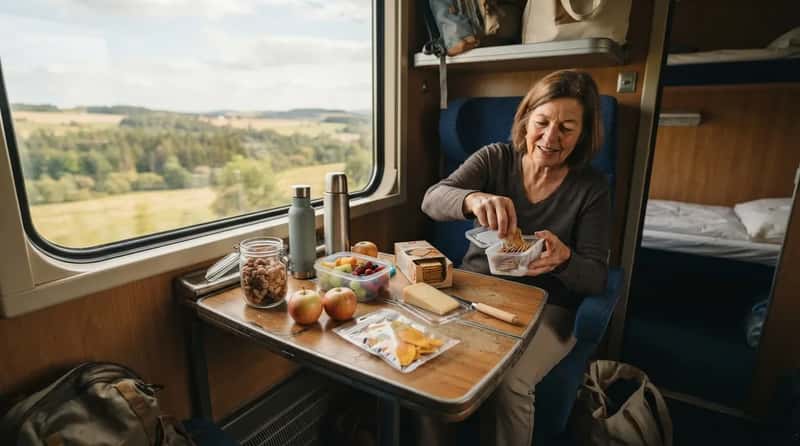
Relying entirely on onboard food is a rookie mistake.
Food is usually available, but smart travelers pack snacks anyway, since they aren’t always in the mood for a big meal and the dining car may not have anything they actually like. Snacks also double as a social icebreaker – offering some to a cabin-mate is an easy way to break the ice on a long ride. Regulars treat food flexibility as insurance, not an afterthought.
#12 – They Deal With Contacts and Eye Care at Station Stops Only
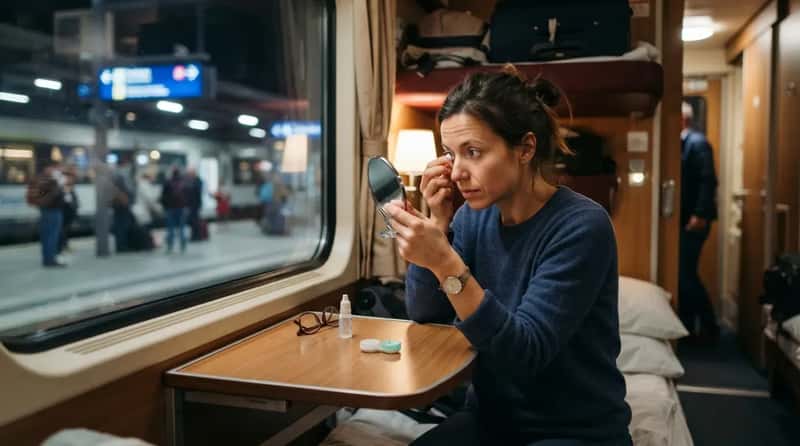
This is one of those tips nobody thinks about until it goes wrong.
Anyone who wears contact lenses is better off inserting or removing them only during a station stop, rather than risking an eye injury while the train is rocking at speed. Regulars build this into their nightly rhythm without thinking twice, because personal care mid-motion is a genuinely bad idea on a moving train. It’s a small rule, but it’s the kind of thing you only learn the hard way once.
#11 – They Bring Their Own Cooler and Let Staff Handle the Ice
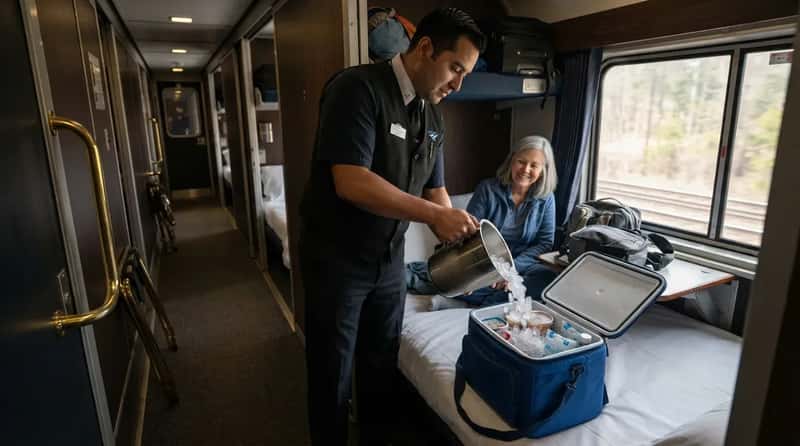
Sleeper trains are not equipped like home kitchens, and regulars plan accordingly.
Amtrak can’t heat or store personal food items, so frequent travelers bring their own small cooler, knowing the room attendant can supply ice along the way to keep things cold. If freezer packs start defrosting mid-trip, the attendant can restock ice on request instead of leaving passengers stuck. It’s a simple workaround, but it saves an entire cooler of food from going to waste on a two-day journey.
#10 – They Dress for Comfort That Still Works at Breakfast
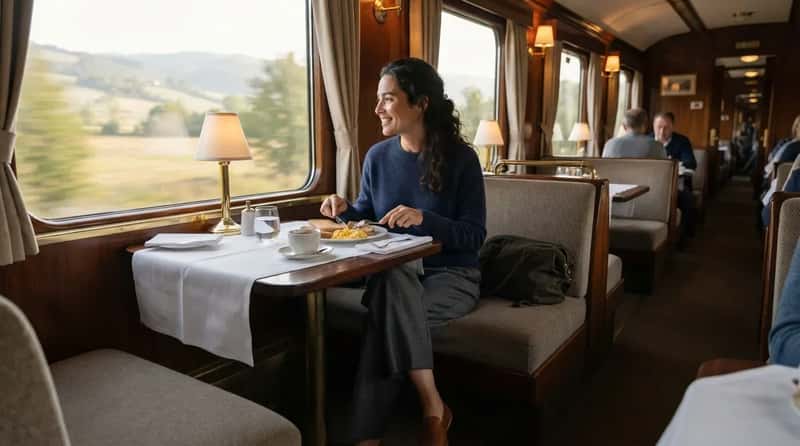
There’s a specific outfit regulars gravitate toward, and it’s not actual pajamas.
Many frequent riders change into loose, comfortable pants once they’re settled in – nothing binding – while keeping the look presentable enough for the dining car the next morning. It avoids the awkward choice between wearing real pajamas all day or over-dressing for a bumpy overnight ride. Comfort and presentability end up being the same outfit if you plan it right.
#9 – They Notify Staff Early About Accessibility Needs
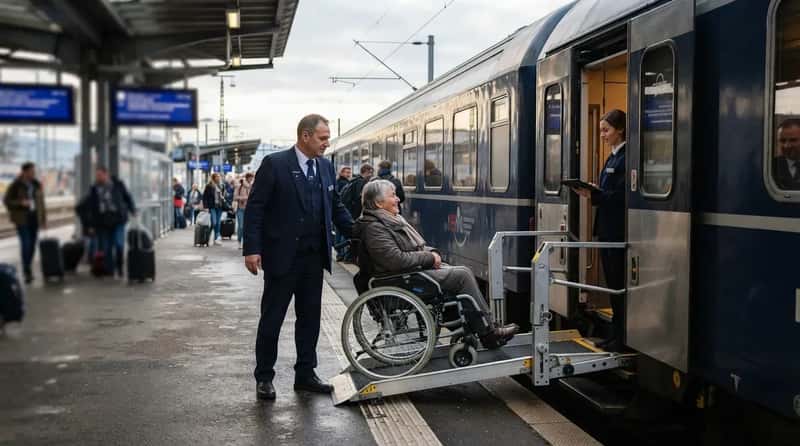
This is a rule that regulars with mobility needs never skip.
Trains typically have lifts available for wheelchair users or anyone unable to climb the boarding steps, but staff need advance notice to arrange that assistance ahead of time. Waiting until boarding day to mention it often means delays, confusion, or missed accommodations entirely. Frequent riders call ahead specifically so the crew has equipment and staffing sorted before the train even pulls in.
#8 – They Go Dark and Quiet the Moment Lights-Out Hits
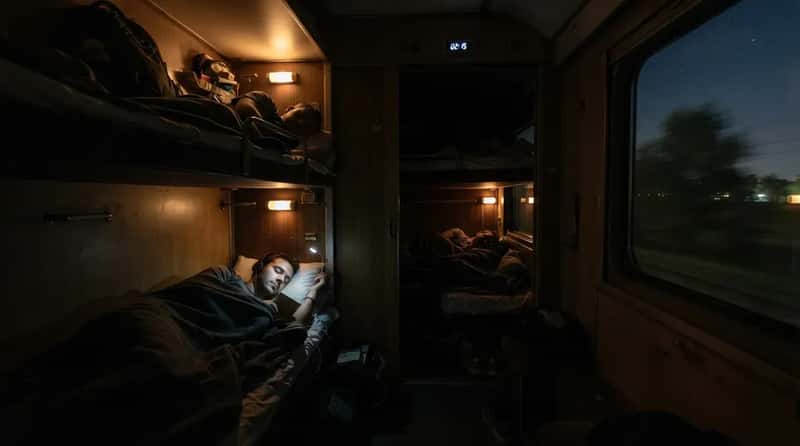
This is the unspoken rule that causes the most friction when it’s broken.
Seasoned travelers avoid flipping on the overhead light overnight, playing loud music through headphones, or packing anything with a strong smell, since all three tend to disturb everyone else in a shared space. Regulars treat lights-out as a hard boundary, not a suggestion, because in a shared cabin, one person’s late-night phone light ruins four people’s sleep. It’s a small courtesy that instantly signals who’s done this before.
#7 – They Never Put Their Feet on the Opposite Berth
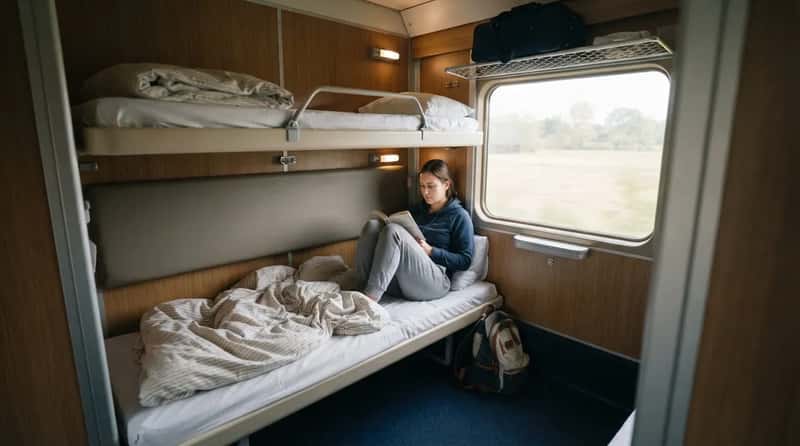
This sounds obvious, but staff say it’s broken constantly by newcomers.
Basic sleeper etiquette includes never putting your feet on anyone else’s seat or berth, along with keeping conversation volume down. In tight, close-quarters cabins, a stray foot or bag on someone else’s bunk creates instant tension that lasts the whole trip. Regulars keep their space strictly to their own berth, no exceptions, even during long daytime stretches.
Worth Knowing
- Never rest feet, bags, or shoes on someone else’s berth or seat.
- Keep conversation volume low, especially once lights-out has started.
- Stick to your own assigned space, even during long daytime stretches.
#6 – They Mentally Prepare for a Midnight Passport Check
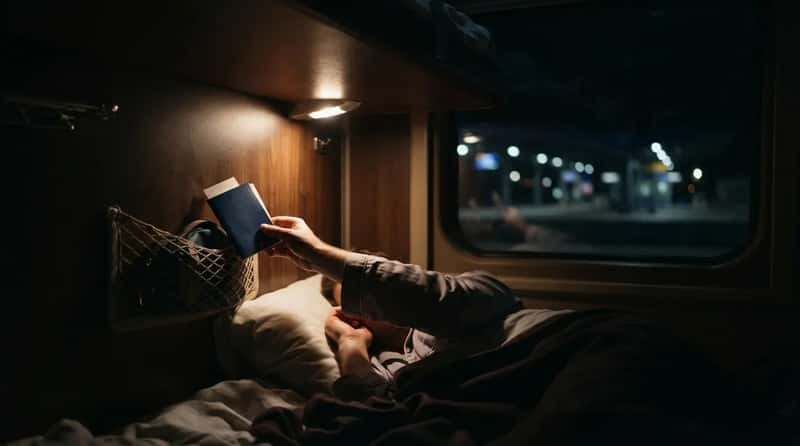
Crossing a border overnight is rarely the peaceful experience people expect.
Keeping a passport within easy reach matters for a very specific reason – some travelers get woken abruptly at midnight for a border check and can’t get back to sleep afterward, which is worth remembering before booking an overnight cross-border route. Regulars keep documents in the same easy-access spot every single trip so a groggy 2 a.m. check doesn’t turn into a frantic bag search. It’s less about the inconvenience and more about controlling the one variable they actually can.
#5 – They Respect the Cabin Door Lock and Other People’s Sleep Windows
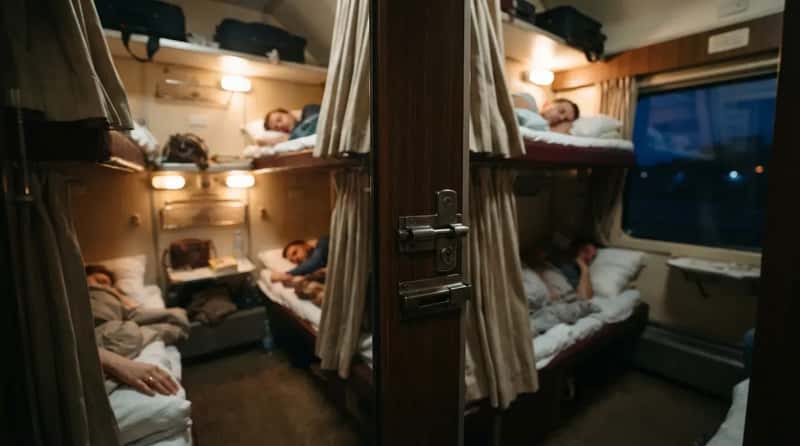
Shared soft-sleeper cabins run on an honor system, and regulars never break it.
Since cabins are shared by several strangers for hours at a time, courtesy matters. Once everyone settles in for the night, there’s typically a double lock on the inside door so only the guard can enter, and only in an emergency. Frequent riders never hog the shared space or disrupt that arrangement once lights are out – it’s the small, unspoken agreement that keeps a compartment of strangers functioning like a peaceful, temporary household.
#4 – They Report Great or Terrible Service After the Trip, Not During

Confronting staff mid-trip almost never goes the way passengers hope.
Frequent riders tend to let the railway know afterward whether service was excellent or poor, rather than escalating things on board, especially when the experience falls somewhere in the middle. This keeps the actual trip calm while still holding the company accountable through the right channel. Staff genuinely notice the difference between a passenger who vents in the moment and one who follows up properly later.
#3 – They Choose Their Dining Reservation the Moment They’re Asked
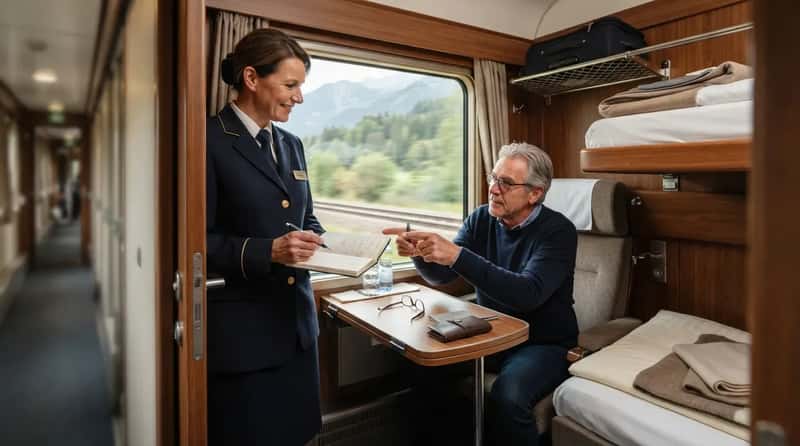
Hesitating on this one small choice creates a domino effect for everyone else.
For most lunches and every dinner, the dining car attendant stops by each sleeper compartment to ask guests which seating time they’d like. Regulars answer immediately instead of “figuring it out later,” because dining slots fill fast on a full train. It’s a tiny decision, but it’s one more thing that marks an experienced rider from someone still learning the rhythm of the car.
#2 – They Split Luggage Between Checked Bags and a Cabin Bag
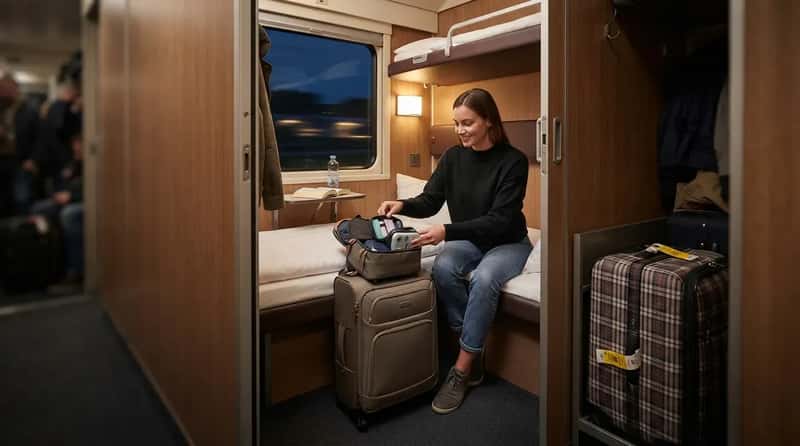
Overpacking the cabin itself is one of the most common – and most avoidable – mistakes.
Travelers carrying a lot of luggage often check their largest bags rather than cramming everything into the room, since roomettes and bedrooms only have limited space, while smaller bags with two or fewer pieces can typically stay in the compartment. Regulars know exactly what has to be checked versus what stays close, and they make that call before boarding, not after squeezing past three suitcases in a tiny room. It sounds minor, but it’s one of the biggest comfort differences on a multi-night trip.
#1 – They Treat the Attendant’s Workload as the Real Story of the Trip
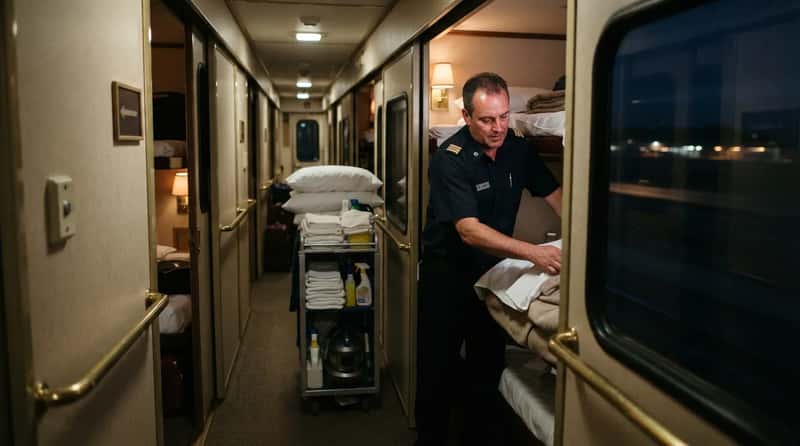
This is the rule that experienced riders say matters more than any other – and it’s rarely about the passenger at all.
Making up twenty rooms in a full sleeper car is genuinely a lot for one person to handle in a single overnight shift. The sleeping car attendant is often the most overlooked person on the entire train, responsible for passenger safety, nearly everything guests need, and keeping rooms, bathrooms, and showers spotless around the clock. Regulars understand that behind every smooth overnight trip is one exhausted person running on almost no real sleep of their own – which is why the most experienced riders treat courtesy, not just tipping, as the real currency on board.
Why It Stands Out
- One attendant can be responsible for up to twenty rooms on a single overnight shift.
- They handle safety, cleaning, and nearly every guest request around the clock.
- Regulars treat steady courtesy as more valuable than a single big tip.
Add it all up, and the biggest secret isn’t a hidden hack or a clever packing trick. It’s that the smoothest overnight trips almost always come down to respecting the person running the car and quietly following rhythms most passengers never even notice.
Staff say the same handful of behaviors show up again and again among regulars, while first-timers repeat the same mistakes trip after trip. The gap between the two isn’t experience – it’s attention.