Most passengers assume pilots are locked behind that cockpit door, blissfully unaware of anything happening in the cabin. That’s the myth. In reality, veteran captains hear the complaints, feel the seatbelt-sign ignoring, and get radioed crew reports on the chaos unfolding before the plane has even leveled off.
After decades combined in the flight deck, the same 25 behaviors keep coming up again and again, and pilots almost never say any of it out loud. Here’s what actually drives them up the wall, starting with the one that seems harmless but genuinely isn’t.
#25 – Unbuckling the Second the Wheels Touch Down
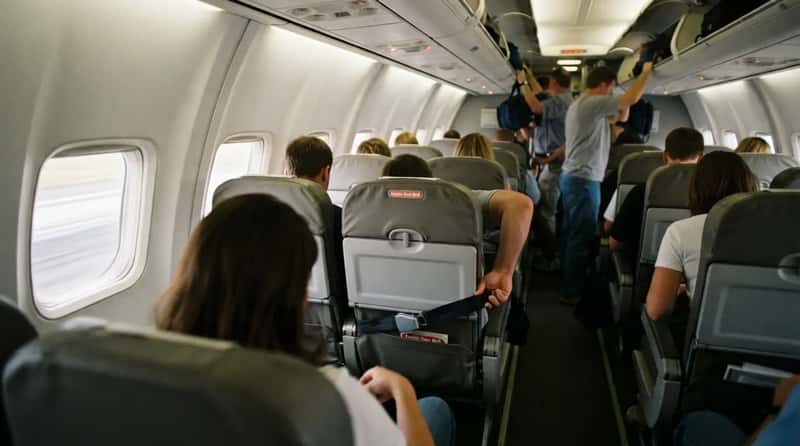
The plane hasn’t even slowed to taxi speed, and half the cabin is already clicking seatbelts open. Pilots call this the “click of doom” because it happens on nearly every single landing, no matter how many times the crew asks people to wait.
The real risk isn’t dramatic, it’s mundane: a hard braking event or a sudden swerve to avoid another aircraft can send an unbelted body straight into the seat ahead. Most injuries during landing rollout happen in the ten seconds after that premature click, not before it. Veteran captains say it’s the most predictable rule-break in aviation.
#24 – Standing Up Before the Seatbelt Sign Even Dings Off
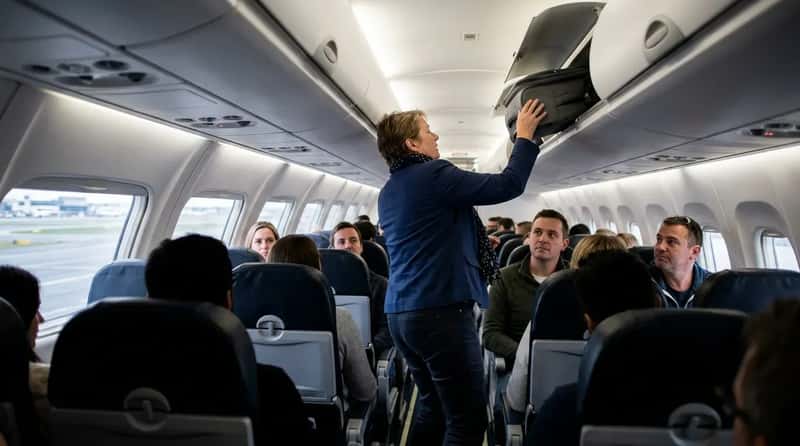
Right behind the early-unbuckle crowd is the early-stander. The plane is still rolling toward the gate, and passengers are already yanking bags out of overhead bins, swaying in the aisle like commuters on a subway.
Pilots see this from the cockpit camera feed on newer aircraft, and flight attendants radio it up constantly. It’s not just annoying, it’s a genuine trip hazard during a moving taxi, since a sudden stop at 15 mph can throw a standing adult forward with real force. That’s nothing compared to what happens when people tune out the safety briefing entirely, which is next.
#23 – Tuning Out the Safety Briefing Because “I’ve Flown 100 Times”
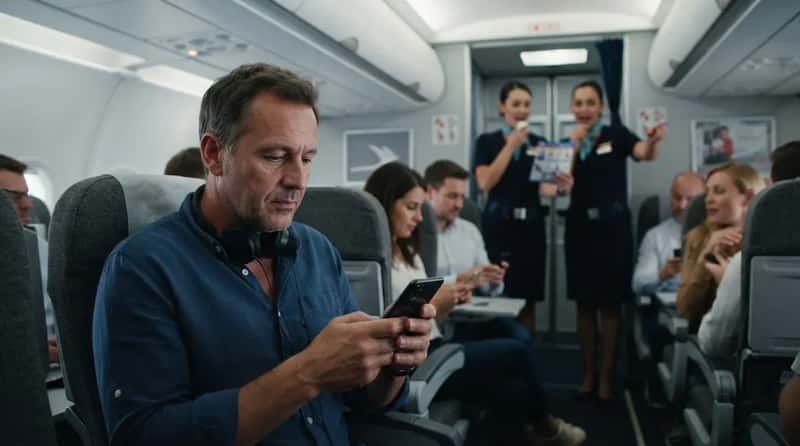
Frequent flyers are often the worst offenders here, and pilots notice. The assumption is that every plane works the same way, so the briefing becomes background noise while a phone gets scrolled.
Every aircraft type actually has different exit configurations, different emergency procedures, and different brace positions, and what worked on one airplane doesn’t transfer to another. Flight attendants aren’t performing a routine for their own amusement; they’re delivering information that could matter in the roughly 90 seconds a real evacuation allows. One veteran pilot who’s flown for nearly three decades admits it’s a habit almost nobody breaks.
At a Glance
- Aircraft certification requires a full evacuation in 90 seconds or less, using only half of the available exits.
- Every aircraft type has its own exit layout, so a safety card from one plane doesn’t carry over to the next.
- Flight attendants are trained to treat every single takeoff and landing as a possible evacuation scenario.
#22 – Closing the Window Shade for Takeoff and Landing
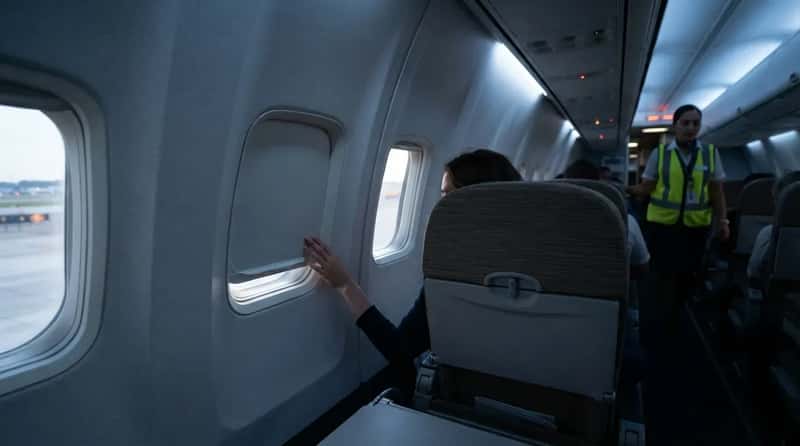
It seems like a small, personal choice – block the glare, get some rest. But pilots and flight attendants treat this rule as non-negotiable for a reason most travelers never learn.
Open shades during the two most dangerous phases of flight let crew members visually spot smoke, fire, or debris outside before it becomes a cabin emergency. It’s the same reason cabin lights dim before landing: eyes need to already be adjusted to outside light in case of a rapid evacuation. Closing that shade for a nap isn’t cozy to a pilot, it’s a blind spot they can’t control.
#21 – Reclining Full-Tilt the Instant the Seatbelt Sign Goes Off
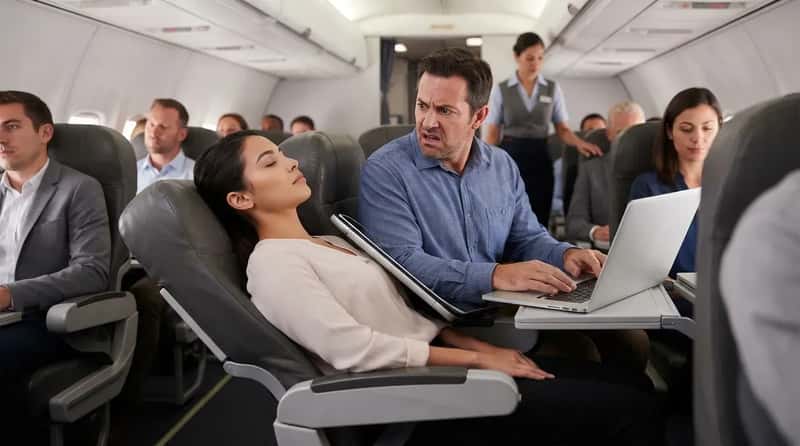
This one causes more mid-flight arguments than almost anything else on this list, and crew members are stuck refereeing it row after row. A Fox News poll on air travel pet peeves found that more than half of respondents said they’re bothered when the person in front of them reclines.
Pilots don’t set that policy, but they hear about the fallout every single flight. Passengers often defend the move by pointing out they’re paying customers with every right to lean back. Still, the instant, full-recline right after takeoff, often into a laptop or a meal tray, is what actually escalates rows into shouting matches.
#20 – Cussing Out the Flight Deck Over Normal Turbulence
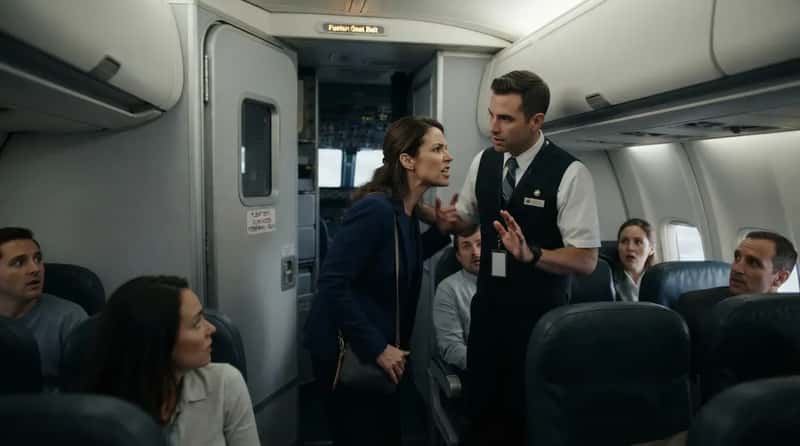
Nothing gets under a captain’s skin quite like being blamed for weather. Turbulence is often invisible on radar until the aircraft is already inside it, yet passengers routinely storm off convinced the pilot flew recklessly.
Pilots describe getting cussed out over their abilities the moment wake turbulence hits, even though there’s no way to magically see it coming on a tiny monitor. Most turbulence encounters are entirely unavoidable and have nothing to do with pilot skill. The irony is that the people yelling loudest are usually the ones who ignored the seatbelt sign in the first place.
#19 – Poking Crew Members to Get Their Attention
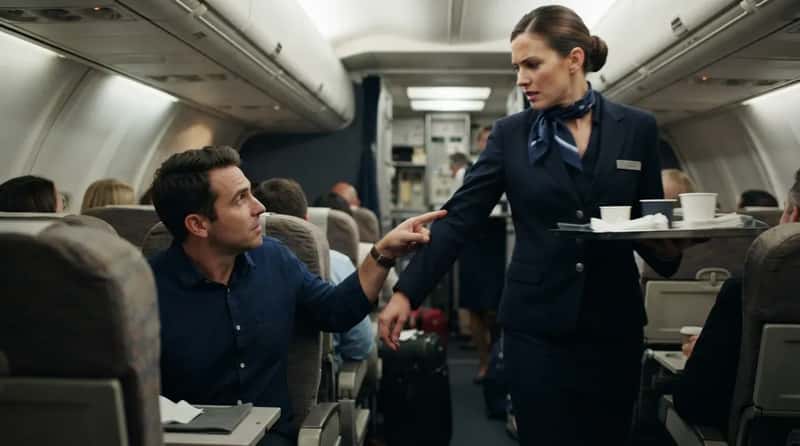
It sounds minor until you hear how often it happens – dozens of times a flight, on every single route. Pilots hear about it constantly because flight attendants come off shift furious.
Flight attendants have repeatedly said not to touch them at all, and that a simple “excuse me” or a glance at their name tag works far better than poking, tapping, or wiggling fingers on their arm. One crew member even noted the poking often lands on parts of the body eye-level to a seated passenger, which is exactly as awkward as it sounds. Veteran pilots say this small disrespect sets the tone for a rough flight before it even starts.
#18 – Blasting Videos Without Headphones
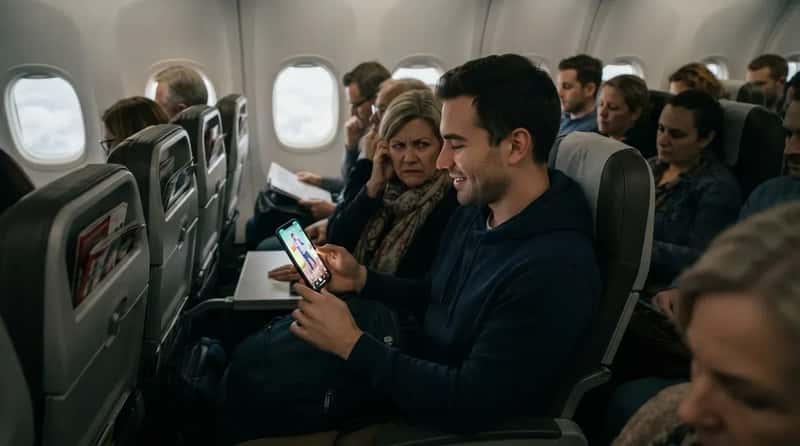
Somewhere over the last few years, playing TikToks out loud on a crowded plane became normal, and crew members are furious about it. Pilots hear the complaints pile up in the cockpit relay long before landing.
Passengers have specifically complained that flight attendants often fail to stop people from playing music and videos without earphones. One flyer even said a crew member shrugged it off and claimed it was allowed, when it actually isn’t. That inconsistency between crews is exactly why pilots say the rule needs to be enforced the same way, every single flight.
#17 – Clipping Nails or Grooming in the Seat
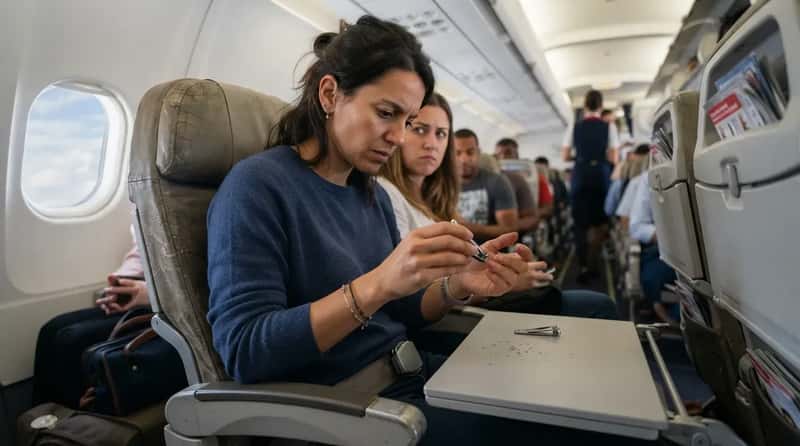
Somehow, thousands of feet in the air, some travelers decide their economy seat is the perfect place for a full grooming session. There’s always someone who treats their seat like a makeshift vanity, and the click of a nail clipper shifts everyone’s attention instantly.
Nobody wants to spend a flight wondering where a stray clipping landed, yet it happens on flights everywhere. The habit keeps showing up despite how uncomfortable it makes an entire row. Pilots hear about it as one of the more bizarre, recurring complaints flight attendants bring to the front of the plane.
#16 – Sniffing at Turbulence Like It’s a Personal Insult
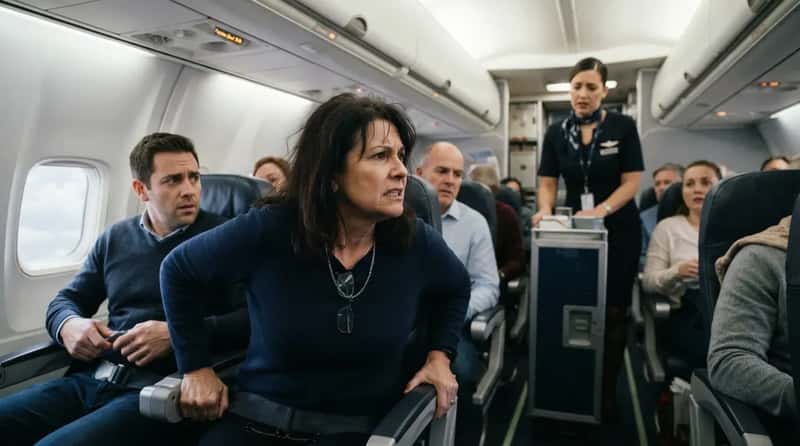
Beyond the shouting, there’s a quieter version of this complaint: passengers who treat every bump as a five-alarm crisis and demand explanations mid-flight. Pilots say it derails the entire cabin service and adds unnecessary stress for everyone onboard.
The truth most travelers don’t realize is that commercial aircraft are engineered to handle turbulence far more severe than what passengers typically experience. Veteran captains have flown through storms, mountain waves, and jet-stream shear without structural concern. The bumps that trigger cabin panic rarely register as a real event on the flight deck at all.
#15 – Stretching Feet Into the Aisle During Red-Eyes
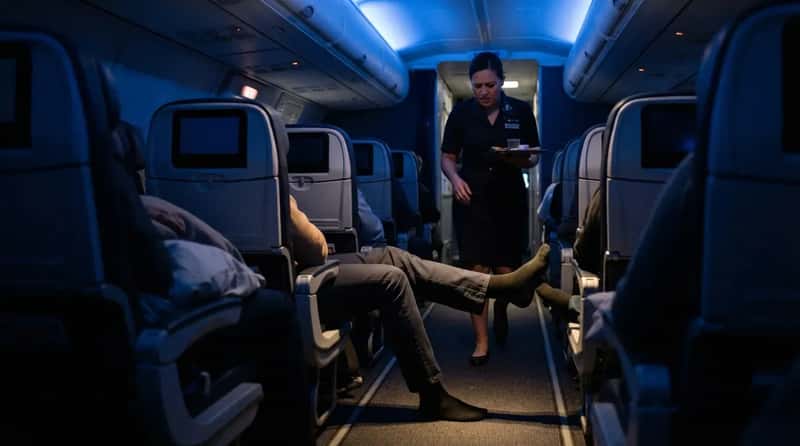
On overnight flights, the lights dim and the temptation to stretch out grows. But dangling feet or legs into a darkened aisle creates a hazard crew members deal with constantly.
Feet left in the aisle during night flights are a genuine trip hazard for crew moving through the dim cabin, and colleagues have broken bones tripping over legs they couldn’t see. That’s a real injury, not an exaggeration, and it happens more than most travelers assume. Pilots say it’s one of the sneakiest safety issues because it looks completely harmless in the moment.
#14 – Stuffing Every Overhead Bin Within Reach
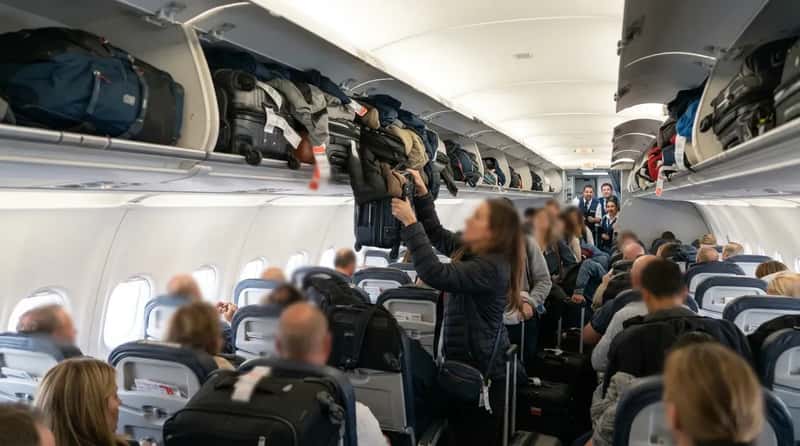
Boarding groups exist for a reason, yet chaos breaks out the moment the jet bridge door opens. Bags get crammed sideways, jackets pile on top, and the bins fill up long before half the plane has boarded.
When bins fill too quickly, passengers who board later end up wandering the aisle looking for space that should have existed for them. The resulting scramble is one of the single biggest causes of delayed boarding times industry-wide. Pilots watching the clock in the cockpit feel every extra minute this chaos adds before pushback.
#13 – Camping Out Right Behind the Beverage Cart
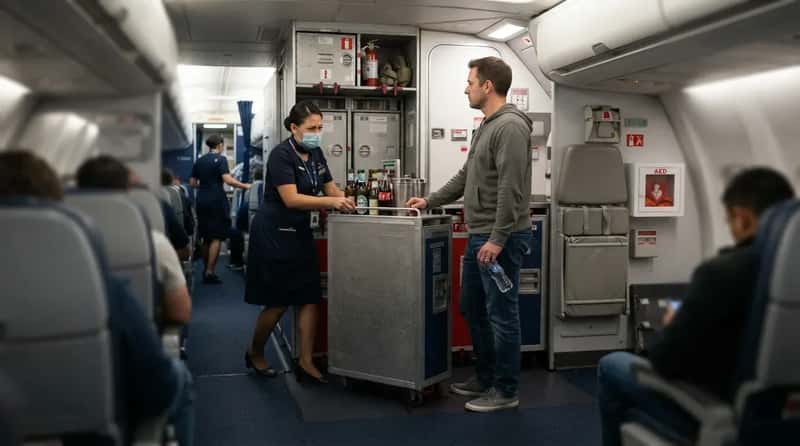
Standing in the galley to stretch, chat, or wait for the bathroom feels innocent, but it blocks the exact path crew members need during service and emergencies alike. Pilots hear about these bottlenecks constantly from frustrated flight attendants.
Most people don’t realize the galley is also where emergency equipment lives, tucked behind panels crew need instant access to. A body blocking that space isn’t just inconvenient, it’s a genuine obstruction. Veteran crews say the “just stretching my legs” excuse wears thin fast on longer flights.
#12 – Overdoing It on In-Flight Drinks
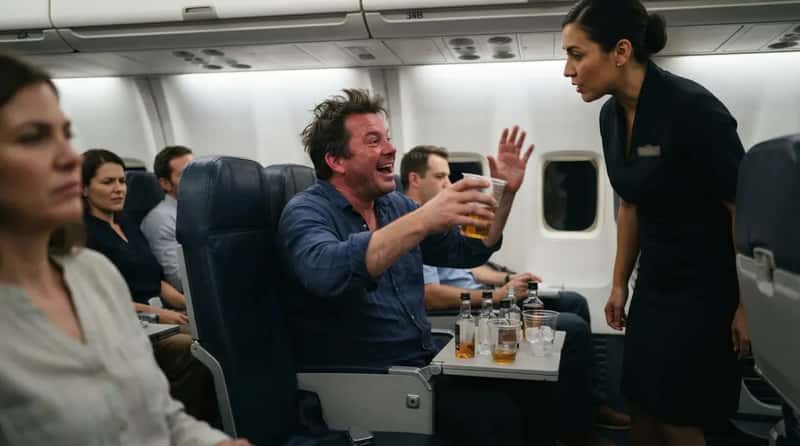
A cocktail at altitude hits differently, and most travelers underestimate exactly how much. Altitude makes alcohol hit harder than it would on the ground, so a couple of drinks can quickly turn into far too many, with volume rising as patience drops.
Pilots say this is one of the fastest ways a routine flight turns into a diversion. Crew members recommend hydrating between drinks and pacing consumption so the trip ends without regret rather than a red flag. Veteran captains have made unscheduled landings over intoxication alone, something most passengers never hear about until it’s their flight.
Worth Knowing
- Cabin air is far drier than air at sea level, which speeds up dehydration and can make each drink feel stronger.
- Reduced cabin pressure lowers blood oxygen slightly, one reason a buzz can hit faster at 35,000 feet.
- Flight attendants can legally refuse service to anyone who appears intoxicated, no explanation required.
#11 – Rushing the Gate the Second Boarding Is Called
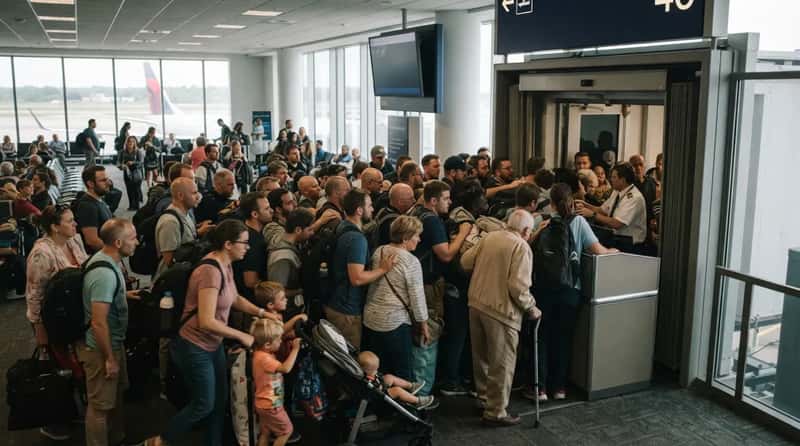
“Gate lice” is the industry nickname, and it drives crews just as crazy as it sounds. Passengers with no priority status crowd the boarding door the moment any group is announced, creating a bottleneck nobody actually needed.
The irony is that rushing early rarely saves any real time, since seats are already assigned. All it does is delay the people who genuinely need to board first, including families and passengers needing assistance. Pilots say this scramble is one of the clearest signs a flight is going to depart late before the door even closes.
#10 – Fiddling With the Emergency Exit Door Mid-Flight
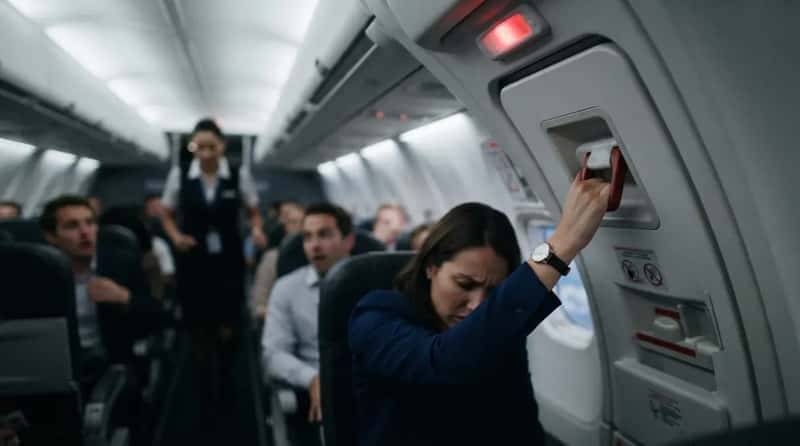
It sounds almost unbelievable, but it happens more than most people would guess. Confused, anxious, or simply curious passengers have grabbed emergency exit handles mid-flight, not realizing the mechanism is designed to stay sealed by cabin pressure at altitude.
Physically, the door can’t open in flight due to pressure differences, but the attempt alone still triggers a security and safety response. Pilots take these incidents seriously because intent is impossible to judge from the flight deck in the moment. It’s one of the few items on this list that can end with police meeting the aircraft on arrival.
#9 – Filming the Cockpit or Crew Without Asking
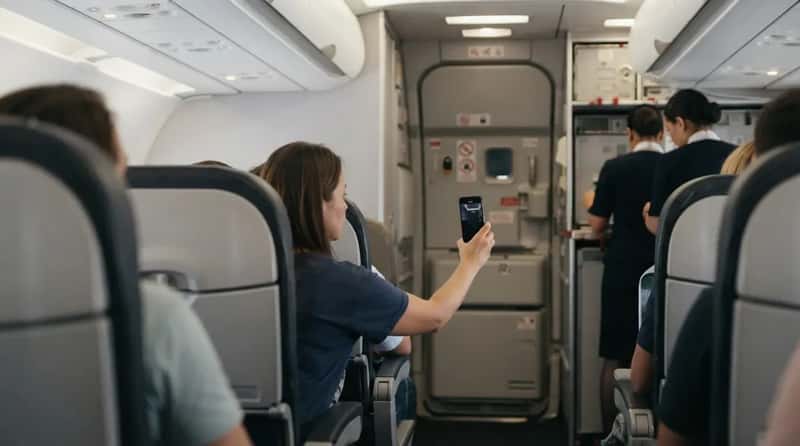
Social media has turned flight decks and crews into unwitting content. Passengers sneak phones toward the cockpit door or film flight attendants working without ever asking permission first.
Most travelers don’t realize crew members can refuse this outright, and many pilots consider it a security concern rather than a harmless clip. Cockpit access rules tightened dramatically industry-wide after past security incidents, and casual filming near that door raises real alarm. Veteran captains say a polite question beats a sneaky video every single time.
#8 – Panicking Over Normal Engine and Landing Gear Noises
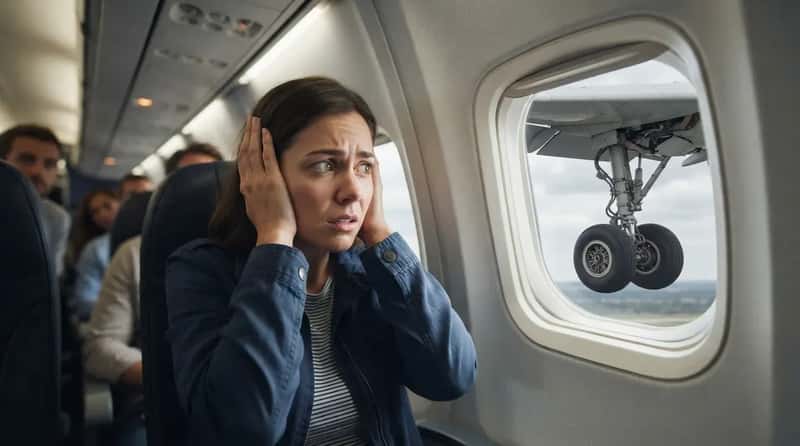
The thump of gear retracting, the whine of flaps, the roar of thrust reversers – all normal, all routine, yet all capable of triggering a full-blown panic in an unfamiliar flyer. Crew members field these questions constantly.
Most of what alarms nervous flyers is standard mechanical operation happening exactly as designed. Pilots say the sounds that actually indicate a problem are rare and distinct enough that trained ears notice immediately. The gap between what sounds scary and what actually is dangerous is much wider than most passengers assume.
#7 – Traveling With Oversized “Emotional Support” Animals
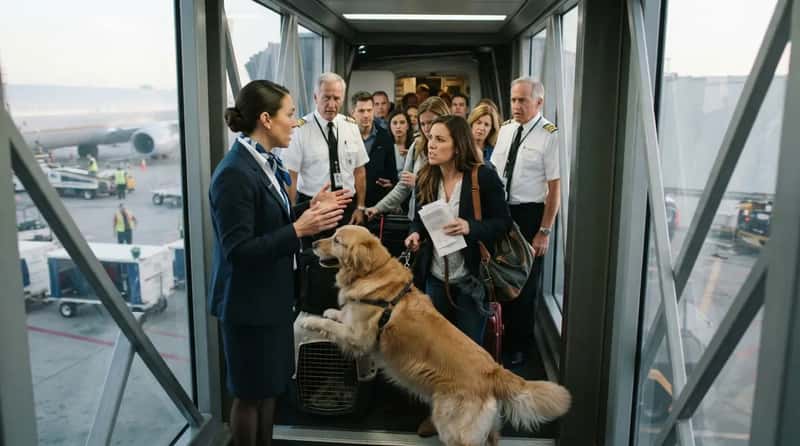
Airlines tightened these rules hard in recent years, yet travelers still show up with animals far outside approved carrier sizes, expecting an exception. Crew members get stuck negotiating it at the door, right as boarding is supposed to start.
What frustrates pilots most is the ripple effect: one oversized animal dispute can delay an entire departure slot. Airport ramp schedules run on tight windows, and gate-side arguments eat directly into that buffer. Veteran crews say the animal itself is rarely the problem – the last-minute surprise always is.
#6 – Ignoring the Seatbelt Sign During Real Turbulence
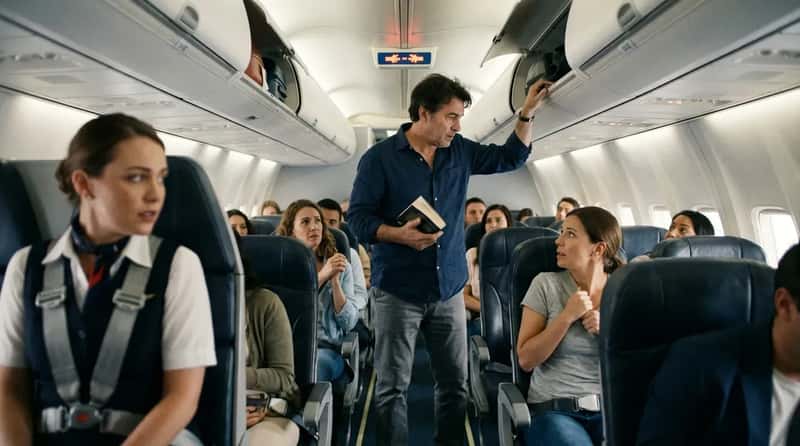
This is the one pilots genuinely worry about, not just find annoying. Unbelted passengers are overwhelmingly the ones injured when unexpected turbulence hits without warning.
The vast majority of turbulence-related injuries happen to people who had their seatbelt off despite the sign being illuminated. A sudden drop can throw a body into the ceiling hard enough to cause serious injury in seconds. Pilots say this single habit is responsible for more real hospital visits than almost anything else on this entire list.
Fast Facts
- FAA data show more than 90 percent of turbulence injuries involve passengers or crew who weren’t buckled in.
- Flight attendants account for the majority of serious turbulence injuries, since their job keeps them unseated more often than passengers.
- Serious turbulence injuries are reported only a handful of times a year nationwide, but nearly all of them are preventable.
#5 – Sprinting for the Aisle the Moment the Plane Stops at the Gate
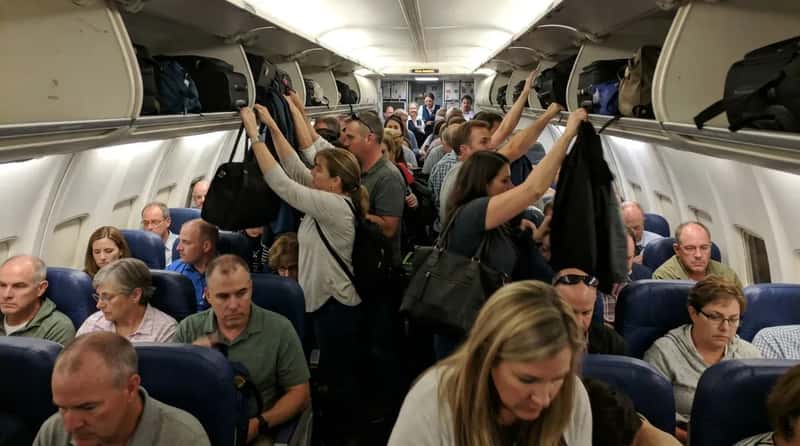
The seatbelt sign is barely off before half the cabin is standing, blocking anyone actually seated near the front from deplaning efficiently. Crew members call this the daily traffic jam nobody needed.
Most passengers don’t realize standing early rarely gets them off the plane any faster – it just crowds the aisle for everyone. Staying seated until your row is actually moving is consistently faster in practice. Veteran flight attendants say this habit alone adds several minutes to nearly every single deplaning.
#4 – Arguing With Pilots Over Weather Diversions
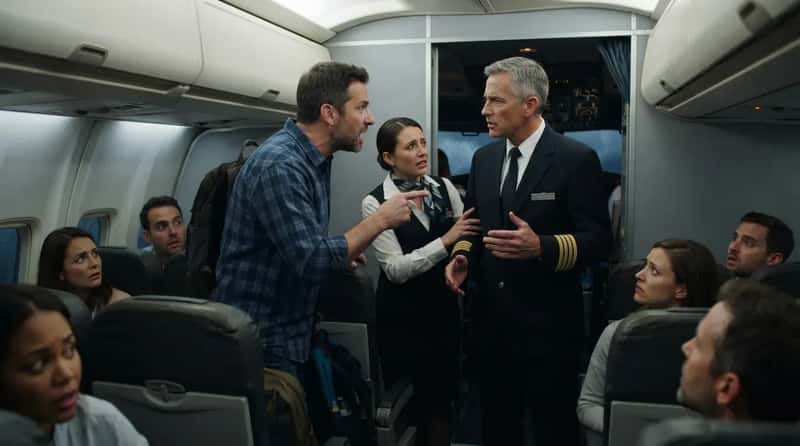
When a flight diverts for weather, some travelers treat it as a personal inconvenience worth confronting the crew over. Pilots say these confrontations happen almost every time a diversion is announced.
What most passengers don’t grasp is that diversion decisions go through dispatch, air traffic control, and company policy long before a pilot ever announces them. It’s never a solo, spontaneous call. Veteran captains say arguing about it mid-flight accomplishes nothing except making an already stressful situation harder on everyone in the cabin.
#3 – Lingering Near the Flight Deck Door
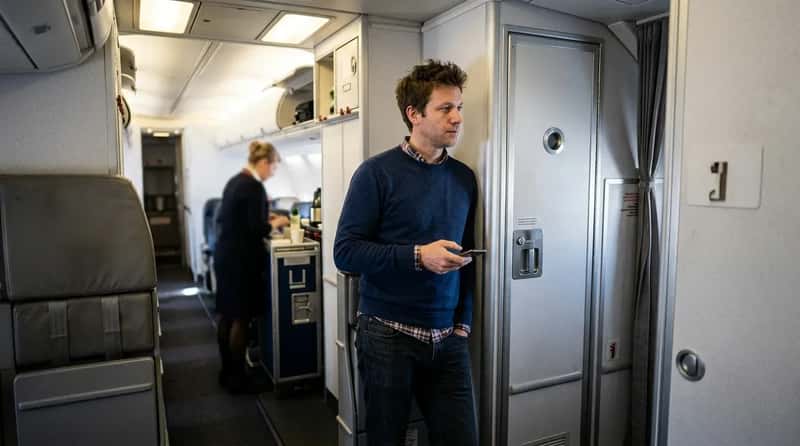
Since reinforced cockpit doors became standard, lingering near that door – even innocently, waiting for a bathroom – sets off alarm bells for crew. It’s treated as a security matter, not a courtesy issue.
Most travelers don’t realize crew are trained to treat any prolonged presence near that door as a potential threat, regardless of intent. That’s not paranoia, it’s protocol built after past incidents that changed aviation security permanently. Pilots say the fastest way to make an entire crew tense is simply hovering too long in that hallway.
#2 – Using Phones Mid-Emergency Instead of Following Crew Instructions
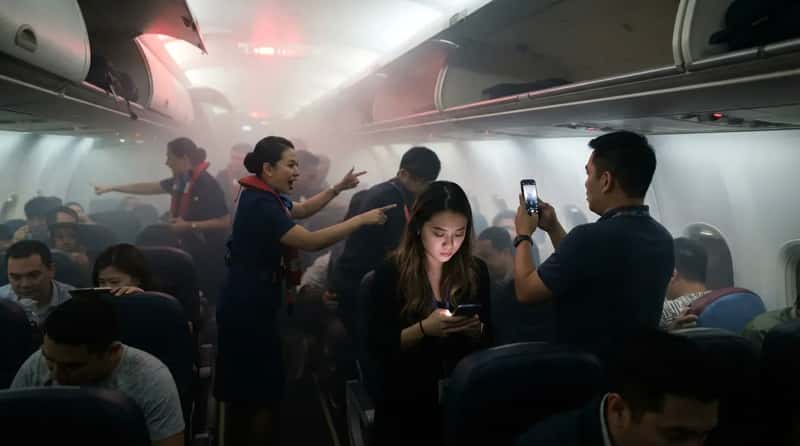
During real emergencies, seconds matter more than almost anything else in aviation. Yet passengers have repeatedly been documented pausing to film, text, or call loved ones instead of moving toward exits immediately.
Veteran crews say this delay, even measured in seconds, can be the difference between a clean evacuation and a bottleneck. Training assumes full compliance within moments, not partial attention split between a phone screen and an exit row. Pilots call this the single most dangerous habit that never makes headlines until something goes wrong.
#1 – Grabbing Carry-On Bags During an Actual Evacuation
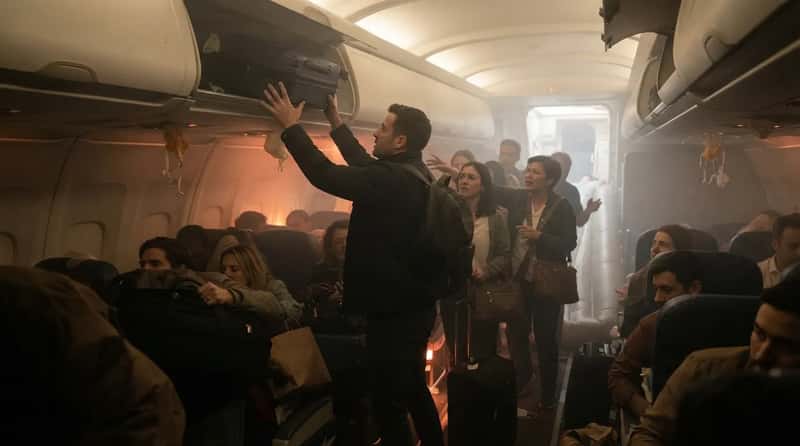
This is the one that genuinely haunts veteran pilots, because it’s happened in real, documented emergencies. When an evacuation order comes, passengers have stopped to grab overhead luggage, roller bags, even duty-free shopping, instead of moving straight to the nearest exit.
Safety investigators have repeatedly flagged this exact behavior as a major factor slowing real evacuations, sometimes by critical seconds. Slides are built for empty hands, and bags can tear them, block exits, or trip the person right behind you. Pilots say this single habit, more than any other on this list, is the one they genuinely fear seeing repeated.
Why It Stands Out
- Evacuation slides are engineered for empty hands moving fast, and a dragged bag can tear the fabric or jam the base of an exit.
- The FAA’s 90-second evacuation standard assumes passengers leave every carry-on item behind entirely.
- Aviation safety reviewers have repeatedly cited bag-grabbing as a recurring factor that slows real-world evacuations by critical seconds.
Put together, these 25 habits reveal something most travelers never consider: the cabin isn’t just a waiting room before landing, it’s an active safety environment the whole flight. Veteran pilots aren’t annoyed by clumsiness or bad manners for its own sake – they’re reacting to years of watching small, avoidable choices turn into real delays, real injuries, and in rare cases, real danger.
None of this requires becoming a nervous, rule-obsessed flyer. It just means understanding that the person up front, and the crew walking the aisle, are watching patterns most passengers never notice about themselves. Which one on this list hit closest to home? That’s usually the tell.