Ask any flight attendant what actually ruins a flight, and turbulence barely makes the list. It’s the passengers: the ones flossing mid-seatbelt sign, the ones flushing the wrong thing down a plane toilet, the ones who treat a crew member like room service with wings. These 25 habits get complained about behind the scenes constantly, and once you hear why, you’ll never look at a beverage cart the same way again.
Some of these “harmless” habits sound almost reasonable, until a flight attendant explains the domino effect happening three rows back. Others have genuinely delayed flights, injured someone, or turned into full-blown air-rage incidents. Here’s the countdown, straight from the people who watch it unfold every single day.
#25 – The Toilet Habit That’s Secretly Sabotaging the Whole Cabin
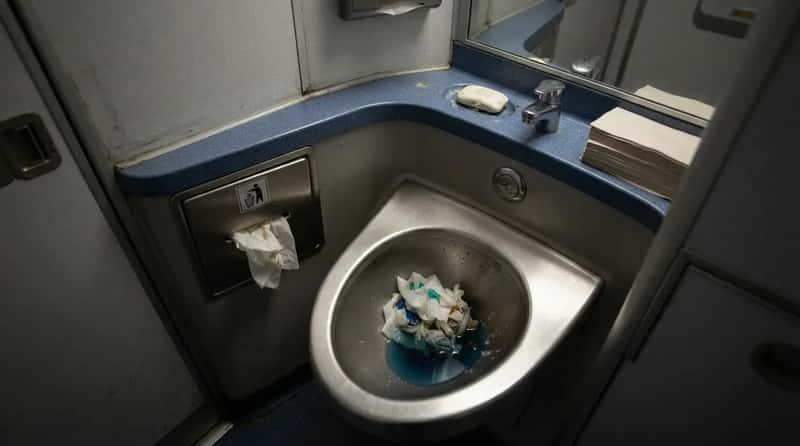
Flushing the wrong item down an airplane toilet sounds minor, until it grounds an entire flight. Tissues and wet wipes cause blockages that crews then have to deal with mid-air, with zero tools and zero plumber on call. Instead, those items need to go straight into the trash bin, not the bowl.
What most flyers don’t realize is that this “quick flush” habit multiplies fast on a full plane. One blocked lavatory can take an entire bathroom out of service for the rest of the flight. That leaves 150-plus passengers fighting over whatever bathrooms are left.
#24 – Running the Tap for Fun While the Plane Is Rationing Water
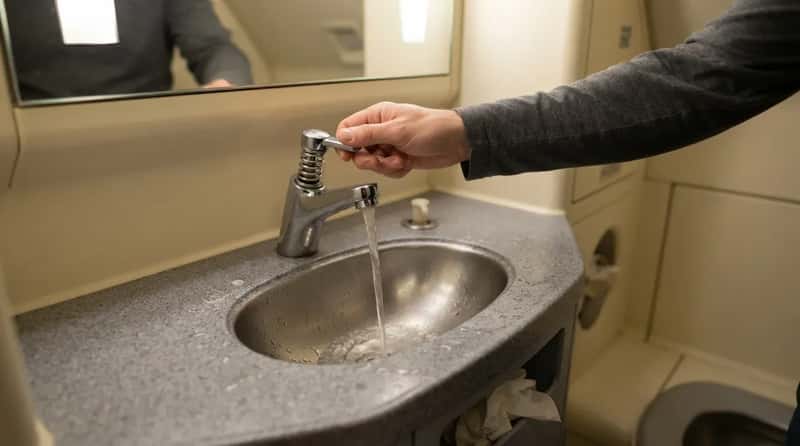
Letting the faucet run while you wash up feels normal on the ground, but it’s a genuine resource problem in the air. Aircraft carry a fixed water supply and there’s no refill button at 35,000 feet. Every gallon wasted at the sink is a gallon nobody else on that flight gets to use.
Crews notice this constantly on long-haul routes, where water gets stretched across meal service, coffee runs, and hundreds of hand washes. It’s a small habit passengers barely think twice about. Yet it’s one of the quiet reasons water sometimes “runs out” hours before landing.
Fast Facts
- Airplanes carry a single, fixed supply of potable water loaded before departure, with no way to refill it mid-flight.
- That same tank supplies every lavatory sink, galley faucet, and coffee maker on board for the entire trip.
- On the longest routes, crews stretch that limited supply across service for hundreds of passengers over many hours.
#23 – Doing Sun Salutations in the Airplane Kitchen
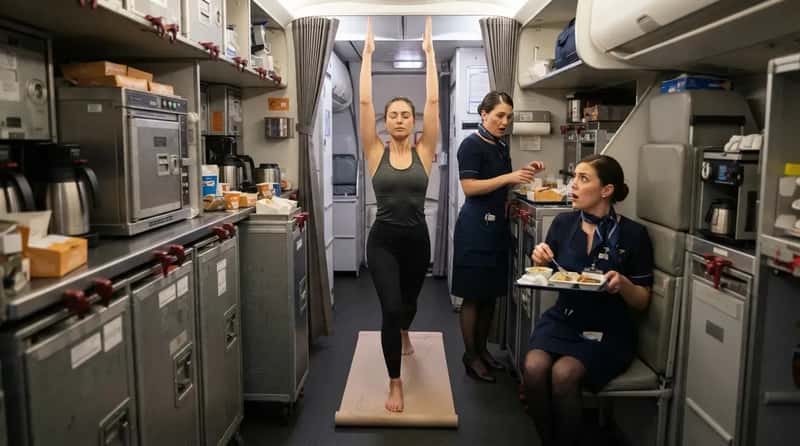
The galley isn’t a wellness studio, but some passengers treat it like one anyway. Flight attendants describe finding travelers stretching or full-on doing yoga poses in the exact space where crew members eat and prep service. “This is the flight attendant’s workspace where we work and eat,” one crew member put it. “Last thing we want is to have a passenger doing yoga poses in our faces while we are having our lunch.”
It’s not just awkward, it’s disruptive during the only breaks crew members get all flight. One flight attendant, Robert, described how limited those breaks already are, often grabbing a meal that gets interrupted by someone needing help anyway. A 15-minute meal break on a 15-hour flight is already brutal; a stranger’s downward dog makes it worse.
#22 – Trimming Your Nails at 35,000 Feet
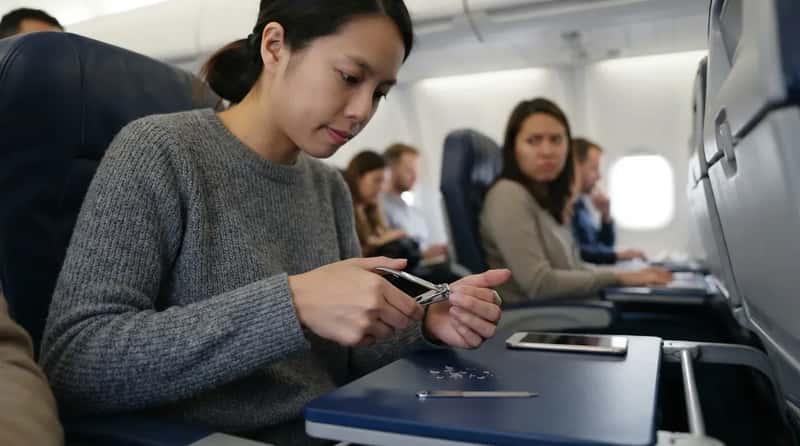
It sounds like an urban legend until a flight attendant confirms it happens more than you’d think. Clipping or filing finger and toenails ranks high on the passenger annoyance list, right alongside the other in-seat grooming habits crews wish would stay home.
Beyond the noise and the mess, it’s simply not something anyone in a shared cabin wants to witness up close. It’s the kind of personal grooming best saved for the bathroom at home, not the seat next to a stranger. Small habit, big cringe factor for everyone downwind.
#21 – Leaving the Lavatory Door Unlocked (And Confusing Everyone)
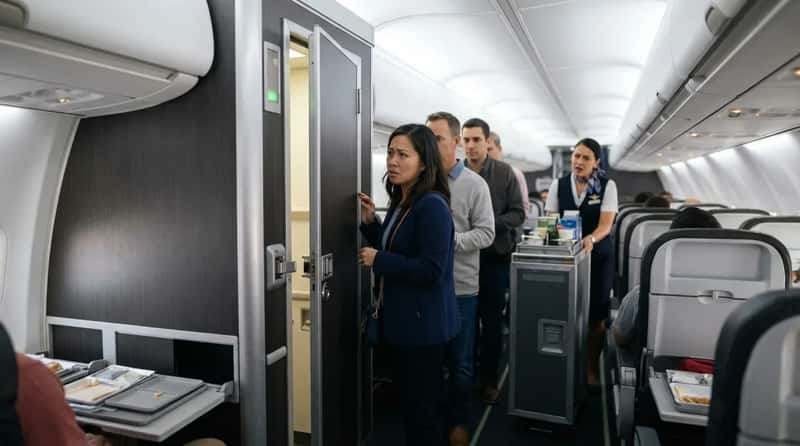
This one tops many flight attendants’ frustration lists, and it’s shockingly common. Crews get especially irritated when passengers fail to properly lock the bathroom door, or don’t fully close it after they leave.
The fallout is bigger than an awkward locked-door moment. That small oversight makes other passengers think the bathroom is free when it isn’t, and the result is a line forming right where flight attendants need to move a cart through. A single unlocked door can quietly stall meal service for the entire back of the plane.
#20 – Booking a 45-Minute Connection and Hoping for a Miracle
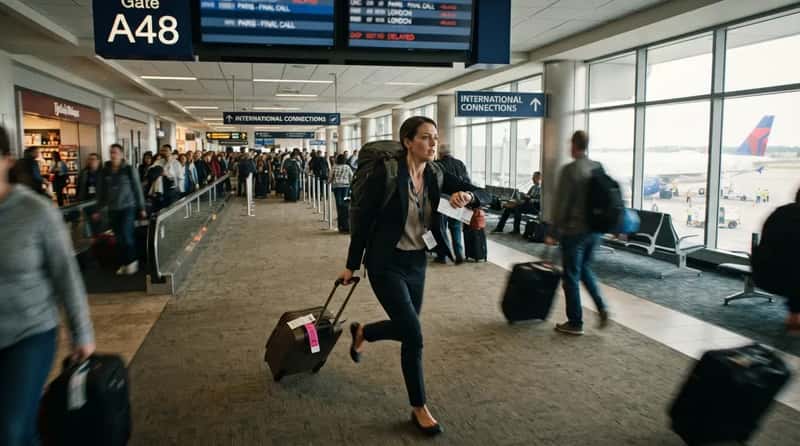
Cutting it close between flights feels efficient, until you’re sprinting through customs with a boarding pass that’s about to expire. Veteran crew members say short layovers cause more stress, meltdowns, and missed flights than almost anything else travelers can actually control.
If you have a connection, make sure you allow yourself enough time in between flights. Anything under an hour is really risky, especially for international connections because of immigration, customs, and other security clearances.
Cate, veteran flight attendant
Her rule of thumb: at least two hours for an international layover, and a full hour for domestic. Customs lines don’t care what time your next boarding call is.
#19 – Sprinting the Aisle the Second the Seatbelt Sign Dings Off
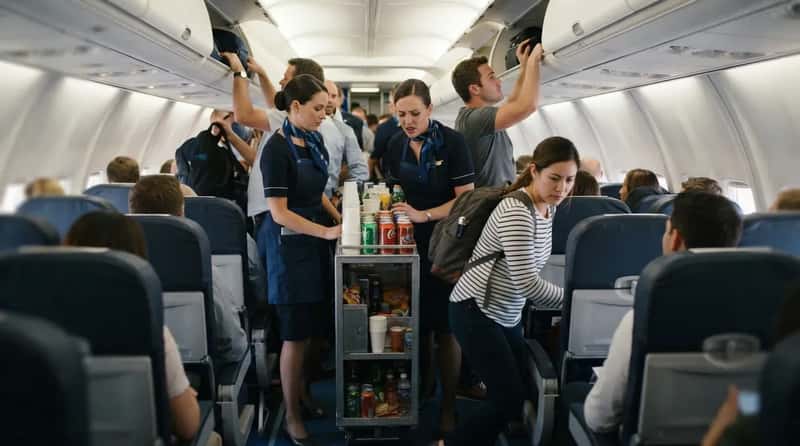
The instant the chime sounds, half the cabin stands up, even while flight attendants are still mid-service. “I hate when they see me in the aisle and still choose to get up and push past me toward the bathroom,” one crew member said. “I cannot stand when passengers get up to go to the bathroom as soon as we’re out there handing out drinks.”
It’s not just rude, it’s genuinely hard to navigate safely with a full cart. “It’s hard to carry the tray as it is, let alone balance it over someone’s head while they try to squeeze in beside me to get back to their seat,” she added. Waiting five extra minutes saves the whole beverage cart from a near-collision.
#18 – Lingering by the Lavatory While the Crew Eats Two Feet Away
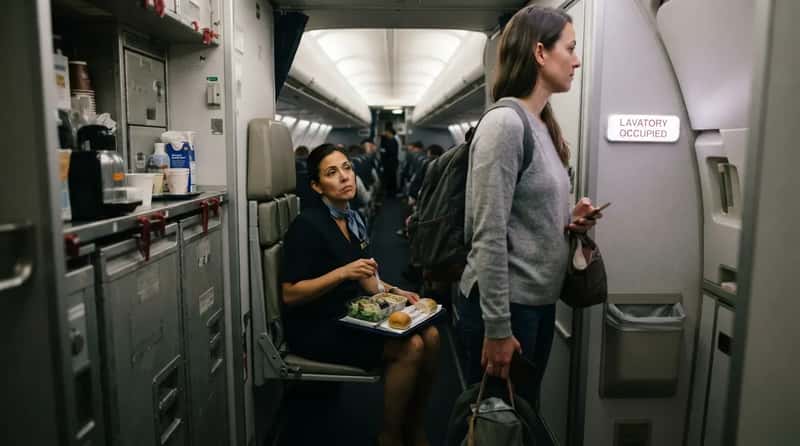
Because jump seats often sit right beside the bathroom, crew meal breaks and bathroom lines constantly collide. “So annoying when there’s like a long line standing there over the top of me while I’m trying to eat my lunch,” one flight attendant said of the setup.
It’s an unavoidable layout problem, but passengers can still make it worse without realizing it. Standing directly over someone’s meal while they eat is uncomfortable no matter where it happens, and a plane galley is no exception. A little spatial awareness in that narrow strip of aisle goes a long way toward crew sanity.
#17 – Camping in the Bathroom During Boarding or Meal Service
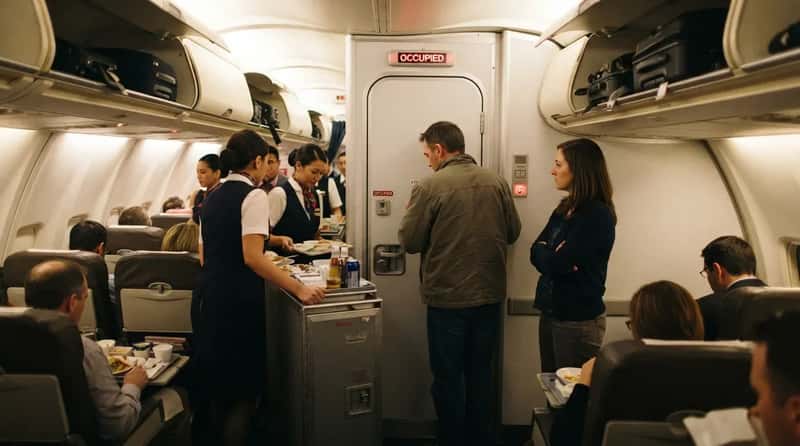
Timing matters more than people think. Occupying the bathroom for extended periods, especially during boarding or meal service, creates congestion that ripples through the whole cabin fast.
Crews say the fix is simple: plan ahead when possible. Passengers should also remember to fully close the door and be mindful of how long they’re inside during the busiest windows of a flight. It’s a small courtesy that keeps a short wait from snowballing into a full-aisle traffic jam.
#16 – Drinking Straight From the Can Without Asking for a Cup
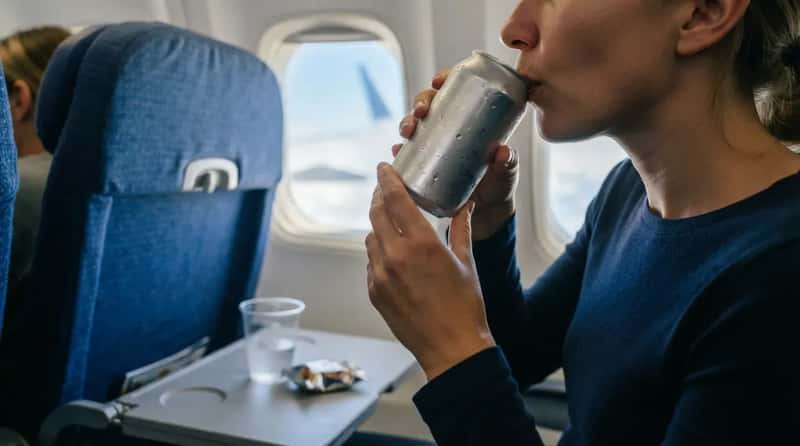
It seems harmless, until a flight attendant explains what happens to that can before it reaches your tray table. Cher, a flight attendant known online as @cherdallas, admits she never puts her mouth directly on a soda or beer can when she’s flying for leisure. “The catering trucks are truly gross,” she says, “and I don’t trust that there aren’t sometimes bugs on the plane crawling around the outside of the can.”
Her fix is simple: always ask for a cup, even if it feels like an unnecessary extra step at 30,000 feet. It sounds fussy until you picture that can sitting exposed on a tarmac cart for hours before it ever reaches your seat.
#15 – Wearing Five Layers of Clothes to Dodge a Bag Fee
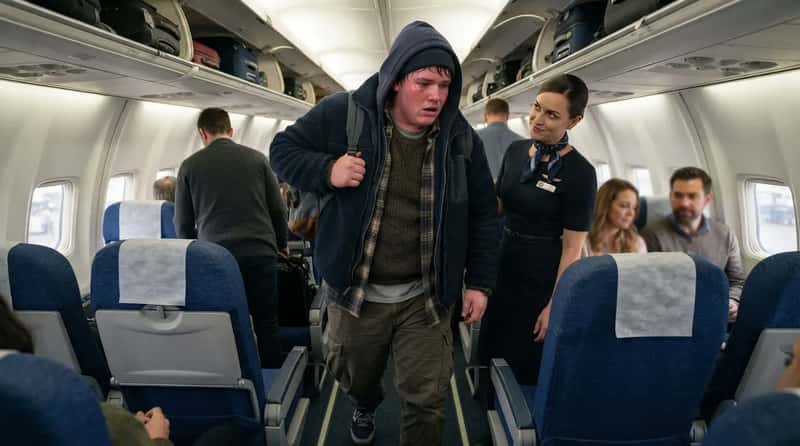
Bundling up before boarding might seem like a clever workaround for luggage fees, but flight attendants clock it instantly. Someone dressed like they’re heading to Antarctica in July is not exactly subtle to a trained eye.
It’s not just an amusing giveaway, it can raise real red flags. Excessive layering can signal someone hiding contraband, dodging luggage fees, or attempting to smuggle something onboard. Crews are trained to notice these patterns long before takeoff, so the “wear it all” trick rarely goes unnoticed.
#14 – Expecting a Flight Attendant to Lift Your Bag Overhead
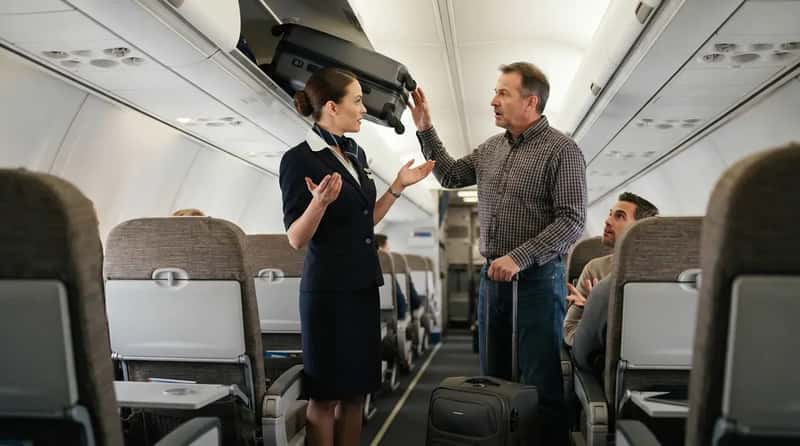
Asking crew for a hand with a heavy carry-on feels reasonable, but there’s a hard line here most travelers don’t know about. If you know you can’t lift your own bag due to an injury or any other reason, the ask isn’t fair; flight attendants are only permitted to assist, not lift.
This isn’t crew members being difficult, it’s a workplace injury policy. Lifting heavy bags overhead, repeatedly, for dozens of passengers a day, adds up to real physical strain over a career. Checking a bag you truly can’t lift saves everyone the awkward standoff at boarding.
#13 – Sleeping Through Meal Service, Then Demanding Food an Hour Later
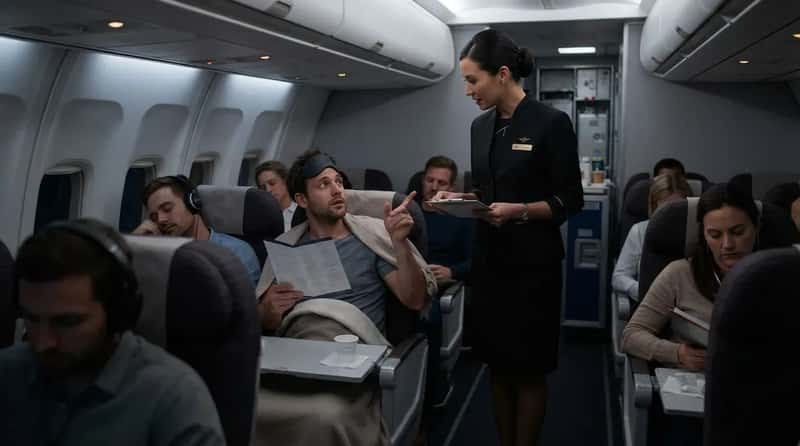
Missing the cart doesn’t mean the kitchen reopens on request. If you slept through mealtime or just weren’t hungry at that moment, there’s a real chance you won’t be able to get food later in the flight.
Crews sympathize, but the math doesn’t work in a napping passenger’s favor. “We have about 300 passengers here. Why not behave like everyone else?” one crew member said. There’s simply no extra meal cart hiding in the back for late risers.
Worth Knowing
- Meal carts are stocked for the exact passenger count, not extra servings for anyone who missed the first pass.
- Crews can sometimes offer a snack or light substitute later, but a full hot meal usually isn’t an option once the cart has cleared.
- A quick “please save me one” to a passing flight attendant before service starts can make a real difference.
#12 – Keeping Your Headphones On While Ordering a Drink
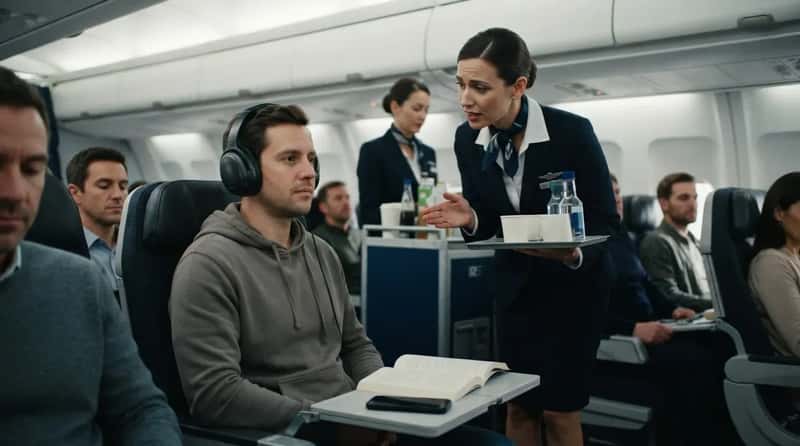
It’s an easy habit to fall into, and it slows down service more than most people realize. Briony Miller, a travel content creator and flight attendant, recommends removing headphones the moment a flight attendant approaches, since passengers often miss their chance to answer a drink or snack offer while tuned out.
Another crew member described the exact frustration this causes in real time: passengers asking “what did you say?” or saying “I can’t hear you” while their headphones are still in. It slows the entire beverage cart down, row after row after row.
#11 – Talking Through the Safety Demo Like It’s Optional
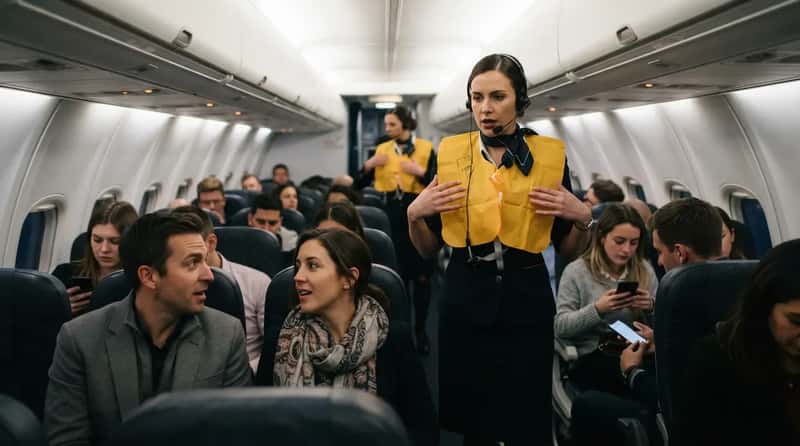
Skipping the safety briefing isn’t just rude, it’s a legal requirement to pay attention. It’s not only that flight attendants want eyes on them during the demonstration; the FAA actually requires it.
Talking over it creates a ripple effect through the whole cabin. Loud conversations during the safety presentation distract nearby passengers and can prevent them from hearing potentially lifesaving information. Nobody plans to need it, which is exactly why it’s easy to tune out until the one flight it actually matters.
#10 – Mashing the Call Button Every Two Minutes
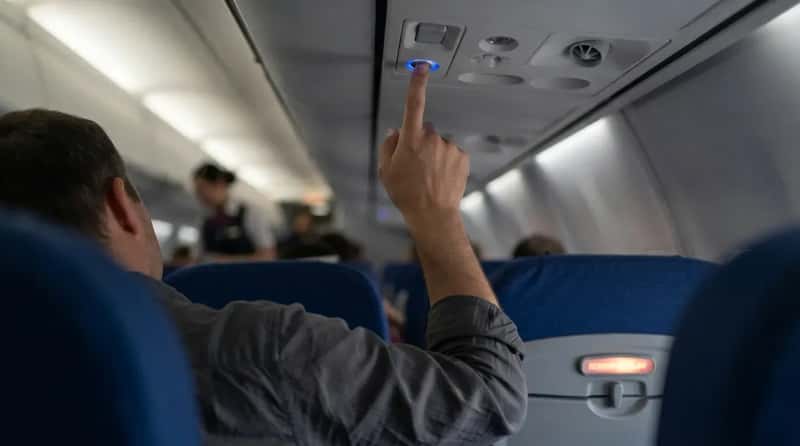
The call bell feels like a direct line to instant service, but crews say it’s often used far too aggressively. “That call button above your seat? Use it sparingly,” one flight attendant said bluntly.
Timing matters just as much as the button itself. “If we have just taken off and the seat belt sign is still on, we will be out soon, just hang on for five minutes,” she explained. “And if we’ve just finished service, or you can see we’re doing service a few rows behind you, just wait a minute.”
#9 – Turning the Aisle Into Your Personal Footrest
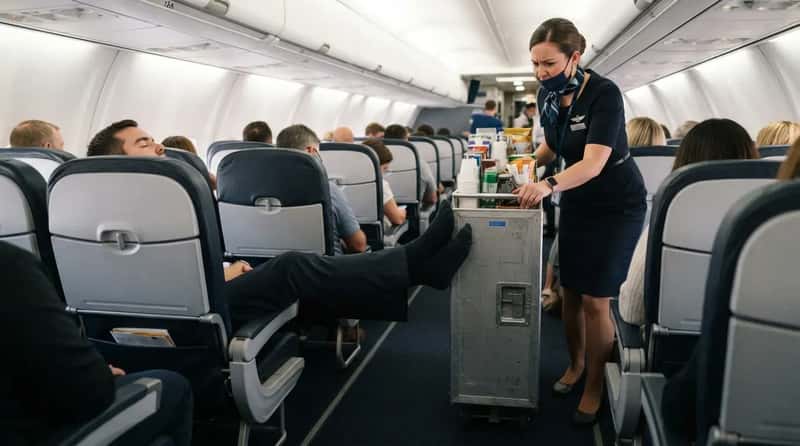
An arm or leg drifting slightly into the aisle is understandable on a long flight, but some passengers take it much further. “Some people go overboard with it,” one flight attendant said of travelers who use the aisle as their personal sprawl zone.
The consequences aren’t just annoying, they’re physical. “They’ll have their whole entire feet out in the aisle or be leaning their whole body out, and then I feel like I’m injuring them every time I walk by on accident,” she added. A crew member accidentally clipping a stranger’s foot with a beverage cart is far more common than most flyers assume.
Quick Compare
- Fine: A foot or elbow resting lightly at the edge of your own row.
- Not fine: Feet stretched fully into the walking path or a body angled across the aisle.
- Why it matters: Cart-clipping and near-trips are among the most common minor injuries crews say they deal with mid-flight.
#8 – Poking a Flight Attendant to Get Their Attention
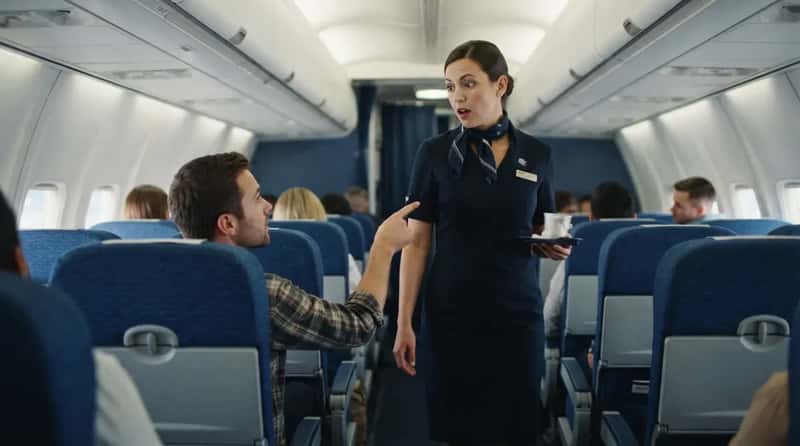
Waving a hand or saying “excuse me” works fine, yet plenty of passengers reach out and physically tap crew members instead. It’s one of the fastest ways to sour an entire interaction before a word is even said.
Do not touch us. Stop touching us. Don’t poke me or tap me or wiggle your fingers on my arm. I have a name tag. “Ma’am” and “excuse me” also work really well.
A flight attendant, on passenger habits
Another crew member echoed the same boundary in blunter terms: touching them anywhere in an attempt to get attention is simply off-limits. It’s a basic courtesy nobody would skip on the ground, yet somehow it vanishes at cruising altitude.
#7 – Shaking Your Trash in a Flight Attendant’s Face
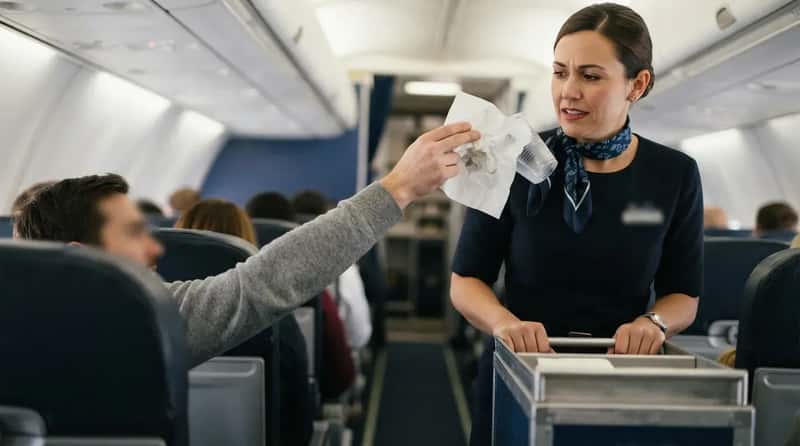
Handing over garbage is normal; waving it inches from someone’s face is not. “We appreciate it when people use their words, and poking and shaking items like trash in our faces is beyond annoying and rude,” one crew member said.
It sounds like a small habit, but crews describe it as one of the more surprisingly frequent annoyances they deal with daily. A simple raised hand or a verbal “trash, please” gets the job done without the theatrics. It keeps the exchange respectful instead of confrontational.
#6 – Hovering in the Galley While the Crew Tries to Eat
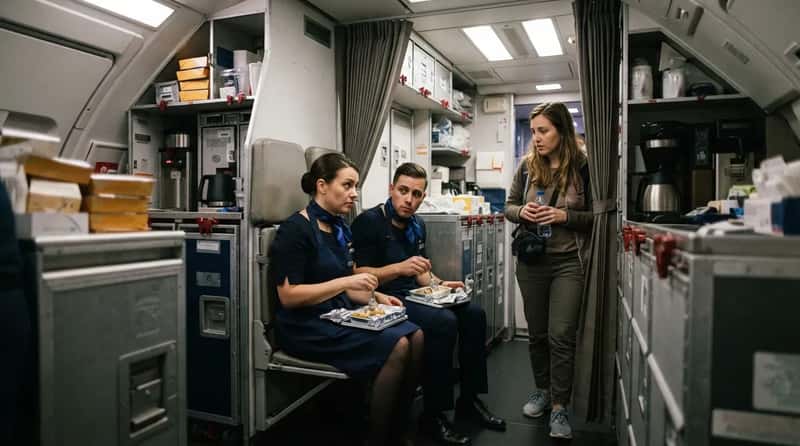
The galley is officially off-limits for lounging, but plenty of passengers wander in anyway, especially when the seatbelt sign is on. Rachael, a Pittsburgh-based flight attendant, says it’s especially frustrating to find passengers roaming there during turbulence, takeoff, or landing, since it’s genuinely dangerous.
It’s also one of the only spaces where crews get any downtime at all during a long flight. “This is the flight attendant’s workspace where we work and eat,” as one put it. Ten minutes of peace in a tiny kitchen really isn’t too much to ask.
#5 – Interrupting Mid-Task With a Question That Can Wait
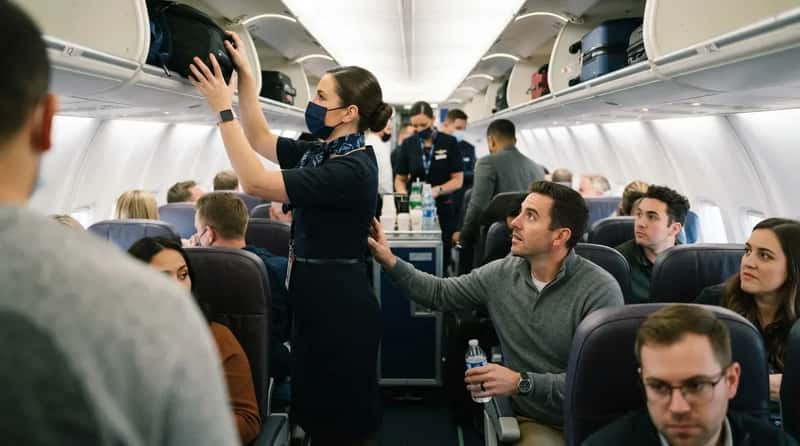
Flight attendants juggle safety checks, service, and passenger requests all at once, and interrupting one task to demand another slows everything down for everyone. Letting them handle one thing at a time is a simple way to make their whole shift easier.
It’s a small mindset shift, but it changes the entire tone of a flight. Crews say the busiest 20 minutes of any flight, boarding and initial service, are exactly when interruptions cause the worst backup. Waiting for a natural pause almost always gets a faster, friendlier response anyway.
#4 – Treating a Flight Attendant Like Your Personal Connection Concierge
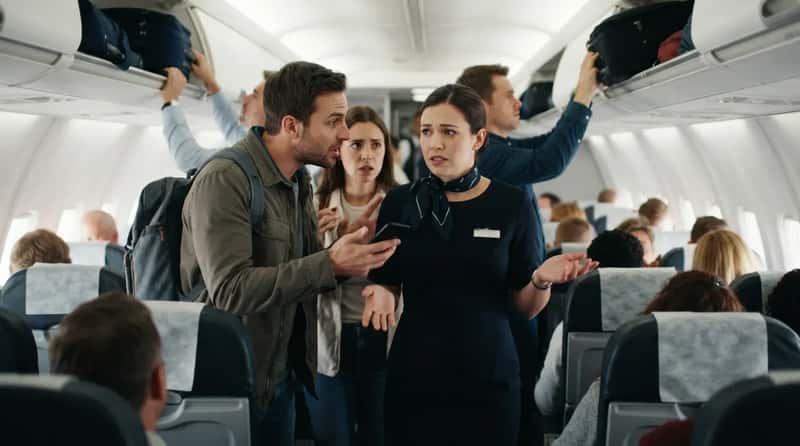
Worrying about a tight connection is completely reasonable, but demanding real-time flight details from the crew isn’t fair to them. “Finding out the flight is delayed and immediately expecting the flight attendants to know about their connection” is one of the most common frustrations crews report. “We find out about the delay when passengers do, and we can’t control connections.”
Another attendant put it even more plainly: “We don’t know much more than you about your connection. And no, they won’t hold the next flight for you.” Usually the most crew members can do is make an announcement asking passengers to let tight connections off the plane first.
#3 – Sitting in a Seat You Never Paid For
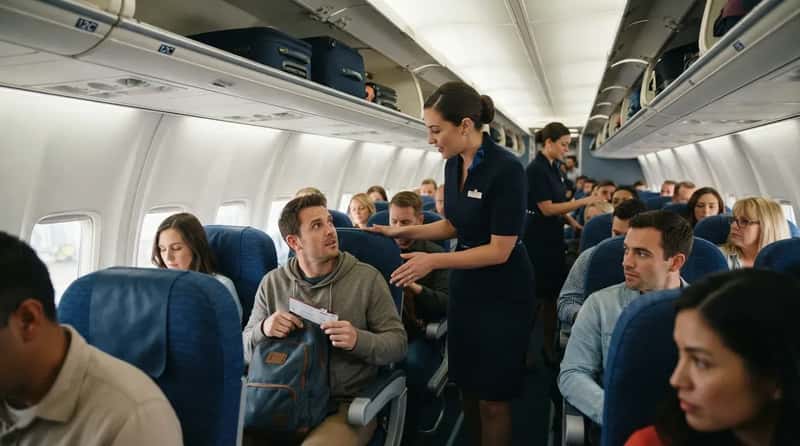
Seat-swapping without asking sounds like a minor shortcut, but it’s one of the single biggest disruptors on a full flight. One flight attendant summed up their biggest daily annoyance in two words: “seat problems.”
When someone sits in a seat they didn’t reserve or pay for, it causes a real delay while crews scramble to sort out the mismatch before takeoff. What feels like a five-second decision for one passenger can hold up boarding for an entire aircraft full of strangers.
#2 – Ignoring the Seatbelt Sign to “Just Stretch Real Quick”
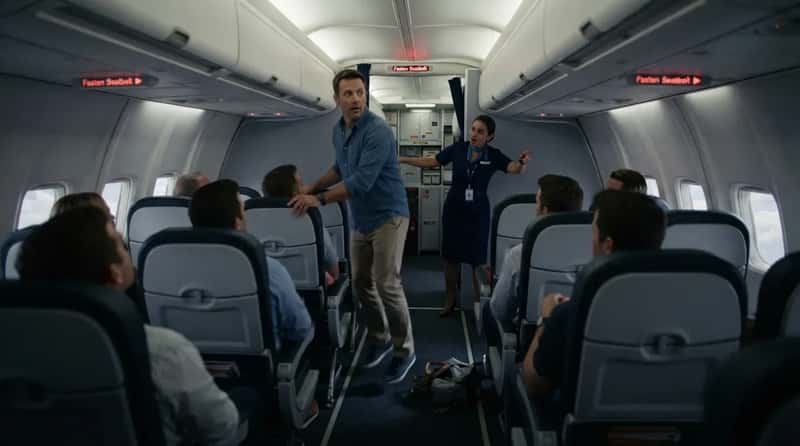
Getting up mid-flight for a quick stretch feels harmless, but timing is everything. Health experts note that sitting too long can raise the risk of blood clots, so the instinct to move is a fair one, it’s the moment it’s done that turns a wellness habit into a safety hazard.
Crews stress being respectful about when you do it, because unexpected turbulence with unbuckled passengers standing in the aisle is one of the fastest ways a routine flight turns into an emergency-landing headline. Sudden turbulence has sent unbuckled passengers into the ceiling on more than one widely reported flight.
#1 – Boarding the Plane Already Drunk
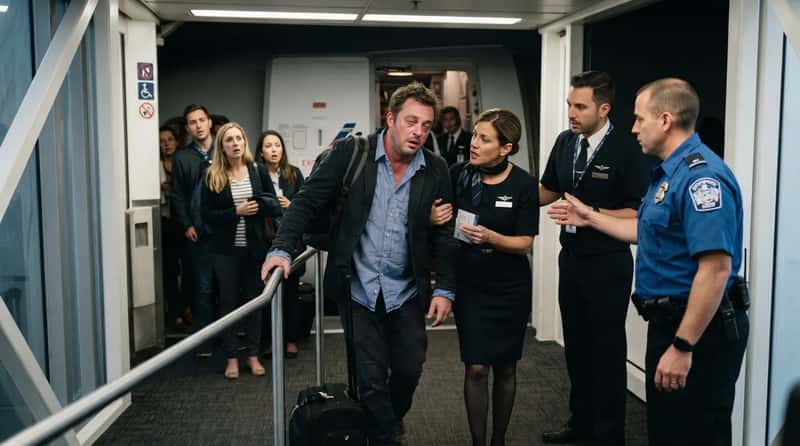
Of every terrible idea on this list, this is the one flight attendants say causes the most real danger, not just annoyance. A little preflight celebration isn’t unusual, but crews have a sixth sense for spotting when someone’s had one too many; slurred speech, glassy eyes, and wobbly steps are all red flags, especially since alcohol hits harder at altitude.
This isn’t a minor pet peeve, it’s the exact scenario crews are trained to de-escalate before it turns into an unruly-passenger incident, a diverted flight, or worse. Cabin altitude alone amplifies alcohol’s effects, which is exactly why a pre-flight airport bar binge is the one habit flight attendants say they wish would disappear entirely.
At a Glance
- Cabin pressure in flight is typically equivalent to being at roughly 6,000 to 8,000 feet above sea level.
- That thinner air lowers blood oxygen levels, part of why alcohol tends to hit noticeably harder in flight than on the ground.
- Dry cabin air adds mild dehydration on top of that, making the same drink feel stronger at altitude.
Put all 25 together and a pattern emerges: almost none of these “terrible ideas” come from malice. They come from passengers who genuinely don’t realize what’s happening three feet away, behind a cart, or on the other side of a galley curtain.
Flight attendants aren’t asking for much: a little awareness, a little patience, and a lot less poking. The next time that seatbelt sign flicks off, maybe just wait the five minutes.