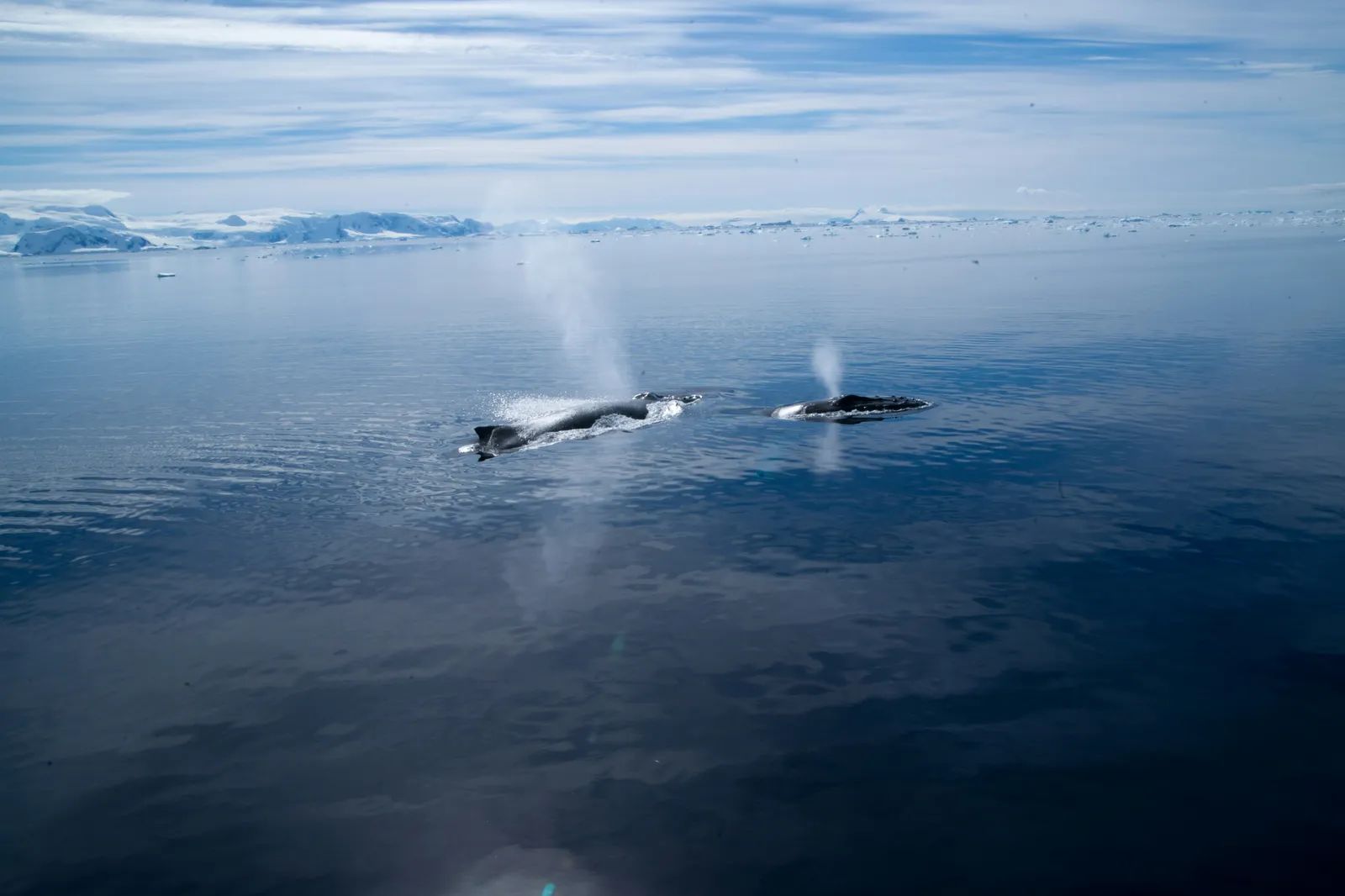
The Strait of Gibraltar carries a constant low-frequency rumble from passing vessels. Long-finned pilot whales, a species of large dolphin, live in these waters and rely on sound to stay connected with their groups. Recent observations show the animals now raise the volume of some calls in response to the traffic.
Underwater Soundscape Under Pressure
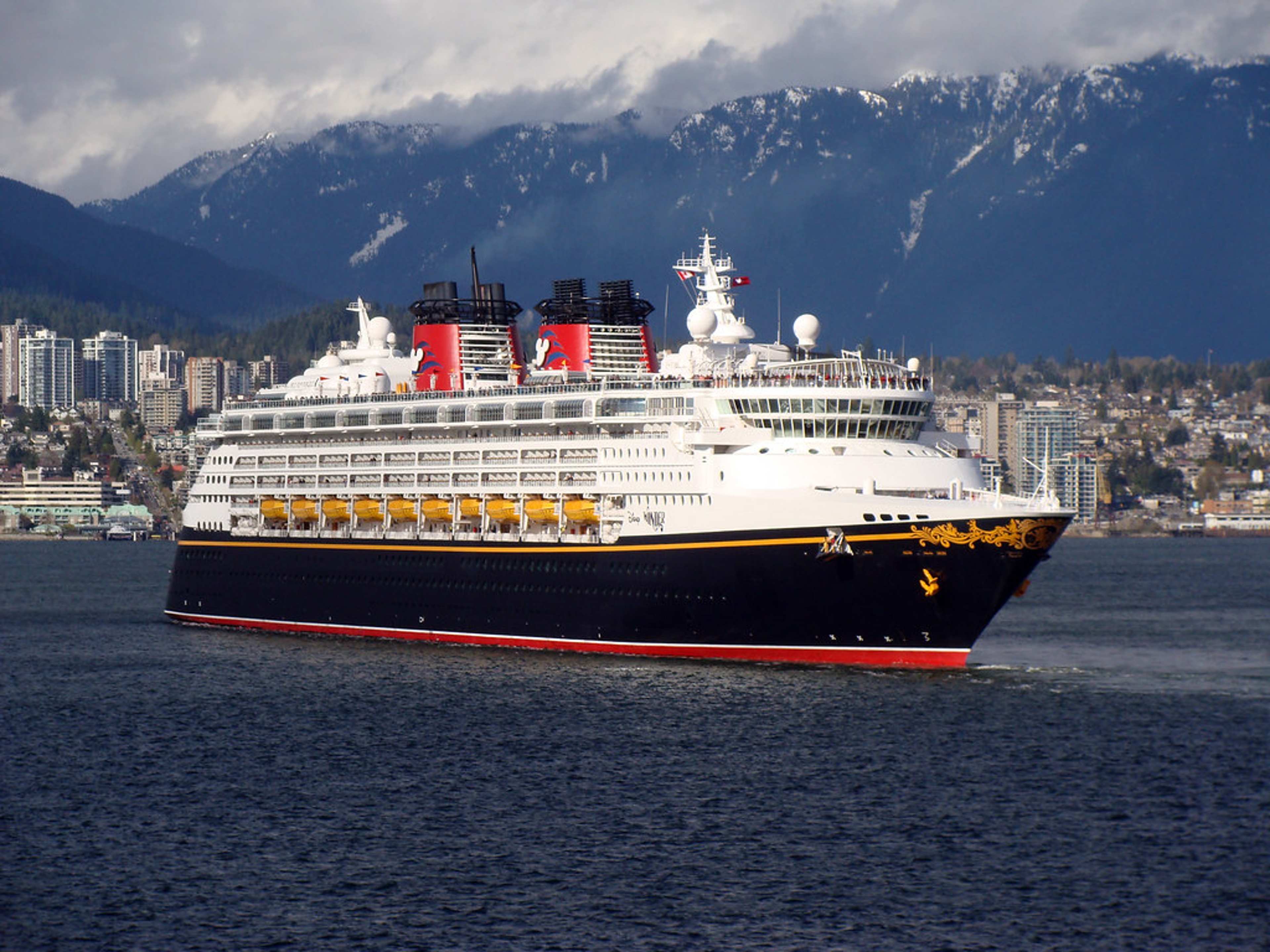
Roughly 60,000 ships cross the narrow channel between Spain and Morocco each year. That volume of traffic creates persistent background noise that travels far underwater. The whales must compete with this acoustic clutter to maintain contact with pod members. Researchers tracked both short-range and longer-range calls made by the animals. They documented clear increases in call amplitude during close exchanges. The same adjustment proved harder to sustain across greater distances.
Adaptation Has Limits
The whales can compensate when signaling nearby companions. They produce louder sounds that cut through the immediate noise. Distance changes the equation. Energy costs rise quickly, and the animals appear unable to maintain sufficient volume for far-reaching contact. This difference matters because pilot whales often spread out while foraging or traveling. When distant calls weaken or fail, individuals risk losing track of the group. Isolation in busy shipping lanes adds stress and raises the chance of separation.
Study Findings and Remaining Questions
The work, published in the Journal of Experimental Biology, focused on natural vocal adjustments rather than laboratory tests. Field recordings captured real-time responses to passing ships. The results highlight a behavioral shift that helps in some situations but leaves others unresolved. Scientists note that the precise threshold at which communication breaks down remains unclear. They also point out that other factors, such as seasonal changes in ship traffic or whale distribution, could influence outcomes. Further monitoring will help determine whether the pattern persists or worsens.
Broader Context for Ocean Travelers
The Strait of Gibraltar ranks among the world’s busiest maritime corridors. Cruise routes and commercial lanes overlap directly with whale habitat. The same waters that draw visitors for scenic passages now illustrate how human activity reshapes marine life. Continued research may guide practical steps such as speed reductions or routing adjustments in peak seasons. Those measures could ease acoustic pressure without halting essential shipping. For now, the whales demonstrate both resilience and vulnerability in an increasingly noisy sea.