Your flight just got canceled. You’re bracing for a shouting match at the gate, a four-hour hold on the phone, and a hotel voucher that never shows up. Meanwhile, two rows over, another passenger from that same dead flight just got quietly slid into first class, texted a hotel booking link, and refunded for a seat upgrade they’d already forgotten they paid for.
Same canceled flight. Wildly different outcomes. Airlines don’t advertise it, but the moment a flight tips into “irregular operations,” a hidden set of upgrades, waivers, and legal protections switches on – and almost none of it gets explained at the counter.
1. Business and First-Class Seats Suddenly Open Up
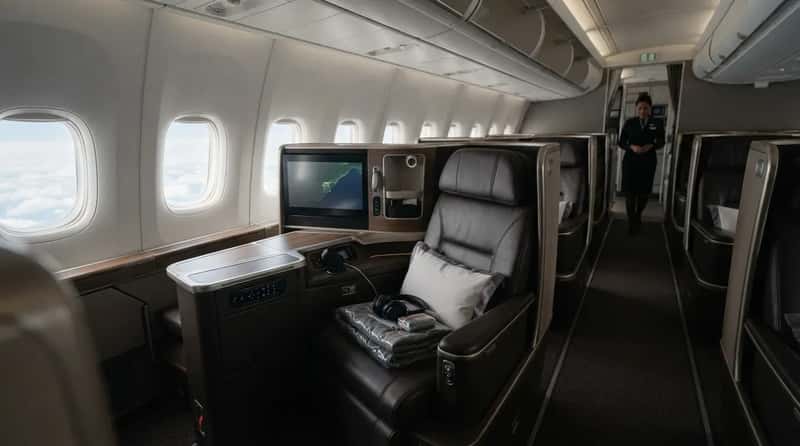
When a flight gets disrupted, airlines sometimes rebook passengers directly into premium cabins using special upgrade inventory that isn’t available for purchase. These seats are booked in special first, business, or premium inventory, and automation may rebook customers into the upgraded cabin when it’s available, reissuing the affected tickets automatically. Nobody applies for this. It simply happens in the background.
The catch is availability. If the upgraded cabin isn’t open on the new flight, the customer can be advised to submit a refund request after travel, with the money processed back to the original form of payment. Most passengers never realize this option existed, let alone that they could ask about it directly at the gate.
2. Dynamic Rebooking Software Finds a Better Flight Than You Would
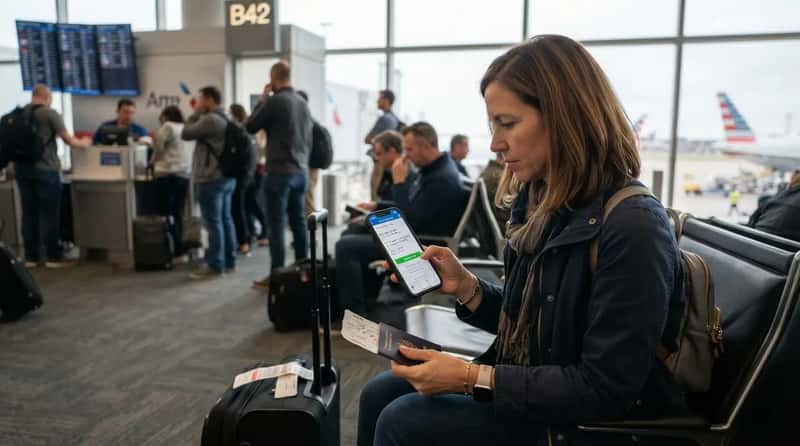
American Airlines and several major carriers now run automated systems that search for the best possible replacement itinerary in seconds, not just the first available seat. American has automated re-accommodation systems that assist customers during irregular operations, and Dynamic Rebooking is offered to eligible customers to help find alternative flight options. This tool often works faster than a human agent could.
What makes this quietly powerful is that customers can rebook their reservations, update ticket information, and check in for their new flight without ever speaking to anyone. Most travelers still call anyway, unaware the app is already ahead of them.
3. Weather Waivers Get Released Before the Storm Even Hits
Airlines don’t wait for a hurricane or blizzard to actually cancel a flight before offering flexibility. History shows they act early: during past major storms, AirTran Airways, Continental Airlines, Delta Air Lines, JetBlue Airways, and US Airways were among the carriers offering change-fee waivers before the weather ever arrived. These pre-emptive waivers still happen today whenever a major system threatens a hub, quietly thinning out crowded flights before the real chaos even starts.
The frustrating part is that almost nobody checks for a waiver code before their flight is technically affected. These notices usually sit buried on a “travel advisories” page instead of being pushed to passengers directly, meaning only the people who know to look for them ever benefit.
4. Extended Travel Windows Nobody Explains at the Counter
When a flight is disrupted, most people assume they have to travel that same day or lose their trip entirely. In reality, airlines often build in generous windows for rebooking without penalty. Some carriers extend the eligible travel window by 14 days, plus or minus 24 hours from the original travel date, for destinations where flights don’t operate daily.
That means a canceled flight to a smaller city doesn’t have to mean scrambling for same-day options. Many travelers panic-book an expensive new flight instead of asking whether their existing ticket already covers a two-week rebooking cushion. The information exists – it’s just never volunteered.
5. Same-Day Change Fees Quietly Disappear for Certain Flyers
Same-day confirmed changes normally cost real money, but that fee frequently vanishes for a specific group of travelers. Top-tier elite members across several loyalty programs get this waiver automatically, and it often stays in effect during irregular operations even when it wouldn’t normally apply.
Here’s the controversial part: two passengers on the identical disrupted flight can get completely different treatment based on a loyalty number, not need. Airlines rarely explain this disparity out loud, because doing so would highlight how much status quietly buys during a meltdown.
6. Interline Deals Quietly Put You on a Rival Airline’s Plane
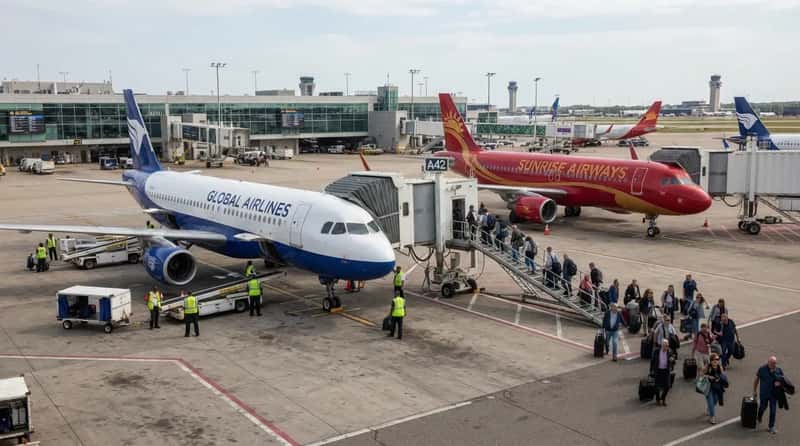
When an airline’s own aircraft can’t get you where you’re going, interline agreements let them hand you off to a competitor without extra cost. Airlines can promise free rebooking on another carrier if a connection is lost due to a delay, a benefit built entirely on private agreements between airlines that customers never see.
This only works, though, if the ticket allows it. Itineraries with interline connections are riskier for travelers since the second carrier may be unaware of delays with the incoming flight, meaning the safety net isn’t guaranteed – it depends on relationships most passengers don’t know exist.
7. Alliance Partners Treat Separate Tickets as One During Chaos
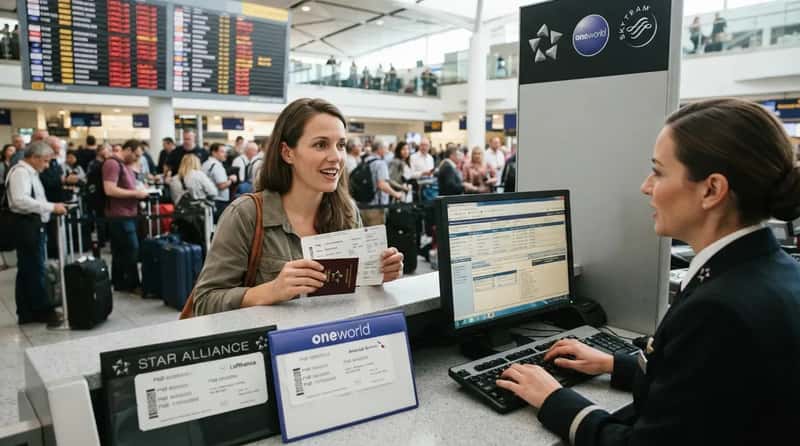
Booking two separate tickets on partner airlines is usually risky, but during major disruptions, alliances sometimes bend their own rules. When a customer holds separate tickets on one carrier and a partner airline within the same alliance, they can be treated as through-ticketed customers for rebooking purposes.
This quiet policy shift can save a trip that would otherwise fall apart at a connection point. It’s rarely disclosed at booking, which means most travelers only discover this protection exists after they’ve already lived through the disruption that triggered it.
8. Automatic Cash Refunds Became Federal Law
For decades, getting a refund after a cancellation meant fighting for it. That changed in 2024. The Department of Transportation issued a final rule requiring airlines to provide automatic cash refunds when a flight is canceled or significantly changed and the passenger no longer wants to fly it.
This is a genuine upgrade in traveler rights, but airlines aren’t exactly shouting about it. Refunds must now be automatic, meaning airlines can’t wait for passengers to explicitly request them – yet plenty of gate agents still steer travelers toward vouchers first, hoping most won’t push back.
Fast Facts
- The refund rule became effective June 25, 2024, with full compliance required by October 28, 2024.
- It covers cancellations, “significant changes,” delayed bags, and unprovided extras like Wi-Fi or paid seat upgrades.
- Before this rule, airlines could default to offering vouchers; now a cash refund is the automatic starting point.
- Several major carriers have already faced federal enforcement tied to refund violations since the rule took effect.
9. Refunds for Wi-Fi, Seats, and Legroom You Never Got
It’s not just ticket refunds that changed. Travelers also qualify for refunds when paid ancillary services aren’t provided, including Wi-Fi purchases, seat upgrades, and extra legroom seats that were paid for but never delivered.
Most people forget they even paid the extra $30 for a seat with more legroom until the flight gets swapped for an aircraft without one. This quiet protection means that fee shouldn’t just disappear – but almost nobody files the claim, so it’s a benefit that mostly goes unclaimed.
10. A Delayed Bag Can Trigger a Refund You Didn’t Know Existed
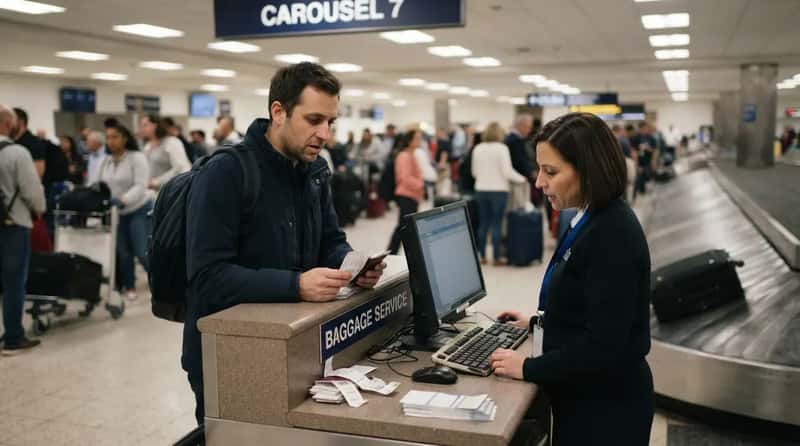
Checked baggage fees aren’t safe from the new rules either. If a checked bag is significantly delayed, travelers are entitled to a refund for that specific fee, separate from anything related to the flight itself.
This is one of the most overlooked upgrades in the entire system. Most travelers assume a late bag just means an inconvenience, not a line-item refund waiting to be claimed – and airlines have little incentive to remind anyone.
11. Text-Message Hotel Booking Skips the Line Entirely
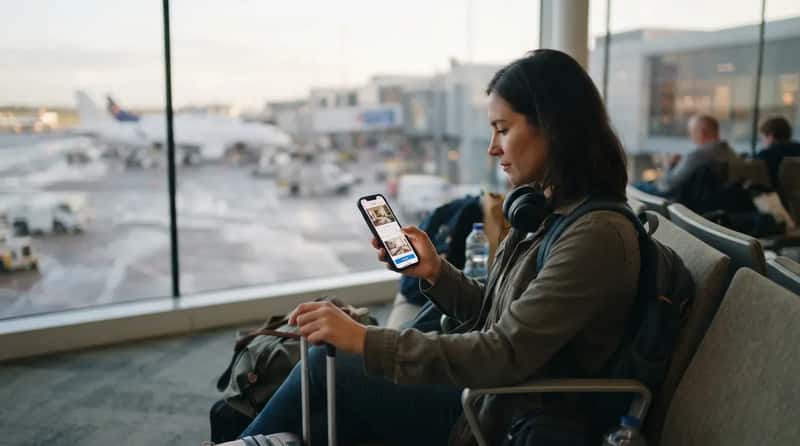
Standing in a rebooking line for two hours used to be the only way to get a hotel voucher. Some carriers have quietly replaced that with automated, mobile-first systems instead. Modern platforms connect directly to an airline’s reservation system and automatically notify travelers when a flight is canceled, sending a branded message that lets passengers view and select available hotel accommodations without waiting in line or seeing any pricing.
This shift quietly removes one of the most miserable parts of a meltdown – the physical wait – for travelers whose airline has adopted the technology. Not every carrier has caught up yet, which means the experience still varies wildly depending on who you’re flying.
12. Meal Vouchers Now Show Up Before You Even Ask
Airlines aren’t legally required to hand out meal vouchers for every delay, but most do it anyway to avoid a public relations headache. Most major airlines will provide some form of coverage for meals, hotel accommodations, and ground transportation if a delay stretches past three hours, and they tend to be more generous when the disruption was within the airline’s control.
The quiet catch: coverage depends heavily on whether the delay is labeled “controllable” or not. A mechanical issue often triggers meal vouchers automatically, while a weather delay might get you nothing at all – a distinction most passengers never think to ask about.
Quick Compare
- Controllable delay (mechanical, crew, IT outage): meal vouchers and hotel coverage are common.
- Weather or air traffic delay: coverage is far less consistent, even for a delay of the same length.
- Either type: a cash refund still applies if the flight is canceled or significantly changed and you decline rebooking.
13. Crew Rebooking Software Cuts Recovery From Hours to Minutes
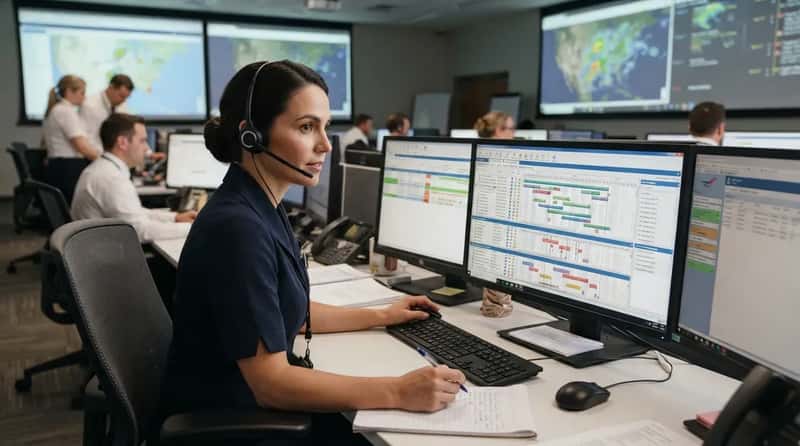
Passengers aren’t the only ones getting quietly reshuffled. Flight crews stranded by a disruption need new hotels, transportation, and repositioning flights just as urgently. Modern airlines use automated platforms to handle mass crew displacement in minutes instead of hours, while carriers relying on manual methods can take hours – directly causing cascading flight delays.
This backstage upgrade matters more than most travelers realize. Weather alone triggers hundreds of thousands of U.S. flight delays every year, and each one sets off the same invisible scramble – someone has to solve the crew puzzle before your flight can even leave the gate.
14. The $200 Cash Payment Proposal That Almost Became Law
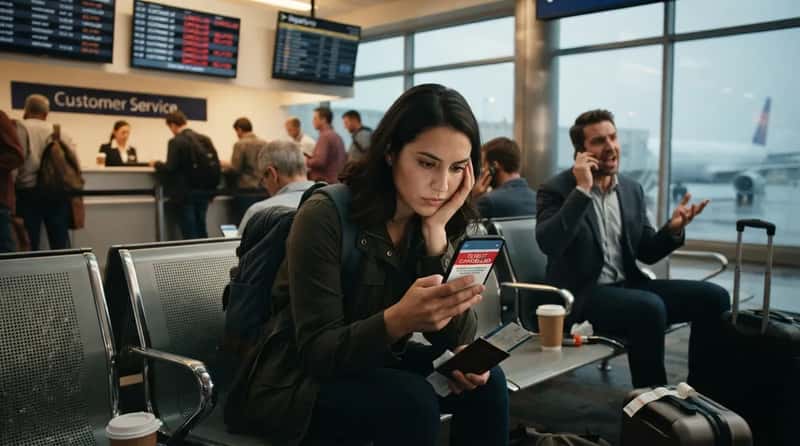
Here’s a controversial one: passengers came surprisingly close to guaranteed cash compensation for airline-caused disruptions, similar to what European travelers already get. Regulators considered requiring airlines to automatically pay at least $200 in cash compensation for trip disruptions caused by the airline.
It didn’t happen. The proposal was dropped in November 2025, meaning airlines are not required to provide additional cash compensation for controllable delays or cancellations. Many travel advocates argue this was a quiet loss dressed up as a technicality – and it’s worth being loud about in the comments.
Worth Knowing
- The withdrawn plan would have paid $200 to $300 for domestic delays of three-plus hours, scaling up to $775 for the longest delays.
- The European Union, Canada, Britain, and Brazil already require airlines to pay cash compensation for controllable delays.
- No large U.S. airline currently guarantees cash compensation for a significant flight disruption.
- The proposal was formally withdrawn in November 2025 after being introduced under the previous administration.
15. Southwest’s No-Fee Policy Becomes a Secret Weapon
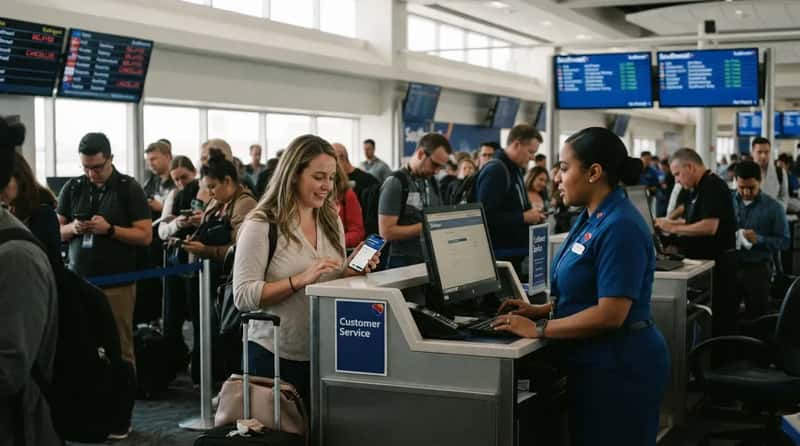
While other airlines juggle waiver codes and fine print during a meltdown, one carrier sidesteps the whole mess. Southwest doesn’t charge change fees at all, which quietly removes an entire layer of anxiety during irregular operations that other airlines’ passengers still deal with.
This isn’t a temporary IROP perk – it’s baked into how the airline operates every single day. Frequent flyers on other carriers often don’t realize how much friction this eliminates until they experience a meltdown on an airline that charges for every adjustment.
16. Overbooking Protections Quietly Extend to IROP Situations Too
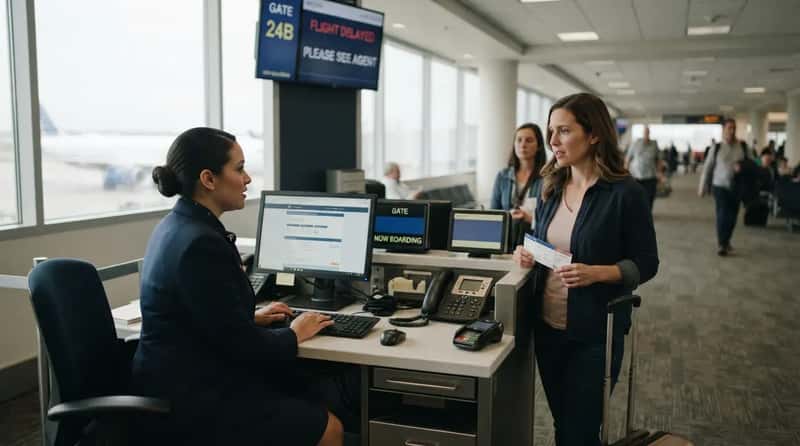
Getting bumped from an oversold flight already comes with its own protections, but those rules increasingly overlap with irregular operations policy. An irregular operation may include an oversold flight or boarding delay, meaning passengers bumped involuntarily can access the same rebooking priority as those affected by weather or mechanical issues.
Few travelers connect these dots. If you’re bumped, you’re not just entitled to whatever a gate agent offers on the spot – you may qualify for the full suite of IROP rebooking options most people assume only apply to storms.
17. Involuntary Downgrades Now Trigger an Automatic Refund
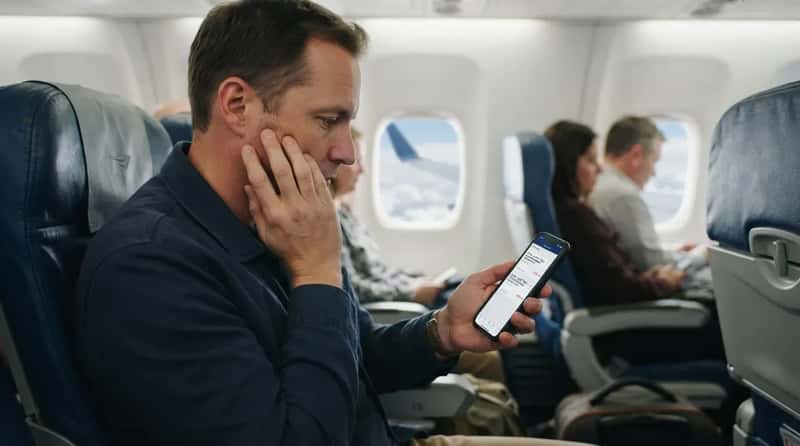
If a disruption forces an airline to move you into a lower cabin than what you paid for, that’s no longer something you have to fight over. Refunds are now automatically initiated when a traveler is downgraded to a lower service class.
This quietly flips the burden of proof. Instead of a passenger needing to prove they were shortchanged, the airline is now supposed to initiate the fix itself. In practice, plenty of travelers still don’t see the refund unless they double-check their statement.
18. Positioning Flights Get Repurposed to Rescue Stranded Passengers
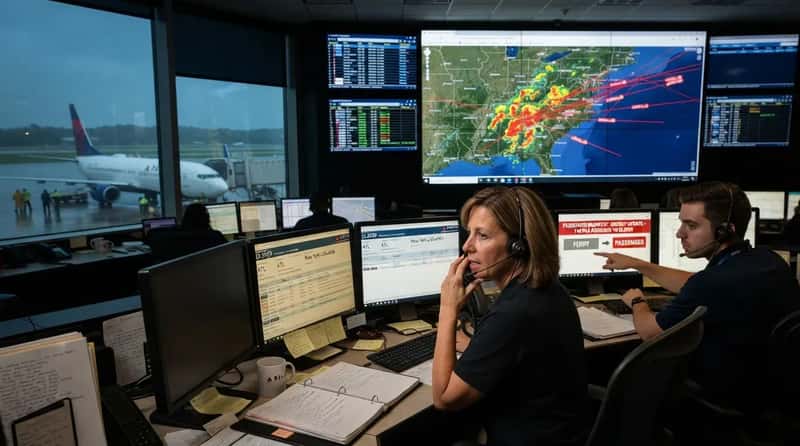
Airlines regularly fly empty “ferry” or positioning aircraft to get planes and crews where they need to be next. During major disruptions, some of these flights quietly get converted to carry stranded passengers instead, especially during widescale weather events at major hubs.
A thunderstorm rolling through a major hub like Atlanta or Chicago can cascade into hundreds of disrupted flights across the country within hours, and repurposing an otherwise empty aircraft becomes one of the fastest ways to clear a backlog. It’s a fix passengers almost never learn about because it happens entirely inside dispatch operations.
19. App-Based Self-Service Rebooking Beats the Phone Queue
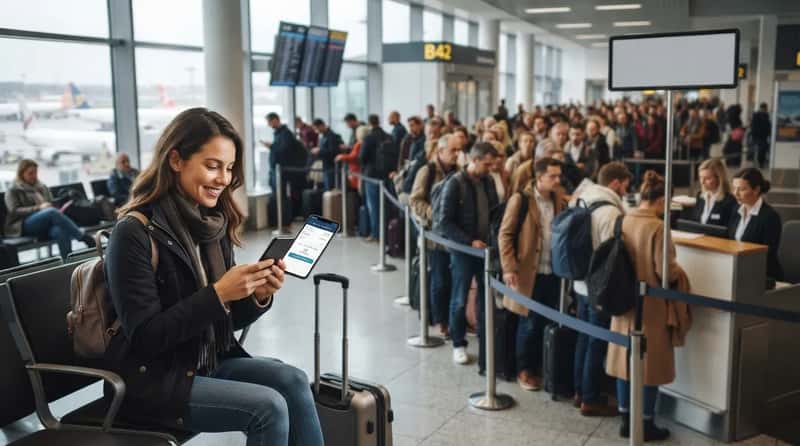
Calling an airline during a meltdown often means hours on hold, but the airline’s own app frequently has access to the same – or better – rebooking inventory in real time. Self-service tools let travelers rebook, adjust tickets, and check in without ever entering a queue.
The quiet advantage here is speed: app-based systems don’t get overwhelmed the way call centers do during a mass disruption. Yet most passengers instinctively reach for the phone first, unaware they’re choosing the slower option out of habit rather than necessity.
20. The “Goodwill” Credit Nobody Advertises
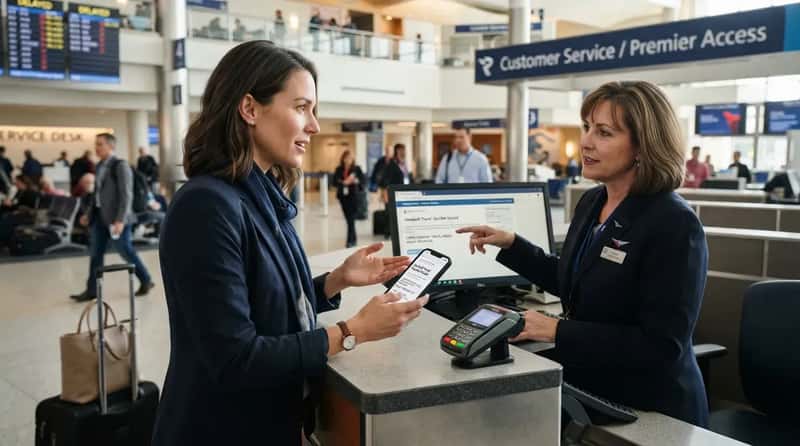
Beyond what’s legally required, airlines sometimes issue extra travel credits simply to avoid a viral complaint. Following recent regulatory actions, several airlines must provide at least $50 in credits or vouchers for certain disruptions, but many issue more than the minimum quietly, especially for elite members or vocal customers.
This creates an uncomfortable truth: politely escalating a complaint – especially on social media – often gets a bigger “goodwill” gesture than simply accepting whatever the app offers. Airlines rarely admit this is how it works, but frequent flyers know it.
21. Government-Backed Hotel Guarantees Exist – Just Not Everywhere
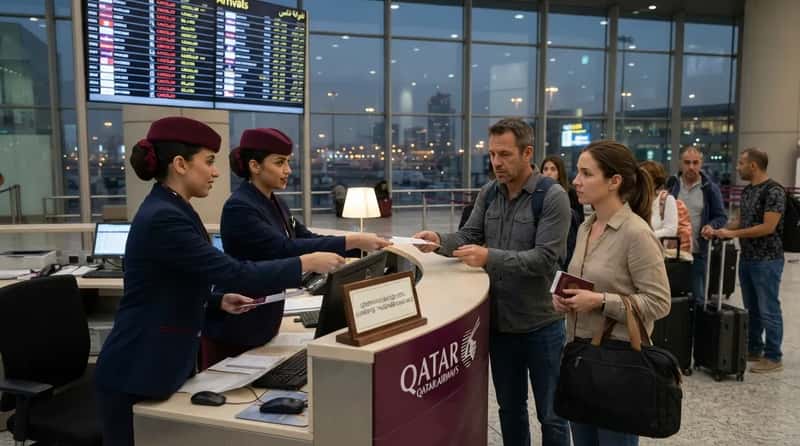
American travelers often assume hotel coverage during a meltdown is a given, but that’s not universal, and it’s not always required in the U.S. either. Certain governments, including the UAE and Qatar, assist stranded travelers with accommodations and meals during widespread flight cancellations as a matter of policy, not airline generosity.
In the U.S., it largely comes down to whether the airline chooses to help. That’s a frustrating gap many travelers don’t discover until they’re already stuck overnight with no hotel voucher in hand.
22. The Domestic Three-Hour, International Six-Hour Rule
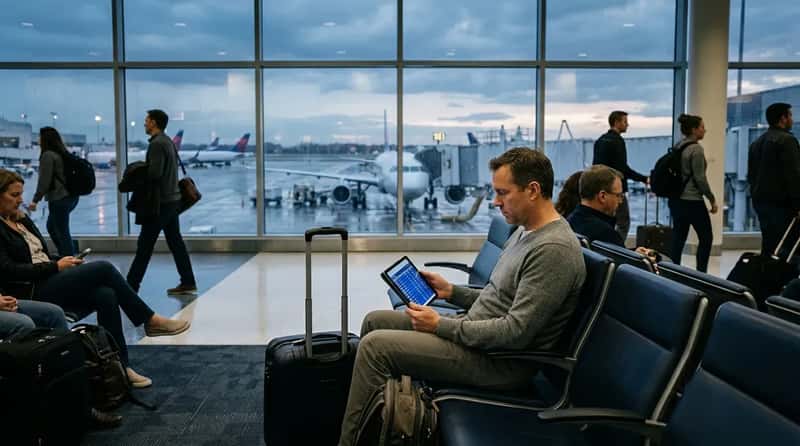
Not every delay qualifies for refund protection, and the threshold catches a lot of travelers off guard. A “significant change” includes departure or arrival time changes of three or more hours for domestic flights and six hours for international flights, along with airport changes or added connections.
Miss that threshold by even a few minutes on paper, and the automatic refund right disappears. Delays under three hours domestically, or six hours internationally, don’t qualify for an automatic refund under the current rules.
At a Glance
- Domestic flights: a schedule change of three-plus hours can trigger a refund right.
- International flights: the threshold rises to six-plus hours.
- Other qualifying changes: a different arrival or departure airport, or an added connection.
- Miss the threshold: even by minutes, and the automatic refund right disappears.
23. Ticket Reissue Fees Get Silently Waived During IROPs
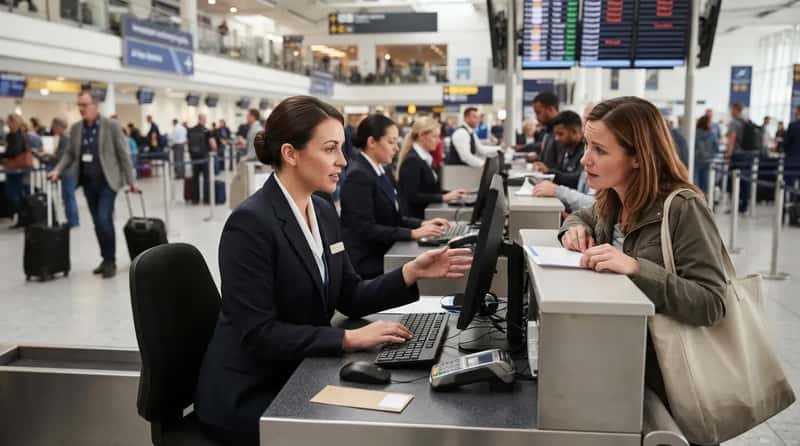
Reissuing a ticket after a schedule disruption normally comes with administrative charges, but those quietly disappear during recognized irregular operations. Reaccommodations and ticket reissues during an IROP are made without penalty or administrative service charges on many major carriers.
This is one of the more consistently applied upgrades on this list, but it’s rarely stated out loud at the counter. Passengers who don’t know to ask sometimes accept a worse itinerary simply because they assume changing it again will cost extra.
24. Priority Status Quietly Jumps You to the Front of the Line
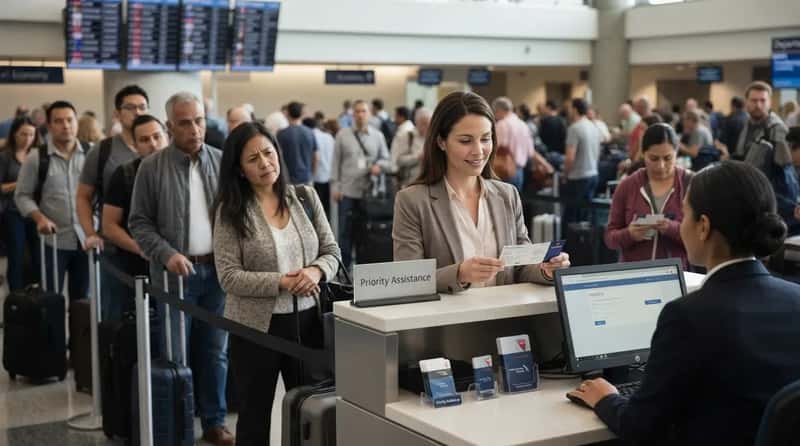
During a mass cancellation event, not every passenger enters the same rebooking queue. Airlines’ automated systems typically process elite status members and higher fare classes first, giving them first access to the best remaining seats before economy passengers even see the options.
You never know you’re being sorted until you notice everyone around you already has a new boarding pass.
Common traveler observation during mass IROP events
This is one of the more controversial practices on this list, because it means two people with identical canceled flights can end up on completely different replacement itineraries. Airlines defend it as rewarding loyalty; critics call it a quiet form of triage that leaves casual flyers with the leftovers.
25. The Refund Clock Airlines Hope You Never Track
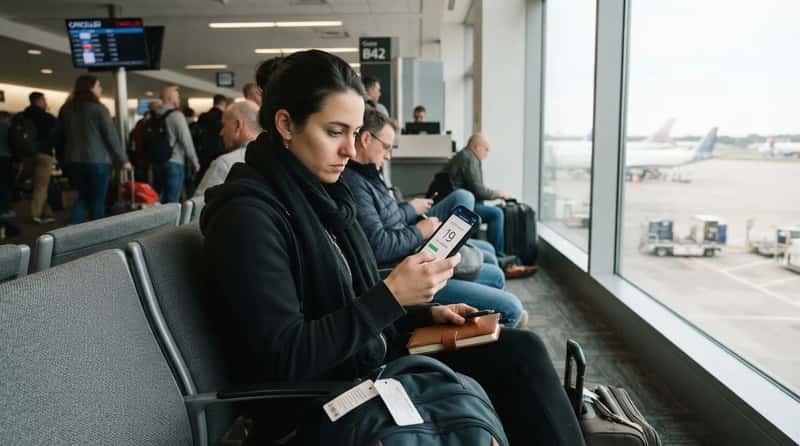
Even with automatic refunds now required by law, there’s still a deadline attached – and airlines aren’t always eager to remind you of it. Airlines must issue refunds within seven business days for credit card purchases and within 20 calendar days for other forms of payment.
Most travelers never start a countdown clock the day their flight gets canceled, which means a slow refund can quietly slide past the legal deadline unnoticed. Tracking that date yourself is the single easiest way to make sure this “upgrade” actually gets delivered.
Put together, these 25 practices tell a different story than the one most travelers believe during a meltdown. Airlines aren’t powerless bystanders when things go wrong – they have upgrade inventory, refund automation, interline deals, and crew software ready to deploy the moment operations turn irregular.
The problem isn’t that these protections don’t exist. It’s that almost none of them are explained clearly at the counter, in the app, or in the confirmation email you get after rebooking. The travelers who benefit most are usually the ones who simply knew to ask. Which one of these surprised you the most? Drop it in the comments.