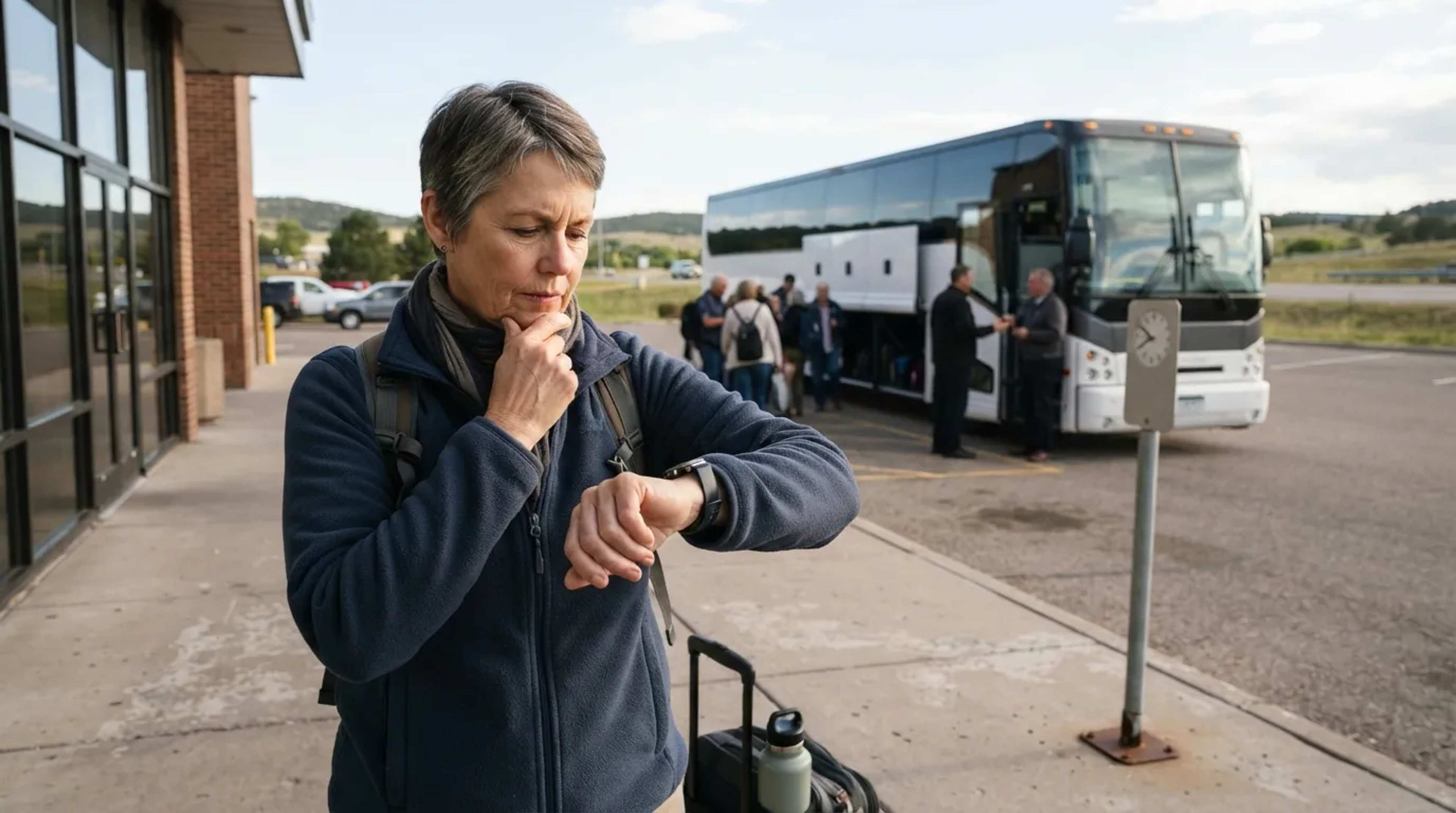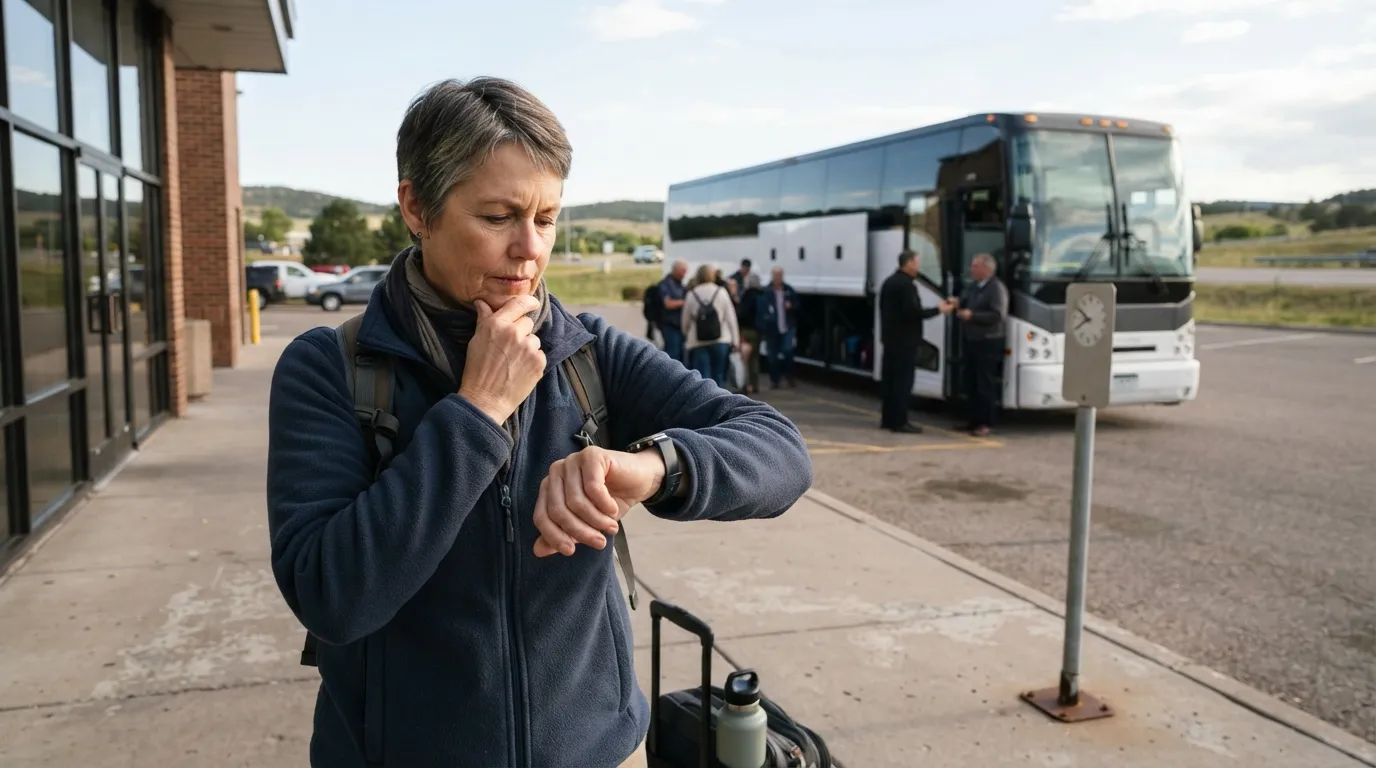
A coach stop looks like a free break. Seasoned travellers know it’s a short, timed test, and plenty of passengers fail it in public, sprinting across a parking lot with a coffee in one hand while the engine idles. The 27 habits below are what veterans do on autopilot the moment the doors open.
None of them look impressive. Some sound almost too simple to matter. But the ones that save trips aren’t always the ones you’d guess, and the very last one involves a clock that may not be the one on your wrist.
#1 – They Lock In the Exact Departure Time, Not the Vague “Twenty Minutes”
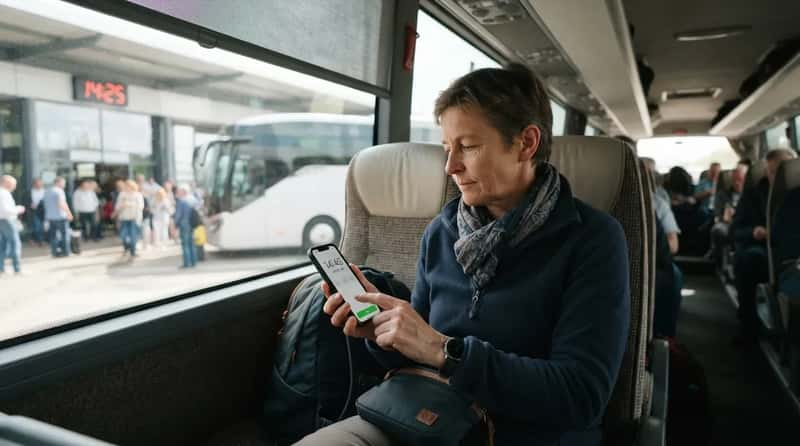
Experienced travellers never trust a fuzzy window. The moment the driver speaks, they type the exact departure clock time into their phone. “About twenty minutes” means something different to every person on board.
The bus leaves on the clock, not on the crowd. Veterans don’t count on memory or a friendly seatmate to remind them. They write it down and move on.
#2 – They Snap a Photo of the Bus Before Walking Away
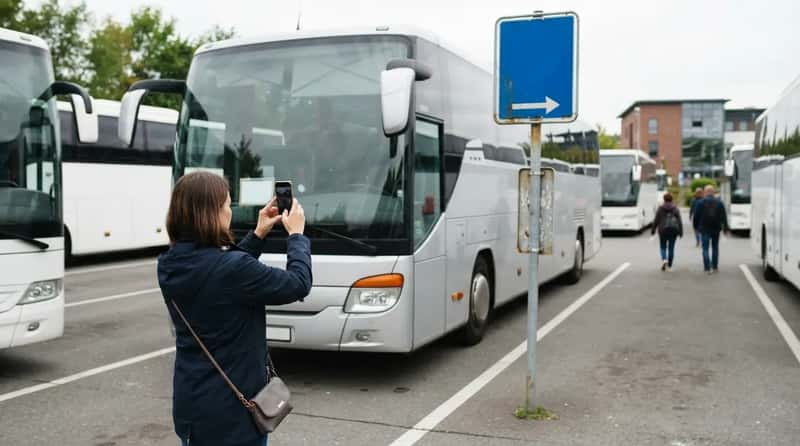
Parking lots are full of look-alike white-and-silver coaches. One of the most common stop-time panics is simply “which one is mine?” So experienced travellers photograph the bus, its number, and the nearest sign or row marker.
That photo takes three seconds. It beats wandering a dark lot while other buses roll out around you. A single picture can replace ten minutes of panic.
#3 – They Hit the Restroom Before the Snack Line
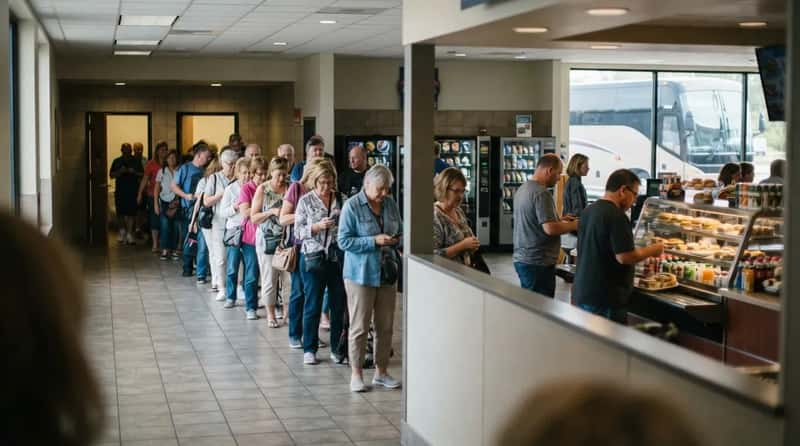
The order matters more than you’d think. A full coach unloads all at once, and the restroom line grows fast. Seasoned riders go first and shop second.
If the snack line turns out to be long, they’ve already banked the one thing they couldn’t skip. The reverse order leaves people stuck in the wrong queue as the clock runs down. Watch who boards last next time, and notice who’s holding a half-paid-for sandwich.
#4 – They Treat the Bus Steps Like the Hazard They Are
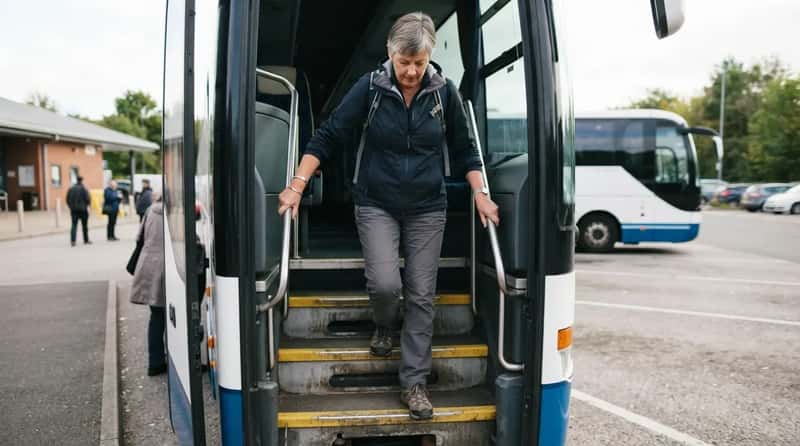
Coach steps are steep, and people hurry down them with a coffee in one hand. Federal motorcoach safety tips remind passengers to take care boarding and exiting and to use the handrail. Veterans do it without thinking.
They also free up a hand before they stand. A twisted ankle at the first stop can ruin the rest of a multi-day trip. It’s the least glamorous habit on this list, and the one you’ll be most grateful for.
#5 – They Ask the Driver Which Door and Where to Meet
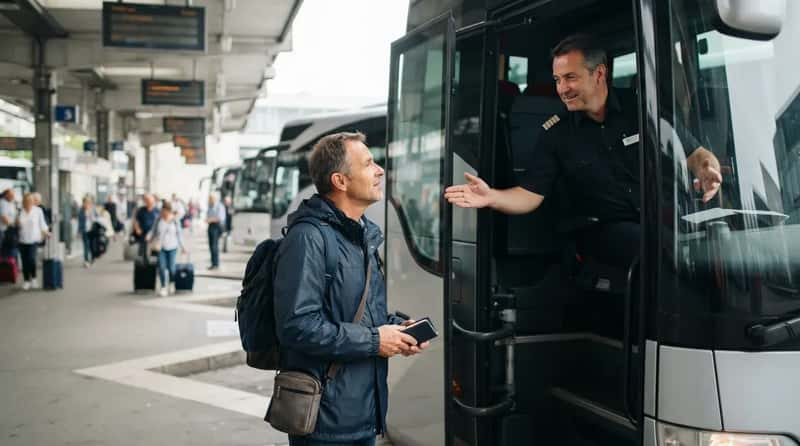
Some coaches have more than one door, and some stops use more than one lane. Experienced travellers quietly confirm exactly where the bus will be when they return. Not “somewhere around here.”
This matters most at big terminals, where buses shift between bays. A driver would much rather answer a ten-second question than hunt for a missing rider. The best travellers ask before they step off, not after they’re lost.
#6 – They Walk Around Even When They Don’t Feel Like It
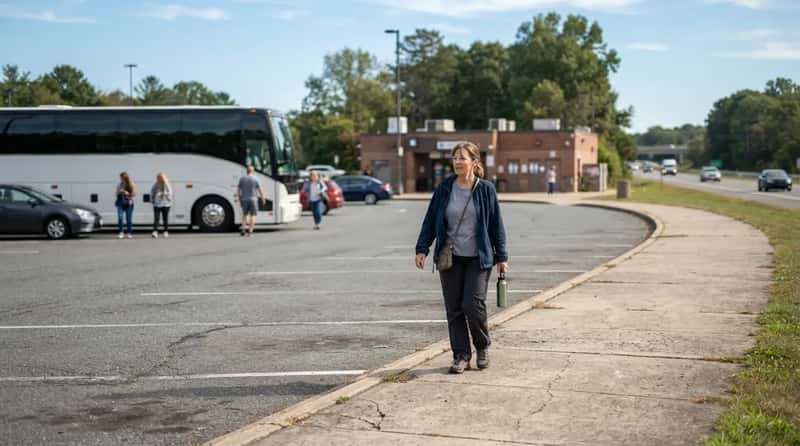
After hours in a seat, the last thing you want is more effort. Veterans move anyway. They take a lap around the lot even if they only needed the restroom.
Health agencies like the CDC advise moving regularly on long trips, and even a short walk helps keep your legs from locking up. Your body doesn’t care that the stop is only a few minutes long.
Fast Facts
- The CDC notes that traveling four hours or more raises the risk of blood clots in the legs.
- Its advice for long trips is to get up and walk every two to three hours.
- Even a loop of the parking lot counts, so a ten-minute stop is plenty.
- Loose clothing and steady hydration are also on the agency’s travel list.
#7 – They Do the Boring Ankle-and-Calf Stretches Nobody Notices
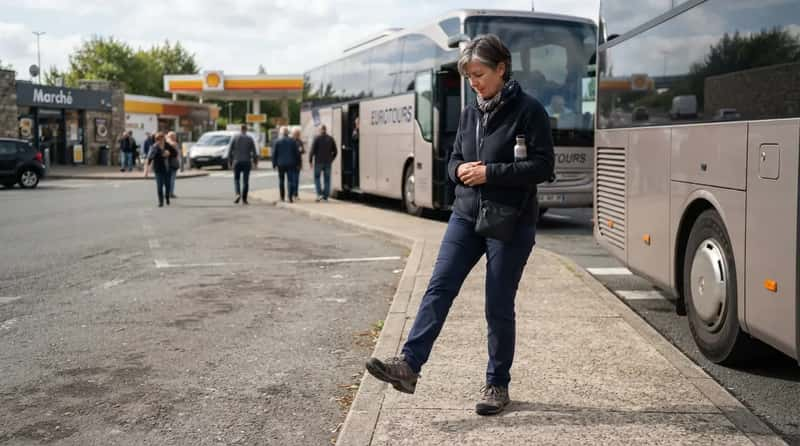
Forget the dramatic yoga pose. Experienced travellers do small, plain moves: ankle circles, calf raises, a slow neck roll. To everyone else, they look like they’re waiting for a friend.
The payoff comes on the next leg, when other passengers are shifting and groaning. Two minutes of ankle circles at a rest stop can change how the next three hours feel. It isn’t glamorous. It works.
#8 – They Never Let a Seat Guard Their Valuables
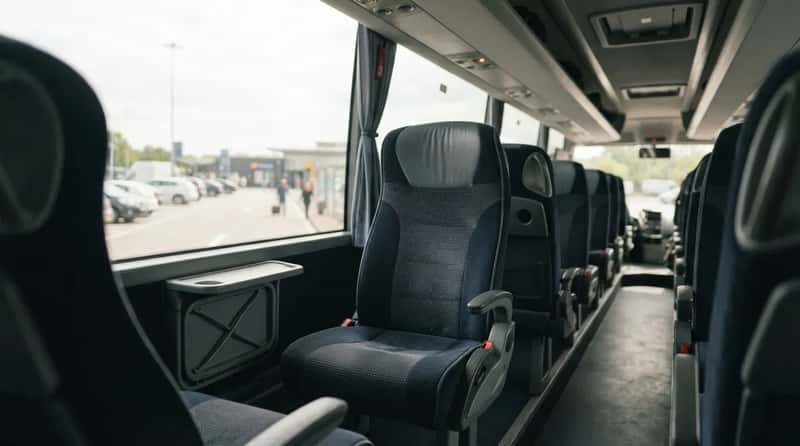
The seat feels like your little home on wheels. That’s exactly the problem. Experienced travellers carry their wallet, phone, ID, and medication off the bus every single time.
A coach can sit unattended during stops, and strangers may wander through. Veterans treat their seat like a public bench, not a locked room. It takes five seconds to check pockets, and it spares you the worst kind of regret.
#9 – They Watch the Luggage Bay Like It Owes Them Money
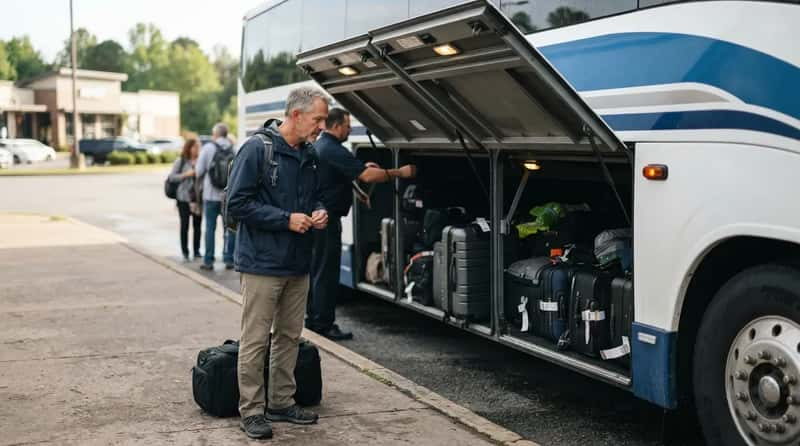
When the driver opens the cargo bay, seasoned travellers glance over. Not suspiciously, just attentively. They want to see that their bag is still where they left it.
Bags get shuffled when passengers get off at intermediate stops, and mix-ups happen. A glance at the right moment can catch a wrong-bag mistake before the bus rolls away. Most people never think to look.
#10 – They Charge Smart, Not Long
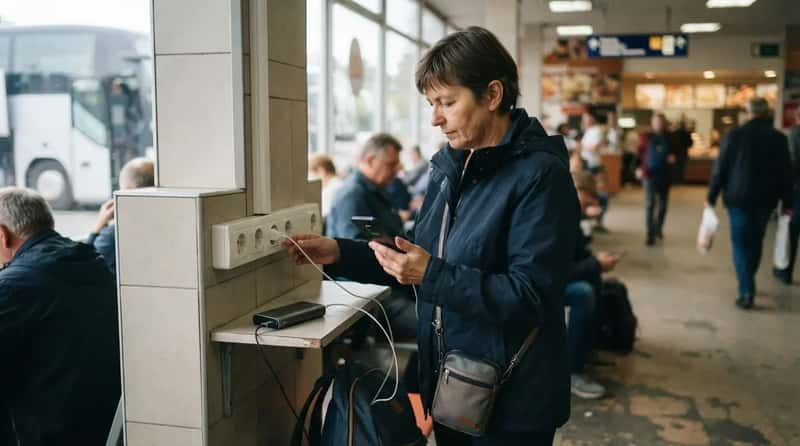
Outlets at rest stops disappear quickly. Experienced travellers keep a cable and a small power bank within reach, not buried in the overhead bin. They plug in the moment they spot an open socket.
Even a short top-up beats a dead phone on the next leg. A phone at 5% can mean no ticket, no map, and no way to reach your group. They also unplug before the clock runs out, because a forgotten charger is a classic stop-time casualty.
#11 – They Skip the Giant Meal
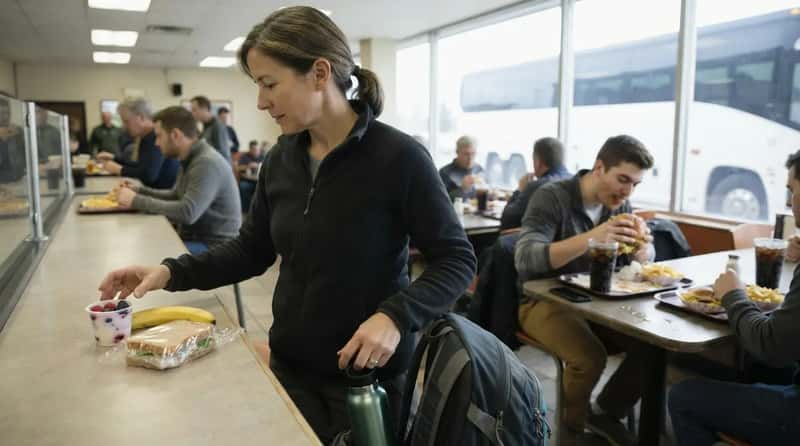
The heavy burger and the jumbo soda look irresistible after hours of sitting. Experienced travellers usually pick something lighter. They know what’s coming: more sitting, tighter seats, and a bus restroom they’d rather not rely on.
Eating fast and boarding heavy rarely feels good at hour six. It’s a small choice, but few people on a long trip regret having eaten a little too lightly.
Quick Compare
- Veteran pick: a banana, a sandwich half, nuts, or a small yogurt. These are easy to eat while walking and gentle on a bumpy ride.
- Rookie pick: a double burger, a greasy basket, or a huge soda. These mean a sluggish seat and a sloshing bladder.
- Smart middle ground: grab the big meal at the final stop, when no more road is left to punish you.
#12 – They Re-Check Their Layers at Every Stop
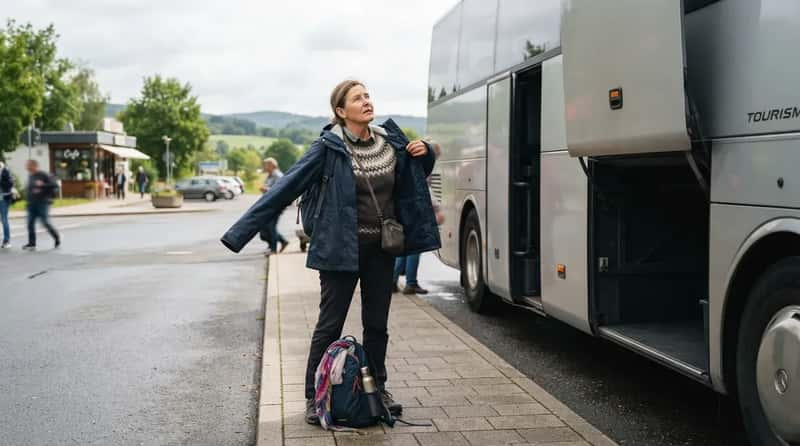
Coach air conditioning is famously unpredictable. Veterans step outside, feel the weather, and adjust: jacket on, sweater off, scarf back in the bag. They’re dressing for the cabin and the sidewalk at the same time.
Dressing for only one of those leaves people shivering or sweating. Seasoned riders keep a light layer within reach, not stashed under the bus. Two minutes of adjusting can decide your comfort for the next stretch.
#13 – They Stay Out of the Bus’s Blind Spots
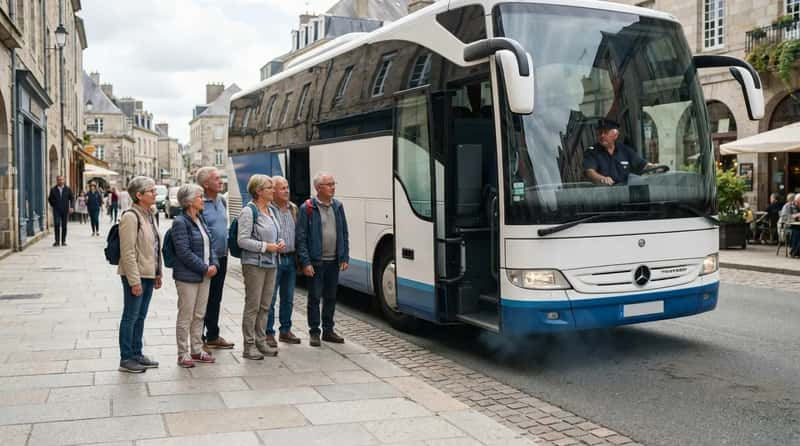
Walking around a parked coach is normal. Standing right behind or directly in front of one that’s about to move is not. Experienced travellers stay where the driver can see them.
Big vehicles have large blind spots, and a bus that looks stationary can be rolling in seconds. Veterans wait on the sidewalk, in plain view of the driver. It’s a habit that looks like patience and works like insurance.
#14 – They Tell Their Seatmate They’re Stepping Off
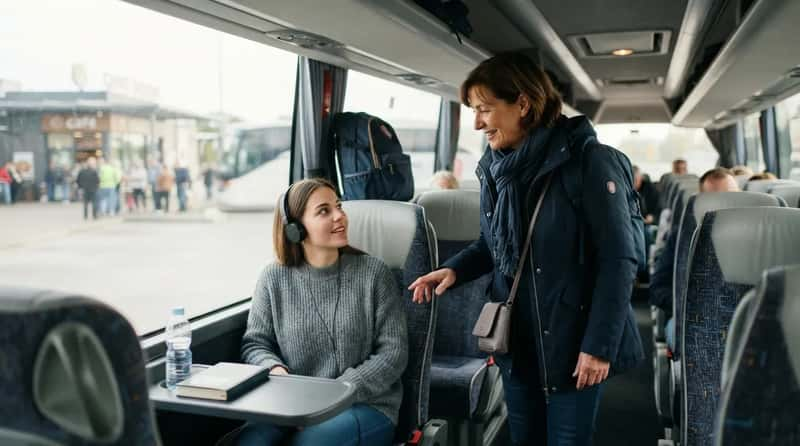
It sounds trivial. A quick “Back in ten, I’m grabbing coffee” does a surprising amount of work. It keeps travelling companions from wondering where you went and prevents confusion at departure time.
Solo travellers do something similar with the person across the aisle. Someone noticing you’re missing is the cheapest insurance on this list. It’s polite, practical, and takes no effort.
#15 – They Set a Phone Alarm Five Minutes Early
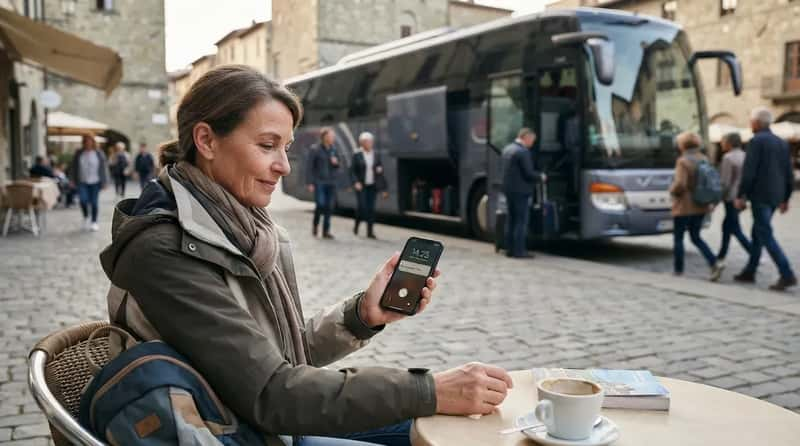
Coach veterans don’t rely on watching the clock. They set an alarm for five minutes before departure. It rescues them from the classic trap of getting swallowed by a conversation, a long line, or a souvenir shelf.
The five-minute buffer is the real secret. An alarm at departure time is already too late. That cushion covers the walk back, the bag check, and the unexpected restroom line.
#16 – They Save the Guide’s or Driver’s Number Before the Trip Starts

On tours and charters, experienced travellers save a contact number before the wheels turn. If they ever miss the bus, they don’t have to hunt for a way to reach it. It’s a boring step with a huge payoff.
The operator’s number is usually printed on your itinerary or confirmation. Having it saved in your phone turns a disaster into a quick call. Most people only go looking for it after something has already gone wrong.
#17 – They Learn the Driver’s Name and Use It
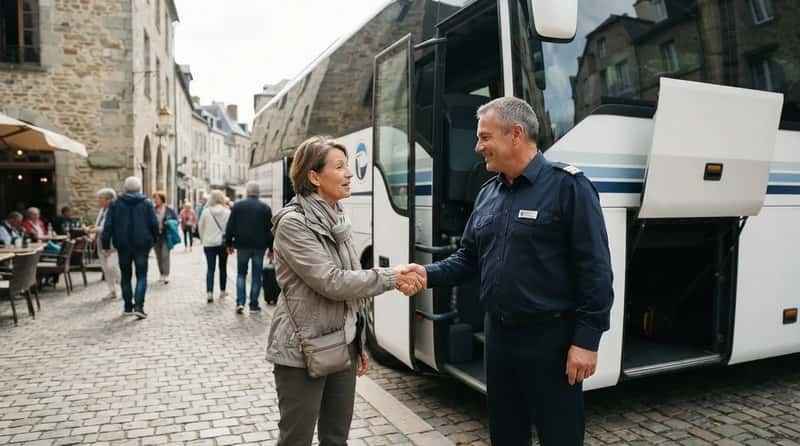
Drivers face a long day and mostly see the backs of heads. Veterans make a point of a quick “thanks” and a name when it’s offered. It’s plain good manners, and it can pay off in unexpected ways.
A driver who has actually spoken with you is more likely to register that you’re not back yet. One of the best protections against being left behind is being remembered. Tipping customs vary by trip type, so experienced travellers check the norms for their tour.
#18 – They Keep Their Ticket and ID Within Reach
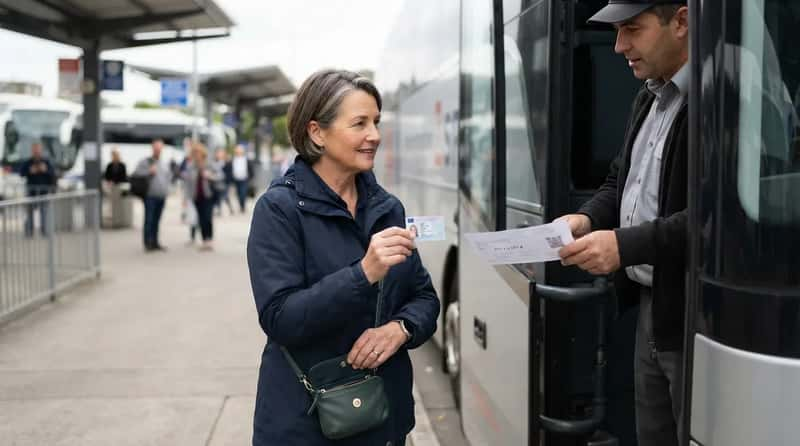
At busy stops, drivers or staff may check tickets before you reboard. Experienced travellers keep a digital or paper ticket and photo ID handy, not buried in a bag. They never hold up a line digging for it.
There’s a bigger reason to be organized, too: not every bus operator is legitimate. Commercial carriers on interstate trips are expected to hold a USDOT number and FMCSA operating authority. Veterans check the company before booking, not after boarding.
At a Glance
- Before you book: find the company’s USDOT number and look it up on the FMCSA’s safety site.
- On the lookup: confirm the carrier has active operating authority for passenger service.
- On your phone: FMCSA offers a free SaferBus app for checking carriers on the go.
- At the stop: keep your ticket screenshot and photo ID in an easy pocket.
#19 – They Sanitize After the Restroom and Before Snacks
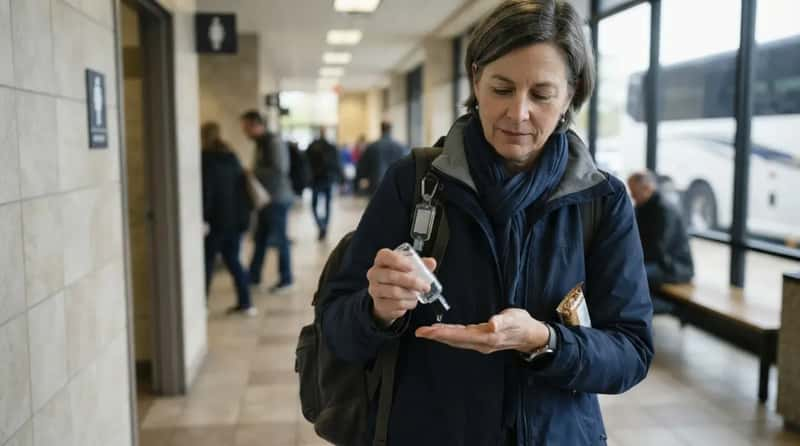
Rest-stop restrooms get heavy use, and doors, rails, and handles are touched by hundreds of people. Veterans keep a small sanitizer or wipes in a pocket. They use it before touching food or their face.
It’s an unglamorous habit that quietly saves them from a bad second half of the trip. Most people only think about hand hygiene after they feel sick. Experienced travellers think about it at every stop.
#20 – They Refill Their Water Bottle Before Anything Else
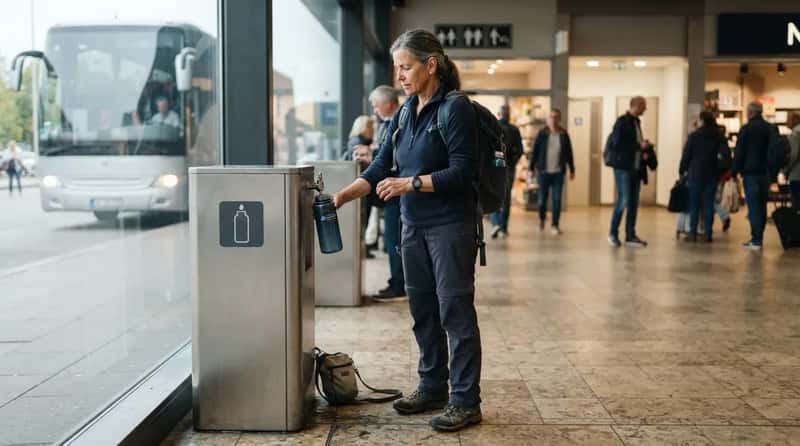
A reusable bottle is the quiet hero of long coach days. Veterans top it up at the first opportunity. They don’t wait until they’re parched on a bus with a limited restroom plan.
The trick is balance: enough water to stay comfortable, not so much that you’re counting miles to the next stop. They sip steadily rather than gulp at the start. It’s a rhythm you only learn from experience.
#21 – They Look Back at Their Seat Before Leaving It
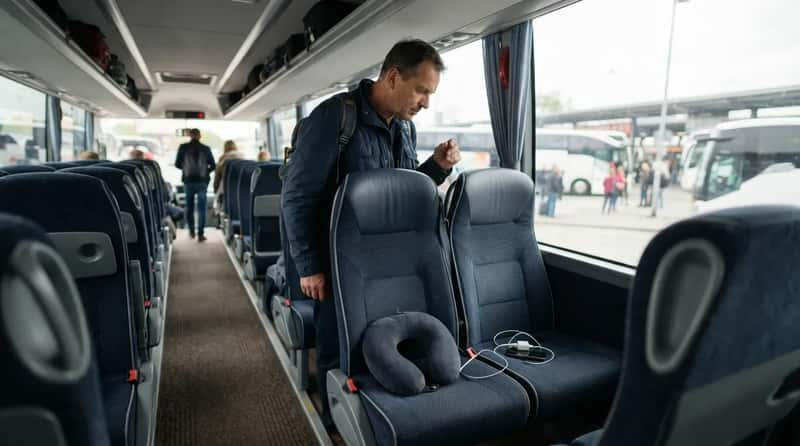
Before stepping off, experienced travellers glance at the seat. Cables, jackets, neck pillows, and phones all slip into the gaps. A two-second check catches them.
That habit matters most at the final stop, when everyone is in a rush. Lost-and-found bins at bus stations are full of things left behind in a hurry. Veterans leave nothing important behind.
#22 – They Carry Their Trash Off the Bus
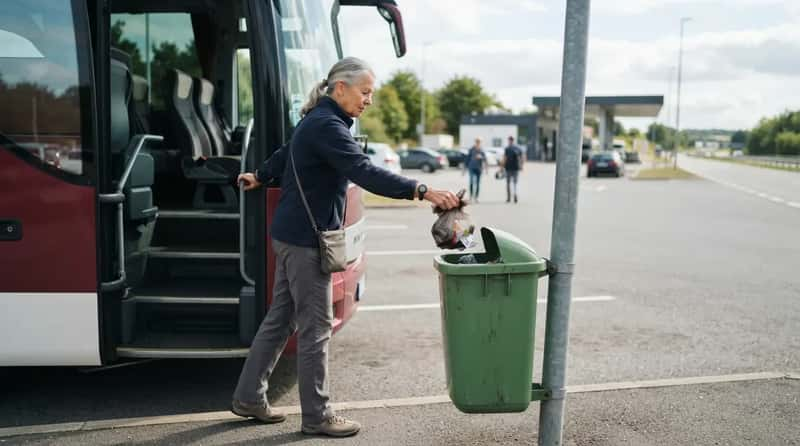
Nobody enjoys a bus that smells like last hour’s lunch. Experienced travellers bag their wrappers and drop them in a bin at each stop. It keeps the cabin cleaner for everyone, including themselves.
It’s a small act with a visible effect over a long journey. A cleaner cabin makes a long ride noticeably more pleasant for the whole group. Drivers notice, and they remember who made their job easier.
#23 – They Lend a Hand on the Steps
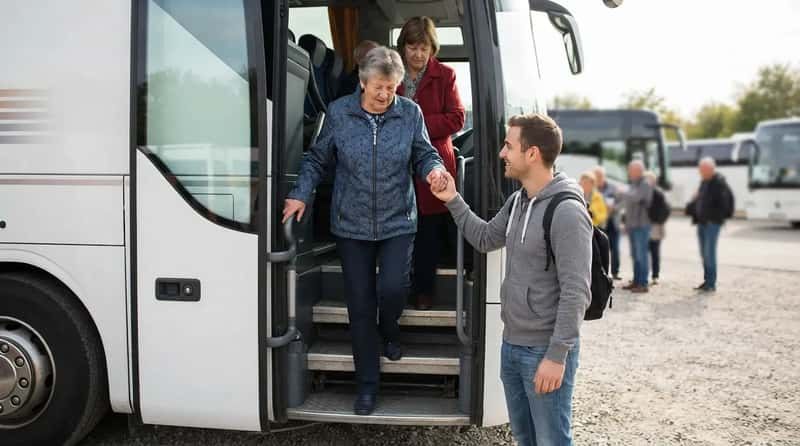
Experienced travellers notice who’s struggling. They hold a bag, offer an arm, or simply wait. Federal safety guidance encourages able-bodied passengers to help others in an emergency, and the same instinct works every day.
A little patience at the door can save someone a fall. It also builds quiet goodwill with strangers you’ll share a cabin with for hours.
#24 – They Ask How Long the Next Leg Is
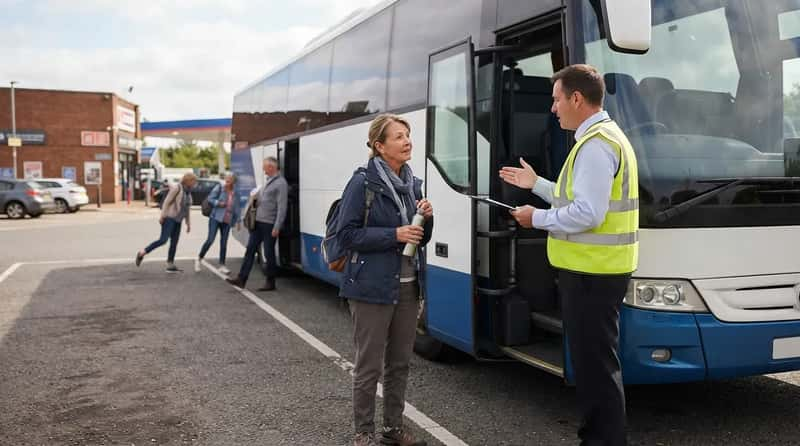
Before boarding again, experienced travellers ask how long until the next stop. That one answer shapes their choices: snack, restroom, stretch, or skip. They plan their next hours instead of drifting into them.
Knowing the gap changes how much water you drink and what you eat. The best travellers plan the next stretch before they board it. It’s a simple question most passengers never ask.
#25 – They Keep a Little Cash for the Moment the Card Reader Dies
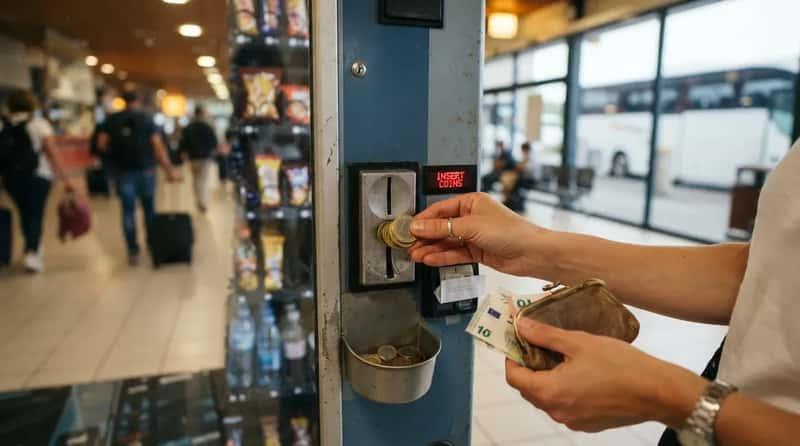
Cards work almost everywhere, but not always. Some restrooms, vending machines, and small stands still prefer coins or small bills. Veterans keep a little on hand.
It’s not about being old-fashioned. A card reader that’s down can leave you without water or a snack at the worst moment. A few small bills are the cheapest backup plan in travel.
Worth Knowing
- Small bills beat large ones, because a tiny stand rarely has change for a big note.
- Quarters are handy for vending machines and the odd pay-to-enter restroom.
- Keep the cash in a separate pocket from your wallet, so one slip doesn’t cost you both.
- A dead signal can knock out card readers and mobile wallets together.
#26 – They Buckle Up Again Every Time They Reboard
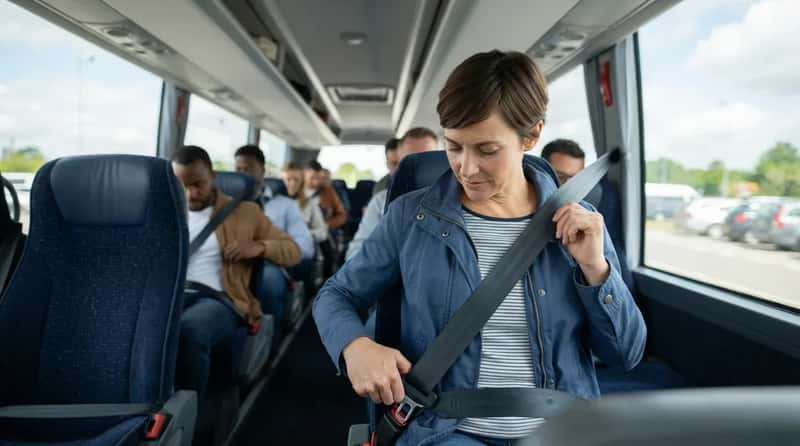
Experienced travellers don’t buckle once and forget it. Each time the bus restarts, the belt clicks again. FMCSA guidance urges passengers to wear the lap or shoulder belt in any seat that has one.
Belts are standard on newer coaches, since large buses built after November 2016 are required to have them. It’s a five-second habit that matters most in the one moment you can’t plan for.
#27 – They Double-Check Which Time Zone They’re Standing In
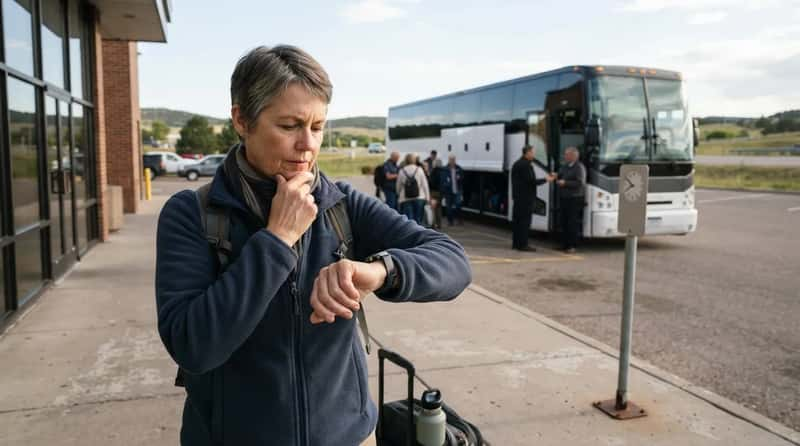
This is the one that catches careful people. Cross a time zone line and your phone may update automatically, or it may not. Veterans confirm the local time before they trust their departure plan.
The departure time the driver gives you is in local time, wherever you happen to be standing. A one-hour mix-up can mean watching your bus pull away. Experienced travellers always ask which clock they’re running on.
None of these habits is dramatic, and that’s the point. Experienced coach travellers aren’t lucky. They’ve learned that a short stop rewards preparation: a photo of the bus, an early alarm, a pocketed phone, a buckled belt.
Do a few of them every time and the whole trip feels calmer. Which one do you never skip the moment the door opens?