Most travelers pack cold medicine without a second thought. It’s usually a half-used box from the bathroom cabinet, tossed in next to the toothpaste. In Japan, a few of those familiar boxes can bring customs trouble that has nothing to do with how ordinary they feel at home.
The reason is Japan’s Stimulants Control Law, which treats some common cold ingredients far more seriously than most countries do. Three types of products come up again and again in official guidance for visitors.
Sudafed and Other Pseudoephedrine Decongestants
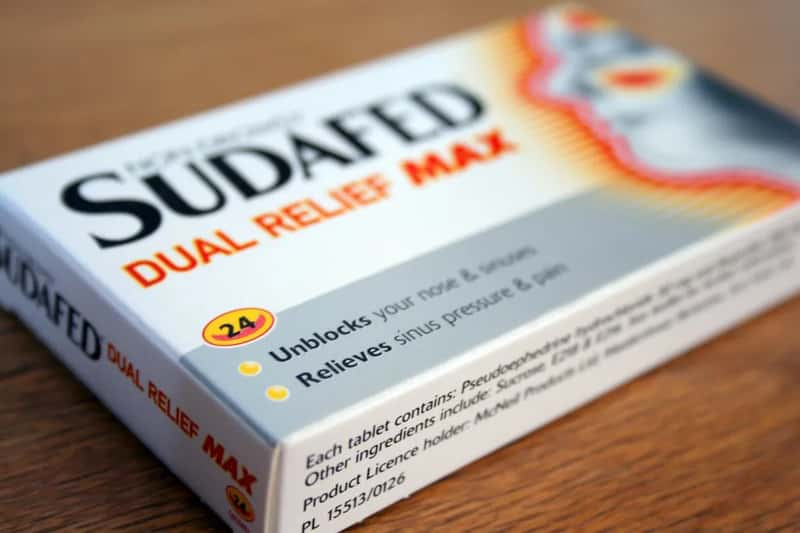
Pseudoephedrine is the main troublemaker. Japan’s consulate in Miami lists products containing pseudoephedrine, such as Actifed and Sudafed, as prohibited.[1] Newer 2026 traveler guides add that cold and sinus medicines like original Sudafed, Advil Cold & Sinus, NyQuil-D and DayQuil-D are generally not allowed, because pseudoephedrine is treated as a stimulant raw material.[2]
There is a nuance worth knowing. One traveler resource explains that products with ten percent or less pseudoephedrine are excluded from control and follow normal quantity limits.[3] Still, formulations differ from country to country, and the risk isn’t theoretical. People in possession of prohibited medications in Japan risk arrest and imprisonment, even with a foreign prescription.[4] Customs officials also don’t make on the spot humanitarian exceptions.[5]
Vicks Inhalers
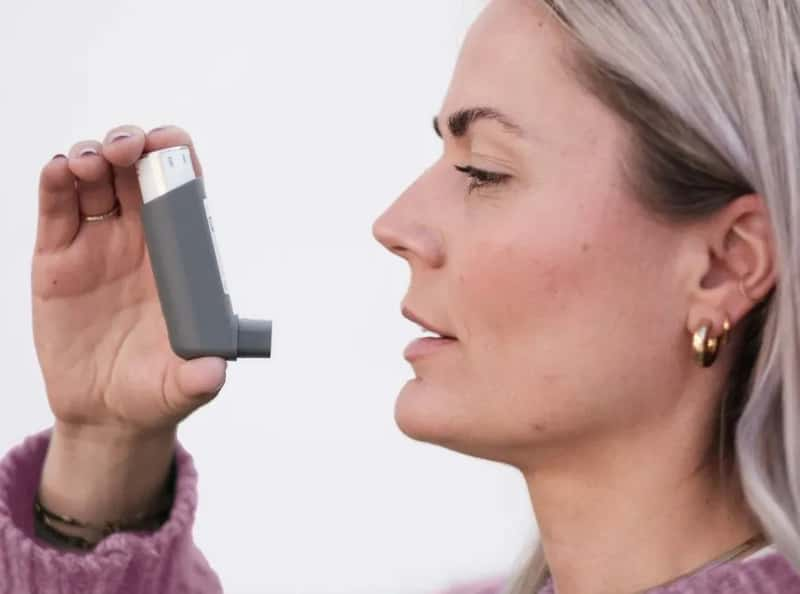
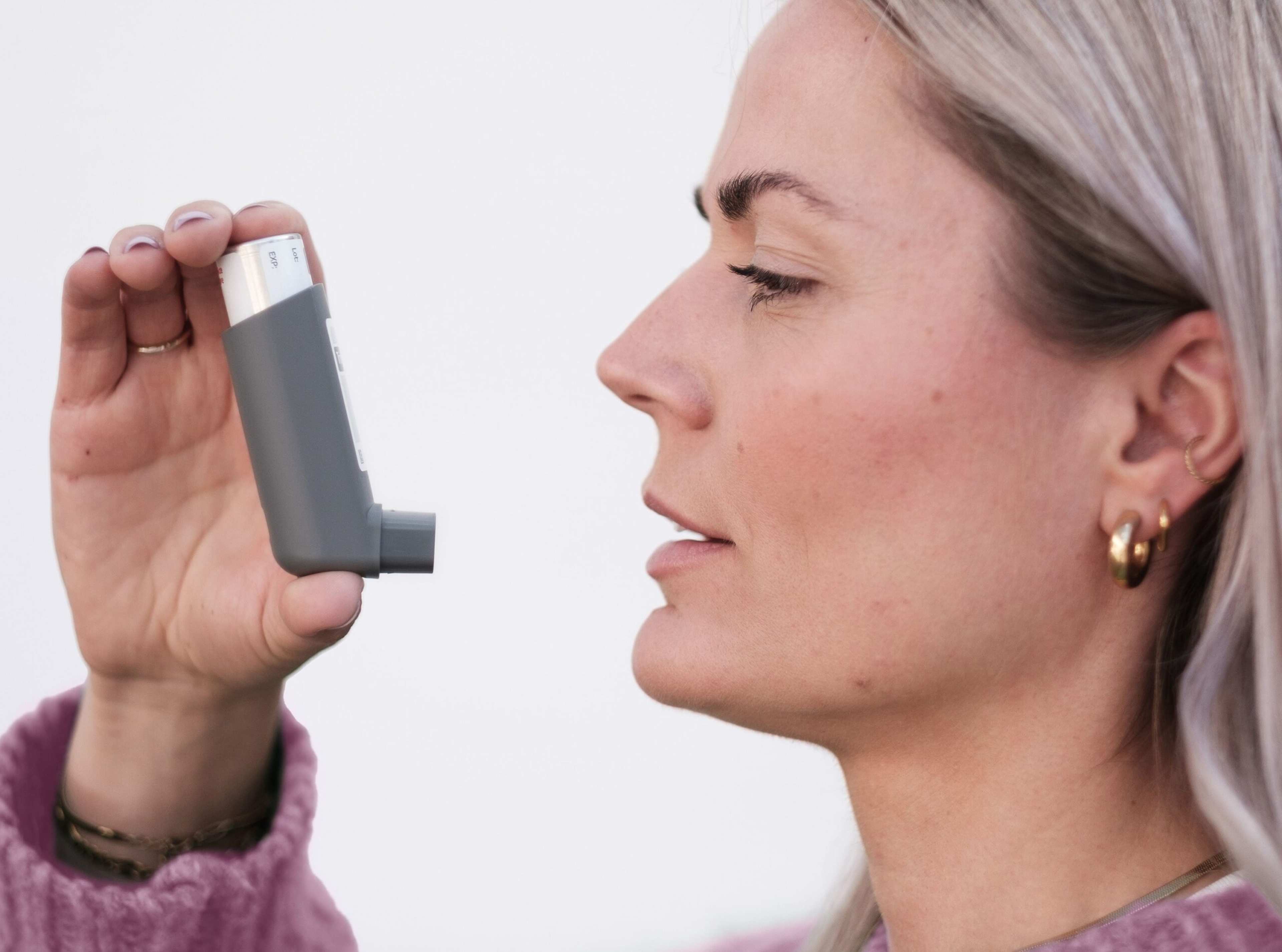
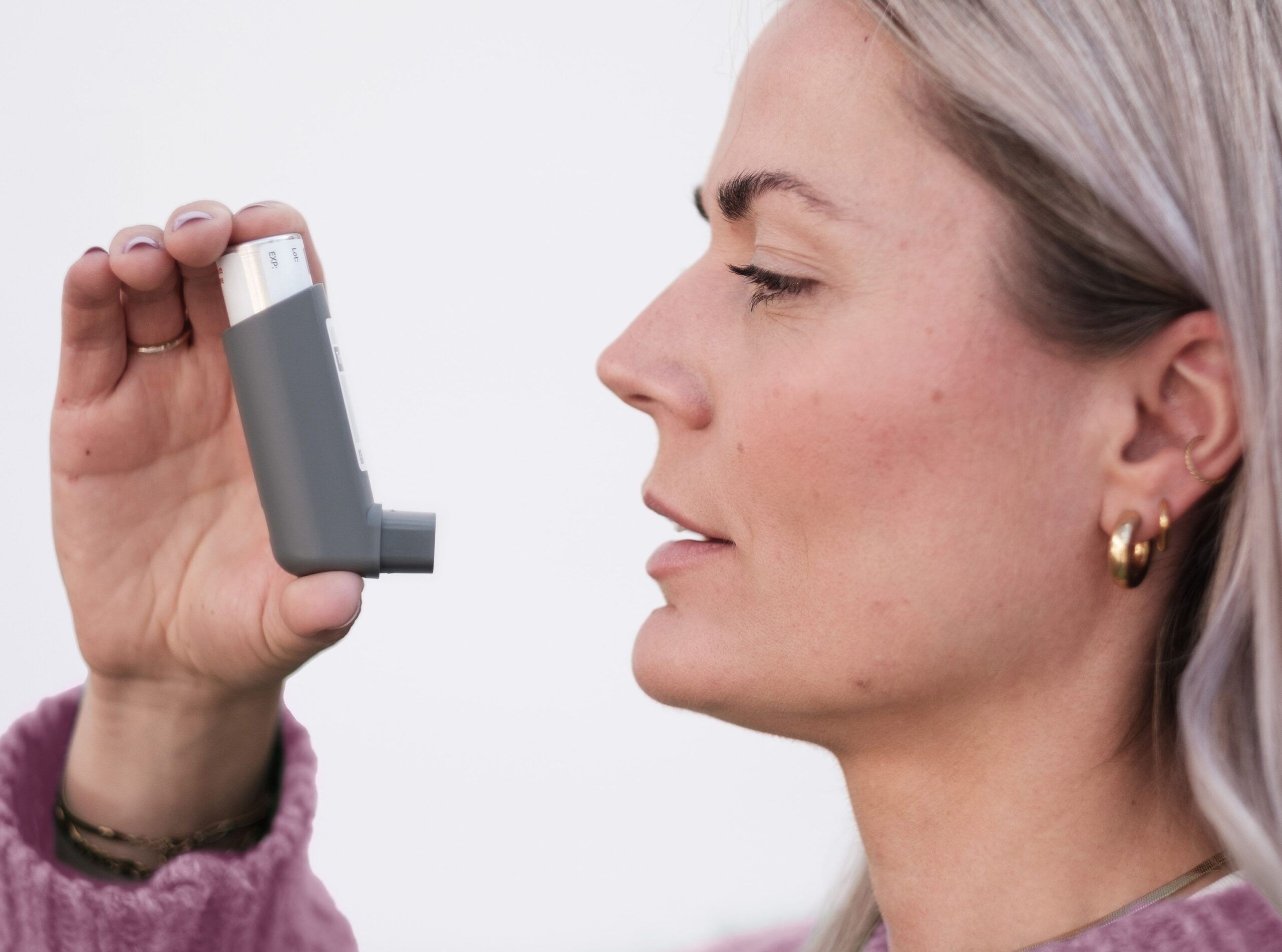
The small nasal inhaler is easy to forget about because it lives in a coat pocket or a purse. Yet Vicks inhalers appear by name on the Japanese consulate’s list of prohibited stimulant containing products.[1] One medication guide points out the reason: the Vicks inhaler contains levmetamfetamine.[6]
That ingredient places the product in the same legal territory as the drugs Japan bans most firmly. Import of stimulants such as amphetamine and methamphetamine is prohibited by the Stimulants Control Law.[1] Consequences can be slow as well as serious, since Japanese customs officials have detained travelers carrying prohibited items, sometimes for several weeks.[4] Accessible Japan adds that inhalers or nasal sprays with stimulant type ingredients may also be prohibited.[7]
Cough Syrups and Cold Tablets With Codeine
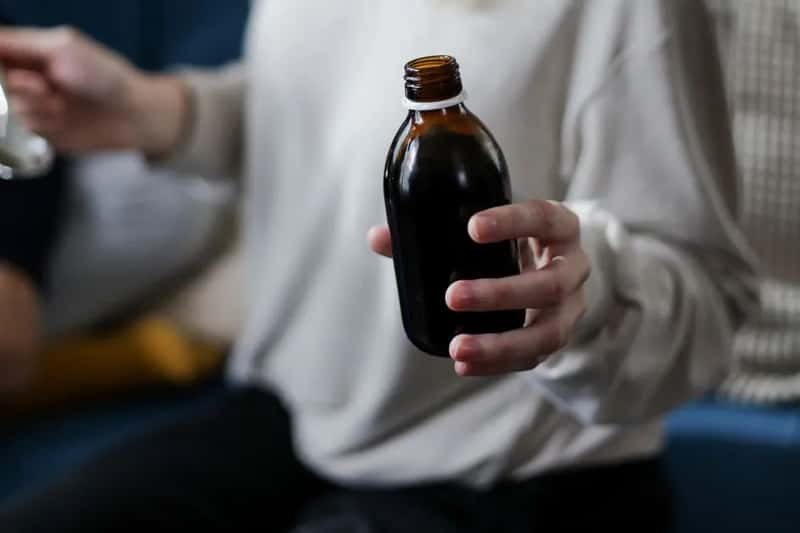
Codeine is the third ingredient to check for. The Japanese consulate lists codeine alongside pseudoephedrine among the prohibited ingredients.[1] Japan also classes it as a narcotic, with codeine named among examples such as morphine, fentanyl and oxycodone.[7]
Concentration matters here too. Guidance for travelers describes an exclusion for codeine at one percent or less.[3] Even so, many cough medicines that are legal elsewhere contain codeine and will be stopped at customs.[6] When a product is in doubt, one guide recommends that it’s safer to leave common cold and sinus medications at home and buy Japanese equivalents at local pharmacies.[8] For anyone who truly needs a restricted medicine, narcotics permits should be arranged at least fourteen days ahead.[3]