Every summer, the same postcard images circulate: white cubist houses against blue water, a fortress wall glowing at sunset, a boulevard lined with mopeds and gelato stands. The pictures haven’t changed much, but the experience on the ground has. Some of the Mediterranean’s most photographed spots have become so crowded that the thing people traveled to see gets lost behind a wall of selfie sticks and tour groups.
None of this means these places have lost their charm entirely. It just means that in 2026, a bit of research goes a long way, because a handful of nearby destinations offer something closer to what travelers actually imagined when they booked the trip.
Skip Santorini, Head to Milos Instead
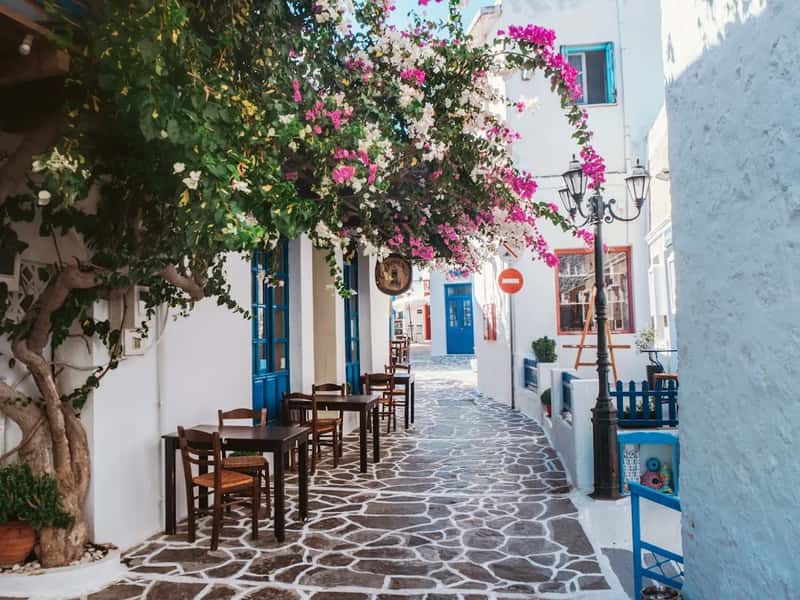
Santorini’s caldera views are genuinely stunning, which is precisely the problem. In a normal year, approximately 3.4 million visitors reach Santorini, a figure that makes it one of the most visited islands in the world relative to its size, with the island home to just 15,500 permanent residents spread across 76 square kilometers. That density shows up in real ways, from packed caldera-edge pathways to long waits for the cable car down to the old port.
Greek authorities have responded with real restrictions rather than gentle suggestions. For the 2026 season, the island enforces a daily cap of 8,000 cruise visitors, and passenger loads are now counted at full ship capacity rather than the lower assumption used the year before, effectively shrinking how many ships can call on a given day. A calmer, less scripted alternative sits a short ferry ride away. Milos, with its volcanic landscape and 73 beaches, now attracts nearly 1 million visitors annually, though high-season prices rival Santorini’s, meaning travelers still get dramatic Aegean scenery, colorful fishing villages, and quieter coves without competing for a spot on a viewpoint railing.
Skip Dubrovnik, Head to Kotor Instead
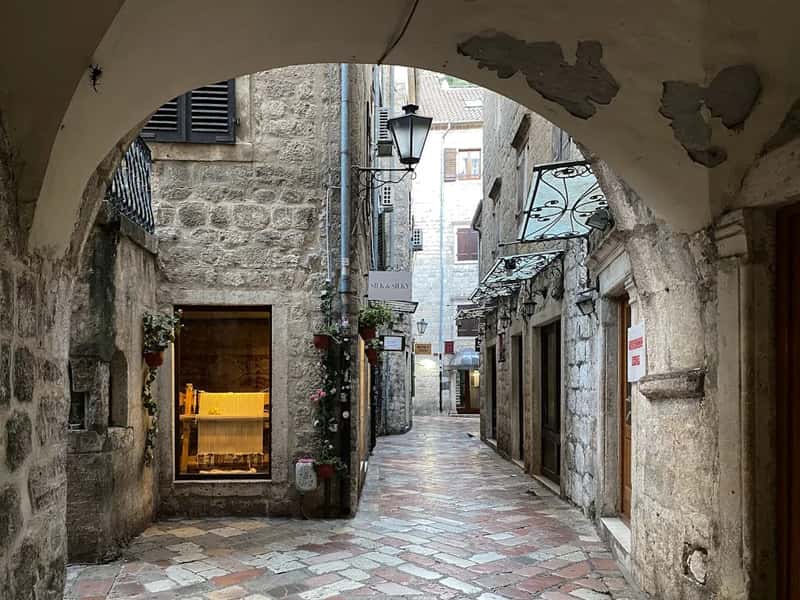
Dubrovnik’s marble streets and medieval walls earned their fame honestly, but the crowds inside those walls have grown well past what the Old Town was built to hold. In Dubrovnik’s Old town there are only 1,557 residents, and each day this number is surpassed by the number of day visitors. Cruise arrivals remain a major driver of that pressure, with the port authority projecting more than 661,000 cruise passengers across 461 ship calls by the end of 2026.
City officials have introduced firm caps in response. The “Respect the City” initiative limits cruise ship arrivals to two per day, with a daily cap of around 4,000 disembarking passengers, and starting in 2026, entry to the city walls will only be possible with an advance booking system, designed to spread out visitor numbers and prevent overcrowding. Just across the border, Kotor in Montenegro offers a similarly fortified old town wrapped around a dramatic bay, with steep mountains rising straight out of the water. It draws its own share of cruise traffic these days, but the surrounding fjord-like coastline and nearby villages still give travelers room to wander without the bottlenecked entry gates Dubrovnik now requires.
Skip Barcelona, Head to Valencia Instead

Barcelona remains an extraordinary city on paper, packed with Gaudí architecture, beaches, and food markets. The numbers behind those attractions tell a different story though. In 2024, about 24 million people visited Barcelona, a city with a population of under 2 million in its city center, and the imbalance has fueled years of visible tension between residents and tourism.
That tension has translated into policy. In April 2026, the city raised its hotel tax to between roughly ten and seventeen dollars per night, and its nightly tax on vacation rentals to about fourteen dollars, both among the highest in Europe, while officials continue floating steeper charges for short-stay cruise visitors. Last summer, thousands of residents protested in the streets, some spraying tourists with water guns, carrying signs reading “One more tourist, one less resident.” Valencia, a few hours down the coast, delivers a comparable mix of beach, architecture, and food culture, anchored by the futuristic City of Arts and Sciences and a genuinely excellent paella scene, without the same visible strain between visitors and locals or the same premium pricing on everyday hotel stays.
The pattern across all three swaps is the same. The overrated pick usually earned its reputation fairly, but success brought crowds, and crowds brought restrictions that change the visit itself, from timed entries to passenger caps to steep new taxes. The alternatives aren’t consolation prizes; they’re simply where the same coastline, architecture, or island atmosphere can still be experienced without the queue management. For travelers planning a Mediterranean trip in the back half of 2026, checking a destination’s current caps, fees, and booking requirements before locking in dates is now as important as checking the weather.