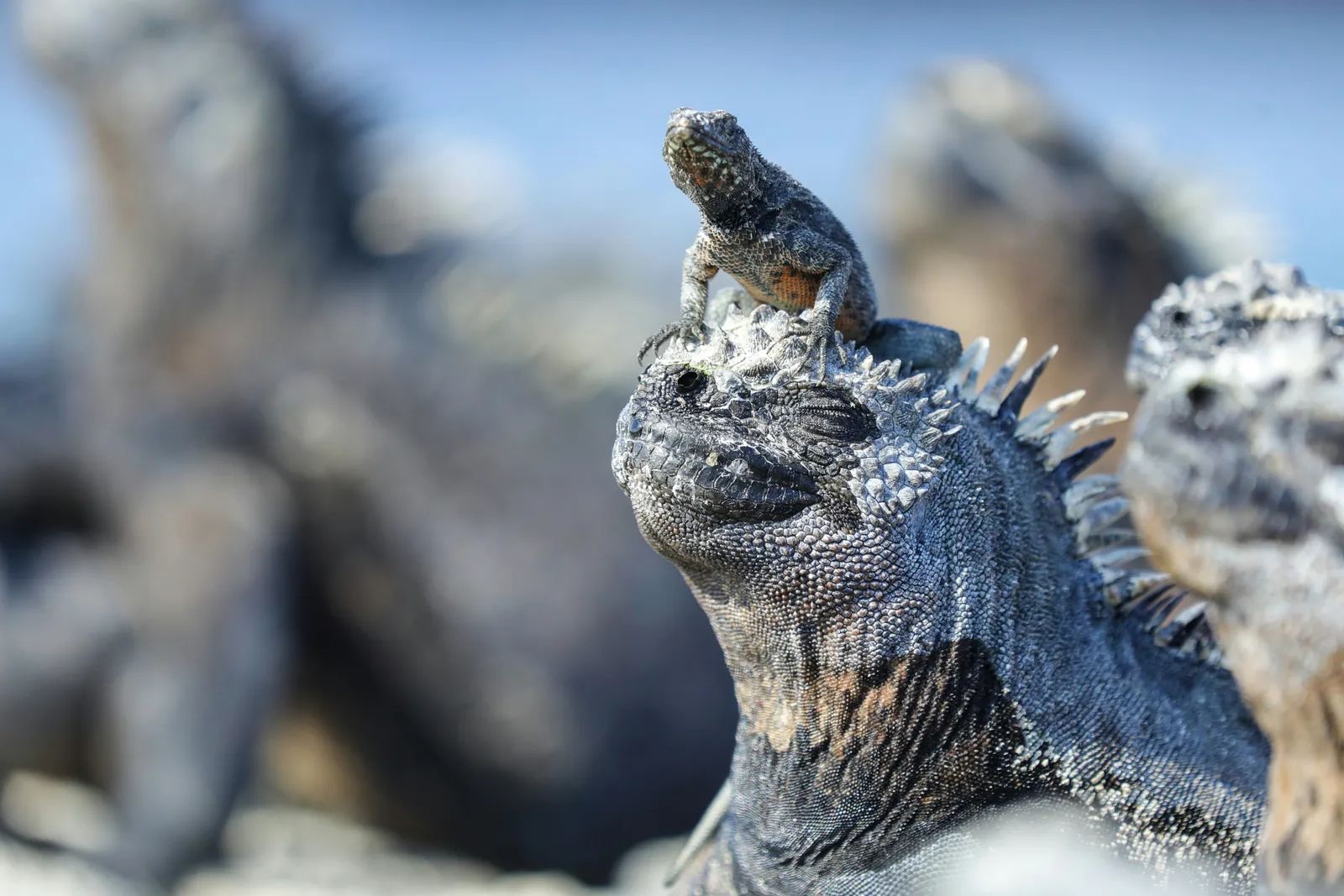
Quito – Ecuadorian authorities recently stopped a smuggling attempt at the capital’s airport that involved 32 live marine iguanas packed into plastic boxes. The animals, native only to the Galápagos Islands, were discovered bound and dehydrated inside eight containers destined for Iceland. Officials transferred the lizards to a specialized center in Pichincha province, where they received care before 24 survivors were returned to their island habitat several weeks later. This case forms part of a noticeable uptick in efforts to move the threatened reptiles out of Ecuador. ([1])
The Scale of the Quito Seizure
The iguanas were found in August during a routine check at the airport. They had been tightly bound and placed in the boxes, leaving them in poor condition after the attempt to transport them internationally. Marine iguanas require specific conditions to survive, and the stress of such confinement often proves fatal. The surviving animals were later released back into the Galápagos, where authorities believe they originated.
Under Ecuadorian law, removing any wildlife from the islands is strictly prohibited. The lizards belong to a species listed on Appendix I of the CITES treaty since 2025, which bans commercial international trade. Despite these protections, demand persists among collectors seeking unusual pets.
Additional Cases Point to a Pattern
Authorities have recorded several other incidents involving marine iguanas in recent months. These events suggest organized efforts rather than isolated acts by individuals.
- In May, three Thai nationals were arrested while attempting to carry 12 young marine iguanas out of the country toward markets in Asia.
- Just days before that arrest, four separate reports emerged of marine iguanas appearing on sidewalks in the mainland city of Guayaquil.
- Overall, nearly 50 marine iguanas have been confiscated across Ecuador so far this year.
Each recovery requires coordination between airport security, wildlife specialists, and conservation teams on the islands. The repeated discoveries indicate that traffickers continue to test new routes and methods.
Unique Biology Fuels Collector Demand
Marine iguanas stand out as the only lizards known to forage in the ocean, where they dive to graze on sea algae. Scientists recognize about 11 subspecies, many distinguished by subtle color variations tied to their specific islands. Their restricted range and specialized diet make them especially vulnerable once removed from their habitat.
International interest in these reptiles as exotic pets has grown, with buyers reportedly located in parts of Europe and Asia. The trade is described as lucrative enough to attract professional wildlife traffickers who operate across borders. This commercial pressure adds to existing threats facing the species in the wild.
Consequences for the Islands and Their Visitors
Every animal removed represents a loss to populations already under pressure from environmental changes. The Galápagos remain a premier destination for travelers drawn by the chance to observe wildlife in its natural setting. Continued trafficking risks diminishing that experience over time.
Recovery efforts after each seizure consume resources that could otherwise support broader habitat protection. The pattern of incidents this year shows that enforcement alone has not yet curbed the flow. Ongoing vigilance at ports and airports will likely remain essential as long as demand continues.