When considering your options for global citizenship, the landscape varies dramatically from nation to nation. While some countries roll out the red carpet for new citizens, others guard their passports like crown jewels. This stark divide shapes migration patterns worldwide and reflects each nation’s cultural, economic, and demographic priorities.
Argentina: Two Years and You’re In

Argentina: Only 2 years of residency, dual citizenship allowed. With a Human Development Index (HDI) of 0.84 (UNDP 2024) and visa-free access to 170+ destinations, Argentina provides both quality of life and international mobility at a low cost of entry. The South American giant stands out for its remarkably short naturalization timeline and generous dual citizenship policies.
Paraguay: The Flexible Option
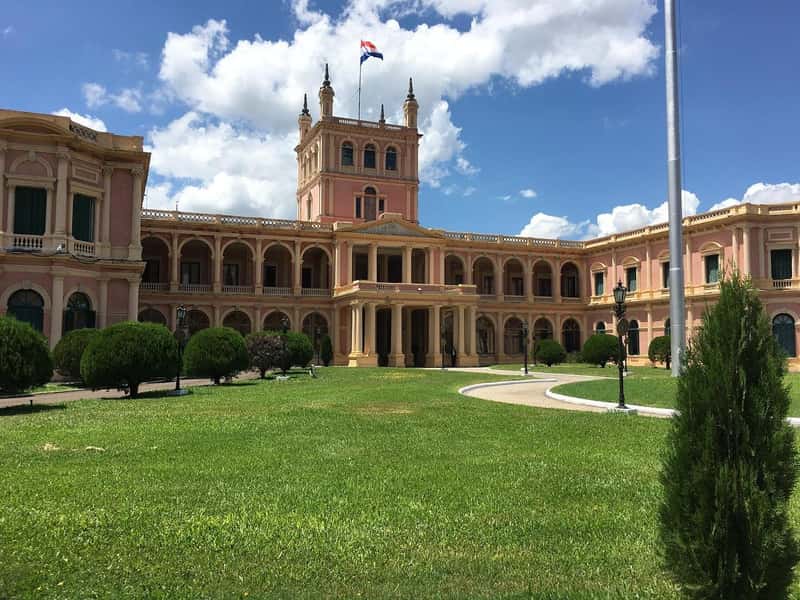
Paraguay’s citizenship process requires just three years of legal residence, with no strict physical stay rules. The country enjoys low taxation, economic stability, and ranks as one of the safest and most affordable in Latin America. Dual citizenship is permitted, and permanent residency can be maintained with minimal bureaucracy.
Paraguay offers one of the most practical citizenship programs for digital nomads and location-independent professionals who value flexibility over prestige.
Portugal: Europe’s Gateway
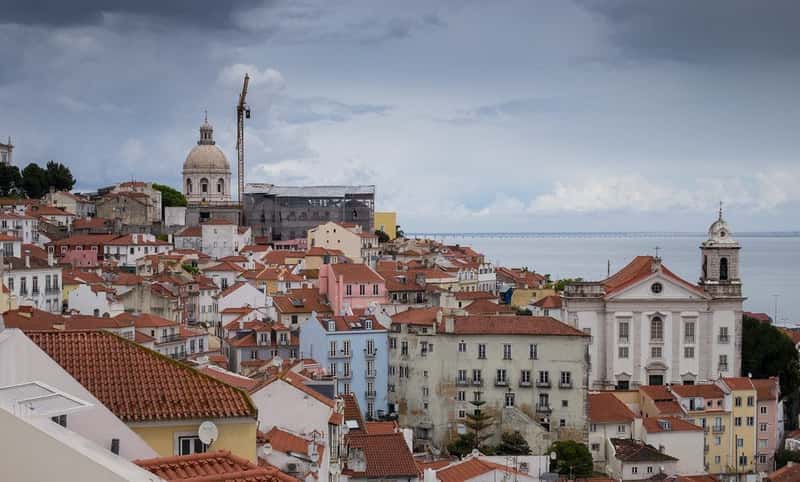
Portugal offers citizenship after five years of legal residence, one of the shortest naturalization timelines in the European Union. The country has virtually no language barriers for English speakers and offers full dual citizenship rights. Applicants may qualify through visas such as the Portugal D7 Visa, Portugal Golden Visa, or Portugal Digital Nomad Visa.
According to the Global Passport Index 2025, Portuguese citizenship ranks 28th globally, granting visa-free travel access to 194 destinations. Portugal also ranks high in the OECD Better Life Index for safety and work-life balance, making it one of Europe’s most practical destinations for long-term settlement and mobility. The country’s appeal extends beyond citizenship to include a high quality of life and EU membership benefits.
Ireland: Ancestry’s Best Friend
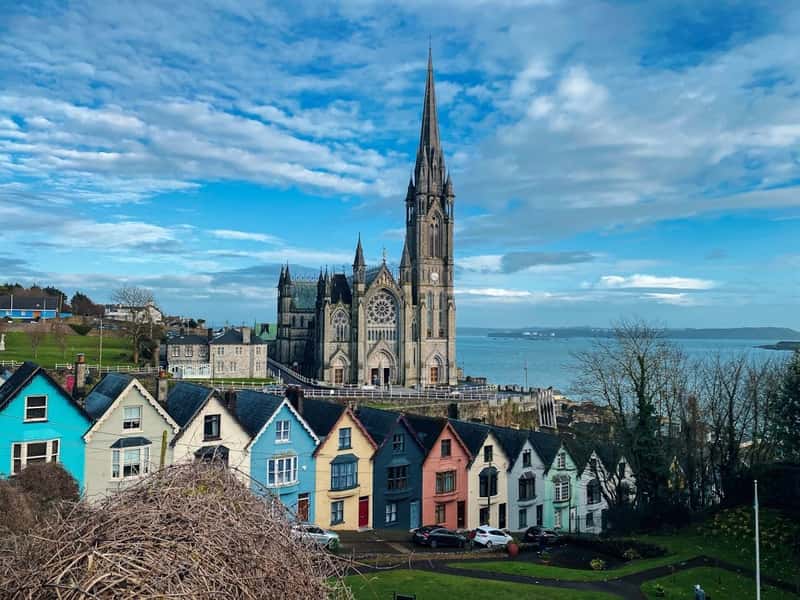
Ireland’s citizenship by descent scheme enables those with an Irish parent or grandparent to claim nationality. With no language or residency requirements, it’s one of the most accessible European nations for dual nationality and global mobility. Its streamlined citizenship-by-descent program has helped millions of people gain Irish passports despite the island’s population of approximately five million.
This remarkable statistic highlights how ancestral citizenship programs can create vast diasporas. After one year of ‘reckonable residence,’ you may apply for an Irish passport, but you must have been married to or in a civil union with your Irish partner for at least three years to be eligible.
Qatar: The Ultimate Challenge

This Gulf country has the world’s toughest criteria for citizenship and is one of the top 15 hardest countries to get citizenship. Unlike other countries, Qatar does not allow people to have dual citizenship. Well, firstly, you need to live in Qatar for at least 25 CONSECUTIVE YEARS before you can apply for citizenship by naturalization. You’ll also need good Arabic language skills, proof of good conduct, and proof of sufficient financial means to earn your living.
Foreigners seeking naturalisation must reside in Qatar for at least 25 years, after which the government may still choose to deny approval. In many cases, applicants must convert to Islam. This extensive waiting period, combined with religious conversion requirements, makes Qatar arguably the most restrictive citizenship program globally.
Vatican City: Nearly Impossible
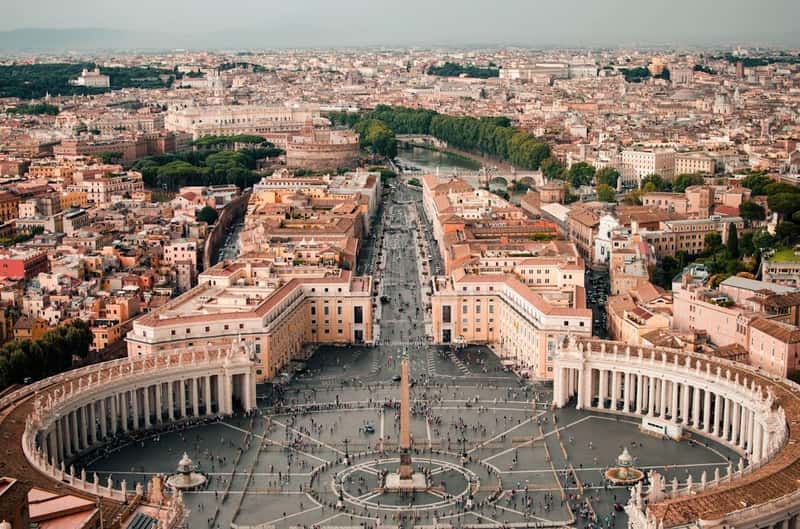
Tiny Vatican City is one of the smallest nations on the planet. If you get citizenship there, you’d be joining around 450 fellow citizens. Trouble is, there’s a good reason why Vatican City has such a small number of citizens. The rules surrounding the process make it one of the world’s hardest countries to get citizenship.
As the world’s smallest sovereign state, Vatican City does not grant citizenship based on birth, residency, or investment. Citizenship is granted only to those serving in religious roles, such as cardinals, clergy, or Swiss Guards. It is strictly functional – once the role ends, so does the citizenship. No naturalization process exists for civilians or long-term residents.
Liechtenstein: The 30-Year Marathon

You’ll have to live in Liechtenstein for at least 30 YEARS before you become eligible to apply for citizenship by naturalization. It’s possible to reduce this timeline to 10 years if you can persuade members of your community to vote in favor of your naturalization. Alternatively, you could just marry a Liechtenstein citizen and gain citizenship after five years.
Liechtenstein requires one of the longest residency periods – 30 years – before an applicant is eligible for citizenship. Marriage to a Liechtenstein citizen may shorten the process to about five years, but approval also depends on acceptance by the local community, which may vote on each application. German language proficiency is essential, and dual citizenship is not permitted.
Japan: The Cultural Integration Test

Japanese citizens who voluntarily acquire foreign citizenship automatically lose Japanese nationality. The absence of a formal citizenship test belies the extensive cultural integration evaluation during interviews. Special naturalization for exceptional contributions exists in law but has never been used as of 2025.
Obtaining Japanese citizenship requires completing a lot of paperwork, including inquiries about the candidates’ personal lives, living in the nation for five years, and getting approval from the justice minister. According to individuals who have gone through it, the process can take years, although it can take six to twelve months. If accepted, candidates must be prepared to give up their foreign citizenship.
Switzerland: Democracy’s Double-Edged Sword
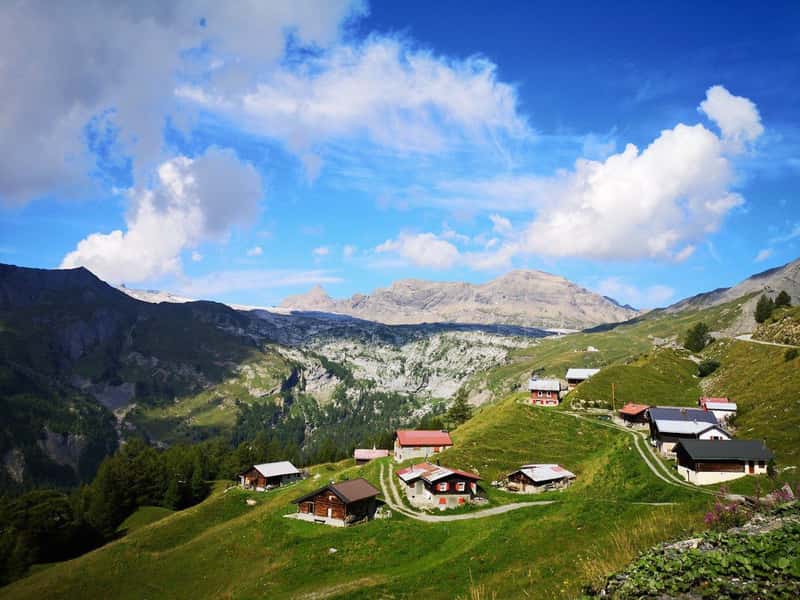
Switzerland operates perhaps the world’s most complex naturalization system, requiring approval at federal, cantonal, and municipal levels. This three-tier approach means requirements vary significantly across 26 cantons and approximately 2,100 municipalities. Federal requirements mandate 10 years of residence (reduced from 12 in 2018), including 3 of the last 5 years before application. Language requirements of B1 oral and A2 written in a national language apply universally, tested through the standardized “fide” system.
This is not a given, though, as those seeking citizenship must also demonstrate that they have blended in with Swiss society and do not represent a security risk. Furthermore, every municipality and canton has its own set of regulations regarding citizenship. Dual citizenship is allowed in Switzerland.
The modern citizenship landscape reflects deeper geopolitical trends and national strategies. While some countries use citizenship as a tool for economic development and talent attraction, others prioritize cultural preservation and demographic control. USCIS welcomed 818,500 new citizens in fiscal year 2024 during naturalization ceremonies held across the United States and around the world. Although a 7% decrease from last year, the 3-year total is more than 2.6 million new citizens. These statistics demonstrate that despite varying difficulty levels, the global desire for citizenship remains strong.
What makes these differences so striking is how they reflect each nation’s vision of identity and belonging. The easiest countries often view immigration as an economic opportunity, while the hardest maintain citizenship as an exclusive club with steep entry requirements.