Hotels have gotten remarkably good at making a simple stay feel incomplete without an add-on. Scroll through any booking site in 2026 and you will see a menu of extras next to your room, each one framed as the missing piece that turns an ordinary trip into something special. Some of these upgrades genuinely earn their keep. Others are priced more on psychology than on actual value, and it helps to know which is which before you tap “add to booking.”
Club level and executive lounge access
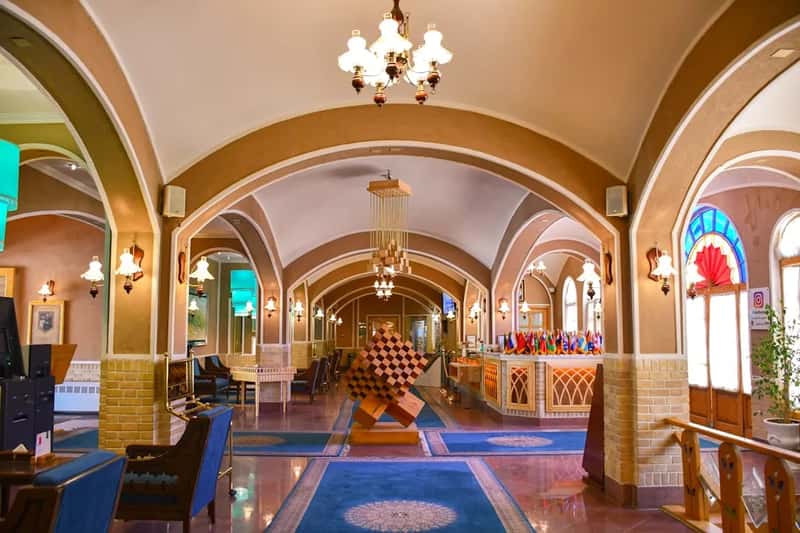
Club level sounds like a shortcut to a better trip: a private lounge, food throughout the day, maybe a nicer view. The reality is more mixed. At many properties, the room itself is Club Level at any Disney resort sells access and convenience, not square footage, with rooms largely identical to their standard counterparts in the same view category[1], so you are really paying for the lounge experience alone.
That lounge experience does not come cheap. One 2026 breakdown of Disneyland Hotel pricing found the premium runs roughly $461 per night over a comparable standard room based on 2026 rates[1], and outside the theme park world the gap is still steep, with one review noting an average price premium of roughly $100 to $140 or more per night, such as $362 a night for club level versus $225 for a standard room[2] at a comparable property. Unless you plan to spend most of the day parked in that lounge eating and drinking, the math rarely works out in your favor.
Prepaid breakfast packages

Breakfast add-ons feel like an obvious convenience, especially when you are jet-lagged and do not want to think about where to eat at seven in the morning. The trouble is price versus quality. A recent Forbes piece on travel splurges worth skipping pointed out that hotel breakfast add-ons are convenient, but convenience doesn’t always equal value, since in many cities breakfast packages are priced significantly higher than comparable meals at nearby cafés[3].
The same article suggests a simple habit that saves money more often than not: unless the property is isolated or the rate includes a genuinely elevated dining experience, paying separately often makes more financial sense, since stepping outside usually delivers better food at a lower cost in most urban destinations[3]. There are exceptions, certainly, for remote resorts or destinations where nothing is open early. In a walkable city, though, that hotel buffet charge is frequently just a markup on eggs and toast.
Premium view upgrades

An ocean view or a high-floor skyline room photographs beautifully, and hotels know it. Pricing has grown more granular in recent years too, with one 2026 analysis noting that where a decade ago you chose between city view and sea view, many luxury hotels now sell five to seven distinct view tiers with data tuned precision[4]. That kind of fine slicing means you can end up paying a real premium for a view that is only marginally better than the tier below it.
The honest answer on whether it is worth it usually comes down to how much time you actually spend in the room. Frequent travelers surveyed on the topic tend to agree that a mid level skyline or partial ocean view often hits the sweet spot between cost and emotional impact on trips where time is limited[4]. If your itinerary has you out from breakfast until dinner, chasing tours and beaches, that dramatic panorama mostly gets appreciated for the thirty seconds you glance at it before falling asleep.
Paid guaranteed early check-in or late checkout
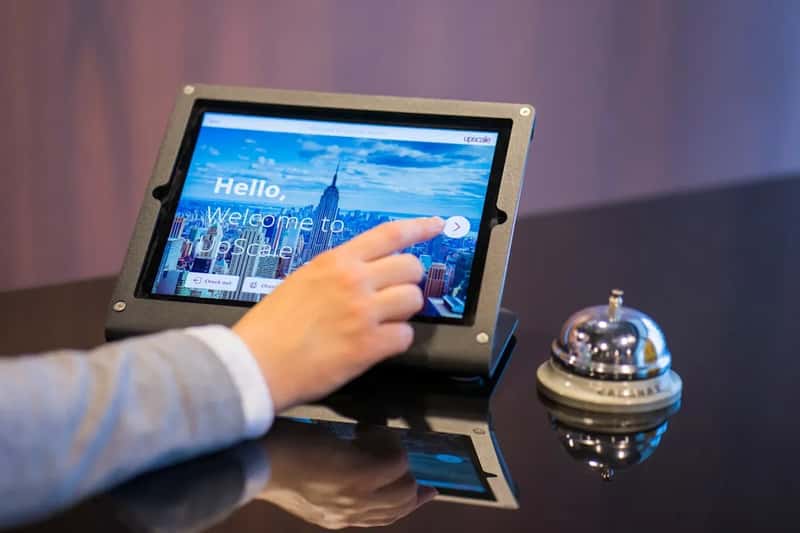
This is the newest entrant on the list, and it is becoming more common across major chains. Hilton, for instance, is rolling out standardized pricing where confirmed late check-out will cost a fee of $40 to $60[5], with the exact amount depending on the brand tier of the property. Other chains are experimenting with similar tiered convenience fees rather than leaving the perk to front-desk discretion.
The catch is that this “guarantee” is really just insurance against a coin flip that often goes your way anyway. Reporting on the rollout notes that the fee applies broadly, since some hotels already offer this, but it will be standardized, and by default, all hotels will be opted in[5]. For a quiet Tuesday stay at a half-empty property, you can often get an extra hour or two free just by asking at the desk, which makes paying $40 or more upfront a bet against odds that were probably already in your favor.
Paying for an upgrade is not automatically a mistake. It becomes one when the price is set by how good the upgrade sounds rather than by how much use you will actually get out of it. Before adding any of these to a booking, it helps to ask a blunt question: will this change how the trip feels, or will it just sit there as a line item you barely notice once you have checked in.