Walk into any hotel lobby and you’re greeted by soft lighting, a friendly smile at the front desk, and the comforting scent of fresh linen. It feels seamless, almost choreographed. Yet behind that polished routine sits a set of practices that hotel workers rarely discuss openly, not because they’re scandalous exactly, but because they’d change how guests behave if they knew, according to former housekeepers, front desk agents, and hotel managers who have spent the last few years quietly breaking that silence on forums, in interviews, and through TikTok confessions.[1]
None of this amounts to some grand industry conspiracy. Rather, what these insiders describe is closer to an operational reality that gets glossed over in marketing brochures.[1] We spoke with the accounts of real former employees to compile four things staff say they were never supposed to reveal, and honestly, once you know them, you’ll probably pack a little differently for your next trip.
1. That Decorative Bedspread Probably Hasn’t Been Washed in Weeks

Here’s the uncomfortable truth about the thick, patterned throw folded neatly at the foot of your bed. The sheets tucked under you get laundered after every checkout, but the thick decorative blanket or coverlet folded on top is a different story entirely.[1] Multiple former housekeepers have echoed the same warning independently. One put it bluntly, saying she would never use the bedspread or any blankets besides the sheets because they get washed maybe twice a year.[2]
It isn’t laziness so much as logistics. Laundering a heavy coverlet after every single guest would slow down turnover dramatically and cost hotels far more in labor and laundry fees. The fix is simple enough: remove the bedspread entirely when you arrive and fold it to the side of the room, then use only the sheets and blankets underneath, which are routinely laundered.[3] It takes ten seconds and it means you’re not lying on top of fabric that’s absorbed weeks, or sometimes months, of skin cells, spills, and whatever else previous guests brought into the room.
2. Housekeeping Quotas Force Serious Corners to Be Cut
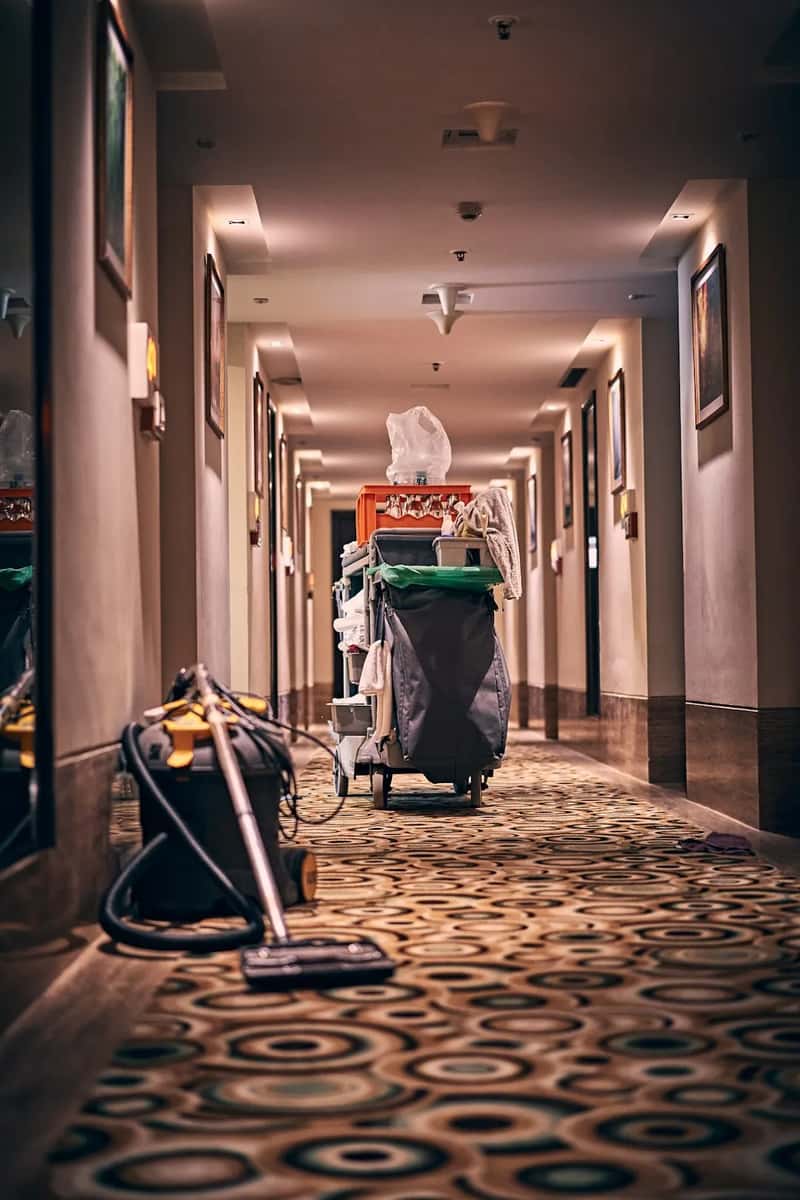
Guests often assume a “cleaned” room means a deep clean, but the reality of hotel staffing rarely allows for that. A typical housekeeper cleans 15 to 30 rooms per shift, allowing roughly 15 minutes per room, which isn’t enough time for a thorough deep clean, so staff prioritize visible surfaces, fresh linens, and restocking supplies.[3] One housekeeper in the UK described being given only six minutes for a single room, which had to cover changing the bed, vacuuming, dusting, taking cups out and changing the bins, as well as cleaning the bathroom, meaning really it was four minutes on the room and two minutes on the bathroom.[4]
This time crunch isn’t a reflection of staff not caring; it’s baked into the business model. When a hotel pushes housekeepers to clean 20 or more rooms per shift, corners get cut, and this is a structural problem tied to how thin housekeeping budgets have become across much of the industry.[1] Pay makes the picture even clearer. One housekeeper described the arrangement as demoralizing, noting she was paid per hour and says it was demoralising knowing her pay sometimes worked out as less than a £1 ($1.26) a room.[1] Sofas and upholstered chairs tend to suffer the most under these constraints, since while sheets and towels are generally pretty clean, those cushions and sofas really aren’t, often only hoovered rather than properly cleaned.[4]
3. Booking Direct Almost Always Beats Third-Party Travel Sites
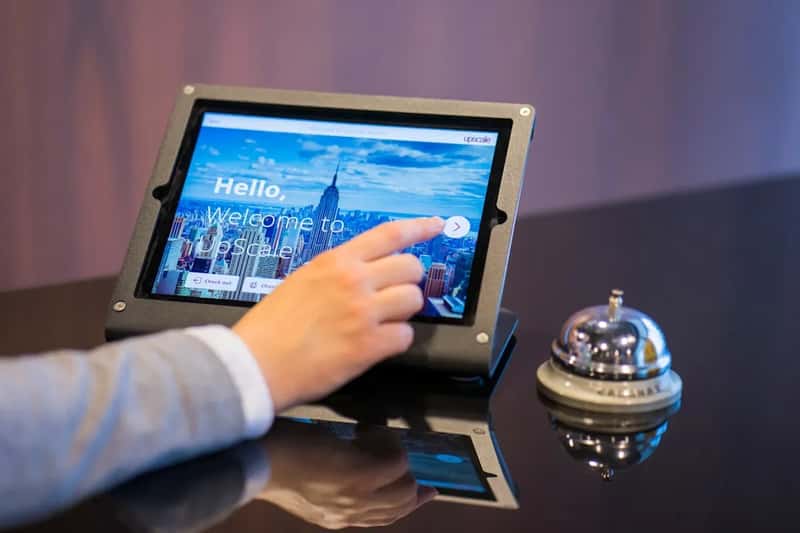
It feels intuitive to assume a discount travel app is scouring the internet for your best possible rate. Former front desk employees say that assumption is usually backwards. Guests who book through a discount travel app often assume they’re getting the best possible deal, but former front desk staff say the opposite is usually true.[1] One hotel employee explained the mechanics plainly on a public forum, noting that if you book directly and not through a third party, staff can do a lot for you as far as rates and comps, but if you book a third party they really can’t do anything for you other than give you a room, since they can give you the same rate as a third party if you book directly and there are a lot more perks.[5]
The reason comes down to commission structures. Third-party booking platforms take a cut of every reservation, which limits how much flexibility front desk staff have to offer upgrades, late checkouts, or fee waivers to guests who arrive through those channels. Book directly with the hotel, whether by phone or through its own website, and you instantly become someone the property has more incentive, and more room, to accommodate.
4. Shared Items Like Ice Buckets and Coffee Cups Aren’t as Clean as They Look
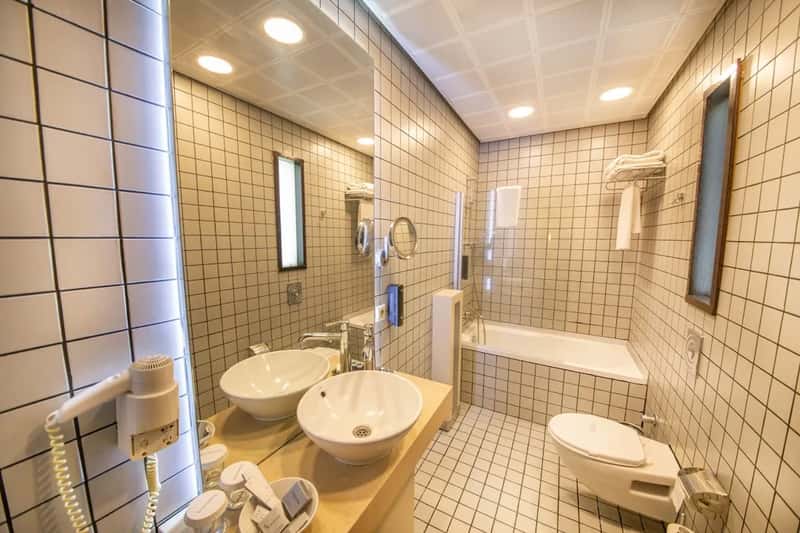
Few guests think twice before filling the in-room ice bucket or brewing a cup of coffee from the little pods on the counter, but former staff have consistently flagged these items as trouble spots. One former hotel worker was direct about it, explaining that the vomit buckets, AKA the ice buckets, shouldn’t be used unless you have a liner, regardless of the calibre of hotel you’re staying at.[1] Coffee cups carry a similar reputation among people who’ve worked housekeeping, with one former maid saying plainly that not using the cups is my number one rule that I tell everyone.[6]
Bathrooms hide their own surprises too. A former housekeeper in Australia who cleaned rooms with spa baths described what happens during periodic deep cleans of the jets, saying every couple of weeks they would run a special cleaner through the spa that would remove a lot of the gunk that builds up through use, and what comes out is disgusting, with a big build-up of fats and oils that come out from the skin, along with everything else.[7] He added candidly that this kind of detail is obviously kept from guests, and sometimes ignorance is bliss.[7] The lesson is simple: bring your own reusable water bottle or cup if you’re squeamish, and consider skipping the spa bath unless you know it’s been recently serviced.
None of these revelations should scare anyone away from staying at hotels. Most of what’s described here isn’t malicious, it’s the predictable result of tight staffing budgets, aggressive room quotas, and booking systems designed to squeeze commissions out of every reservation. Knowing the reality behind the polished lobby doesn’t ruin the experience so much as it arms you to have a smarter, cleaner, and more cost-effective stay. Pack a few disinfectant wipes, book directly when you can, and maybe leave that decorative bedspread folded up in the corner where it belongs.