Every seasoned traveler has a story that starts with confidence and ends with a lesson. Maybe it was a missed connection, a canceled flight during a snowstorm, or a hotel booking that turned out to be nowhere near where the map promised. These moments sting in the short term, but they tend to reshape how people travel for years afterward.
Ask anyone who flies often enough and they’ll admit the same thing: the smartest habits usually come from a mistake, not a guidebook. Below are four lessons that frequent flyers consistently mention when talk turns to travel mishaps, and why these habits stuck long after the original trip ended.
1. Never trust a tight layover, no matter what the app says

Airlines and booking platforms often display connection times that look technically legal but leave almost no room for error. A forty-five minute layover might satisfy an airline’s minimum connection time, yet that number rarely accounts for a delayed pushback, a long taxi to the gate, or a terminal change that requires a shuttle bus. Frequent flyers who have sprinted through unfamiliar airports, dodging security lines and confused about which train to catch, usually stop booking anything under ninety minutes for domestic connections and closer to two hours for international ones.
The lesson gets reinforced by how airlines handle missed connections when the fault is theirs versus the traveler’s. If a delay is due to weather or a mechanical issue, most carriers will rebook without extra charge, but if a traveler simply misjudged the layover, they can be treated as a no show, according to the U.S. Department of Transportation. That distinction has made experienced travelers far more conservative about connection windows, even when it means arriving at a destination slightly later than the shortest itinerary allows.
2. Travel insurance only works if it matches the actual risk

Plenty of travelers buy a basic policy, assume they’re covered, and move on. The hard lesson usually surfaces when a claim gets denied because the policy did not include the specific type of coverage needed, such as trip interruption for a medical event versus cancellation due to a natural disaster. Standard travel insurance typically covers named perils explicitly listed in the policy, and anything outside that list is simply not reimbursed, which catches many first time claimants off guard.
Frequent flyers who have been burned tend to read the fine print line by line afterward, checking specifically for pre-existing condition waivers, cancel for any reason upgrades, and how claims are processed when a airline itself cancels a flight. Some also learned that using a travel rewards credit card can provide baseline trip protections automatically, which changes how they choose which card to book with. The shift is not about becoming paranoid, it is about matching the policy to the realistic risks of a specific trip rather than buying the cheapest plan available.
3. A boarding pass on a phone is not a backup plan
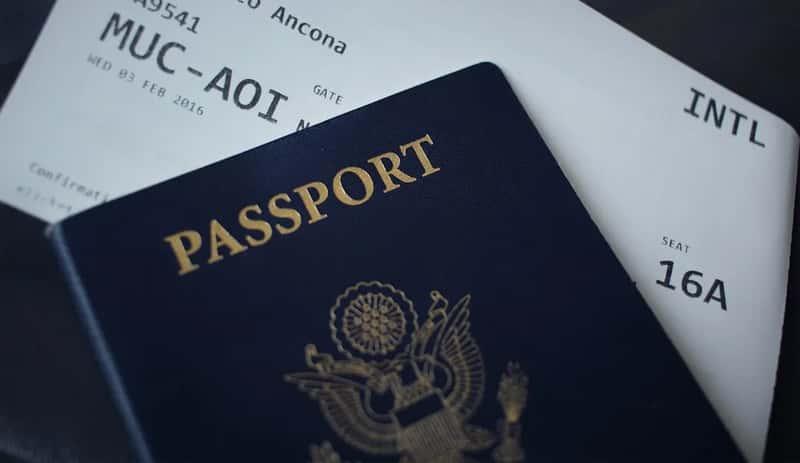
Digital boarding passes are convenient until a phone battery dies, an app glitches, or airport WiFi refuses to load anything at the worst possible moment. Travelers who have stood at a gate with a black screen and a dwindling boarding window now treat a printed backup, or at minimum a screenshot saved offline, as standard practice. It sounds almost old fashioned in an era of mobile wallets, yet it solves a problem that digital systems occasionally create on their own.
This habit extends beyond boarding passes to travel documents in general. Frequent international travelers often keep a physical photocopy of their passport separate from the original, along with a digital photo stored in an offline folder, specifically because phones can be lost, stolen, or simply run out of power in unfamiliar places. The redundancy costs almost nothing to maintain, but it has saved plenty of trips from spiraling into a consular office visit during precious vacation days.
4. Packing light only works if the essentials are truly essential

Minimalist packing gets praised constantly, and for good reason, since lighter luggage means faster movement through airports and fewer checked bag fees. The lesson many travelers learn the hard way is that packing light without a clear system means forgetting something critical, like a phone charger, a specific medication, or weather appropriate clothing for a destination that turned out colder than expected. The fix is not packing more, it is packing smarter, with a short non-negotiable list that gets checked every single trip regardless of destination or duration.
Experienced flyers often develop a consistent core kit, things like a portable charger, a copy of essential documents, and versatile clothing layers, that goes into every bag without exception. What changes trip to trip is everything built around that core, not the foundation itself. This approach removes the guesswork that leads to last minute pharmacy runs or awkward laundry situations mid trip, and it tends to make packing faster over time rather than slower.
These four lessons rarely show up in travel guides because they are not glamorous, they are practical scars earned through real inconvenience. What ties them together is a shift from optimism to realism, planning for the delay, the denied claim, the dead battery, or the forgotten item rather than assuming a trip will go exactly as booked. Travelers who adopt these habits early tend to spend less time solving problems mid trip and more time actually enjoying wherever they landed.