Canada’s travel conversation tends to circle the same handful of names, Vancouver’s mountains, Toronto’s skyline, Montreal’s cobblestones, Banff’s turquoise lakes. Fair enough, they earn the hype. But spend a little time looking past the postcard shots and you’ll find cities that quietly do everything a good destination should: distinct culture, real history, food worth crossing town for, and none of the crowds.
These four places rarely make the glossy “must-see Canada” lists, yet they reward the traveller who bothers to show up. Each one has its own rhythm, its own reason for being overlooked, and its own case for changing that.
Winnipeg, Manitoba: the prairie city that keeps surprising people
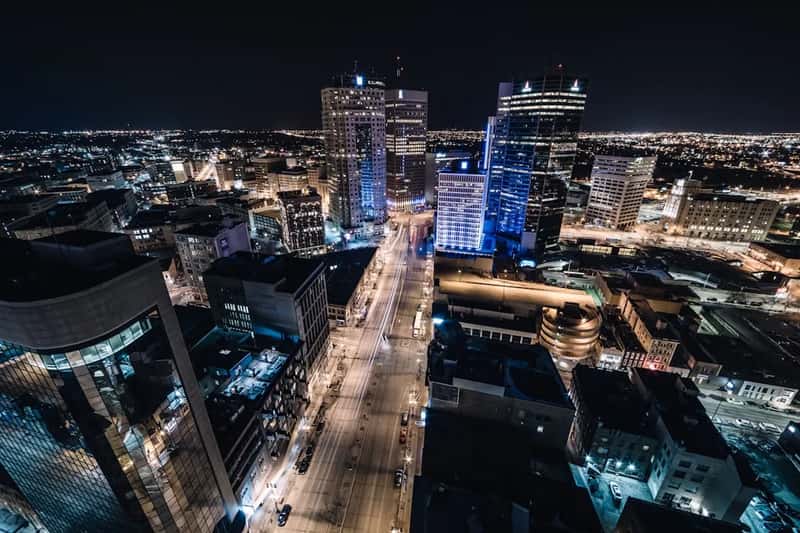
Winnipeg gets stuck with the “flyover city” label more than almost anywhere else in the country, sitting as it does in the middle of the prairies between Toronto and Vancouver. That reputation does not hold up once you’re actually there. Winnipeg has been dubbed Canada’s middle child, stuck between bigger siblings like Toronto and Vancouver, and it doesn’t always get the attention it deserves. The Canadian Museum for Human Rights alone, with its striking glass architecture, is reason enough to detour through Manitoba.
What makes Winnipeg work as a destination is the mix. One minute you’re wandering through a world-class museum shaped like a giant glass mountain, the next you’re floating down a lazy river or eating your way through a food market that could rival anything in Toronto or Vancouver. There’s also a genuinely charming historical footnote here: the real bear that inspired Winnie-the-Pooh was named after this very city, and locals have not let anyone forget it. Add the Exchange District’s brick warehouses, a lively craft beer scene, and the Forks riverside market, and you get a city that consistently exceeds low expectations.
Saskatoon, Saskatchewan: the river city with quiet momentum
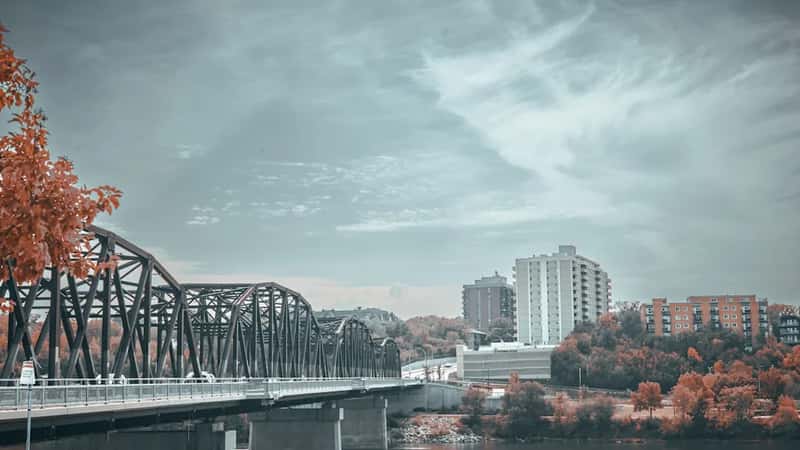
Saskatoon calls itself the “Paris of the Prairies,” a nickname that sounds like a stretch until you see the South Saskatchewan River curving through downtown, crossed by seven bridges. Seven bridges span the South Saskatchewan River, which winds its way through the city and gives Saskatoon its nickname, and trendy neighbourhoods showcase craft breweries, a delicious culinary scene and the city’s artistic character. The Meewasin Trail alone makes the city worth a stop, offering more than eighty kilometres of riverside walking and cycling paths.
Saskatoon’s tourism numbers back up what locals have known for a while. The city’s visitor economy grew to 897.5 million dollars in 2025, a 12.5 per cent year-over-year increase, the largest single contribution to Saskatchewan’s provincial visitor economy. Just outside the city, Wanuskewin Heritage Park has earned national recognition for its Indigenous cultural programming, having earned the Indigenous Tourism Award at the 2025 Canadian Tourism Awards. Between the river valley, the growing food and brewery scene, and sites like Wanuskewin, Saskatoon offers a version of the prairies that feels far more layered than most visitors expect.
Moncton, New Brunswick: bilingual, bizarre, and full of Bay of Fundy drama
Moncton is New Brunswick’s largest city, and it wears its bilingual identity openly, with English and French carrying equal weight across signage, service, and daily life. Moncton is New Brunswick’s largest city, and like New Brunswick as a whole, it is officially bilingual, giving both English and French equal weight. It’s also home to one of Canada’s stranger natural attractions: Magnetic Hill, a stretch of road where the terrain plays tricks on the eye and vehicles seem to roll uphill on their own.
Beyond the novelty, Moncton has a serious cultural backbone tied to Acadian history. The Acadian Museum on the Université de Moncton campus holds a substantial collection telling that story, since it has a collection of over 42,000 objects and tells the resilient story of the Acadian people, from their arrival and the Great Upheaval to their vibrant cultural revival. Toss in the tidal bore on the Petitcodiac River, the reversing effects of the Bay of Fundy’s extreme tides, and a walkable downtown built around Resurgo Place, and Moncton earns its place far more than most travellers give it credit for.
Nelson, British Columbia: a small mountain town with an outsized personality
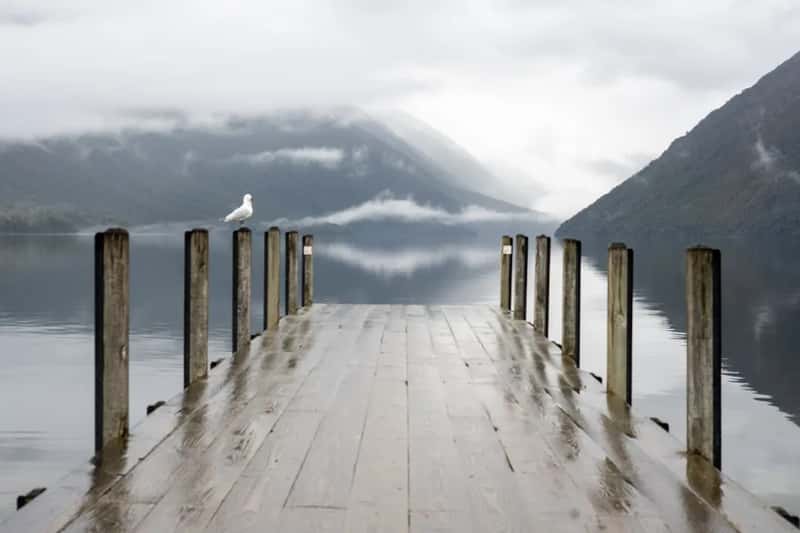
Tucked into the Selkirk Mountains on the shore of Kootenay Lake, Nelson is small by any measure, with a population that was just over 11,000 people as of the 2021 census. What it lacks in size it makes up for in character. The downtown is packed with heritage architecture, and visitors can discover more than 350 well-preserved Victorian buildings on the self-guided Heritage Walking Tour.
Nelson’s setting is what quietly hooks people. It sits roughly halfway between Calgary and Vancouver, making it an easy stop for road trippers, yet few actually plan a stay here rather than just passing through. Locals and visiting writers alike keep landing on the same word for it, since if you’re a skier, hiker, foodie, or hippie at heart, you’re sure to love the unique and diverse town of Nelson. Mountain biking trails, a lakeside waterfront, independent shops along Baker Street, and a genuinely artsy, slightly offbeat community give Nelson a personality that punches well above its size.
None of these four cities are secrets in the strict sense. Locals know exactly what they have, and regional tourism boards have been quietly building the case for years. What they share is a habit of getting skipped over in favour of the bigger, more obvious names on a Canada itinerary, even though each one offers something the famous cities don’t quite replicate, whether that’s Winnipeg’s museum culture and prairie sky, Saskatoon’s river valley and Indigenous heritage sites, Moncton’s tidal drama and Acadian roots, or Nelson’s mountain town charm. For travellers willing to look slightly off the usual path, these four make a strong argument for themselves.