Moving for a lower cost of living used to mean quietly packing a truck and hoping for the best. These days, a handful of American cities are sweetening the deal with cash, and sometimes a lot of it. Local governments, universities, and private foundations have realized that remote work untethered millions of people from their offices, and they are competing hard to convince some of those people to plant roots in their communities instead of somewhere else.
The offers below are not gimmicks or one-time stunts. They are structured programs, some running for years now, with real budgets, real applicants, and real data on how many people actually stay.
1. Tulsa, Oklahoma
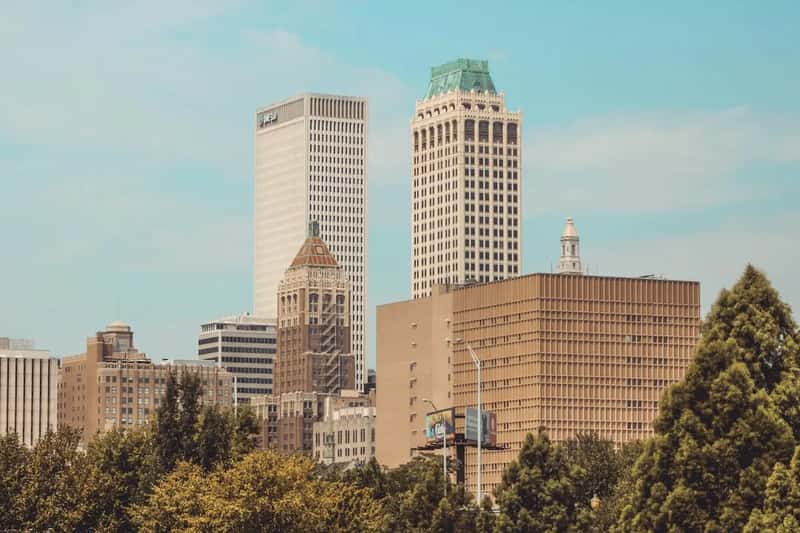
Tulsa Remote has become the best known relocation incentive in the country, and for good reason. Tulsa Remote is a one-year program that offers a $10,000 grant and additional benefits to eligible remote workers who move to and work from Tulsa.[1] The money is not handed over in one lump sum. Applicants receive $2,500 for relocation expenses upfront, a $500 monthly stipend for ten months, and a $1,500 final payment after completing the full 12-month program requirement.[2]
The results have been substantial enough to catch the attention of economists. Seven years after Tulsa Remote began paying workers to move to Oklahoma, more than 4,000 workers had relocated, contributing some 878 million dollars in economic impact.[3] Retention numbers back up the investment too, since almost seven years into the program, 96 percent of participants stayed through the first year, and 70 percent have stuck around longer.[4] The program has also grown beyond a simple cash grant. Participants now receive a 200 dollar monthly health and wellness stipend, access to a free coworking space, and a remote work certification course developed in partnership with NYU.[3]
2. Northwest Arkansas (Bentonville and Fayetteville area)
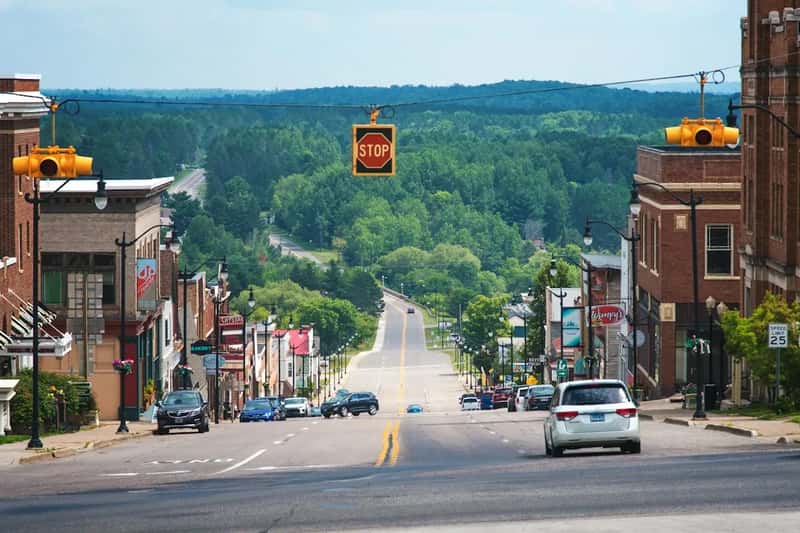
Northwest Arkansas took a slightly different angle than Tulsa, mixing cash with a nod to the region’s outdoor culture. The initial Life Works Here incentive launched in November 2020, offering remote tech talent the opportunity to relocate to the region for $10,000 and a mountain or road bike.[5] The program is backed by serious institutional muscle, since it was launched by the Northwest Arkansas Council and made possible by philanthropic support from the Walton Family Foundation.[6]
Interest in the program was overwhelming from the start. The effort generated more than 66,000 applicants from around the world who were drawn to the region as a great place to live, work and play.[5] Beyond the bike, the region leans on genuine lifestyle advantages, including one of the best costs of living in the country and a per capita income that’s 14% higher than the national average.[6] The original talent incentive application window has since closed, but the council continues to promote the region and connect employers with prospective movers.
3. Morgantown and the Ascend WV communities, West Virginia
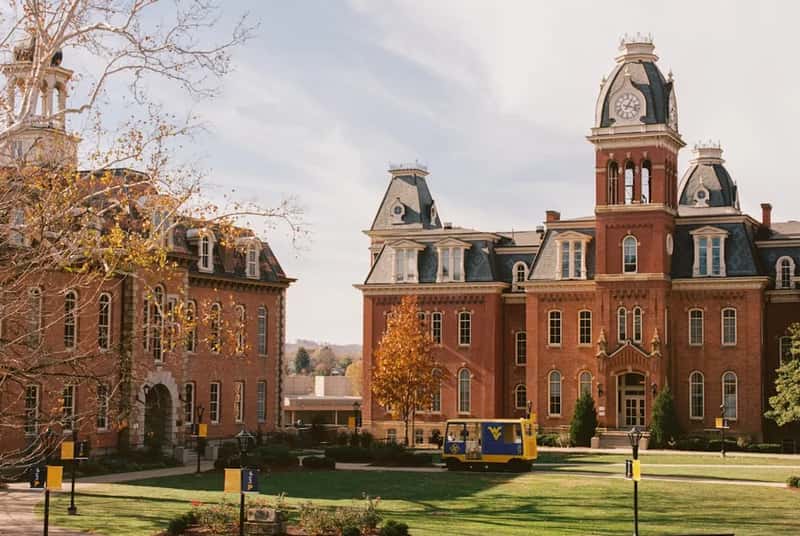
West Virginia’s Ascend WV program takes the concept statewide, spreading it across several small communities rather than concentrating it in one city. Officially launching in April 2021, with direction and financial backing of Marshall University President Brad Smith and his wife Alys, Ascend pays individuals $12,000 to move to West Virginia for two years.[7] The program is not just a check in the mail either, since it also offers free outdoor recreation activities, a coworking space, social programming events, and professional development and entrepreneurial assistance.[7]
The program has expanded its footprint considerably since launch. Ascend is currently operating out of six separate locations in the state, including Charleston, the New River Gorge, Greenbrier Valley, Morgantown, Greater Elkins and the Eastern Panhandle area.[7] Demand has been strong too, with the program having generated about 90,000 applications since launching and welcomed 1,400 individuals from 48 states and eight countries.[8] In 2026, the state also rolled out a companion initiative aimed at a specific group, since Governor Patrick Morrisey announced the launch of the Ascend Heroes program, an extension of the original initiative aiming to attract 145 military veterans to the state.[8]
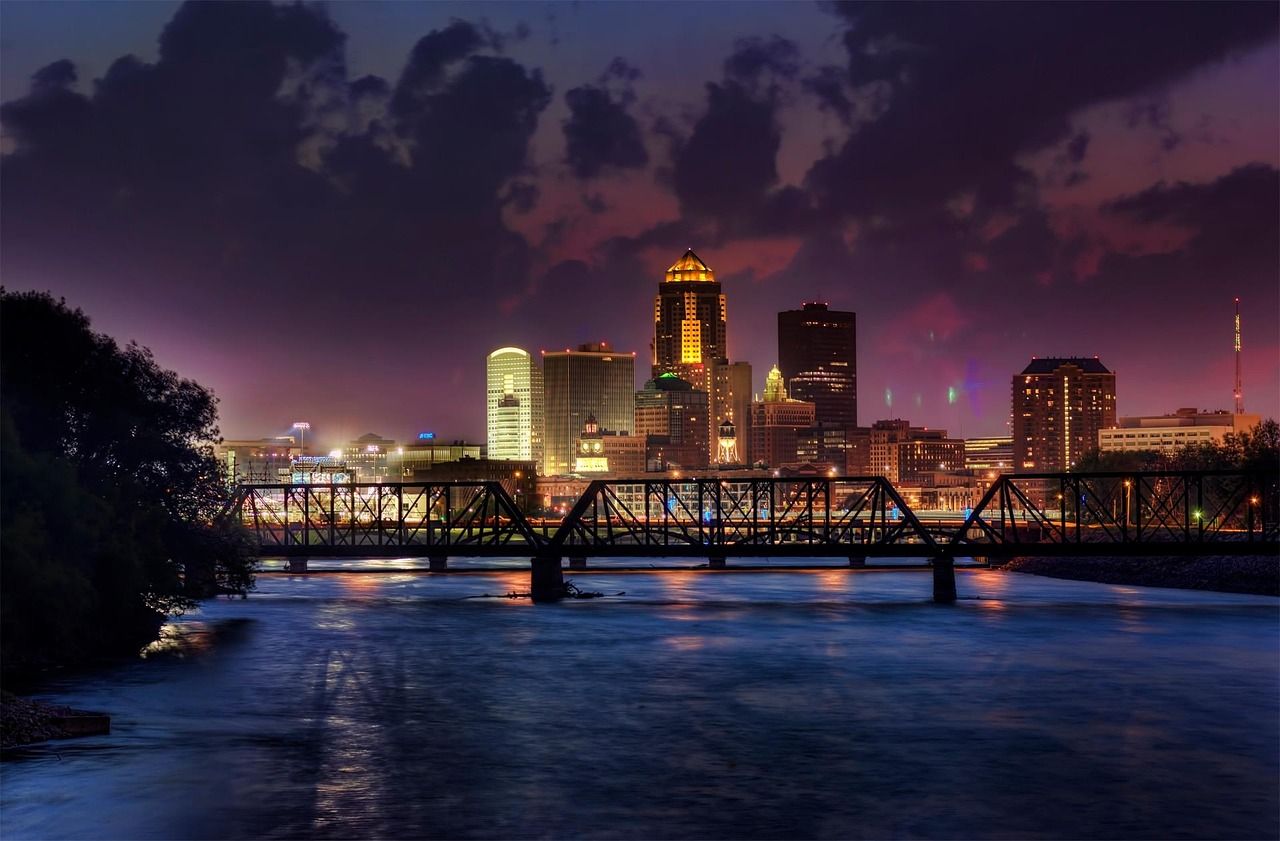
4. Newton, Iowa
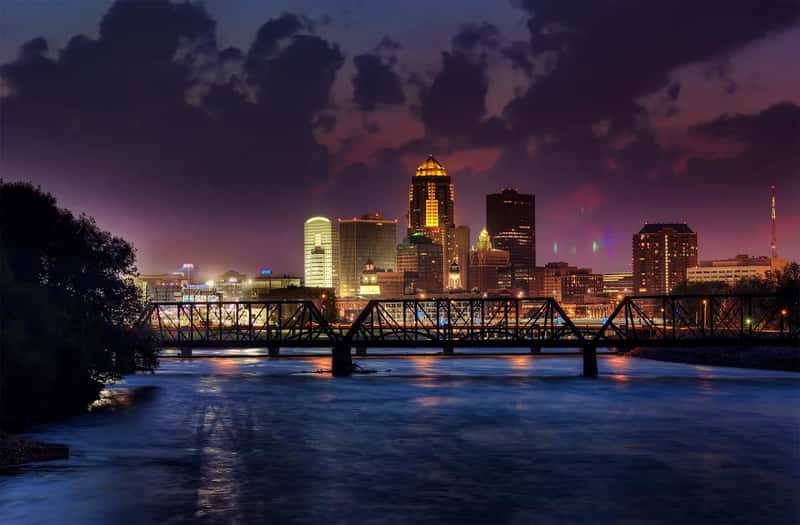
Newton, a smaller city that lost a major manufacturing employer years ago, has spent recent budget cycles trying to rebuild its population through direct incentives rather than waiting for organic growth. The initiative became Newton’s comeback plan, funded annually through the city budget and active through June 2026.[9] Unlike Tulsa or Northwest Arkansas, which target remote professionals broadly, Newton’s approach has been framed around long-term retention as much as initial recruitment.
The numbers suggest the strategy is working. Since its launch in 2021, the program has received over 58,600 applications, and retention has been equally impressive, with 97.3 percent of those who’ve participated for at least four months choosing to stay.[9] That retention rate stands out even among a crowded field of relocation programs, many of which see plenty of interest but far less follow-through once the initial payment clears.
Taken together, these four programs show a pattern rather than a coincidence. Cities and states with aging populations or shrinking workforces are betting that a few thousand dollars upfront, paired with genuine community support, produces residents who stay for years rather than months. Anyone considering one of these moves should read the fine print carefully, since income requirements, remote work eligibility, and residency commitments vary from program to program and can change between application cycles.