Airports have a strange way of turning ordinary people into their least patient selves. Somewhere between the security line and the boarding gate, small habits that seem harmless in the moment can quietly wear down everyone standing nearby. A few recent surveys and viral moments have put names to some of these behaviors, and the results say a lot about what actually bothers travelers most.
None of these habits are new, exactly, but they’ve become more visible as social media turns crowded gates and security lines into unexpected stages for etiquette debates. Here’s a closer look at five that keep coming up.
1. Gate lice: crowding the boarding door before it’s time
The term sounds harsh, but frequent flyers use it constantly for a reason. Frequent flyers call them gate lice, the people who pack around the boarding door 30 minutes before their group is called, shuffling forward whenever someone moves and creating a barricade of bags and elbows between the gate agent and everyone else.[1] It’s the kind of scene that plays out at nearly every busy departure gate, regardless of airline or airport.
This isn’t just an inconvenience for people trying to walk past. Wheelchair users and families with strollers were swallowed by the swarm, and the agent had to stop announcements repeatedly just to clear space around the gate.[2] Some of the pressure behind the crowding is understandable, since some of the rush is bin anxiety, the fear that if you don’t board first, someone will fill your overhead space.[2] Even so, American Airlines has started testing tech that flags early boarders with an audible alert, a sign that the airline industry itself now treats this as a real operational problem rather than a minor quirk.
2. Belt bumping: leaving your bin behind at security
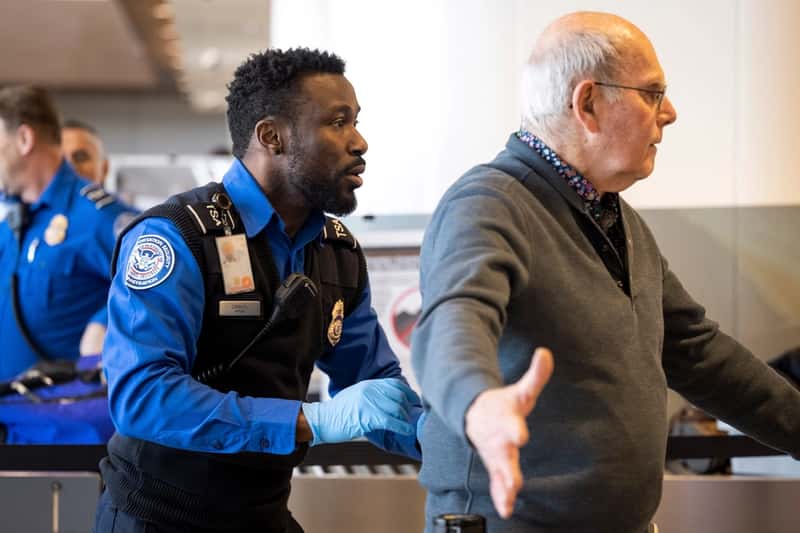
This one earned its own nickname in early 2026, and it spread fast once travelers started filming it. This inconsiderate trend sees flyers neglect to put their belongings bins away after getting their belongings scanned, invariably causing congestion on the conveyor belt.[3] The empty bins pile up at the far end, forcing the next person through to deal with a logjam that didn’t need to exist.
Etiquette experts have been fairly blunt about why it matters. Belt bumping creates a bottleneck in an already high-stress environment, and when people neglect to remove their empty bins from the conveyor belt, it slows the entire screening process.[4] Interestingly, part of the reluctance may come from hygiene concerns, since a study published in BMC Infectious Diseases found that TSA bins carry more germs than airport toilet seats.[4] That doesn’t excuse the habit, but it does explain why some travelers would rather not touch the bins twice.
3. Cutting in line at security or boarding
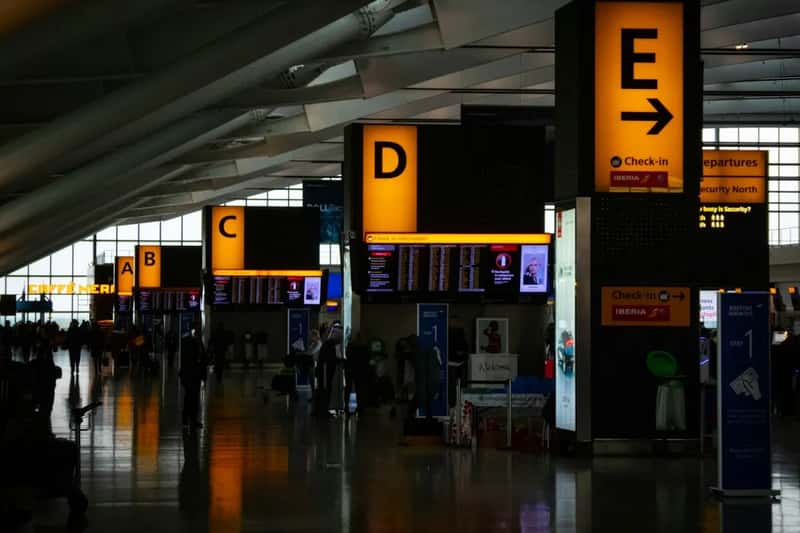
Of every airport pet peeve tested in recent research, this one topped the list by a wide margin. A poll of 9,000 travelers by the booking site Opodo found that the most common irritation, cited by nearly half, was people cutting in line at security or boarding.[1] That’s a striking result, given how many other frustrations airports tend to generate.
The numbers hold up across different countries too. In pole position, as the most annoying airport trait, was people cutting in line at security or boarding, with 48% of global respondents citing this as their biggest irritant, and 51% of British and French respondents agreeing.[5] Whether it’s someone squeezing past at security or slipping into an earlier boarding group at the gate, the behavior reads as a small act of disrespect toward everyone who’s been waiting their turn.
4. Seat and space hogging at the gate
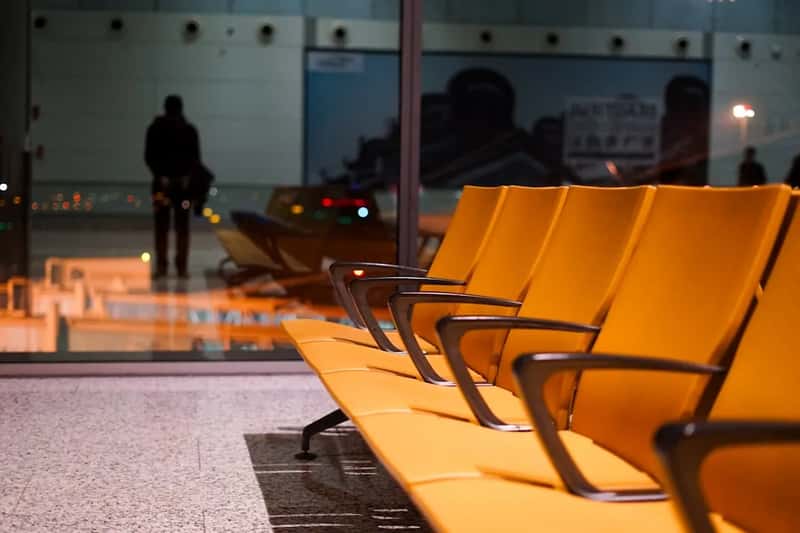
Gate areas rarely have enough seating to begin with, and some travelers make that worse without seeming to notice. In second place was a distaste for people who block a seat at the airport with their belongings while the seat is empty, a trait that 45% of global participants said they hate.[5] A jacket draped over one chair and a backpack on another can quietly take two seats out of circulation during a busy departure window.
The same instinct shows up with shared resources beyond seating. Travelers and gate staff have both pointed out how some passengers treat the limited power outlets near a gate as personal property the moment they sit down, leaving nobody else a place to charge a phone before a long flight. It’s a small thing individually, but multiplied across a crowded terminal, it adds up to a noticeably less pleasant wait for everyone else.
5. Playing videos or calls on speaker without headphones
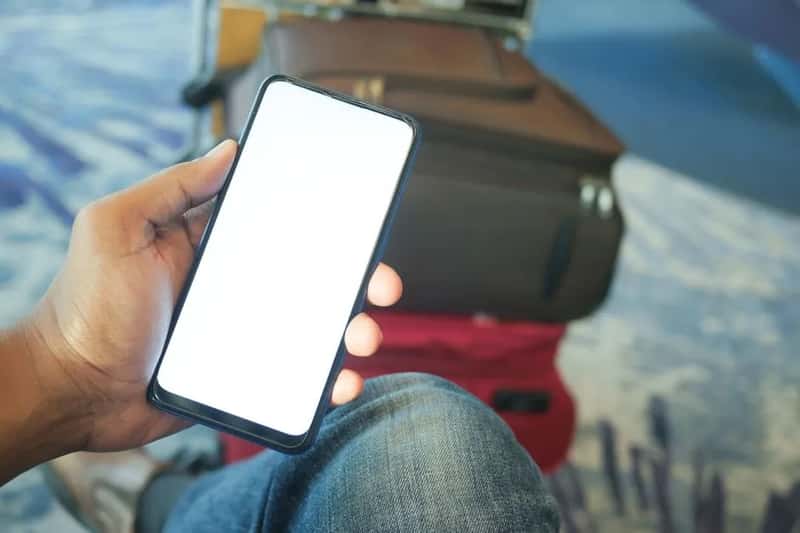
This habit doesn’t stay confined to the airplane cabin. TPG managing editor Becky Blaine noted it happens in the preboarding areas too, where people sit on their phones watching videos on full blast.[6] Waiting rooms already come with plenty of ambient noise, and a stranger’s video audio on top of that tends to grate quickly.
The scale of the annoyance is bigger than many might expect. According to the survey, 40% of passengers think airlines should ban phone and video calls aboard an aircraft, with 27% citing such noise as the most annoying passenger behavior.[6] Given how closely gate areas and cabins mirror each other in this respect, it’s fair to say the frustration starts well before anyone boards.
A note on what these habits have in common
Looking at these five behaviors together, a pattern emerges that has less to do with malice and more to do with distraction. Most travelers aren’t trying to be difficult; they’re juggling boarding passes, tired kids, tight connections, and their own anxiety about missing a flight. The habits that annoy people most tend to be the ones that ripple outward, slowing down a line, taking up shared space, or adding noise to an already tense environment.
None of these fixes require much effort. Stacking a bin, waiting for a boarding call, or keeping a video on headphones takes only a few seconds, yet it changes the experience for everyone standing nearby. Airports will likely never be relaxing places, but a little more awareness at the security belt or the gate door tends to go a long way toward making them slightly more bearable for the people sharing that space.