Picture this. You’re walking down a narrow alley, the air thick with the smell of grilled meats, bubbling broths, and spices that make your mouth water. Vendors shout from their stalls, smoke rises from sizzling woks, and locals crowd around plastic stools balanced precariously on sidewalks. This isn’t just food. It’s culture served on a plate, tradition passed down through generations, and honestly, some of the most delicious meals you’ll ever have.
Street food in Asia isn’t just a quick bite. It’s an entire experience, a window into the soul of a city. From steaming bowls of noodles to crispy fried snacks you can’t pronounce, these five cities have turned sidewalk dining into an art form. Let’s dive in.
Bangkok: The Undisputed Street Food Capital
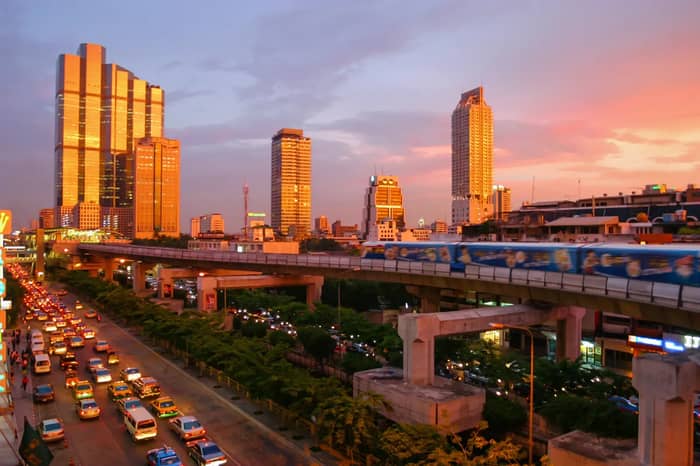
Let’s be real, Bangkok doesn’t just do street food well. It does it better than almost anywhere else on the planet. Bangkok has achieved global recognition as one of the top food destinations, ranking 6th in the world according to Time Out magazine’s list of The World’s 20 Best Cities for Food, which is pretty remarkable when you think about it. Walk down any street in this city and you’ll find vendors cooking up everything from pad thai to som tam, with the scent of lemongrass and chili filling the air.
The city’s street food scene is deeply woven into daily life. Thailand is home to one of the world’s most vibrant, thriving and beloved street food cultures – just one of the things that make its capital of Bangkok one of the world’s culinary hot spots. What’s crazy is how affordable it all is. Bangkok street food is amazingly cheap, and eateries catering to tourists will likely not run you more than 2 USD for a single dish.
From Yaowarat’s Chinatown chaos to Victory Monument’s circular buffet of options, Bangkok rewards the adventurous eater. Bangkok is the best city in the world for street food, according to food bloggers who’ve spent years navigating its streets. It’s hard to argue with that when you’re slurping boat noodles at dawn or biting into a crispy roti at midnight.
Singapore: UNESCO-Recognized Hawker Heritage

Singapore took its hawker culture so seriously that it earned UNESCO recognition, which is no small feat. Hawkers are so central to Singapore’s life that the country recently led a successful campaign to have the practice inscribed on the 2020 UNESCO Representative List of the Intangible Cultural Heritage of Humanity. That’s not just about the food itself but about what these hawker centers represent.
Across the city-state, the ubiquitous open-air food complexes are packed with closet-sized stalls, manned by hawkers – businesspeople who both cook and sell fare from Hainanese-style chicken to Peranakan laksa. The government even launched programs to keep this tradition alive. In 2020, the Singapore government launched new apprenticeship and incubation programs that pay veteran hawkers a stipend to teach newcomers their craft, with first-time hawkers also receiving deeply discounted rent in their first year.
What makes Singapore stand out? It’s the perfect blend of cultures on one plate. You’ve got Chinese roast duck next to Indian curry puffs, Malay satay across from Thai noodles. Today, you’ll find more than 100 of these centers throughout Singapore serving Chinese, Malay, Indian, and other cuisines alongside each other. Honestly, where else can you eat Michelin-starred street food for pocket change?
Taipei: Night Markets That Never Sleep
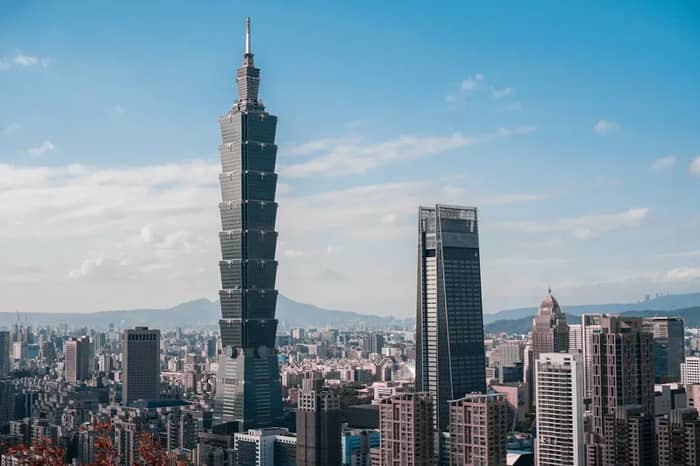
With origins as early as 1909, Shilin Night Market is Taiwan’s most famous night market, the largest and also most touristy in Taipei, with at its peak there being 500+ food vendors. Yet in recent years, Raohe Night Market has taken over as the top night market in Taipei, with most serious foodies agreeing that it simply has the best array of awesome foods.
No culinary adventure through Asia is complete without a visit to Taipei’s Ningxia Night Market, renowned for its diverse flavours, serving up everything from rich, comforting oyster vermicelli to the bold and iconic stinky tofu. The sheer variety is mind-boggling. You can sample soup dumplings, pepper buns fresh from tandoor ovens, braised pork rice, and bubble tea all in one evening.
Ho Chi Minh City: Vietnam’s Southern Food Paradise
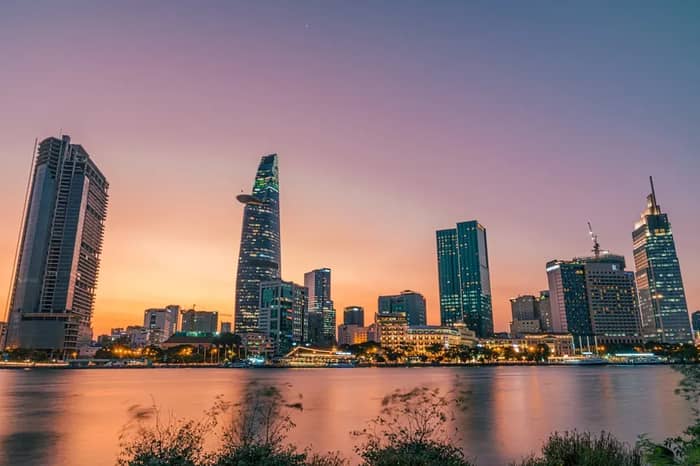
Ho Chi Minh City – or Saigon, as many still call it – feels like one giant, sprawling restaurant. The street food scene permeates every district, neighbourhood and alleyway, with the city boasting so many street food outlets that at times the southern metropolis looks, feels and smells like one gigantic, open-air restaurant where every day, thousands of street-side eateries offer up delicious, cheap food.
What’s fascinating here is how the Vietnamese have taken influences from their colonial past and neighboring countries, then made them uniquely their own. French baguettes became banh mi. Chinese noodles evolved into pho and hu tieu. Ho Chi Minh City is known for its high-calibre street food at rock-bottom prices, with some of the strongest contenders for eating, drinking, being merry, and not breaking the bank.
Ho Thi Ky Food Street has earned a spot among the “10 Interesting Shopping Destinations” of Ho Chi Minh City in December 2023, evolving from a narrow alley into a celebrated culinary destination, with this 300-meter stretch buzzing with activity from 125 food vendors every day. The vendors here are descendants of Cambodian refugees, bringing dishes like num-bo-chok noodles that have become local favorites.
Penang: Malaysia’s Melting Pot of Flavors
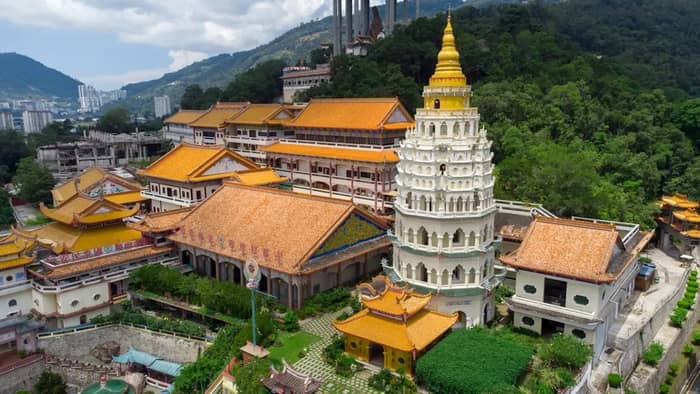
Penang might be smaller than the other cities on this list, yet it punches well above its weight when it comes to street food. This Malaysian island is where Malay, Chinese, and Indian cuisines collide in the most delicious way possible. The result? A food scene so diverse and flavorful that UNESCO designated George Town as a Creative City of Gastronomy.
The hawker centers here are legendary. Gurney Drive, Red Garden, and the famous Chulia Street night market all serve up dishes that have locals queuing for hours. Think char kway teow with perfectly charred noodles, assam laksa so sour and spicy it makes your eyes water, and nasi kandar with curries piled high on rice. The Indian Muslim community contributes roti canai, so flaky it shatters at first bite, while the Chinese bring wonton mee and hokkien mee to the table.
What makes Penang special is how fiercely protective locals are of their food culture. They’ll argue passionately about which stall makes the best Penang laksa or where to find the crispiest rojak. This pride in culinary tradition means standards remain incredibly high, even at the most humble roadside stall. Every dish tells a story of migration, adaptation, and cultural fusion that defines modern Malaysia.
Where Will Your Street Food Journey Take You?
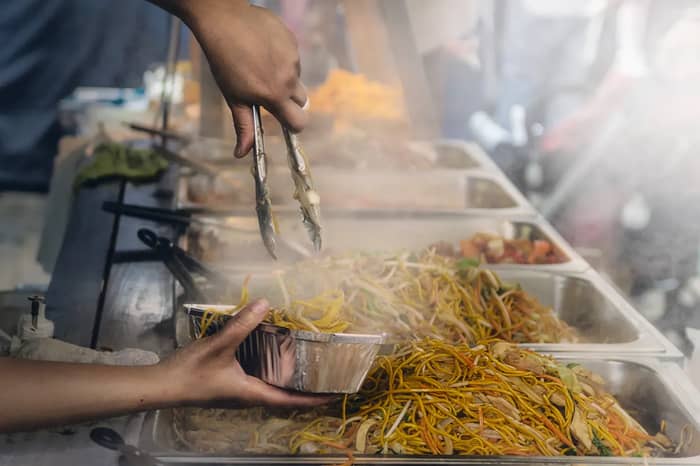
These five cities prove that some of the world’s best meals don’t happen in fancy restaurants with white tablecloths and sommeliers. They happen on plastic stools, with napkins made of tissue paper, surrounded by the sounds and smells of a city that refuses to slow down. Street food is where tradition lives, where recipes passed down through generations meet hungry crowds every single day.
The beauty of Asian street food lies in its accessibility. You don’t need reservations or dress codes. Just an appetite and a sense of adventure. Whether you’re biting into a Bangkok pepper bun, savoring Singapore’s chicken rice, munching on Taipei’s stinky tofu, slurping pho in Saigon, or diving into Penang’s laksa, you’re not just eating. You’re participating in a living, breathing food culture that’s been perfected over decades.
So, which city are you visiting first? Because honestly, your stomach deserves this kind of adventure.