Coffee quality is a strange thing to rank. A country can grow enormous volumes of beans and still fall short of what serious tasters call “specialty grade,” while a much smaller producer earns a reputation that outlasts trends for decades. The five countries below all make genuinely excellent coffee, just not in equal measure, and the gap between them says a lot about soil, altitude, and the patience farmers put into the process.
What follows isn’t a production chart. It’s a look at which origins consistently deliver something worth savoring, starting with the one that’s good but not quite great, and ending with the country most coffee professionals still treat as the gold standard.
5. Vietnam
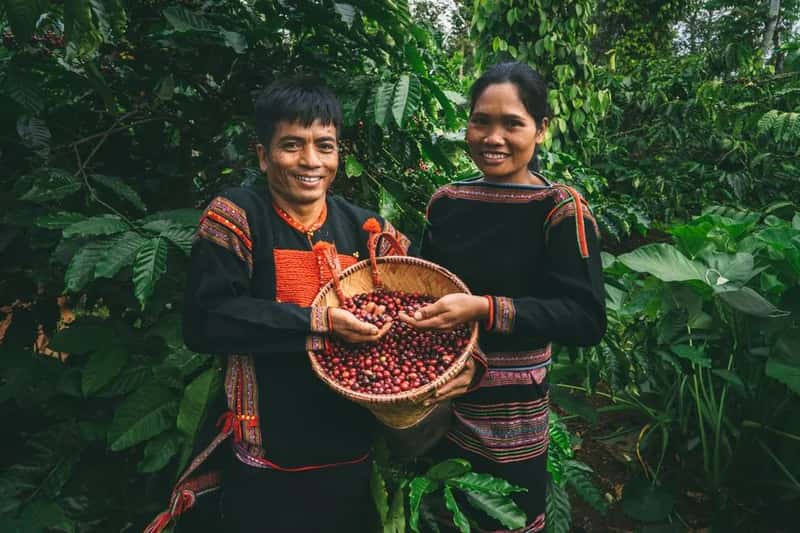
Vietnam earns its spot on this list almost entirely through consistency and sheer scale rather than complexity in the cup. It is one of the world’s biggest Robusta producers, with output forecast at about 30 million 60-kg bags in 2025/26, accounting for roughly 40% of global Robusta production. Most of that volume comes from a specific stretch of highlands rather than being spread thin across the country.
The Central Highlands, especially Đắk Lắk, Gia Lai, and Kon Tum, are the heart of that production, responsible for the bulk of Vietnam’s coffee output. The resulting beans tend to be bold, heavy-bodied, and high in caffeine rather than delicate. Robusta from this region isn’t just heavy on caffeine, it’s rich, bold, and a foundation for many of the instant coffee blends you see on shelves worldwide. It’s dependable coffee, just rarely the kind that wins cupping competitions.
4. Brazil
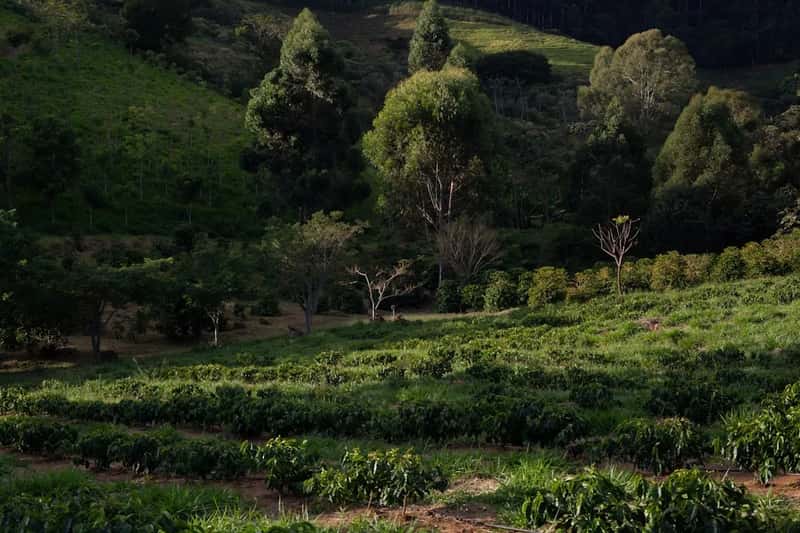
Brazil sits at the other end of the volume spectrum from a niche origin, and that scale is both its strength and its limitation. Brazil is the largest coffee-producing country in the world, producing approximately 63 million 60-kg bags in the 2025/26 crop year, roughly 35% of global supply. Most of that output is solid, workhorse coffee rather than anything transcendent.
Still, Brazil is capable of real quality when growers slow down and get selective. For specialty buyers, the relevant lots come from Minas Gerais and Sul de Minas, Yellow Catuai and Bourbon varieties processed natural or pulped natural, with SCA scores reaching 85+ points on well-selected microlots. That’s genuinely good coffee, though it’s a small slice of a massive harvest. Brazil’s commercial-grade natural-process beans are also the primary base for Italian-style espresso blends globally, which explains why so much of the world’s espresso has a familiar, chocolatey backbone rather than fruit or floral notes.
3. Indonesia
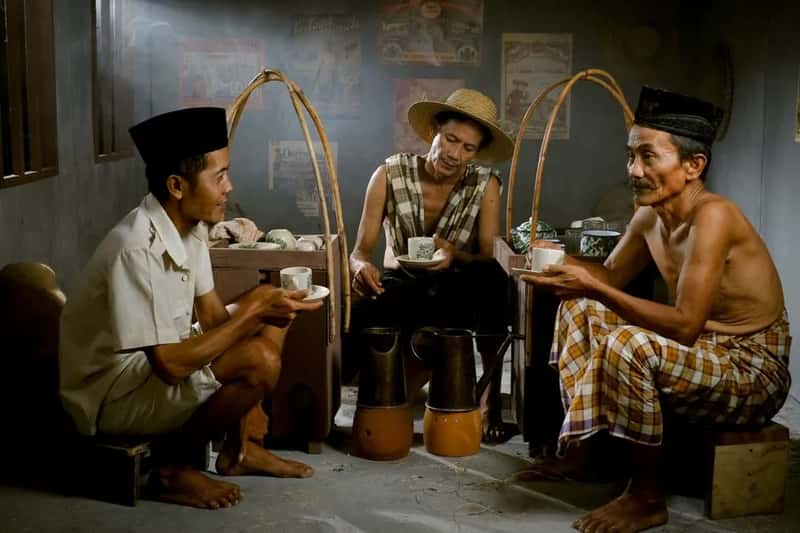
Indonesia’s coffee culture is unusually fragmented across islands, and that geography is exactly what gives its beans such a distinct identity. Indonesia produces approximately 10 million 60-kg bags and holds a position in the global top five that no other Southeast Asian origin comes close to matching at specialty grade. No two regions taste quite the same, which makes exploring Indonesian coffee feel like its own small hobby.
Sumatra dominates the country’s output and its reputation. The island alone produces around 60–70% of Indonesia’s green coffee, and much of it remains distinctive because of the Giling Basah wet-hulling process, where beans are hulled while still semi-wet, giving Sumatran coffees a full body, earthy richness, low acidity, and sometimes spicy, herbal notes. Java, meanwhile, leans in a different direction. Java has an equally long history and is known for its balanced, smoother Arabica, which historically became part of the classic Mocha-Java blend that coffee lovers have enjoyed for centuries.
2. Colombia
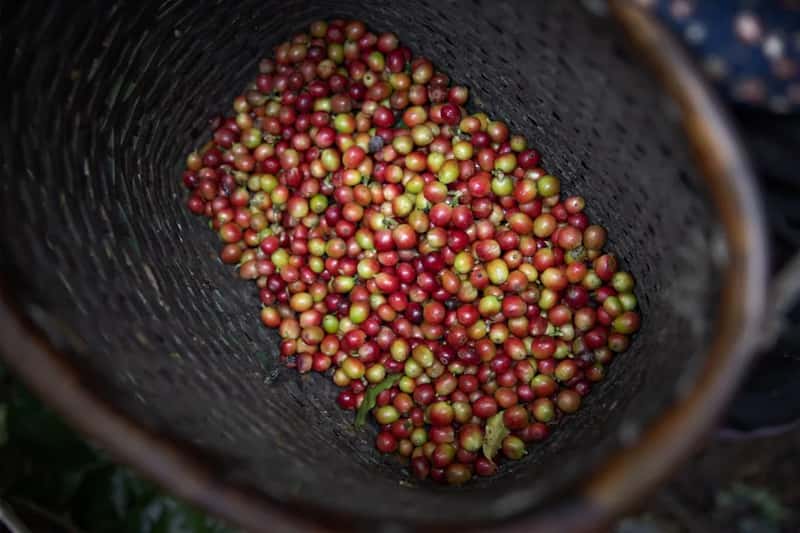
Colombia’s reputation for quality isn’t accidental, it’s institutional. Colombia produces approximately 13.5 million 60-kg bags, exclusively washed Arabica, grown at 1,200–2,000 metres above sea level across the Andes. That single-minded focus on washed Arabica, without the Robusta side businesses that dilute quality in other big producers, is a big part of why the country’s cup profile is so consistently clean.
What really sets Colombia apart is oversight. The Colombian Coffee Growers Federation (FNC) enforces mandatory export quality standards, meaning the floor for Colombian green beans entering international trade is meaningfully higher than most origins. The results show up in cupping scores across multiple regions rather than just one famous valley. Nariño, Huila, and Antioquia regularly produce lots scoring 85-90 SCA points. It’s the kind of coffee roasters can build a year-round program around, because the quality doesn’t swing wildly from harvest to harvest.
1. Ethiopia

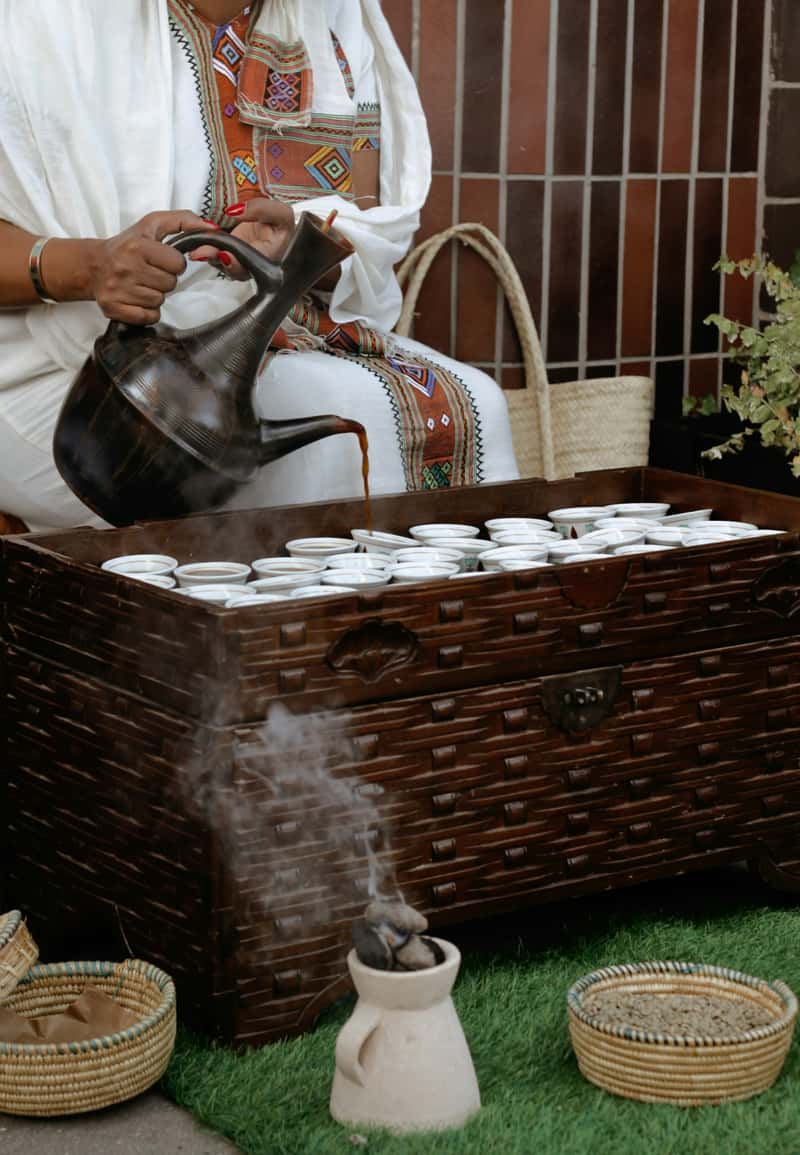
Ethiopia tops this list for a reason that goes beyond marketing: it’s simply where the Arabica plant originated, and that deep genetic diversity still shows up in the cup. As the birthplace of coffee, Ethiopia is home to over 6,000 unique coffee varieties, each offering a remarkable range of flavors and aromas. No other country can draw on that kind of raw genetic material, and it’s part of why Ethiopian lots taste so different from region to region.
The scores back up the reputation. Ethiopia consistently produces the highest-scoring specialty coffee globally, with SCA cupping scores reaching 88–92 points from Yirgacheffe, Sidama, and Guji. Yirgacheffe in particular has become shorthand for a certain kind of elegance in the industry. Yirgacheffe built its reputation on clean, floral, almost tea-like cups, to the point that “Yirgacheffe” is shorthand among roasters for a certain kind of elegance. Production is also unusually personal here, since unlike Brazil and Vietnam, Ethiopia’s production is largely smallholder based, which creates traceable supply chains that appeal to specialty buyers and premium roasters. That combination of genetic diversity, high altitude, and small-farm attention is hard to replicate anywhere else, which is exactly why Ethiopia still sits at the top.
Ranking coffee-producing countries always involves a bit of a moving target, since harvests shift year to year and a bad drought can knock even a reliable origin down a notch. Still, the pattern here has held for years: Vietnam and Brazil win on volume and consistency, Indonesia and Colombia bring distinct regional character and tighter quality control, and Ethiopia keeps producing the kind of coffee that makes people rethink what the drink can taste like in the first place.