Even in 2025, millions of women around the world still couldn’t book a flight, cross a border, or apply for a passport without a man’s permission. While many of us take for granted the freedom to travel wherever we want, whenever we want, there are countries where a woman’s ability to leave her own nation depends entirely on whether her husband, father, or brother agrees. It’s not ancient history or a relic of the distant past. These restrictions exist today, enforced by law, limiting the basic human right to move freely.
The reasons behind these policies vary from religious interpretations to deeply rooted cultural traditions, but the impact is the same: women’s autonomy is severely restricted. Some countries have made reforms in recent years, while others have tightened their grip even further. Understanding which nations still enforce these travel bans and how they justify them reveals uncomfortable truths about gender inequality that persist in our modern world. Let’s dive into the countries where women still need permission to travel abroad.
Afghanistan: Where Women Cannot Move Without a Male Guardian

Afghanistan stood as the most extreme example of women’s travel restrictions in 2025, when the Taliban announced a “promotion of virtue and prevention of vice” law that barred women from traveling or using public transportation without a male guardian. In August 2024, the Taliban issued laws banning the transportation of women traveling alone, and women and men who are not related to each other mixing. Women are mandated to wear face coverings in public and barred from travelling more than 70 kilometres (45 mi) without a close male relative.
Women who are unmarried or do not have a “mahram,” or male guardian, face even tougher restrictions and have been cut off from access to health care, banned from traveling long distances, and pressured to quit their jobs. Single and unaccompanied women, including an estimated 2 million widows, say they are essentially prisoners in their homes and unable to carry out even the most basic of tasks. Women are expected to be escorted by a male relative and can be detained for traveling alone. The situation is so severe that even leaving home for daily necessities requires male accompaniment, trapping millions of women in virtual house arrest.
Iran: Married Women Must Obtain Husband’s Written Permission

In Iran, married women must show their husband’s permission to obtain a passport and to travel. According to Iranian marriage laws, women are not allowed to petition for a divorce, and they can only travel with their husbands’ permission. This creates a particularly vulnerable situation where some women discover their husbands have revoked travel permission at the airport. Single women over 18 have more freedom than their married counterparts, showing how marriage actually reduces women’s autonomy in Iran.
A woman is required by Iranian law to have the permission of her husband before she can leave the country or obtain a passport. In response to this, many Iranian women created a protest called “Women’s right to travel” which has garnered over 50,000 signatures. To date, the only way women in Iran can circumvent travel restrictions is for a marriage contract to include an unlimited right to travel without a husband’s consent. Yet even women who include this provision face challenges in practice, sometimes being asked for permission despite their contracts.
Yemen: Complex Travel Restrictions Across All Regions
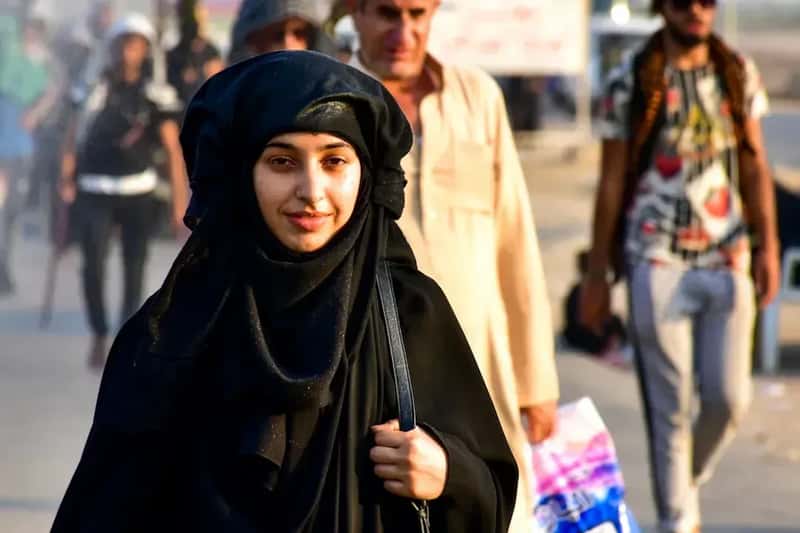
Parties to the conflict in Yemen, including the Houthis, the Yemeni government, and the Southern Transitional Council, are systematically violating women’s right to freedom of movement by barring women from traveling between governorates and, in some cases, from traveling abroad without a male guardian’s permission or being accompanied by an immediate male relative. The situation is complicated because different authorities control different regions, yet they all maintain restrictions on women’s movement.
Such rules have forced many female Yemeni staff at nongovernmental organizations and United Nations agencies to leave their jobs, losing much-needed income for their families. The humanitarian implications are staggering when the very women trying to deliver aid cannot travel to do their work. These restrictions violate Yemen’s constitution which claims that “freedom of movement from one place to another within the country is guaranteed for all citizens.” The practical impact extends far beyond individual inconvenience, affecting the entire humanitarian response in a country facing severe crisis.
Qatar: Comprehensive Male Guardianship System Remains
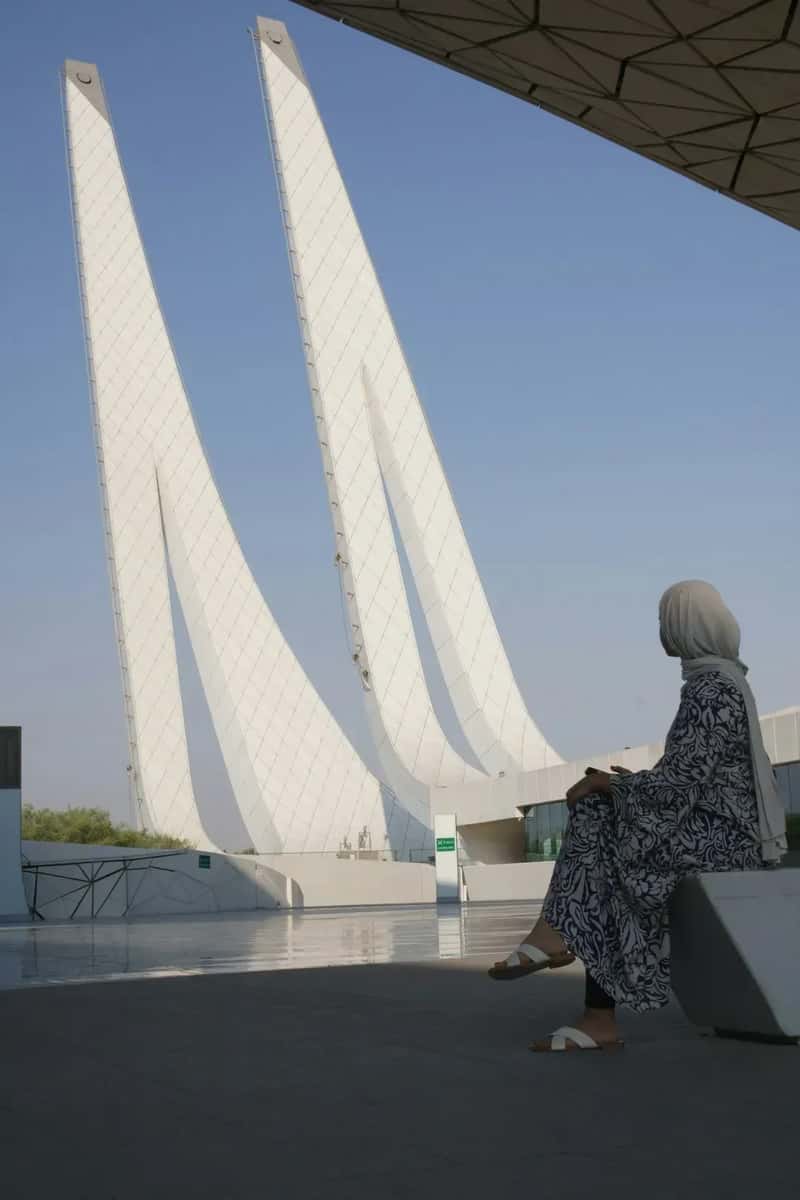
Human Rights Watch found that women in Qatar must obtain permission from their male guardians to marry, study abroad on government scholarships, work in many government jobs, travel abroad until certain ages, and receive some forms of reproductive health care. By law, women under the age of 25 are not allowed to travel without the permission of a male guardian. However, many Qatari women over the age 25 started experiencing restriction on traveling without male guardian permission.
Qatar’s laws require women to have a male guardian’s permission to marry, regardless of age or former marital status. Once married, she can be deemed “disobedient” if she does not obtain her husband’s permission before working, traveling, or if she leaves her home or refuses to have sex with him, without a “legitimate” reason. Qatar is the last remaining Gulf Cooperation Council country that restricts travel for local Qatari women. The restrictions create significant mental health challenges for women who feel their entire lives are controlled by male relatives.
Saudi Arabia: Reformed but Restrictions Remain for Some
As of 1 August 2019, women have the right to register for divorce and marriage, apply for passports and other official documents, and travel abroad without their guardian’s permission. This reform only applies to women aged 21 and above. Women below this age must still obtain approval from a male guardian to apply for a passport or travel abroad, unless they are married, on government scholarships, or working for a government organization.
According to Human Rights Watch and Amnesty International, Saudi women are still discriminated against in terms of marriage, family, and divorce despite the reforms, and the Saudi government continues to target and repress women’s rights activists and movements. Saudi Arabia remained near the bottom of the World Economic Forum’s Global Gender Index, ranking 132nd out of 148 countries in the 2025 report. While the 2019 reforms represent significant progress compared to the absolute control guardians previously held, substantial barriers remain for younger women and enforcement varies across the kingdom.
The Reality Behind These Restrictions
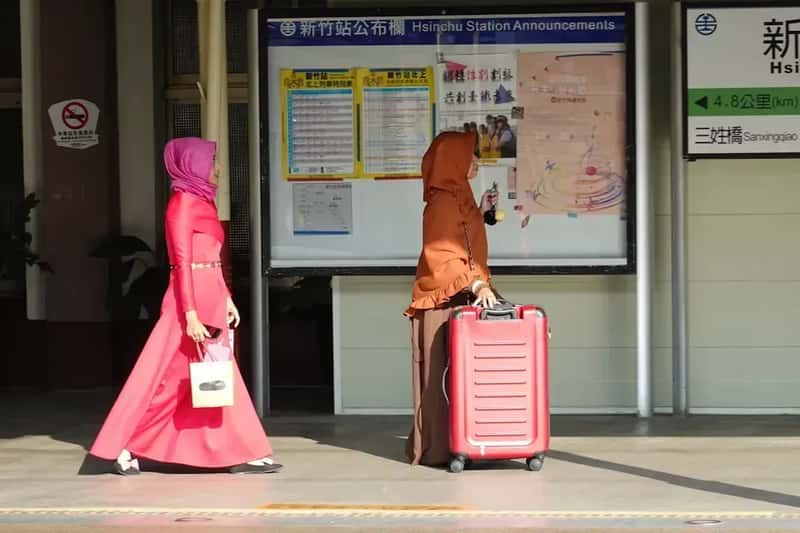
Although many of these foreign governments claim the male guardianship rules are to ensure the safety of its female citizens, many believe control is the reason women’s travel rights are limited. This includes preventing women from leaving men they no longer desire to be married to and fleeing the country. Discriminatory movement restrictions also breach women’s right to equality before the law as well as their related rights including to work, study, marry, access health care, provide care to their children in their child’s best interests on an equal basis with men, and be free of violence.
HRW researchers examined requirements in twenty MENA countries related to women’s mobility, including their ability to obtain a passport and travel abroad. In most countries, researchers found that women are often dependent on their fathers, brothers, and spouses for permission to move. The restrictions have forced countless women to abandon career opportunities, miss family emergencies, and remain trapped in abusive relationships. While some progress has occurred in recent years, millions of women worldwide still cannot exercise their fundamental human right to freedom of movement without male permission. What does it say about our world that in 2026, women are still fighting for the right to simply leave their homes?