Travel budgets have a funny way of stretching further in places nobody expected. While inflation has squeezed household finances across much of the world, a handful of long dreamed about destinations quietly became more affordable over the past year, not because prices fell in local terms, but because currency shifts and economic corrections handed foreign visitors and remote workers an unexpected discount.
Some of these places went through painful domestic adjustments to get there. Others simply rode a wave of exchange rate movement that happened to work in outsiders’ favor. Either way, the numbers tell a clear story for anyone weighing where their money might go furthest right now.
Japan

Japan has spent the better part of two years turning into one of the most talked about value destinations on the planet, and the trend has only deepened. The Japanese yen has seen a dramatic fall, with 1,000 yen trading at approximately US$6.78 as of August 2025, making the country significantly cheaper for overseas tourists compared to past years. For anyone earning in dollars, euros, or pounds, that shift has translated into real savings across hotels, meals, and transit.
The yen’s weakness against the dollar and euro has meant that if you receive income in USD, EUR, or GBP, your purchasing power in Japan is significantly higher than a few years ago, effectively a 20 to 30 percent discount on everything. The effect has been so noticeable that international surveys have taken notice. A recent survey conducted by the UK’s Post Office ranked Tokyo as the third most affordable holiday destination worldwide in 2025. Visitor numbers reflect the shift too, since Japan welcomed a record 42.8 million foreign visitors in 2025.
Turkey
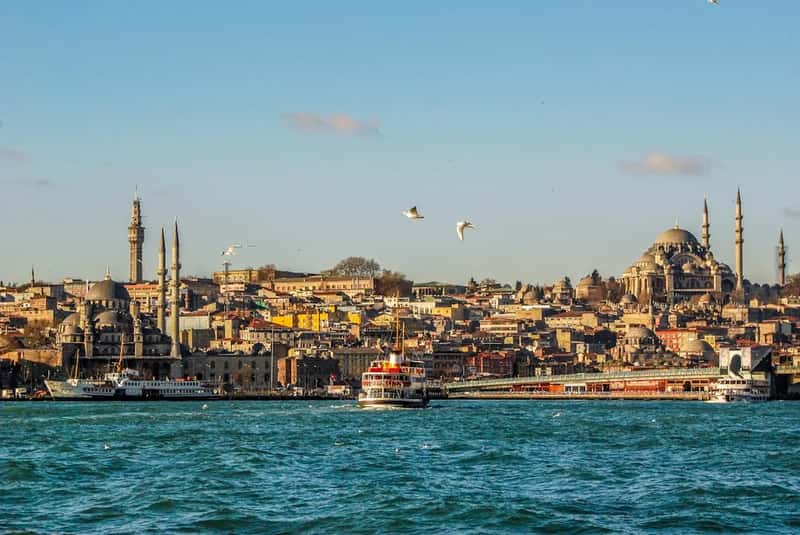
Istanbul has always had a reputation as an affordable European gateway, but the past year pushed that reputation into new territory for foreign spenders. Turkey’s currency has been under sustained pressure, and while that has made life harder for locals paid in lira, it has done the opposite for anyone bringing in outside income. Turkey’s 51.4% inflation rate makes USD denominated income extraordinarily powerful, and expats earning abroad enjoy dramatic purchasing power gains despite nominal lira devaluation.
Rent tells the clearest part of the story. Premium expat neighborhoods on the European side, including Besiktas, Kadikoy, and Sisli, rent furnished one bedroom apartments at 400 to 800 dollars per month with modern amenities and reliable utilities. Meanwhile local wages have not kept pace, since the gross minimum wage was set at 26,005 liras for 2025, which is around 730 dollars per month. That gap between local earnings and foreign spending power is exactly why Istanbul now feels like such a bargain to outside visitors.
Egypt

Few destinations illustrate the currency effect on travel costs more dramatically than Egypt. The Egyptian pound has been devalued repeatedly since the early 2020s, and the cumulative effect has reshaped what a dollar buys in Cairo, Luxor, and along the Red Sea coast. While one dollar still equalled about 15 EGP at the beginning of 2021, the same dollar now gets a little less than 50 EGP.
That single fact explains why hotel rooms, museum tickets, and Nile cruises now feel like steals compared to just a few years back. The trend traces to a series of policy moves, including one where Egypt devalued their currency against the US dollar by 15 percent in November 2022 as part of a broader shift toward a floating exchange rate. Tourism has responded accordingly, with Egypt expected to receive around 15 million visitors in a recent year, which would beat the previous record set in 2010 of 14.7 million.
Sri Lanka

Sri Lanka’s path to affordability came through crisis rather than gradual drift. The island’s economic collapse a few years ago reset prices in ways that have not fully caught up even now, which is exactly what makes it such good value for visitors today. When currencies reset, price tags don’t always keep up in the short term, and travelers feel that lag as value.
What that means in practice is beaches, tea country, and wildlife parks priced well below comparable experiences elsewhere in Asia. Guesthouses with homemade curries, scenic rail rides, national parks, and Ayurvedic treatments all price out gently compared to similar experiences elsewhere in Asia. Upgrades cost less too, whether that means a sea view room, a private driver through the hill country switchbacks, or a special occasion dinner that would cost far more in Thailand or Vietnam.
Laos

Laos rarely gets top billing next to its Southeast Asian neighbors, but that is precisely why it has become such a sleeper value pick. The kip has weakened considerably in recent years amid broader debt pressures facing the country, and that decline has kept everyday costs remarkably low for anyone paying in foreign currency. Laos is particularly famous for its low cost of living, especially in areas like Luang Prabang.
Riverside guesthouses, night market meals, and boat trips along the Mekong all come in well under what similar experiences cost in neighboring Thailand or Vietnam. The trade off is fewer crowds and a slower travel rhythm, which many visitors count as a bonus rather than a drawback. For travelers willing to skip the more heavily marketed stops, Laos currently offers some of the best value left in the region.
Taken together, these five destinations show how much currency movements and economic disruption can reshape what a trip actually costs, sometimes in a single year. The savings are real, but they come from very different circumstances, ranging from deliberate exchange rate policy in Japan to genuine economic hardship in Sri Lanka and Egypt. Anyone planning a trip around these shifts should keep in mind that the same forces making travel cheaper for outsiders are often making daily life harder for the people who live there year round.