Most American road trips chase the famous names: national parks, big-city skylines, neon strips. A handful of places sit far off those routes, with few residents, long drives between services and very little traffic passing through. Some even wear the “loneliest” label on purpose.
Loneliness is hard to measure, so this list leans on documented details such as census counts, distances to the nearest towns, flight schedules and local claims. Each town below has real history and a reason to stop, even if most travelers drive right past.
Loyalton, California
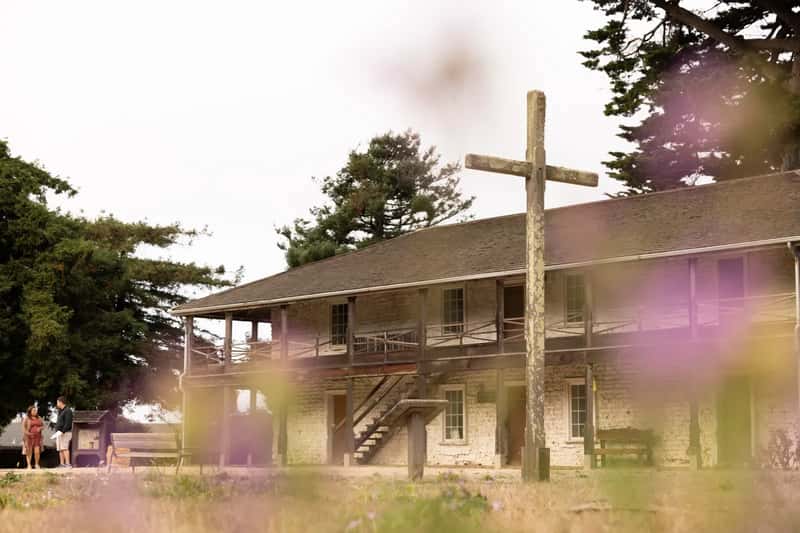
Loyalton has officially claimed the title for itself. The town declared itself “The Loneliest Town in America” when its population was 729 and falling.[1] Resident Bob Macey built a website to back up the claim, arguing that an average of 10.4 people pass through town each day.[1] That’s a self-published tally rather than an official statistic, and the population figure comes from older coverage, so treat both as a snapshot.
The argument is more about geography than distance. Macey’s point is that Loyalton sits within 40 miles of two major interstate highways and Reno’s international airport, so it should see more visitors than it does.[1] It lies in California’s Sierra Valley.[2] The town is easy to reach and still easy to skip, which makes it a different kind of lonely than the places further down this list.
Opheim, Montana
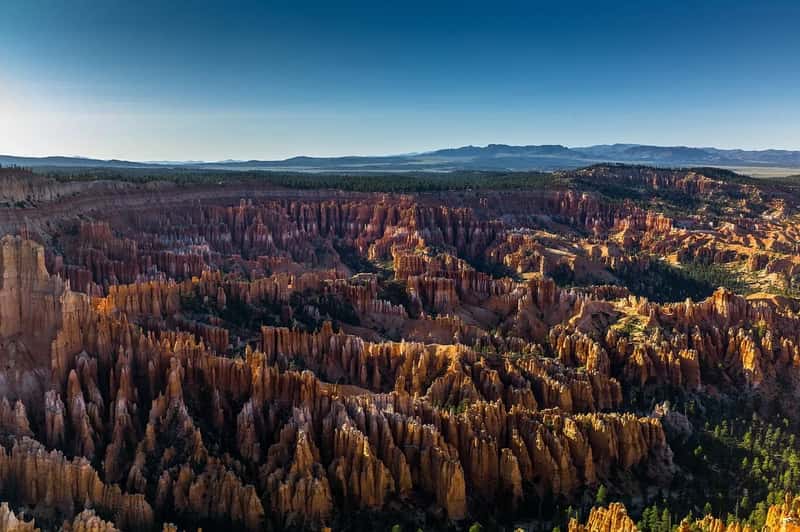
Opheim sits in the plains of northeastern Montana, ten miles from the Saskatchewan border.[3] It’s in Valley County, and the 2020 census counted 75 people.[4] A recent mapping study that measured distance to the nearest city of 10,000 or more ranked Opheim the most isolated town in the lower 48, 138 straight-line miles from Williston, North Dakota.[5] That study uses a larger population figure than the census count for the town proper, so the numbers don’t line up exactly.
The town has seen busier days. An Air Force radar station once operated nearby, and the population has dropped significantly since it closed in 1979.[4] Travelers who do make the trip can drive the 51-mile stretch of Montana Highway 24 from Glasgow, which crosses some of the wildest prairie in northern Missouri River Country.[3] Seasonal visitors can also tour Granrud’s Lefse, about a mile south of town, which runs from fall into April.[3]
Eureka, Nevada

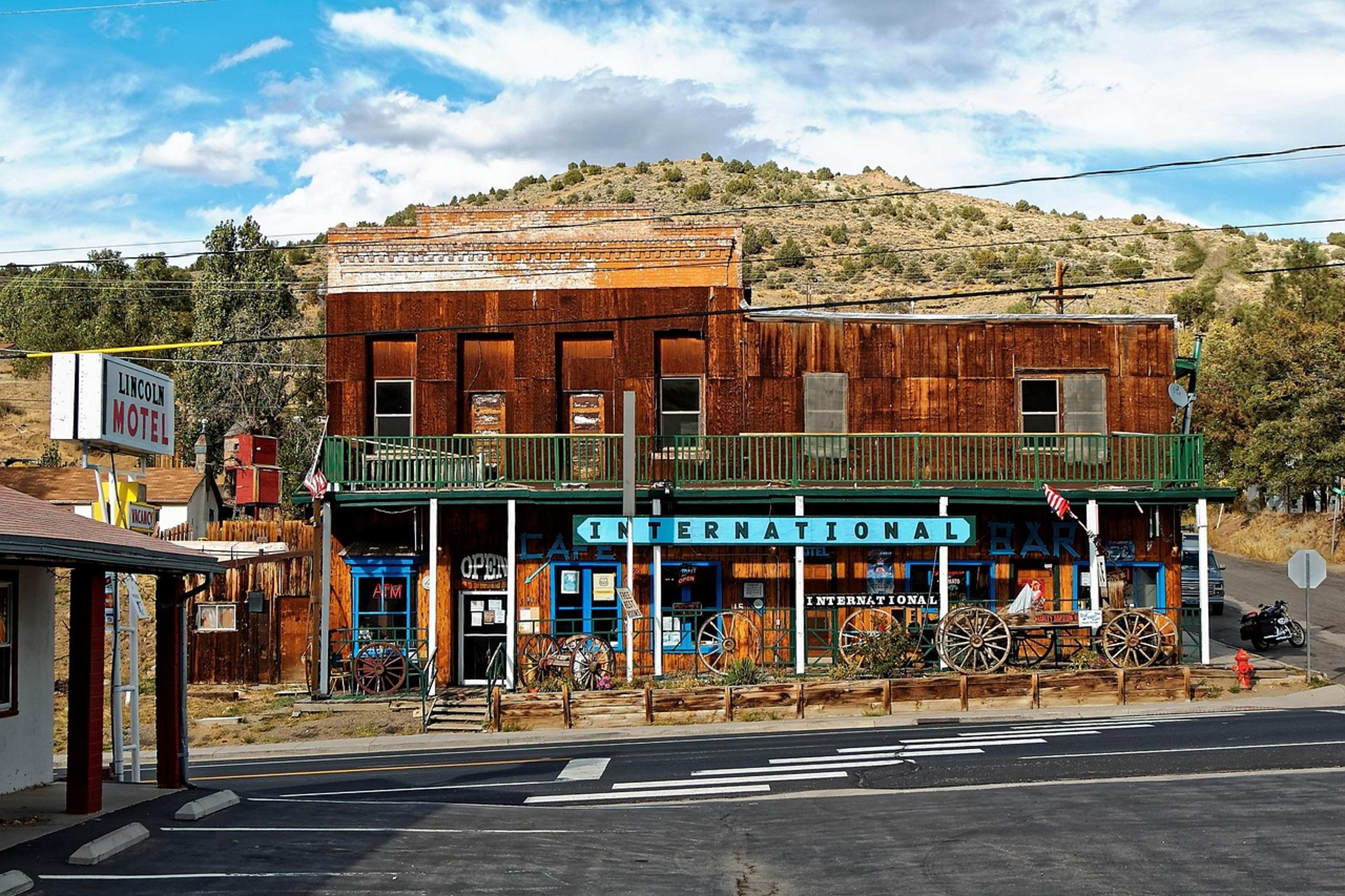
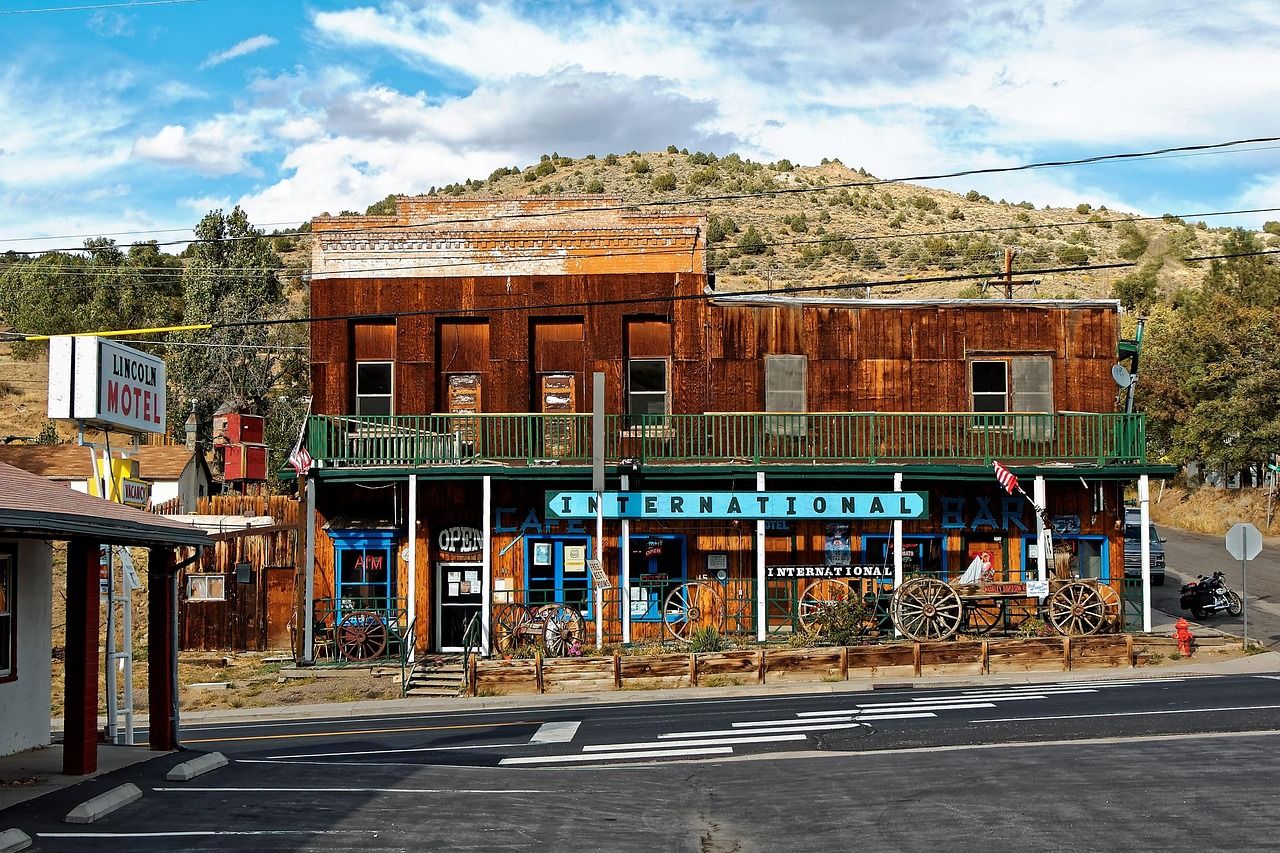
Eureka calls itself the “Friendliest Town on the Loneliest Road.” Life magazine gave U.S. Route 50 across Nevada the “Loneliest Road in America” label in July 1986 as a pejorative, but state officials turned it into a marketing slogan.[6] The distances show why it stuck. The nearest towns along the highway are Austin, 70 miles west, and Ely, 77 miles east.[7]
The 2020 census counted 414 people in Eureka, which is the county seat of Eureka County.[7] During the silver boom of the 1880s it had 16 smelters, over 100 saloons and a population of 10,000, and by 1878 it was the state’s second largest city.[8] Today it’s a quiet main street with a lot of history packed into a small footprint.
Austin, Nevada
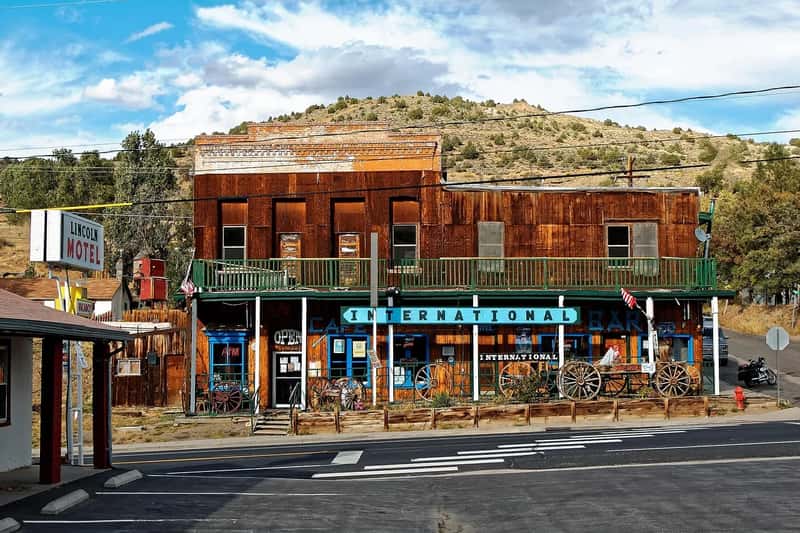
Austin is the other well-known stop on Highway 50. Between Fallon and Austin, it’s 110 lonely miles.[9] The town perches at an elevation of 6,605 feet, and sources have put its population at roughly 450.[10] Other travel writers cite far smaller counts, so the exact number is unsettled, but it’s clearly a few hundred people at most.
It was once a major player. In the 1860s this silver mining town was the second largest in Nevada, with a population near 10,000.[10] It became the county seat in 1863.[10] Today it still claims three frontier churches, several cemeteries and a number of historic structures and ruins.[8] Most drivers pass through without stopping, but the old mining remains reward a slower look.
Adak, Alaska
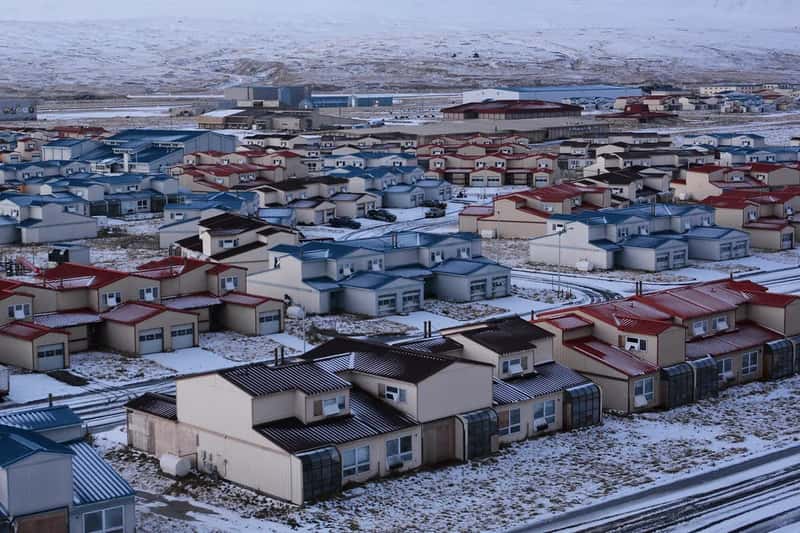
Adak may be the most extreme case here. It’s on Adak Island in the Aleutians, and it’s the westernmost municipality in the United States and the southernmost city in Alaska.[11] The 2020 census counted 171 people, down from 326 in 2010.[11] The population once reached almost 90,000 troops stationed there during World War II.[12]
Getting there takes planning. Alaska Airlines runs two flights a week, a three-hour trip from Anchorage.[12] Much of the island belongs to the Aleut Corporation, so visitors need a land use permit for outdoor recreation on those lands.[12] An older Alaska Magazine estimate put visitors at perhaps 400 a year, most of them coming for caribou hunting or birding.[13] Those who go find a wildlife refuge visitor center and a very different Alaska.
Loneliness in America doesn’t always mean being far away. Loyalton shows how a town can be overlooked even near major highways, while Adak and Opheim are remote by any measure. Eureka and Austin sit on a road that turned an insult into a draw. The population numbers vary by source and year, so check current figures before you plan a trip.
If you ever want to see the country without the crowds, these towns are a good place to start. Bring a full tank of gas, a flexible schedule and some curiosity.