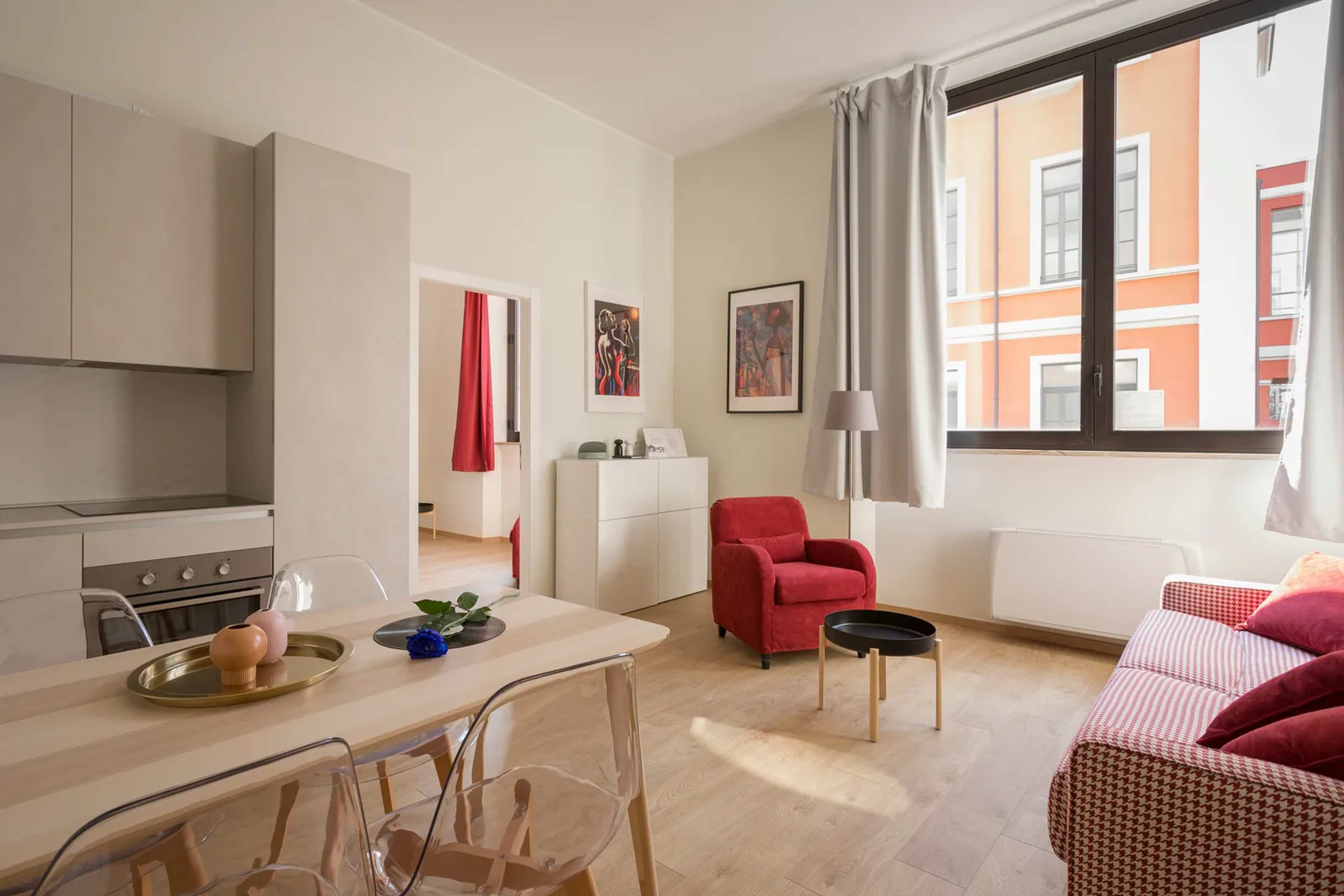
For years, the American conversation about Portuguese real estate revolved almost entirely around Lisbon’s cobblestone hills and the sun-soaked coastline of the Algarve. That picture has been shifting quietly but steadily. Porto, Braga, the Douro Valley, and the towns scattered between them are now showing up in buyer searches, closing statistics, and relocation forums in ways that would have seemed unlikely just a few years back.
The reasons behind this shift are not mysterious once you look at the numbers and the policy changes that have reshaped the market since 2023. Price gaps, visa rules, and a changing sense of what counts as a good place to live have all played a part.
1. Property prices remain far lower than Lisbon or the Algarve
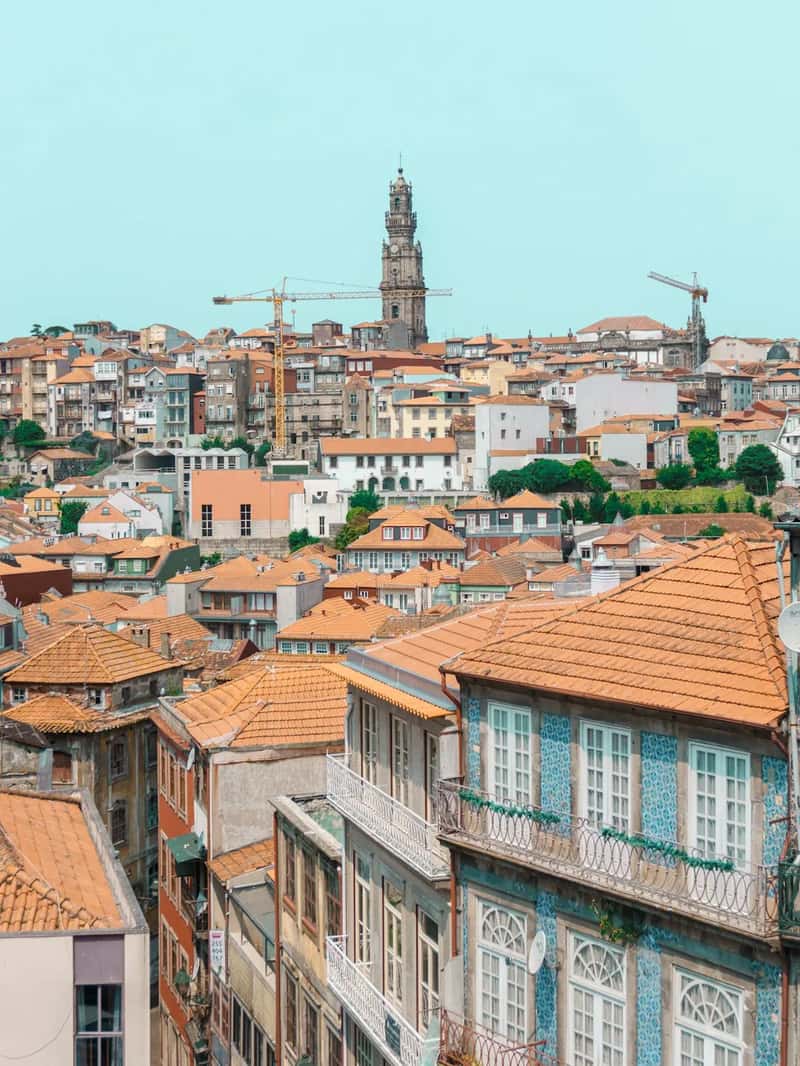
Money talks, and in Portugal’s case it points north. Lisbon remained the country’s most expensive major market, with median asking prices of EUR 6,124 per square meter, followed by Porto at EUR 4,064 per square meter. That gap becomes even more pronounced once buyers look past Porto’s city center toward Braga, where average prices for the municipality stand at €1,896 per square meter, much more affordable than Lisbon and Porto.
For an American used to comparing these figures to US metro markets, the math is hard to ignore. Porto’s Foz do Douro area costs about 4,700 euros per square meter, which is premium for Porto but still 40% below central Lisbon prices. Head further inland and the discount grows again, since interior regions remain significantly cheaper, with some municipalities under €700 per square meter. That kind of spread lets buyers stretch a modest budget into a genuinely comfortable home rather than a cramped studio in a capital city.
2. Braga’s rise as a genuine tech and business hub
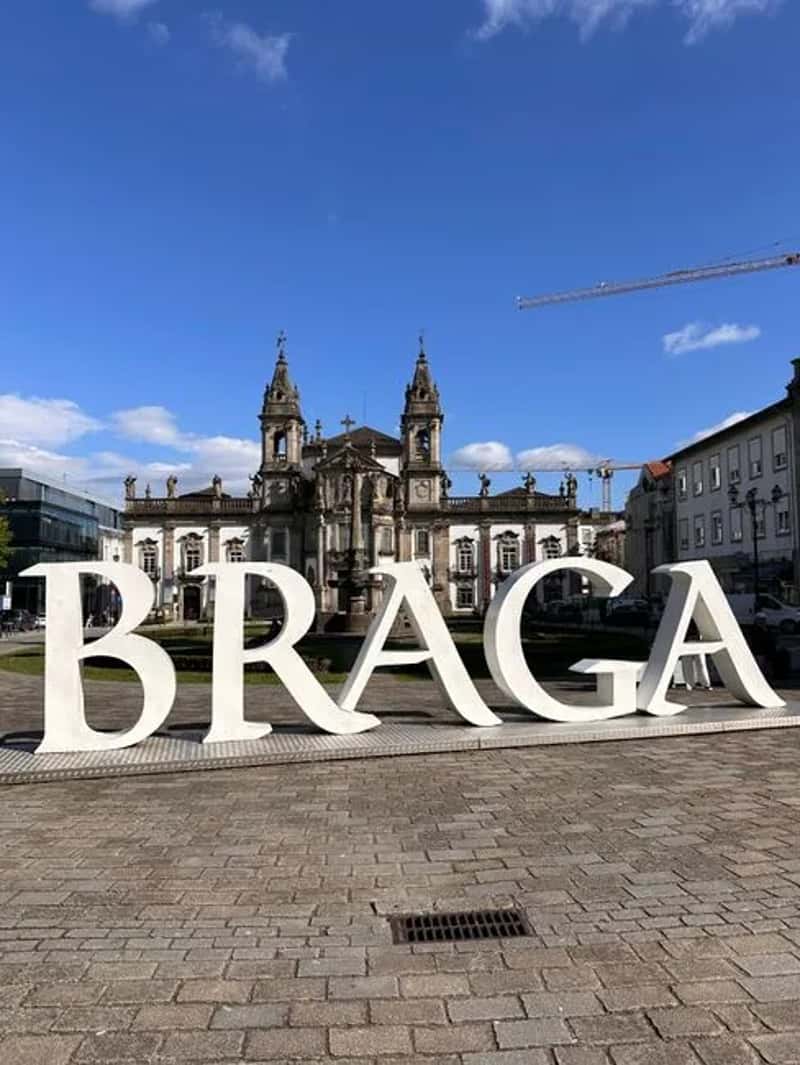
Braga used to be known mainly as a historic religious center. That reputation is changing fast. The city has become one of Europe’s standout tech hubs, and in 2026 it is set to continue to be highly sought after as international buyers look beyond Lisbon, Porto, and the Algarve, becoming one of Portugal’s fastest-growing hubs in the tech sphere and among families and retirees.
This matters for American buyers because a tech hub brings jobs, English-speaking colleagues, coworking spaces, and a younger international crowd, not just cheap housing. Increased demand and lower entry points paint a strong argument that investors will find high potential in the city. Add in that the North of Portugal is not as well-trodden as other parts of the country, offering beautiful properties, spectacular landscapes, and quieter cities with a taste of a more relaxed Portugal, and it starts to look like a place worth settling rather than just visiting.
3. Rental yields and appreciation are holding up well
Buyers rarely purchase abroad on lifestyle appeal alone. They want numbers that make sense on a spreadsheet too, and Porto delivers there. Average prices in the metropolitan area hover around €2,455 per square meter, having increased by about 50% over five years compared to about 38% for Lisbon, narrowing the gap between the two cities. That kind of appreciation, paired with still-reasonable entry prices, is the combination investors look for.
On the income side, Porto generally offers better rental yields than the capital, with average gross yields of 4.5% to 5.7%, with some emerging areas like Bonfim reaching 6.2% gross. Braga performs similarly, with yields of 5 to 7 percent reported for the city. For an American buyer weighing Porto against a pricier, slower-growing Lisbon apartment, that yield difference alone can tip the decision.
4. Quality of life and safety that outperform the price tag

Cheap housing means little if the surrounding city feels unlivable, and that is where Porto quietly wins people over. Numbeo’s 2026 Quality of Life Index for Porto stands at 177 to 179, placing the city in the very high category, well above Portugal’s national index of approximately 169.5. Safety numbers back that up, since the city has a Safety Index of 66.2, and Portugal has maintained a position around seventh on the Global Peace Index in both 2025 and 2026.
Cost comparisons with the United States make the appeal even clearer for someone doing the math from Ohio or California. For couples sharing a two bedroom apartment, a comfortable lifestyle in Porto runs 2,200 to 3,000 dollars a month total, compared to 5,000 to 7,000 dollars for the same lifestyle in a mid-tier US city. Throw in a Douro riverfront view and a UNESCO-listed old town, and the value proposition becomes hard to argue with.
5. The end of the real estate Golden Visa route reshuffled priorities

Portugal’s Golden Visa program used to be a major driver of foreign real estate purchases, often steering money toward specific investment-grade properties rather than places people actually wanted to live. That changed in 2023. All real estate purchases under the Portugal Golden Visa were removed from qualifying investments as of October 2023, and the program now focuses exclusively on venture capital funds and other categories.
The practical effect has been a market where buyers choose locations for genuine lifestyle and value reasons rather than visa engineering. The Golden Visa real estate route was already removed in October 2023, and prices continued climbing regardless, with the main driver being a persistent shortage of new housing supply against strong domestic and international demand. With the visa incentive gone, the North’s straightforward combination of lower prices, solid yields, and a rising tech scene has become a selling point on its own merits rather than a workaround for immigration paperwork.
Taken together, these five factors explain why northern Portugal has moved from an overlooked corner of the map to a serious contender in American relocation and investment conversations. The region is not chasing Lisbon’s prestige or the Algarve’s beach-resort image, and that is arguably its biggest strength. Whether the draw is a Porto apartment overlooking the Douro or a Braga townhouse near a growing tech campus, the numbers behind the decision are, for now, holding up.