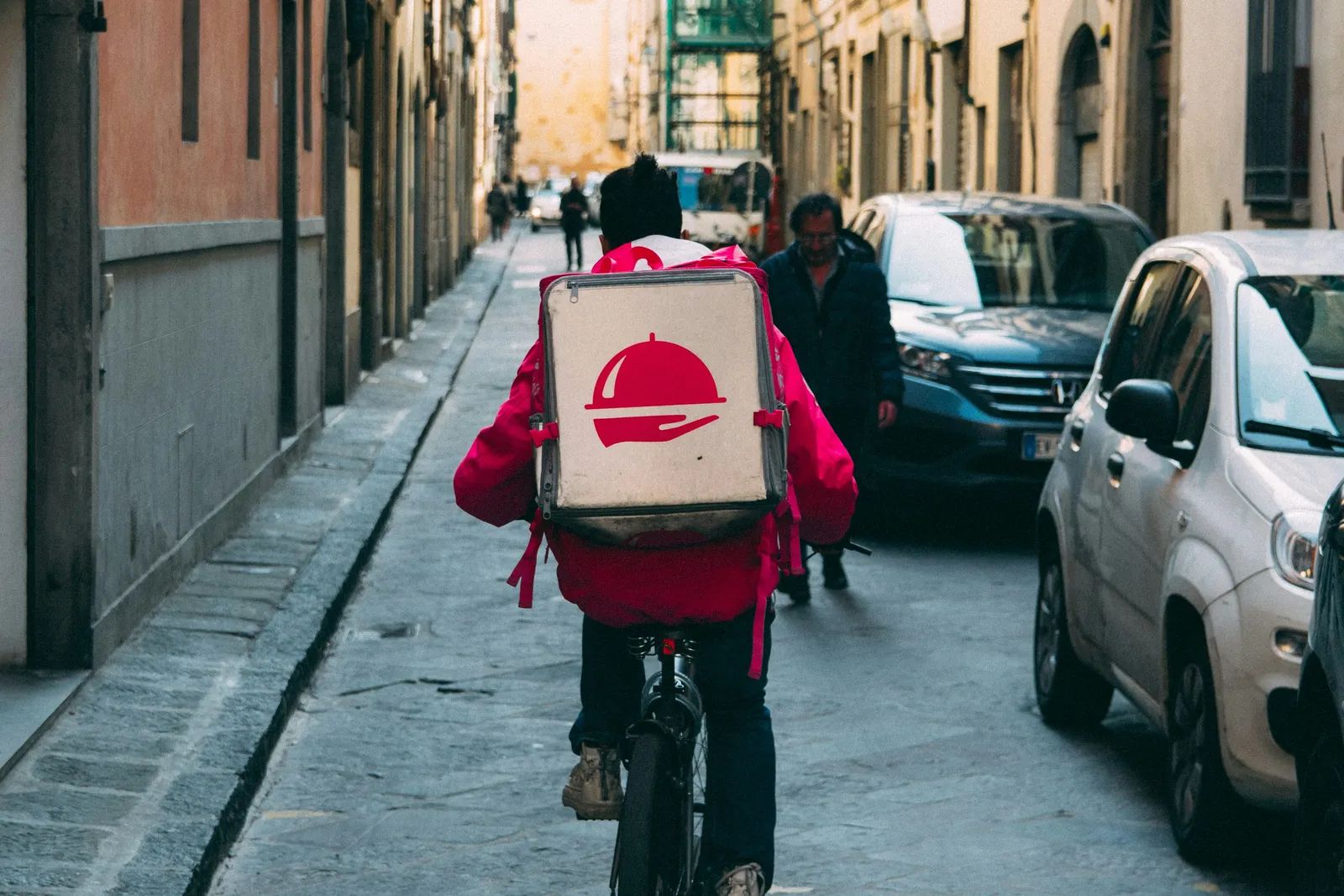
Millions of Americans now rely on smartphone apps to bring restaurant meals to their doors, yet the added delivery and service fees can quickly add up. Three major platforms – DoorDash, Uber Eats and Grubhub – each offer a paid membership that eliminates those fees on qualifying orders, but the value of each plan depends on how often someone orders and which other services they already use. The programs share a common monthly price of $9.99, yet they differ sharply in restaurant selection, extra perks and ties to credit cards or loyalty programs. ([1])
Shared pricing with distinct reach
All three memberships carry the same headline cost, though two of them also offer an annual option that lowers the effective monthly rate to $8. DoorDash DashPass and Uber One both provide the yearly plan, while Grubhub+ remains month-to-month only. Free trials appear periodically for eligible new users across the services, giving occasional customers a low-risk way to test the benefits before committing.
Restaurant coverage varies by market. DoorDash lists the largest network, with roughly 615,000 merchants across more than 7,000 U.S. cities. Uber Eats reaches all 50 states through more than 400,000 partners, and Grubhub, the smallest of the three by sales volume, still serves over 415,000 locations in 4,000-plus cities. In practice, most urban and suburban households will find ample choices on any of the platforms.
DoorDash DashPass delivers broad convenience
DoorDash’s program stands out for its scale and flexibility. Members pay nothing for delivery on eligible orders that meet a typical $12 minimum, a threshold that drops to $10 in several large markets. The company reports that average savings reach $4 to $5 per order, meaning the membership often pays for itself after just two or three uses each month.
Beyond restaurants, DashPass benefits extend to groceries and other nonrestaurant merchants. The service also covers Caviar, the upscale delivery platform DoorDash acquired years ago, so members enjoy the same fee waivers and reduced service charges there. Partnerships with Chase cards frequently provide complimentary or discounted access, and a link to Lyft yields occasional ride discounts for active members.
Uber One spans rides and meals
Uber One differs from its rivals by bundling food delivery with ride-hailing. The single subscription removes delivery fees on standard Uber Eats orders above a minimum subtotal and supplies up to 10 percent off many deliveries and pickups. Members also receive 5 percent back in credits on eligible rides, plus credits on select hotel bookings and the option to share benefits with another household member.
Another distinctive feature allows users to earn Delta SkyMiles or Marriott Bonvoy points on larger Uber Eats orders once accounts are linked, though the order must exceed $40 to qualify. Amex cardholders can apply monthly Uber Cash toward Eats purchases, and Platinum card members receive an annual statement credit that can offset the membership fee itself.
Grubhub+ shines for Prime members
Grubhub+ offers the same $0 delivery and reduced service fees on qualifying orders, plus 5 percent back in credits on pickup purchases. Its most compelling advantage is automatic inclusion for Amazon Prime subscribers at no extra charge, provided the accounts are linked. The benefit ends automatically if the Prime membership lapses, avoiding any surprise charges.
Grubhub also operates Seamless in New York City, where the merged service often lists more local restaurants than the national apps. The 5 percent pickup credit expires after 90 days and cannot be used on orders that include alcohol, so its practical value depends on individual ordering habits.
Choosing the right fit
For most households that order several times a month, DoorDash DashPass provides the strongest combination of restaurant availability and everyday savings. Frequent Uber riders or those seeking airline and hotel points may find Uber One more rewarding, especially when paired with an eligible Amex card. Amazon Prime members who rarely use rides or premium credit-card perks can activate Grubhub+ at no added cost and still receive meaningful fee relief.
Anyone who orders only once a month or less will usually save money by paying the standard delivery fee rather than maintaining a subscription. Free trials remain the safest way to compare real-world selection and savings in a specific city before deciding whether any of the three plans justifies the recurring charge.