Ask any waiter in Paris, Rome, or Berlin about their favorite American tourist stories, and you’ll likely get a knowing smile before the anecdotes start rolling. It isn’t malice, just a genuine culture clash between two very different dining philosophies. Certain phrases have become so predictable that European servers practically brace themselves the moment they hear an American accent walk through the door.
These aren’t insults so much as gentle observations about habits that feel completely normal stateside but land differently across the Atlantic. Understanding why these lines get a chuckle can actually help travelers blend in a little better on their next trip.
1. “Can I Get a Refill on That?”
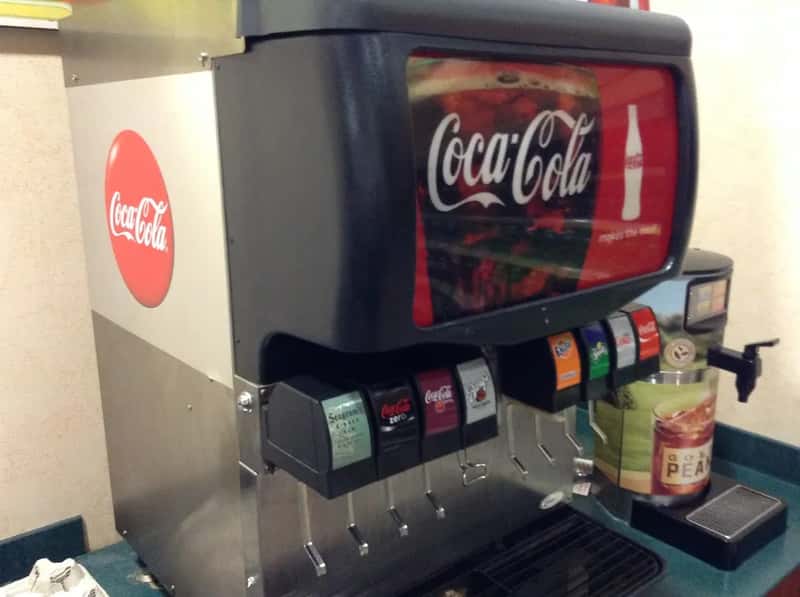
Few requests confuse European waitstaff quite like the assumption that a second soda or coffee should simply appear at no extra cost. In much of Europe, soda refills aren’t a thing, and ice cubes aren’t automatically added to your water[1], which already sets up a small collision of expectations before the food even arrives. Free refills became a fixture of American dining culture, but that same expectation rarely translates once you’re sitting in a trattoria or brasserie.
The confusion often deepens with ice specifically. Order a soda in the United States and the server will usually fill the glass with ice before adding the drink, while restaurants on the continent add little or no ice unless a customer asks for it, since Americans tend to expect very cold beverages[2]. A polite but firm “no refills, sir” delivered with a straight face is often the first real signal that you’re not in Kansas anymore.
2. “Could I Get a Box for This?”

The instinct to box up leftovers is so ingrained in American dining that many travelers do it on autopilot, only to notice a raised eyebrow from their server. Countries across Europe tend to serve more moderate portion sizes in restaurants, and diners usually expect to finish what is on their plate, with taking leftovers home being less common in several places[2]. The request itself isn’t offensive, it’s just unexpected, since the portions were sized with the assumption you’d clean the plate.
Part of the amusement comes from the portion gap itself. American servings are simply built differently, and Europeans notice it the moment plates hit the table. What reads as thoughtful thrift to an American tourist can read as a small culture shock to a server who has never fielded that request before dinner rush even ends.
3. “Do You Have Ranch for This?”
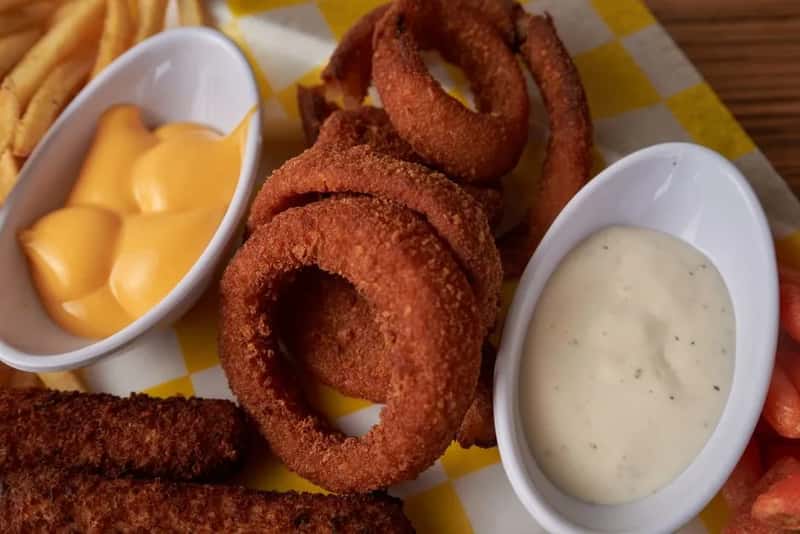
Asking for a condiment that doesn’t exist in the local pantry is a classic moment of gentle comedy in European kitchens. Ranch dressing doesn’t exist in Europe[1], so the request tends to produce a blank stare rather than an eye roll, since most staff genuinely have no idea what’s being asked for. It’s less about judgment and more about total unfamiliarity with an American pantry staple.
This kind of moment fits into a broader pattern travel writers have documented repeatedly. Asking for things that aren’t offered or aren’t on a menu, like a dish that isn’t served at the restaurant, is a recurring theme among American tourists abroad[1]. Locals don’t necessarily find it rude, just charmingly literal, as if the entire menu could be reshaped to match a hometown order.
4. “The Customer Is Always Right, So Can I Just Get It My Way?”

Nothing tests the patience of a European kitchen quite like a customer pushing back after being told no. One frequently cited example involves a diner in Italy asking for parmesan on a fish dish, only to be refused, which then results in an upset customer who utters a phrase like “the customer is always right”[3]. The chef’s refusal isn’t stubbornness, it’s tradition, and the American retort tends to land as baffling rather than persuasive.
The disconnect runs deeper than one cheese-related standoff. The chef isn’t being difficult for the sake of it, since certain culinary or service norms are simply non-negotiable in ways American retail culture rarely prepares visitors for, and etiquette experts point out that this attitude reflects a broader misunderstanding of how business works outside the United States[3]. European staff have heard the phrase enough times that it’s become something of a running joke in service circles.
5. “How Are You?” as a Passing Greeting
The reflexive American opener sounds friendly, but it regularly trips up European listeners who take the question at face value. Residents and citizens of the U.S. use “How are you?” as a routine greeting in shops, restaurants, and offices, where the phrase signals politeness and keeps interactions moving smoothly, yet many Europeans answer the question sincerely at first and expect a detailed reply in return, only to find a casual response creates mild confusion, since in several European cultures people ask about someone’s well-being when they genuinely want information[2]. The result is a brief, funny beat where a server pauses, unsure whether to actually answer.
Locals eventually clock it as a verbal reflex rather than a genuine inquiry, but that first encounter often produces a puzzled smile. It’s a tiny linguistic mismatch, yet it perfectly captures how two cultures can use nearly identical words for completely different purposes. Once the pattern is recognized, most servers just shrug it off as one more quirk that comes bundled with an American accent.
None of this is really about bad manners. Most of these moments come from habits so deeply wired into American dining culture that travelers don’t even notice them until a European server’s expression gives it away. The good news is that European staff generally find these quirks endearing rather than offensive, treating them as part of the charm that comes with hosting visitors from across the Atlantic. A little awareness, and maybe skipping the ranch request, goes a long way toward turning a laugh into a warm welcome instead.