Every country has its own rulebook, and what feels perfectly normal back home can turn into a legal headache the moment you cross a border. Some of these rules sound almost comical from the outside, yet the fines, detentions, and even jail time attached to them are very real. As global travel keeps climbing toward record numbers in 2026, more destinations are enforcing these laws with less patience for the excuse “I didn’t know.”
Below are five specific rules that regularly trip up unsuspecting visitors, along with the reasoning behind them and what actually happens if you get caught. None of these are obscure technicalities buried in legal code. They are active, enforced laws that have landed real tourists in real trouble in the past couple of years.
1. Vaping and Carrying E-Cigarettes in Thailand
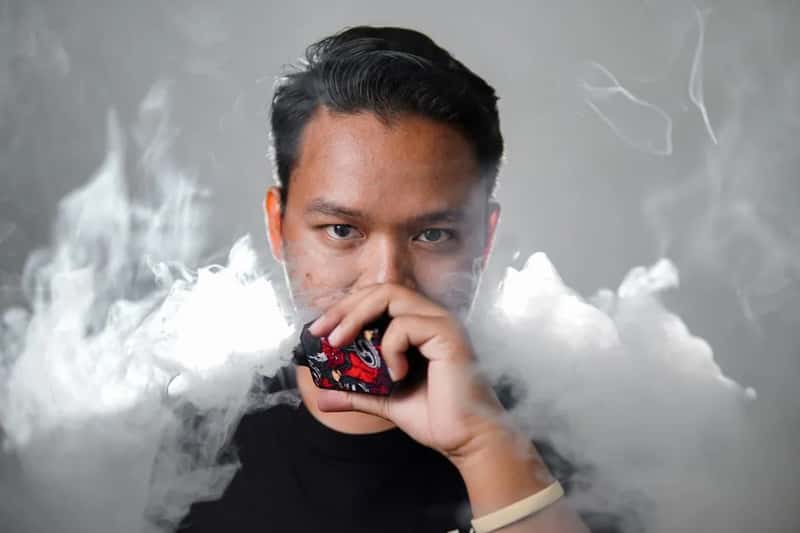
Thailand’s ban on e-cigarettes and vaporizers has technically existed since 2014, but enforcement has ramped up noticeably in recent years, and tourists are not given a pass. Enforcement reached a new level in 2025 and has stayed there, with tourists not treated differently from locals under this law, and many travelers fined at airports, on beaches, or in shopping malls. It doesn’t matter whether the device contains nicotine or not, and simply carrying one in your luggage, even unused, is enough to get you in trouble.[1] That means the vape you packed for personal use, not just the one you’re actively smoking, can be a problem the moment customs opens your bag.
The consequences go well beyond a slap on the wrist. In early 2026, two Australian travelers learned the hard way just how seriously the ban is taken, after being approached by police for using vapes on the beach; the pair were taken to a police station and fined 40,000 Thai baht, about 1,250 US dollars, and warned that repeat offenses could lead to a potential five-year jail sentence.[2] Given that Thailand remains one of the most visited countries in Southeast Asia, this is one rule worth checking before you even pack your bag.
2. Bringing Chewing Gum Into Singapore

Singapore’s gum law is probably the most famous quirky travel rule in the world, but most people misunderstand exactly what it bans. The sale of chewing gum in Singapore has been illegal since 1992, and it is not illegal to chew gum in Singapore, but it is against the law to import it and sell it, apart from a few exceptions.[3] So popping a piece you brought from home won’t get you arrested, but bringing in a suitcase full of it to share with friends could.
There is a bit of nuance here that’s worth knowing before you travel. Tourists that visit Singapore can bring chewing gum with them, but only a maximum of two packs per person.[4] Beyond the import rules, littering is where things get genuinely expensive: if you spit your gum onto the sidewalk or stick it under a bench, you’re committing an offense under the Environmental Public Health Act, with first-time littering fines starting at 300 Singapore dollars and reaching up to 2,000 dollars for repeat offenders.[5] The lesson isn’t to panic over a stray piece of Wrigley’s in your carry-on, but to skip bulk imports and always use a bin.
3. Swearing or Making Rude Gestures in the UAE

If you’re the type to let a curse word slip when you stub your toe, save it for later once you land in the UAE. Swearing in public is completely prohibited in the UAE, with the use of the F-word being a crime, as it “disgraces the honour or the modesty” of a person, according to Article 373 of the UAE Penal Code, punishable by up to a year in prison and a fine as high as 10,000 dirhams.[6] That’s roughly 2,700 US dollars for a single outburst, which makes road rage or a bad customer service moment considerably more costly than it would be back home.
The rule doesn’t stop at spoken words either. Raising the middle finger is considered an indecent gesture which may result in deportation, and cursing is also prohibited in cyberspace, meaning swearing or using indecent emojis on apps like WhatsApp can result in a hefty fine, a prison sentence, or deportation.[7] This has already played out publicly, since in 2015, a British tourist was arrested for tweeting offensive comments about Dubai hotel staff.[8] Whether you’re venting in person or online, the UAE treats it as a real legal matter, not just bad manners.
4. Photographing Military Sites, Airports, or Government Buildings

This is arguably the rule most likely to catch a well-meaning traveler off guard, since the trigger is often nothing more than an innocent vacation photo. The core prohibition is consistent across nearly every travel advisory: government buildings, military installations, and police or security personnel are illegal to photograph and can result in arrest.[9] It’s not just the obvious targets either, since taking photos near government facilities, including police stations, can lead to being stopped by security forces and having your equipment seized, with authorities especially wary of foreigners photographing anything that could be interpreted as sensitive infrastructure.[9]
Real cases show how quickly this escalates. A British tourist in Egypt was arrested over a video he took at the airport that happened to capture a military helicopter in the background, was charged with collecting intelligence on the Egyptian military, and had filmed the video as his flight was landing, since taking unauthorized photographs or footage of military facilities, equipment or personnel is outlawed in Egypt.[10] U.S. officials have echoed this warning for their own citizens traveling abroad, noting that what may seem like harmless tourism behaviour, such as snapping photos or picking up small items, could be treated as illegal or threatening conduct in certain nations.[11] The safest approach is simple: if a building looks official, guarded, or industrial, lower the camera.
5. Sitting, Eating, or Drinking in Restricted Public Spaces
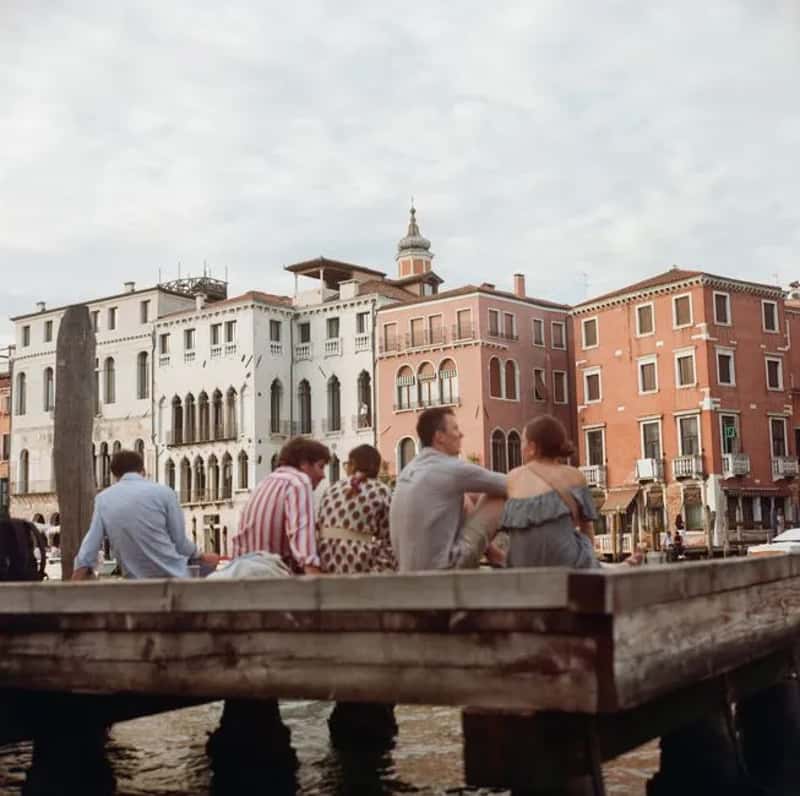
Across parts of Europe, the freedom to plop down for an impromptu picnic has been quietly curtailed, and Venice is the clearest example. The city prohibits sitting, lying down, eating, or drinking on designated steps, bridges, monument bases, quays, and walkways in crowded areas.[1] The reasoning is practical rather than petty, since Venice has a population of 50,000 but receives more than 30 million tourists per year[1], and a city of narrow, historic calli simply cannot function if every step and bridge doubles as a lunch spot.
Paris has its own version of this crackdown around public drinking. A picnic along the Seine in Paris may look idyllic, but drinking alcohol is banned in many public areas, so while having a picnic of wine and cheese in a park or along the river might seem romantic, it’s worth researching the rules first.[12] Get caught, and fines can reach 135 euros, about 153 dollars.[12] Add in similar restrictions found along France’s Côte d’Azur, where certain towns have cracked down on overly casual dress away from the beach, and it’s clear that many of Europe’s most photographed destinations are actively rewriting the rules on public behavior as overtourism pushes local governments to act.
None of these rules are designed to trap tourists on purpose. Most trace back to genuine local problems, whether it’s overcrowded historic sites, national security concerns, or decades-old public cleanliness campaigns. Still, ignorance rarely works as a defense once you’re standing in front of a local officer, and the fines involved can turn a budget trip into an expensive lesson.
The good news is that avoiding all five pitfalls takes very little effort. A few minutes checking a destination’s specific laws, alongside general common sense about cameras, language, and public space, goes a long way toward keeping a dream vacation from turning into a story you’d rather forget.