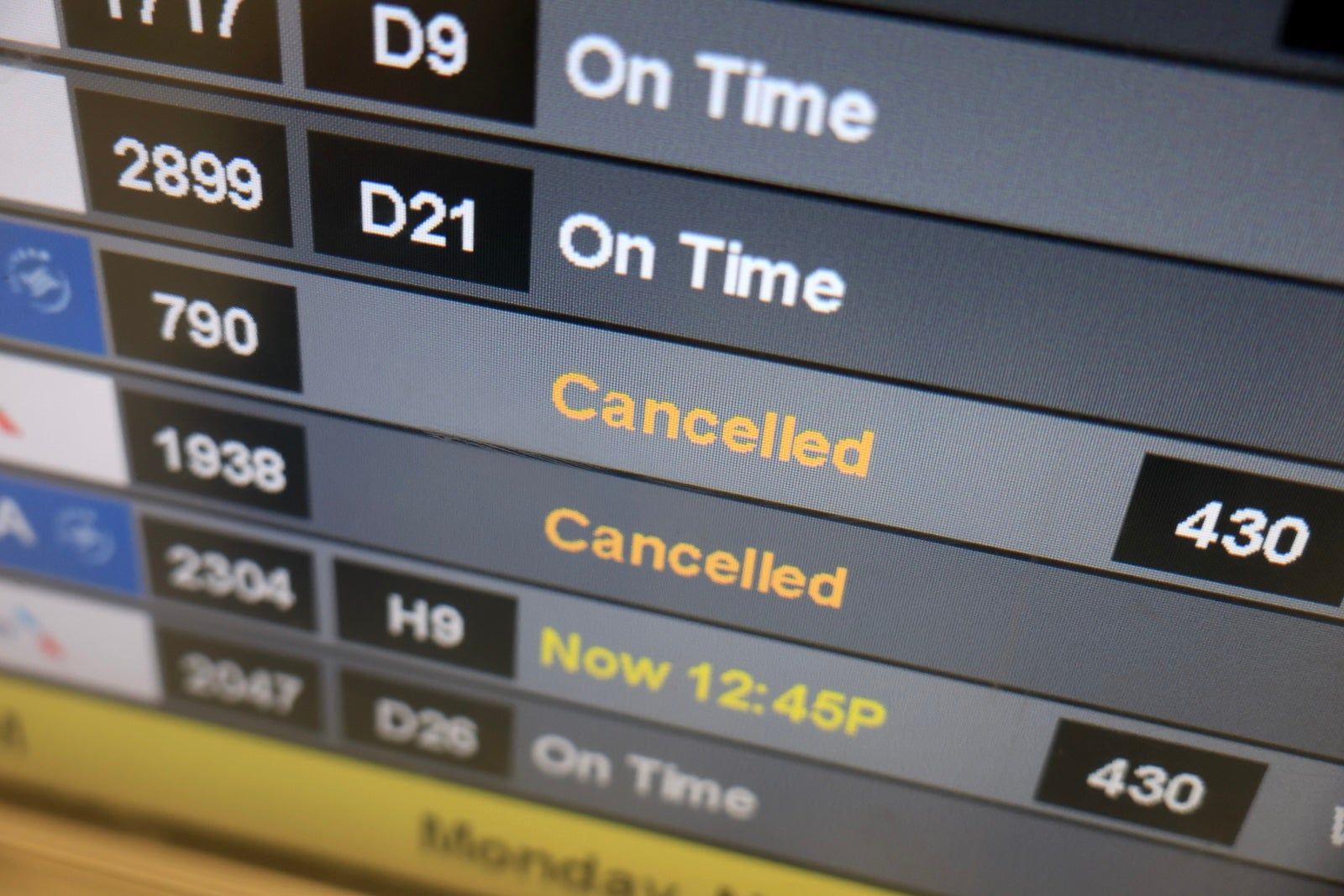
Vacations are supposed to be the easy part of the year, the stretch of days where nothing much is expected of you except to relax. Yet for people who live with an overthinking mind, even the most relaxing settings can turn into a quiet source of dread. A delayed text, an odd look from a stranger, a hotel room that smells slightly different than expected. These small moments rarely mean anything, but for an overthinker, they can spiral into full blown worst case scenarios before the day is even half over.
Understanding why certain travel moments trigger this response is not about diagnosing anyone. It is simply about recognizing a pattern that many travelers quietly deal with, often without realizing how common it is. Here are five specific vacation moments that tend to set off that spiral, along with a closer look at why they hit so hard.
1. A flight delay with no clear explanation
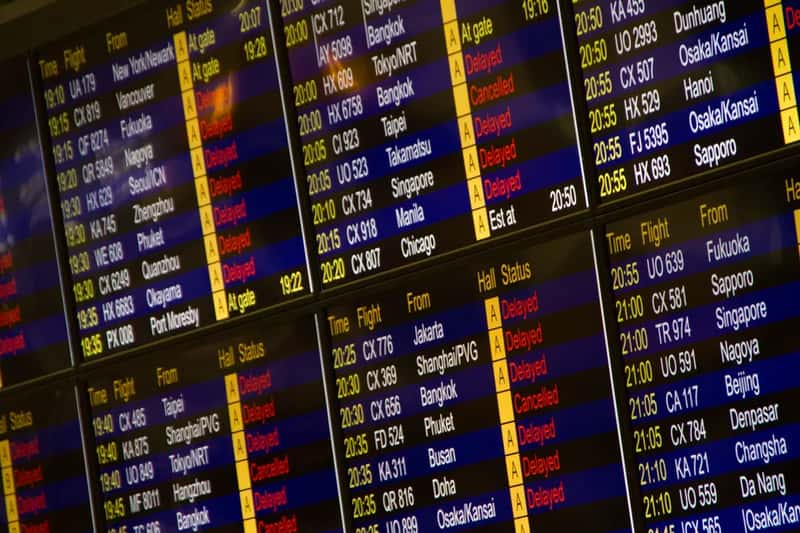
There is a particular kind of anxiety that builds when a departure board simply says delayed with no reason attached. The mind starts filling in the blanks, and for an overthinker, those blanks rarely get filled with anything reassuring. Missed connections, ruined hotel bookings, a domino effect of problems, all of it can feel inevitable within minutes of seeing that word on a screen.
Airlines are not always required to explain delays immediately, especially in the early stages when the cause is still being confirmed by ground crews or air traffic control. This information gap is exactly the kind of uncertainty that overthinking feeds on. The brain treats ambiguity as a threat to be solved, so it keeps generating possibilities until something sticks, usually the worst one.
2. Checking into a room that looks different from the photos

Online listings and hotel photography are curated to show a space in its best light, often literally, with wide angle lenses and perfect lighting choices. When the real room turns out smaller, dimmer, or just slightly off from what was advertised, it can feel like proof that something else about the trip is also about to go wrong. For an overthinker, this single mismatch becomes a signal rather than a minor inconvenience.
This reaction is not really about the room itself. It is about the loss of predictability, since the traveler had already built a mental picture of the trip based on those photos. Once that picture is broken, the mind starts questioning what else might not match expectations, from the food to the weather to the people they are traveling with.
3. A quiet or delayed response from someone back home

Vacations often come with an unspoken agreement to check in periodically, whether that is a quick text to a partner or a call to a parent. When that response takes longer than usual, or feels shorter than expected, overthinkers can quickly assume something serious is happening at home. The imagination fills the silence with accidents, arguments, or bad news, even when the most likely explanation is simply a busy afternoon or a dead phone battery.
This particular trigger tends to be strongest for people who already carry some guilt about being away, whether for work or leisure. The distance itself becomes part of the problem, since there is no way to quickly verify what is actually happening. Instead, the mind treats the lack of information as confirmation that a worst case scenario is unfolding somewhere out of sight.
4. An unfamiliar noise or smell in unfamiliar surroundings
New environments come with new sensory input, and for most travelers that is part of the appeal. For an overthinker, though, an unexplained noise in a hotel hallway or an unusual smell in a rental home can trigger a much stronger reaction than it would at home. Familiar spaces come with a built in sense of safety, and unfamiliar ones remove that buffer almost entirely.
This response is rooted in how the brain processes unfamiliar stimuli differently from familiar ones, treating the unknown with more caution by default. It is a normal survival instinct, just one that tends to run a little hotter in people prone to overthinking. A creaky pipe becomes a structural issue, a strange smell becomes a sign the space was not properly cleaned, and the mind moves quickly from observation to conclusion.
5. A sudden change in weather or itinerary
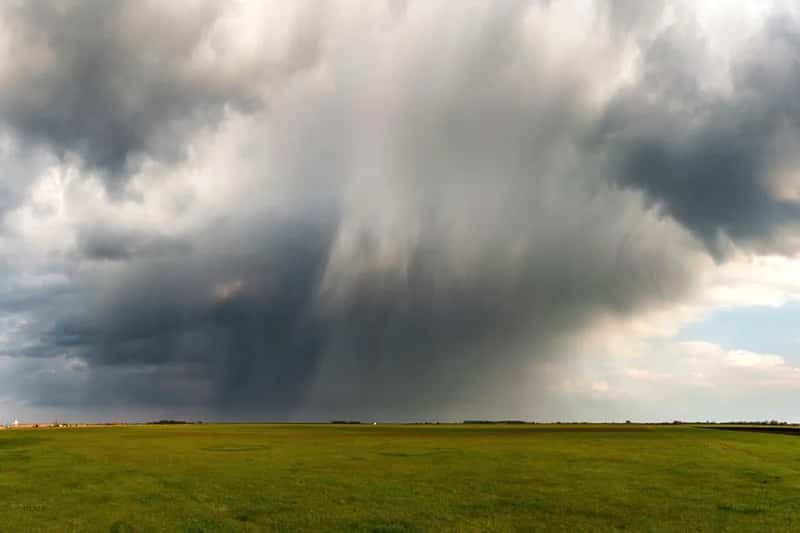
Weather forecasts are helpful, but they are not guarantees, and travelers are often reminded of this the moment plans shift unexpectedly. A sunny forecast that turns into rain, or a scheduled excursion that gets canceled last minute, can feel disproportionately unsettling to someone who had mentally locked in a specific version of the day. The disruption itself is minor in most cases, yet it can feel like the first domino in a longer chain of problems.
Overthinkers often rely on structure to manage uncertainty, so a last minute change removes one of their main coping tools. Even flexible travelers can find weather related changes frustrating, but for someone already primed to expect the worst, it becomes less about logistics and more about a sense of losing control over the day. The itinerary was never truly in their control to begin with, but the illusion of control mattered more than most people realize.
None of these moments are unique to overthinkers, and most travelers experience some version of each one at some point. What differs is not the event itself, but the story the mind builds around it in real time. Recognizing these five triggers does not eliminate them, but it does make it easier to separate the actual situation from the anxious narrative layered on top of it.