Canada’s small towns often run on a tight calendar. Summer fills the beaches, ferries and patios, then the crowds leave and the pace changes quickly. For some travelers that’s the whole appeal. Others arrive in October or February and find the “Closed for the Season” sign on the door.
The six places below are all known for going quiet once peak season ends. The details come from park authorities, tourism boards and regional travel guides, so they’re good for planning. Still, hours change from year to year, so confirm before you go.
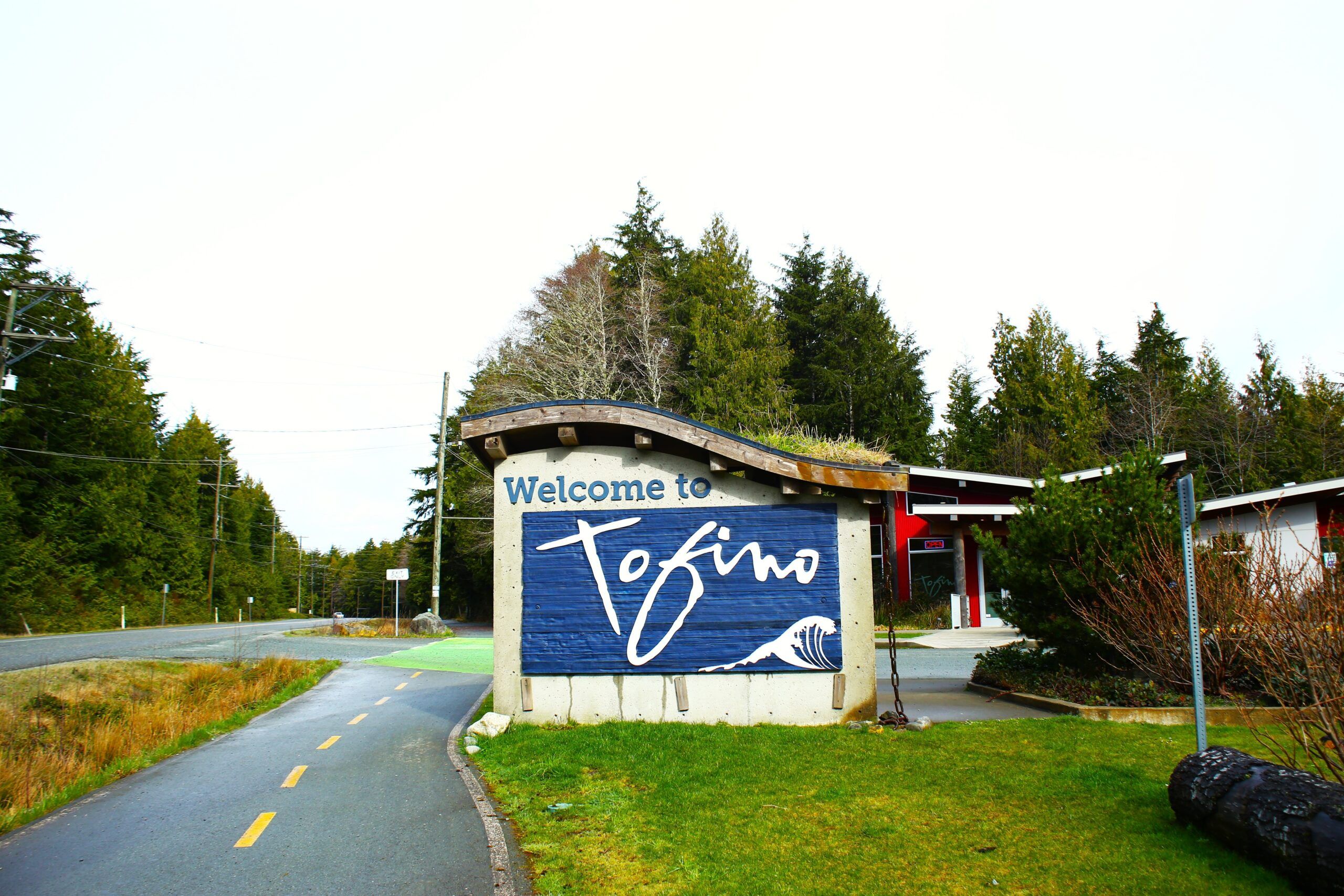
Tofino, British Columbia
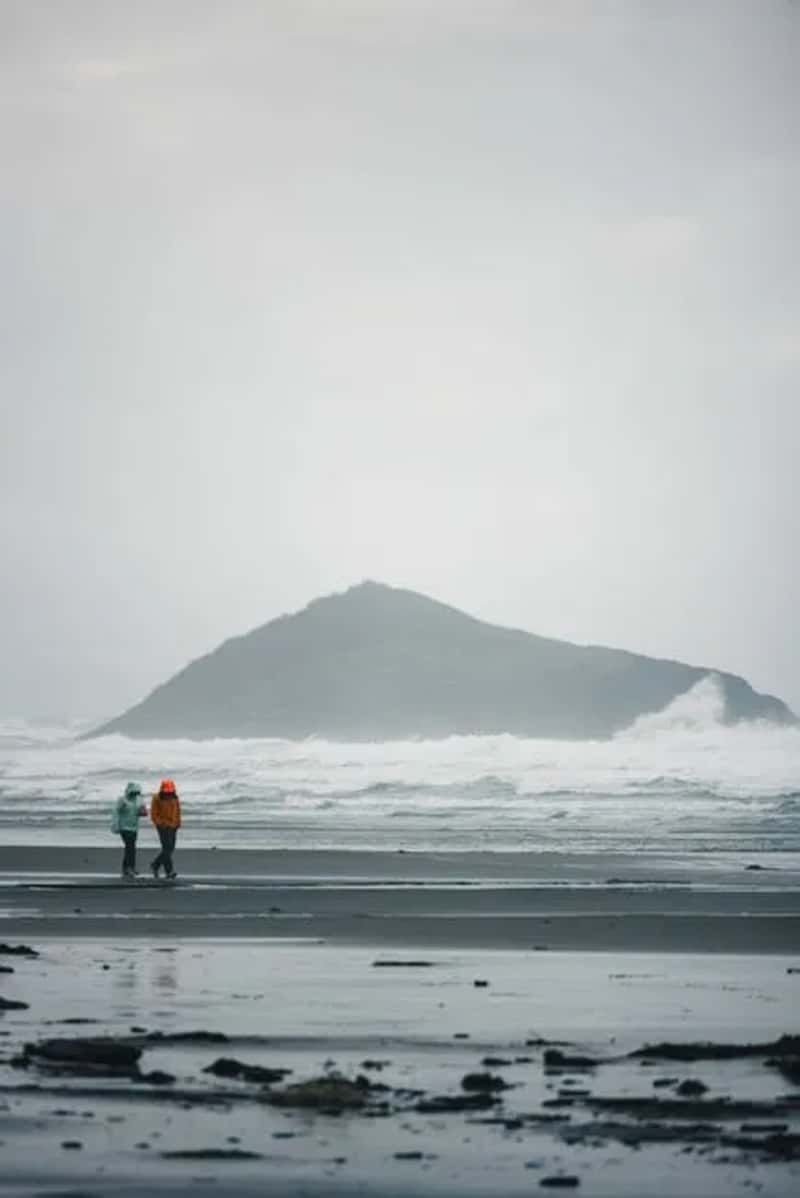
Tofino has a lopsided ratio of visitors to residents. One travel site reports that the town hosted more than 700,000 visitors in 2024, far outnumbering its roughly 2,500 residents[1]. That makes the winter lull stand out. Local listings describe storm season running from November through March[2], and even calmer days bring fewer visitors on the beaches and mist drifting through the rainforest[2].
The quiet comes with a catch. Storm watching has its own following, so one local travel blog advises that even though storm season is quieter, you should still reserve your stay ahead of time[3]. Winter can also be good value. A Vancouver Island tourism guide notes that many hotels and lodges offer winter rates well below peak pricing, particularly midweek[4]. The result is a town that feels spacious rather than shut down.
Ucluelet, British Columbia
Ucluelet sits at the southern end of the same stretch of coast, and it has a similar off-season rhythm. A regional tourism guide describes winter there as spacious and unhurried, with quieter trails and restaurants that are easier to get into[4]. The Wild Pacific Trail is the main draw, and one local writer prefers the quieter Artist Loops section between Brown’s Beach and Rocky Bluffs[5] to the busier Lighthouse Loop.
Accommodation leans toward the cozy end of the scale. The same guide suggests the Canadian Princess Lodge & Marina for winter stays, with storm-view rooms, fireplaces and easy access to the Wild Pacific Trail[4]. Rain is part of the deal, so bring proper gear. If you don’t mind that, it’s one of the more comfortable ways to see a Canadian town at its most empty.
Tobermory, Ontario
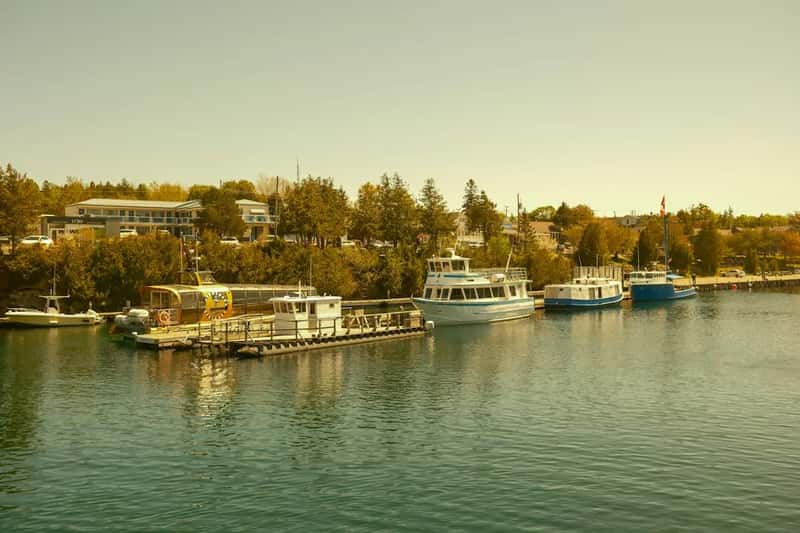
Tobermory sits at the tip of the Bruce Peninsula and is a classic example of a summer town. One local B&B says it has only 500 to 600 year-round residents[6], which explains how quickly it empties out. Parks Canada says Bruce Peninsula National Park is in winter operations from November 1 to April 30[7]. Another trail guide points out that this means you won’t need to make a reservation ahead of time[8].
Services are the trade-off. Parks Canada notes that a gas station, grocery store, post office, liquor store and a handful of other businesses stay open year-round in Tobermory, though hours are limited[9]. A local B&B adds that boat tours, clothing shops and souvenir stores close in the off season[6]. The Chi-Cheemaun ferry also only runs from early May to late October[10], so in winter you have to drive in via Highway 6.
Baddeck, Nova Scotia
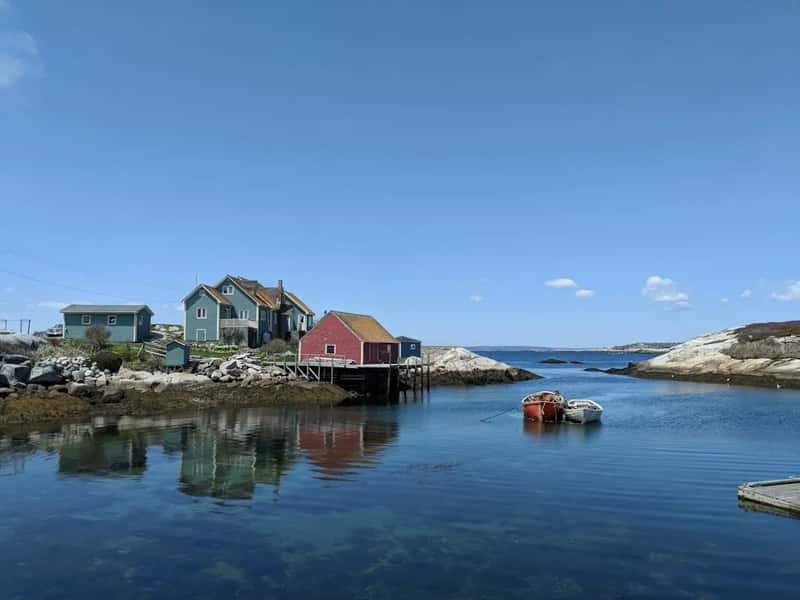
Baddeck is the gateway to the Cabot Trail, and it’s one of the few places on Cape Breton’s loop that doesn’t fully shut down. A Cape Breton winter guide says it slows down considerably but does not close[11]. Nova Scotia’s tourism guide also lists Baddeck and Sydney as the year-round bases[12]. That makes the village a practical place to sit out a quiet shoulder season.
The slowdown starts earlier than many visitors expect. One road-trip blogger found that many Cape Breton businesses closed for the season around Canadian Thanksgiving[13], and on arriving just after the holiday they met some places closed or on shorter hours. The Baddeck Gathering Ceilidhs, for example, run only from June to October[11]. If you go late in the year, confirm that your accommodation is open before you book.
Ingonish, Nova Scotia
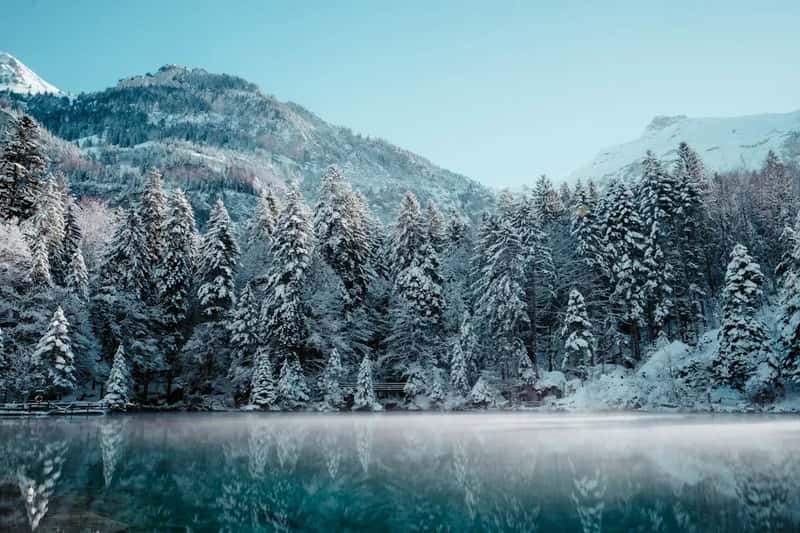
Ingonish sits on the eastern side of Cape Breton Highlands National Park, and its summer economy winds down fast. A regional winter guide reports that businesses in Ingonish, Pleasant Bay, Chéticamp and Neils Harbour are largely shuttered from November through May[11]. The same guide says the park’s visitor centres are closed for the season. What remains is mostly the landscape.
A few things do carry on. Nova Scotia’s tourism guide notes that Ski Cape Smokey near Ingonish operates for downhill skiing and snowshoeing[12]. It adds that the park itself never closes, though services are minimal[12]. The practical advice is to avoid booking in Ingonish without first confirming the property is open. Come for the quiet and the scenery, not the restaurant scene.
Chéticamp, Nova Scotia
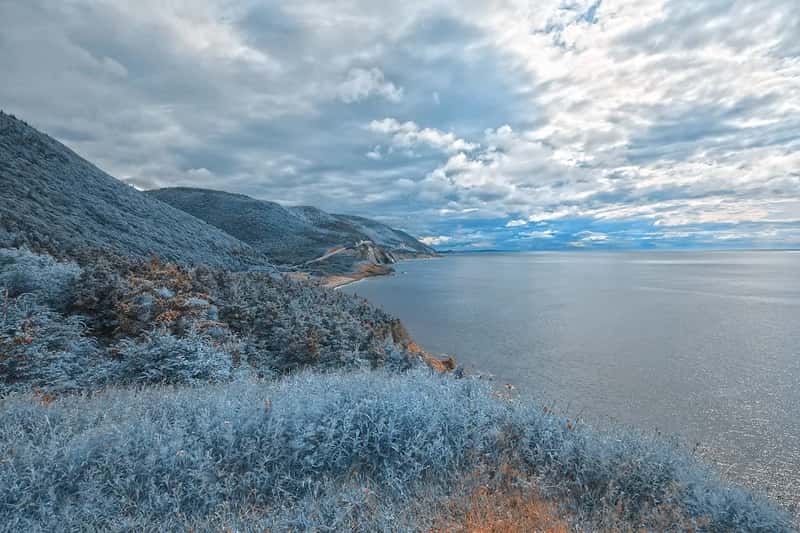
Chéticamp anchors the western side of the Cabot Trail, and it’s the least convenient of these six in winter. The same guides say most restaurants, tours and accommodations along the loop close from November through mid-May[12]. A short drive north, the road toward Pleasant Bay climbs over French and MacKenzie mountains. After storms it can be hazardous or temporarily closed[12].
Preparation matters here more than anywhere else on this list. Nova Scotia’s guide warns that Parks Canada plows the road but does not maintain it to summer standards, and long stretches have no services, no cell coverage and no gas[12]. Winter tires, a full tank and an emergency kit are sensible. If you’re after solitude on the western coast, this is about as close as you’ll get.
The common thread across these six is that “empty” and “closed” aren’t the same thing, and the line between them depends on where you are. Tofino and Ucluelet stay hospitable in winter. Tobermory runs on a short list of year-round essentials, and the Cabot Trail villages mostly go dark. Research the specific town, call ahead, and you’ll find that quiet season has its own rewards.
A town without a crowd shows you something the busy months hide. Just make sure the lights are on before you drive in.