Not long ago, plenty of small Canadian towns were the kind of places locals kept to themselves, a fishing village here, a quarry swimming hole there, maybe a winery tucked behind a farmhouse. That has changed fast. Between a surge in domestic travel, social media discovery, and Americans looking north for something familiar yet different, a handful of these small communities have gone from sleepy to genuinely busy, sometimes busier than their infrastructure was ever built to handle.
What follows are seven towns that fit that pattern almost exactly. Each one built its reputation slowly, through word of mouth, a signature restaurant, a striking landscape, or a single ambitious project, before tourism numbers caught up in a way that surprised even longtime residents.
1. Tofino, British Columbia
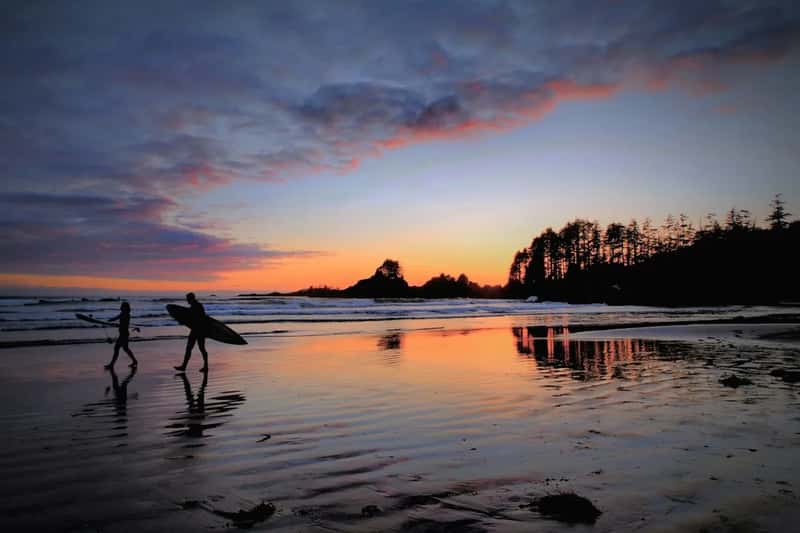
Tofino sits at the literal end of the road on the west coast of Vancouver Island, and for decades that remoteness kept it feeling like a secret. Tofino hosted more than 700,000 visitors in 2024, far outnumbering the 2,500 residents, turning this once-quiet fishing village into an international hotspot.[1] The math is almost comical when you say it out loud, a town smaller than a large apartment building absorbing the population of a mid-sized city every year.
What makes Tofino’s rise especially notable lately is who is showing up. According to Bloomberg, the Wickaninnish Inn in Tofino has seen a massive surge in U.S. visitors this summer, with co-owner Charles McDiarmid saying the numbers are greater than ever before.[2] Locals still call it “Surf City, Canada,” and surf shops and schools offer gear and instruction, with plenty of room on Long Beach, Chesterman Beach and Cox Bay for all comers.[3] Winter storm watching, once a niche pastime, now fills hotel rooms right through the off-season.
2. Squamish, British Columbia
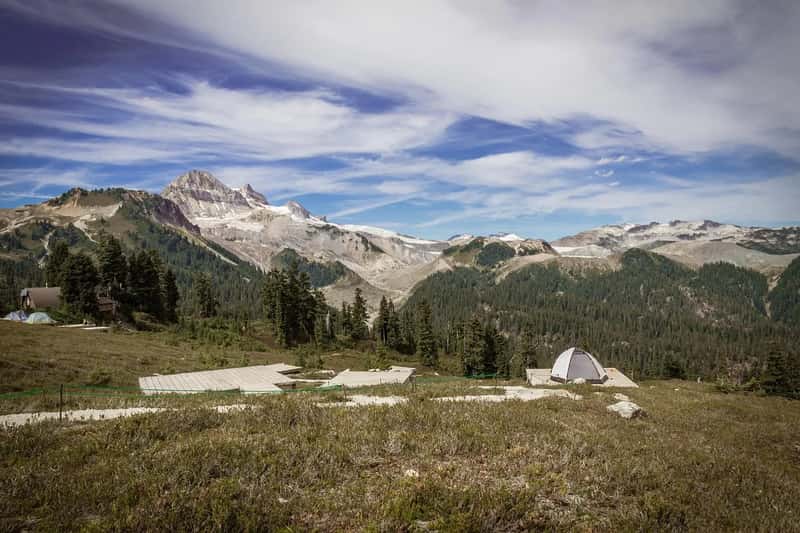
Squamish used to be known mainly as the place you passed through between Vancouver and Whistler. That reputation flipped once climbers, mountain bikers, and hikers realized the granite walls and forest trails right off the highway were world-class in their own right. Squamish is known for mountain biking, hiking, climbing, kiteboarding, and more.[4]
The numbers back up how much this shift has meant financially. A study commissioned by Tourism Squamish found visitation brought 408 million dollars in 2024, generating 85 million dollars in tax revenue.[5] That growth has not come without friction, since heavier trail use means more strain on volunteers and infrastructure that was never designed for this kind of traffic. Even so, momentum keeps building, and with major sporting events drawing global attention to the region, Squamish is positioned to keep growing rather than settle back into its old, quieter identity.
3. Fogo Island, Newfoundland and Labrador
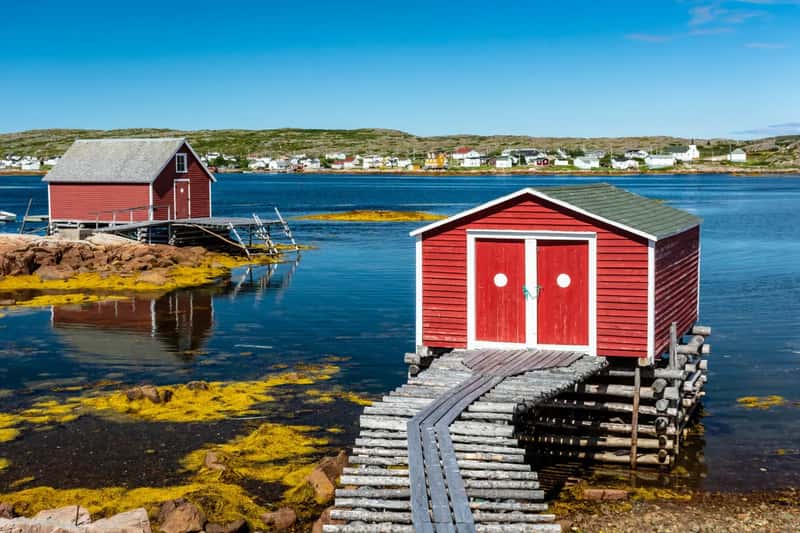
Fogo Island is about as far off the beaten path as a Canadian destination gets, reachable only by a ferry from Farewell or, for the well-heeled, a helicopter. Yet it has become one of the most talked-about small-scale tourism stories in the country, largely thanks to entrepreneur Zita Cobb and the Shorefast Foundation. A growing tourism industry, supported by the Shorefast Foundation, is also uplifting other industries in the region.[6]
The federal government has taken notice too. Ottawa announced a non-repayable investment of 181,967 dollars to assist the Shorefast Foundation with a sales and marketing campaign to increase tourism on Fogo Island and help develop the international visitor market.[7] Demand at the celebrated Fogo Island Inn has reportedly outpaced supply for years, with founder Zita Cobb once noting “if we had three times as many rooms, we could have absolutely filled every one of them between the first of May and the end of October.”[8] Still, longtime resident Glen Best has pushed back on the idea of Fogo becoming overrun, insisting “it’s not like we’re overrun by tourism. That’s not the way it works here.”[9]
4. Elora, Ontario
Elora built its appeal around a single dramatic feature and let the rest follow naturally. The town is built around the dramatic Elora Gorge, where limestone cliffs tower over the Grand River.[10] That gorge, paired with a walkable downtown of century-old stone buildings, has turned a farming community roughly an hour from the Greater Toronto Area into a genuine weekend destination.
Summer is when the crowds really arrive. In summer, it’s a hotspot for tubing, hiking, and photography, with the Elora Quarry, a former limestone pit turned swimming hole, drawing crowds that can get busy on weekends.[10] Downtown Elora has kept its charm intact even as visitor numbers climb, with historic stone buildings pairing with indie shops and cafés for a charming stroll in one of Ontario’s most photogenic small towns.[10] That balance between authenticity and accessibility is exactly why the town keeps showing up on best-small-town lists.
5. Prince Edward County, Ontario
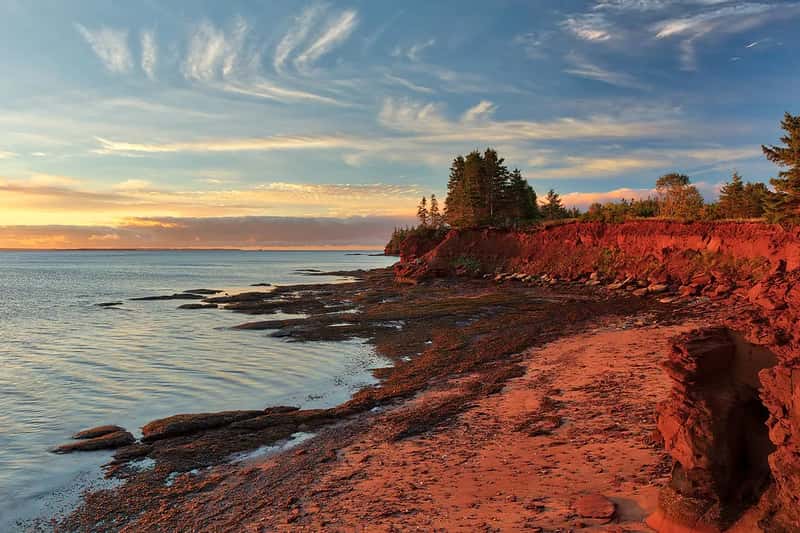
Prince Edward County spent years as a quiet peninsula known mostly to nearby farmers and cottage owners. That changed once its wine region matured and word spread beyond Ontario’s borders. Prince Edward County built its modern reputation on wineries, beaches, and a laid-back rural charm that drew weekenders from Toronto and Ottawa.[11]
The county’s appeal now stretches well past wine tasting, pulling in cyclists, beachgoers, and food travelers chasing farm-to-table menus along quiet county roads. Tourism has become central enough to the local economy that businesses now plan entire seasons around peak weekend traffic from the two nearest major cities. It is a familiar pattern for small towns near big population centers, where proximity turns a hidden gem into a predictable, recurring crowd.
6. Powell River, British Columbia
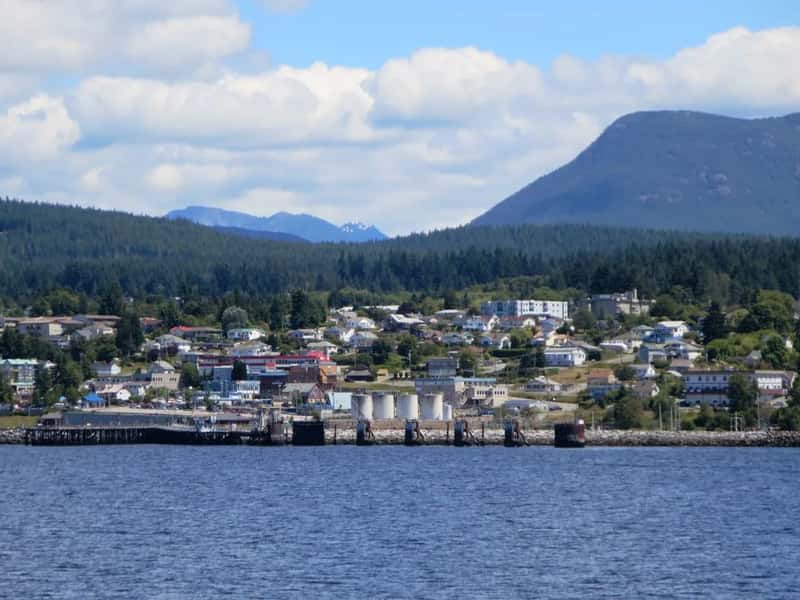
Powell River has quietly positioned itself as the antidote to more famous coastal towns that feel overrun. If Tofino is Canada’s most famous coastal escape, surfboards, storm watching, and boardwalk crowds, then Powell River is its quieter, more geographically dispersed counterpart.[12] That framing has resonated with travelers who want ocean views without fighting for parking.
Part of the appeal lies in how the town spreads activity across the calendar rather than concentrating it into one short season. Summer brings full marine activity, while fall offers quieter cycling and photography conditions.[12] Unlike single-landmark destinations, Powell River spreads tourism across experiences rather than concentrating it at a single landmark viewpoint.[12] That structural difference may be exactly why it has grown steadily rather than exploding overnight into an overtourism headline.
7. Cavendish, Prince Edward Island
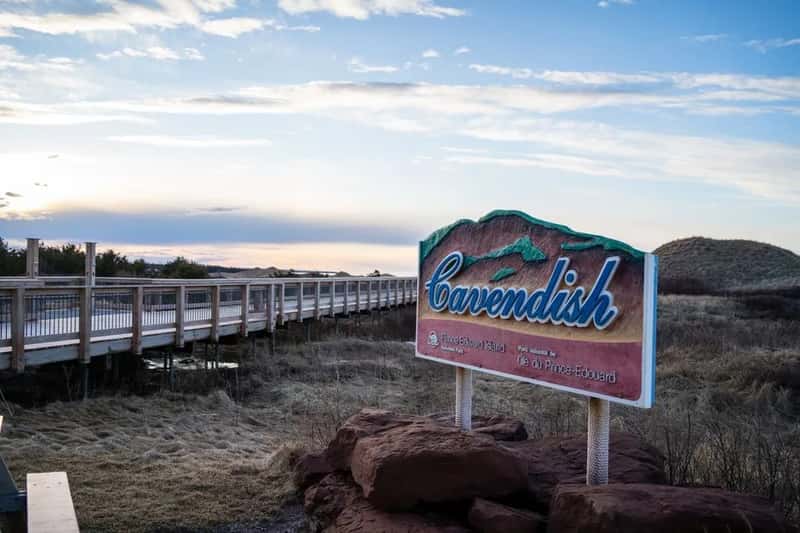
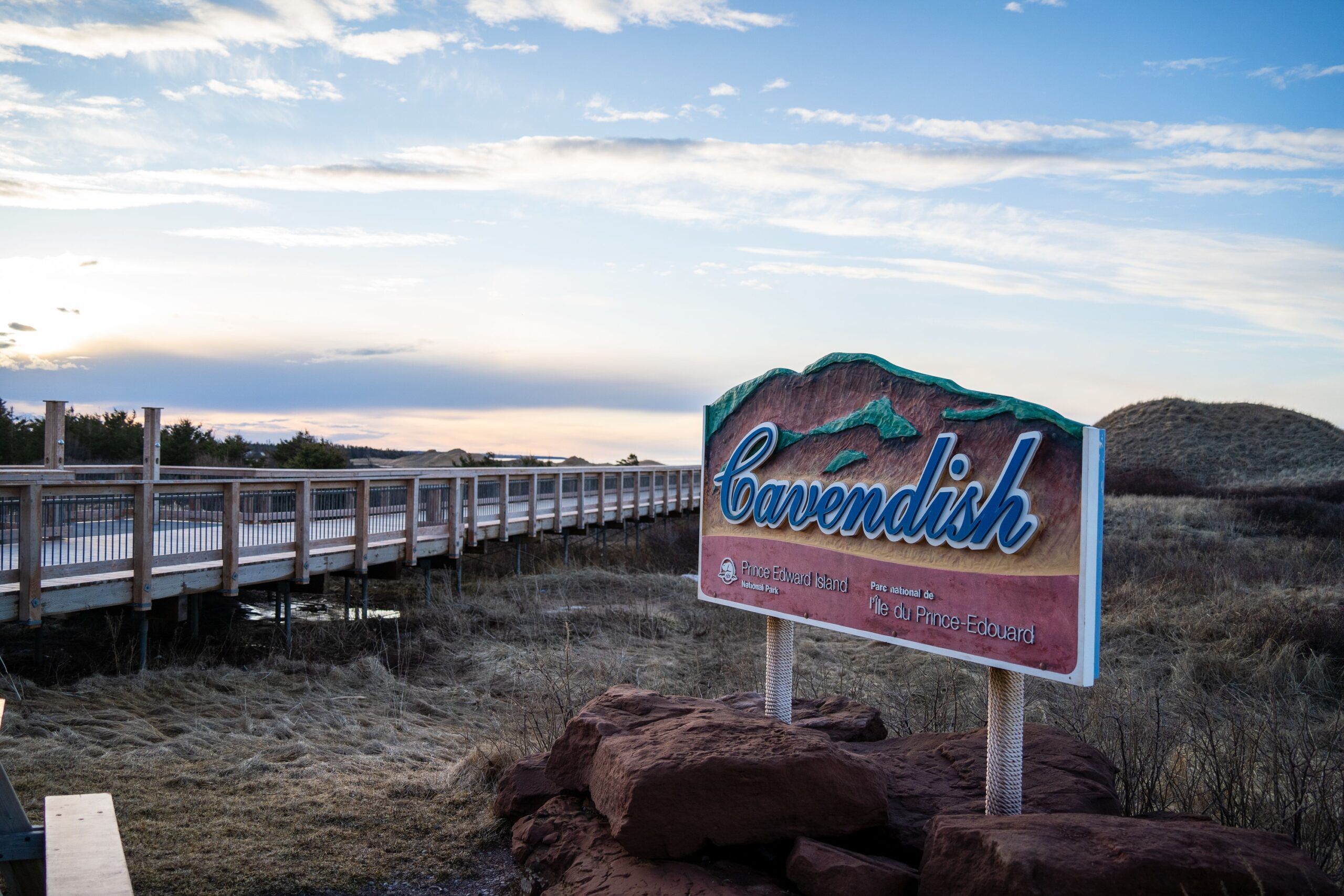
Cavendish has long drawn visitors thanks to its ties to Lucy Maud Montgomery and the Anne of Green Gables story, along with the red sand beaches of PEI National Park. In recent years that steady stream has turned into something closer to a flood. P.E.I. saw record-breaking tourism numbers in 2025 for the second straight year, the province says.[1]
Yet the picture on the ground has been more complicated than the headline numbers suggest. Cavendish Country Inn and Cottages manager Torres Liu says business has been down about 10 per cent so far this summer compared to 2025, calling it a bit of a down season with more openings and less profit.[1] It is a reminder that record-breaking provincial totals do not always translate evenly to every small operator on the ground, and that even a certified tourist hotspot can feel oddly quiet in a given season.
Taken together, these seven towns tell a similar story from different corners of the country. A striking landscape, a single ambitious business, or proximity to a major city was often enough to tip a quiet place into a genuine destination, sometimes within a single decade. What happens next, whether these towns can manage growth without losing the qualities that made them appealing in the first place, is the question locals in each of them are now wrestling with. For travelers, the takeaway is simple: visit thoughtfully, consider the shoulder season, and remember that the “hidden gem” label rarely lasts as long as anyone expects.