Everyone dreams about moving somewhere with great restaurants, a real arts scene, and interesting job opportunities. The problem is that those qualities usually come with a price tag attached to cities like New York, Los Angeles, or Austin. Yet a handful of smaller American cities have quietly built up the cultural depth and economic energy of a major metro while keeping housing costs at a fraction of the price.
These six places prove that you don’t need to sacrifice culture, career opportunities, or good food to find affordability. From revitalized Rust Belt downtowns to Midwestern cities with surprising museum scenes, here’s a closer look at towns that punch well above their population size, and their price point.
1. Pittsburgh, Pennsylvania

Pittsburgh has spent the last two decades transforming from a steel town into a hub for healthcare, robotics, and tech, all while housing prices stayed remarkably grounded. Financial expert Andrew Lokenauth put it simply, noting that “Pittsburgh tops my list because it gives you big-city amenities at small-town prices.” According to his analysis, median home prices sit around $200,000, which is 50% to 60% below the national average.
What makes Pittsburgh stand out isn’t just the price point, it’s the intentional investment behind it. Lokenauth explained that “housing is very affordable, the city has invested heavily in revitalization and there are real incentives for remote workers. It’s not just cheap, it’s intentional.” Between its university-driven economy, museums, and food scene, Pittsburgh offers a genuine urban lifestyle without the urban price tag.
2. Rochester, New York
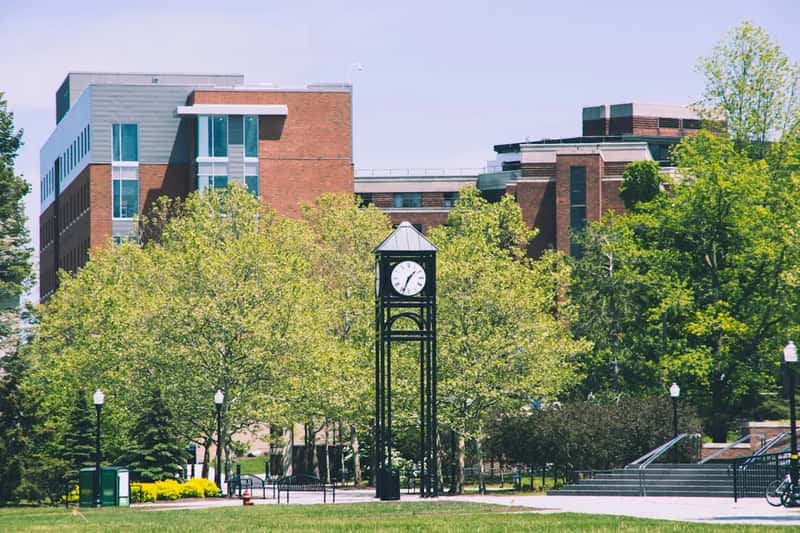
Mention New York State and most people picture skyscraper rents, but Rochester tells a completely different story. As one housing analysis put it, “Most people think New York equals expensive, but Rochester completely flips that narrative.” The city built its reputation on optics and imaging industries, and that legacy still shapes a strong local economy today.
Beyond the job market, Rochester benefits from institutions that most cities its size simply don’t have. Financial commentator Jake Blumenfeld noted that “housing costs are low, there are major universities and medical systems and the city has a steady workforce,” adding that “it offers strong infrastructure and culture at a fraction of what people expect.” For anyone chasing a big-city feel on a modest budget, Rochester is worth a serious look.
3. Fort Wayne, Indiana

Fort Wayne rarely makes anyone’s bucket list, but that’s exactly the point. It’s the kind of overlooked Midwestern city that quietly offers stability, low costs, and a family-friendly pace of life. As Lokenauth pointed out, most people overlook smaller Midwest cities, but they offer stability that flashier locations can’t match, and “Fort Wayne works for young families especially.”
The math behind Fort Wayne’s appeal is hard to argue with. Lokenauth noted that “homes cost about $190,000, crime rates run low and the school systems perform well.” He drove the comparison home by pointing out that “a $300,000 home in Fort Wayne beats a $900,000 home in San Francisco when you factor in property taxes, insurance, maintenance and opportunity cost.” For buyers priced out of the coasts, that kind of math is hard to ignore.
4. Tulsa, Oklahoma

Tulsa has become something of a poster child for affordable Midwestern living with real cultural muscle behind it. Recent cost-of-living analysis found that Tulsa leads the pack where a single adult covers all essential expenses for around twenty-seven eighty a month, and median home prices sit near one eighty-five thousand, roughly half the national median. That’s a striking gap compared to the coasts, and it comes without giving up urban conveniences.
The savings extend well beyond housing. One breakdown noted that Tulsa tops the list with an estimated monthly cost of around $2,780 for a single adult, roughly $1,070 below the U.S. median lifestyle cost of $3,850 per month. Combined with a growing arts district, a walkable downtown, and an increasingly diverse restaurant scene, Tulsa offers plenty of big-city texture without the big-city bill.
5. Cedar Rapids, Iowa
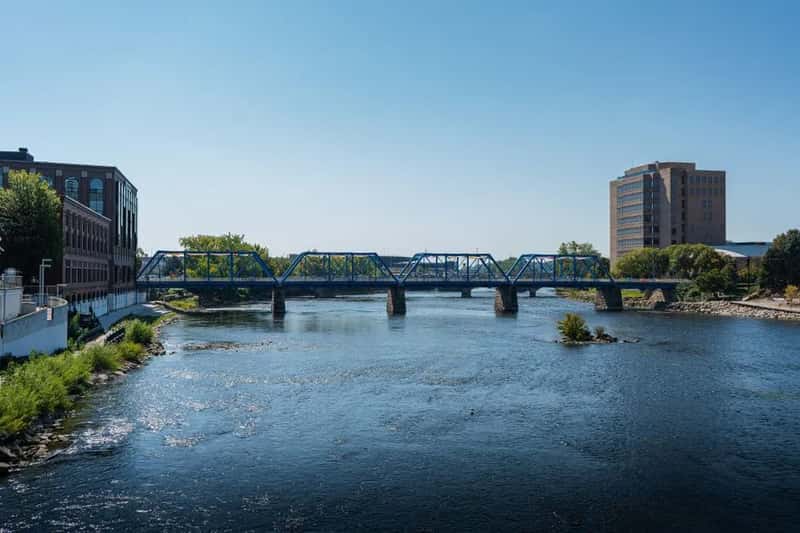
Cedar Rapids doesn’t get much national attention, but it has quietly built one of the more interesting cultural scenes in the Midwest. Sitting along the Cedar River, Cedar Rapids is Iowa’s only city on several national affordability lists, and residents have several cultural centers at their fingertips, including the National Czech and Slovak Museum & Library, which is a Smithsonian affiliate. That kind of institution is rare to find in a city of its size.
Housing costs make the appeal even clearer. Reports show that the median rent is $715 and the median home value is $174,452, both dramatically lower than national norms. With a median household income hovering around seventy thousand dollars, Cedar Rapids gives residents real purchasing power alongside genuine cultural amenities most small cities can only dream of.
6. Wichita, Kansas
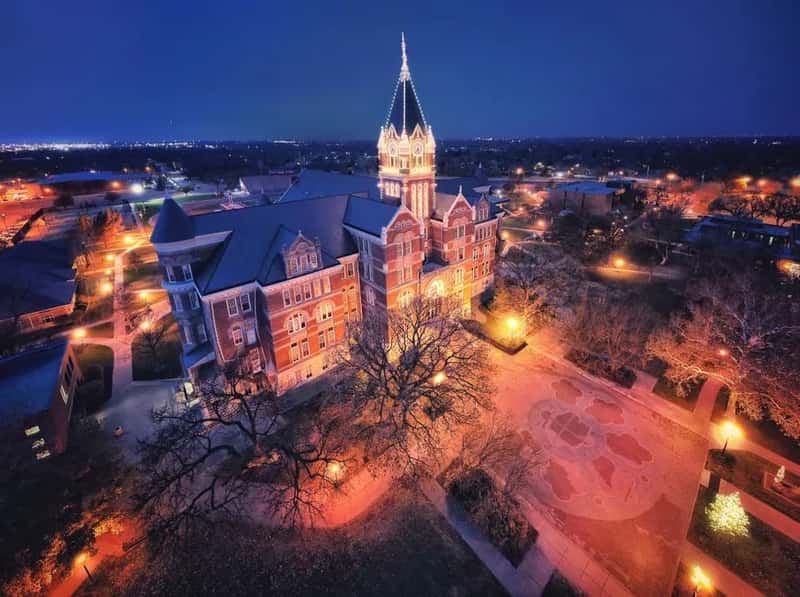
Wichita often gets dismissed as flyover territory, but it has quietly become one of the more compelling affordable cities in the country. According to recent cost analysis, Wichita has plenty of job opportunities, loads of amenities, and housing costs 22% lower than the national average. That combination of opportunity and affordability is increasingly rare.
Wichita’s aerospace manufacturing base has long provided steady employment, and the city has used that economic foundation to invest in its downtown, museums, and riverfront parks. The result is a city that offers genuine job security and cultural amenities without forcing residents to stretch their budgets thin just to keep a roof over their heads.
None of these places are secret anymore, not entirely, but they remain refreshingly underpriced compared to the coastal cities that dominate most relocation conversations. What they share is a pattern: strong local economies, meaningful investment in culture and infrastructure, and housing markets that haven’t caught up to the quality of life on offer.
For anyone tired of watching rent eat up half their paycheck, these six cities are a reminder that a rich, connected lifestyle doesn’t have to come with a coastal price tag. Sometimes the best move isn’t toward the spotlight, it’s toward the places everyone else keeps overlooking.